Mie · IseNo.207★★★Open in map →
Ise Jingu Naiku & Oharai-machi
— Japan's most sacred Shinto shrine
Ise Jingu's Inner Shrine (Naiku) enshrines Amaterasu Omikami, the sun deity and ancestral deity of the imperial family, in a tradition said to span about 2,000 years. The adjacent Oharai-machi, a stone-paved lane along the Isuzu River, connects the shrine to the lively Okage Yokocho food and craft precinct.
- FromNagoya Stn
- ~80 minKintetsu limited express
- Get off atUjiyamada Station (Kintetsu Yamada Line)
- From there
- Ise Jingu Naiku & Oharai-machi
Where it is
17 more notes in Mie · open the map →What to look for — in walking order
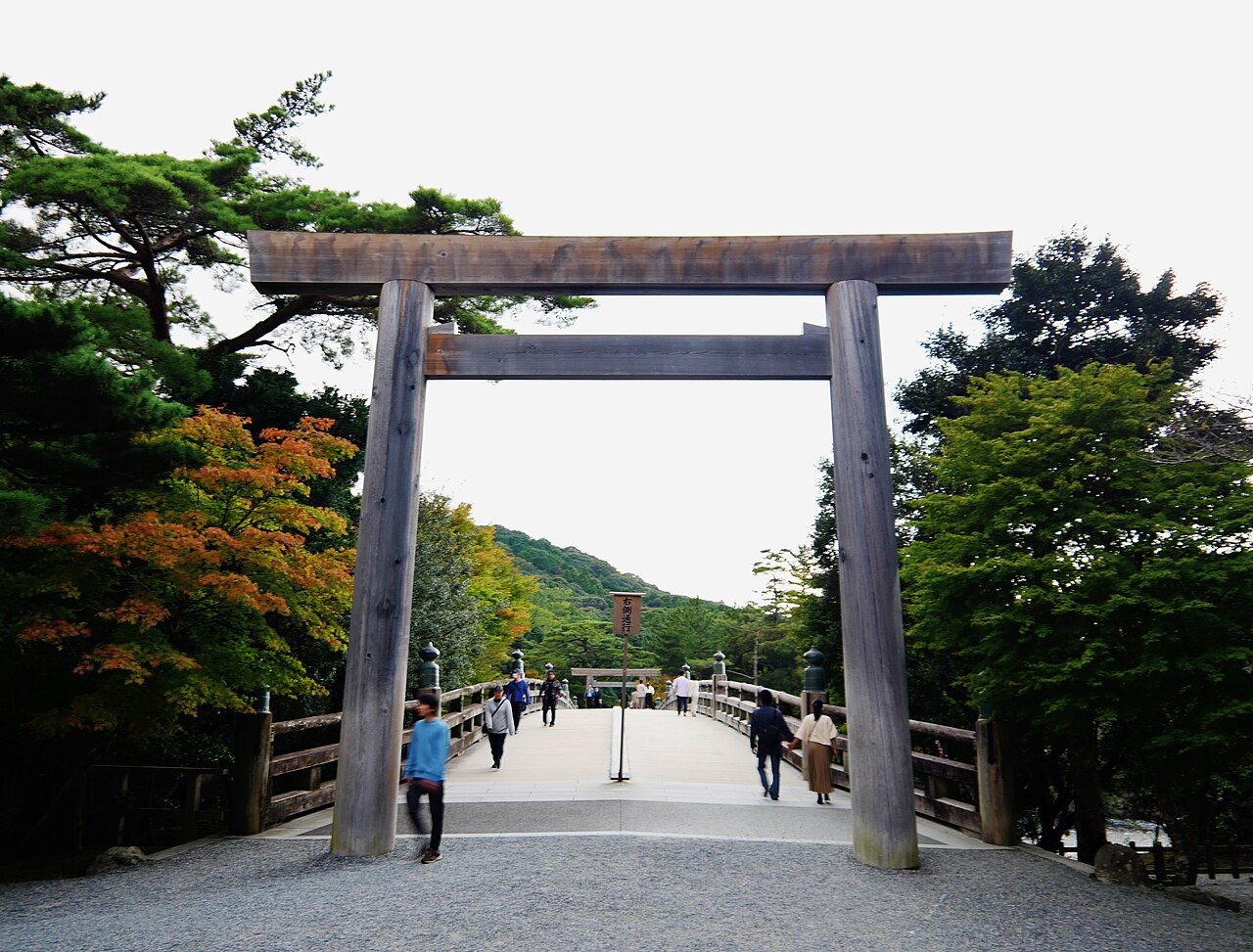
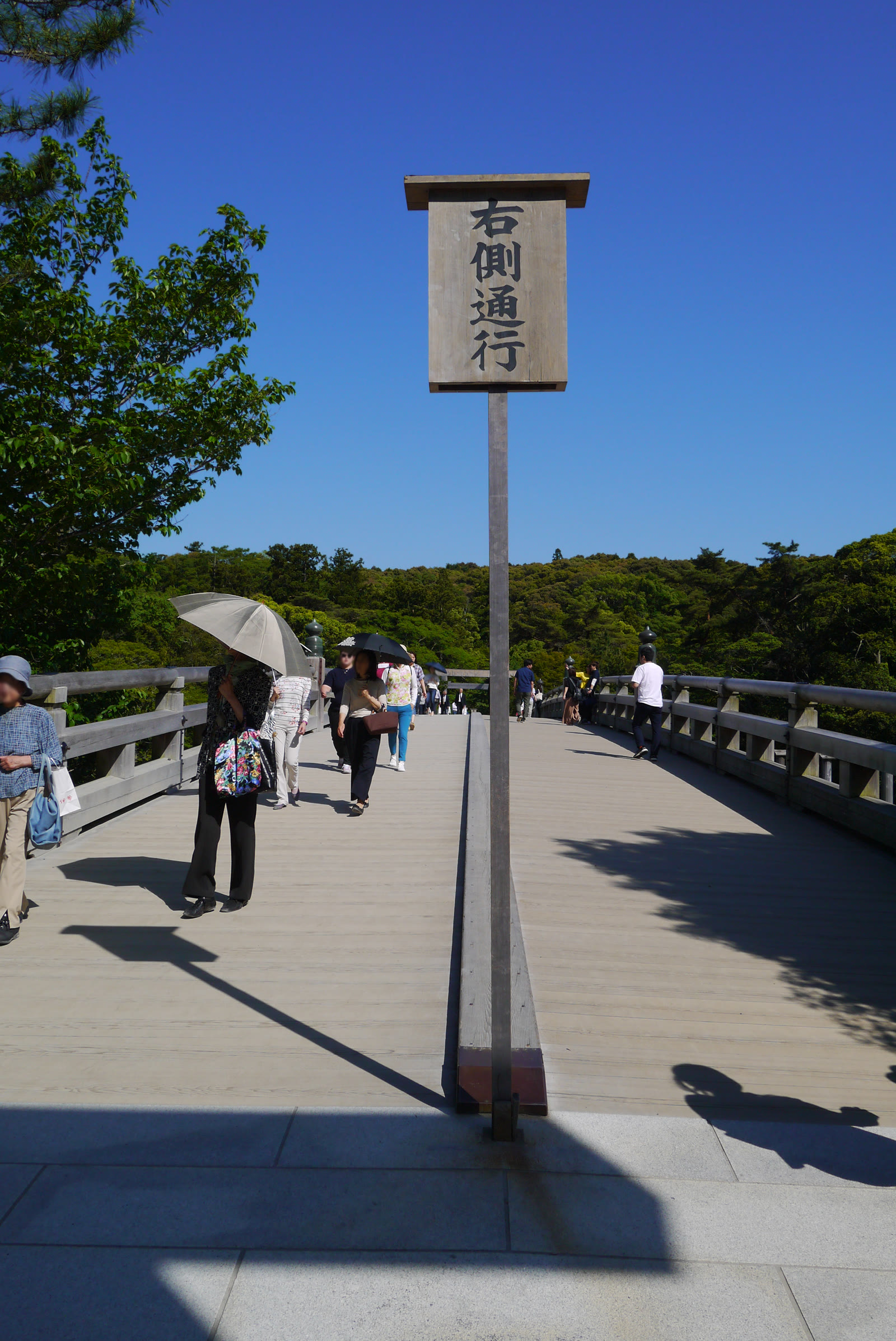
- Uji Bridge (Ujibashi)the main wooden bridge over the Isuzu River marking the boundary between the everyday world and the sacred precinct; rebuilt every 20 years
- Inner Precinct approacha gravel path through ancient cypress trees leading to the inner sanctuary; the forested walk is the heart of the Naiku visit
- Naiku main sanctuarythe innermost wooden structures where Amaterasu is enshrined, visible only in outline through the fence; rebuilt in the same form every 20 years since 690 CE
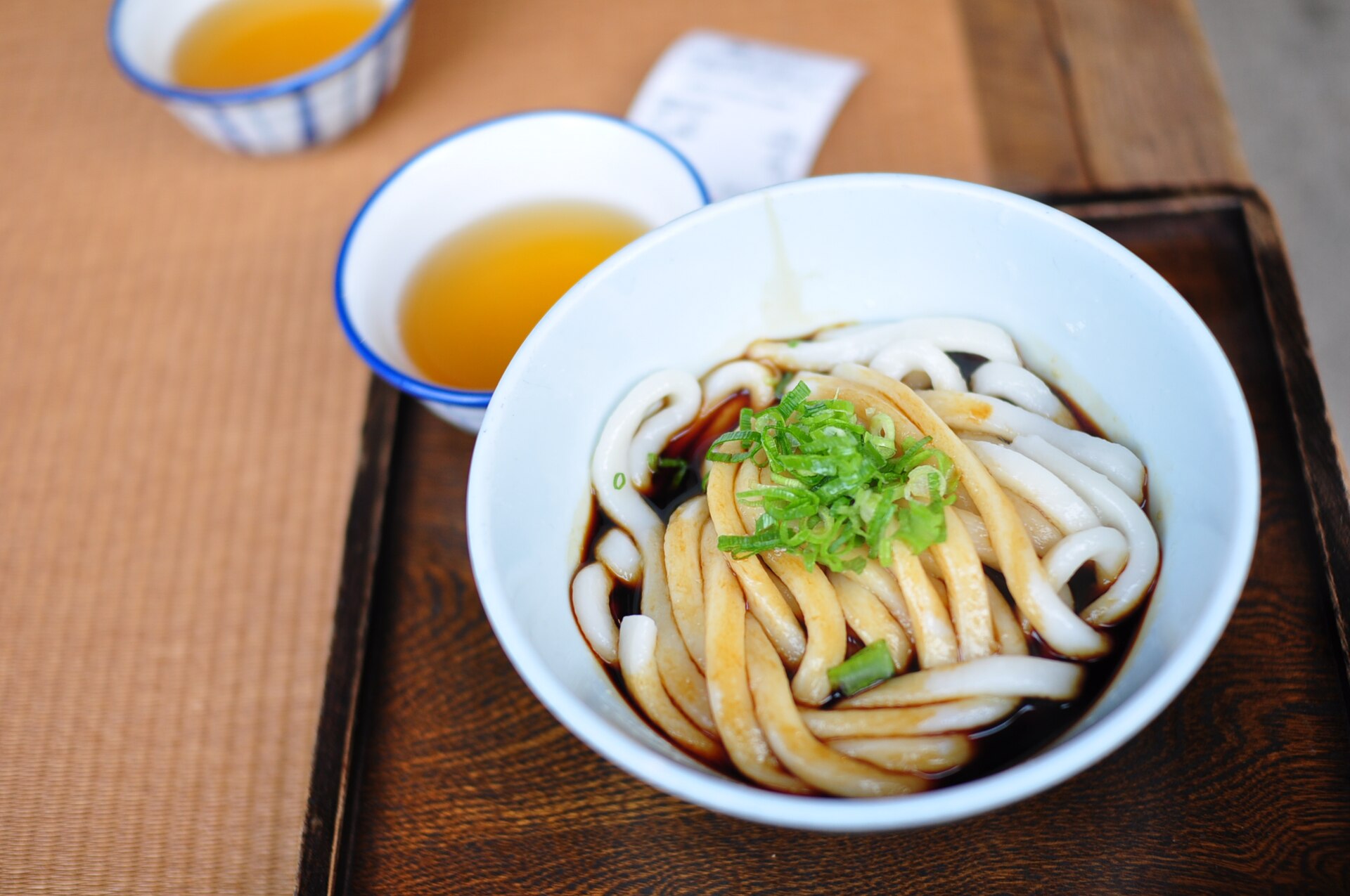
- Oharai-machi and Okage Yokochoa stone-paved lane and a precinct of old-style buildings along the Isuzu River, offering regional food, Ise udon, and red bean pancakes (akafuku mochi)
How to actually get there
- Nagoya Stn → Ujiyamada Stn (Kintetsu limited express, ~80 min, ¥3,080).
- Ujiyamada Stn bus terminal → Naiku-mae bus stop (Mie Kotsu bus, ~15 min).
- Naiku-mae → Uji Bridge → Inner Precinct gravel path → main sanctuary (walk ~10-15 min from the bus stop). Return via Oharai-machi lane.
- Nagoya Stn → Ujiyamada Stn (Kintetsu limited express), then bus to Naiku-mae
- From Nagoya Station, take the Kintetsu Nagoya Line limited express (tokkyu) toward Kashikojima or Toba — most services stop at Ujiyamada Station (about 80 minutes, ¥3,080). From Ujiyamada Station bus terminal, take the Mie Kotsu bus bound for Naiku (inner shrine) to the Naiku-mae stop (about 15 minutes). Buses run regularly from around 7:00 onward.
- Naiku-mae → Ujiyamada Stn → Nagoya Stn
- Return bus from Naiku-mae to Ujiyamada Station, then Kintetsu limited express back to Nagoya. Buses run frequently through the day. Limited express trains run until evening and require no advance booking, though buying a ticket at the machine before boarding is recommended.
About the place
Ise Jingu is not a single shrine but a complex of over 125 shrines spread across the city of Ise. The Inner Shrine (Naiku), where Amaterasu Omikami is enshrined, is the most sacred. Its wooden sanctuary buildings are hidden from public view behind wooden fences, but the forested approach over the Uji Bridge and through the cypress-shaded precinct is itself the experience. The Shikinen Sengu — the complete rebuilding of the shrine structures every 20 years — is a living practice carried out in Ise since 690 CE and next scheduled for 2033. Oharai-machi, the stone-paved merchant street along the Isuzu River from the shrine's main torii, leads to Okage Yokocho, a precinct of old-style buildings housing regional food and craft shops.
How to enjoy it
The shrine opens at 5:00 (6:00 from October to April) and closes at sunset; entry to the shrine grounds is free. The first bus from Ujiyamada Station departs around 6:53. Arrive early in the morning — before the mid-morning buses bring day-trip groups — and the gravel paths through the cypress precinct are calm. Walk Oharai-machi on the way back; most shops open from about 9:00 or 10:00. Dress modestly for the sacred precinct; photography of the inner sanctuary is not permitted.
Background & history
The practice of enshrining Amaterasu Omikami at Ise is traditionally said to have begun around the 3rd or 4th century CE, though the current site on the Isuzu River is established in chronicles as fixed from the reign of Emperor Suinin. The 20-year rebuilding cycle (Shikinen Sengu) was established in 690 CE. Because the shrine is rebuilt every two decades, there are always two sets of adjacent plots — one occupied, one cleared and resting — making the cycle visible in the landscape. Ise Jingu is not designated as a UNESCO World Heritage Site but is broadly recognised as Japan's most spiritually significant Shinto complex.
Before you go
- Cash
- Entry to the Naiku grounds is free. The Kintetsu limited express requires a base fare plus a limited express supplement (tokkyu-ken), totalling ¥3,080 from Nagoya. IC cards (Suica, manaca) are accepted on Kintetsu. The local Mie Kotsu bus is cash or IC card. Shops in Oharai-machi and Okage Yokocho are a mix of card and cash.
- Good to know
- Photography of the inner sanctuary beyond the first wooden fence is not permitted. Dress modestly inside the precinct. The shrine can be very crowded on major Japanese holidays and especially around the New Year period.
- Another way
- From Osaka or Kyoto, take the Kintetsu from Kyoto/Osaka-Namba direct to Ujiyamada (about 2 hours from Osaka-Namba). A direct highway bus also runs from major cities on certain days.
- After you get off
- Ujiyamada Station has a bus terminal in front. Take the Mie Kotsu bus to Naiku-mae, the stop directly in front of the shrine's main torii and Uji Bridge.
Nearby notes
 imgdive / CC BY 2.0
Food · Mie★★
Ise Udon
0.9 km · straight line
 MaedaAkihiko / CC0
History · Mie★★★
Ise Jingu Geku
4.1 km · straight line
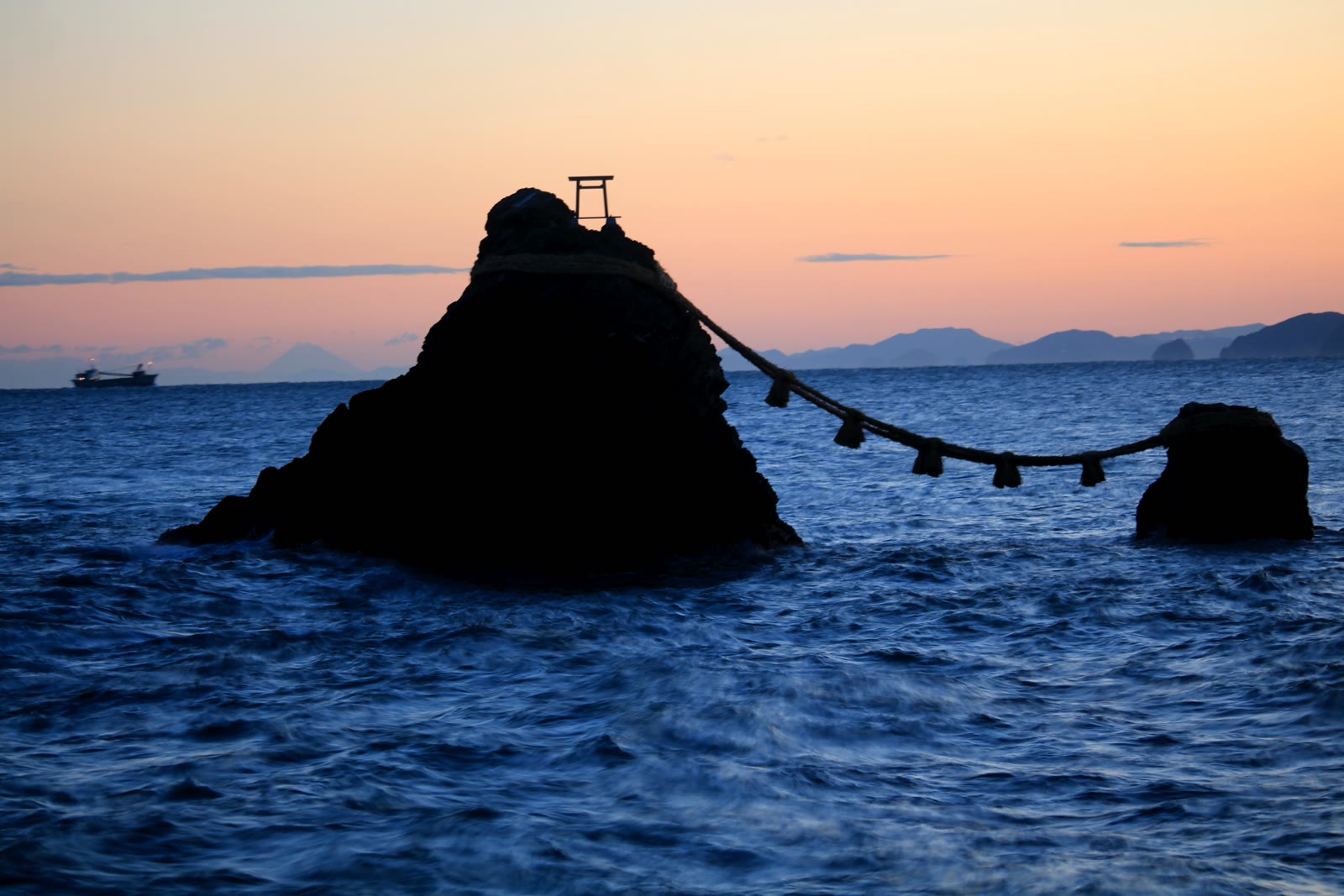 Alpsdake / CC BY-SA 4.0
History · Mie★★★
Meoto Iwa
8.3 km · straight line
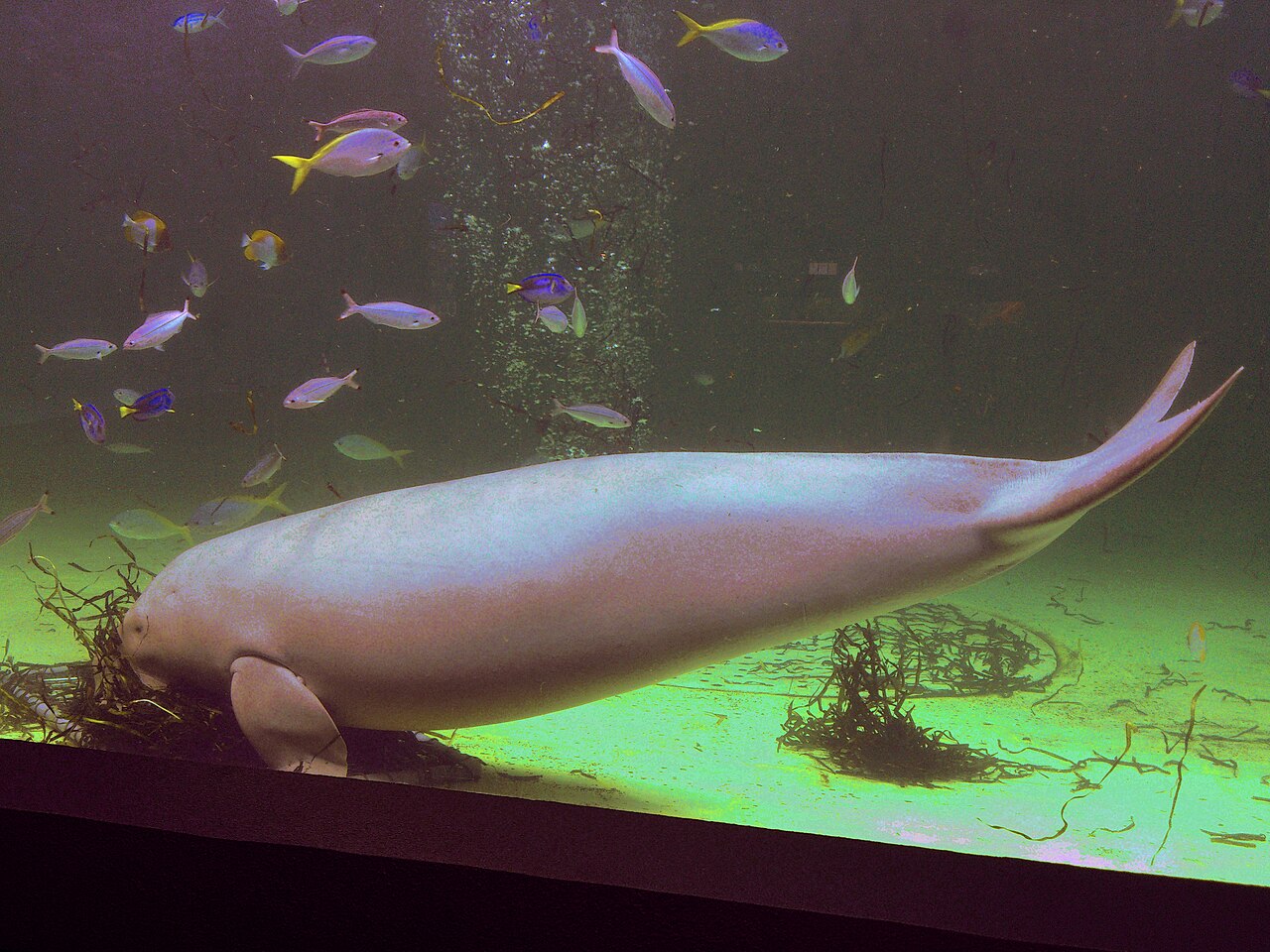 Miyuki Meinaka / CC BY-SA 3.0
Nature · Mie★★
Toba Aquarium
11.4 km · straight line
Distances are straight lines on the map, not travel times.