Mie · Toba · Ise-ShimaNo.346★★Open in map →
Toba Aquarium
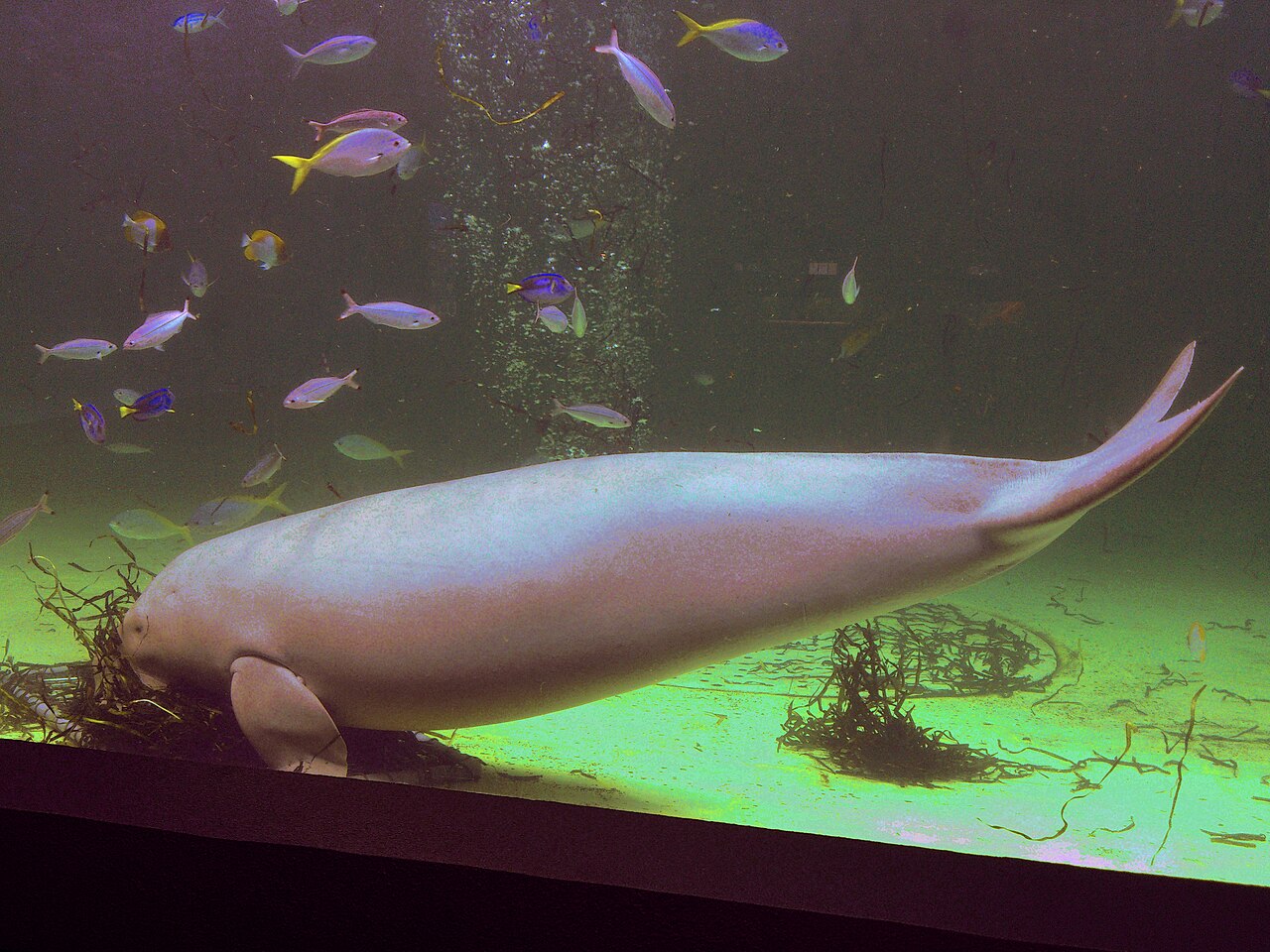
A large aquarium on the bay at Toba, Mie, keeping around 1,200 species — the widest range in Japan — and the only dugong held anywhere in the country.
- FromNagoya Stn
- ~10 minexpress + 10 min walk
- Get off atToba Stn (Kintetsu / JR)
- On foot
- Toba Aquarium
The sweet spot
Foreign visitors to Ise-Shima come for the shrine at Ise Jingu and often treat Toba as a place to change trains. The aquarium is a ten-minute walk from that station, and the dugong is genuinely unrepeatable elsewhere in the country — you cannot see this animal at any other Japanese aquarium.
Where it is
17 more notes in Mie · open the map →What to look for — in walking order
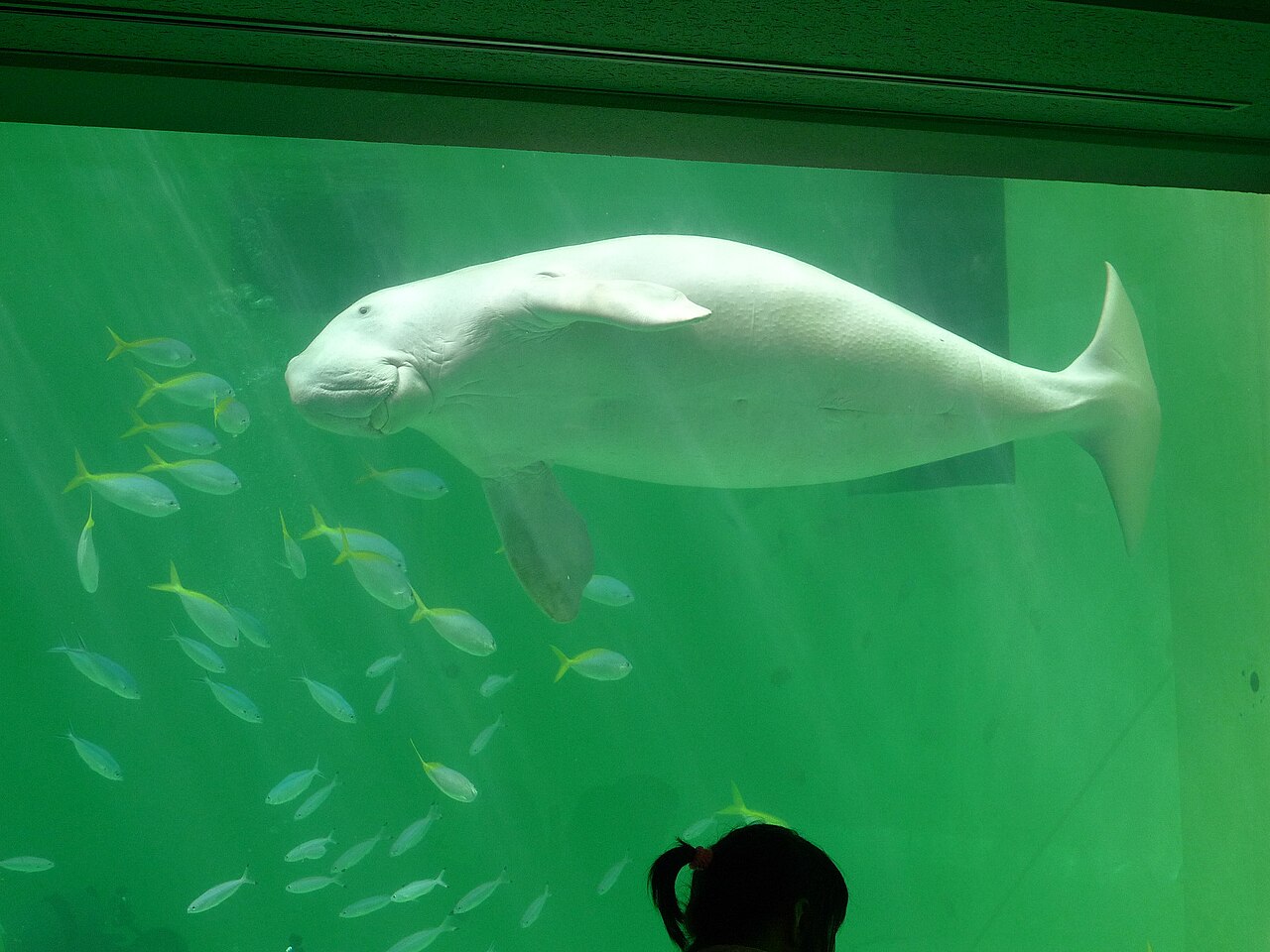
- The dugongthe only dugong kept in Japan, grazing slowly on seagrass — the animal behind Indo-Pacific mermaid legends
- The sea lion performancethe aquarium's set-time show, held several times a day in the performance stadium
- The walruses and sea ottersfeeding and training sessions held to a posted timetable, among the most popular stops in the building
- The Japan coastal zonesthe tanks devoted to the seas around Ise-Shima, including the finless porpoise, and to the species that made the aquarium's name for breadth
How to actually get there
- Kintetsu Nagoya Stn → Toba Stn (Kintetsu Limited Express toward Kashikojima, ~1 hr 40 min; reserved seat ticket required).
- Toba Stn → aquarium on foot along the waterfront (~10 min).
- Enter and pick your own order through the twelve zones — there is no fixed route.
- Nagoya Stn → Toba Stn (Kintetsu Limited Express)
- From Kintetsu Nagoya Station take a Limited Express toward Kashikojima and ride to Toba Station — about 1 hour 40 minutes. Limited Express services need a reserved seat ticket in addition to the fare; buy both at the station. From Toba Station it is a level 10-minute walk along the waterfront to the aquarium, which is a large building on the bay side and hard to miss.
- Return from Toba Stn any time in the day
- Retrace the 10-minute walk to Toba Station and take the Kintetsu Limited Express back toward Nagoya, or continue southwest toward Kashikojima if you are staying in Ise-Shima. JR's Rapid Mie also runs from Toba back to Nagoya, more slowly. Services thin out in the evening, so check the last departures if you stay to closing.
About the place
Toba Aquarium opened in 1955 on the bay in Toba, in the pearl-farming country of Ise-Shima, and has built its identity on breadth rather than spectacle: it keeps around 1,200 species, which it claims is more than any other aquarium in Japan. The headline resident is a dugong — the only one kept anywhere in Japan, a slow grey sea cow that grazes on seagrass and is thought to lie behind the mermaid stories of the Indo-Pacific. The building is also unusual in refusing to tell you where to go. There is no fixed route: twelve zones open off a central spine and you choose your own order, which makes a visit here feel less like being processed and more like wandering. The other residents run from finless porpoises and sea otters to walruses, capybaras and African manatees.
How to enjoy it
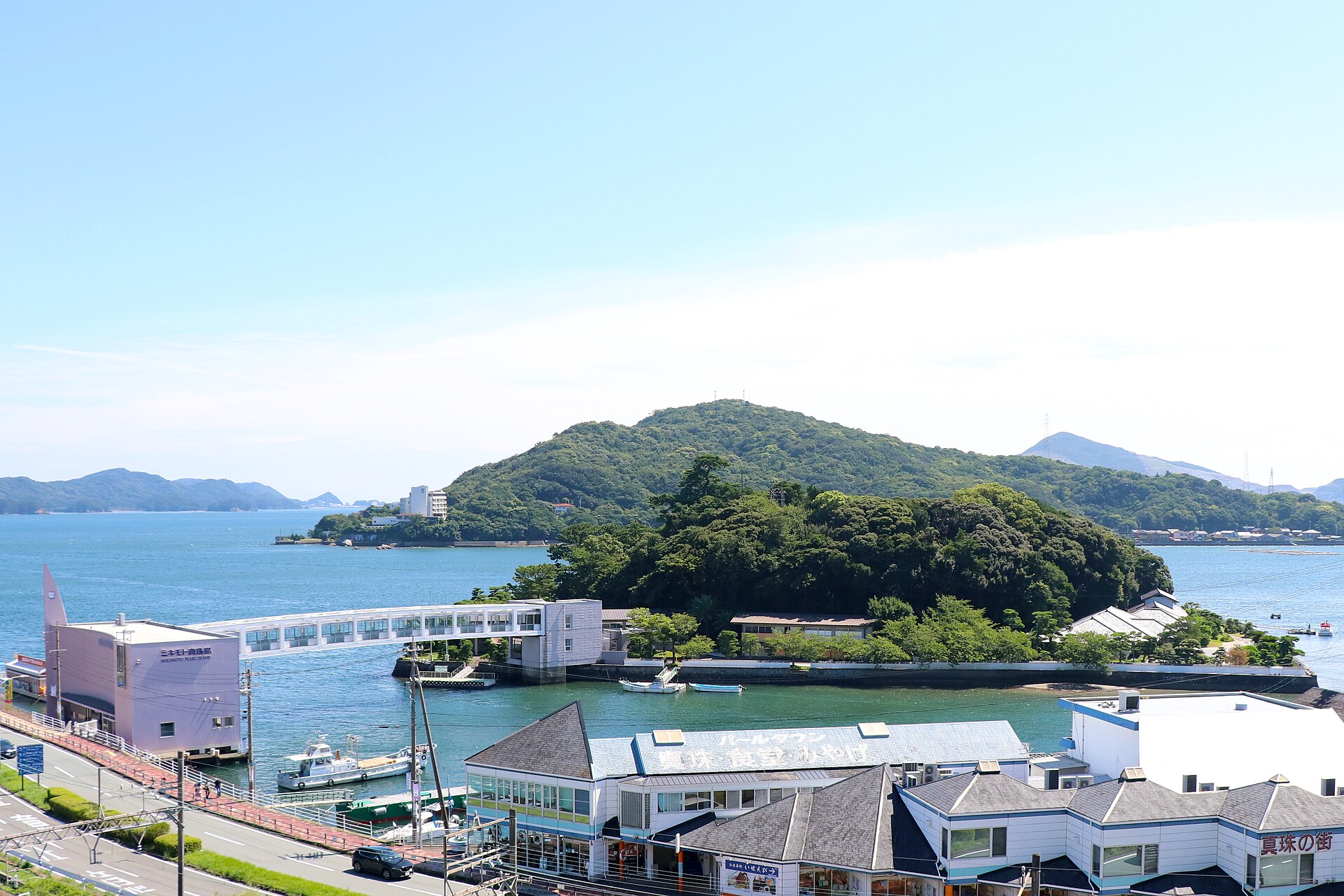
Allow two to three hours; families easily spend longer. Check the posted show and feeding times the moment you enter and plan your route around them rather than discovering you have missed them — with no fixed route it is easy to lose track. Weekday mornings from opening are the quietest. Ise Jingu is two stops back up the Kintetsu line and makes the obvious pairing; Mikimoto Pearl Island, with its ama diving demonstrations, is immediately next door if you want a full day in Toba without moving.
Background & history
The aquarium opened in 1955 in Toba, a town whose modern history is bound to the sea: this is the home water of the ama free divers and of Mikimoto's cultured pearl industry, which began on the island just next door. Rather than competing on tank size, Toba built its reputation on the number of species it keeps and on husbandry of animals few other institutions attempt, the dugong among them. Its no-fixed-route layout, unusual for a Japanese aquarium, was a deliberate design choice.
Before you go
- Cash
- Admission is charged at the door and is on the higher side for a Japanese aquarium — check the current adult rate on the official site before you go. Credit cards and IC cards are accepted at the aquarium; the Kintetsu Limited Express seat ticket is best bought at a station counter or machine.
- Good to know
- The aquarium opens at 9:00 and closes at 17:00 for most of the year, with extended hours in the summer holidays and last entry an hour before closing. It is open every day of the year. Weekends, Golden Week and the August holidays are busy, particularly around the sea lion performance times. Allow more time than you expect — the full walk is well over a kilometre.
- Another way
- From Osaka Namba, the Kintetsu Limited Express reaches Toba in about 2 hours with a change at Ise-Nakagawa. Ise-shi Station, for Ise Jingu, is two stops back up the line, which makes a shrine-then-aquarium day straightforward.
- After you get off
- From Toba Station, follow the waterfront road with the bay on your right for about 10 minutes; the aquarium's long building faces the water, next to Mikimoto Pearl Island.
Nearby notes
 Ganokure / CC BY-SA 4.0
Craft · Mie★★★
Akoya Pearls
0.2 km · straight line
 Alpsdake / CC BY-SA 4.0
History · Mie★★★
Meoto Iwa
6.1 km · straight line
 Oilstreet / CC BY 2.5
History · Mie★★★
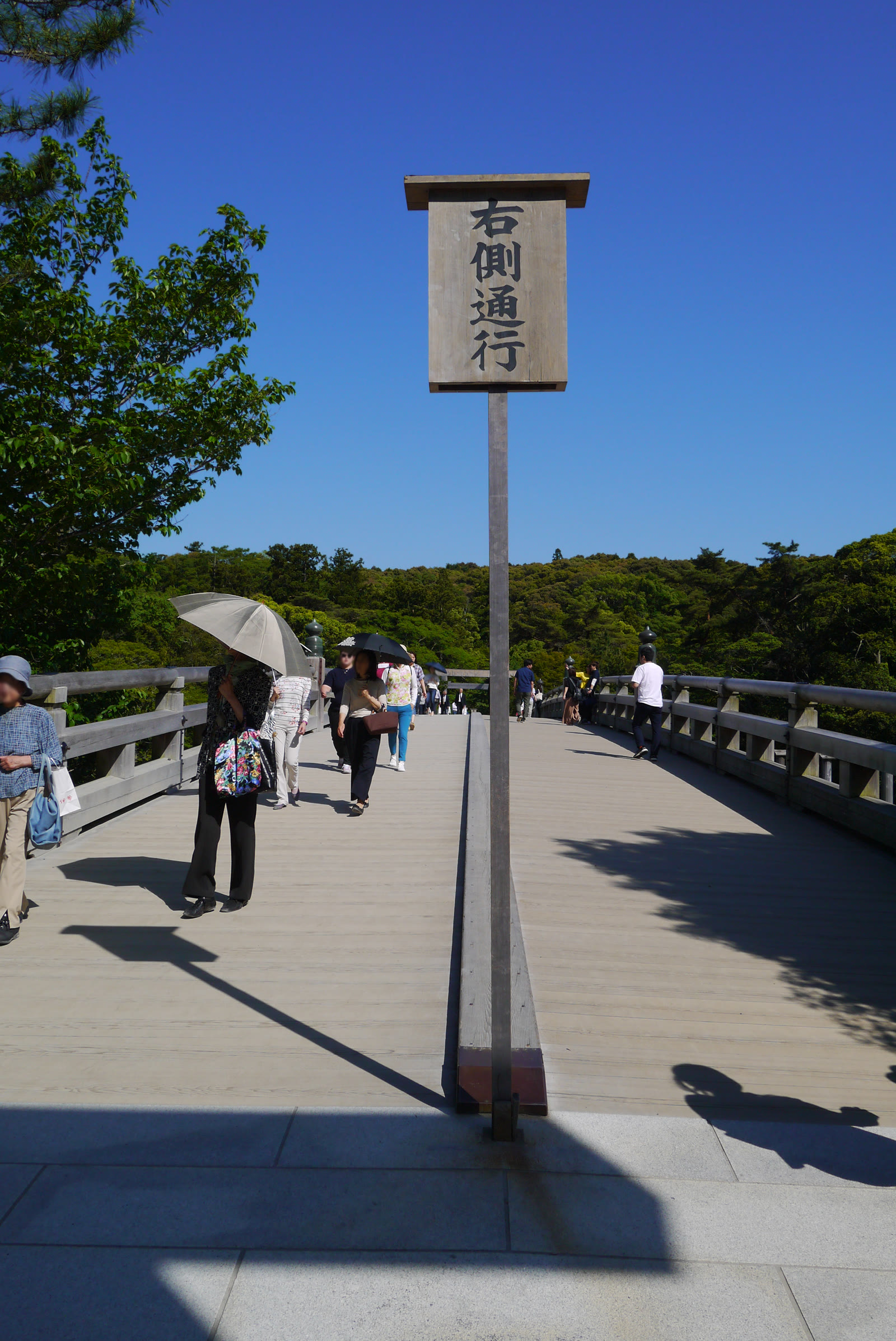
Ise Jingu Naiku & Oharai-machi
11.4 km · straight line
 imgdive / CC BY 2.0
Food · Mie★★
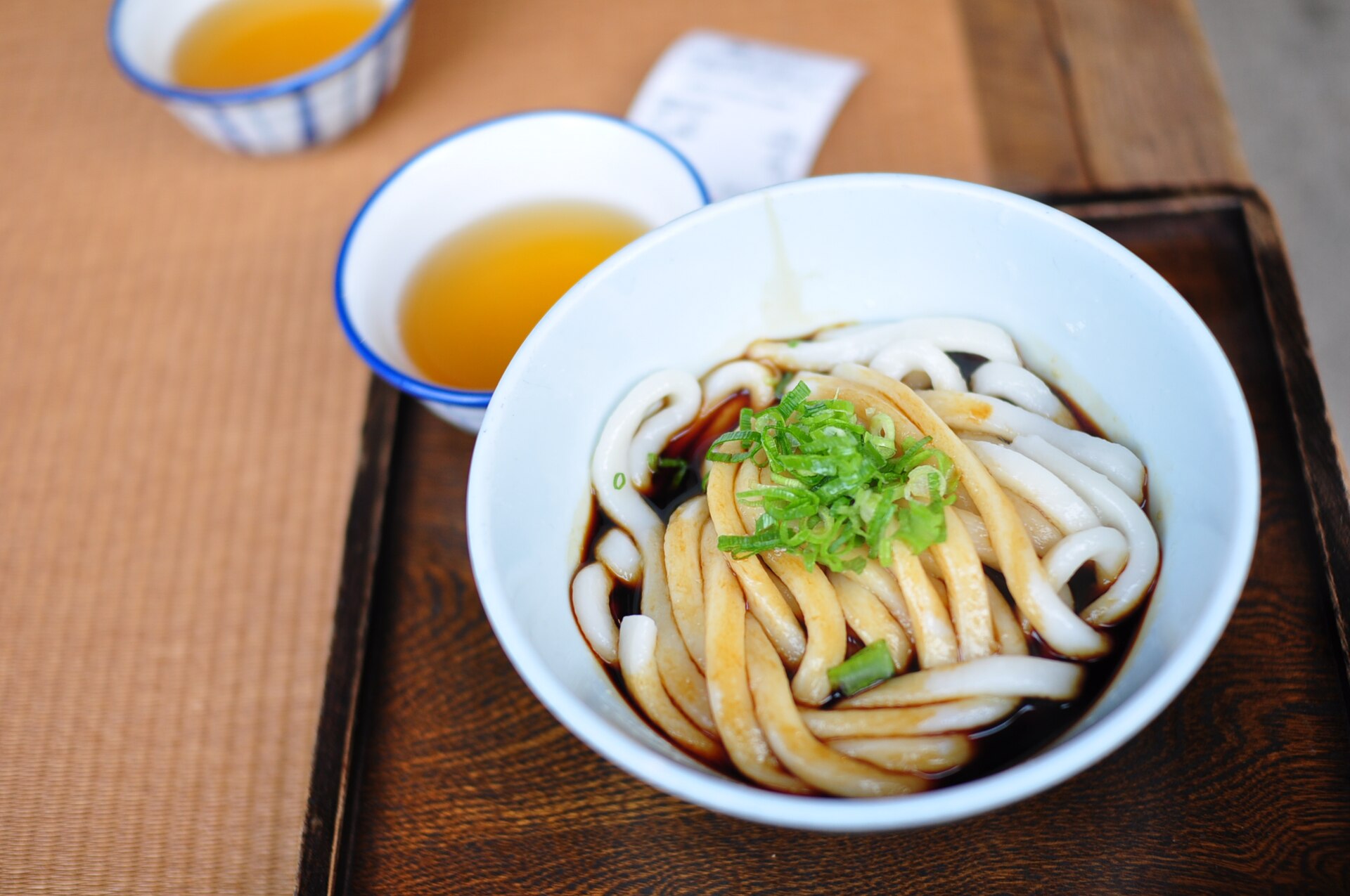
Ise Udon
11.5 km · straight line
Distances are straight lines on the map, not travel times.