Kyoto deep north · MiyamaNo.004★★Open in map →
Miyama Kayabuki-no-Sato
— Kyoto's living thatched-roof village
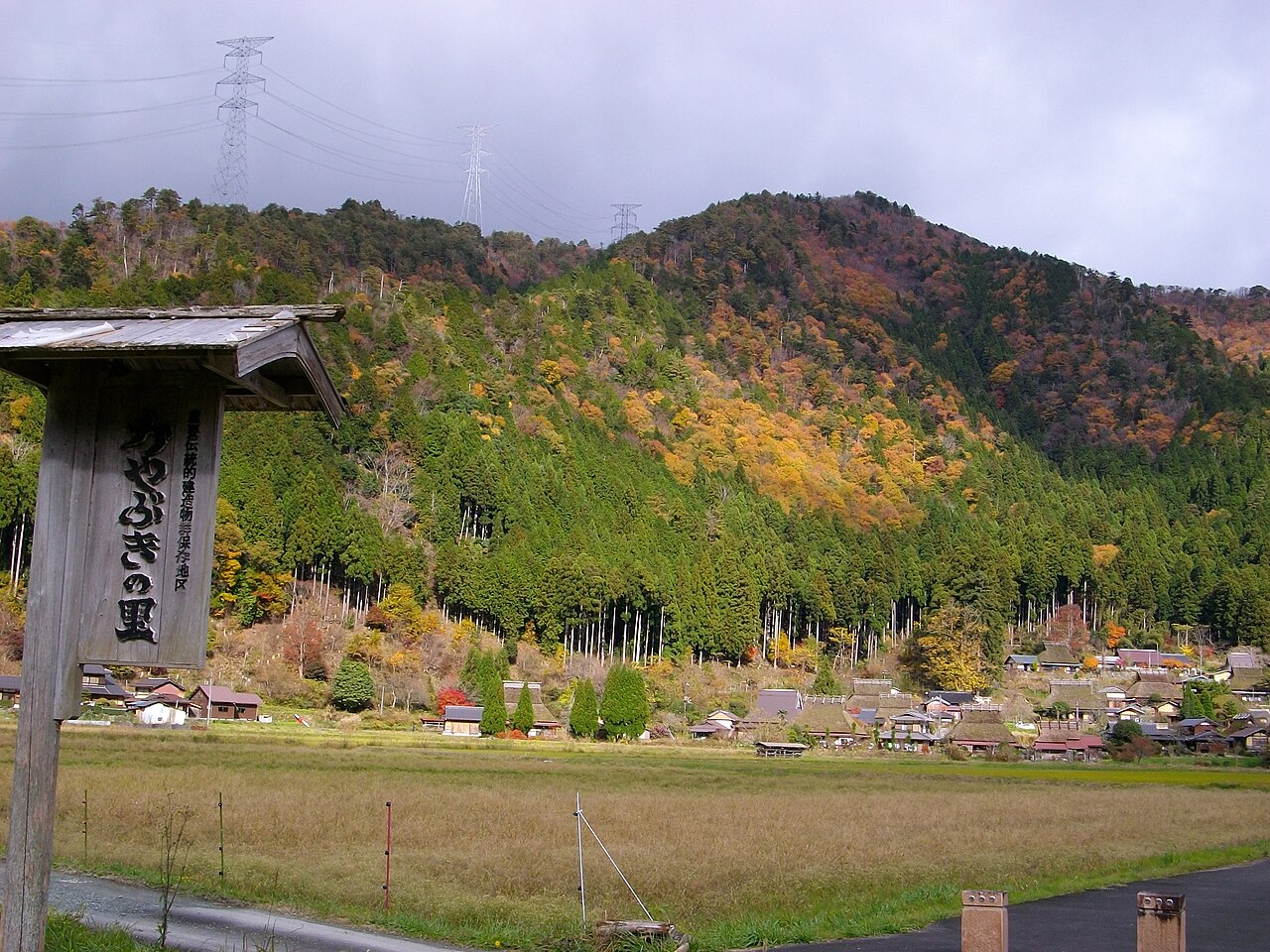
A mountain hamlet in northern Kyoto where close to forty thatched-roof farmhouses still stand — and where the craft of thatching is actively being kept alive.
- FromKyoto Stn
- ~95 minbus (about 1/hr)
- Get off atKita bus stop (via Hiyoshi Stn)
- On foot
- Miyama Kayabuki-no-Sato
The sweet spot
Miyama stays quiet because it is genuinely far out: reaching it means a train plus an infrequent rural bus, roughly two hours from Kyoto Station, and most English travel guides push visitors toward better-known thatched villages instead.
Where it is
90 more notes in Kyoto · open the map →What to look for — in walking order
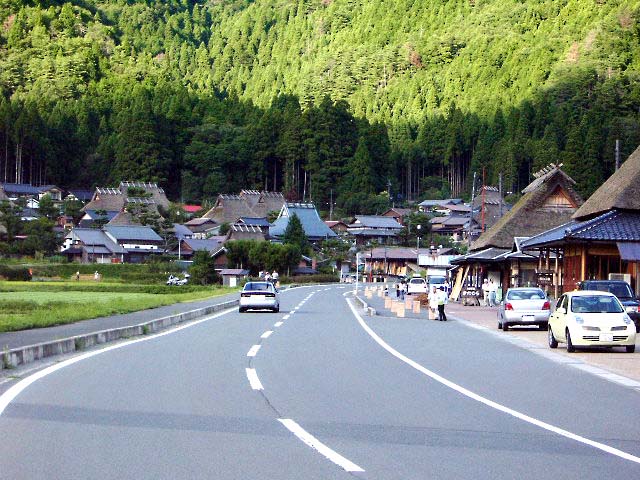
- Kita bus stop and village entrythe preserved hamlet begins a short walk from the bus stop; the lane leads directly into the cluster
- Thatched farmhouse clusterclose to forty kayabuki houses among about fifty homes on the hillside
- Living thatching crafta training ground where the tradition is continued by working craftspeople, not just preserved
- Seasonal settinggrass roofs framed by rice terraces and forested mountains, changing with each season
How to actually get there
- Kyoto Station → Hiyoshi Station (JR Sagano/San-in Line toward Sonobe, ~45 min; most trains transfer once at Sonobe).
- Hiyoshi Station → Kita bus stop (Nantan City Bus toward Chiken-guchi, ~50 min).
- Kita bus stop → into the village (short walk of a few minutes on a paved lane).
- JR to Hiyoshi + Nantan City Bus
- Kyoto Station →(JR Sagano/San-in Line toward Sonobe, ~45 min)→ Hiyoshi Station (most trains require one transfer at Sonobe on the way) →(Nantan City Bus toward Chiken-guchi, ~50 min)→ Kita bus stop. Total about 95-110 min. The bus runs only about once an hour, so plan around it: check the day's bus timetable before you leave, and aim for a train that meets a bus at Hiyoshi.
- Same bus and train back, but the last bus is early
- Return by Nantan City Bus from the Kita bus stop to Hiyoshi Station, then JR back to Kyoto. The last bus out of Miyama is early: roughly 6pm on weekdays, about 5pm on Saturdays, and about 4pm on Sundays and holidays. Times change with the timetable, so check the return time at the Kita bus stop when you arrive, and do not plan to stay late.
About the place
In the hills of Nantan City, north of Kyoto, the hamlet of Kitamura holds one of Japan's densest surviving clusters of kayabuki (thatched-roof) farmhouses. Of roughly fifty houses, close to forty wear the steep grass roofs, set against terraced rice fields and forested slopes. What sets Miyama apart is that the craft here is very much alive: the village has become a revival center for thatching where younger craftspeople train and roofs are periodically re-laid. The roofs are made from susuki grass and renewed every few decades in a labor-intensive cycle. It remains a lived-in farming community, not an open-air museum.
How to enjoy it
Come on a clear day and walk the hillside lanes slowly to take in the roofs against the fields and mountains. Rural buses run only about once an hour with an early last service, so check the timetable before you leave and note the return time at the Kita stop when you arrive.
Background & history
Most of the farmhouses date to the mid-to-late Edo period (1603–1868), making many of them roughly 150 to 200 years old. In 1993, the Kitamura settlement — together with its surrounding paddies and woodland — was designated an Important Preservation District for Groups of Traditional Buildings, a national designation requiring the houses to be maintained in their original form, including regular rethatching. In December 2020, the traditional Japanese thatching technique was added to UNESCO's Intangible Cultural Heritage list as part of a group of traditional architectural craft skills.
Before you go
- Cash
- Rural community buses like the Nantan City Bus are often cash-only and may not take IC cards (Suica/ICOCA), so carry enough coins and small notes; the one-way bus fare to Kita is about 600 yen. The JR train portion does accept IC cards.
- Good to know
- Kitamura is a living village, not a park: the houses are private homes, so stay on the public lanes and do not enter gardens or buildings unless they are marked as open to visitors. Individual shops and workshops keep their own hours — check current opening times before relying on any one being open.
- Another way
- If the bus times do not fit your plan, a rental car or taxi from Hiyoshi Station is the practical alternative; the drive from Hiyoshi to Kitamura takes roughly 40 minutes.
- After you get off
- Get off at the Kita bus stop, which is at the edge of the preserved village. From the stop it is a short walk of a few minutes on a paved lane into the cluster of thatched roofs.
Nearby notes
 河川一等兵 / CC BY-SA 3.0
Nature · Kyoto★
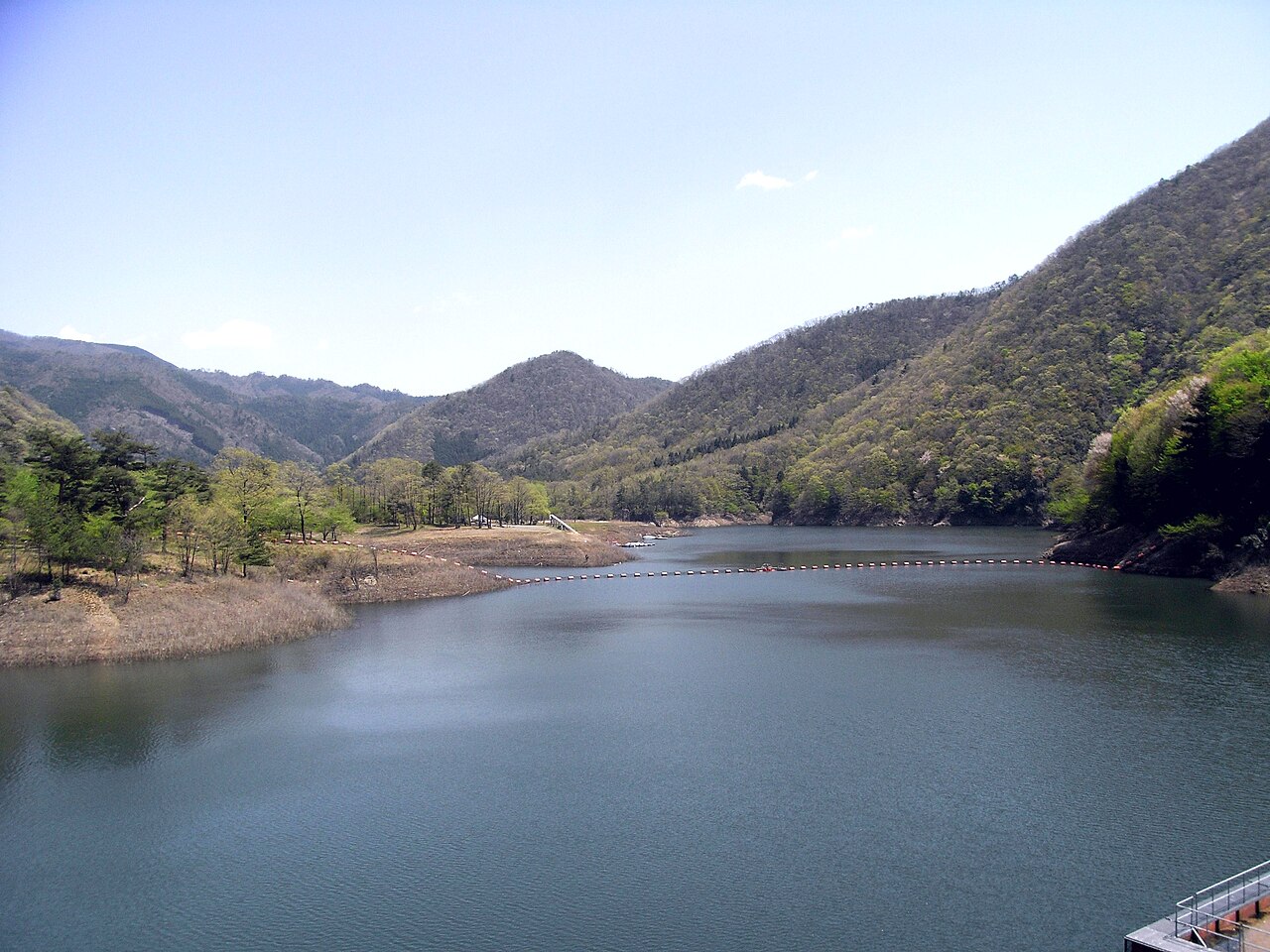
Ohno Dam's Rainbow Lake
15.8 km · straight line
 ja:User:Nnn / CC BY-SA 3.0
History · Kyoto★
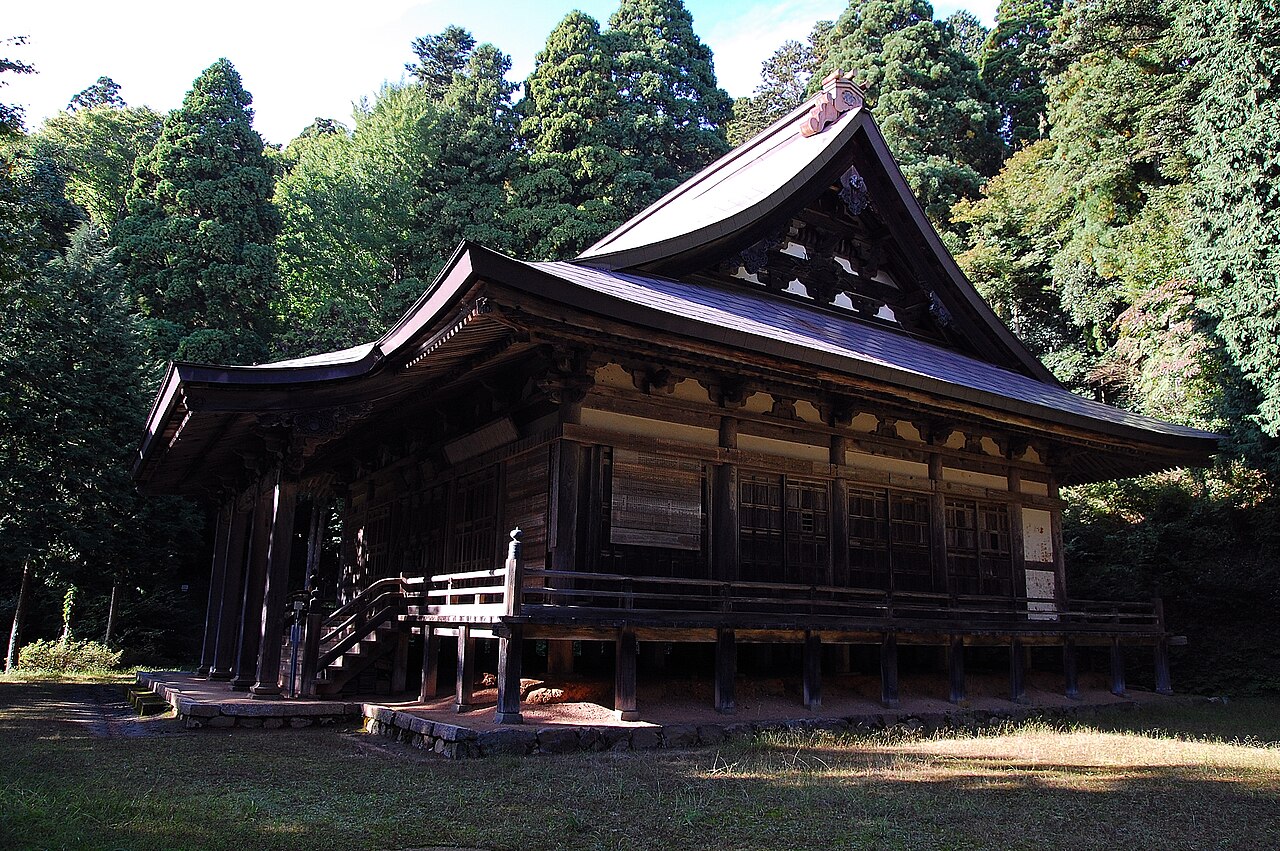
Komyo-ji's Niomon
18.4 km · straight line
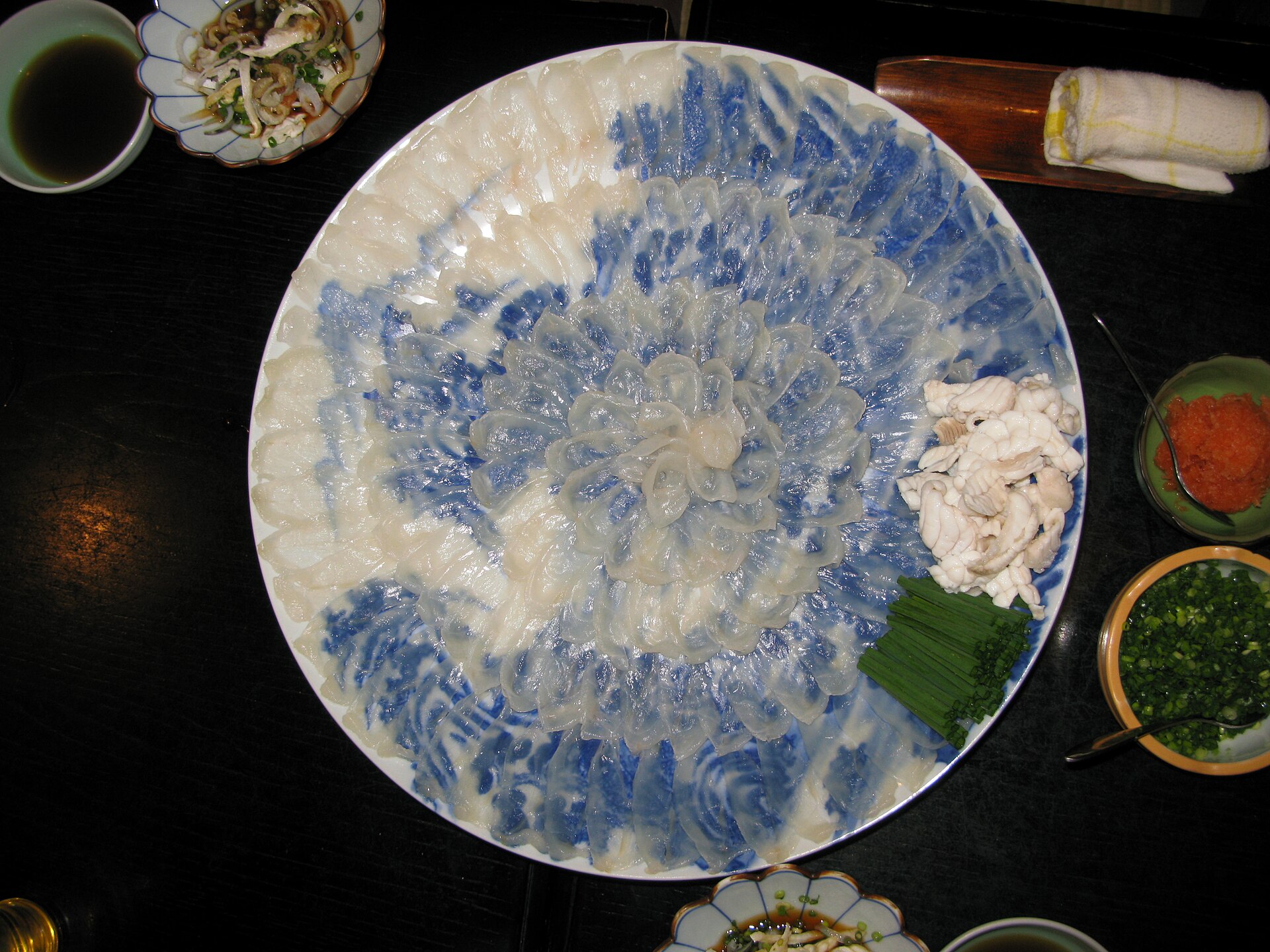 Qwert1234 / CC BY-SA 3.0
Food · Fukui★★
Wakasa Fugu
21.0 km · straight line
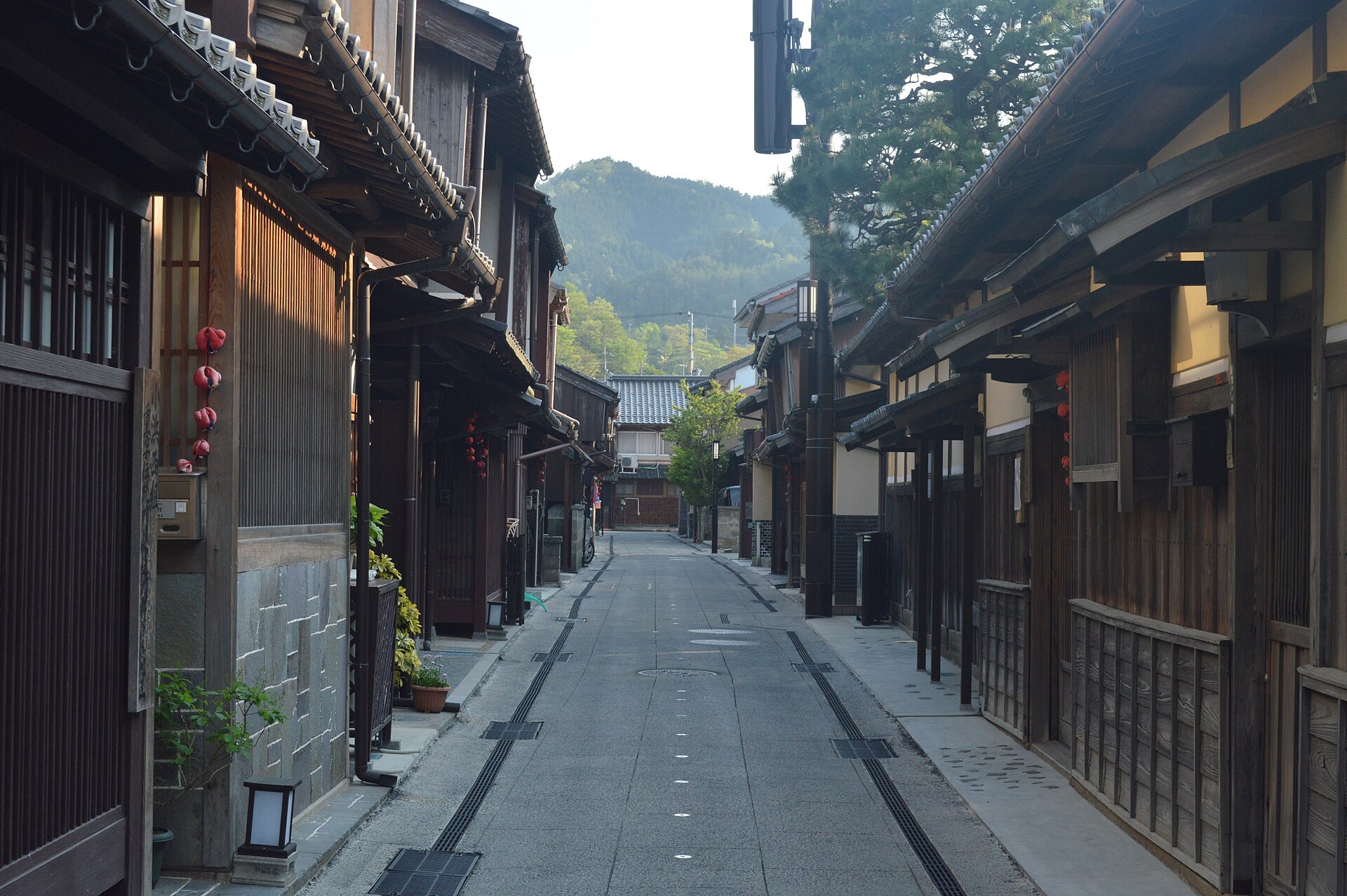 Asturio Cantabrio / CC BY-SA 4.0
History · Fukui★★
Obama Nishigumi
22.2 km · straight line
Distances are straight lines on the map, not travel times.