Kyoto Tamba · Miyama westNo.021★Open in map →
Ohno Dam's Rainbow Lake
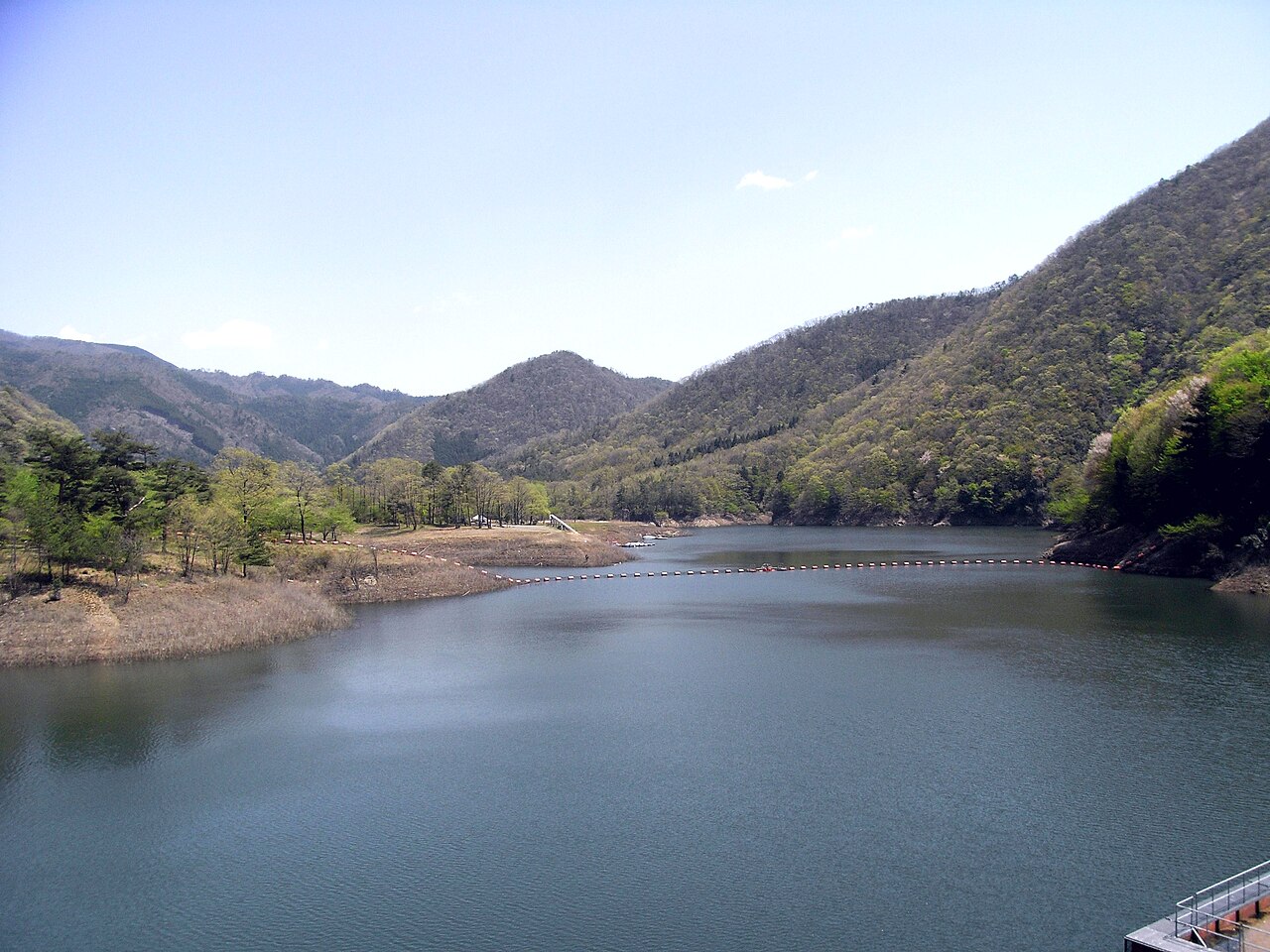
A long reservoir ringed by a lakeside park of roughly 1,000 cherry trees and about 500 maple trees in the Kyoto Tamba highlands, near Miyama's famous thatched-roof village.
- FromKyoto Station
- ~2 hrbus (infrequent)
- Get off atOhno Dam bus stop
- On foot
- Ohno Dam's Rainbow Lake
The sweet spot
It stays quiet because there is very little English-language information about it, and because it takes effort to reach: it sits west of Miyama, off the direct route to the thatched village, on a rural bus line that runs only a few times a day. Outside the spring and autumn festival weeks, most visitors head straight for the famous village instead.
Where it is
90 more notes in Kyoto · open the map →What to look for — in walking order
- Lakeside walking patha loop path circling the water through the surrounding park
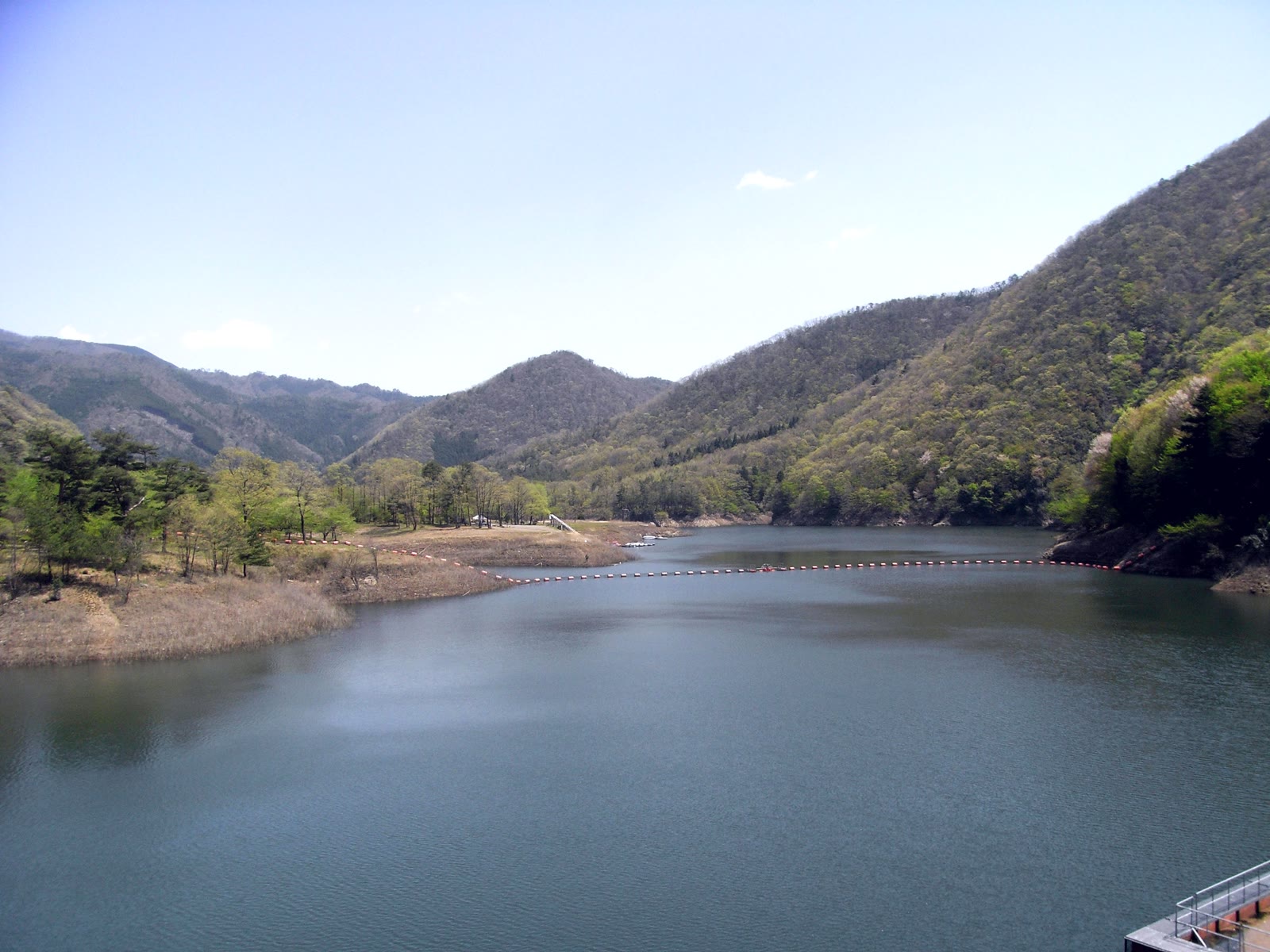
- Rainbow Lakethe long reservoir behind the dam, listed among Japan's '100 Dam Lakes'
- Cherry and maple treesroughly 1,000 cherry trees and about 500 maples filling the shoreline park
- Seasonal festivalsthe Sakura Festival in April and the Momiji Festival in November
How to actually get there
- Kyoto Station → Sonobe Station (JR Sagano/Sanin Line, ~40-50 min)
- Sonobe Station → Wachi Station (JR Sanin Line, ~30 min)
- Wachi Station → Ohno Dam stop (Nantan City Bus, Ohno Line, ~15 min)
- Ohno Dam stop → lakeside park loop path (walk, a few minutes)
- JR train + Nantan City Bus
- Kyoto Station →(JR Sagano/Sanin Line, usually change at Sonobe, ~75-90 min)→ Wachi Station →(Nantan City Bus, Ohno Line, ~15 min)→ Ohno Dam stop. Total about 2 hours. The bus runs only a few times a day — check the day's timetable before you leave, and aim for a morning departure.
- Return the same way
- The Ohno Line bus back to Wachi Station also runs only a few times a day, and the last useful departure is well before evening. When you arrive, check the return times posted at the Ohno Dam stop before you settle in.
About the place
Ohno Dam holds back the reservoir that local people call the Rainbow Lake (Niji-no-mizuumi). It sits in the Kyoto Tamba highlands, west of Miyama, the town known for its thatched-roof farmhouses. A walking path circles the water, and the surrounding park is planted with cherry and maple trees, making it a recognised spot for blossoms and autumn colour in the wider Kyoto region. A national body that manages dam-lake environments has listed it among Japan's '100 Dam Lakes.' In spring the Sakura Festival and in November the Momiji Festival bring events to the shore.
How to enjoy it
Come in early April for the cherry blossoms or in November for the maple colour, when the festivals are on and the shoreline is at its most vivid. Entry to the park is free, and it pairs easily with Miyama's thatched-roof village just to the east. Note: the walkway along the top of the dam wall is closed for construction work until March 2027, but the lakeside park and its loop path remain open.
Background & history
The dam was completed in 1961 as Kyoto Prefecture's first multipurpose dam. Built on the Yura River for flood control and hydroelectric power, it is a concrete gravity dam standing about 61 metres high. The reservoir behind it was named the Rainbow Lake. The cherry and maple trees in the park were planted by local residents over the following decades, and the lakeside has since grown into a recognised scenic spot.
Before you go
- Cash
- Rural buses like the Nantan City Bus are often cash-only, so carry coins for the fare. The small park kiosk may also be cash-only.
- Good to know
- The walkway along the top of the dam wall is closed for gate-equipment construction work until 25 March 2027; the lakeside park and its loop path remain open. The shore path can be muddy after rain — watch the water's edge.
- Another way
- By car, it is roughly 40 minutes from the Tanba interchange on the Kyoto Longitudinal Expressway, with parking at the park. From Wachi Station a taxi is another option if the bus times do not fit.
- After you get off
- From the Ohno Dam bus stop, the lakeside park and its loop path start close by on mostly flat, paved ground.
Nearby notes
 ja:User:Nnn / CC BY-SA 3.0
History · Kyoto★
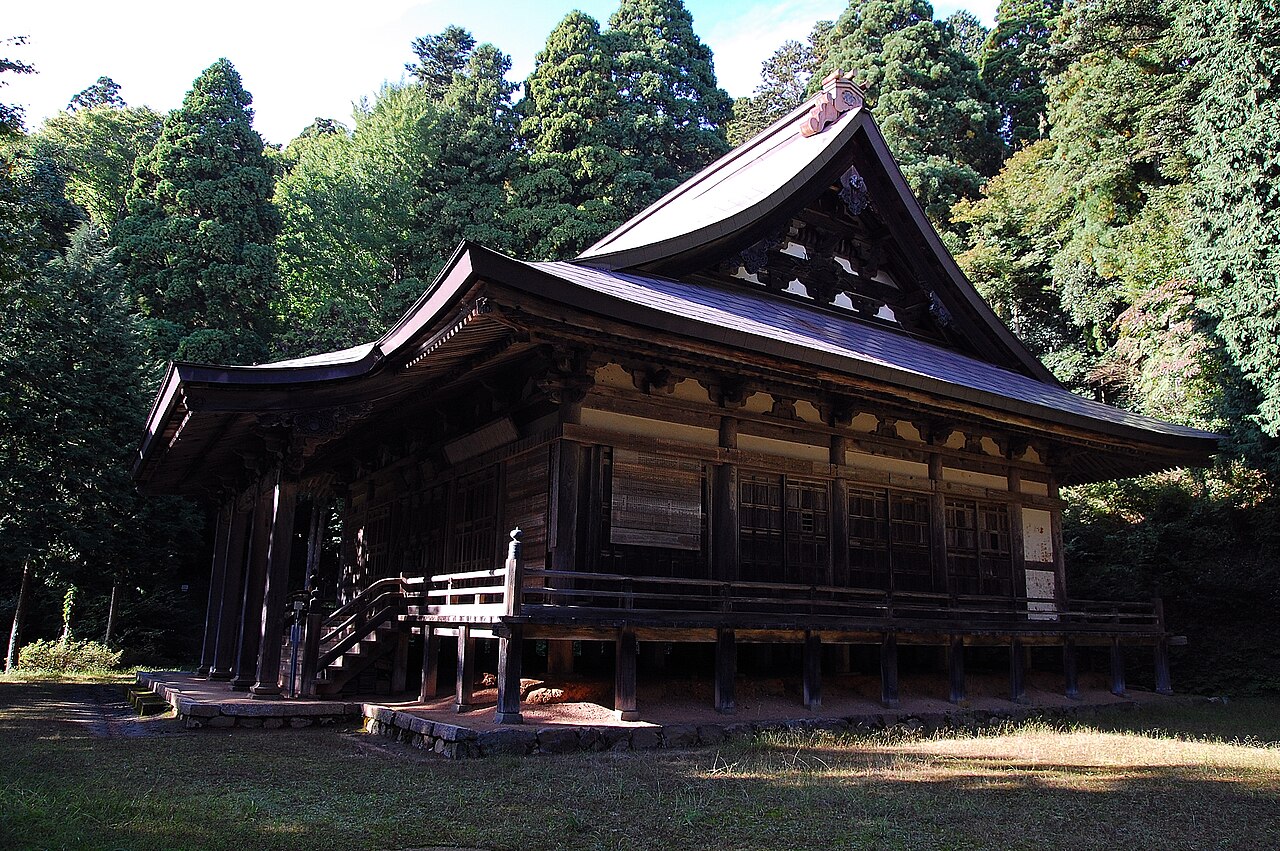
Komyo-ji's Niomon
14.3 km · straight line
 京町家民泊??亭(開業準備中) / CC BY-SA 4.0
Craft · Kyoto★★
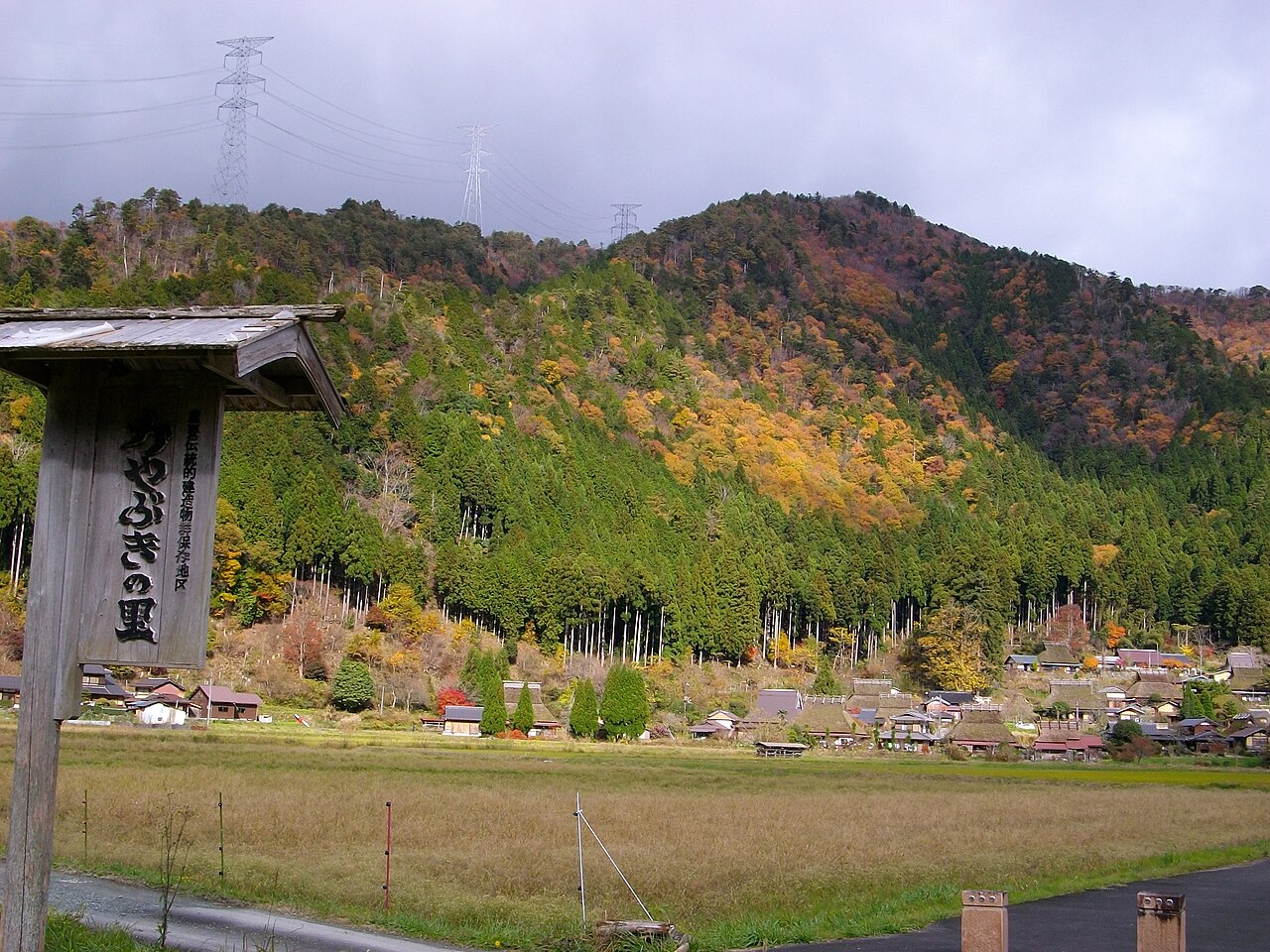
Miyama Kayabuki-no-Sato
15.8 km · straight line
 小池 隆 / CC BY 3.0
History · Kyoto★
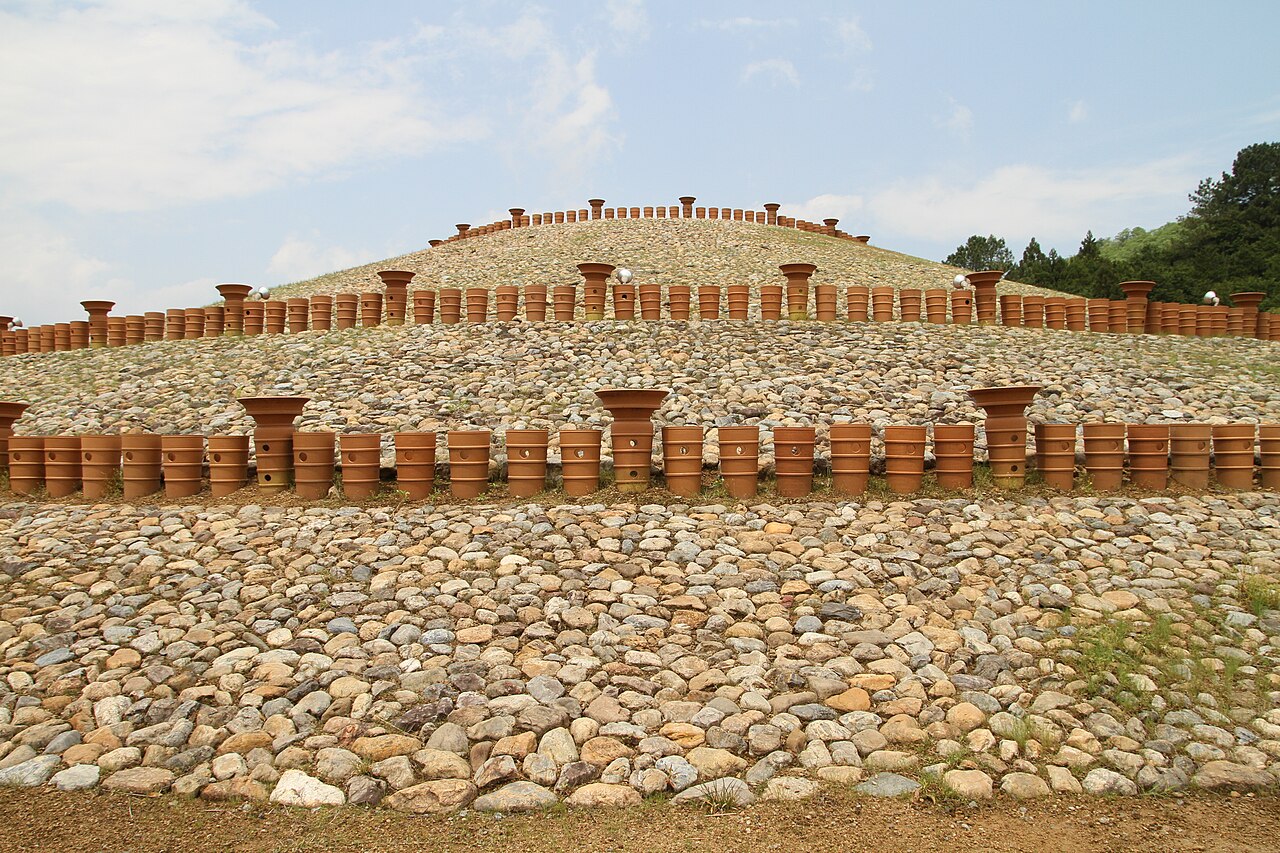
Kisaichi Maruyama Kofun
24.6 km · straight line
 Saigen Jiro / CC0
Nature · Kyoto★
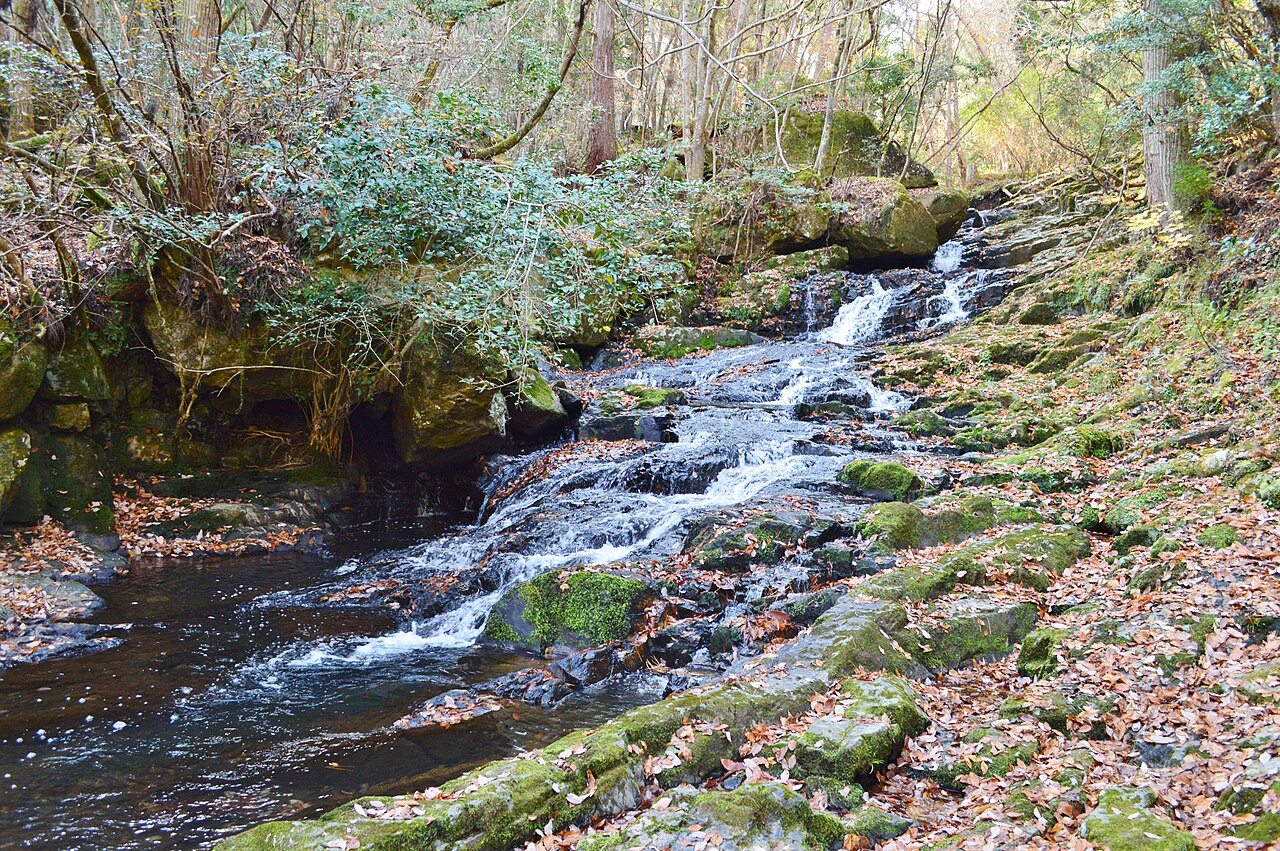
Rurikei Gorge
26.2 km · straight line
Distances are straight lines on the map, not travel times.