Chiba · Futtsu, BosoNo.356★★Open in map →
Mother Farm
A large hillside farm on Kanozan in Futtsu, Chiba, opened in the early 1960s. Sheep, cows, alpaca and horses share the site with seasonal fruit picking, large flower fields and a small amusement park, on a plateau overlooking Tokyo Bay.
- FromTokyo Stn
- ~2 hrJR + bus
- Get off atSanukimachi Station (JR Uchibo Line)
- From there
- Mother Farm
The sweet spot
It answers a specific problem: what to do with a day in Greater Tokyo with children, or without them, when the alternative is another indoor attraction. The site is genuinely rural, at genuine scale, with animals you can touch and a view down to the bay — none of which exists inside the city. The trip out is also part of it, either by train down the Boso coast or by ferry across the bay, which turns the journey into something better than a commute.
Where it is
50 more notes in Chiba · open the map →What to look for — in walking order
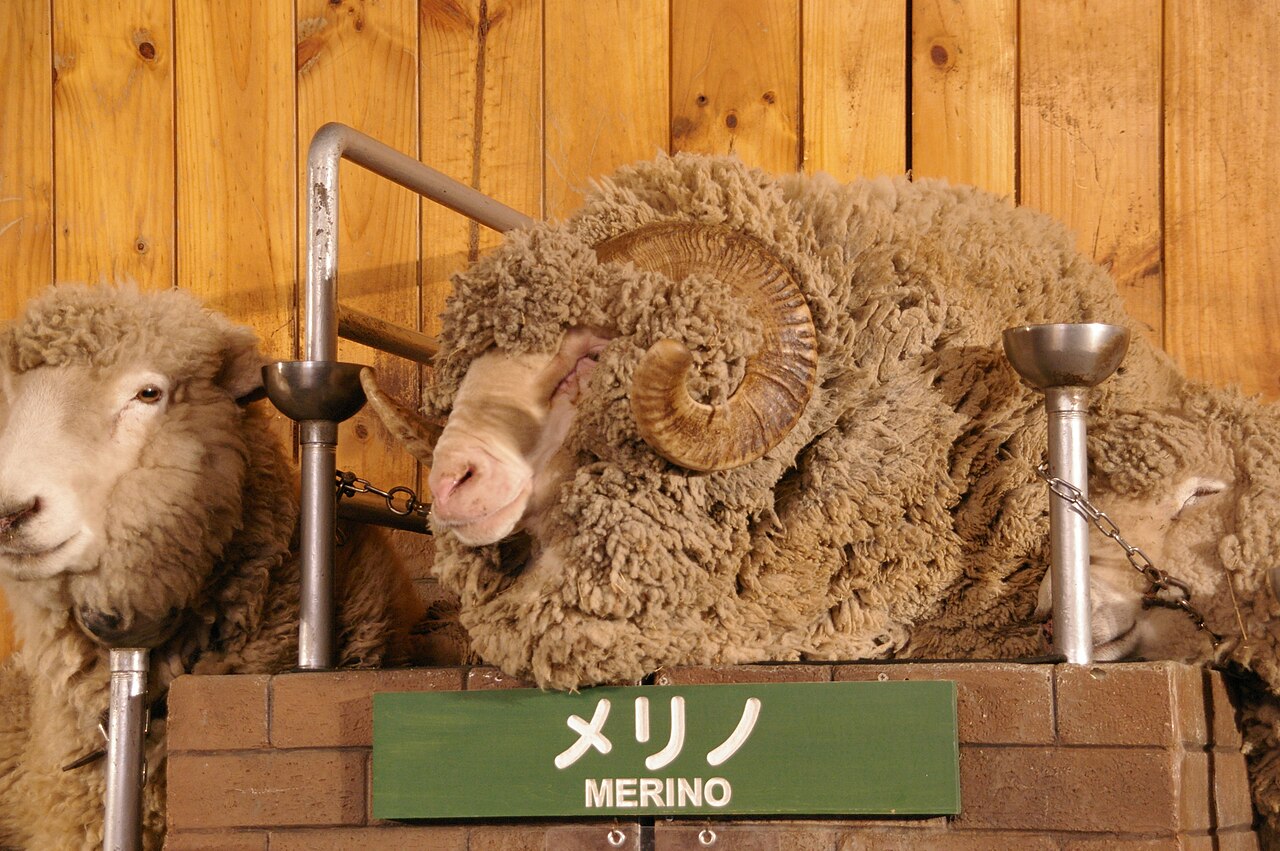
- The sheep and sheepdog displayScheduled several times a day on the main paddock, with dogs working a flock across open ground. This is the one thing to build the day around — the timetable is posted at the gate, and the display is genuinely worth arriving early to get a position on the rail for.
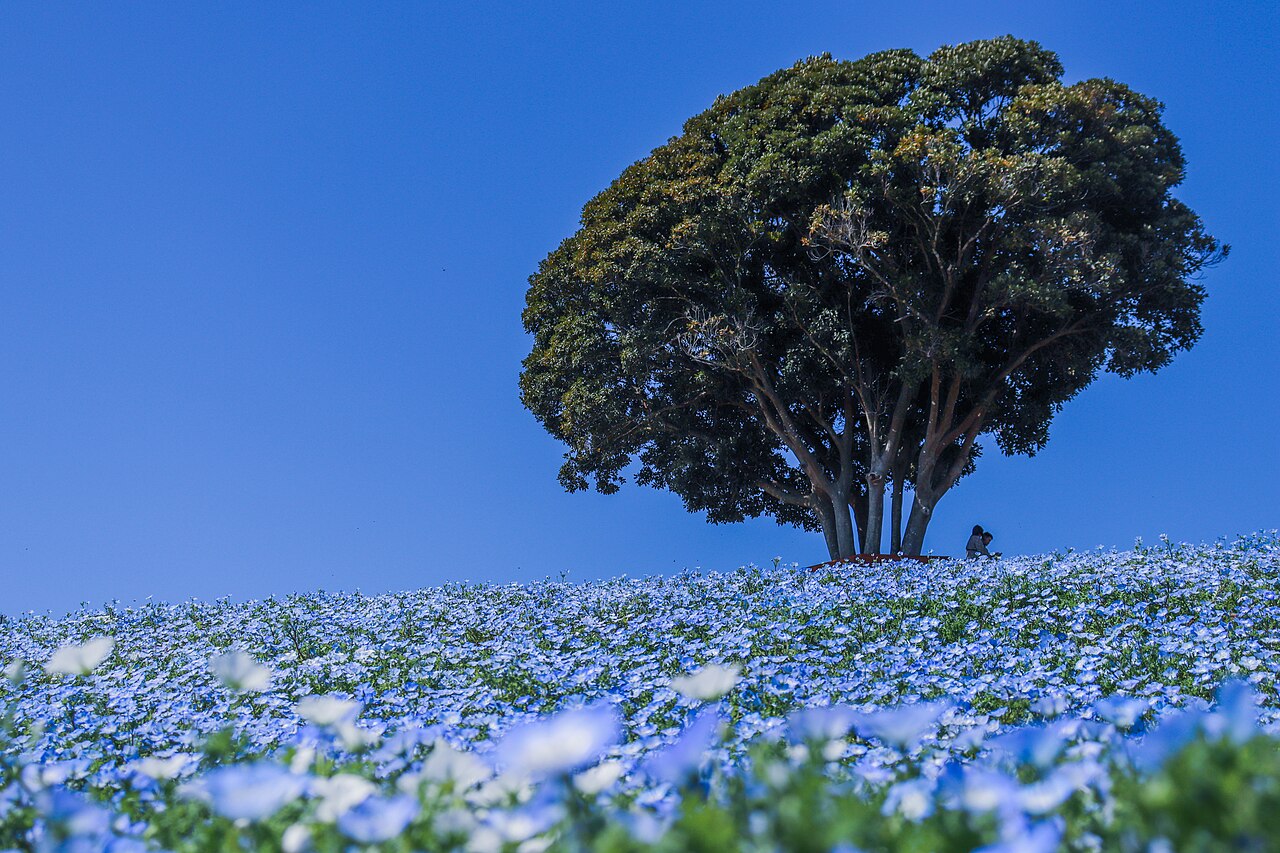
- The flower fieldsLarge planted slopes that change through the year — canola in early spring, petunias in summer, cosmos in autumn. Check which is in season before you go, because the fields are the difference between a good photograph and a plain one, and the turnover is fast.
- Milking, feeding and the alpaca paddockHands-on sessions run to a posted schedule: milking a cow, bottle-feeding lambs, feeding alpaca and capybara. These fill up on weekends, so sign up when you arrive rather than after lunch.
- The view down to Tokyo BayFrom the upper part of the site the land falls away toward the bay, with the Miura peninsula opposite on clear days. It is the reason the farm sits where it does, and the reason the Ferris wheel is worth the extra ticket.
How to actually get there
- Tokyo Station → Sanukimachi Station (JR Keiyo / Uchibo Line via Soga, ~90 min).
- Sanukimachi Station → Mother Farm (bus, ~25-30 min, only a few departures a day).
- Alternative: Kurihama → Kanaya (Tokyo Bay Ferry, ~40 min) → bus or taxi to the farm.
- JR Uchibo Line to Sanukimachi, then bus
- Tokyo Station →(JR Keiyo / Uchibo Line, via Soga, ~90 min)→ Sanukimachi Station →(bus toward Mother Farm, ~25-30 min)→ Mother Farm Mountain Gate. Total roughly 2 hours. The bus runs only a few times a day and is timed to certain trains, so check the day's timetable on motherfarm.co.jp before setting out rather than assuming a connection.
- Return by bus to Sanukimachi
- Take the bus back down to Sanukimachi Station and the Uchibo Line north toward Soga and Tokyo. Buses are infrequent and the last one leaves not long after the farm closes — note its time on arrival. The train service also thins out in the evening on this line.
About the place
Mother Farm occupies a broad plateau on Kanozan in Futtsu, on the Boso peninsula, with Tokyo Bay visible below and the Miura peninsula across the water on clear days. It opened in the early 1960s, founded by Hisakichi Maeda, a newspaper proprietor whose other lasting project was Tokyo Tower. The name is not decorative: Maeda's mother had raised him in poverty and had wanted, and never had, a single cow. He built a farm and named it for her. What that produced is a site with an unusual mix. There are the animals — sheep herded by dogs in scheduled displays, cows to be milked, alpaca, capybara, horses to ride — but also seasonal fruit picking, large planted flower fields that turn over through the year from canola in early spring to petunias in summer and cosmos in autumn, and a compact amusement park with a Ferris wheel and rides. It is unapologetically a family day out rather than an agricultural museum, and it is large enough that people consistently underestimate the walking involved.
How to enjoy it
This is a full day, not a stop on the way to somewhere else — the site is large, mostly on a slope, and the walking adds up fast. Build the day around two or three of the scheduled events (the sheepdog display first) and let the rest fill in around them. Come in comfortable shoes and expect mud after rain. Spring and autumn are the best seasons for both the flower fields and the temperature; midsummer on an exposed plateau is hard work with small children. The bus connections are the weak link in the whole trip: services are few, they are timed to specific trains, and missing one costs an hour or more. If you are coming from Kanagawa, the ferry across Tokyo Bay is slower on paper but far more enjoyable than the rail route.
Background & history
The farm was founded in the early 1960s by Hisakichi Maeda, a newspaper proprietor also responsible for the construction of Tokyo Tower. He named it for his mother, who had raised him in hardship and had long wished to own a cow. The choice of Kanozan put the farm on high ground within reach of Tokyo, and it became one of the first large-scale tourist farms in Japan — a model since copied widely, but rarely at this size.
Before you go
- Cash
- Admission is charged, with separate fees for individual rides, fruit picking and some hands-on activities. Cards and IC payment are accepted at the main gates and larger outlets; smaller stands may be cash. A combination ticket bundling admission with rides is worth it if you are staying the day.
- Good to know
- Open most of the year with seasonal hours and occasional weekday closures in winter. Some attractions and fruit-picking activities are strictly seasonal. In poor weather the outdoor shows may be cancelled — check the official site the morning you go.
- Another way
- From Kanagawa, take the Tokyo Bay Ferry from Kurihama to Kanaya and a bus or taxi from there — a slower but far more scenic approach that crosses the bay itself. There is also bus service from Kimitsu Station.
- After you get off
- Sanukimachi Station is a small unstaffed-hours station on the Uchibo Line; the Mother Farm bus departs from the stop directly outside. The farm has two gates, the Mountain Gate and the Makiba (pasture) Gate, served by different approaches — confirm which one your bus reaches.
Nearby notes
 Katorisi / CC BY-SA 4.0
History · Chiba★
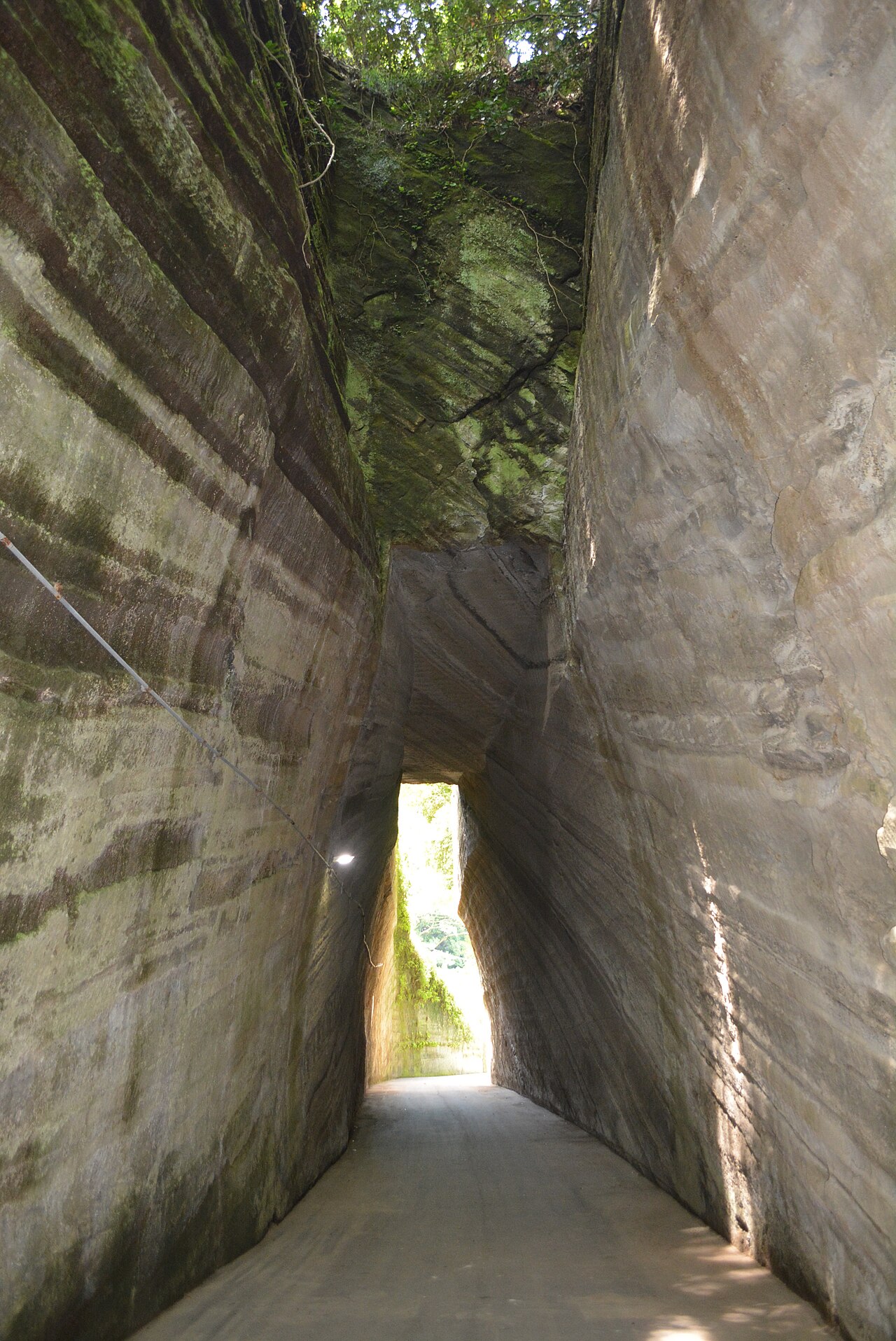
Torozaka Daishi Tunnel
9.8 km · straight line
 Joli Rumi / CC BY-SA 4.0
History · Chiba★
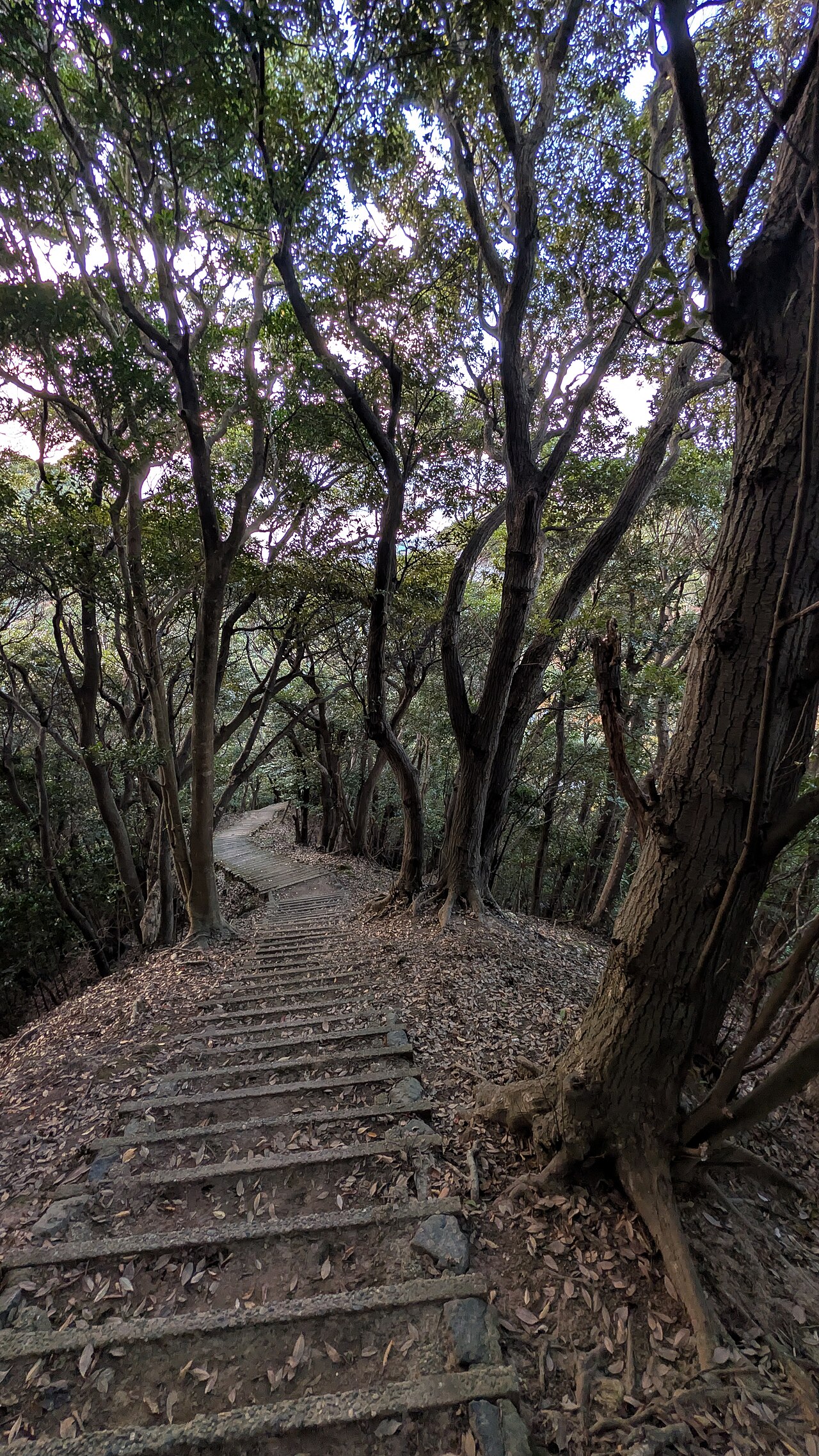
Sharikido
13.0 km · straight line
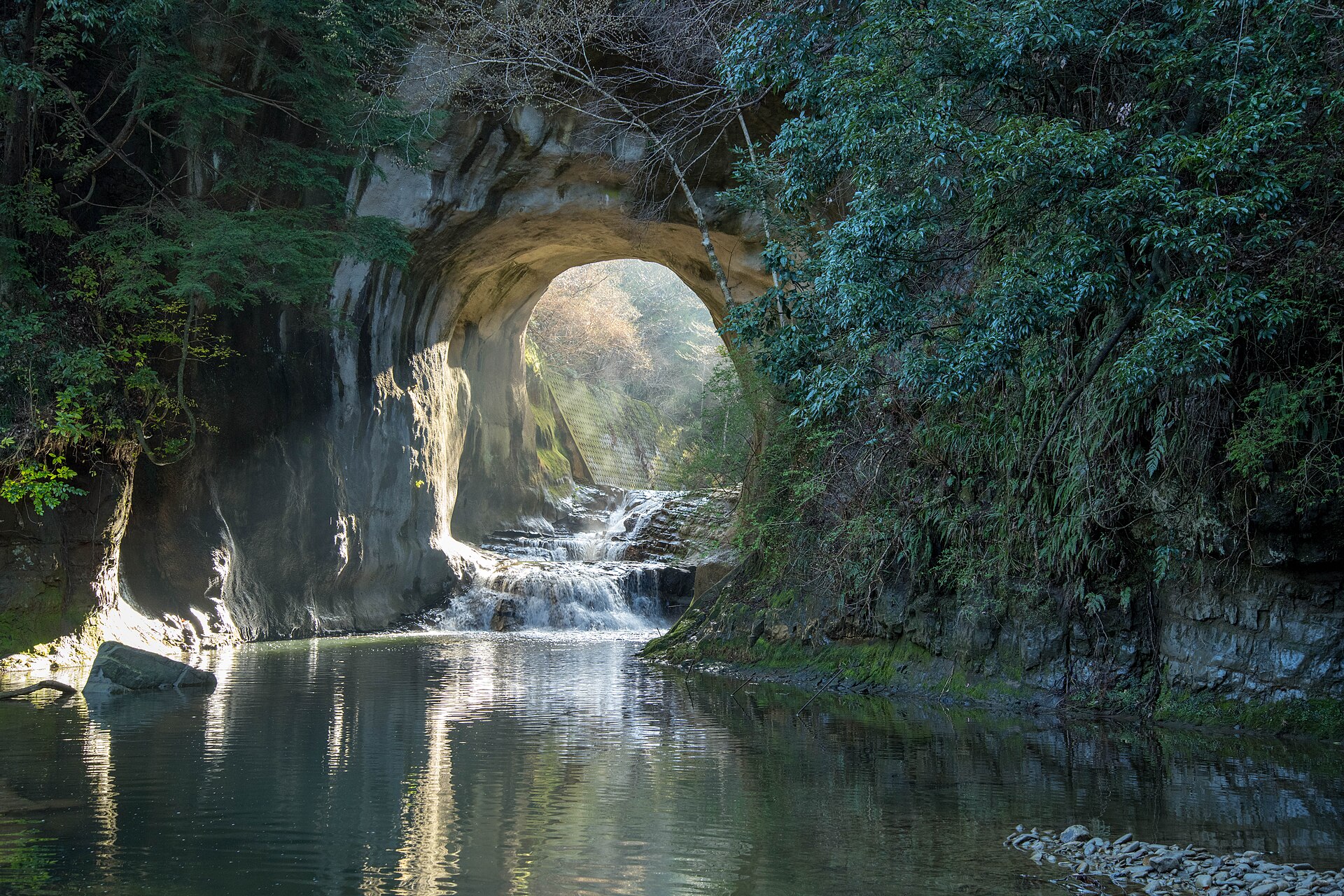 Tetsuji Sakakibara / CC BY-SA 2.0
Nature · Chiba★★
Kameiwa Cave and Nomizo Falls
13.2 km · straight line
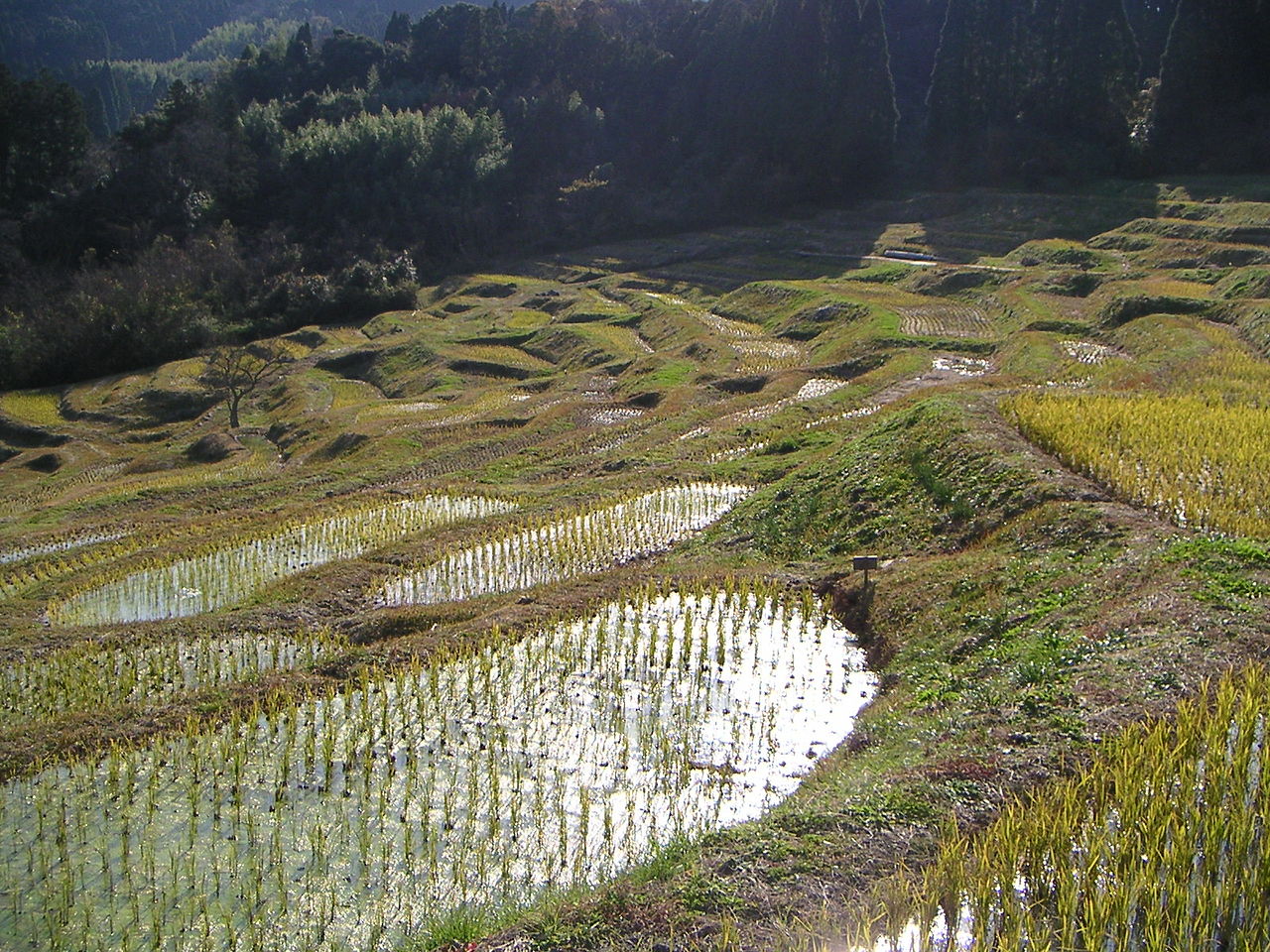 Hotsuregua / CC BY-SA 3.0
Nature · Chiba★
Oyama Senmaida
13.4 km · straight line
Distances are straight lines on the map, not travel times.