West Tokyo · NakanoNo.350★★Open in map →
Nakano Broadway
— a 1960s mall turned collectors' labyrinth
A mixed-use shopping complex in Nakano, western Tokyo, opened in 1966, whose upper floors are packed with dozens of small specialist dealers in secondhand manga, animation cels, figures, toys and collectors' goods.
- FromShinjuku Stn
- ~5 minJR (very frequent) + 5 min walk
- Get off atNakano Stn (JR Chuo / Sobu · North Exit)
- On foot
- Nakano Broadway
The sweet spot
Foreign visitors overwhelmingly go to Akihabara, which is the retail front end of the same culture. Nakano is where the back catalogue actually lives, and it is a five-minute walk from a Chuo Line station four minutes out of Shinjuku. The building is also genuinely strange to walk — a piece of unrenovated 1960s Tokyo that has been colonised rather than redeveloped.
Where it is
77 more notes in Tokyo · open the map →What to look for — in walking order
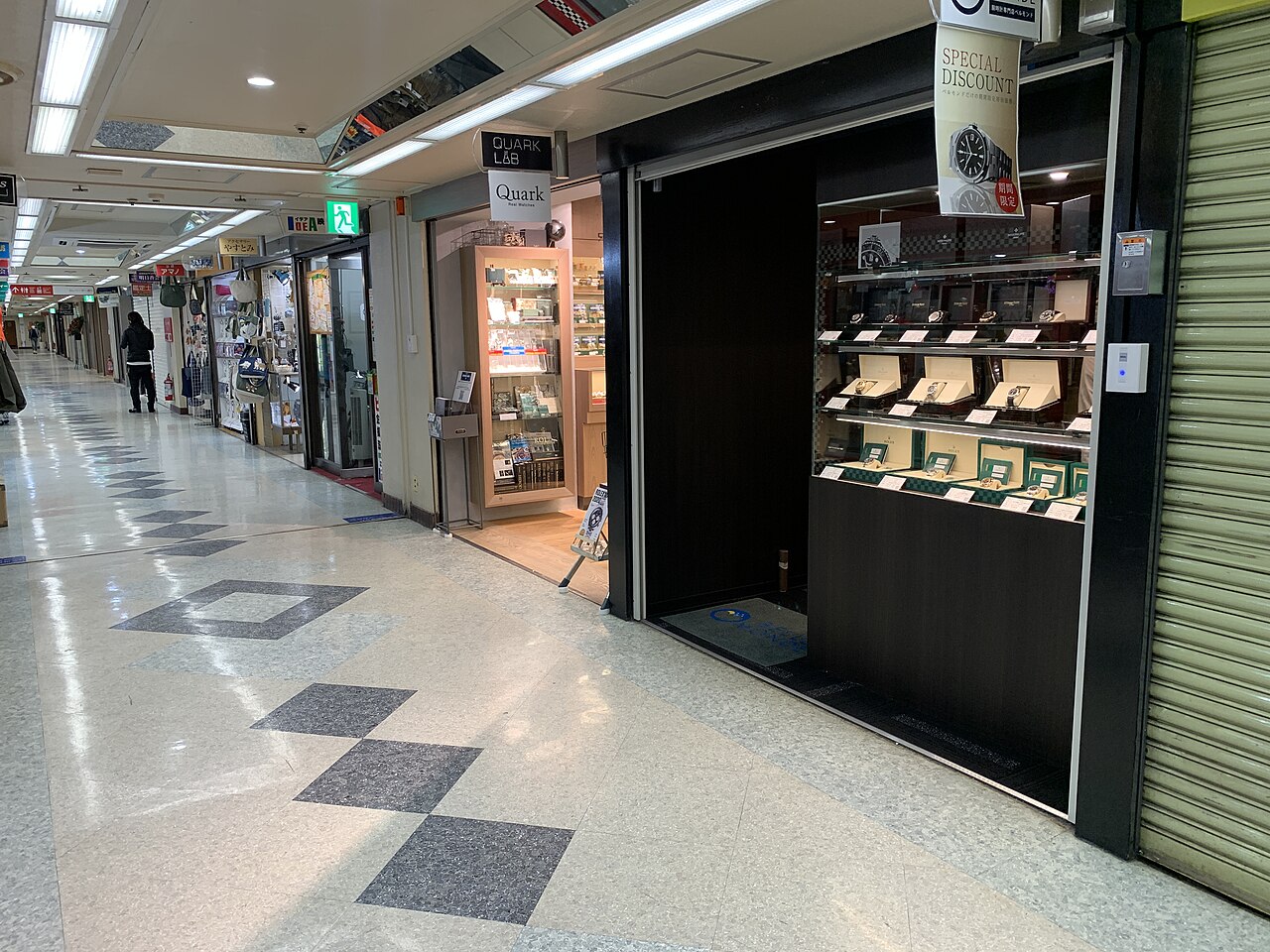
- The third and fourth floorsthe core of the building: dozens of tiny specialist shops in aisles too narrow for two people to pass
- The specialist dealerseach shop devoted to one narrow field — vintage manga, animation cels, figures, dojinshi, tin toys, idol goods
- The vintage watch and camera shopsthe building's other collector economy, on the lower floors alongside the subculture stores
- The basement soft-serve standthe shop known for stacking eight flavours into a single towering cone — a local landmark in its own right
How to actually get there
- Shinjuku Stn → Nakano Stn (JR Chuo Line rapid, ~5 min, very frequent).
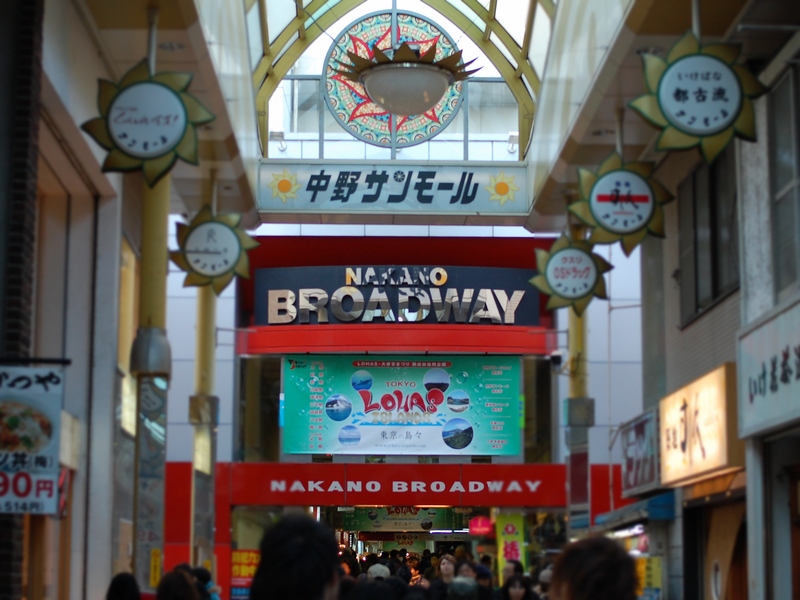
- North Exit → Nakano Sun Mall covered arcade, straight through (~200 m, ~5 min).
- Enter Nakano Broadway; the specialist shops are concentrated on the third and fourth floors.
- Shinjuku Stn → Nakano Stn (JR Chuo Line)
- From Shinjuku Station take the JR Chuo Line rapid west to Nakano Station — about 5 minutes, with very frequent trains. Leave by the North Exit, walk straight into the covered Nakano Sun Mall arcade directly ahead, and follow it about 200 metres; the arcade ends at the entrance to Nakano Broadway. About 5 minutes in total.
- Return through the arcade to Nakano Stn
- Walk back down the Sun Mall arcade to Nakano Station and take the JR Chuo or Sobu Line back to Shinjuku and central Tokyo, or the Tokyo Metro Tozai Line toward Otemachi. Trains run until around midnight, and the streets around the station stay busy well after the building closes.
About the place
Nakano Broadway opened in 1966 as an ordinary mixed-use complex — shops on the lower floors, apartments above — and was, at the time, a fashionable address. What changed it was a single shop. Mandarake opened its first secondhand manga store here in 1980 and kept expanding, not into one large store but into dozens of small ones, each dedicated to a narrow field: vintage manga, animation cels, vinyl figures, dojinshi, tin toys, idol memorabilia. Other dealers followed, and the building's third and fourth floors became a warren of doorways so tight that two people cannot pass. The result is the opposite of Akihabara. Akihabara sells what is new and current; Nakano sells the archive — things out of print, out of production, and priced accordingly. Around it the building keeps its ordinary life: vintage watch dealers, antique camera shops, fortune tellers, small galleries, and in the basement a soft-serve stand famous for stacking eight flavours into one improbable cone.
How to enjoy it
Do not come before noon — most of the building is shut until around 12:00. Allow two hours minimum, and more if you are actually looking for something: the shops are small enough that browsing one properly takes ten minutes. Ride the long escalator from the ground floor, which skips straight to the fourth, and work downward, which is how the building rewards you. Photography inside individual shops is usually not permitted, so ask first. Compare it with Akihabara on the same trip if you can — twenty minutes apart on the Chuo Line, and the difference between new retail and the secondhand archive is the whole point.
Background & history
The building opened in 1966 as a combined shopping centre and apartment complex, an ambitious development for its time. Its second life began in 1980, when the secondhand manga dealer Mandarake opened its first store here; rather than consolidating, the chain expanded into a large number of small units, each specialising in a single category, and other independent dealers took the remaining spaces. By the 1990s the building had become a recognised centre for collectors, and it has kept its original 1960s structure — including an escalator that runs from the ground floor straight to the fourth without stopping in between.
Before you go
- Cash
- Most shops take cards, but the smallest dealers are cash-only — carry some. Prices for collectors' items run from a few hundred yen to genuinely high figures, and haggling is not the custom. Tax-free purchase is available at some shops with a passport.
- Good to know
- This is the critical one: most shops in the building open around 12:00 and close around 20:00, so arriving in the morning means finding the place shut. Some shops close on Wednesdays. The upper-floor aisles are narrow and photography inside shops is generally not allowed — ask before pointing a camera at anything.
- Another way
- The Tokyo Metro Tozai Line also terminates at Nakano Station and runs directly from Otemachi and Nihonbashi, which is the easier approach from the eastern half of central Tokyo. Some Chuo-Sobu local trains also stop here.
- After you get off
- From Nakano Station's North Exit, walk straight ahead into the Nakano Sun Mall covered arcade and follow it about 200 metres to its far end; Nakano Broadway's entrance is directly ahead.
Nearby notes
 Daderot / CC0
Local life · Tokyo★★★
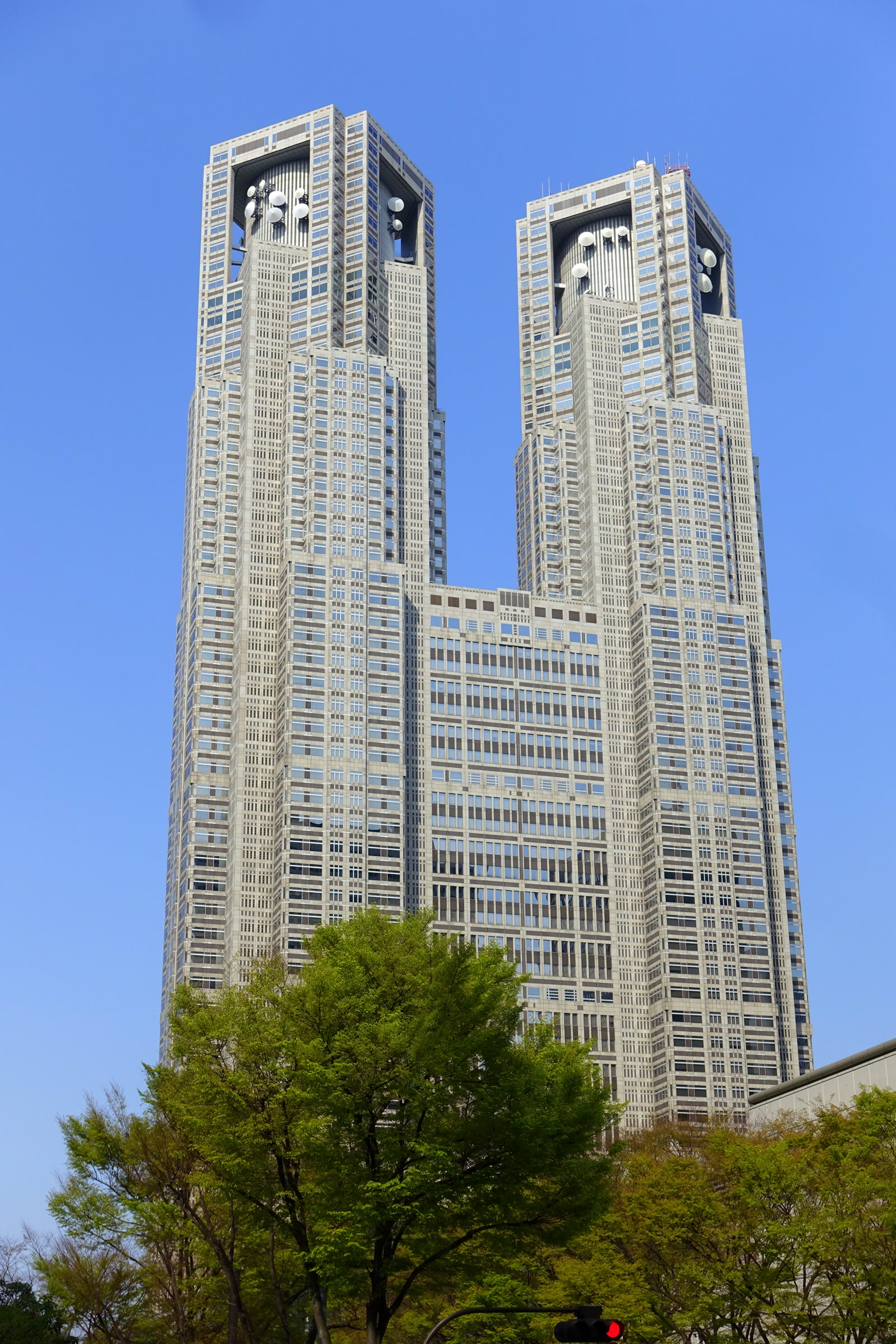
Tokyo Metropolitan Government Building
3.2 km · straight line
 MaedaAkihiko / CC BY-SA 4.0
Food · Tokyo★
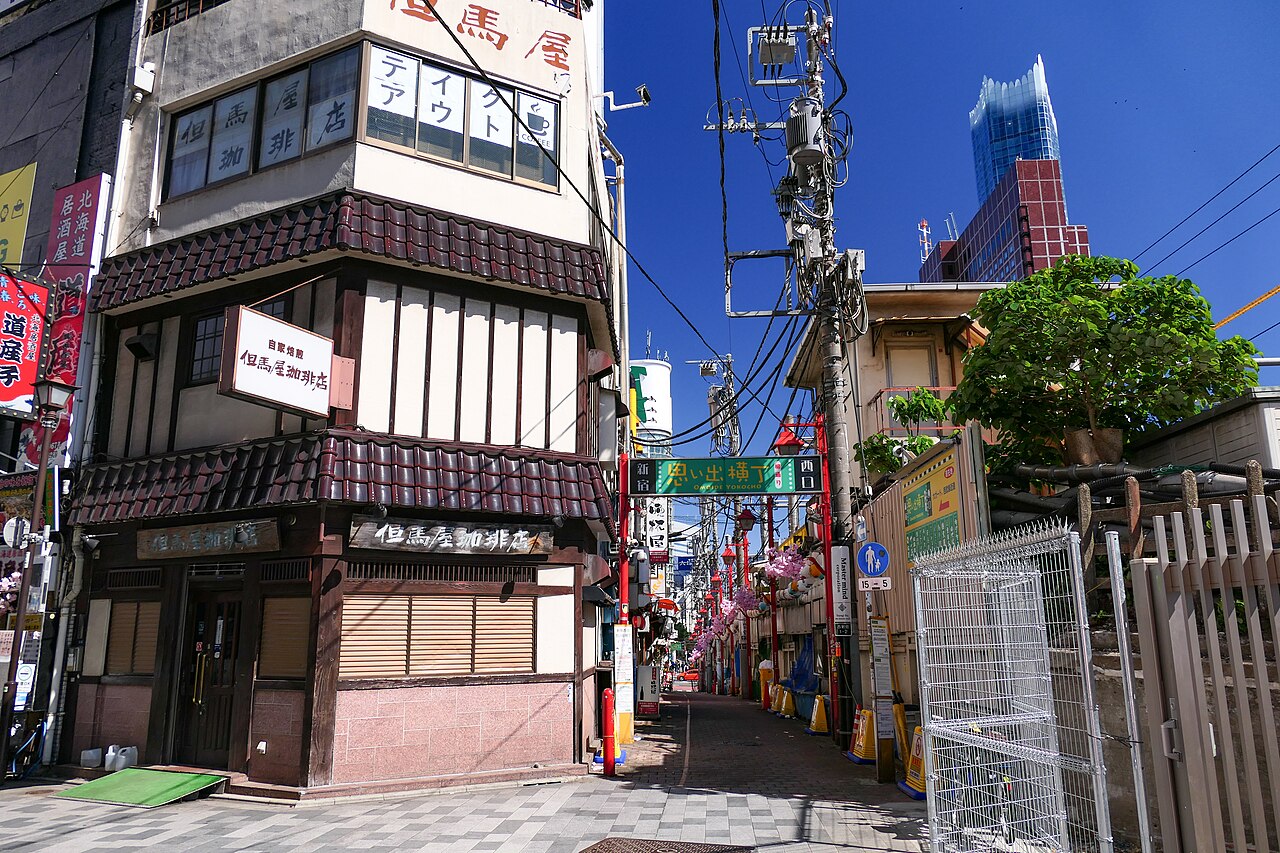
Omoide Yokocho
3.5 km · straight line
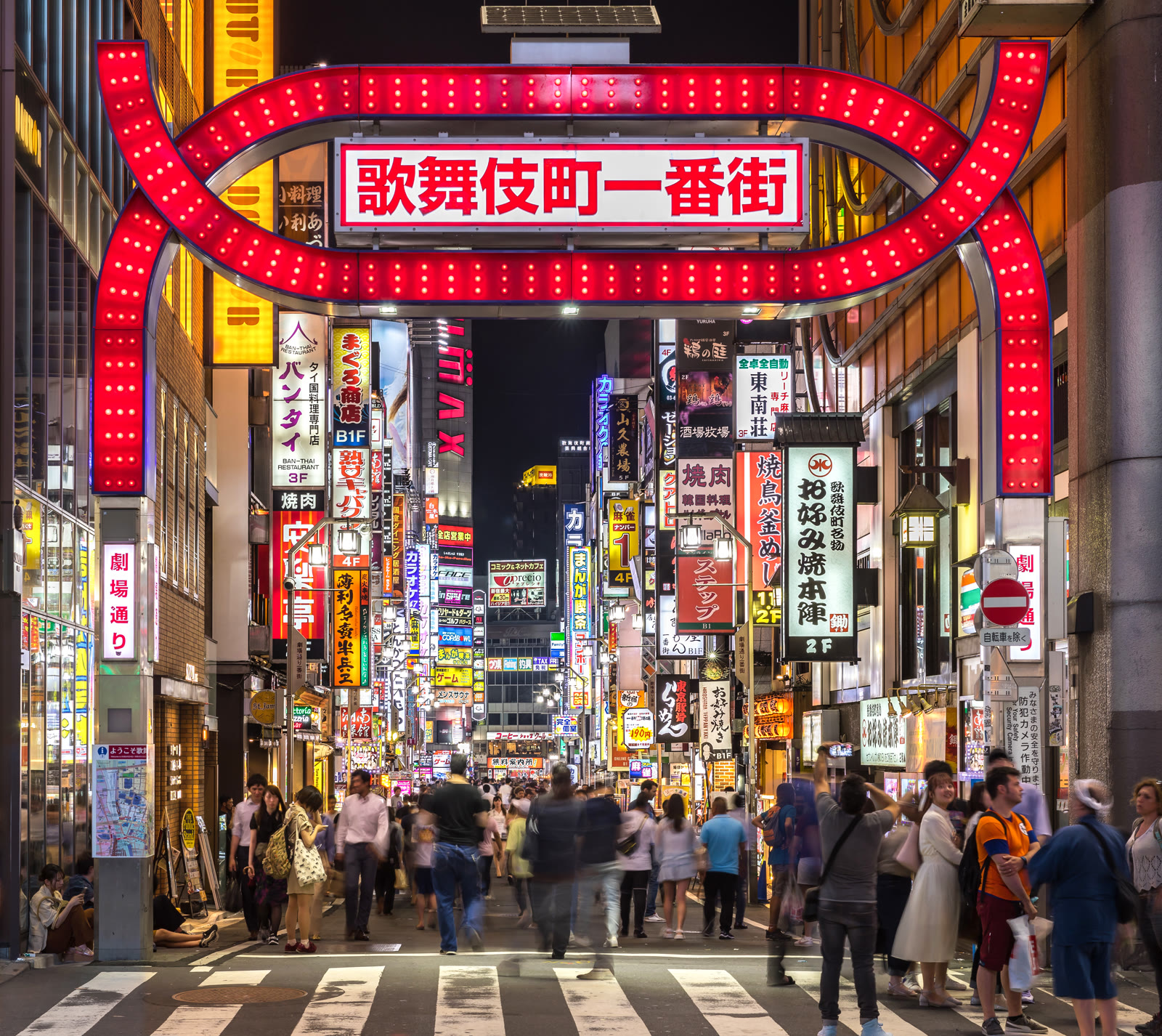 Basile Morin / CC BY-SA 4.0
Local life · Tokyo★★★
Kabukicho
3.5 km · straight line
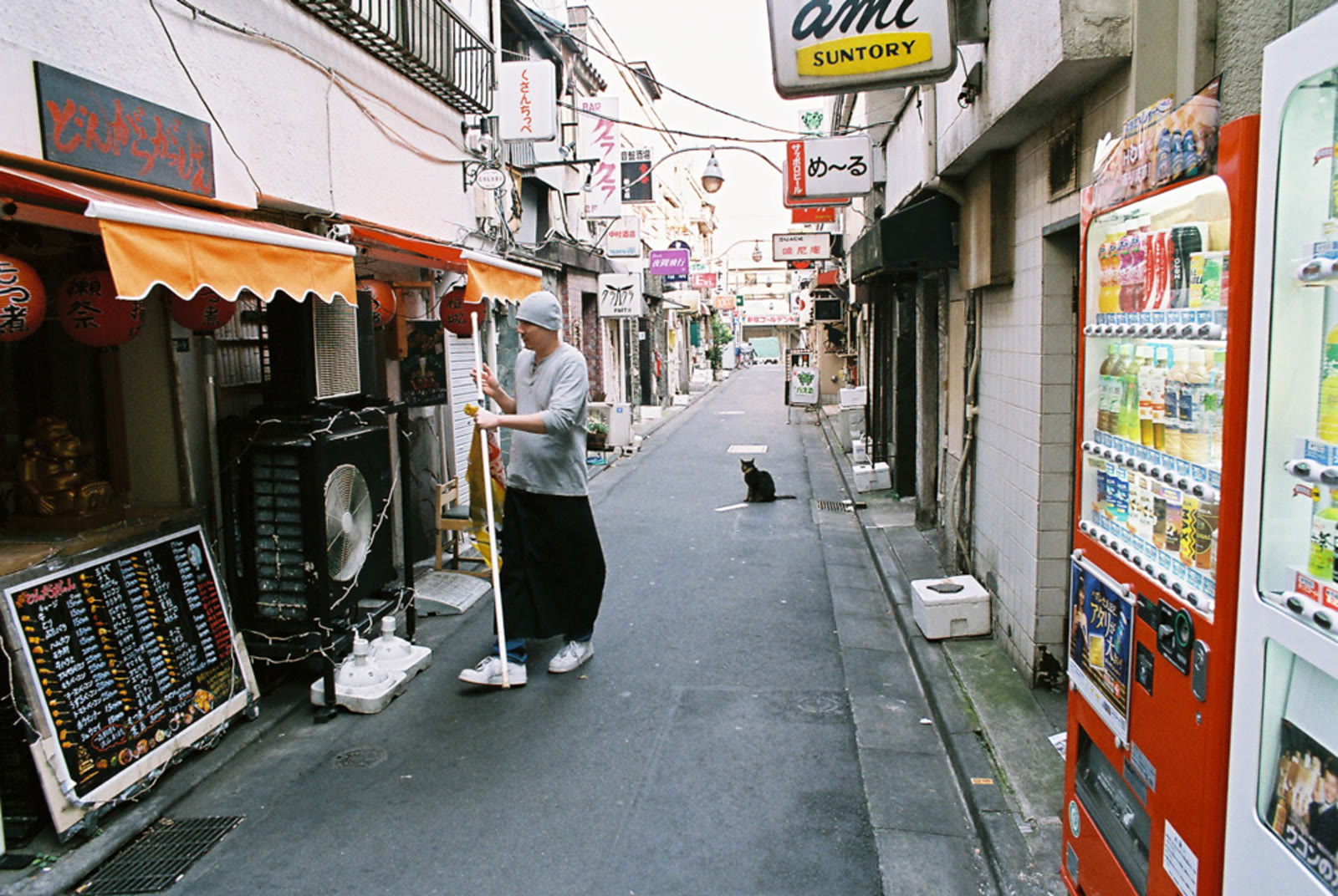 sprklg / CC BY-SA 2.0
Local life · Tokyo★★
Shinjuku Golden Gai
3.9 km · straight line
Distances are straight lines on the map, not travel times.