Tokyo · Shinjuku / KabukichoNo.166★★Open in map →
Shinjuku Golden Gai
— six alleys of tiny post-war bars
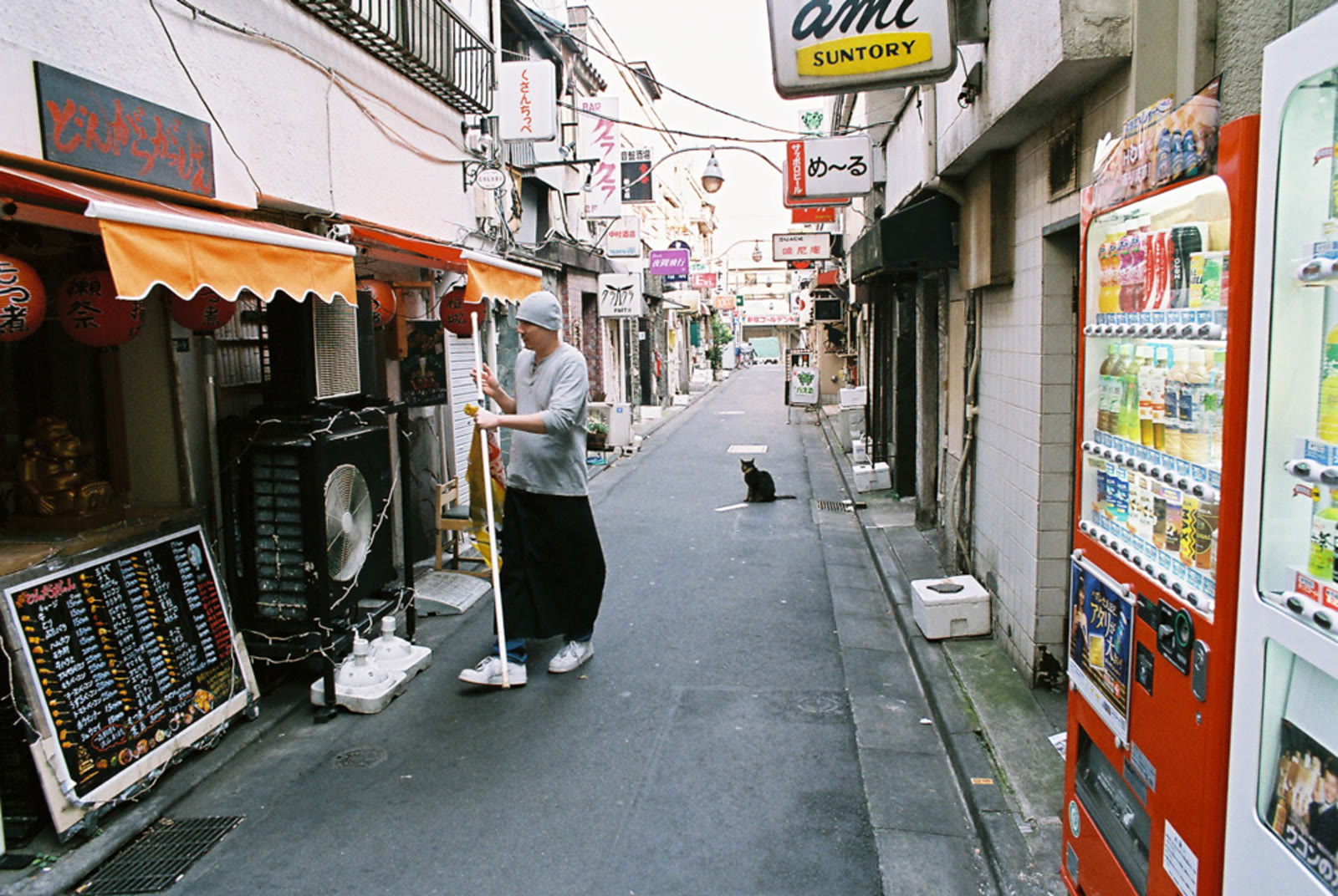
A block of six narrow lanes in Shinjuku's Kabukicho district, where around 200 bars and eating places — each holding just a handful of people — survive from the post-war era. The area is one of Tokyo's most distinctive drinking neighbourhoods.
- FromTokyo Stn
- ~20 minJR + metro (very frequent)
- Get off atShinjuku Station (JR East Exit / Kabukicho direction)
- On foot
- Shinjuku Golden Gai
Where it is
77 more notes in Tokyo · open the map →What to look for — in walking order
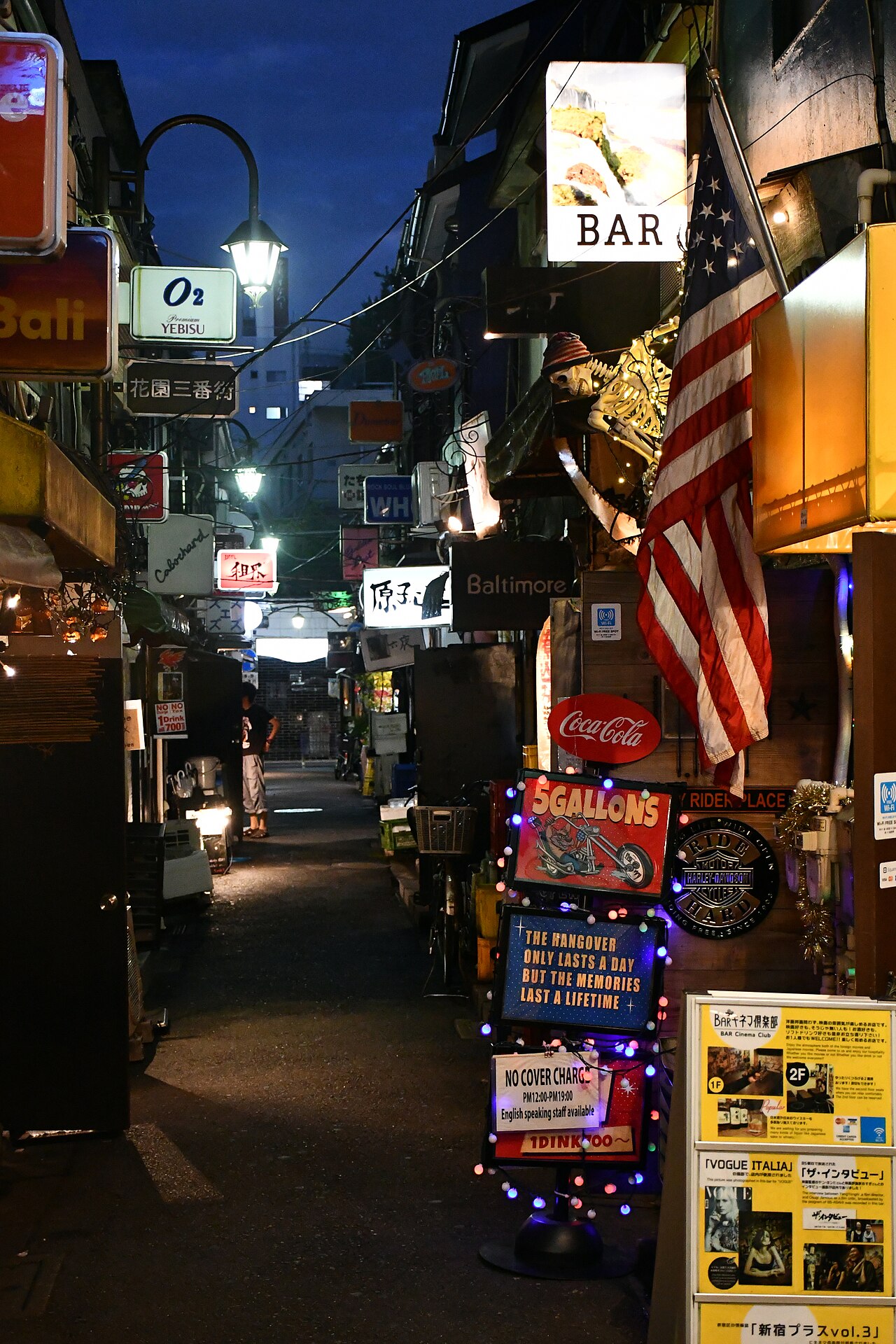
- The six alleys (yokocho)narrow lanes, each a hundred metres or less, running in a compact block just off the main Kabukicho entertainment district
- Two-storey wooden bar buildingsoriginal post-war wooden structures housing bars on both floors, each with just a handful of stools at a counter
- Bar signs and themesbars are often built around a theme — jazz, film, a particular genre of books — and the sign outside usually tells you what's inside
- Golden Gai entrance (Shinjuku Dori side)the main entrance visible from the street, a short walk from Shinjuku Station's east exit through the Kabukicho district
How to actually get there
- Tokyo Station → Shinjuku Station (JR Chuo Line Rapid, ~15 min).
- Exit via the East Exit (東口) and walk north through Kabukicho, ~10 minutes.
- Enter the first alley (any of the six) from Shinjuku-dori or the back streets — read the sign before you duck into a bar.
- Tokyo Stn → Shinjuku Stn → Golden Gai (walk ~10 min)
- From Tokyo Station, take the JR Chuo Line Rapid (direction Takao/Shinjuku) to Shinjuku Station — about 15 minutes. Exit via the East Exit (東口) and walk north through the Kabukicho entertainment district for about 10 minutes. Golden Gai is in the block just north of Kabukicho's central area, between Shinjuku-dori and the back streets. Trains run very frequently from Tokyo Station.
- Return from Shinjuku Station — last trains vary by line
- From Shinjuku Station, the JR Yamanote and Chuo lines run until around midnight; check the last train time for your destination before you start the evening. The Tokyo Metro Marunouchi Line (M-08) also runs from Shinjuku to central Tokyo. Taxis are available outside Kabukicho if you miss the last train.
About the place
Golden Gai took shape in 1945, months after Japan's defeat in World War II, when a black market that had lined the east exit of Shinjuku Station was moved by occupation authorities to the site where the alleys now stand. Through the following decades the area's bars attracted writers, filmmakers, and artists, and the neighbourhood developed a reputation as a place where regulars gathered around a particular master or genre of culture. In the 1980s, land prices in central Tokyo surged and many old low-rise districts were bought up and redeveloped; Golden Gai survived partly because a group of its supporters took turns keeping watch through the night against arson. The six alleys remain largely unchanged, with bars occupying two-storey wooden buildings that hold, in many cases, fewer than a dozen seats.
How to enjoy it
Start early in the evening — around 18:00–19:00 — when bars are opening and things have not yet become crowded. Many bars display their cover charge and house rules on a board outside or in the window; read them before entering. Bars typically seat between 5 and 12 people, so it is common to move between two or three over the course of the night. Some bars welcome first-time visitors explicitly; others are regulars-only — the signage usually makes this clear.
Background & history
The area originated as a post-war black market in 1945. Its bars became associated with the Tokyo literary and artistic scene through the 1960s and 1970s. Demolition threats in the 1980s brought community resistance that preserved the enclave. Today the area is listed as one of Tokyo's most recognised post-war cultural landscapes.
Before you go
- Cash
- Most bars in Golden Gai charge a cover fee (seating charge) of 500–1,000 yen per person in addition to drink prices. Cash is strongly preferred; many bars do not accept cards. Bring yen. JR trains and metro accept IC cards.
- Good to know
- Golden Gai's bars operate in the evenings — most open between 18:00 and 20:00 and close between midnight and 03:00. A few bars are daytime-only. The alleys themselves are open at all hours.
- Another way
- Shinjuku-sanchome Station (Tokyo Metro Marunouchi Line M-09 / Fukutoshin Line F-13) is closer to the east side of the Kabukicho area and reduces the walk to Golden Gai by a few minutes.
- After you get off
- From Shinjuku Station East Exit, walk north through Kabukicho for about 10 minutes — Golden Gai is visible on the right where the alley entrances are marked with small hanging signs.
Nearby notes
 Basile Morin / CC BY-SA 4.0
Local life · Tokyo★★★
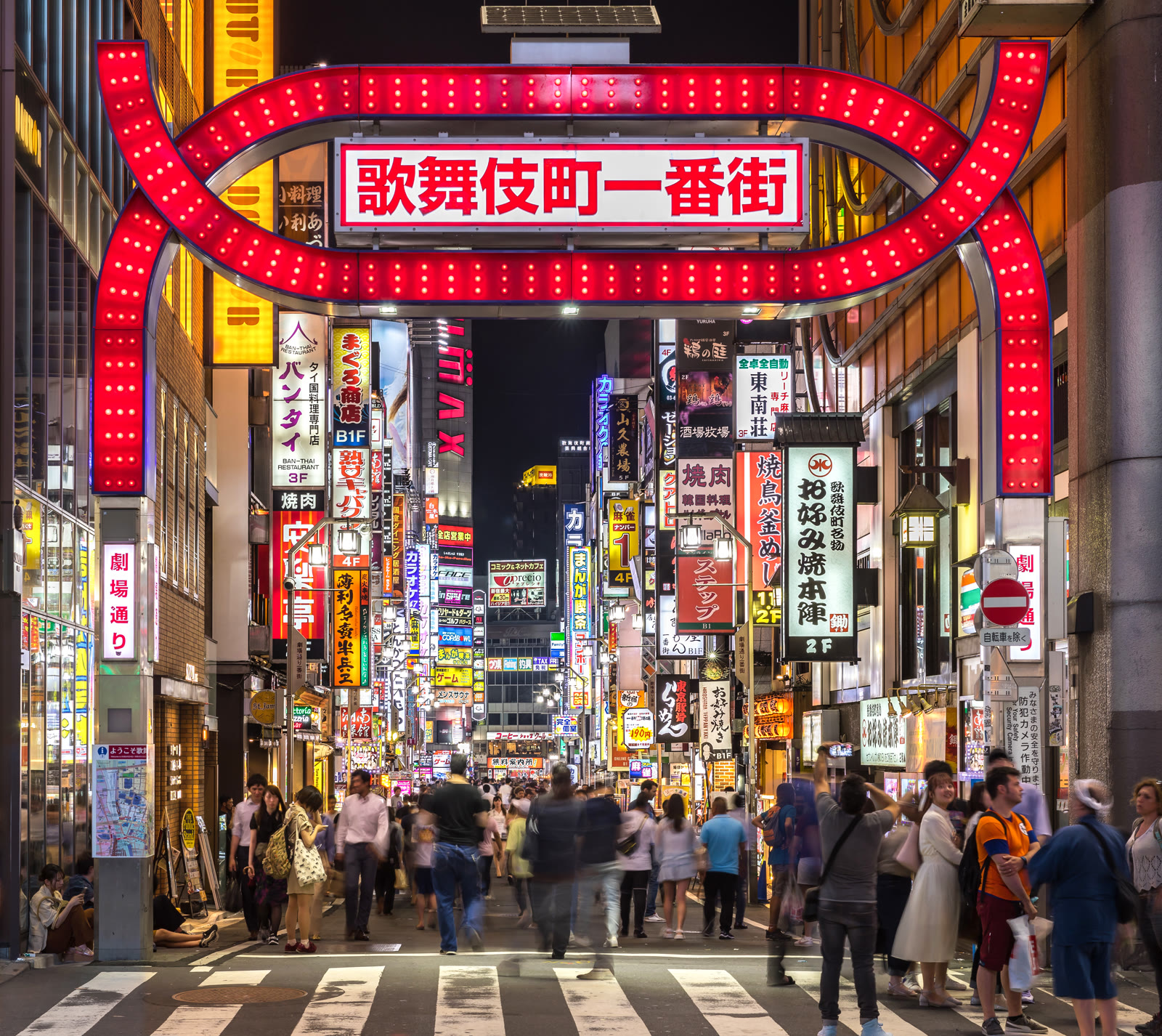
Kabukicho
0.4 km · straight line
 MaedaAkihiko / CC BY-SA 4.0
Food · Tokyo★
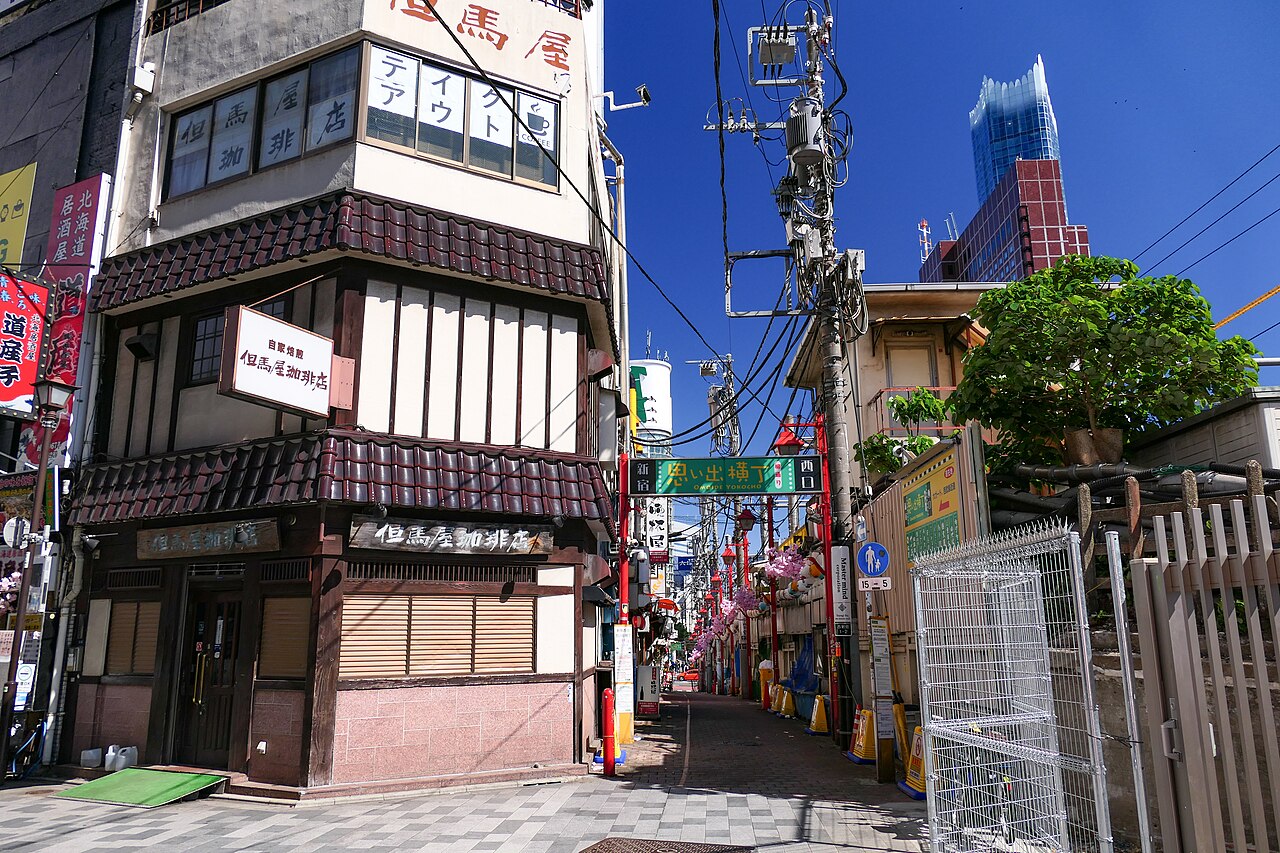
Omoide Yokocho
0.6 km · straight line
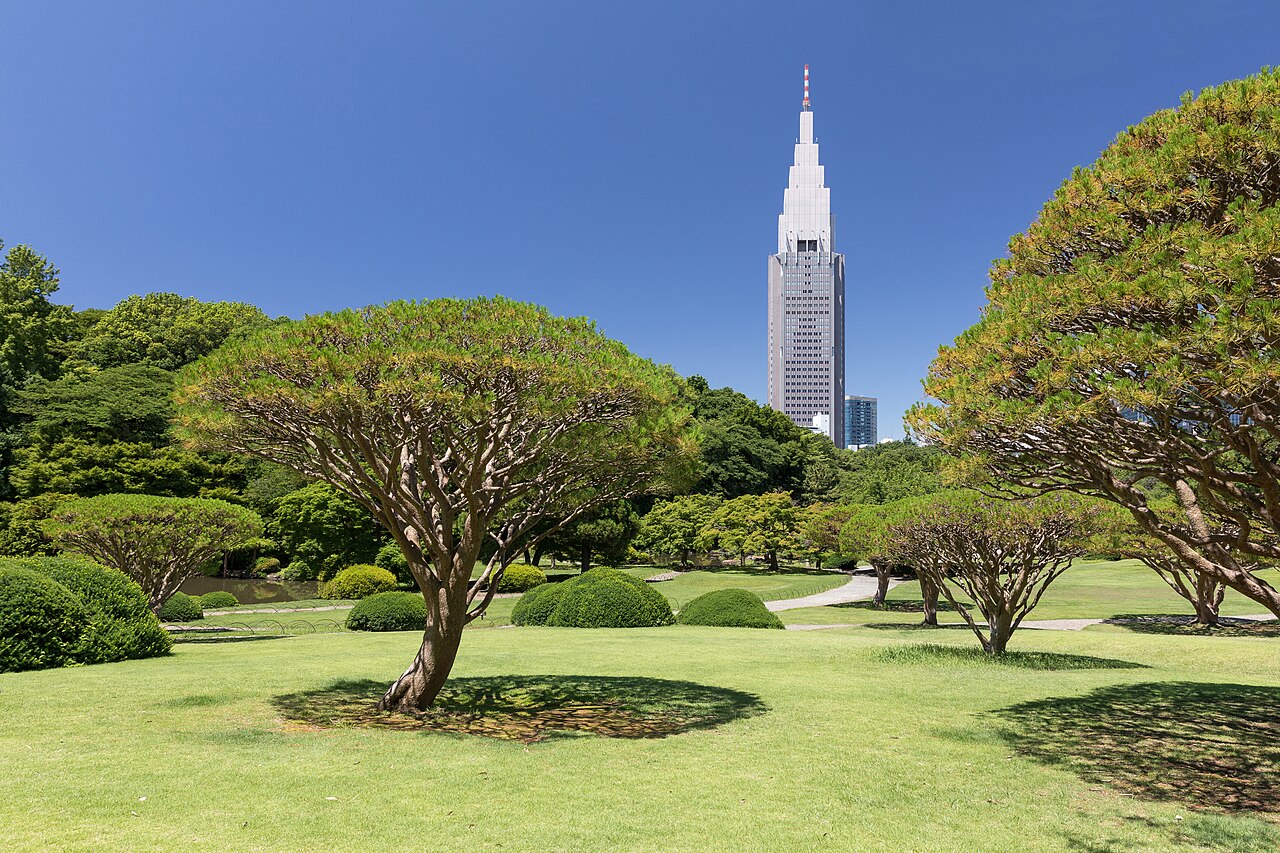 Basile Morin / CC BY-SA 4.0
Nature · Tokyo★★
Shinjuku Gyoen
1.1 km · straight line
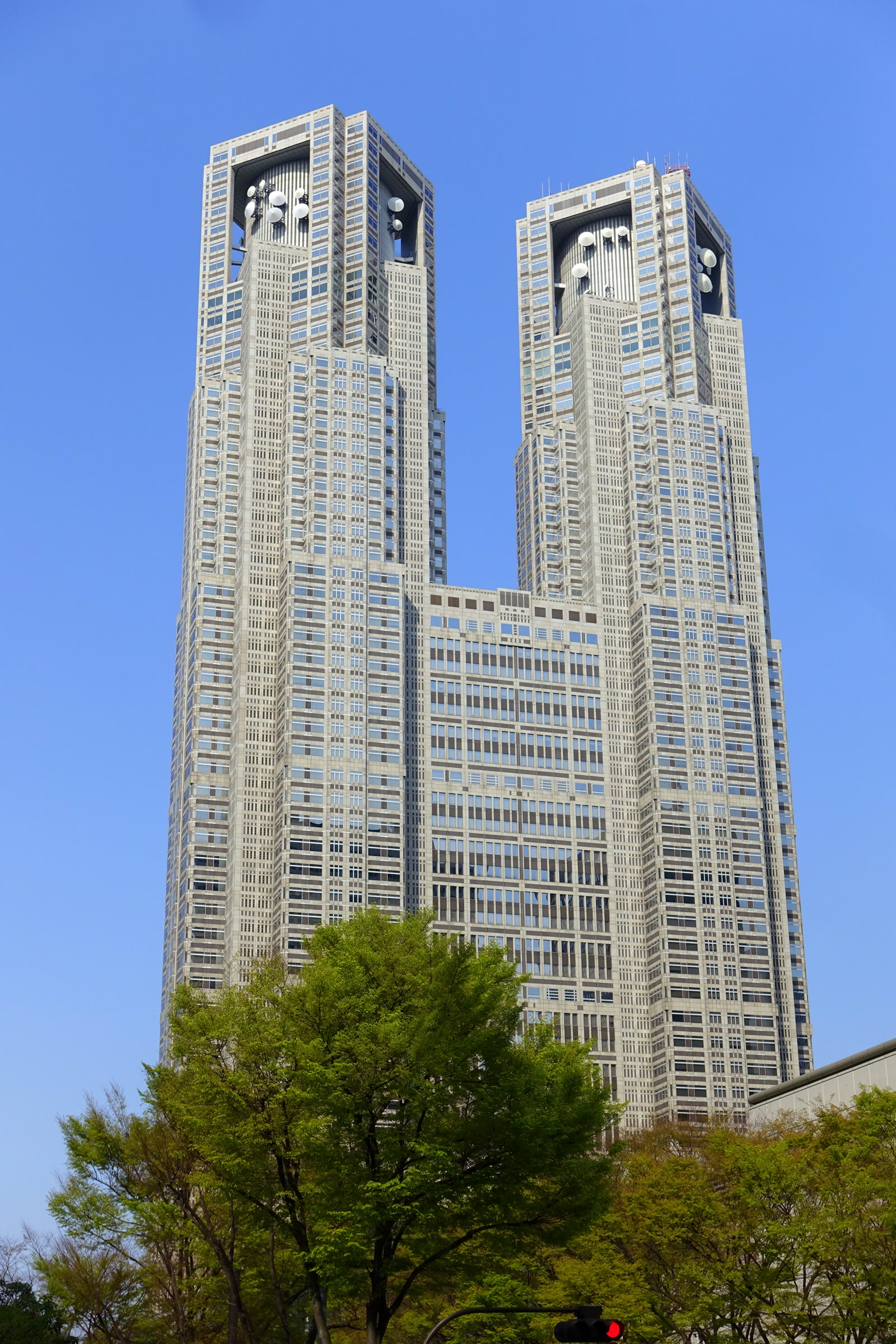 Daderot / CC0
Local life · Tokyo★★★
Tokyo Metropolitan Government Building
1.3 km · straight line
Distances are straight lines on the map, not travel times.