Tokyo · Shinjuku west exitNo.303★Open in map →
Omoide Yokocho
— Shinjuku's post-war grill alley
A narrow lane of about eighty tiny businesses beside the west exit of Shinjuku Station, roughly sixty of them yakitori counters and bars, descended from the open-air market that formed here immediately after the war.
- FromTokyo Stn
- ~15 minJR + metro (very frequent)
- Get off atShinjuku Station (West Exit)
- On foot
- Omoide Yokocho
The sweet spot
Omoide Yokocho is in nearly every Tokyo guide, so the question is not whether to come but when. Each counter holds five or six people, which means the alley flips from walkable to impassable the moment the office crowd arrives. Come before about 18:00, or after 21:00, and you can actually sit down.
Where it is
77 more notes in Tokyo · open the map →What to look for
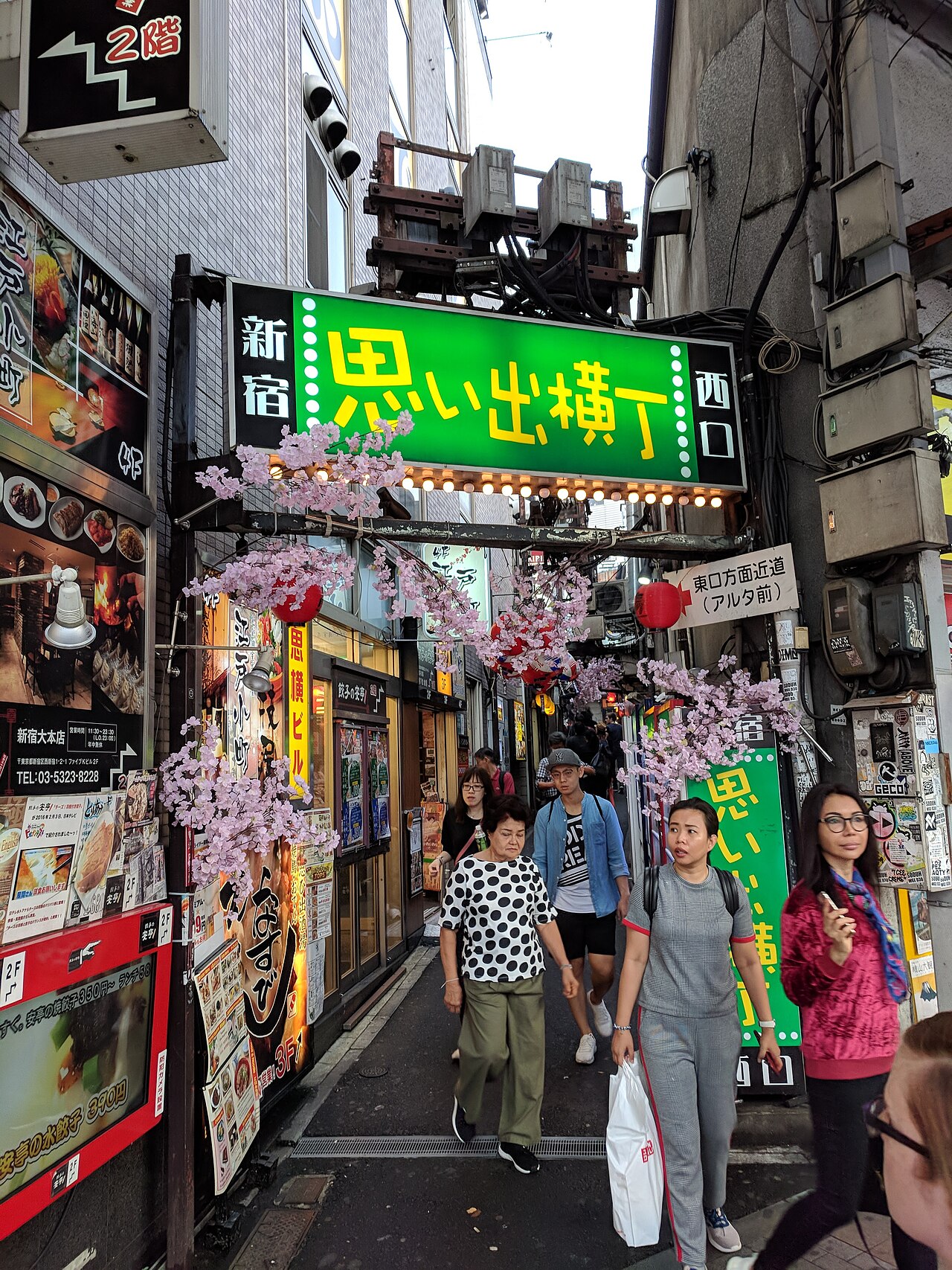
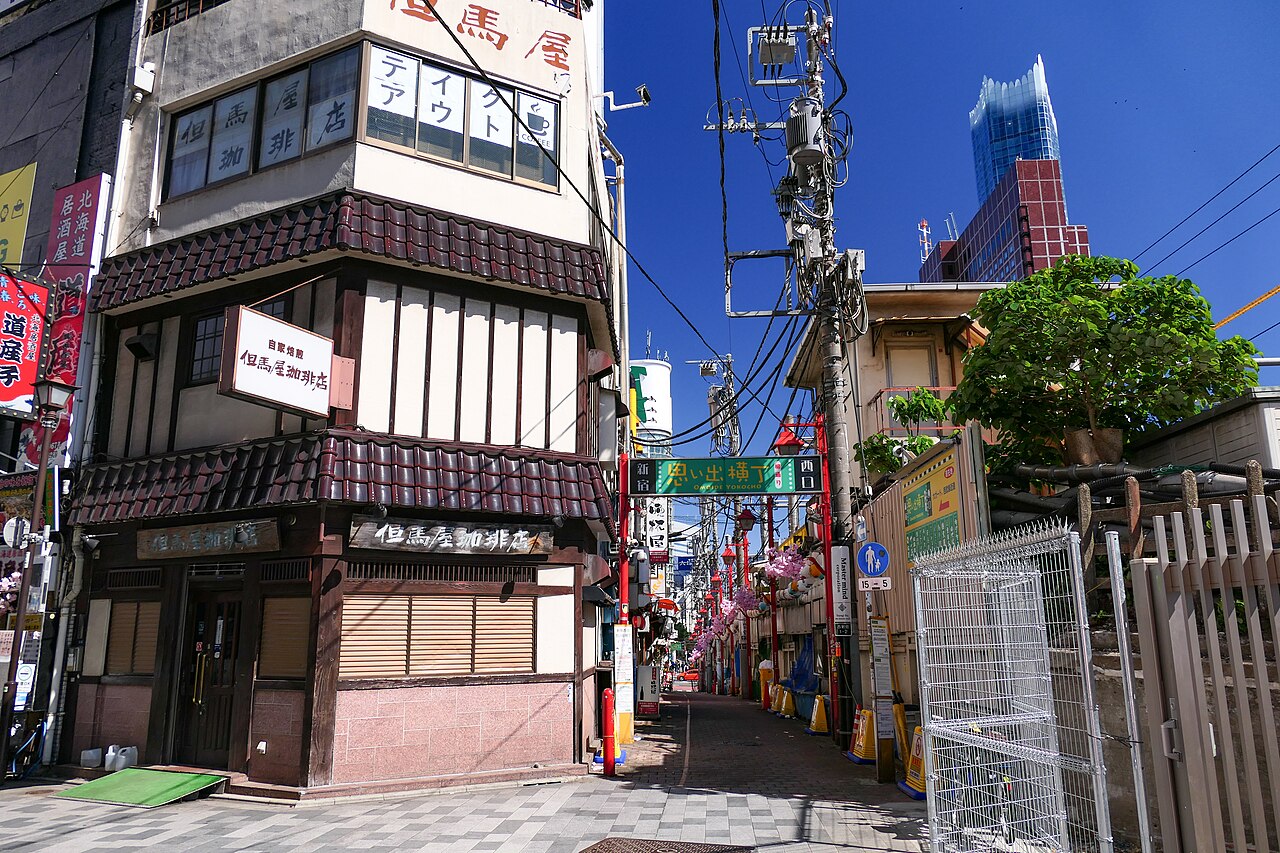
- The alley mouthslow gates hung with lanterns mark each entrance, and the lanes behind are barely wide enough for two people to pass
- Yakitori and offal counterscharcoal grills set right at the counter edge, most shops seating only five or six people at once
- The sheer densityabout eighty businesses inside roughly 630 tsubo — a little over two thousand square metres — including bars, noodle shops and a few ticket resellers
- The towers directly behindstep out of the lane and the Nishi-Shinjuku skyscrapers stand overhead, which puts the whole contrast into a single frame
How to actually get there
- Tokyo Station → Shinjuku Station (JR Chuo Line Rapid, ~15 min).
- Leave by the West Exit (西口) and walk north along the tracks (~2 min).
- Enter under the alley gate — read the price board outside before taking a stool.
- JR to Shinjuku, then two minutes on foot
- Tokyo Station →(JR Chuo Line Rapid toward Shinjuku, ~15 min)→ Shinjuku Station. Leave by the West Exit (西口), cross toward the tracks and head north; the alley entrance is about a two-minute walk, marked by a lit gate sign over the lane mouth. Trains are very frequent. Shinjuku is also served by the Odakyu and Keio lines and the Tokyo Metro Marunouchi Line, so almost any route across the city ends at the same exit.
- Same station — but check your last train first
- Shinjuku Station is a two-minute walk back the way you came. JR Yamanote and Chuo services and the Marunouchi Line run until around midnight, while the alley's own hours run well past that, so check the last departure for your line before you settle onto a stool. Taxis wait on the west-exit roundabout if you miss it.
About the place
The alley began as an open-air market of stalls on the burnt ground beside Shinjuku Station in the years right after the war, when traders worked from pitches divided by salvaged wooden door-boards and almost every kind of supply was short. Those stalls hardened into shops, and the shops stayed where they were while the west side of Shinjuku was rebuilt around them into a district of towers. Today roughly eighty businesses — about sixty of them places to eat and drink — sit inside a plot of some 630 tsubo, a little over two thousand square metres. A fire in 1999 burned through part of the block, and it was rebuilt to the same tight plan rather than cleared. The lanes are still narrow enough that two people pass each other with care.
How to enjoy it
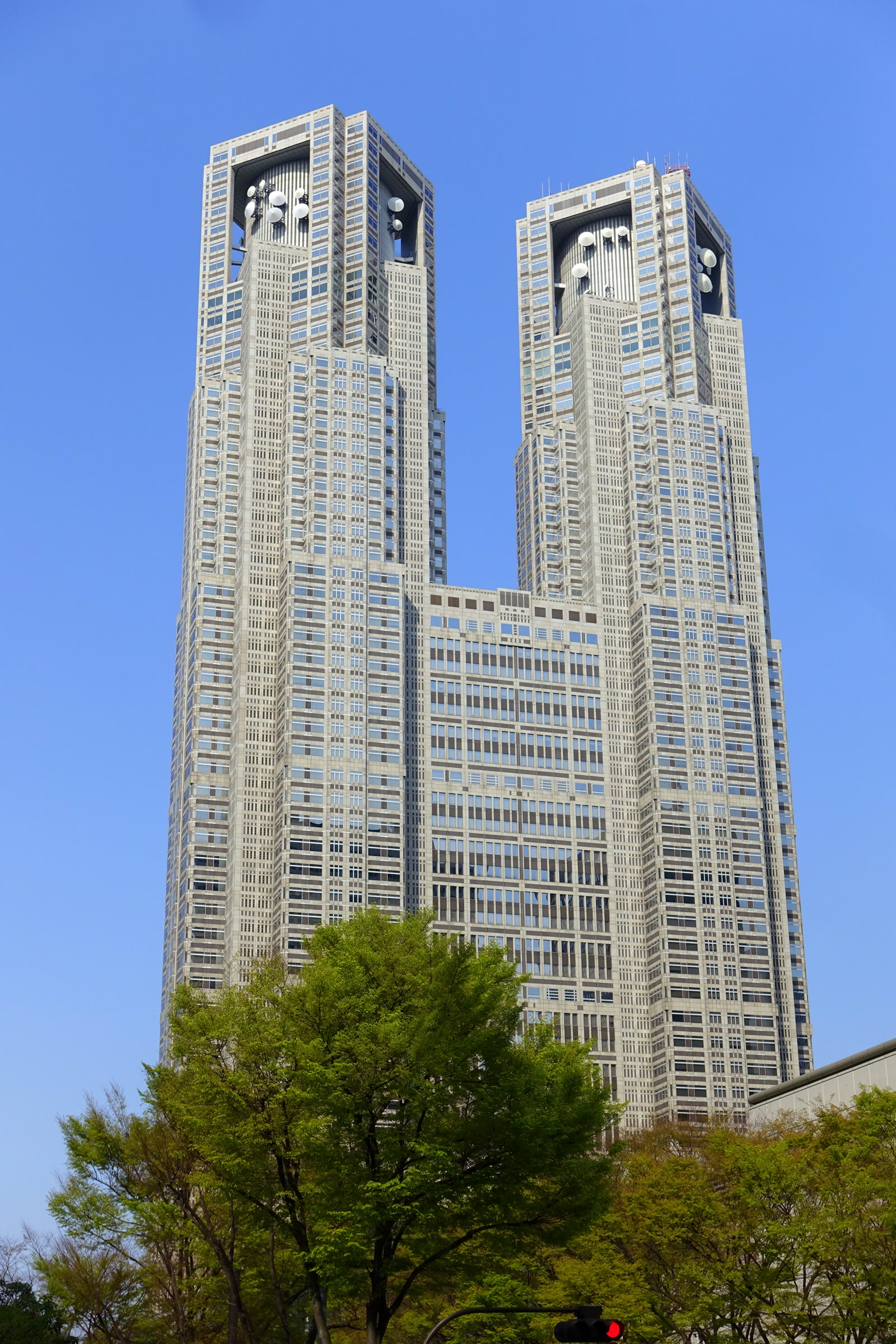
Arrive before the after-work rush, around 17:00 to 18:00, when the grills are lit but the counters still have room, and plan to move between two or three shops rather than settling into one. Menus and prices are usually posted outside, so check for a seating charge before you sit. Pair it with the free observatory at the Tokyo Metropolitan Government Building, ten minutes west and open into the evening, for the tower-and-alley version of the same neighbourhood.
Background & history
In the years directly after the war an open-air stall market appeared on the burnt ground next to Shinjuku Station, its traders working from pitches partitioned with salvaged wooden boards at a time when goods of every kind were hard to secure. As Tokyo recovered the stalls became permanent shops, and the block held its footprint while west Shinjuku was rebuilt around it into a high-rise district. A fire in 1999 destroyed part of the alley; rather than clear the site, it was rebuilt on the same dense plan. The result is one of the few places where the post-war street pattern of west Shinjuku still exists at its original scale.
Before you go
- Cash
- Bring yen. Most counters here are cash only, and many add a per-person seating or otoshi charge on top of what you order. Trains take IC cards (Suica / PASMO); the grills generally do not.
- Good to know
- Hours vary shop by shop — a few open from late morning, most from late afternoon into the small hours. The lane itself is a public passage and can be walked at any time of day.
- Another way
- Shinjuku-nishiguchi Station (Toei Oedo Line, E-01) surfaces a few steps from the alley, which is the quicker approach if you are crossing town by subway.
- After you get off
- From the Shinjuku Station West Exit, head north along the line of the tracks; the entrance is under the illuminated Omoide Yokocho gate, roughly two minutes on foot.
Nearby notes
 Basile Morin / CC BY-SA 4.0
Local life · Tokyo★★★
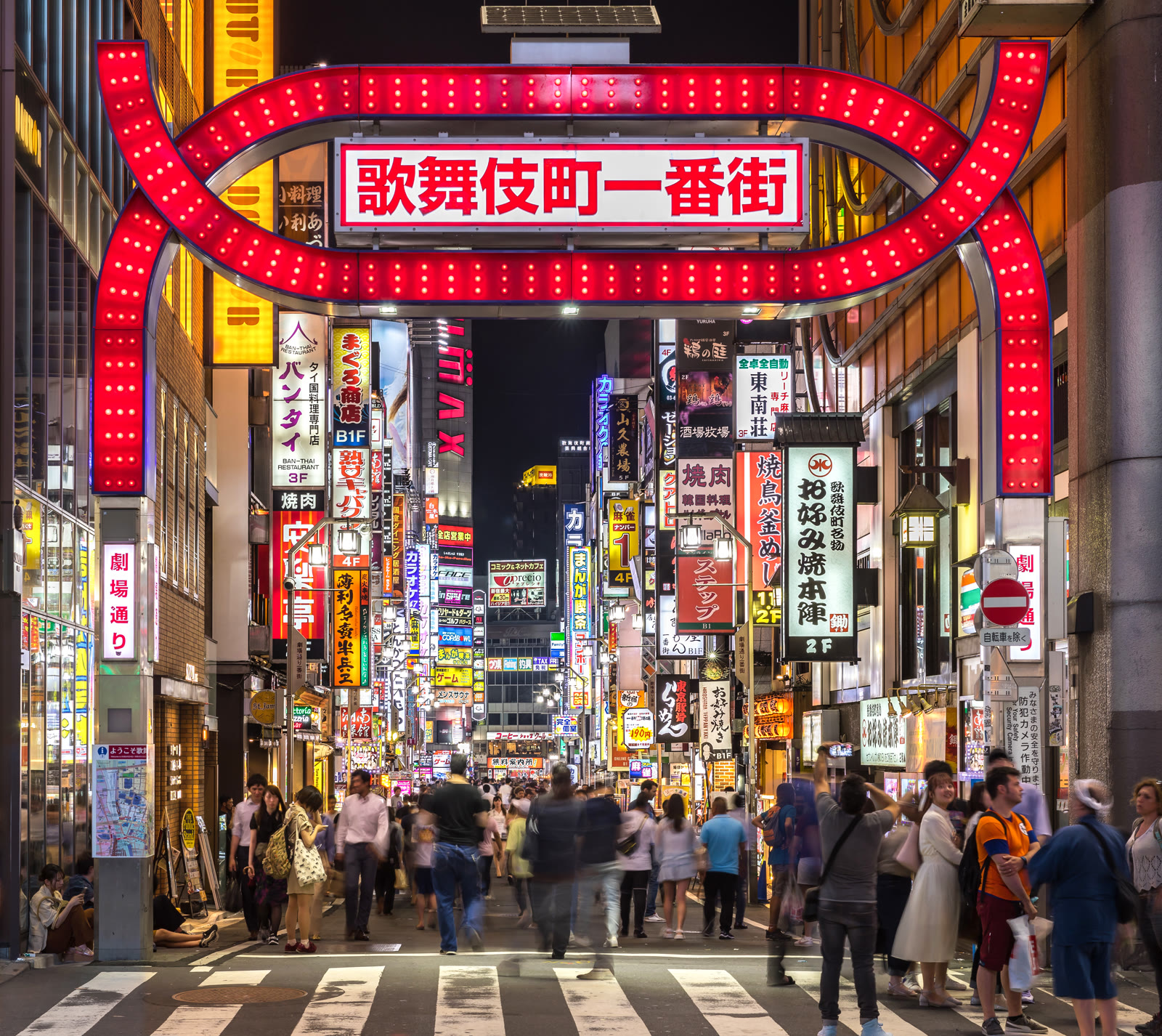
Kabukicho
0.3 km · straight line
 sprklg / CC BY-SA 2.0
Local life · Tokyo★★
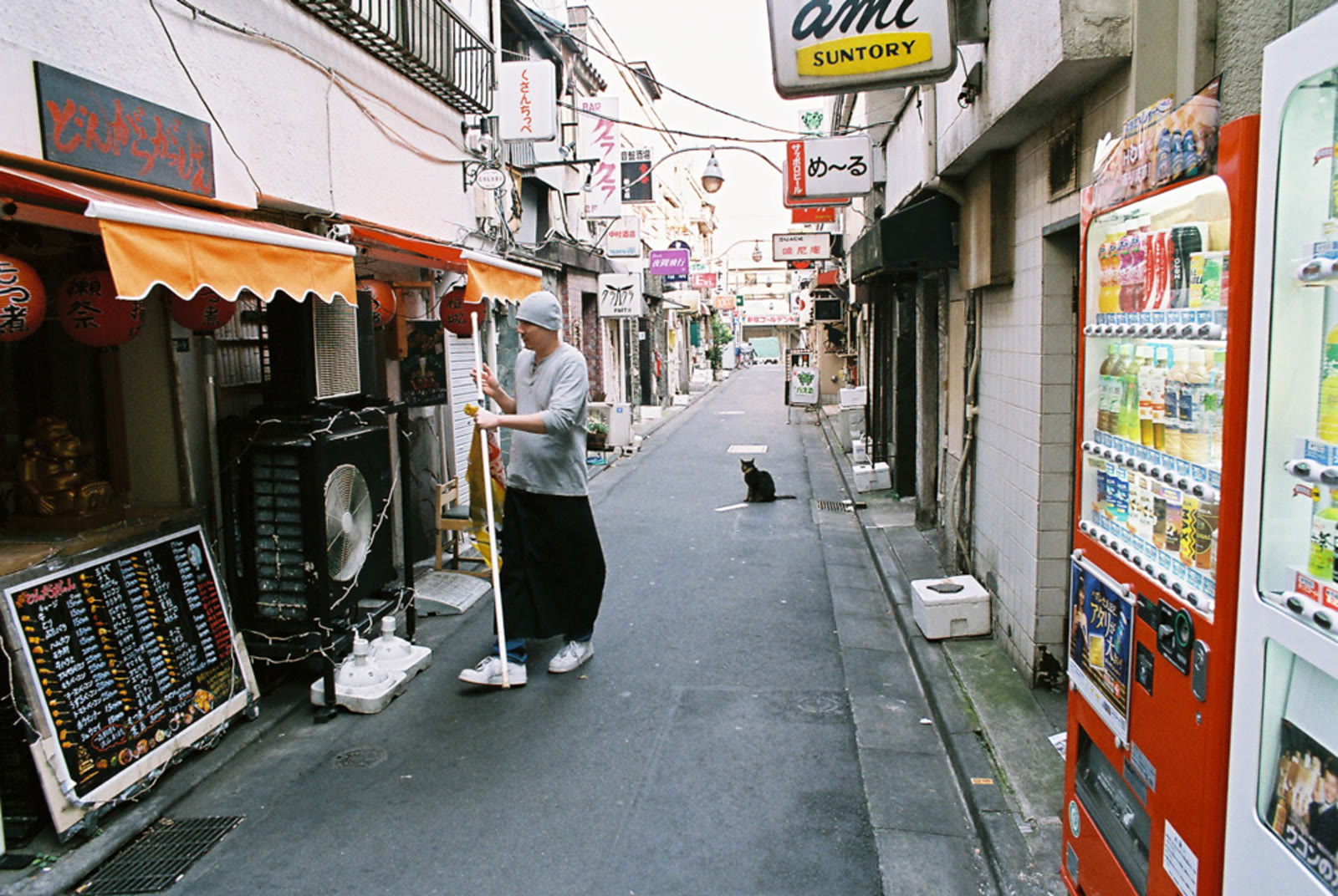
Shinjuku Golden Gai
0.6 km · straight line
 Daderot / CC0
Local life · Tokyo★★★
Tokyo Metropolitan Government Building
0.7 km · straight line
 Basile Morin / CC BY-SA 4.0
Nature · Tokyo★★
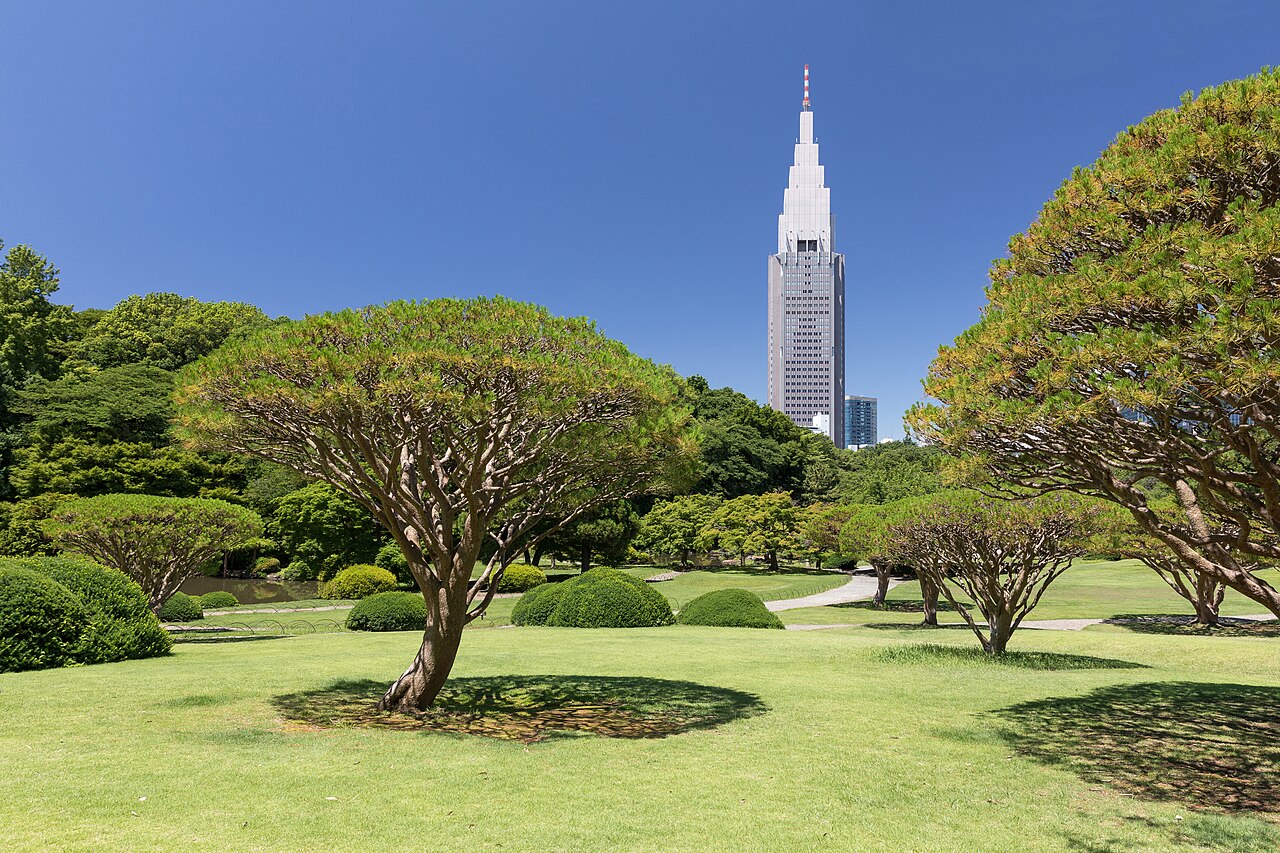
Shinjuku Gyoen
1.3 km · straight line
Distances are straight lines on the map, not travel times.