Tokyo · ShinjukuNo.137★★Open in map →
Shinjuku Gyoen
— three garden styles in one walled park
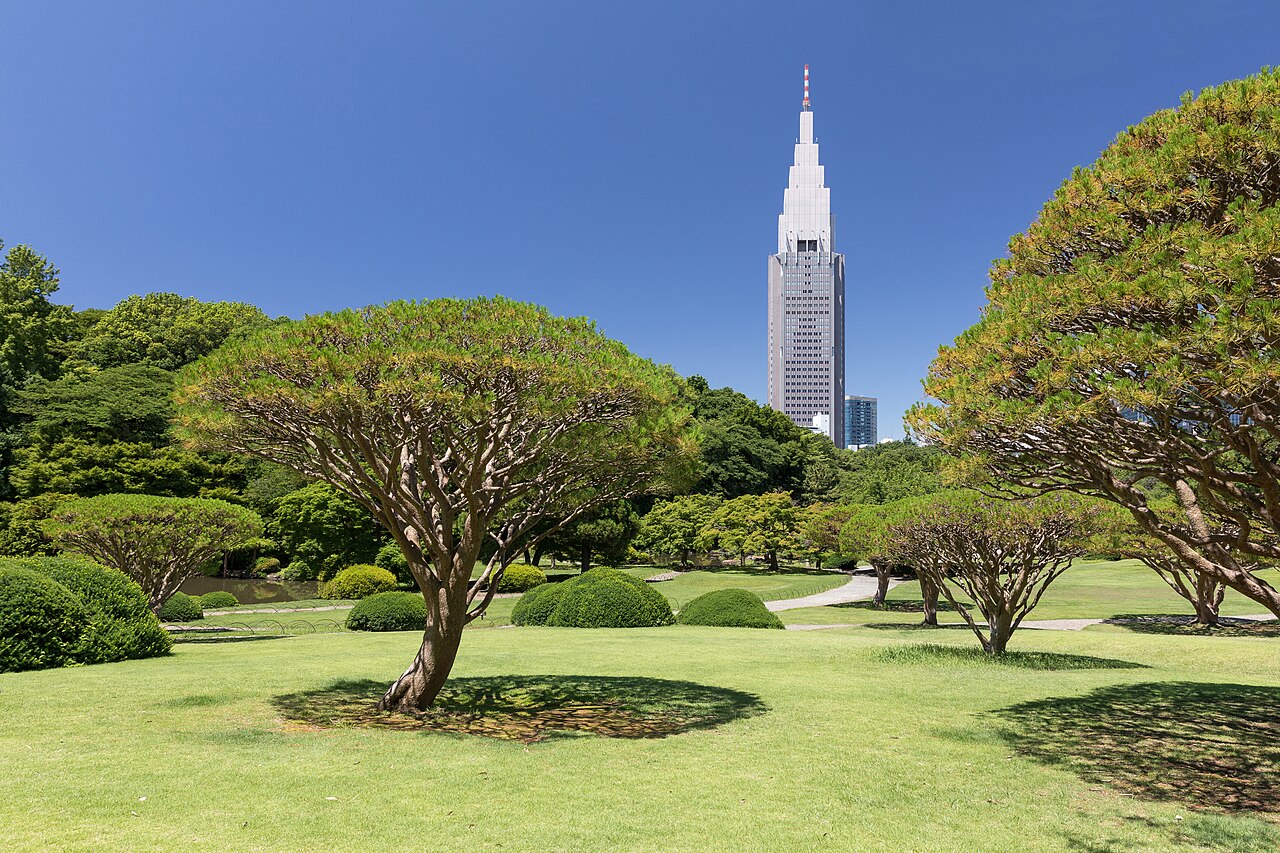
A former imperial garden in central Tokyo, now a national garden run by the Ministry of the Environment, where French, English, and Japanese styles share one 58-hectare enclosure.
- FromShinjuku Stn
- ~10 mintrain ×12/hr
- Get off atSendagaya Station (JR Chuo-Sobu Line)
- On foot
- Shinjuku Gyoen
Where it is
77 more notes in Tokyo · open the map →What to look for — in walking order
- Sendagaya Gatethe south entrance — quieter than the main Shinjuku Gate
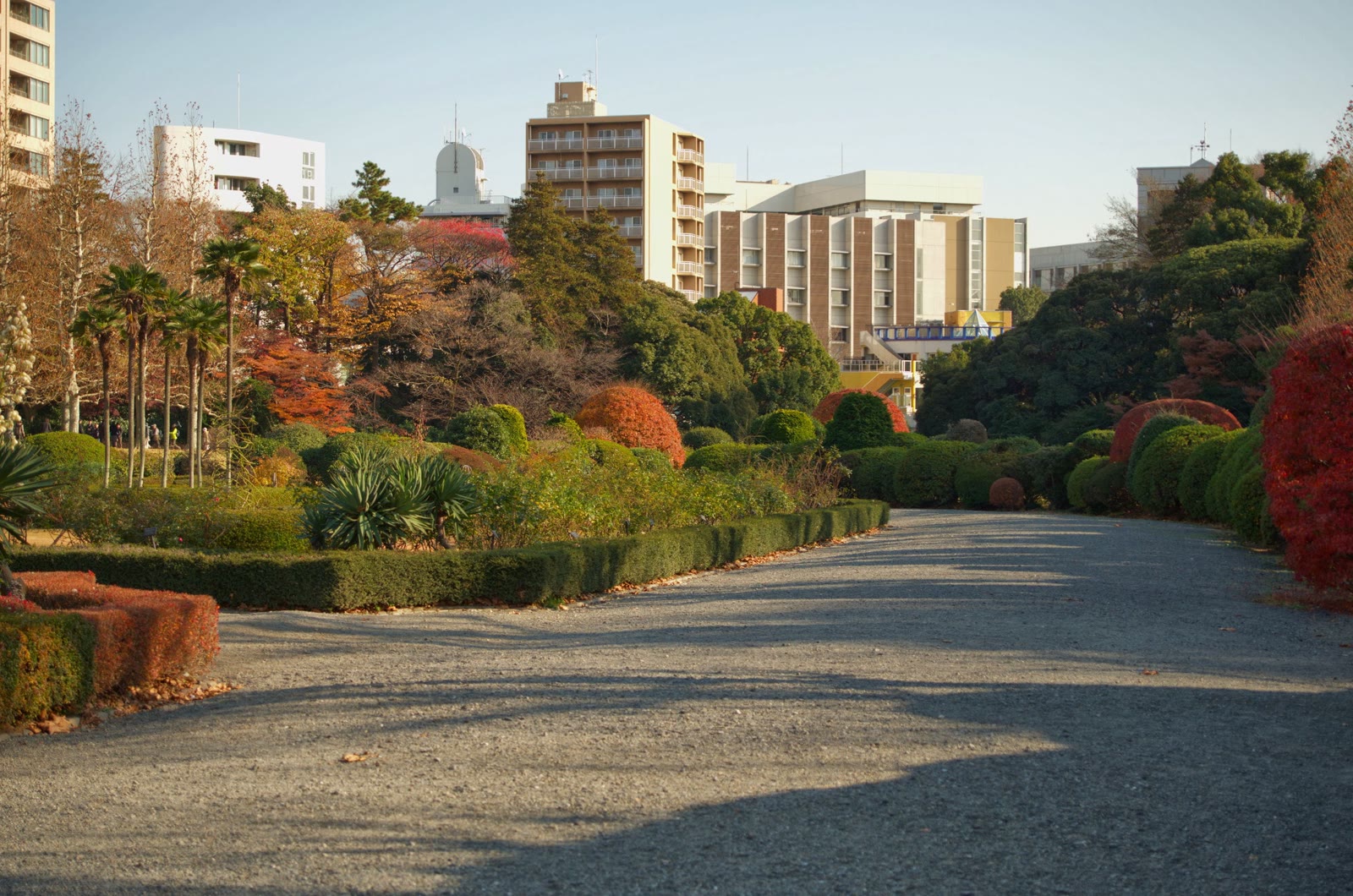
- French formal gardensymmetrical plane-tree rows and rose beds in the geometric European style
- English landscape gardena wide open lawn ringed by mature trees, near the Shinjuku Gate side
- Japanese traditional gardenponds, islands, and small wooden pavilions in the classic stroll-garden style, in the southern section
- Greenhousea large glass conservatory rebuilt in 2012, sheltering tropical and endangered plant species
How to actually get there
- Shinjuku Station → Sendagaya Station (JR Chuo-Sobu Line, ~5 min, 2 stops).
- Sendagaya Station → Sendagaya Gate (walk north-west, ~5 min).
- Tap your IC card at the gate to enter; the formal garden is straight ahead.
- JR Chuo-Sobu Line to Sendagaya Station
- Shinjuku Station →(JR Chuo-Sobu Line, ~5 min, 2 stops via Yoyogi)→ Sendagaya Station →(walk, ~5 min north-west)→ Sendagaya Gate. Total ~10 min. Trains run very often (about every 5 minutes).
- return the same way
- Walk back to Sendagaya Station and take the JR Chuo-Sobu Line to Shinjuku (~5 min). Trains run until around midnight; the garden itself closes in the late afternoon, so plan your walk to finish before the gates shut.
About the place
Shinjuku Gyoen holds three distinct garden styles inside a single walled enclosure in one of Tokyo's busiest districts. The northern half runs a French formal garden and an English landscape garden; the southern half holds a traditional Japanese stroll garden with ponds and pavilions. It was an imperial garden before the Second World War and reopened to the public in 1949. Because it is a ticketed, enclosed space rather than a thoroughfare, the grounds feel measurably calmer than the streets just outside.
How to enjoy it
The garden opens at 9:00 daily (closed Mondays and 29 December to 3 January). Arriving near opening time on a weekday is the calmest way to walk it — adult admission is 500 yen. Enter from the Sendagaya Gate on the south side to start in the garden grounds, away from the busier main gate. The three garden styles are best explored in order: south Japanese garden, central English lawn, then north formal garden.
Background & history
The site began as the Edo-period residence of the Naito family, feudal lords granted the land in 1590. After the Meiji Restoration of 1868 it became a government agricultural experiment station, and in 1879 the grounds passed to the Imperial Household as a botanical garden. A Western-style layout by French landscape designer Henri Martinet took shape through a major renovation completed in 1906. Most of the garden was destroyed in the 1945 air raids and rebuilt, reopening to the public on 21 May 1949.
Before you go
- Cash
- IC transit cards (Suica / PASMO) are accepted directly at the entrance gate readers, so you can tap in without buying a paper ticket. Cash is also accepted at the ticket window.
- Good to know
- Closed on Mondays (or the following Tuesday if the Monday is a public holiday) and from December 29 to January 3. Alcohol is not allowed inside the garden.
- Another way
- The main Shinjuku Gate is a 10-minute walk from the south exit of Shinjuku Station, or 5 minutes from Shinjuku-Gyoenmae Station on the Tokyo Metro Marunouchi Line — more convenient if you arrive by subway, but busier.
- After you get off
- From Sendagaya Station, follow the signs on a paved street for about 5 minutes to reach the Sendagaya Gate.
Nearby notes
 sprklg / CC BY-SA 2.0
Local life · Tokyo★★
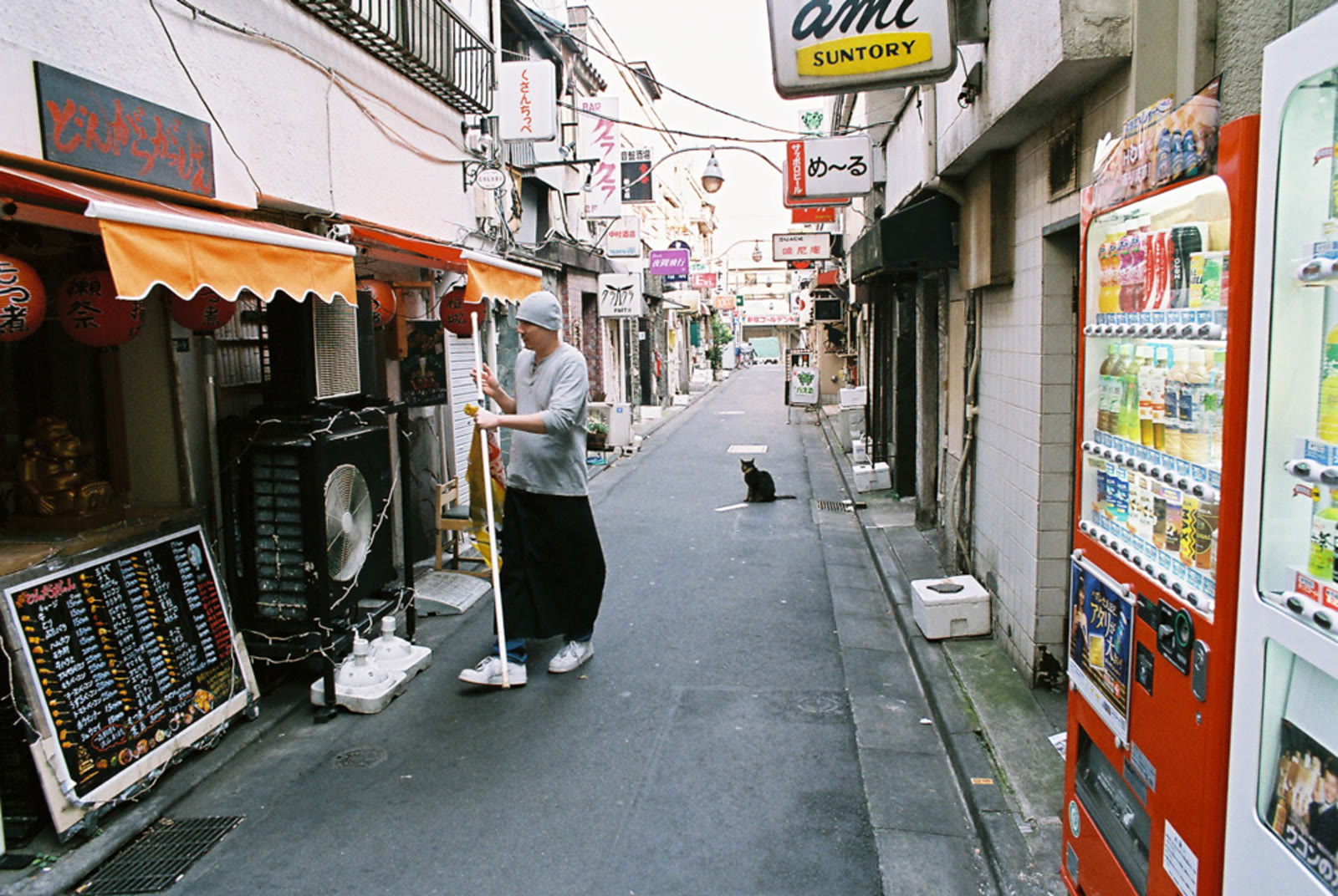
Shinjuku Golden Gai
1.1 km · straight line
 MaedaAkihiko / CC BY-SA 4.0
Food · Tokyo★
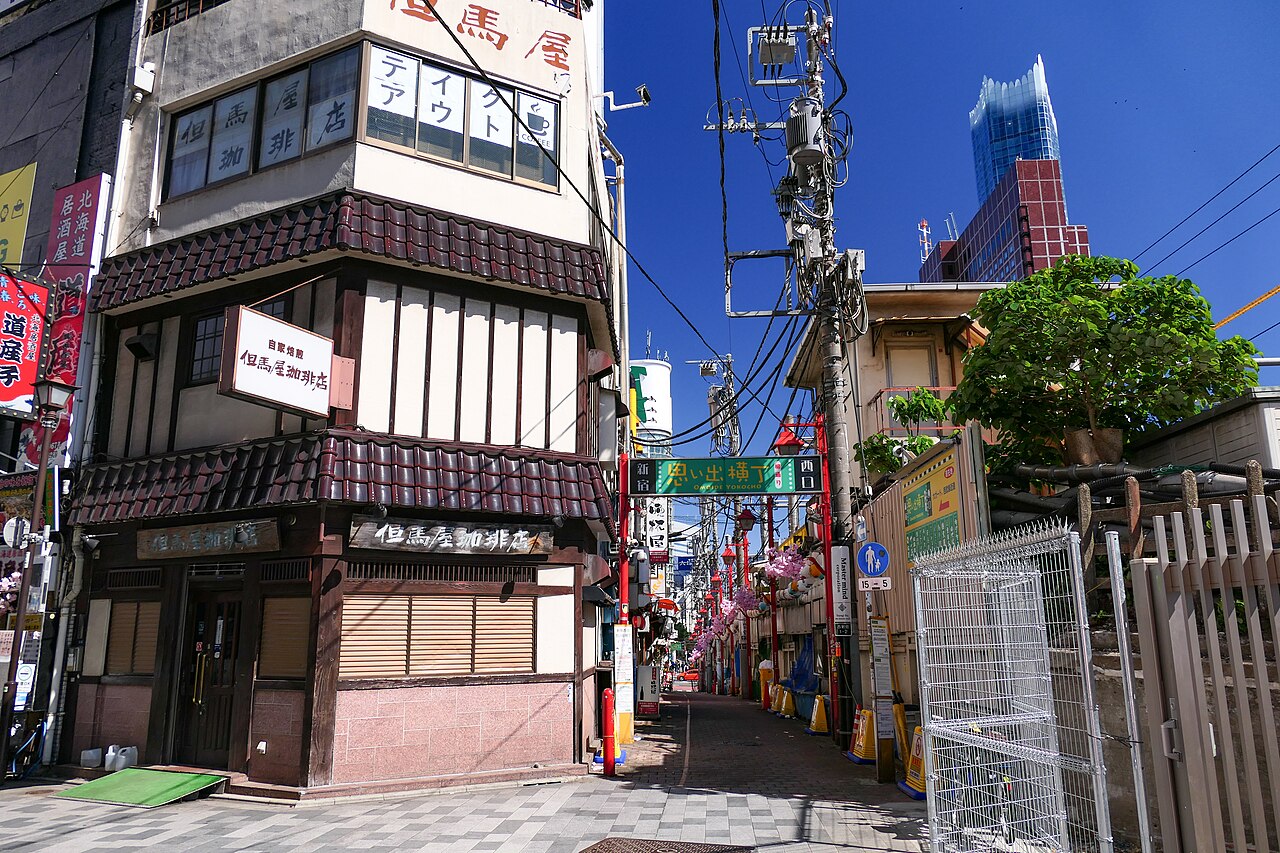
Omoide Yokocho
1.3 km · straight line
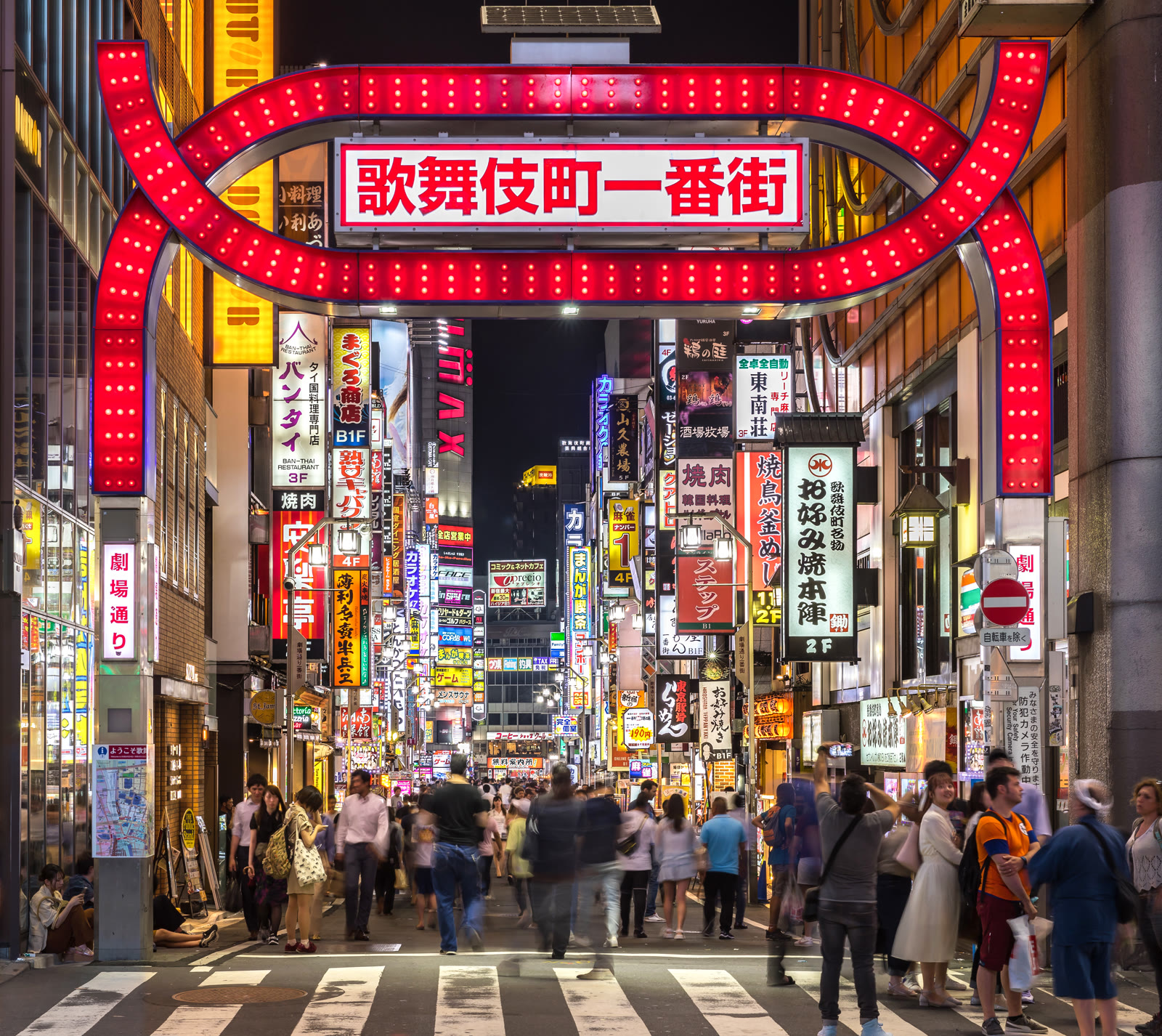 Basile Morin / CC BY-SA 4.0
Local life · Tokyo★★★
Kabukicho
1.3 km · straight line
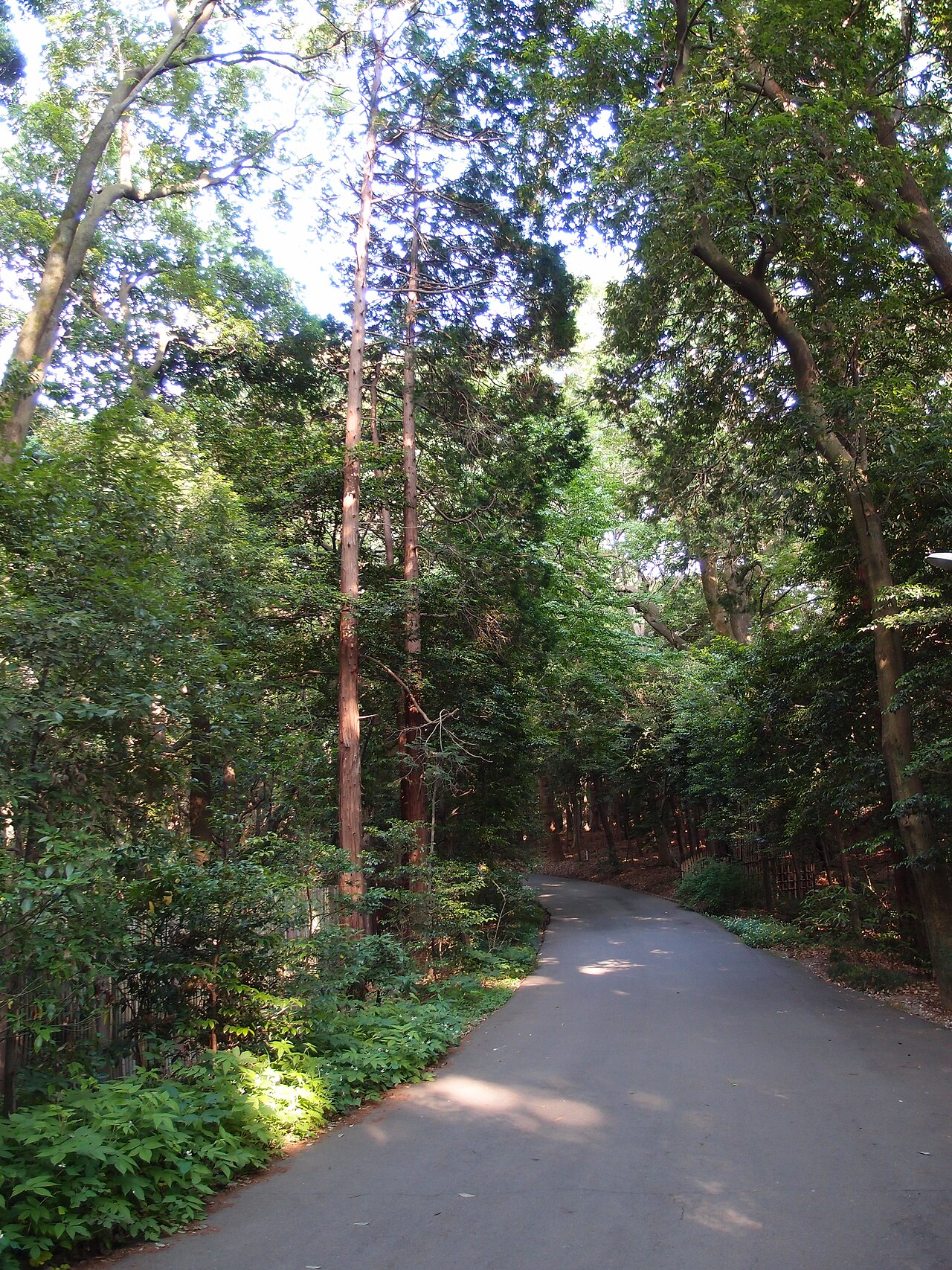 Guilhem Vellut from Annecy, France / CC BY 2.0
History · Tokyo★★★
Meiji Jingu
1.4 km · straight line
Distances are straight lines on the map, not travel times.