Tokyo west · OkutamaNo.005★Open in map →
Hatonosu Gorge
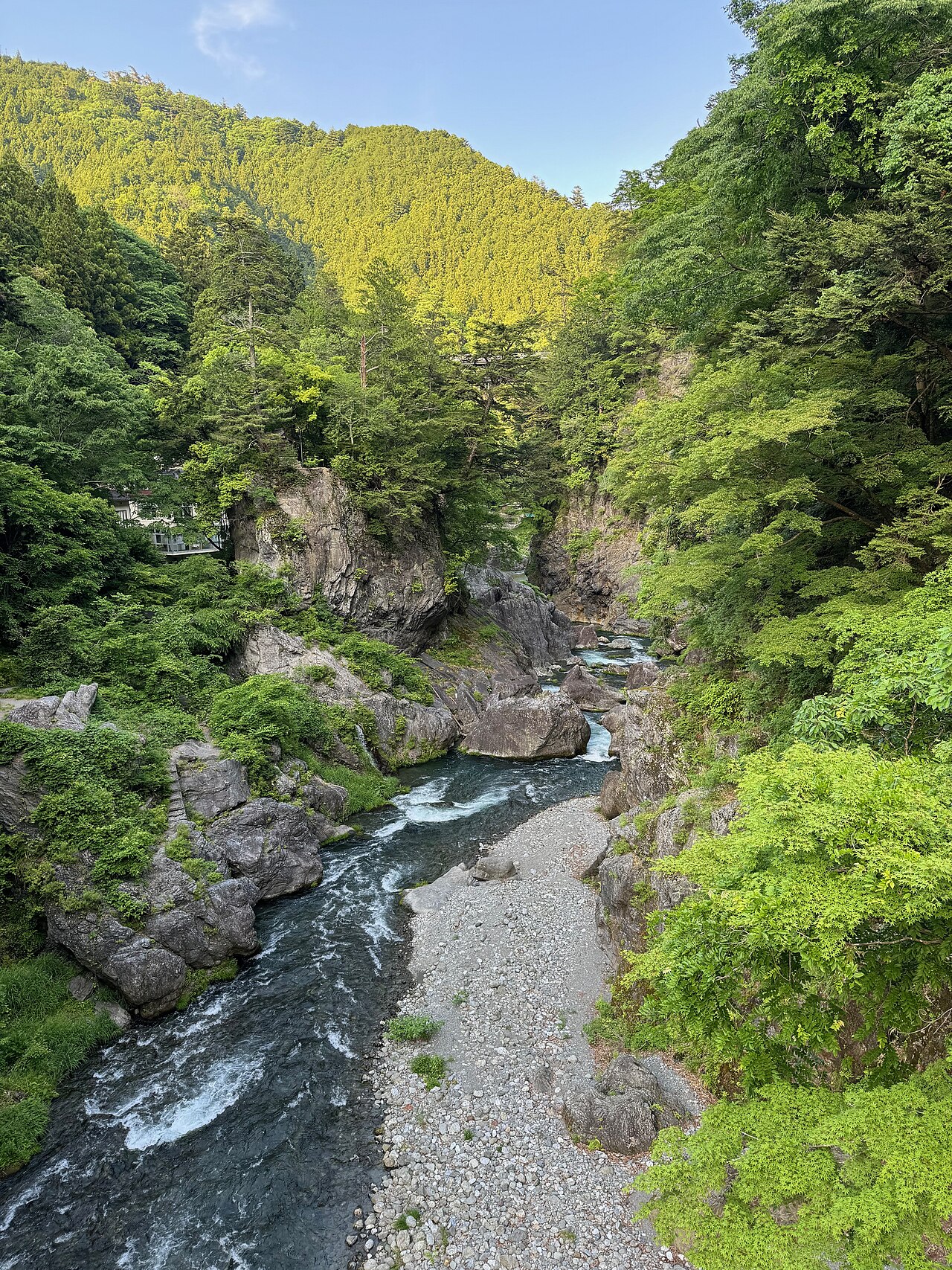
A river gorge about 500 metres long in Okutama, in the western mountains of Tokyo. A narrow suspension footbridge crosses it, a short walk from Hatonosu Station on the JR Ome Line.
- FromShinjuku Stn
- ~100-110 mintrain (1-2/hour)
- Get off atHatonosu Stn
- On foot
- Hatonosu Gorge
The sweet spot
It stays quiet because English-language guides for this area usually stop at Lake Okutama, and because the last stretch is a slow rural train line that runs only once or twice an hour, so it sits off the main tourist route.
Where it is
77 more notes in Tokyo · open the map →What to look for — in walking order
- Hatonosu-kobashi footbridgea slender suspension bridge over the ravine, with the best view straight down into the gorge
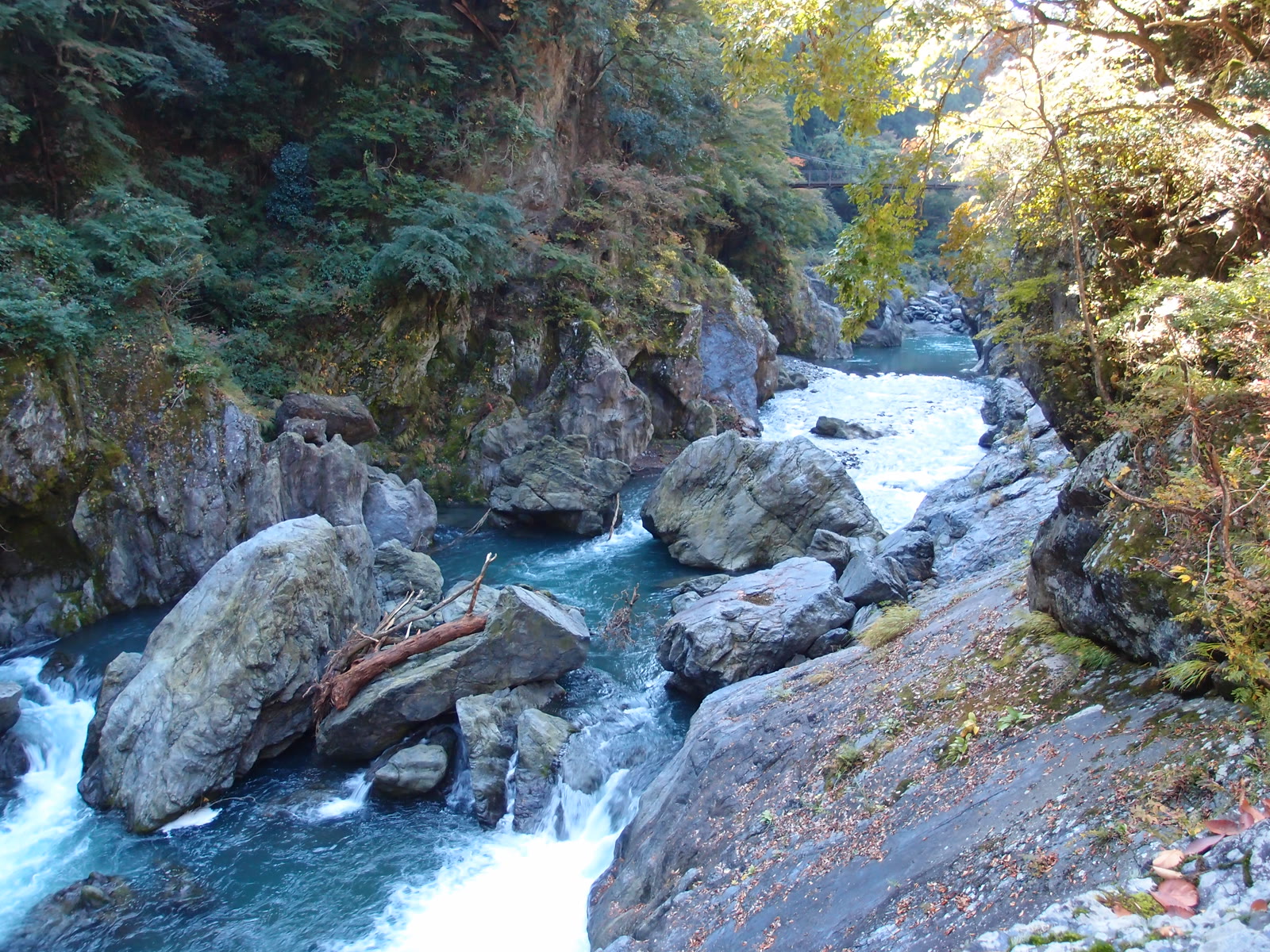
- Tama River poolclear, green-tea-coloured water threading between huge boulders beneath cliffs about 40 metres high
- Riverside walking patha maintained path along the gorge continuing toward Shiromaru Dam
- Autumn colourthe ravine is a well-known spot for leaf-turning in fall
How to actually get there
- Shinjuku Station → Ome Station (JR Chuo Line rapid, ~70 min).
- Ome Station → Hatonosu Station (change to JR Ome Line toward Okutama, ~30 min).
- Hatonosu Station → the footbridge and gorge (on foot, ~3-10 min).
- JR Chuo Line + Ome Line
- Shinjuku Station →(JR Chuo Line rapid, ~70 min)→ Ome Station →(change to JR Ome Line toward Okutama, ~30 min)→ Hatonosu Station. Total about 100-110 min. The Ome-to-Okutama section is a separate rural line: you must change trains at Ome, and it runs only about one to two trains per hour, so check the day's timetable before you leave.
- Same route in reverse
- Return the same way: Hatonosu Station →(Ome Line, ~30 min)→ Ome →(Chuo Line, ~70 min)→ Shinjuku. The rural Ome Line runs only about one to two trains an hour and finishes in the evening, so check the return times posted at Hatonosu Station when you arrive.
About the place
Hatonosu Gorge runs along the upper Tama River at the western edge of Tokyo. The river squeezes between massive boulders below cliffs that rise roughly 40 metres, and the water is the colour of green tea as it slides over rock. A narrow suspension footbridge, the Hatonosu-kobashi, spans the ravine, and a maintained riverside walking path continues toward Shiromaru Dam. The gorge is one of the more celebrated stretches of scenery in Okutama, vivid green through the warm months and known for its autumn colours.
How to enjoy it
An easy half-day from central Tokyo on the JR Ome Line: walk down from Hatonosu Station to the footbridge and follow the path along the water. The train runs only one to two times an hour and finishes in the evening, so check the return times at the station on arrival. Note that swimming in the river is not allowed.
Background & history
The gorge was carved where the Tama River cut through the Chichibu Paleozoic rock formations of the western mountains. The name Hatonosu — 'dove's nest' — dates to the Edo period (1603–1868). After the Great Fire of Meireki in 1657 destroyed much of Edo (old Tokyo), timber from Okutama was floated down the Tama River to help rebuild the city, and huts for the laborers and a small shrine, the Tamagawa Water Shrine, were set up here. By local tradition two doves nested at the shrine and were protected as sacred birds, giving the place its name.
Before you go
- Cash
- There is nothing to buy at the gorge itself. Carry some cash, as small shops and machines in rural areas are often cash-only.
- Good to know
- The gorge is open around the clock and free to enter. The footbridge can be slippery after rain, so take care crossing it when the surface is wet.
- Another way
- If you miss the last train, the nearest larger station with more services and taxis is Okutama Station, two stops further up the same line.
- After you get off
- From Hatonosu Station it is a short walk of about 3 to 10 minutes down to the footbridge and the gorge.
Nearby notes
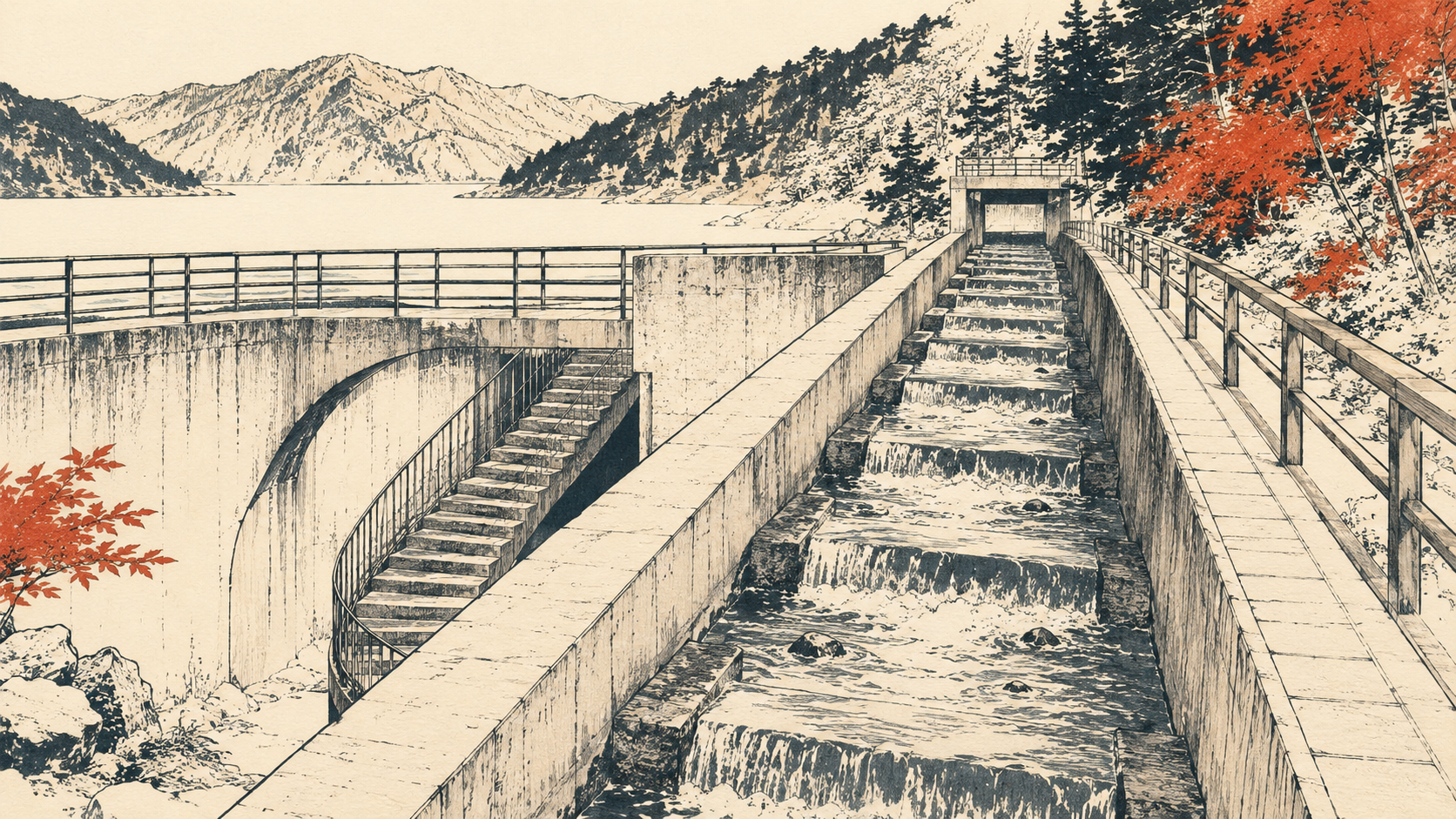 illustration (AI-illustrated)
Nature · Tokyo★
Shiromaru Dam Fish Ladder
0.4 km · straight line
 Wiiii / CC BY 3.0
Culture · Tokyo★
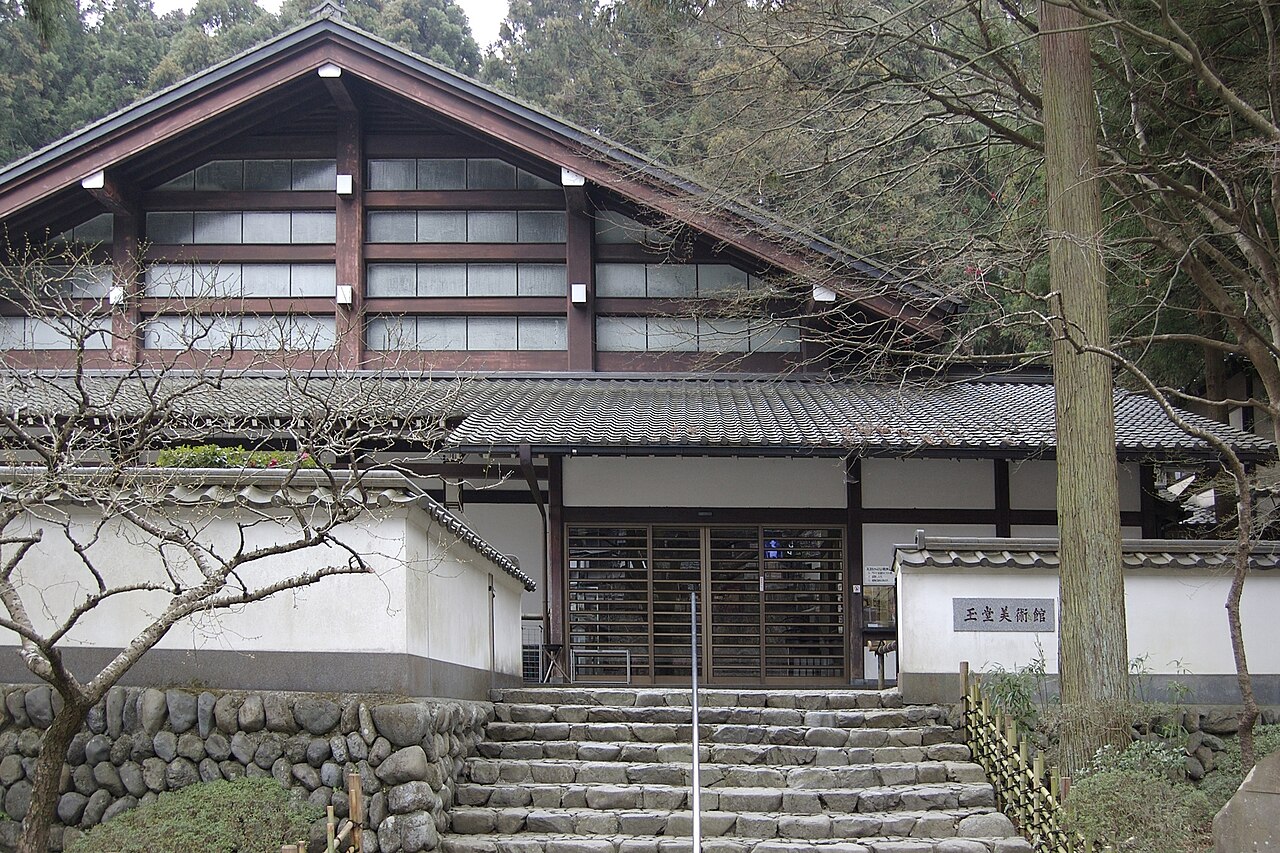
Gyokudo Art Museum
5.2 km · straight line
 illustration (AI-illustrated)
Food · Tokyo★
Sawanoi
6.0 km · straight line
 Osumi Akari / CC BY-SA 4.0
Nature · Tokyo★
Kanotoiwa
6.5 km · straight line
On a curated routeTokyo's Wild West →
Distances are straight lines on the map, not travel times.