Ome · Mitake gorgeNo.072★Open in map →
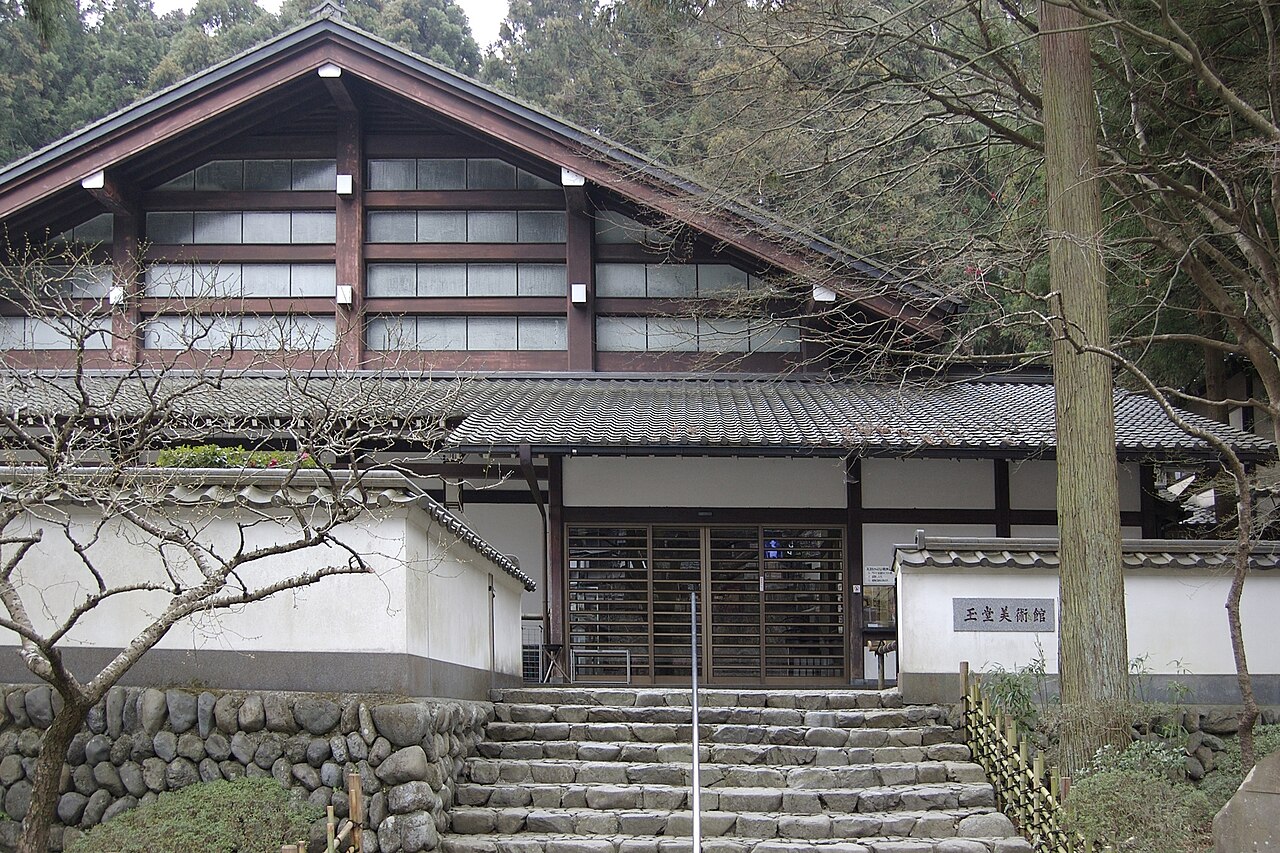
Gyokudo Art Museum
A small museum in Mitake devoted to Kawai Gyokudo, master of nihonga, paired with a karesansui dry garden overlooking the Tama River gorge.
- FromShinjuku
- ~95 mintrain ~2-3/hour
- Get off atMitake Station
- On foot
- Gyokudo Art Museum
The sweet spot
Most visitors to Mitake ride the cable car straight up to the mountain shrine and never turn downhill to the river, so the museum and the gorge walk below stay quiet. There is also little English information about it.
Where it is
77 more notes in Tokyo · open the map →What to look for — in walking order
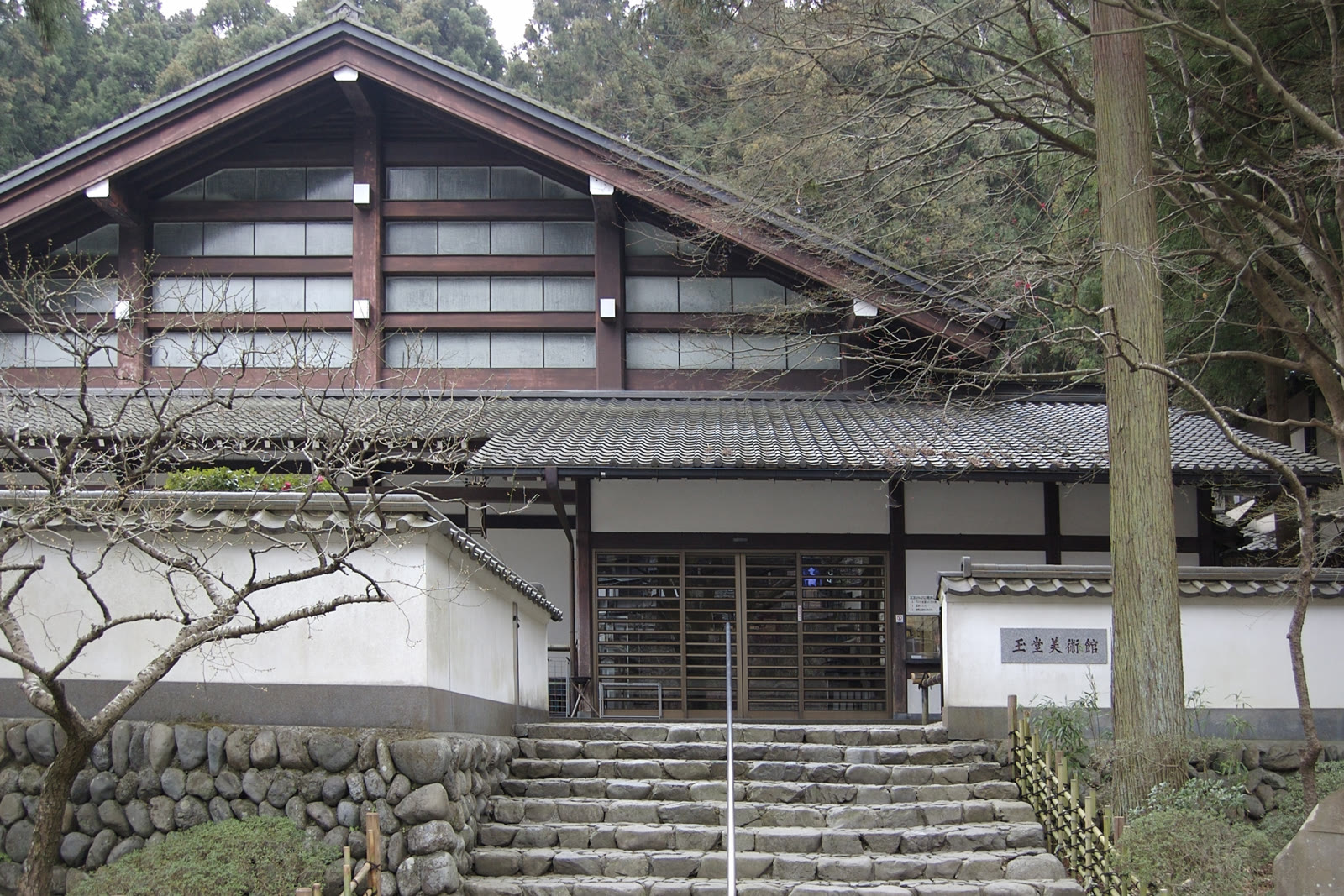
- Footbridge entrancecross the suspension bridge from Mitake Station side to reach the museum grounds
- Karesansui gardenraked gravel-and-stone dry garden by Nakajima Ken, using stones from the Tama River
- Yoshida Isoji's buildingmuseum designed by an architect who knew the painter personally
- Around 300 workscollection spanning Gyokudo's whole career, from teenage sketches to late paintings
How to actually get there
- Shinjuku Station → Ome Station (JR Chuo line rapid toward Ome, ~60 min; change at Tachikawa if not a through train)
- Ome Station → Mitake Station (JR Ome line toward Okutama, ~20 min)
- Mitake Station → museum (walk down to the river and over the footbridge, ~5 min)
- JR Chuo + Ome line, ~95 min
- Shinjuku Station →(JR Chuo line rapid toward Ome, ~60 min; some trains run straight through, otherwise change at Tachikawa)→ Ome Station →(JR Ome line toward Okutama, ~20 min)→ Mitake Station. Total about 95 min. Trains beyond Ome run about 2-3 per hour in the daytime.
- return the same way
- Take the Ome line back from Mitake toward Ome, then the Chuo line toward central Tokyo. Service on the Ome line runs steadily through the day but thins in the evening, so check the last useful train times on the platform when you arrive.
About the place
Kawai Gyokudo (1873–1957) spent the last years of his life at Mitake, a river valley in the hills of western Tokyo he had visited to sketch since his youth. The museum built in his memory holds around 300 works — from teenage sketches to paintings from his final years. Architect Yoshida Isoji designed the building, and landscape gardener Nakajima Ken laid out the karesansui (raked gravel-and-stone garden) in front of it, using stones taken from the Tama River. The museum sits on the riverbank, and the garden faces the Mitake Gorge, joining the two things Gyokudo loved: his own painting and the mountain-and-river country he chose as his home.
How to enjoy it
The garden and the gorge are as much of a draw as the paintings. Autumn, when the large ginkgo in front of the building turns gold, is the most celebrated season. Afterward, cross to the gorge path and follow the quiet riverside trail along the Tama River. The museum is closed on Mondays (or the next day if Monday is a public holiday) and in shorter winter hours (December–February).
Background & history
In 1944 Gyokudo moved permanently to Mitake, where he lived until his death in 1957. The museum opened in May 1961, funded largely by local supporters and admirers. Yoshida Isoji, who had known Gyokudo in life, designed the building; Nakajima Ken — remembered for gardens including the one at the former home of postwar prime minister Yoshida Shigeru — created the courtyard garden with stones from the Tama River itself.
Before you go
- Cash
- The entry fee is small and paid in cash; carry coins and small notes for the museum and the riverside shops.
- Good to know
- Closed on Mondays (or the next day if Monday is a public holiday) and over New Year, with shorter hours in winter (December-February). Check before making a special trip.
- Another way
- From the museum you can follow the gorge path downstream to the Sawanoi sake brewery and its riverside garden for a rest.
- After you get off
- From Mitake Station it is about a 5-minute walk: go down toward the river and across the footbridge to the museum.
Nearby notes
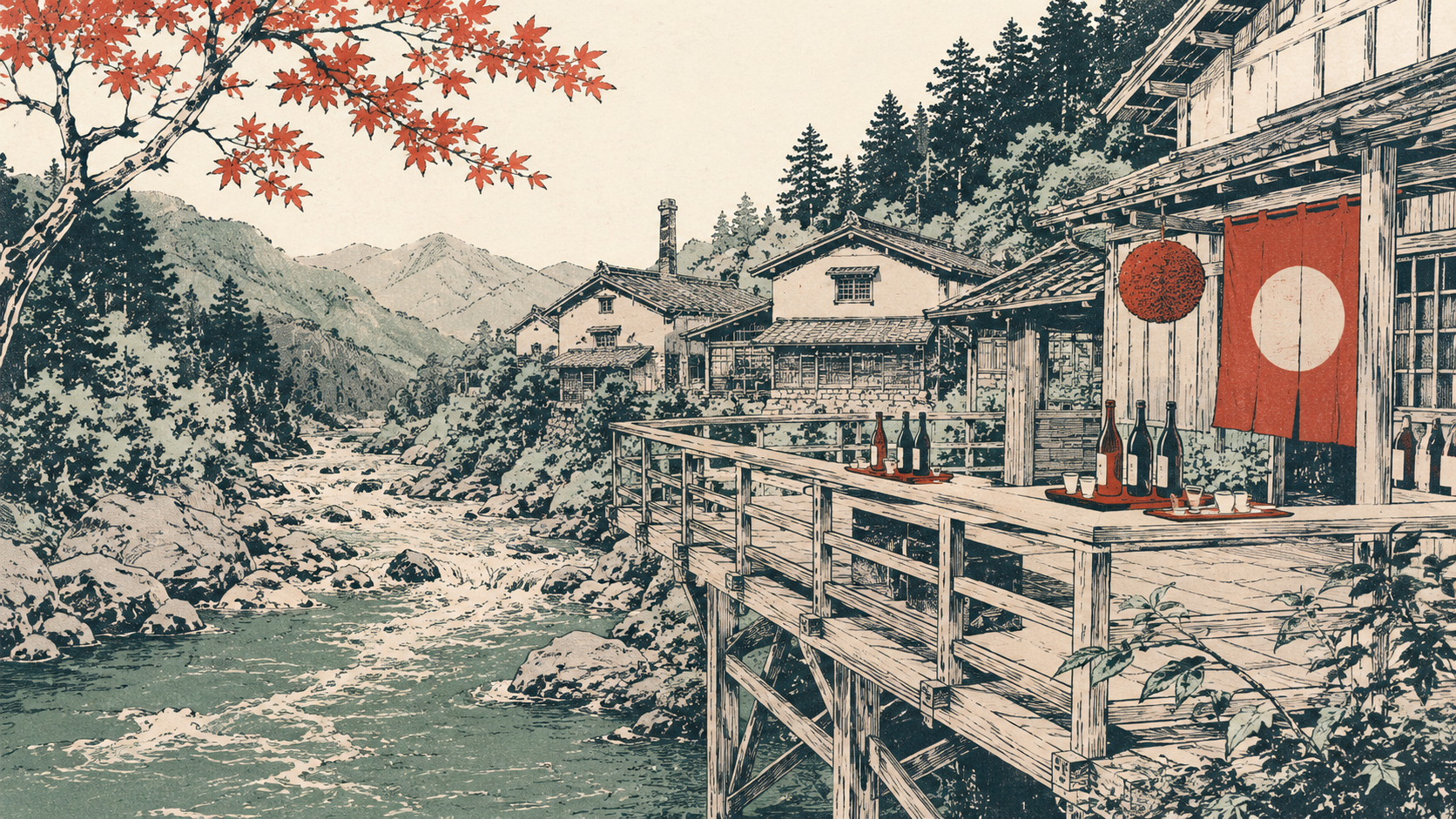 illustration (AI-illustrated)
Food · Tokyo★
Sawanoi
1.0 km · straight line
 NY066 / CC BY-SA 3.0
Onsen · Tokyo★
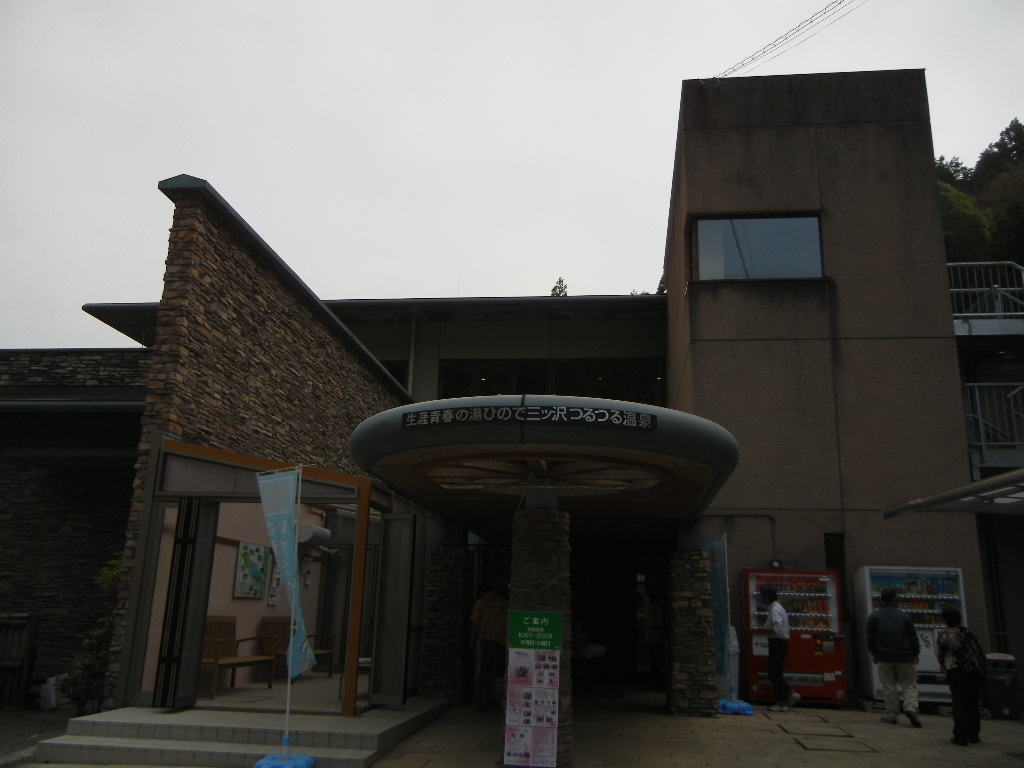
Tsurutsuru Onsen
2.3 km · straight line
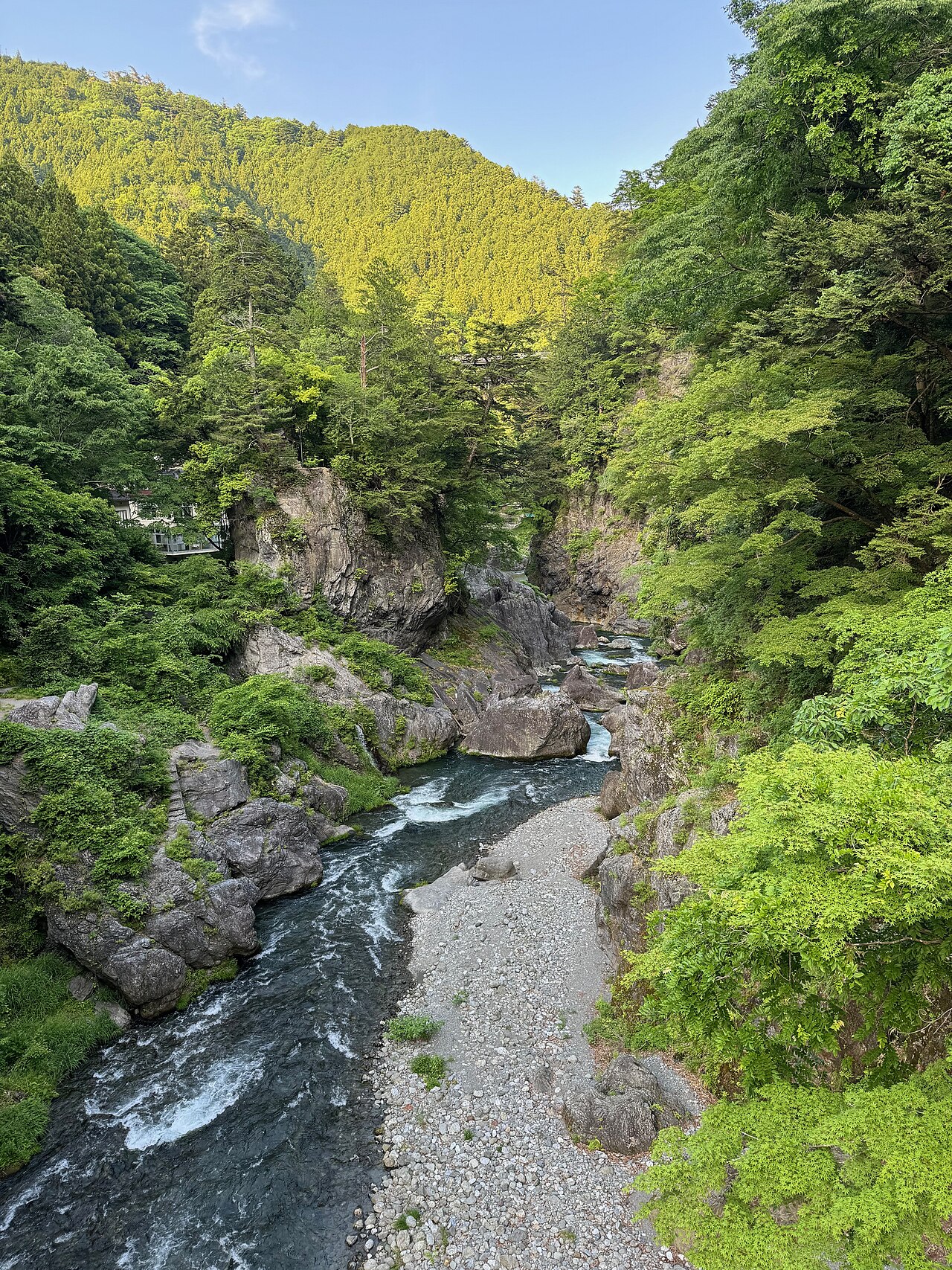 皓月旗 / CC BY-SA 4.0
Nature · Tokyo★
Hatonosu Gorge
5.2 km · straight line
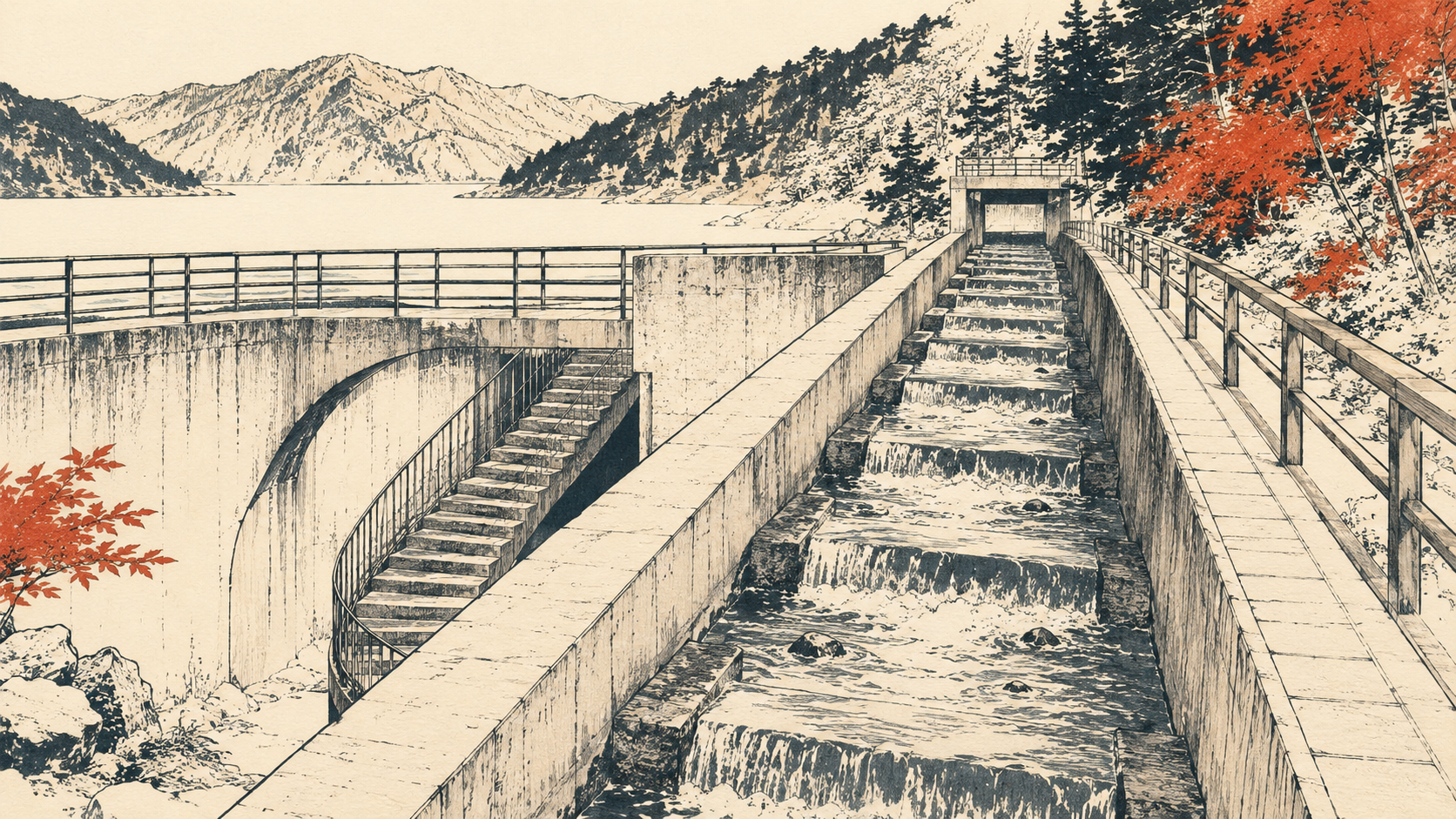 illustration (AI-illustrated)
Nature · Tokyo★
Shiromaru Dam Fish Ladder
5.5 km · straight line
Distances are straight lines on the map, not travel times.