Shiga · OmihachimanNo.247★★★Open in map →
Omihachiman & Hachimanbori Canal
— the merchant town on Lake Biwa
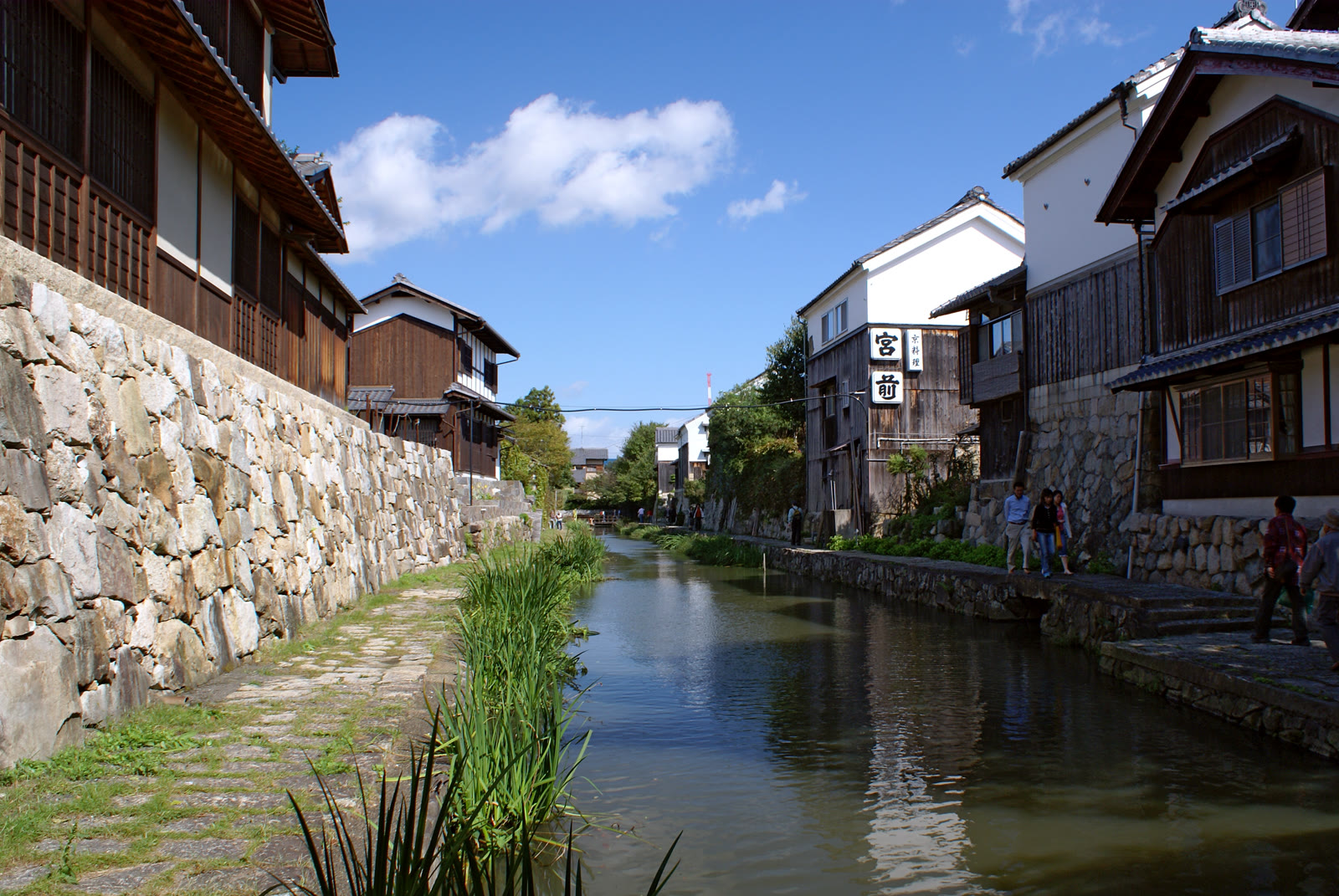
A castle-town moat turned trading artery: the Hachimanbori Canal links Omihachiman's old merchant quarter to Lake Biwa, and the whitewashed warehouses lining its banks have been a favourite film set for period dramas for decades.
- FromKyoto Stn
- ~55 mintrain + bus
- Get off atOmihachiman Station (JR Biwako Line)
- From there
- Omihachiman & Hachimanbori Canal
Where it is
21 more notes in Shiga · open the map →What to look for — in walking order
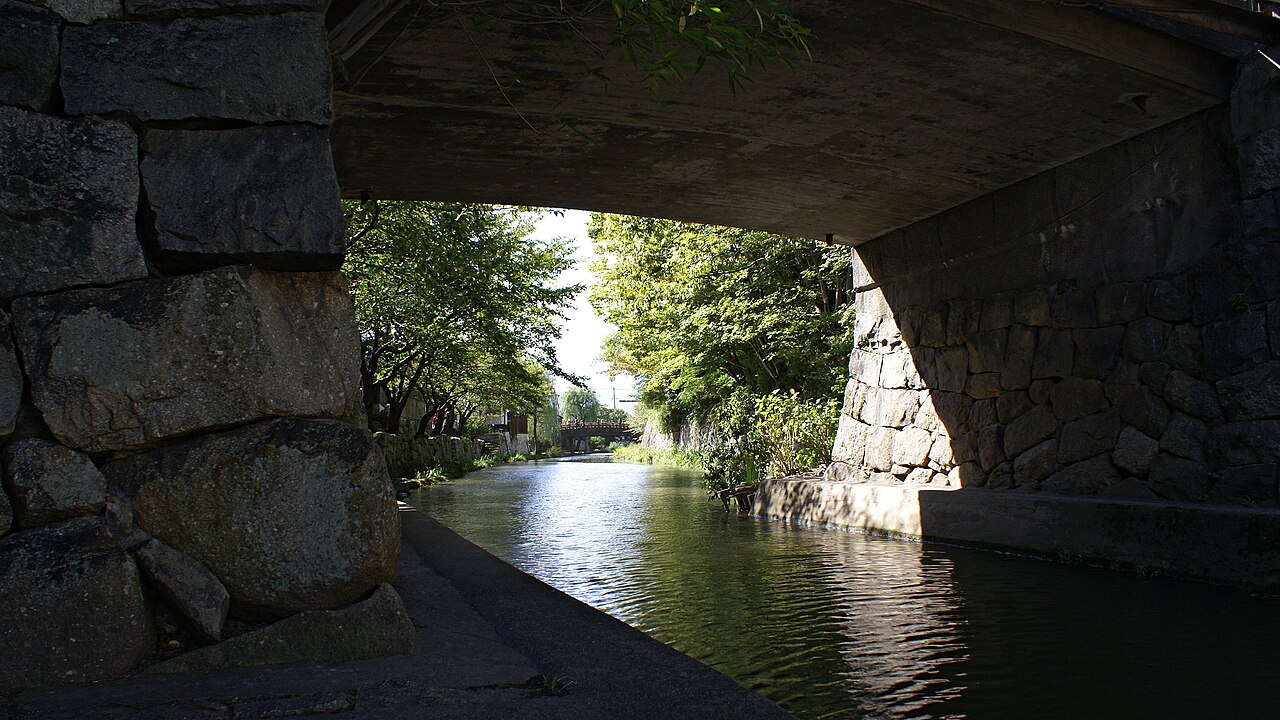
- Hachimanbori Canal towpath (south bank)the main walking route alongside the canal; dozo warehouses reflected in still water
- Boat tour on the canalabout 35-minute guided boat ride through the canal; available April–November — check local operators
- Himure Hachimangu shrinethe town's main shrine, tucked at the foot of Mount Hachiman; social hub of the historic district
- Mount Hachiman ropeway & castle ruinsshort ropeway ride to the summit where Hidetsugu's castle once stood; views over Lake Biwa
How to actually get there
- Kyoto Stn → Omihachiman Stn (JR Biwako Line rapid, ~35 min).
- Omihachiman Stn → Hachimanbori area (Omi Railway Bus ~10 min, or taxi ~10 min).
- Walk the canal towpath; optional boat tour; Himure Hachimangu shrine and ropeway to castle ruins.
- JR Biwako Line to Omihachiman, then bus
- Kyoto Station → (JR Biwako Line rapid, ~35 min) → Omihachiman Station → (Omi Railway Bus bound for Chomeiji or Osugi-cho No. 6, ~10 min) → Honenbashi Wasen Noribaguchi stop (closest to boat tours) or Oomori-cho stop, then walk a short distance to the canal area. Alternatively, taxis from Omihachiman Station take about 10 minutes to the canal. From Osaka: JR Osaka Station → JR Biwako Line rapid (~1 hr) → Omihachiman Station.
- Bus to Omihachiman Station, then JR Biwako Line
- Return bus from the Hachimanbori area to Omihachiman Station, then JR Biwako Line back toward Kyoto or Osaka. Buses run roughly every 30 min — check the Omi Railway timetable.
About the place
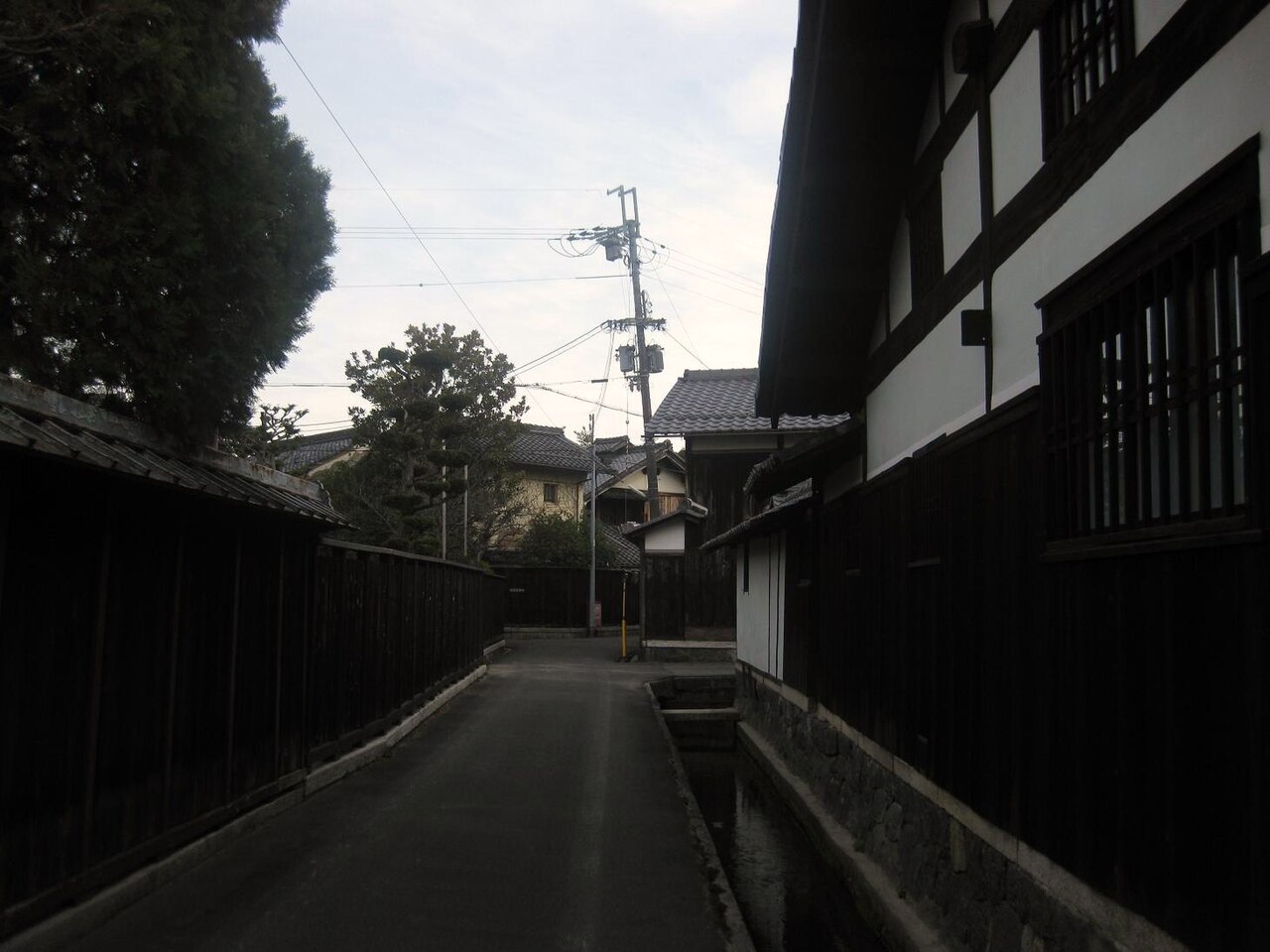
The Hachimanbori Canal runs through the heart of Omihachiman City and connects the old castle-town centre to Lake Biwa, Japan's largest lake. It was built in the late 16th century when a nephew of Toyotomi Hideyoshi constructed a castle on Mount Hachiman and laid out a commercial town below it. After the castle was demolished, the canal outlived its military purpose and became the commercial spine of the town: goods from across Japan arrived by boat from Osaka and the coast, and Omi merchants sent local products back in return. By the Meiji period, overland rail had replaced water transport, and the canal silted up. Local residents campaigned through the 1970s and 1980s to dredge and restore it; today the banks are lined with preserved whitewashed earth warehouses (dozo) that appear unchanged from the Edo period and have become one of the most frequently used sets for period film and television productions in Japan.
How to enjoy it
Morning is best for the canal: the water is still and the warehouse walls catch early light with few visitors around. The towpath along the south bank is the main walking route — about 1 km of intact historic streetscape. Boat tours run April to November from local operators near the canal; the 35-minute ride gives the warehouse facades from water level, a completely different perspective. The Himure Hachimangu shrine and the ropeway to the castle ruins take another hour and give context to why the town was where it was. The whole area is compact and walkable.
Background & history
The canal was constructed in 1585 as part of the castle town planned by Toyotomi Hidetsugu, nephew of Toyotomi Hideyoshi, after Hideyoshi granted him the domain. Hidetsugu was ordered to commit ritual suicide by his uncle in 1595, and the castle was demolished the following year — but the town and canal survived. The Omi merchants (Ohmishonin) who operated from Omihachiman became some of the most influential traders in the Edo period, active across the country and credited with innovations in business practice. The canal restoration project of the late 20th century preserved the dozo warehouse streetscape now protected as an Important Preservation District for Groups of Historic Buildings (重要伝統的建造物群保存地区).
Before you go
- Cash
- IC cards (Suica / ICOCA) accepted on JR trains and local buses. Canal towpath: free. Boat tour: approximately ¥1,000 adults (confirm with local operators). Ropeway: ¥880 round trip (adults).
- Good to know
- The canal and towpath are open freely at all hours. Most heritage buildings and shops along the banks open 9:00–17:00. The ropeway to Mount Hachiman summit closes on some Tuesdays and in winter — confirm locally. Boat tours run April–November and depend on water levels.
- Another way
- Omihachiman is a 10-minute drive from Azuchi (site of Oda Nobunaga's Azuchi Castle ruins), making a historical day combining both sites possible by rental car or taxi.
- After you get off
- Omihachiman Station (JR) is the arrival point. Local buses run to the Hachimanbori canal area; a taxi from the station takes about 10 minutes.
Nearby notes
 Tawashi2006 / CC BY 3.0
Food · Shiga★★
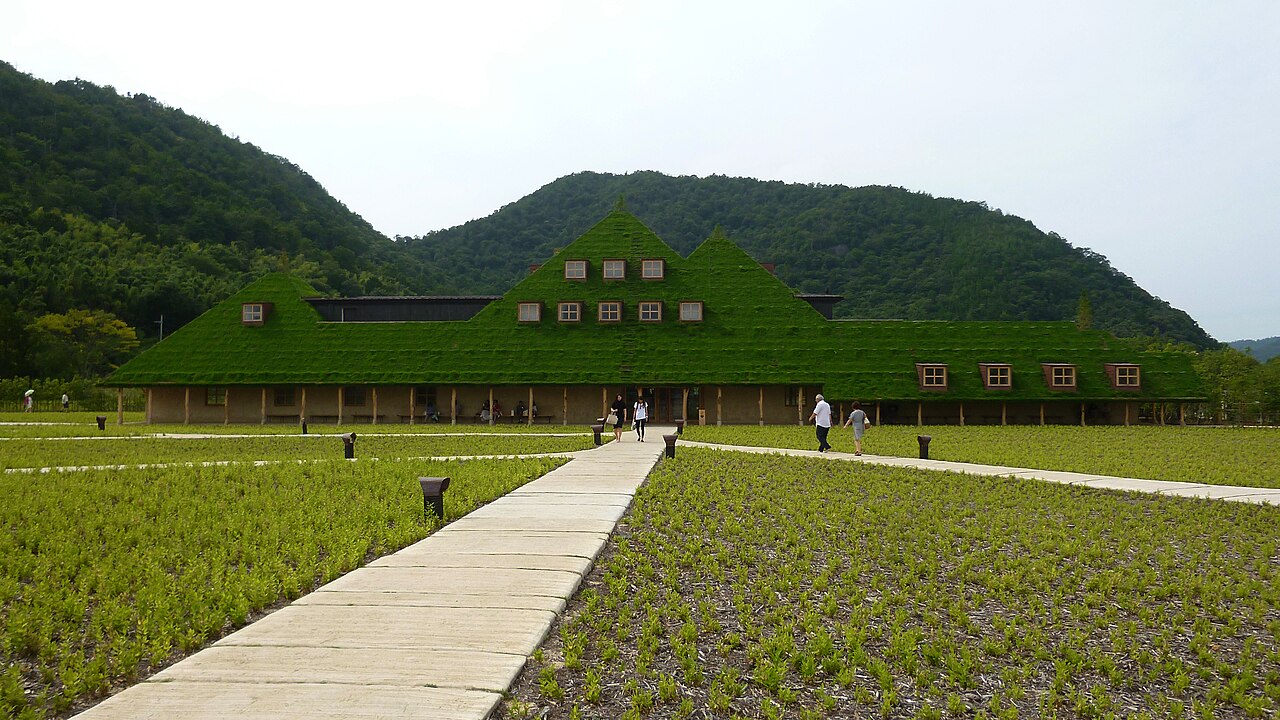
La Collina Omihachiman
1.1 km · straight line
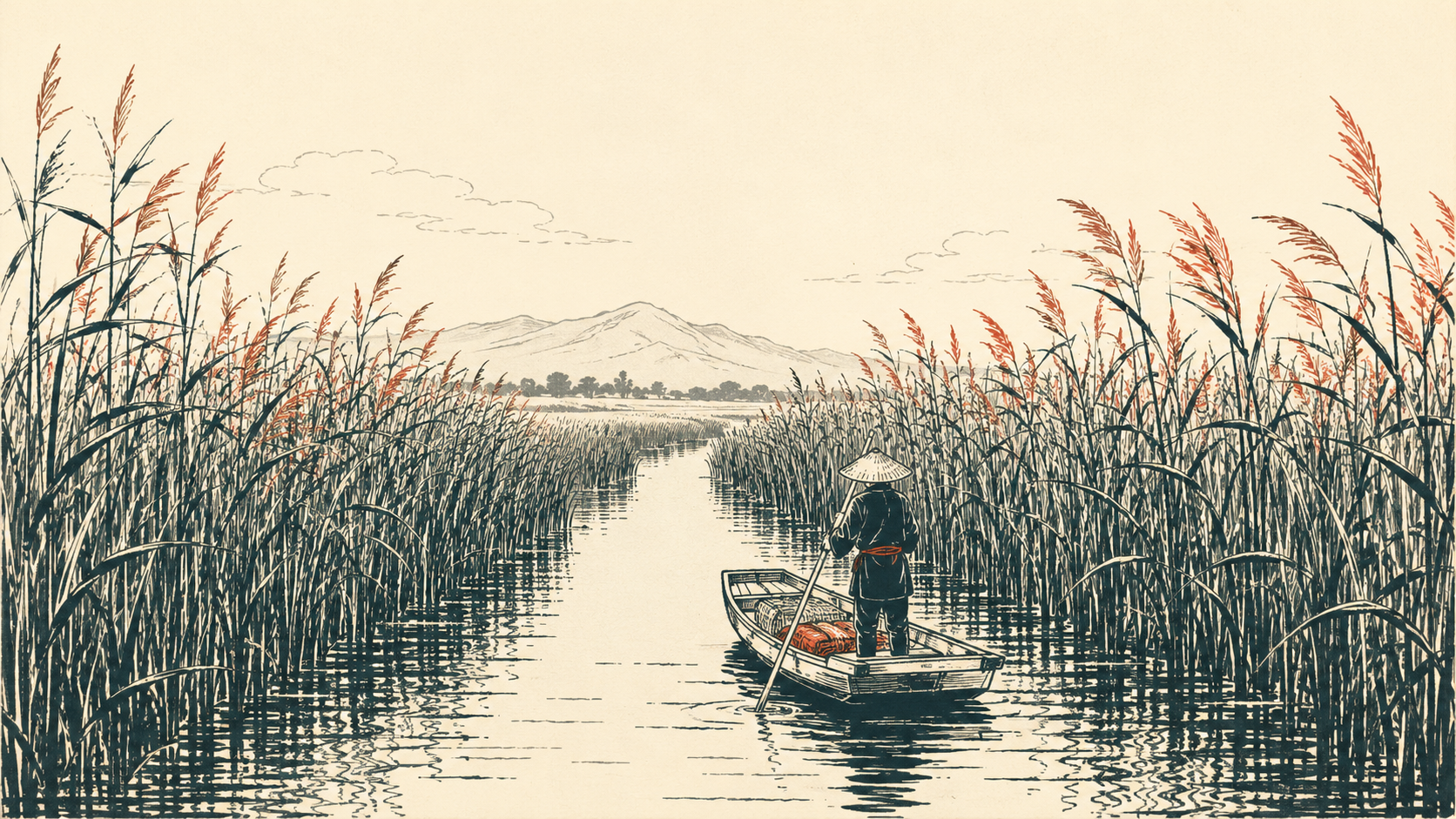 illustration (AI-illustrated)
Nature · Shiga★
Nishino-ko reed channels
2.3 km · straight line
 Syced / CC0
Food · Shiga★★★
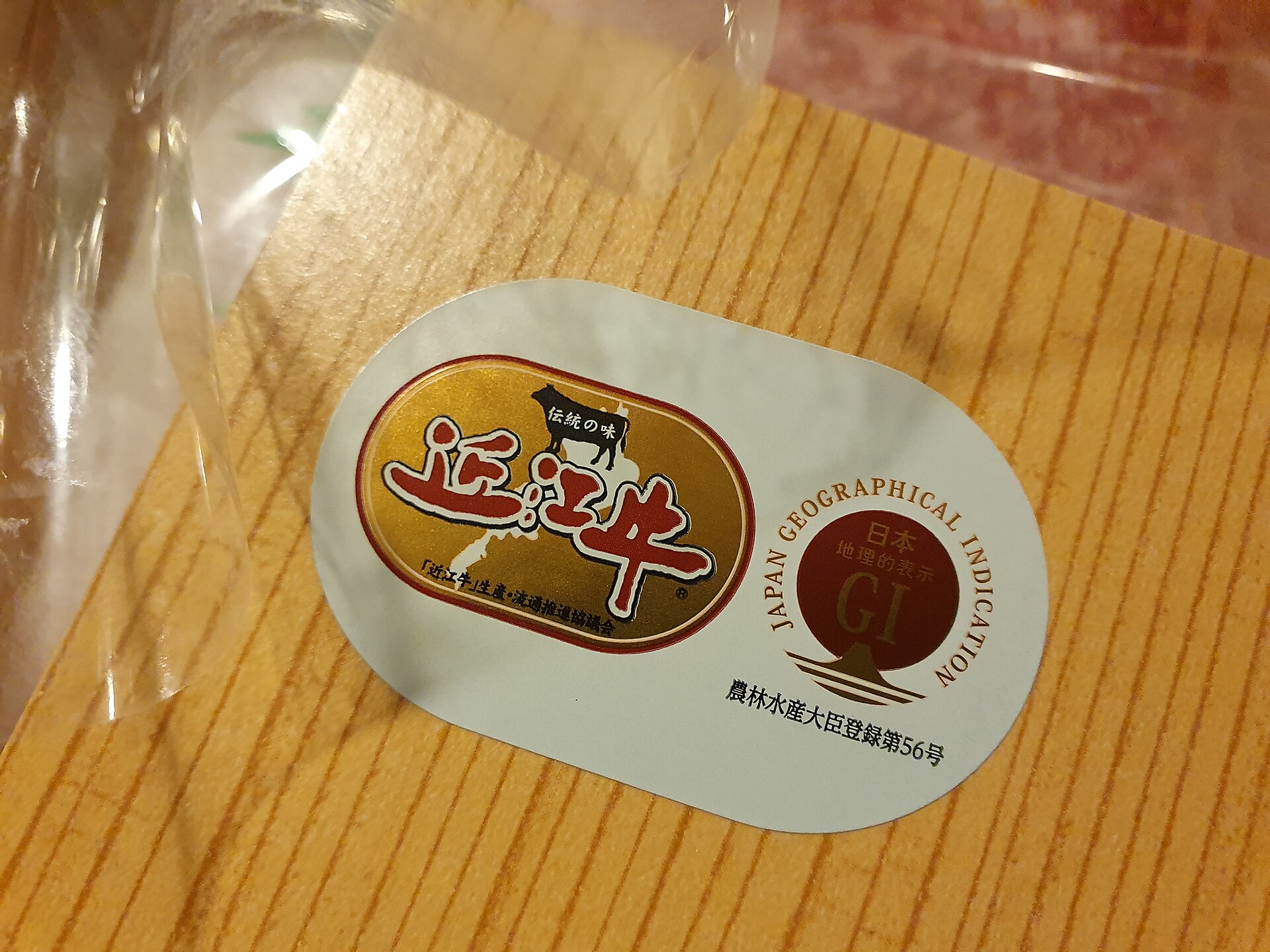
Omi Beef
6.0 km · straight line
 Kyoww / CC0
History · Shiga★
Gokasho Kondo
8.5 km · straight line
Distances are straight lines on the map, not travel times.