Shiga · Omi-Hachiman · Maruyama-choNo.045★Open in map →
Nishino-ko reed channels
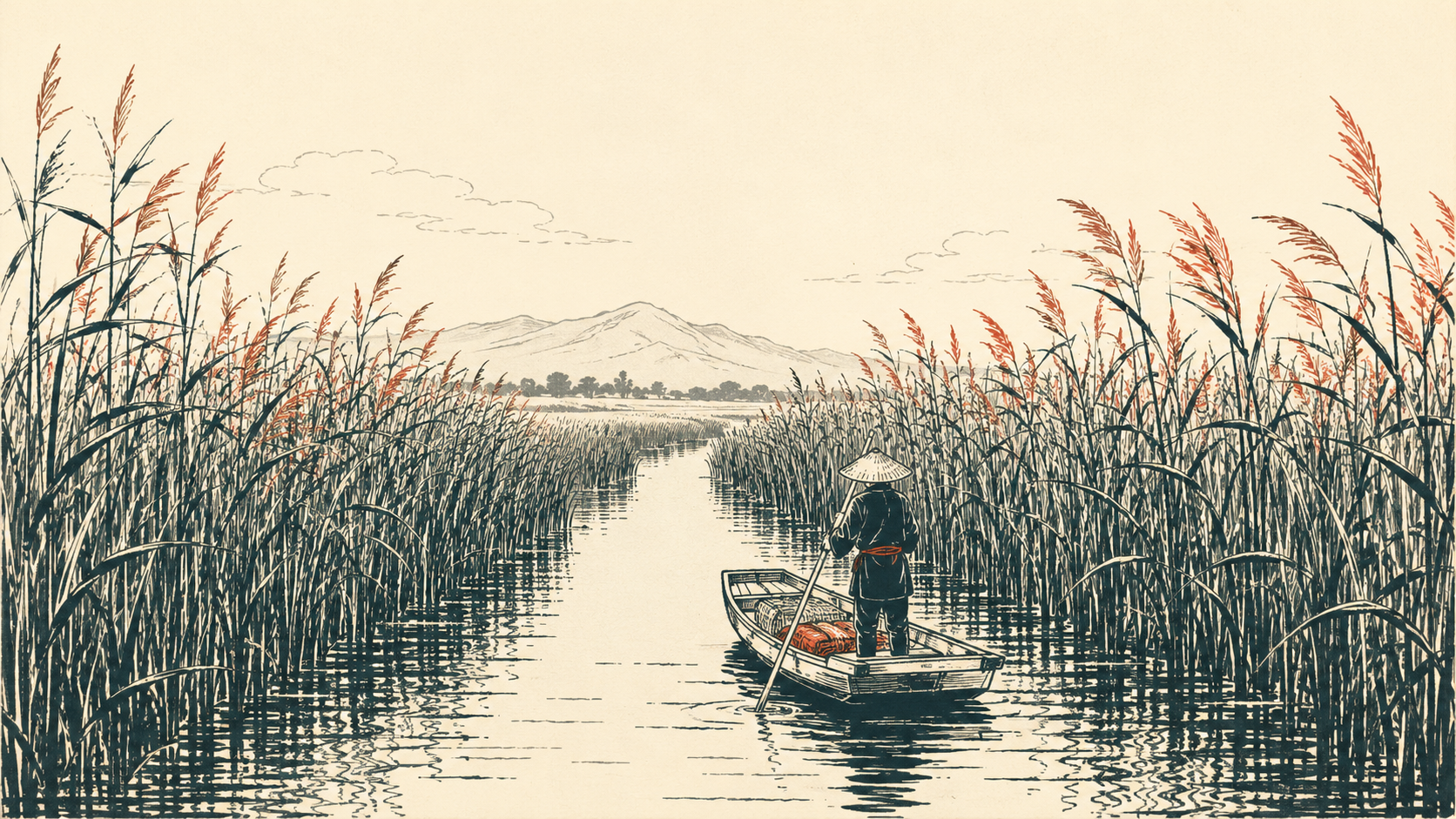
From the village of Maruyama-cho in Omihachiman, a boatman poles a low wooden boat by hand through tall reed channels on Nishino-ko — one of the largest satellite lakes alongside Lake Biwa.
- FromOmi-Hachiman Stn
- ~60 minbus (infrequent)
- Get off atMaruyama bus stop
- From there
- Nishino-ko reed channels
The sweet spot
The town's Hachiman-bori canal is on every itinerary, but the reed-marsh boats sit one bus ride further out, run mostly on set times or by reservation, and carry little English information — so far fewer visitors reach them.
Where it is
21 more notes in Shiga · open the map →What to look for — in walking order
- Boat dock at Maruyamathe departure point for shared hand-rowed boats, right at the bus stop
- Tall reed corridorschannels between beds of yoshi marsh reeds that reach about four metres tall by summer
- Hand-poled wooden boata low flat-bottomed boat pushed by a boatman with a single pole — no engine on the shared boats
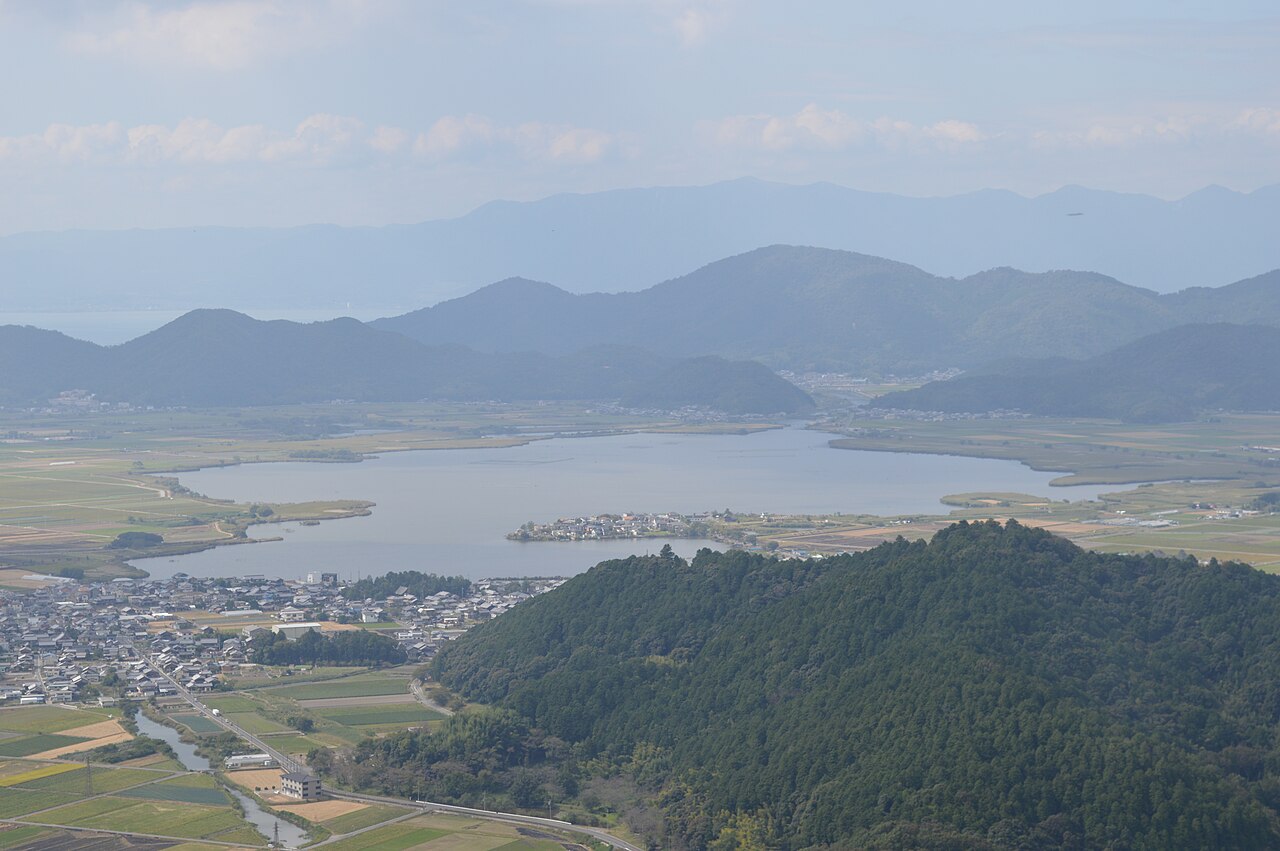
- Nishino-ko lakeone of the largest of the small satellite lakes alongside Lake Biwa
How to actually get there
- Kyoto Stn → Omi-Hachiman Stn (JR Biwako Line, Special Rapid, ~42 min).
- Omi-Hachiman Stn → Maruyama stop (Ohmi Railway bus, Chomeiji line, ~15 min).
- Maruyama stop → boat dock (right at the stop, 1–2 min on foot).
- JR Biwako Line + Ohmi Railway bus
- Kyoto Stn →(JR Biwako Line, Special Rapid toward Maibara, ~42 min)→ Omi-Hachiman Stn →(Ohmi Railway bus, Chomeiji line, ~15 min)→ Maruyama stop; the boat dock is right at the stop. Total about 1 hr on the move plus waiting. The bus runs only about 1–3 times an hour — check the day's timetable before you leave.
- return by the same bus
- Take the Chomeiji-line bus from Maruyama back to Omi-Hachiman Stn, then JR to Kyoto. Buses thin out through the afternoon and end in the early evening — check the return times on the timetable at the stop when you arrive, and don't leave the last boat too late.
About the place
West of Omihachiman's old merchant town lies Nishino-ko, one of the largest of the small lakes that ring Lake Biwa. From Maruyama-cho, a boatman stands at the stern and poles a low wooden boat through channels cut through dense stands of yoshi reeds — tall marsh grass that reaches close to four metres by midsummer. The shared boats have no engine; the ride is a slow loop of about one hour through the reed marsh. The reeds are green in summer, fade to gold in autumn, and are cut back each winter, so the same channels look different with every season.
How to enjoy it
The shared rowboats run daily from about April through November on a roughly one-hour circuit, with set departures during the day. Come in fair weather and give yourself the full hour — the slow pace is the point. In the colder months only reserved charter boats operate, so book ahead if you come off-season. The bus from Omi-Hachiman Station runs infrequently, so check the timetable at the station before you leave. Rural buses and the boat fare are often cash only.
Background & history
These waterways, known as the Omihachiman suigo, are recorded in local tradition as a place where the 16th-century warlord Oda Nobunaga and the court of nearby Azuchi took boats for pleasure. The reeds have long fed a local yoshi trade — cut and dried to make screens, blinds, and thatched roofing. In 2006 the surrounding landscape — Nishino-ko, the Chomeiji River, the Hachiman canal, and their reed beds — became Japan's first site named an Important Cultural Landscape, a national heritage listing for scenery shaped by everyday work.
Before you go
- Cash
- Rural buses and the boat fare are often cash — carry coins and small notes just in case; the bus is run by Ohmi Railway.
- Good to know
- The hand-rowed boats run about April–November; in winter only reserved charter boats operate, so book ahead if you come off-season.
- Another way
- If the boats are full or not running, you can walk the reed-bank paths along the lake near the landing instead.
- After you get off
- From the Maruyama bus stop the boat dock is right there — a minute or two on foot toward the water.
Nearby notes
 Tawashi2006 / CC BY 3.0
Food · Shiga★★
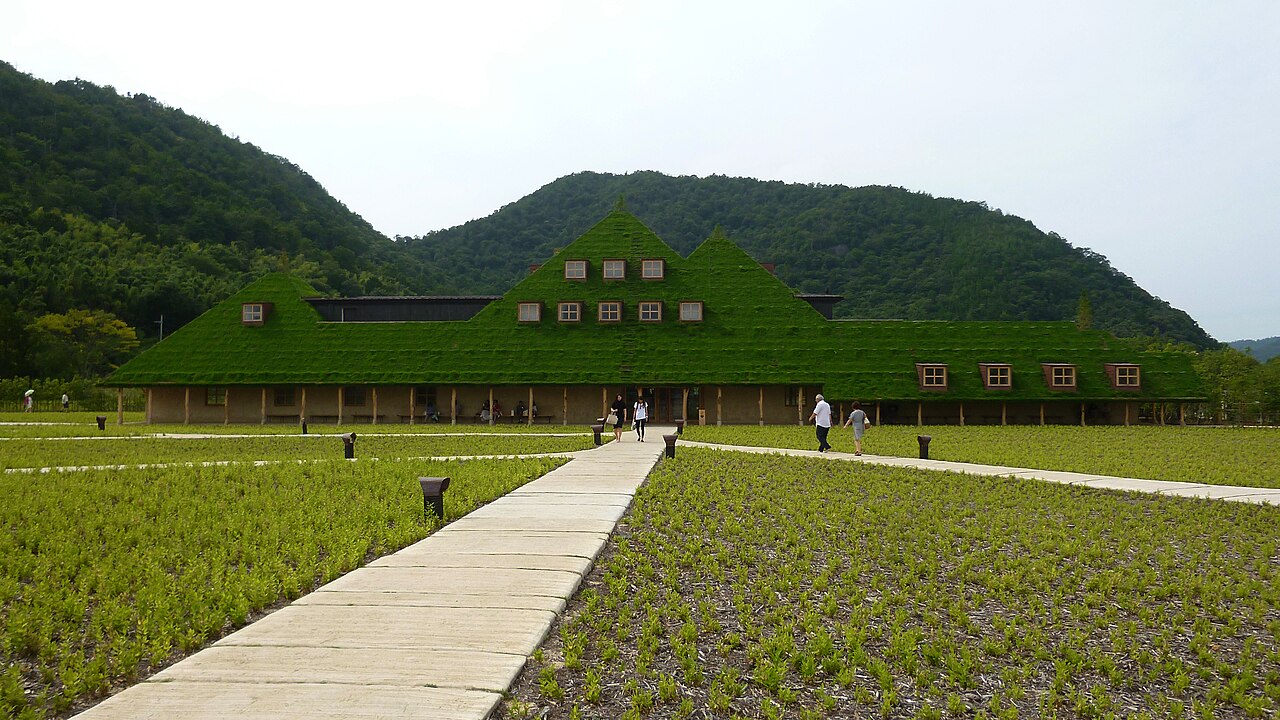
La Collina Omihachiman
1.2 km · straight line
 663highland / CC BY-SA 3.0
History · Shiga★★★
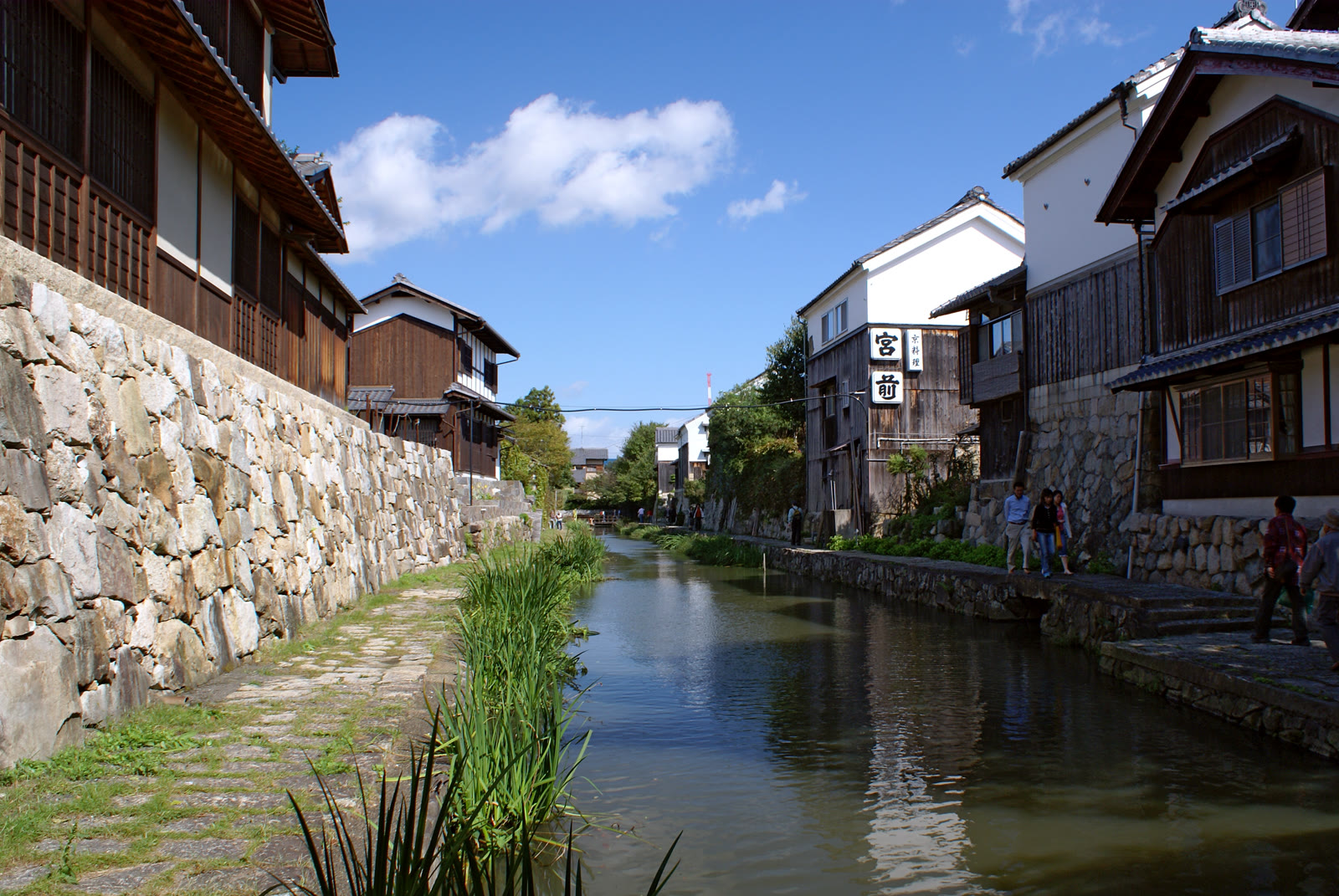
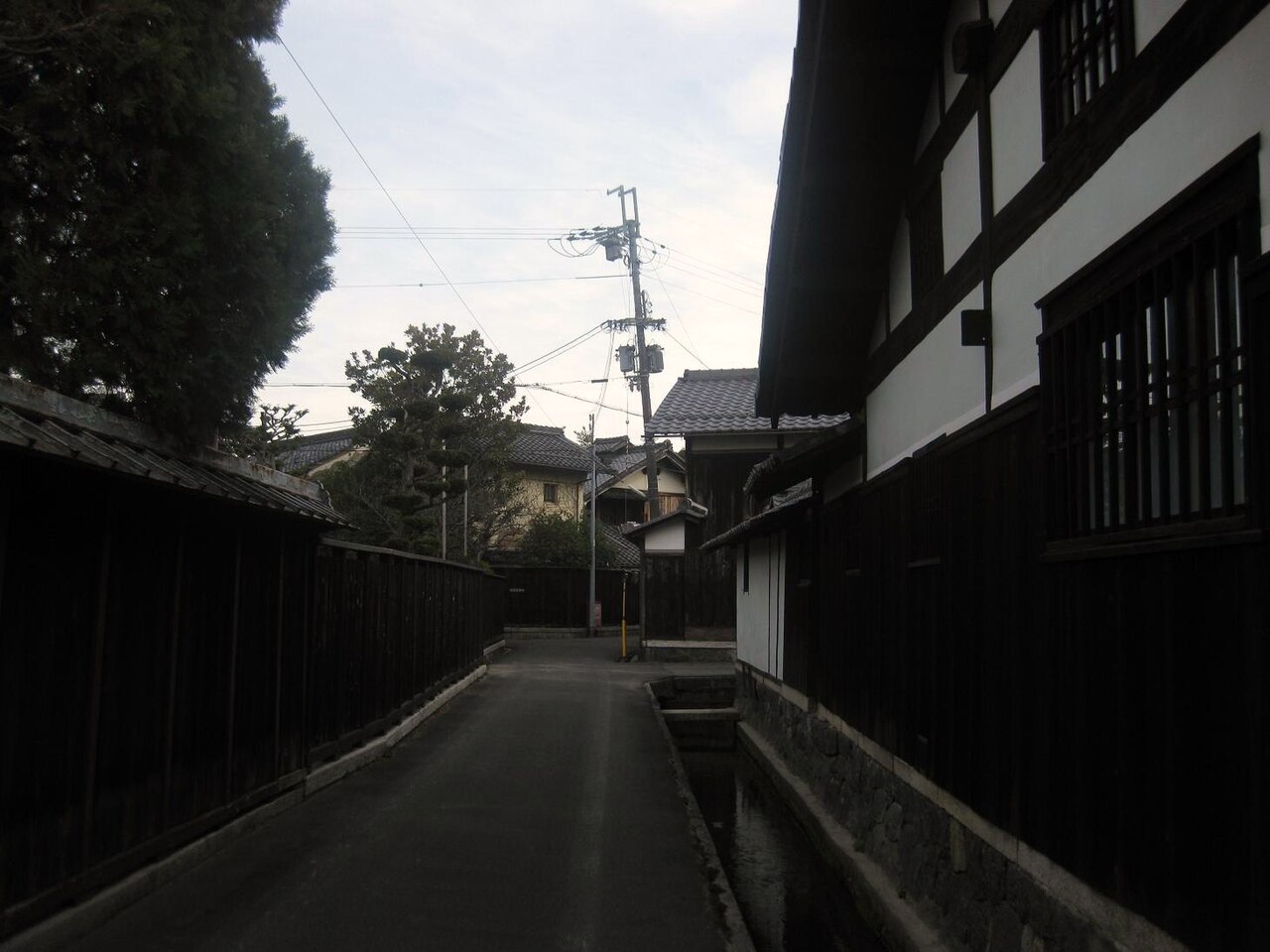
Omihachiman & Hachimanbori Canal
2.3 km · straight line
 Kyoww / CC0
History · Shiga★
Gokasho Kondo
8.0 km · straight line
 Syced / CC0
Food · Shiga★★★
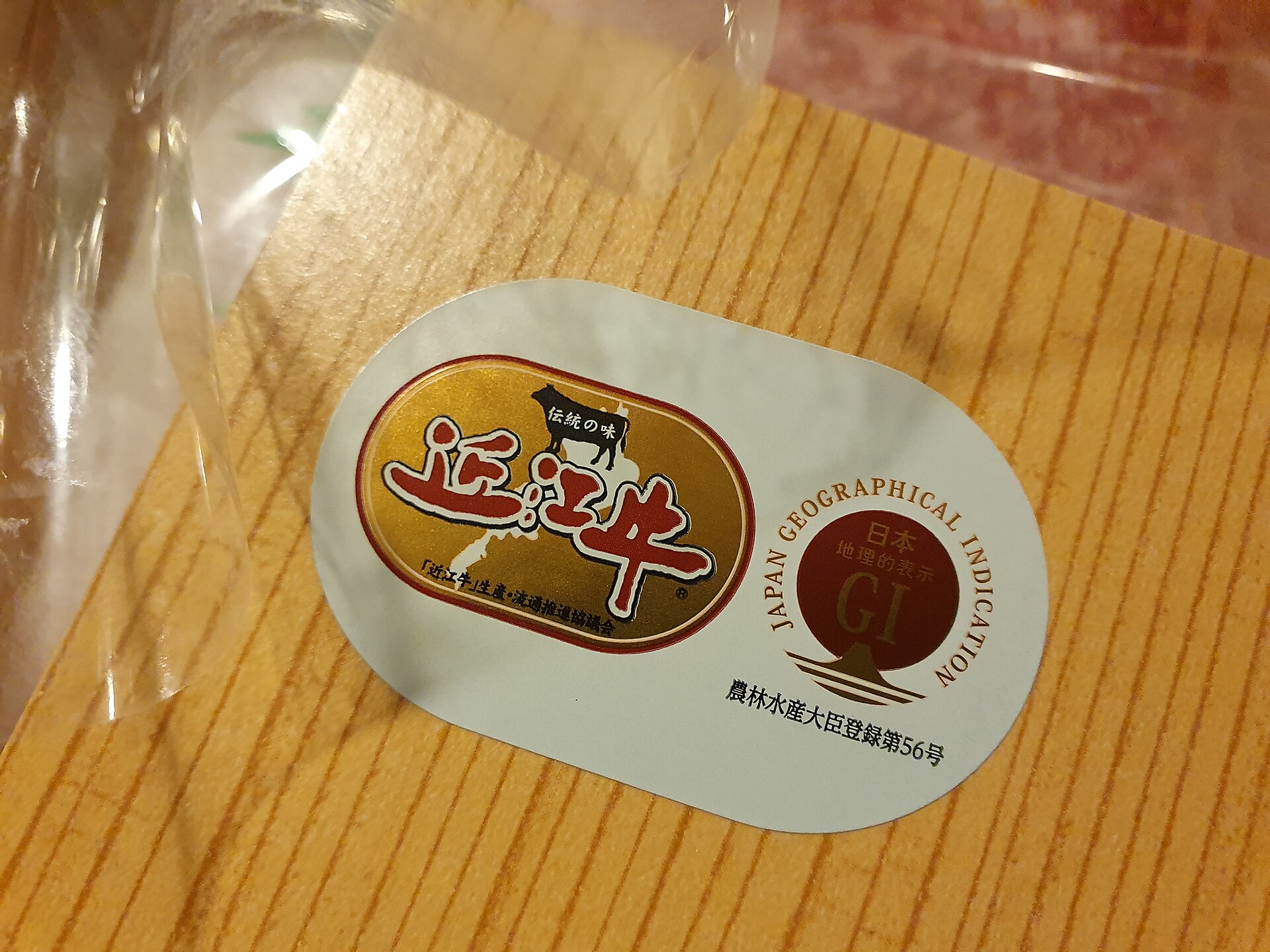
Omi Beef
8.3 km · straight line
Distances are straight lines on the map, not travel times.