Tokyo · OmotesandoNo.403★★★Open in map →
Omotesando
— a shrine approach turned shopping street
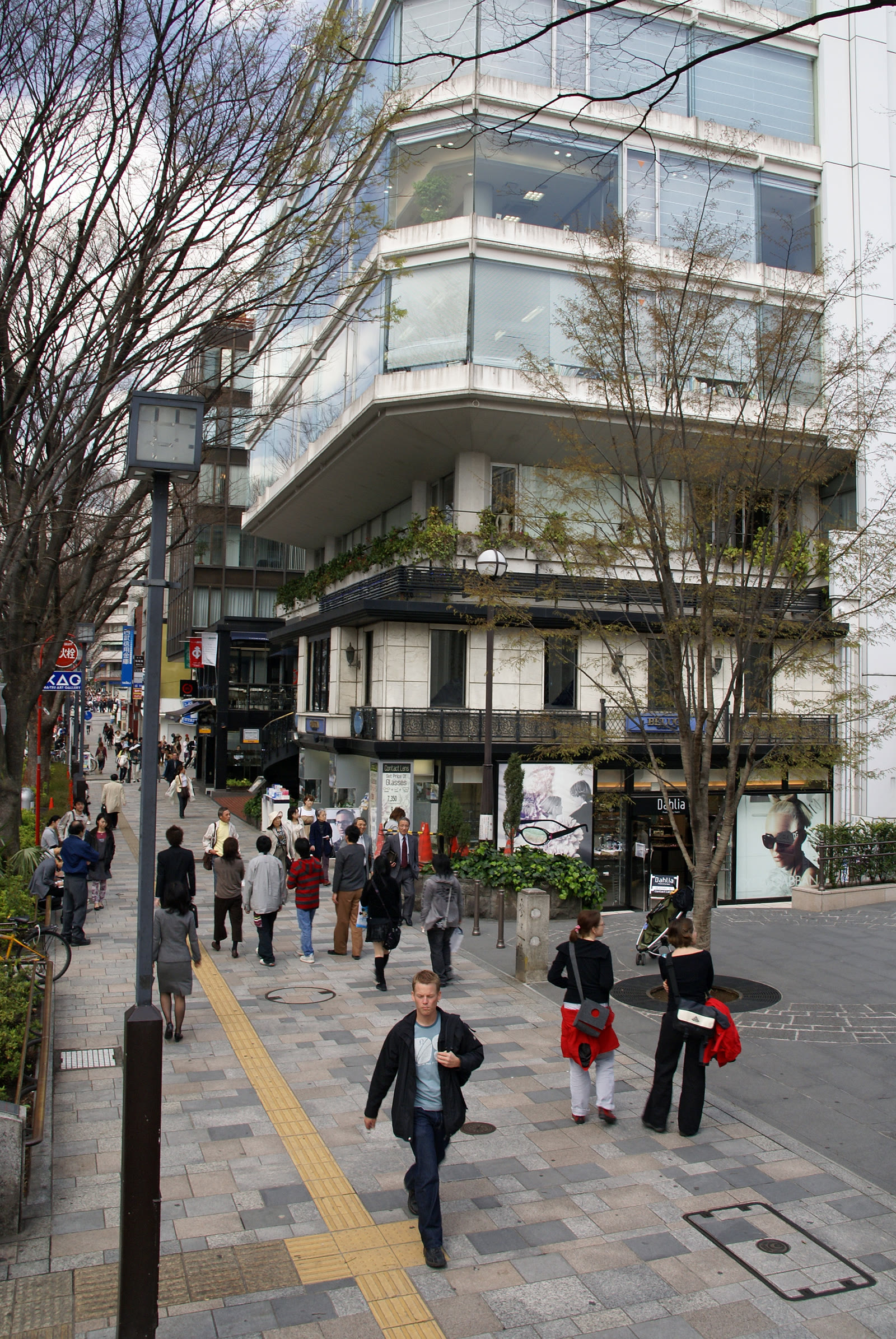
The zelkova-lined avenue running from Meiji Jingu down to Aoyama-dori, now Tokyo's flagship boutique street. The name means front approach — this was built as the formal path to the shrine, and the trees are why the buildings along it stay low.
- FromTokyo Stn
- ~25 minTokyo Metro, doorstep
- Get off atOmotesando Station (Ginza, Hanzomon, Chiyoda lines)
- On foot
- Omotesando
Where it is
77 more notes in Tokyo · open the map →What to look for — in walking order
- The zelkova canopythe trees that define the avenue from the shrine end down to Aoyama-dori; the reason the street feels low-rise in a city that is not
- Omotesando HillsTadao Ando's complex, deliberately only three storeys above ground and spiralling downward inside, with the rebuilt Dojunkan wing at its east end
- The flagship architecture runa concentrated stretch of brand buildings by internationally known architects — the street reads as an outdoor gallery of facades
- The Meiji Jingu endthe top of the avenue, where the retail stops and the approach delivers you to the shrine entrance it was built for
How to actually get there
- Tokyo Stn → Akasaka-mitsuke (Marunouchi Line) → Omotesando (Ginza Line), ~20 min.
- Or ride to Meiji-jingumae and walk the avenue downhill from the shrine end.
- Meiji Jingu entrance → zelkova avenue → Omotesando Hills and the Dojunkan wing → Aoyama-dori.
- Tokyo Stn → Omotesando Stn (Tokyo Metro)
- From Tokyo Station take the Marunouchi Line to Akasaka-mitsuke and change to the Ginza Line for Omotesando, about 20 minutes in total. The station exits directly onto the avenue at the Aoyama-dori end. To walk the street downhill instead, ride to Meiji-jingumae (Harajuku) on the Chiyoda Line and start from the shrine end.
- Omotesando Stn → Tokyo Stn
- Reverse via the Ginza and Marunouchi lines. Omotesando is served by three metro lines, so most of Tokyo is reachable without a transfer. JR Harajuku Station at the far end puts you on the Yamanote Line.
About the place
Omotesando is read by most visitors as a shopping street, and it is one — flagship boutiques by name architects run its length, and the side lanes into Harajuku and Aoyama hold most of the interesting smaller shops. But the street exists because of the shrine at the top of it. Omote-sando means the front approach, and the avenue was laid as the formal path to Meiji Jingu, which is why it runs arrow-straight from the shrine's entrance southeast to Aoyama-dori and why it is planted the whole way with zelkova. The trees are the reason the street looks unlike anywhere else in central Tokyo: their canopy sets the scale, and buildings here defer to it. Omotesando Hills, the Tadao Ando complex that occupies a long stretch of the north side, was deliberately held to three storeys above ground so as not to break the line of the trees — the rest of the building goes downward, spiralling around a central atrium. It replaced the Dojunkai Aoyama Apartments of 1927, and one wing of those apartments was reconstructed at the east end and kept in use as shops. Walk the avenue once end to end before going into anything; the slope and the trees are the actual subject.
How to enjoy it
Walk downhill from the shrine end rather than up from the station: you arrive out of the forest, the trees close over the street, and the shops appear gradually instead of all at once. That also puts Meiji Jingu first, which is the better order for a morning. The side streets are where the character is — Cat Street toward Harajuku, the lanes into Aoyama on the south side — and they cost nothing. In late November the zelkova turn and the avenue is at its best; in winter the trees are lit after dark. Avoid weekend afternoons if crowds bother you, since this is one of the densest pedestrian stretches in the city.
Background & history
The avenue was created as the approach to Meiji Jingu and takes its name from that function. The Dojunkai Aoyama Apartments, built in 1927 as part of the reconstruction housing programme after the Great Kanto Earthquake, stood along the north side for eighty years and became a landmark of early modern Tokyo before being redeveloped. Omotesando Hills, designed by Tadao Ando, opened on the site in February 2006, with its above-ground height limited to three storeys to preserve the zelkova canopy and one Dojunkai wing rebuilt as the Dojunkan section. The street's role as a proving ground for architecture continued through the 2000s, when a run of international brands commissioned flagship buildings from major architects along the same stretch.
Before you go
- Cash
- Walking the avenue costs nothing and Omotesando Hills is free to enter. Shops and cafes take cards and IC payment as a matter of course. Carry a little cash for the smaller places in the side lanes.
- Good to know
- This is a working retail street with no closing time, but shops generally run late morning to evening and some close one weekday. The pavements are narrow relative to the crowds on weekend afternoons. Photography inside individual shops is often not permitted.
- Another way
- JR Harajuku Station on the Yamanote Line sits at the Meiji Jingu end of the avenue. Meiji-jingumae Station on the Chiyoda and Fukutoshin lines is the same corner.
- After you get off
- Omotesando Station exits onto the avenue at the Aoyama-dori junction. Turn northwest, away from Aoyama-dori, and the zelkova avenue runs uphill toward Meiji Jingu.
Nearby notes
 Intforce / CC BY-SA 4.0
Local life · Tokyo★★
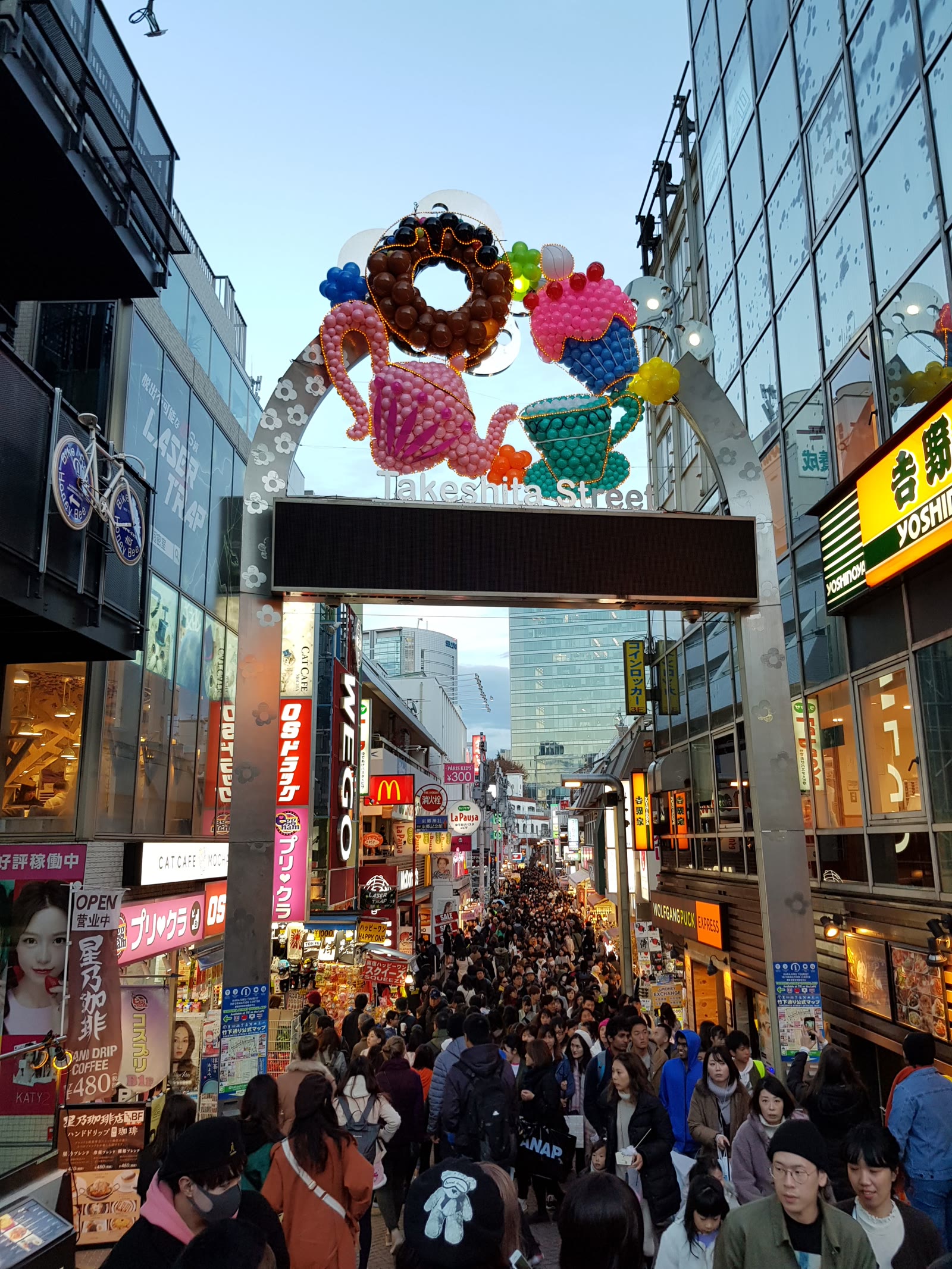
Takeshita Street
0.7 km · straight line
 Dick Thomas Johnson from Tokyo, Japan / CC BY 2.0
Local life · Tokyo★★
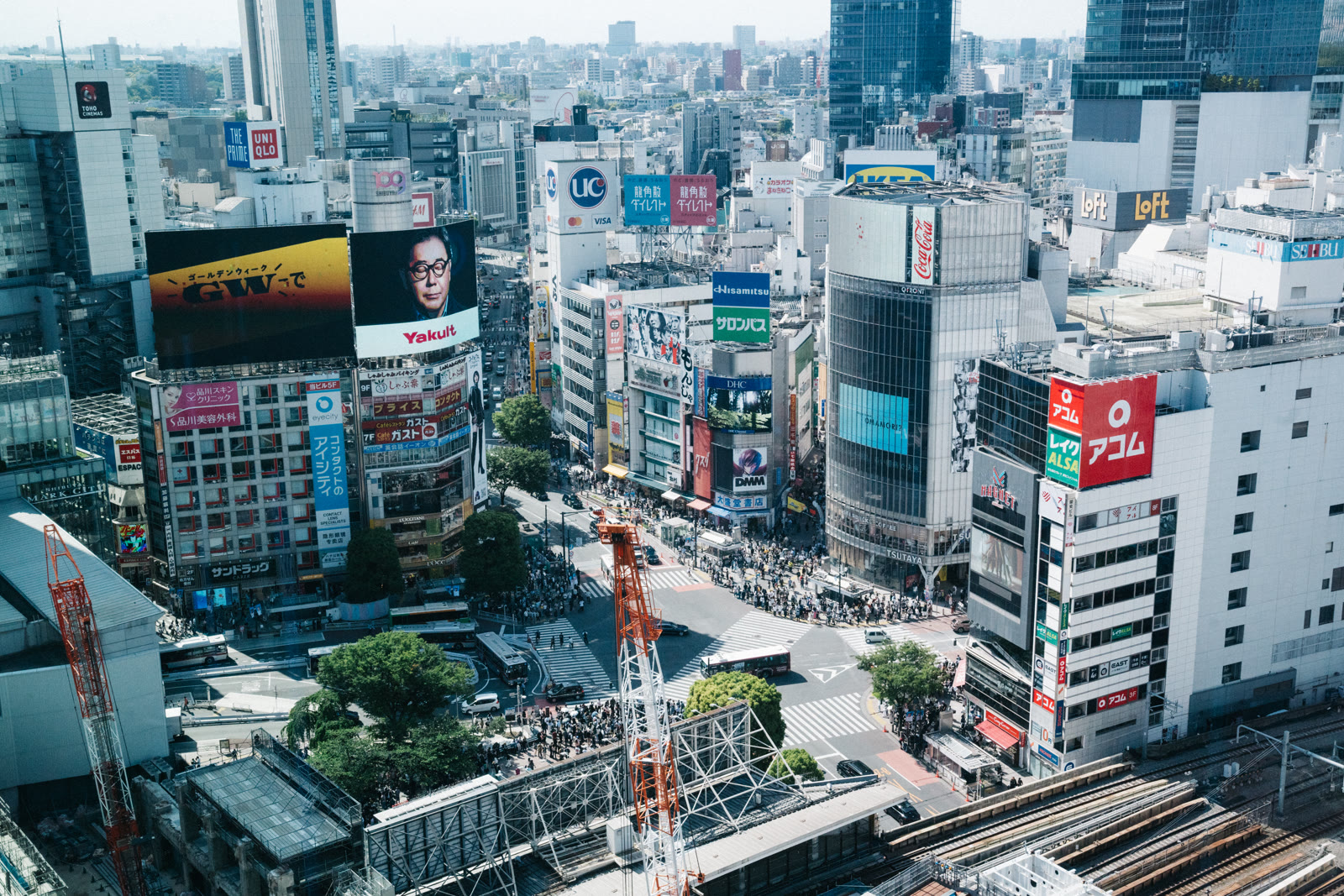
SHIBUYA SKY
1.1 km · straight line
 PEPSI697 / CC BY-SA 4.0
Local life · Tokyo★★★
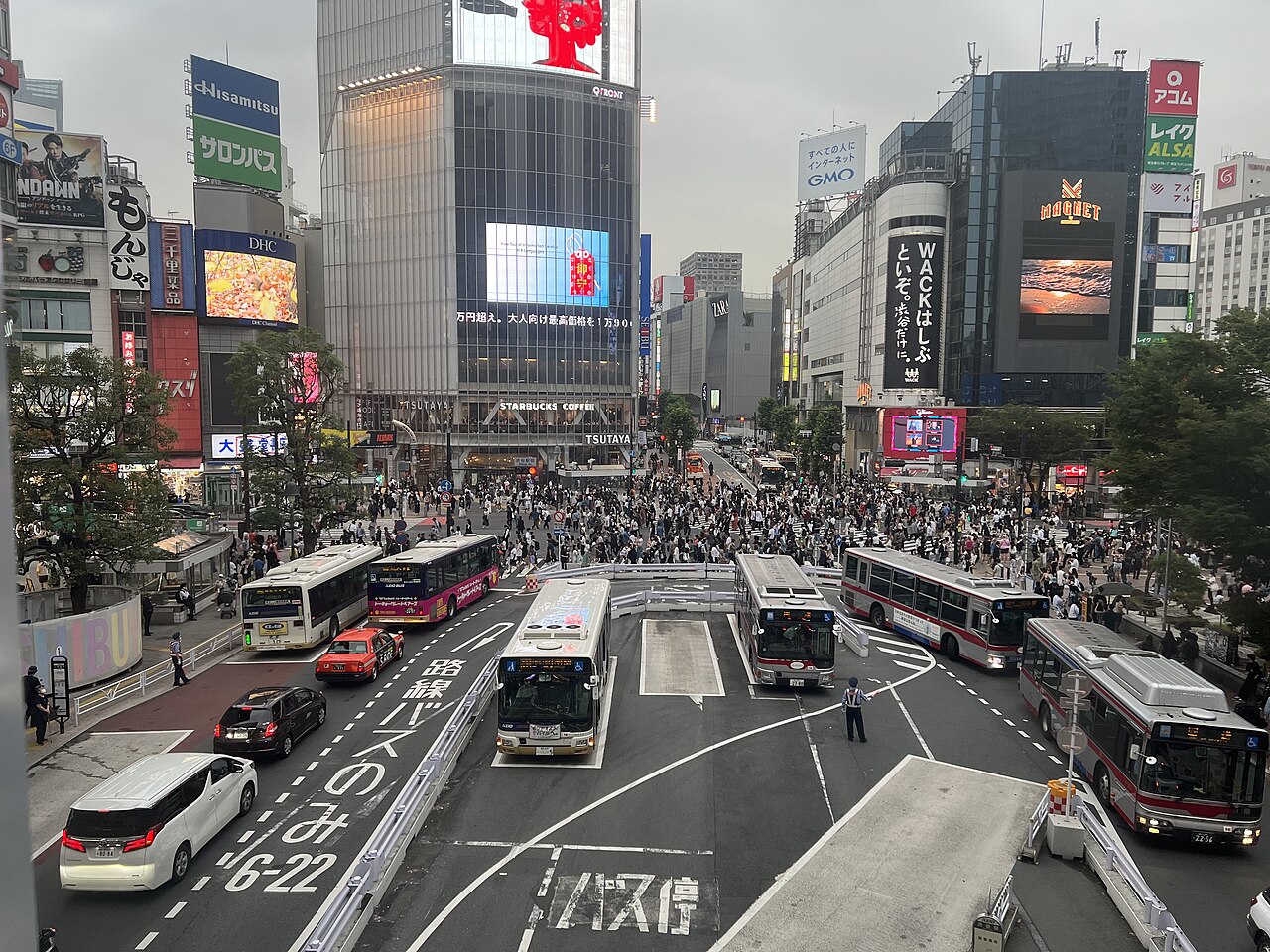
Shibuya Scramble Crossing
1.2 km · straight line
 Dick Thomas Johnson from Tokyo, Japan / CC BY 2.0
Nature · Tokyo★★★
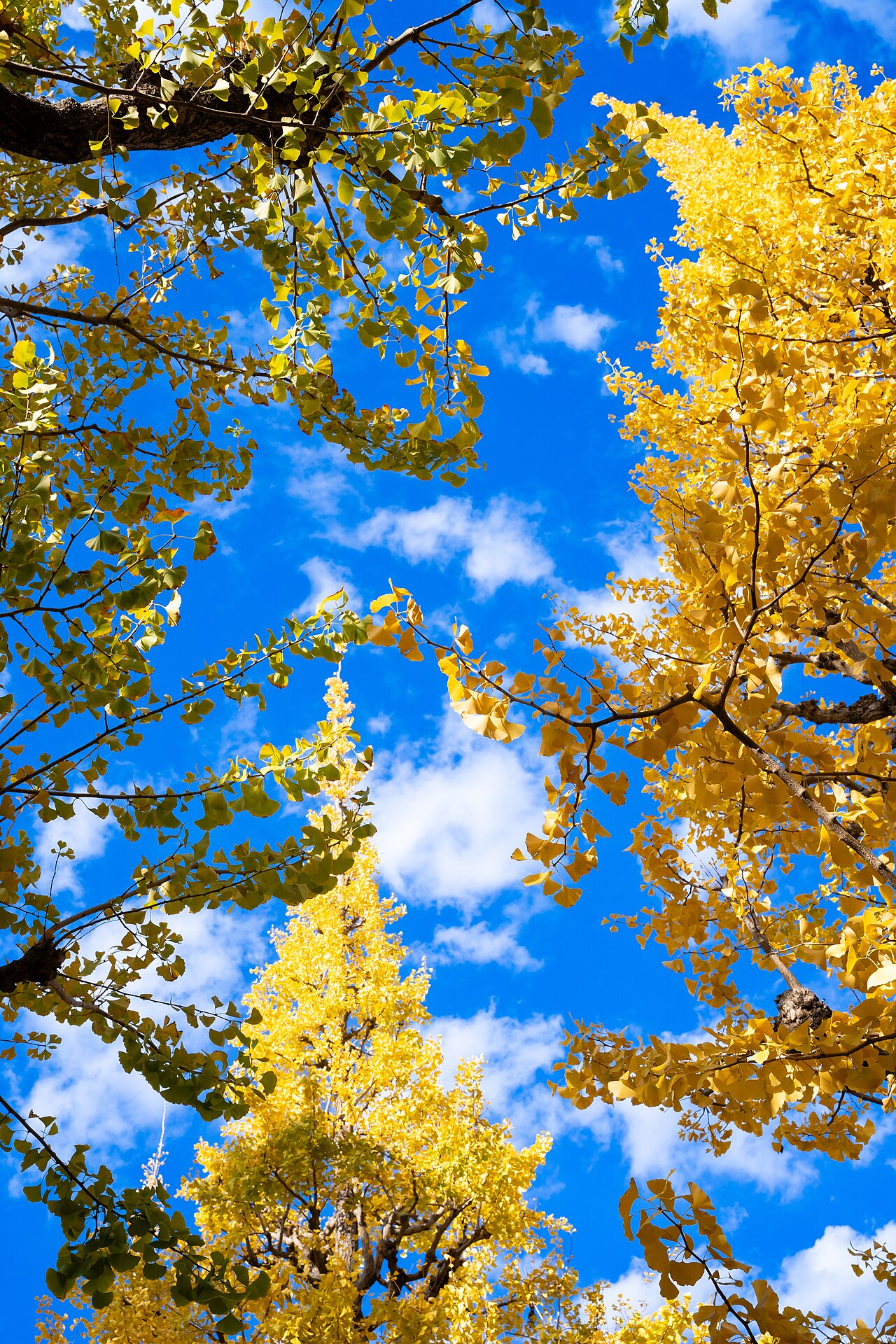
Jingu Gaien Ginkgo Avenue
1.2 km · straight line
On a curated routeTokyo, Forest to Rooftop →
Distances are straight lines on the map, not travel times.