Tokyo north · Komagome / BunkyoNo.301★Open in map →
Rikugien
— the Edo garden built from eighty-eight poems
A 1695 daimyo strolling garden in Komagome whose landscape reproduces eighty-eight scenes from classical poetry — 300 yen, seven minutes from the Yamanote Line.
- FromTokyo Stn
- ~22 minJR Yamanote (frequent)
- Get off atKomagome Station (JR Yamanote Line / Tokyo Metro Namboku Line)
- On foot
- Rikugien
The sweet spot
Koishikawa Korakuen and Hama-rikyu take most of the foreign attention among Tokyo's Edo gardens. Rikugien is the one built as a piece of literature, where each hill and inlet stands for a place named in a poem — and outside its two illumination seasons it stays remarkably quiet for a garden seven minutes from the Yamanote Line.
Where it is
77 more notes in Tokyo · open the map →What to look for
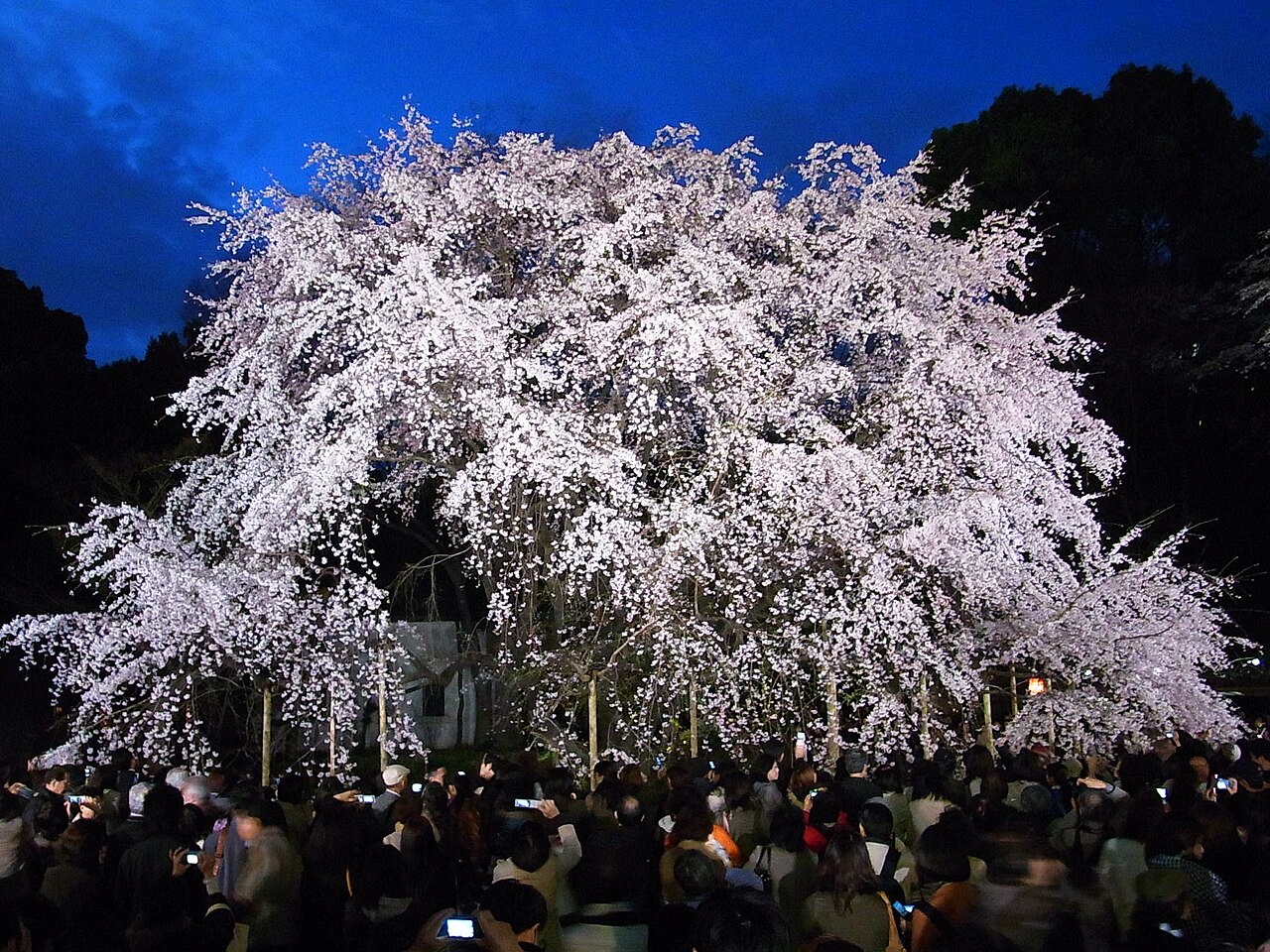
- The weeping cherry by the inner gatea single large shidare-zakura that opens ahead of most Tokyo cherries and is lit after dark in season
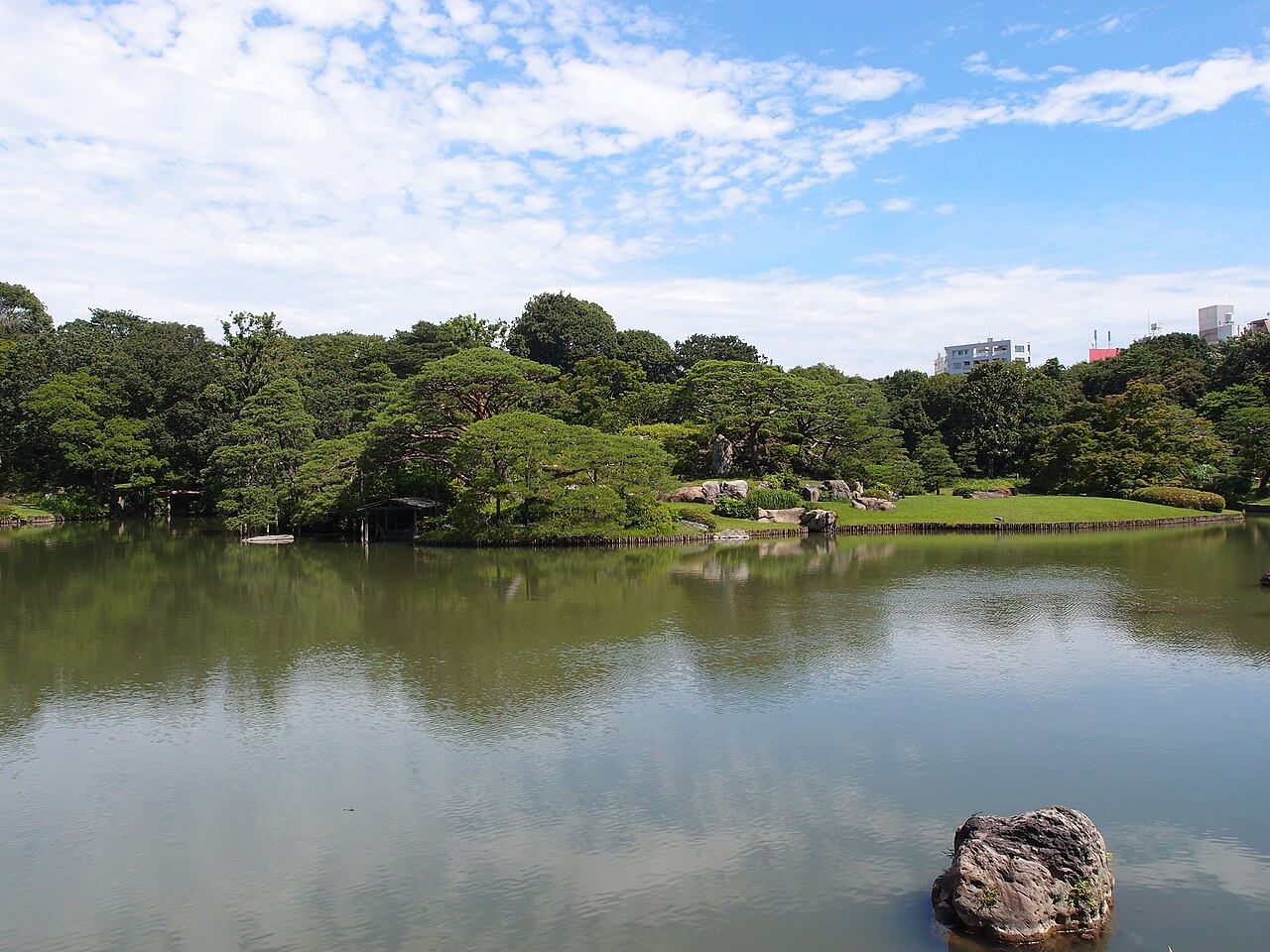
- Daisensui, the great pondthe central pond and its island, around which the entire strolling route is organised
- Fujishiro-togethe garden's artificial hill, and the one point from which the pond and the whole layout read at once
- Tsutsuji-no-chayaa teahouse built of azalea wood that came through both the 1923 earthquake and the wartime bombing
- Fukiage-chayaa rest house at the water's edge serving matcha and wagashi sweets
- Togetsukyoa bridge made of two great stone slabs, named after a classical poem
How to actually get there
- Tokyo Station → Komagome Station (JR Yamanote Line, ~15 min)
- Komagome Station → Rikugien main gate (walk south, ~7 min)
- Main gate → Daisensui pond → Fujishiro-toge → matcha at Fukiage-chaya
- Tokyo Stn →(Yamanote Line)→ Komagome Stn → walk ~7 min
- Tokyo Stn →(JR Yamanote Line toward Ueno and Ikebukuro, ~15 min)→ Komagome Stn → walk south about 7 min to the Seimon, the main gate. Total about 22 min. Trains run every few minutes. The Tokyo Metro Namboku Line also serves Komagome; use exit 2.
- Return from Komagome Stn on the Yamanote or Namboku Line
- Walk back to Komagome Station for the JR Yamanote Line or the Tokyo Metro Namboku Line. Both run until late, so there is no last-departure problem here.
About the place
Rikugien lies in Komagome, in Tokyo's Bunkyo ward, and is counted alongside Koishikawa Korakuen as one of the two great gardens of Edo. It was built by Yanagisawa Yoshiyasu, the chamberlain who served the fifth shogun Tokugawa Tsunayoshi; he began in 1695 and took seven years over it. The form is a kaiyushiki teien, a strolling garden built around a large pond with an island and ringed by wooded rises. But its organising idea is literary rather than scenic. Yoshiyasu was a student of waka poetry, and he laid the grounds out to reproduce eighty-eight places celebrated in classical verse, many of them drawn from Wakanoura in Kii province — today's Wakayama. The name itself comes from the six categories of poetry described in classical poetics. The garden is designated a Special Place of Scenic Beauty.
How to enjoy it
An hour covers the full circuit; two if you stop for matcha. Walk the pond from the main gate and climb Fujishiro-toge early, so you carry the layout in your head for the rest of the loop. The two set pieces are the weeping cherry in late March and the maples in late November, both lit in the evening during limited illumination periods that draw long queues — go on a weekday, or come in the flat season and have the garden nearly to yourself.
Background & history
After the Yanagisawa line let it go, the garden passed through Edo-period hands and then, in 1878, to Iwasaki Yataro, the founder of Mitsubishi, who kept it as a private estate and rebuilt much of what had decayed. The Iwasaki family gave it to the City of Tokyo in 1938 and it opened to the public that year. In 1953 it received its designation as a Special Place of Scenic Beauty under the Law for the Protection of Cultural Properties. It is managed today by the Tokyo Metropolitan Park Association, and the two seasonal illuminations — the weeping cherry in spring and the maples in autumn — have become the garden's best-known events.
Before you go
- Cash
- Admission is 300 yen for adults and 150 yen for visitors aged 65 and over; elementary school children, and junior high students living or studying in Tokyo, enter free (as of 2026 — confirm on the Tokyo Metropolitan Park Association site). Matcha at Fukiage-chaya is charged separately. IC cards work on both rail lines.
- Good to know
- Open 9:00 to 17:00, last entry 16:30; closed 29 December to 1 January. The spring and autumn illumination periods run on separate extended hours and often require timed tickets bought in advance.
- Another way
- The Somei-mon gate on the north side, closer to Komagome Station, opens only during the cherry and maple seasons; outside those periods use the main gate.
- After you get off
- From the south exit of Komagome Station, walk about 7 minutes along the main road to the Seimon (main gate) of Rikugien.
Nearby notes
 Doricono / CC BY-SA 3.0
Local life · Tokyo★★
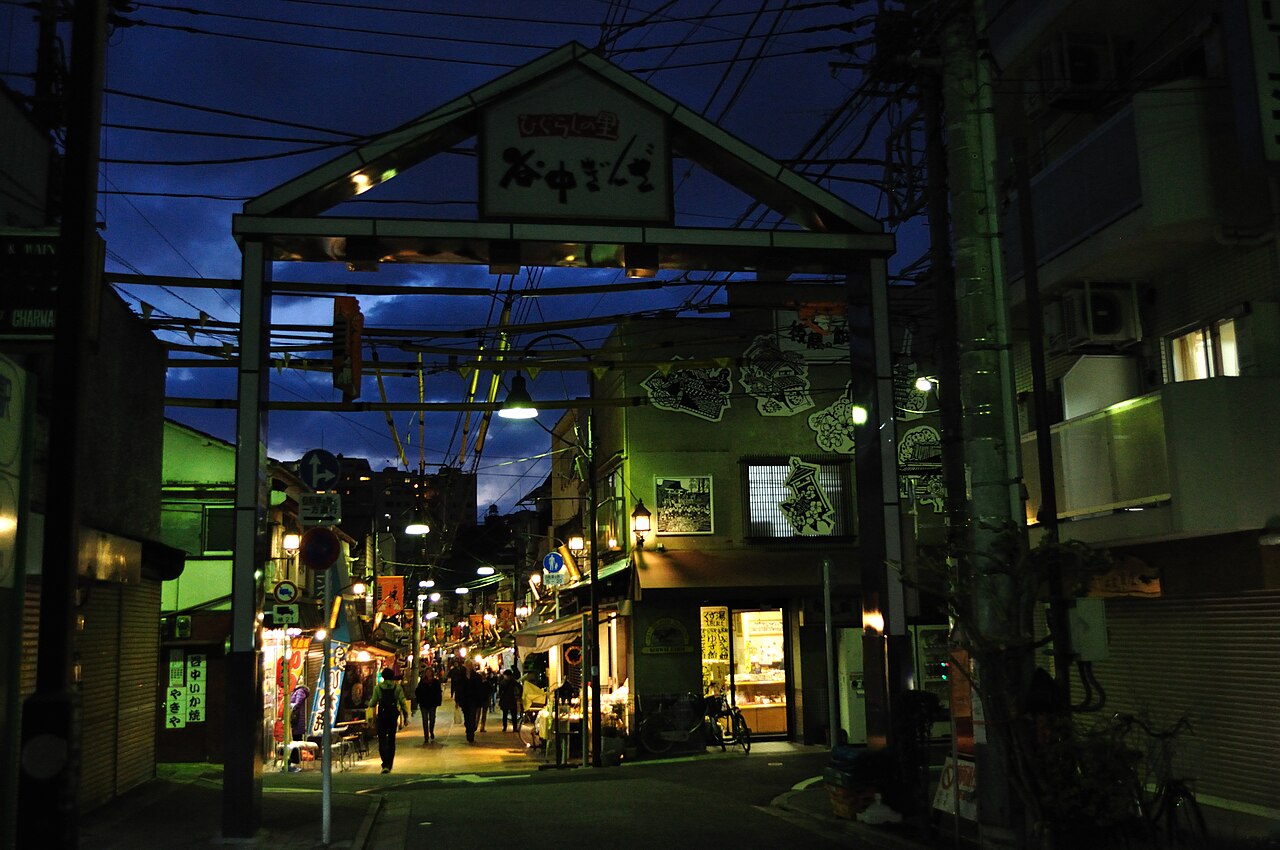
Yanaka Ginza
1.8 km · straight line
 DavideGorla / CC BY 2.0
History · Tokyo★★
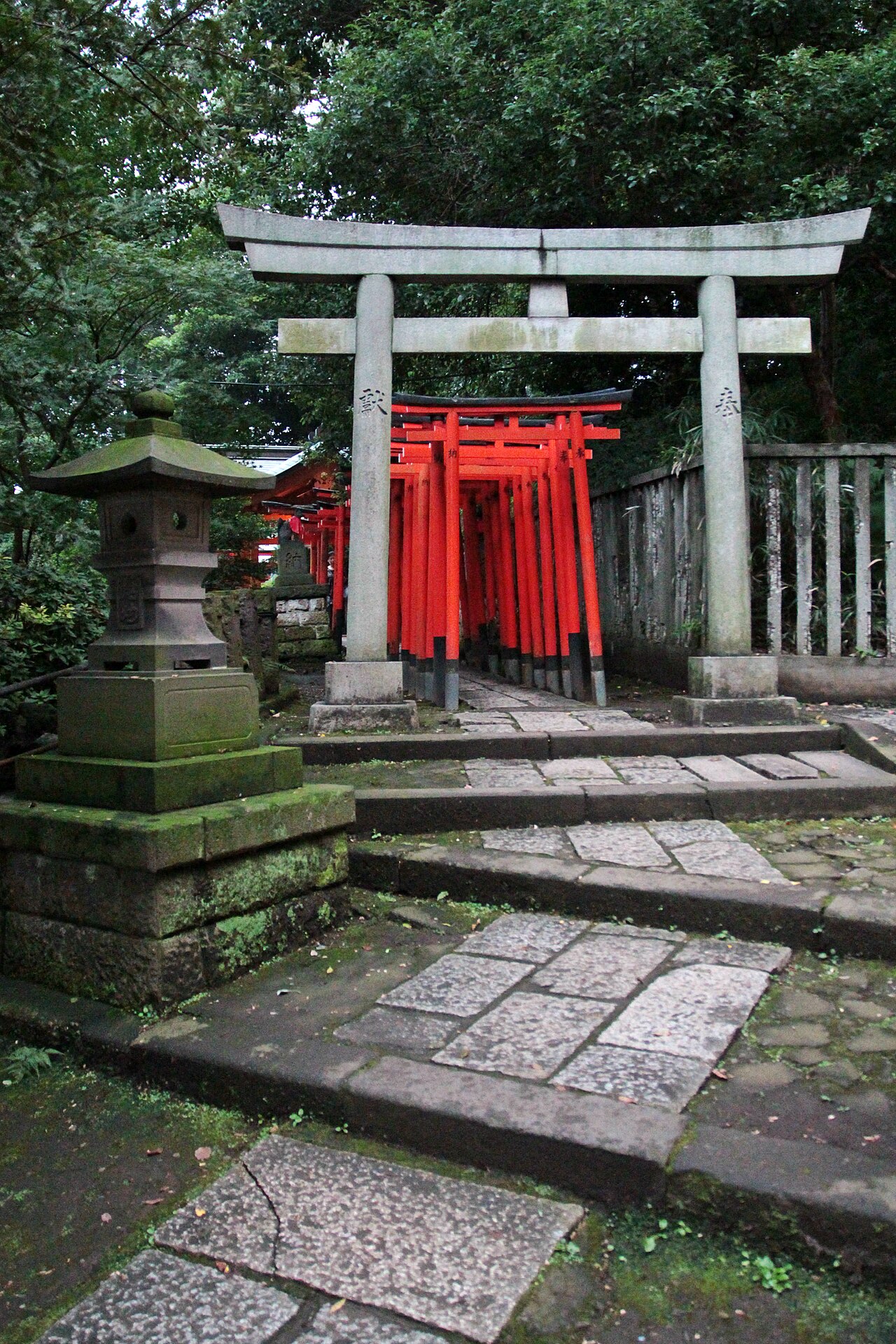
Nezu Shrine's Otome Inari torii tunnel
1.9 km · straight line
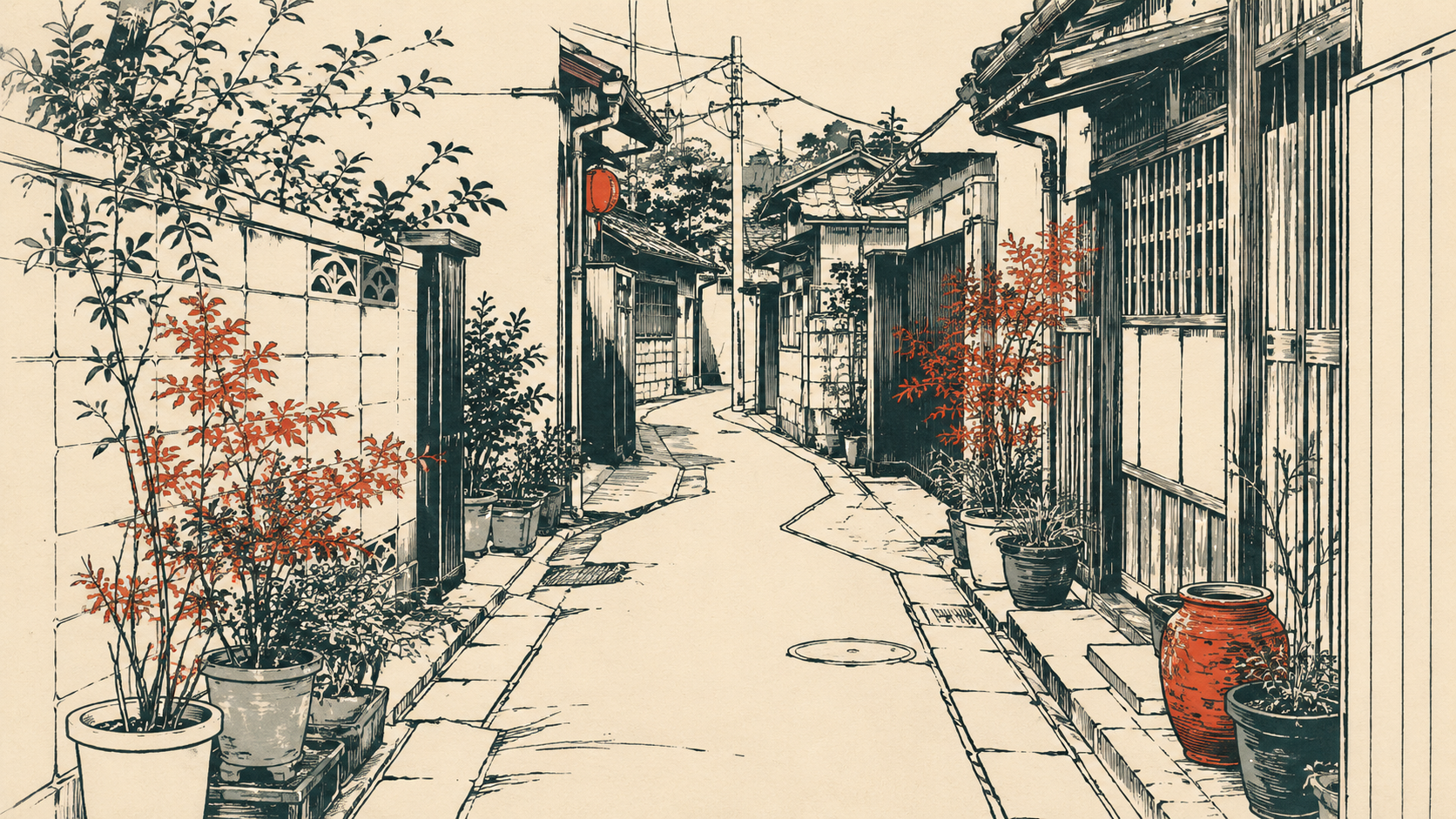 illustration (AI-illustrated)
History · Tokyo★
Hebimichi
1.9 km · straight line
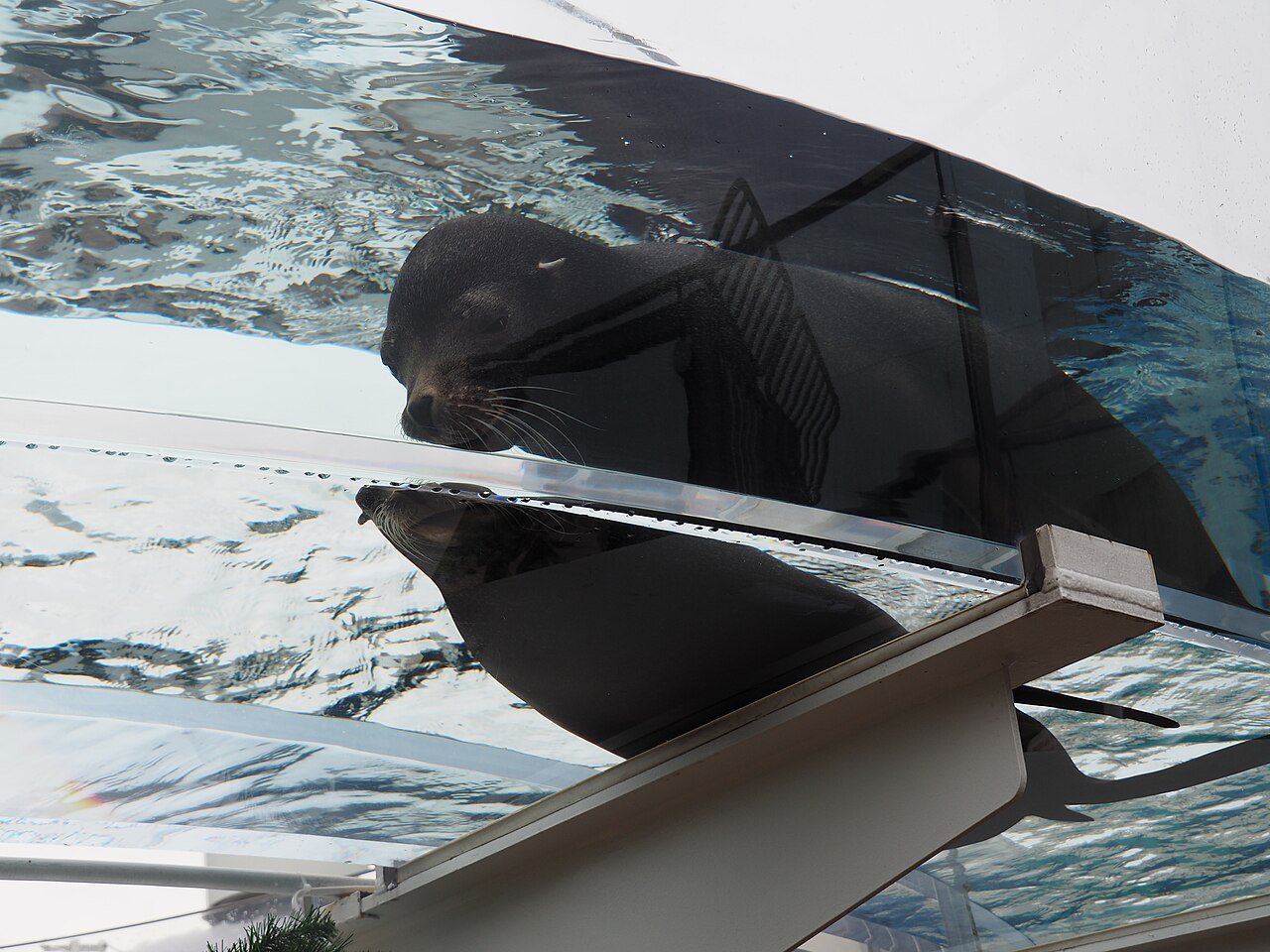 Laika ac from UK / CC BY-SA 2.0
Nature · Tokyo★★
Sunshine Aquarium
2.5 km · straight line
Distances are straight lines on the map, not travel times.