Central Saga · Saga CityNo.1034★★★Open in map →
Saga Beef
— A top-grade wagyu, sold at the co-op's own counter
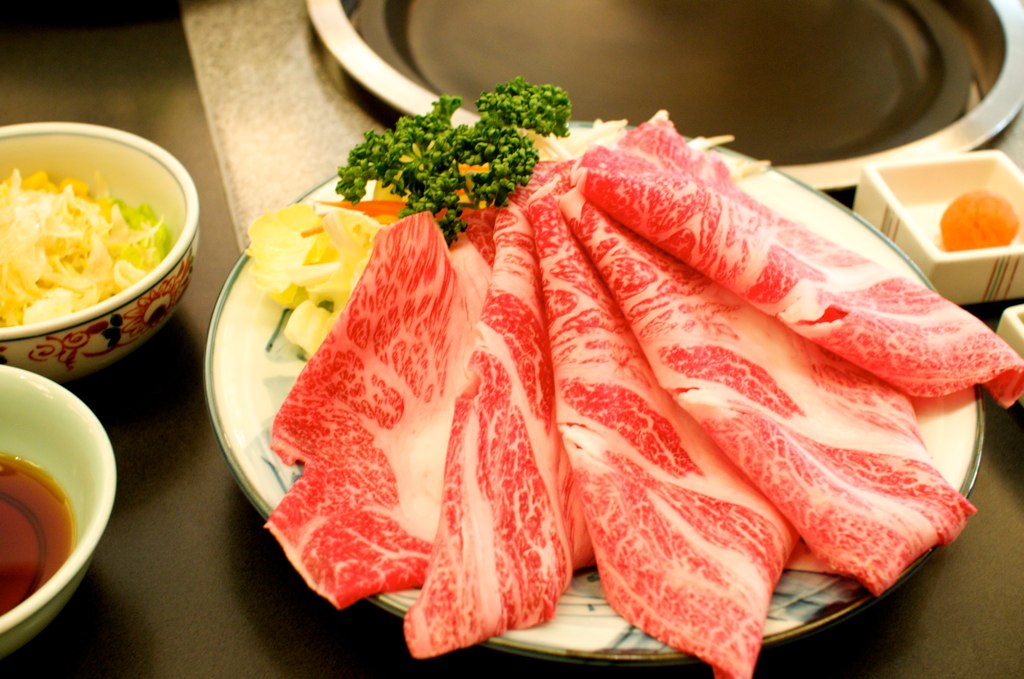
Saga Beef is a grade rather than a place: Japanese Black cattle raised inside JA Group Saga and marked at the top of the national scale. The co-operative sells it over its own counter beside Saga Station.
- FromHakata Station
- Express + the south exitJR express, then a short walk
- Get off atSaga Station (JR Nagasaki Line)
- On foot
- Saga Beef
Where it is
14 more notes in Saga · open the map →What to look for — in walking order
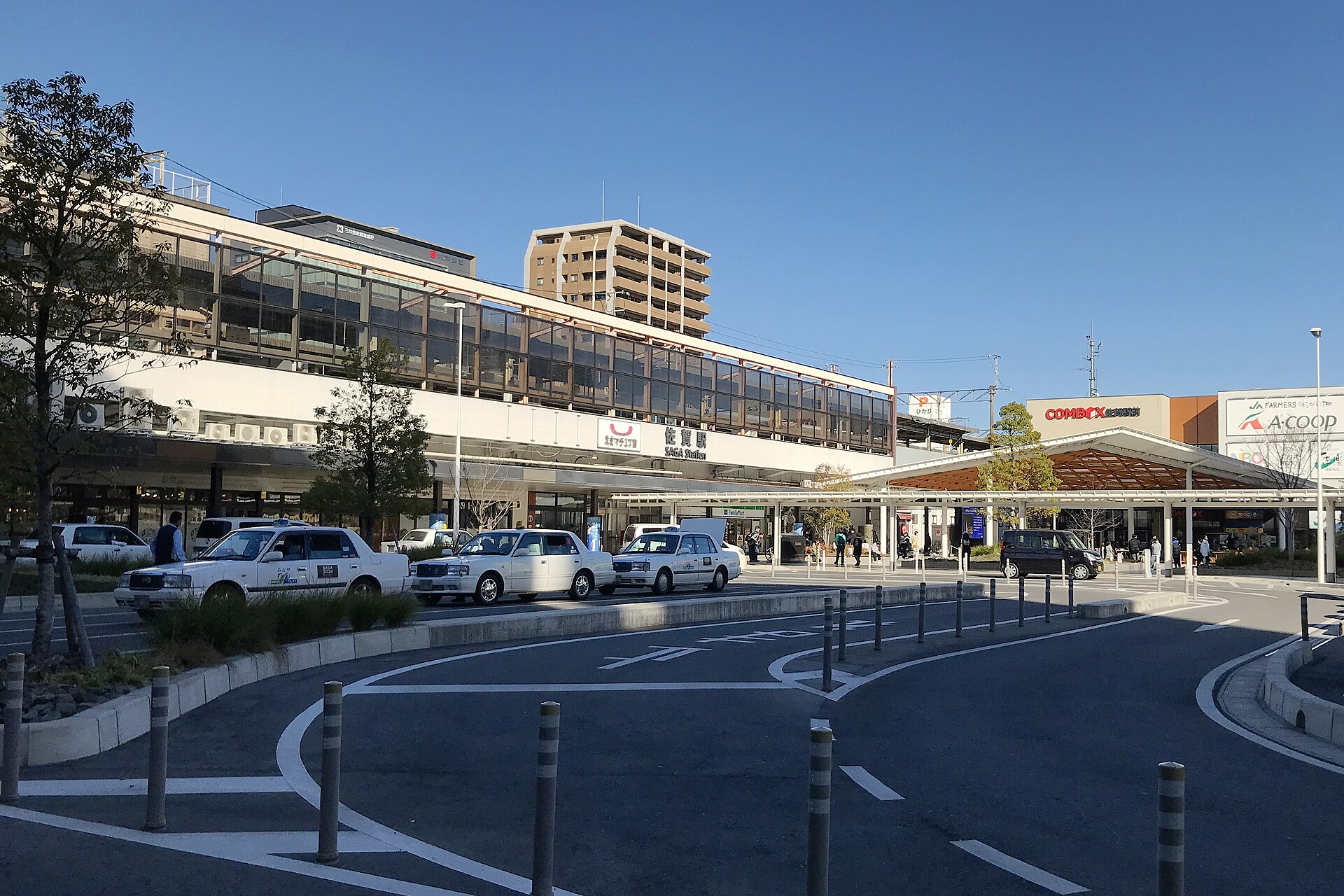
- Saga Station south exitthe drop-off side of the station, with the bus centre on the same square
- Combox Saga Ekimaethe block facing the square, with the co-operative's shop on the ground floor
- Saga Fudokan KiraJA Saga's own shop: beef cut to order by weight, with fruit, vegetables and Ureshino tea alongside
- Kome-kobo rice counterthe corner of the shop where prefectural rice is milled on the spot
- Saga Beef Restaurant Kirathe co-operative's own restaurant at Odakara, serving steak and steamed beef
How to actually get there
- Hakata Station → Saga Station (JR Nagasaki Line limited express).
- Saga Station → south exit square (follow the south concourse).
- South exit square → Saga Fudokan Kira (ground floor of Combox Saga Ekimae).
- Saga Fudokan Kira → Saga Beef Restaurant Kira (walk south-east into Odakara).
- JR Nagasaki Line limited express from Hakata
- Limited expresses run down the Nagasaki Line from Hakata to Saga through the day, and Saga is a stop every one of them makes. Leave by the south exit rather than the north. The block holding the co-operative's shop faces the square you walk into.
- North again from Saga
- Expresses for Hakata call at Saga through the day, and the leg is short enough that an evening return is easy to plan. The bus centre stands on the same south square if you would rather ride a coach back. Check the board before you commit to a sit-down meal in Odakara.
About the place
Saga Beef is a definition before it is a food. The animal has to be Japanese Black, it has to be finished by a farmer inside JA Group Saga, and on the national carcass scale it has to grade 5, or 4 with a marbling score of No.7 or better. Everything else out of the same barns is sold as Saga wagyu under a different name. About 82 per cent of the cattle the group ships clears that bar, which is why the name travels beyond the prefecture. In Saga city the counter that carries it belongs to the co-operative itself, a few steps from the station square.
How to enjoy it
The shop keeps daytime and early-evening hours, which makes it a first stop off the express or a last stop before the ride home rather than a lunch plan. The restaurant in Odakara splits its day into a lunch and a dinner service. Buy the cut if you want to read the grade on the label yourself, and take the walk south-east if you would rather someone else handled the heat.
Background & history
Saga's cattle farmers spent decades sending animals to be finished elsewhere and sold under other regions' names. The co-operative answered by writing a standard of its own and putting the name Saga Beef on the boxes in 1984, starting at an Osaka meat market. The rule was deliberately narrow, because a brand that admits only the top of the grading table cannot be watered down by volume. Four decades on, the definition still sits where it started.
Before you go
- Cash
- The beef is sold by weight and cut to order, so what you pay follows the cut you ask for rather than a fixed pack. The produce shelves and the rice counter are ordinary retail. Carry some cash for the smaller purchases.
- Good to know
- The shop follows retail hours, not station hours, so a very early or very late train finds the shutters down. The co-operative's restaurant takes one closed day a month. Chilled beef and a long summer journey home do not mix, so ask at the counter before you buy for the train.
- Another way
- If you would rather eat the beef than carry it, the co-operative also runs a restaurant about ten minutes on foot south-east of the station, in Odakara. Highway coaches from Fukuoka set down at the bus centre on the same south square, which is the alternative to the train.
- After you get off
- Saga Station's south exit opens onto a square, and the block directly across it holds the co-operative's shop on its ground floor. It is a walk of a minute or two, and the shop faces the square rather than the side street.
Nearby notes
 Pekachu / CC BY-SA 4.0
Entertainment · Saga★★★
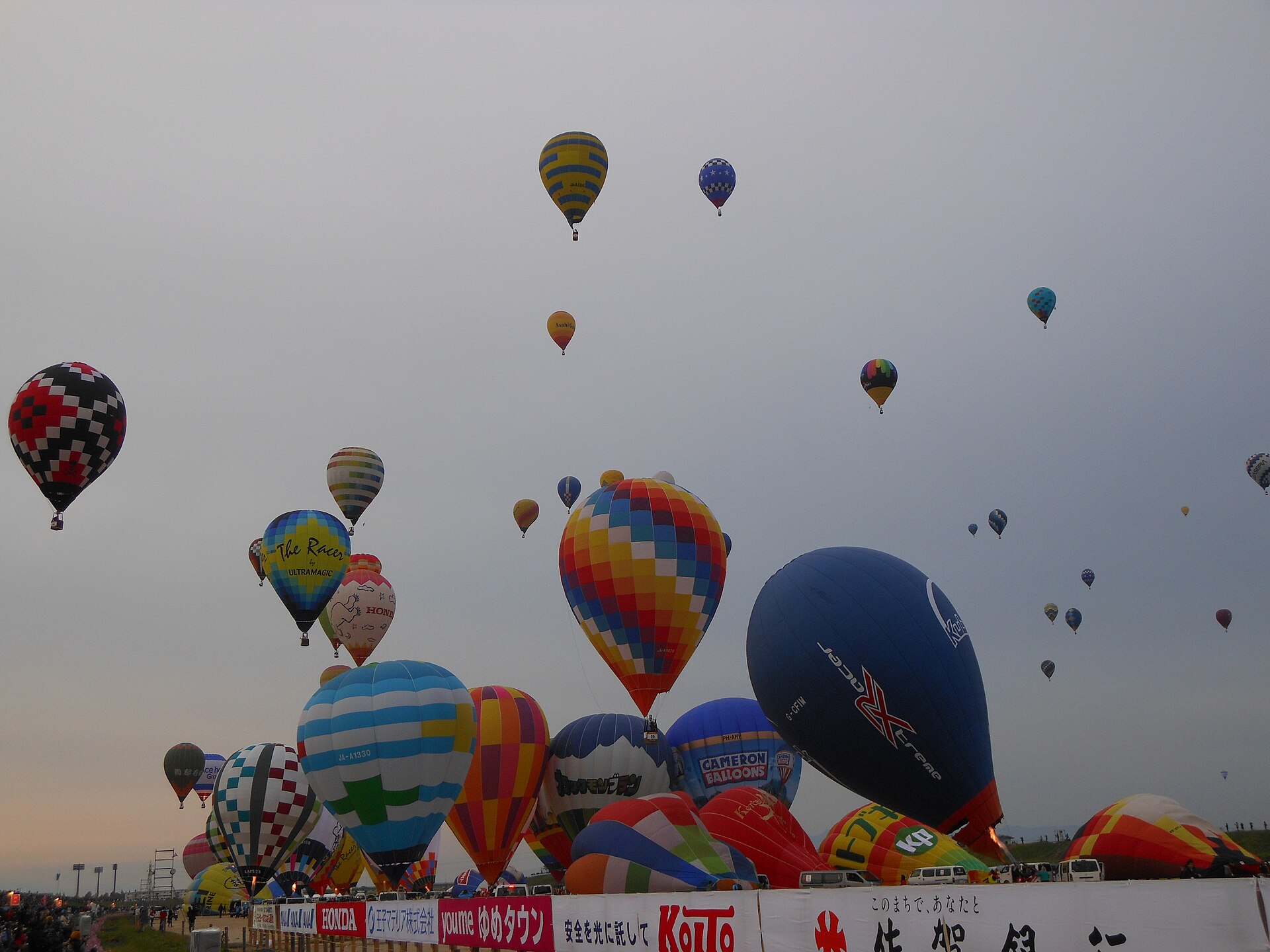
Saga International Balloon Fiesta
5.0 km · straight line
 Saigen Jiro / CC0
History · Saga★★★
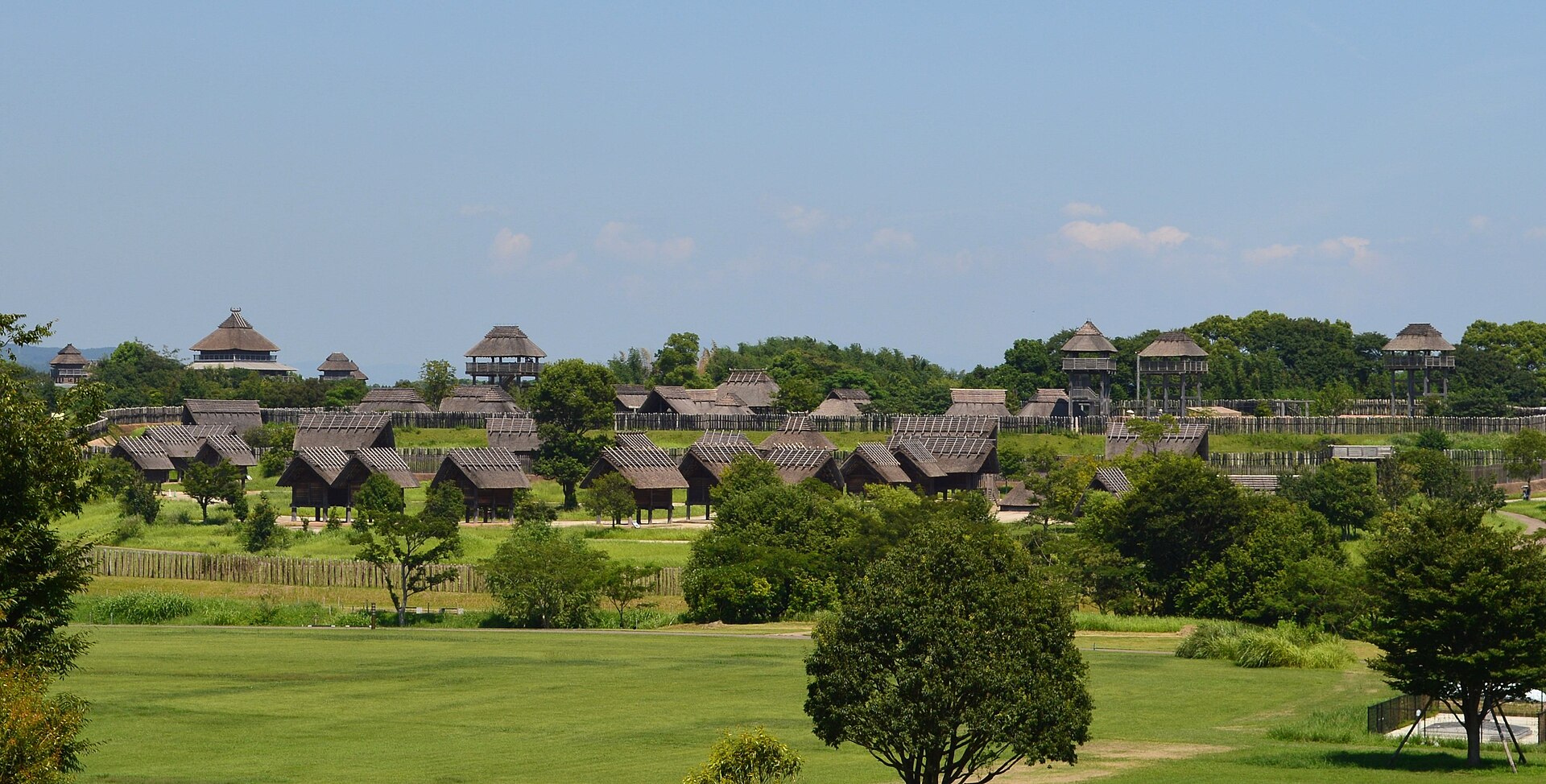
Yoshinogari Historical Park
10.6 km · straight line
 Asturio Cantabrio / CC BY-SA 4.0
Local life · Fukuoka★★★
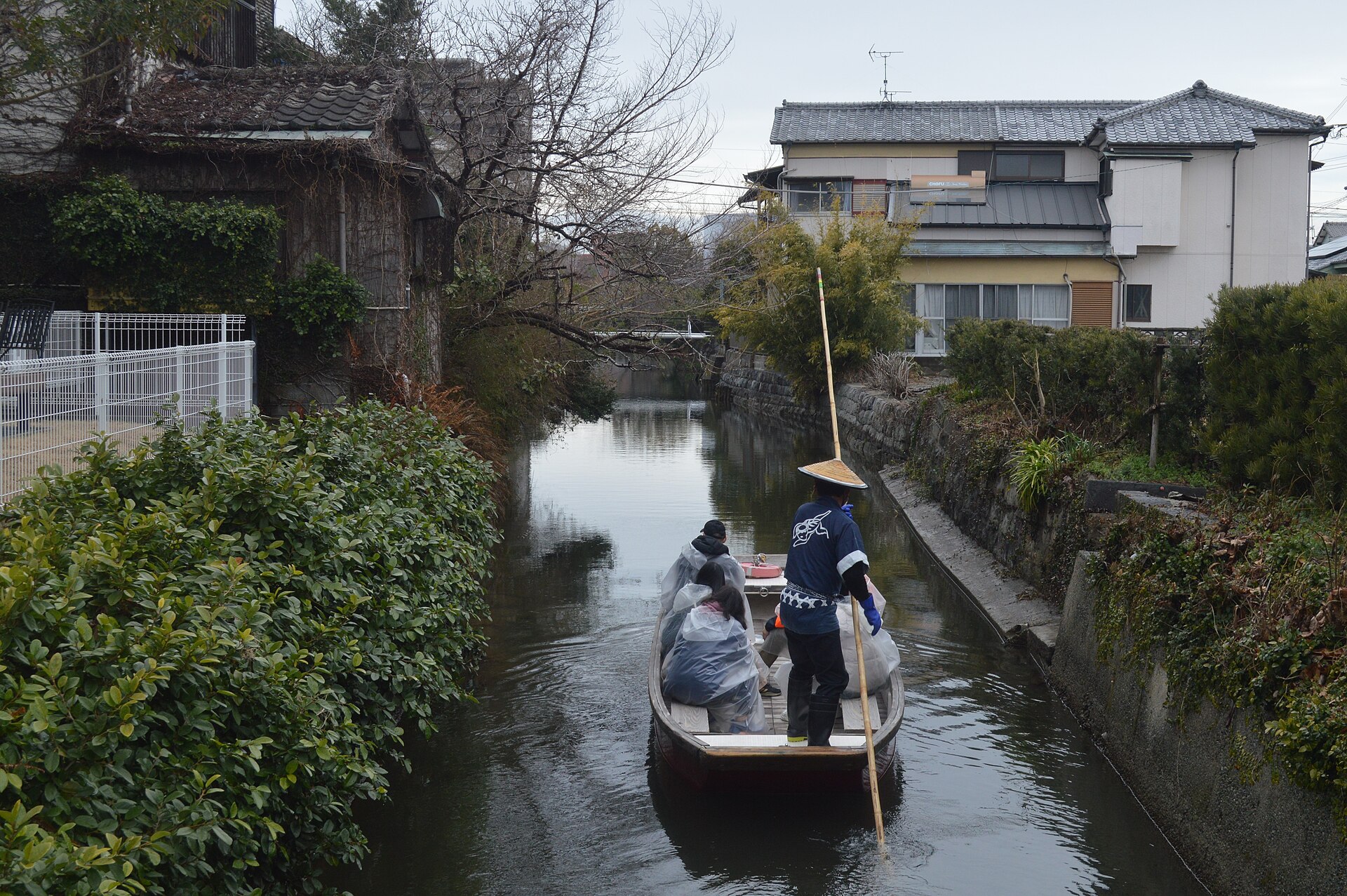
Yanagawa Canal Cruise
15.2 km · straight line
 isoyan / CC BY-SA 3.0
History · Fukuoka★★
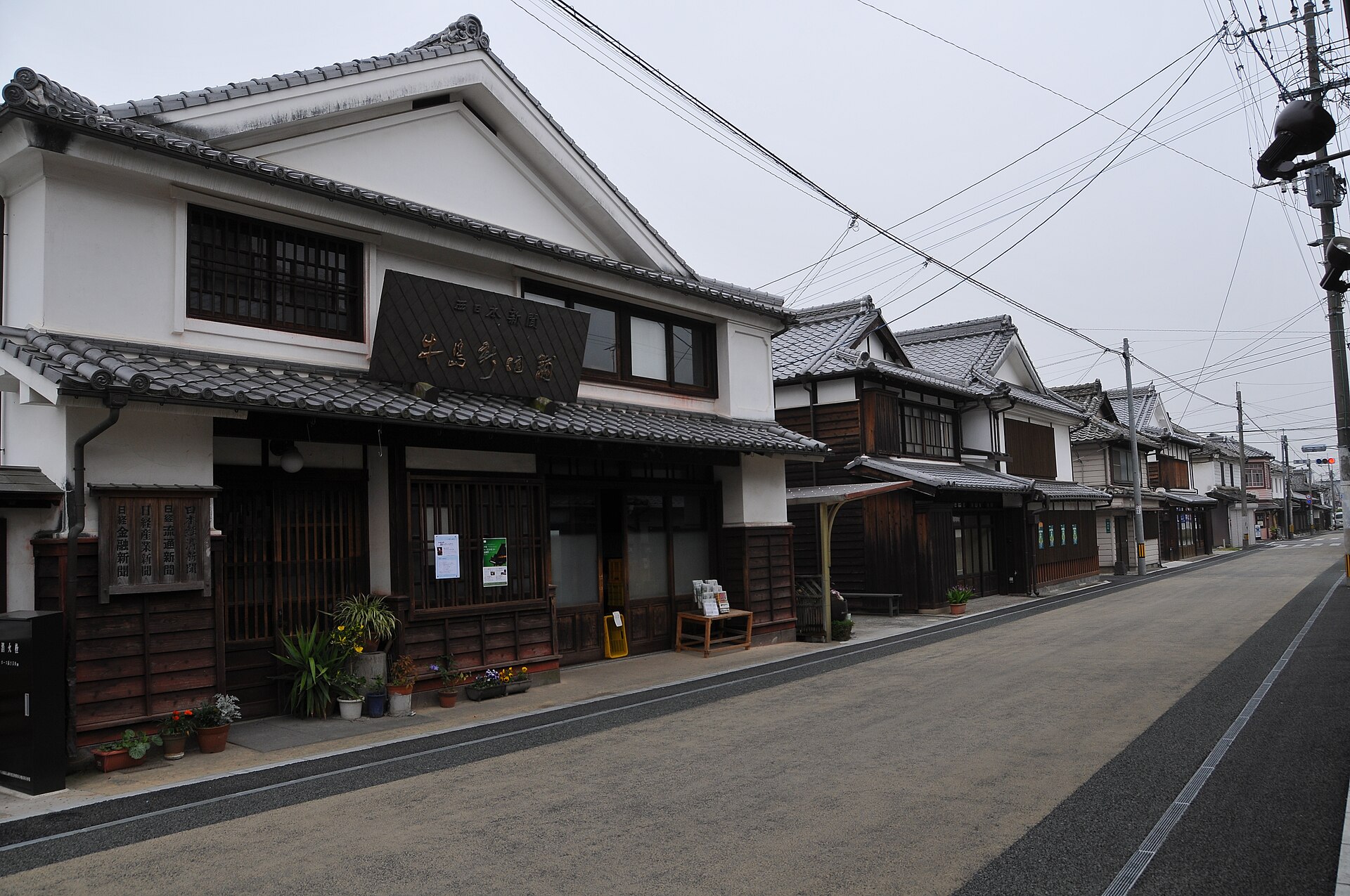
Yame Fukushima Historic Merchant Town
24.9 km · straight line
Distances are straight lines on the map, not travel times.