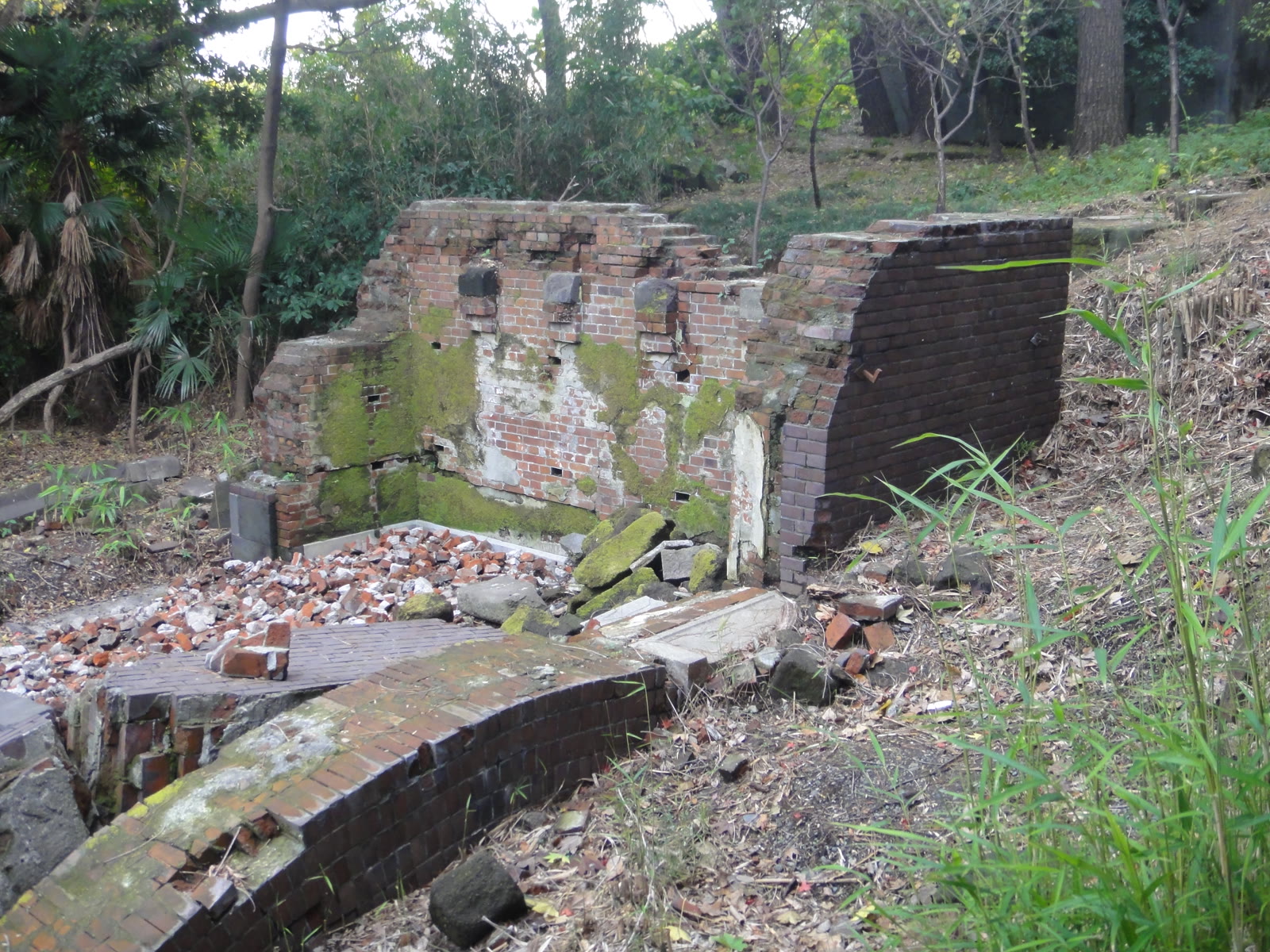
Yokohama · HonmokuNo.199★★Open in map →
Sankeien Garden
A 17.5-hectare Japanese stroll garden in Honmoku, opened in 1906 by silk merchant Tomitaro Hara. Seventeen historic buildings — including a three-story pagoda from 15th-century Kyoto and a Shirakawago farmhouse — are arranged around a central pond.
- FromYokohama Stn
- ~25 min busbus ~25 min
- Get off atNegishi Station (JR Keihin-Tohoku Line)
- From there
- Sankeien Garden
The sweet spot
Sankeien's collection of ten Important Cultural Properties — including a 15th-century Kyoto pagoda and a Shirakawago farmhouse — is rarely matched by any private Japanese garden, and it sits within the Yokohama day-trip radius of Tokyo.
Where it is
43 more notes in Kanagawa · open the map →What to look for — in walking order
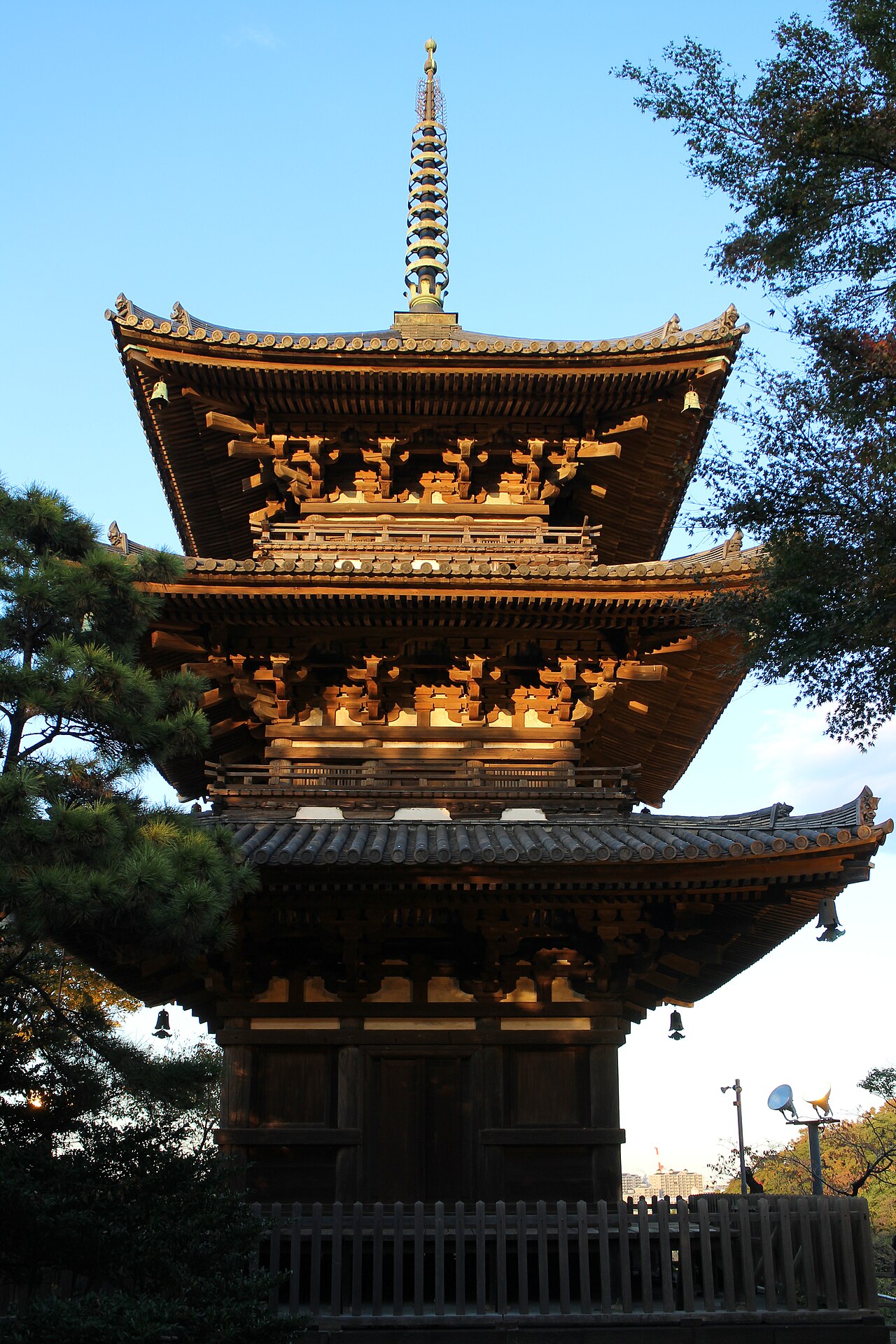
- Three-story pagoda (Tomyoji Pagoda)built in Kyoto in 1457, relocated to this garden in 1914; the structure that anchors the outer garden skyline
- Rinshunkaku villaa villa originally built for a Tokugawa family member, with interior paintings by the Kano school; the centrepiece of the inner garden
- Shirakawago farmhouse (Yanohara House)a thatched gasshozukuri farmhouse moved from Gifu; shows the original hearth and kitchen
- Gekkadenbuilt in 1603 at Fushimi Castle under Tokugawa Ieyasu; the oldest structure in the garden
How to actually get there
- Yokohama Station east exit → City Bus 8 or 148 from stop No. 2 (~25 min to Sankeien-iriguchi).
- Walk southwest ~5 min from the bus stop to the garden entrance; buy ticket (900 yen).
- Follow the outer garden path to the pagoda pond, then cross into the inner garden for the historic villas.
- Yokohama Station → bus to Sankeien-iriguchi stop
- From Yokohama Station east exit, take City Bus 8 or 148 from bus stop No. 2, heading toward Honmoku direction. Ride about 25 minutes to the Sankeien-iriguchi stop, then walk about 5 minutes southwest to the garden entrance. Buses run regularly throughout the day; the IC card (Suica or PASMO) is accepted. Bus fare is 220 yen.
- Return by bus from Sankeien-iriguchi
- From the same bus stop, take City Bus 8 or 148 back to Yokohama Station (about 25 min). On Saturdays, Sundays, and public holidays, a direct 'Burari Sankeien Bus' also runs from Yokohama Station to the garden entrance without needing to transfer.
About the place
Sankeien Garden was created by Tomitaro Hara, who built his fortune trading silk to Europe and used it to assemble something unusual: a garden where the focal points are not plants but buildings, each saved from somewhere else. Hara spent decades sourcing structures from across Japan — from Kyoto, Kamakura, Wakayama, and Gifu — and rebuilding them in his garden in Yokohama. The oldest is a three-story pagoda originally built in Kyoto in 1457, moved here in 1914. One of the most dramatic is a thatched farmhouse from Shirakawago, a mountainous area in Gifu famous for its steep-roofed gasshozukuri houses. The garden was opened to the public in 1906 while Hara still lived here, and was donated to Yokohama City after the war. Ten of its seventeen buildings are now designated Important Cultural Properties.
How to enjoy it
The garden divides into an outer garden (free to enter) and an inner garden (included in the main admission). Both are worth crossing: the outer garden holds the famous pagoda silhouette over the pond, while the inner garden clusters the most important historical buildings. Opening times are 9:00–17:00, last entry 16:30, closed December 26–31. Admission is 900 yen for adults.
Background & history
Tomitaro Hara (1868–1939), known by the art name Sankei, began construction of the garden around 1902. He opened the outer garden to the public in 1906, making it one of Yokohama's earliest public gardens. The garden was heavily damaged in the 1923 Great Kanto Earthquake and again in World War II bombing, but was restored and donated to the city in 1953. The 120th anniversary of opening fell in 2026.
Before you go
- Cash
- Admission 900 yen for adults (includes both outer and inner gardens). Bus fare 220 yen each way, payable by IC card or exact change. Closed December 26–31.
- Good to know
- Open 9:00–17:00, last entry 16:30. Closed December 26–31. Some traditional events — notably plum blossom season (February) and autumn colour (late November) — attract larger crowds.
- Another way
- From Sakuragicho Station, take City Bus 8 or 148 from the stop in front of the station; the ride is about 25 minutes to Sankeien-iriguchi. Also accessible via Negishi Station (JR Keihin-Tohoku Line) plus a 10-minute bus to Honmoku.
- After you get off
- From Negishi Station, take City Bus 58 or 101 to the Honmoku bus stop (about 10 min), then walk southwest about 10 minutes to the garden entrance.
Nearby notes
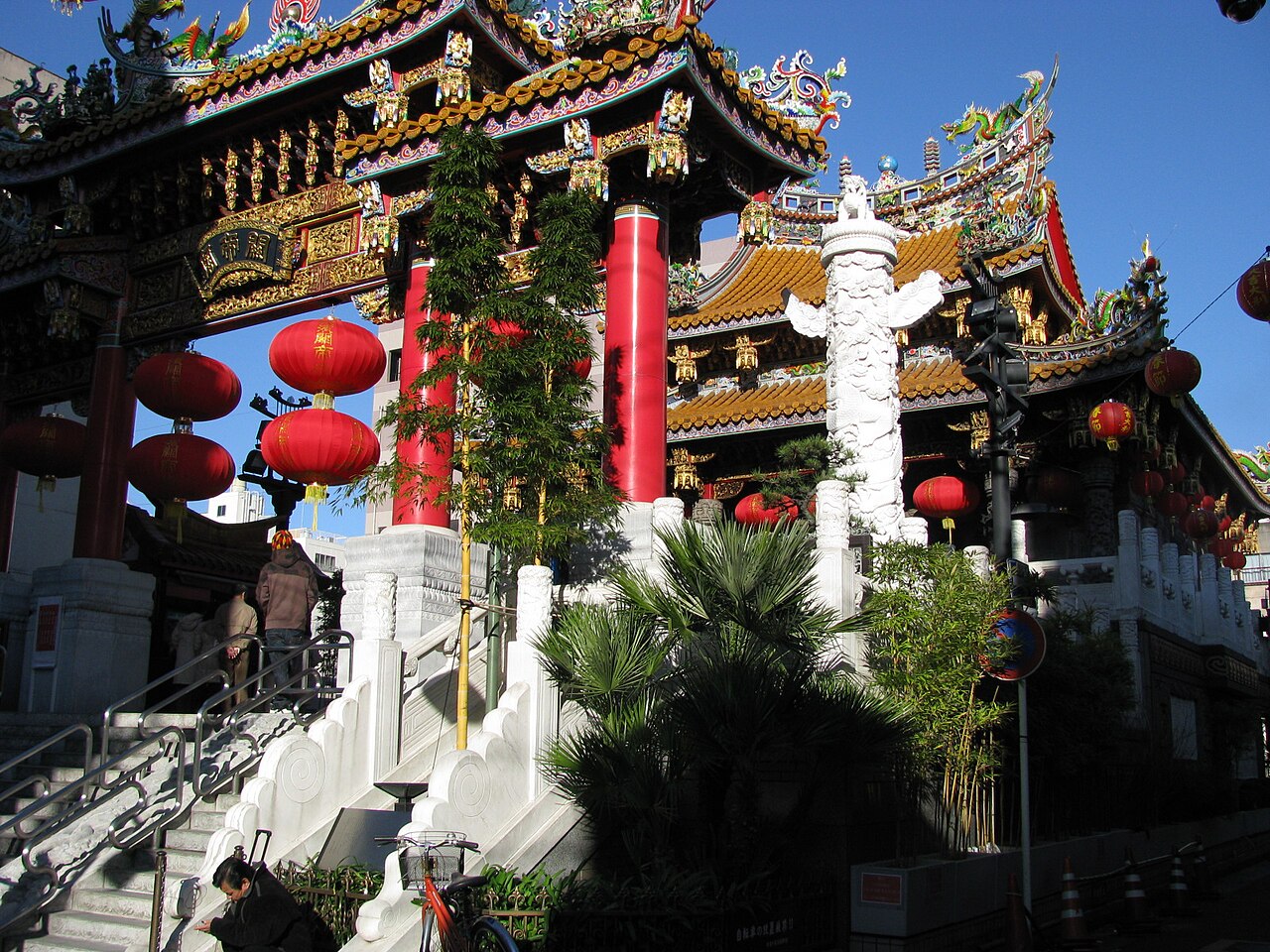 Aimaimyi / CC BY-SA 3.0
Food · Kanagawa★★
Yokohama Chinatown
3.1 km · straight line
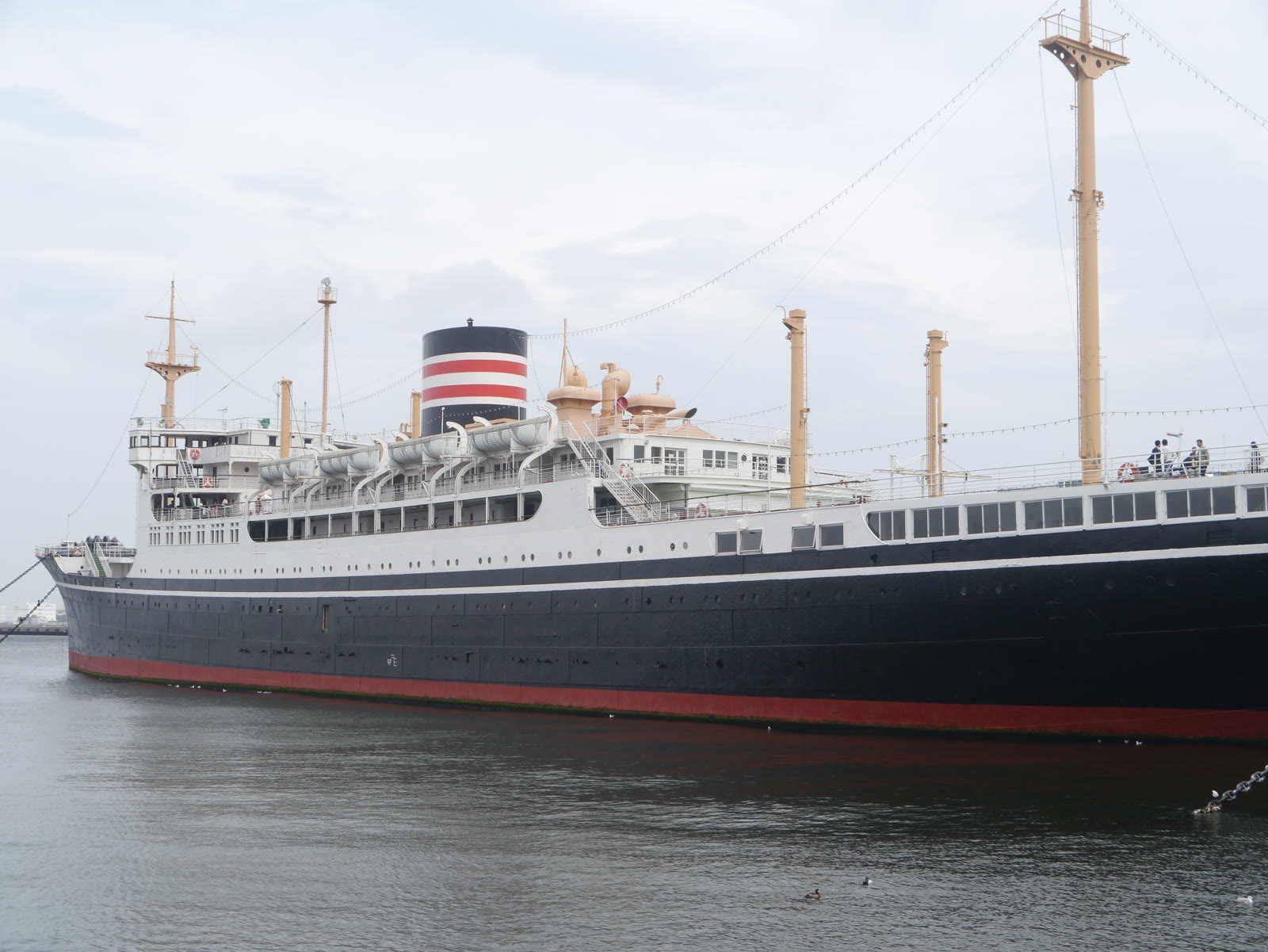 Zairon / CC BY-SA 4.0
History · Kanagawa★★★
Yamashita Park and the Hikawa Maru
3.2 km · straight line
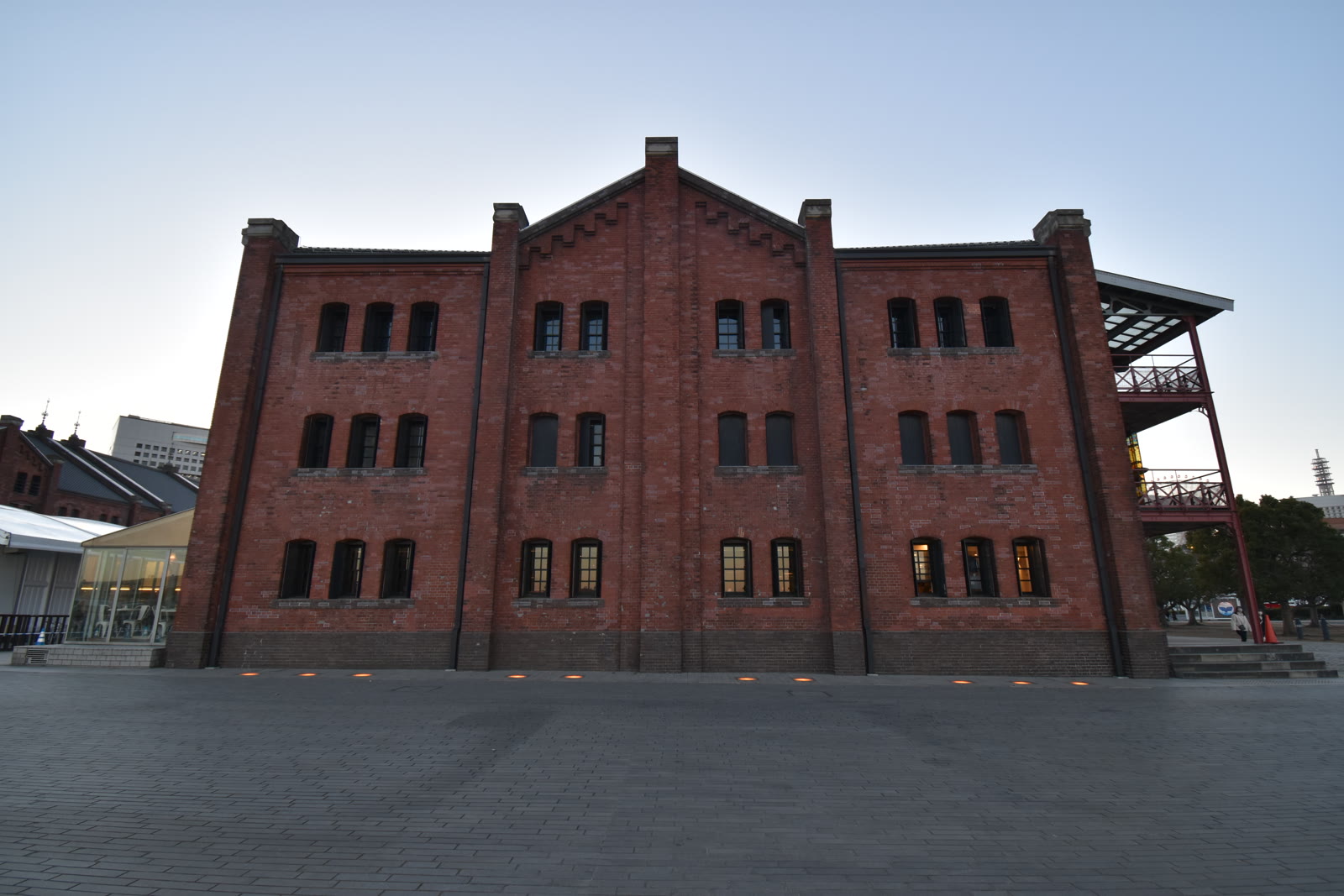 Fred Cherrygarden / CC BY-SA 4.0
History · Kanagawa★★
Yokohama Red Brick Warehouse
4.2 km · straight line
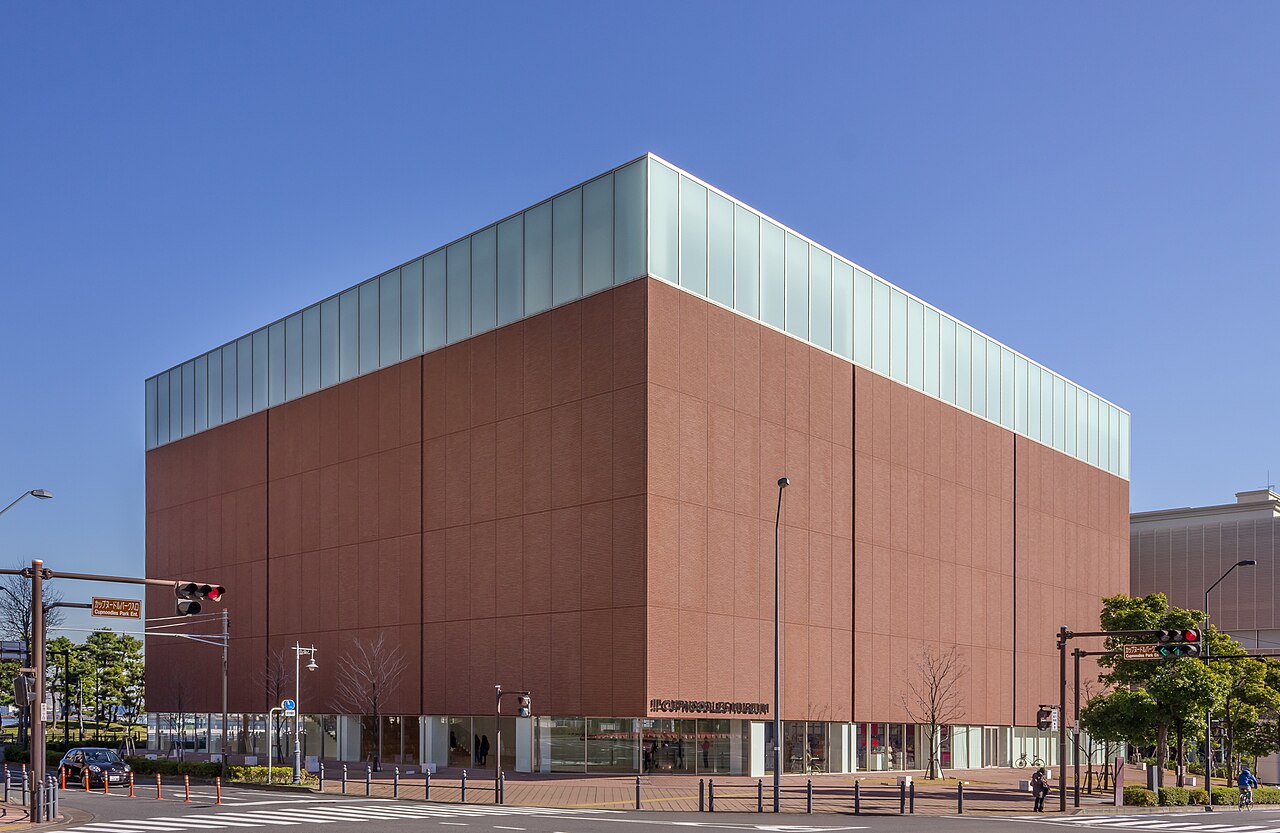 Kakidai / CC BY-SA 4.0
Food · Kanagawa★
The Cupnoodles Museum in Yokohama
4.7 km · straight line
On a curated routeYokohama, Garden to Harbour →
Distances are straight lines on the map, not travel times.