Shiga · Taga · Ema-doriNo.048★Open in map →
Taga Taisha's Ema-dori Approach
— where shops still cut mochi with thread
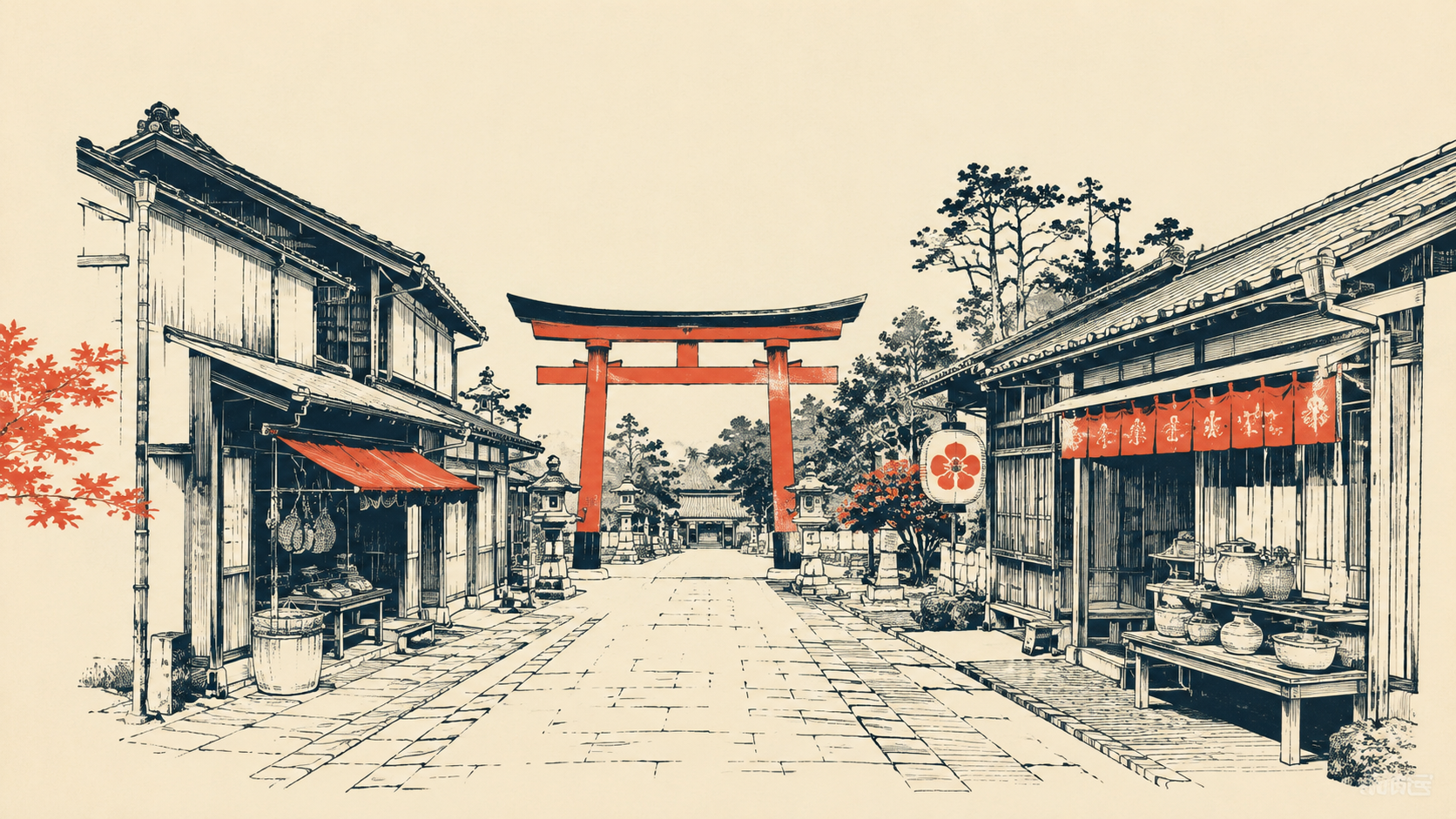
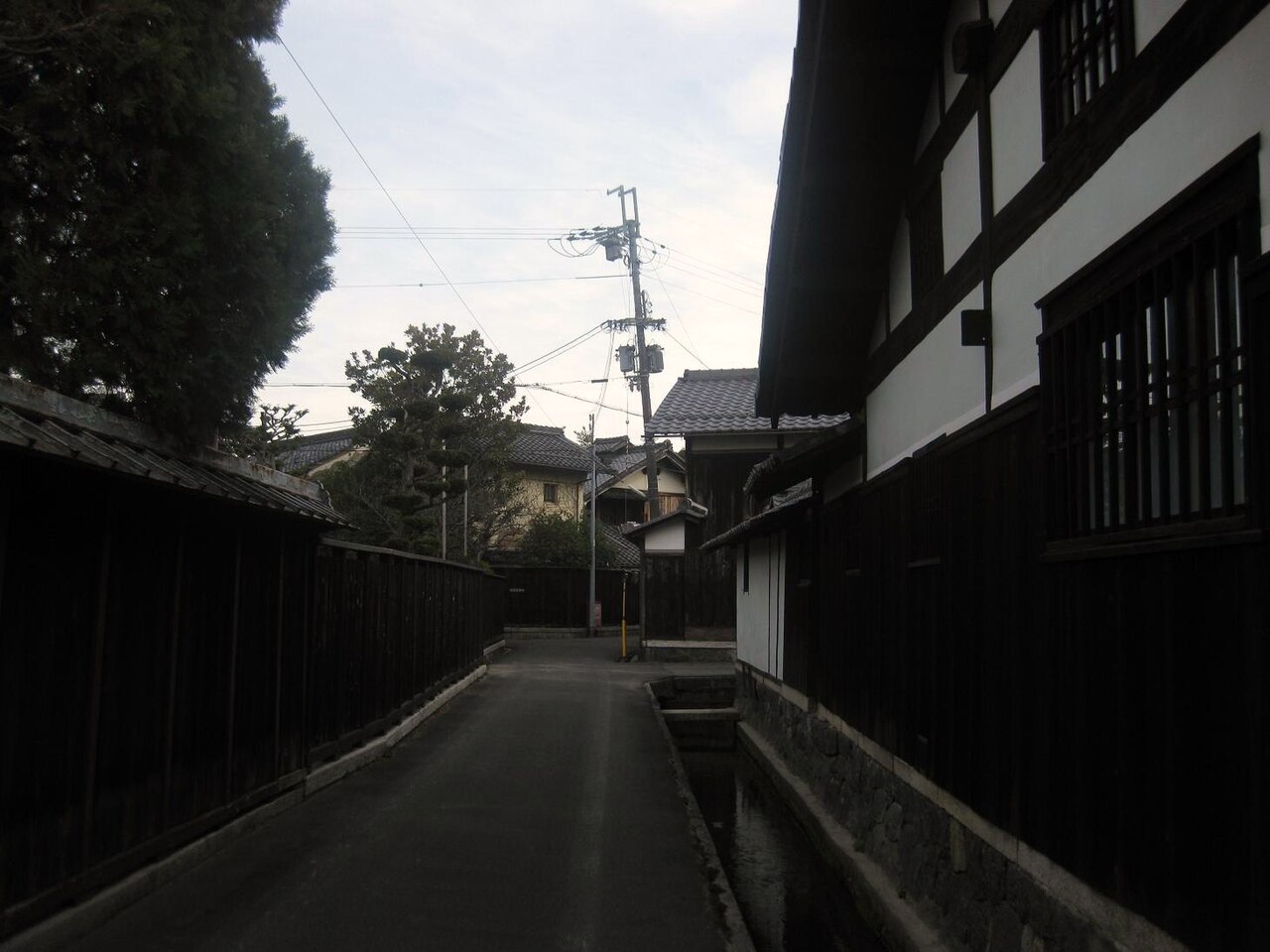
The old shop-lined street leading to Taga Taisha in Shiga. Known for itokiri-mochi — soft rice cake sliced with a taut thread instead of a knife.
- FromMaibara Stn
- ~45 mintrain (infrequent)
- Get off atTaga-Taisha-mae Stn
- On foot
- Taga Taisha's Ema-dori Approach
The sweet spot
The shrine sits at the end of a short single-track branch railway that most visitors never board, and its sweet and cutting method are very local, with little written about them for foreign visitors.
Where it is
21 more notes in Shiga · open the map →What to look for — in walking order
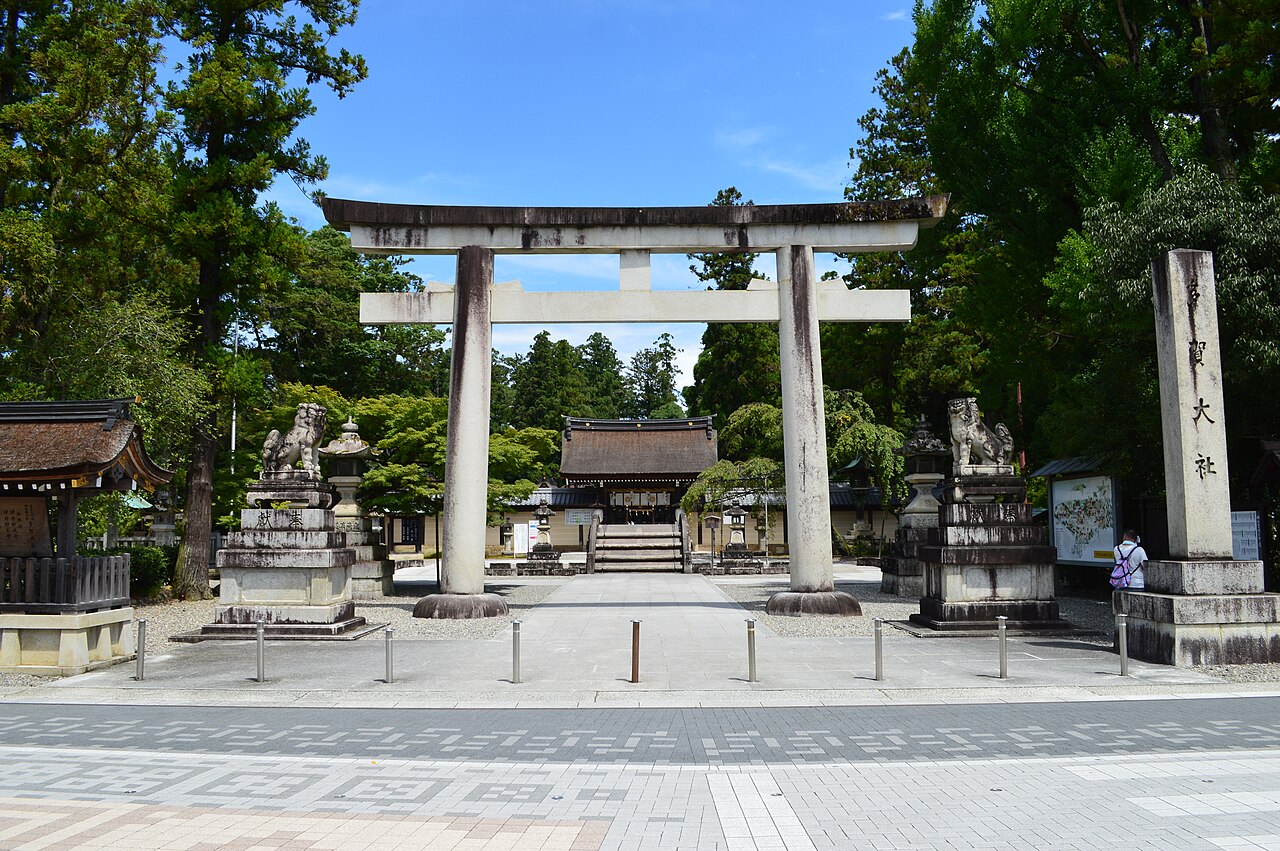
- The Ema-dori approachold wooden shopfronts and newer stores leading up toward the shrine
- Itokiri-mochisoft rice cake and red bean paste sliced with a thread, striped in white, blue and red
- Long-standing sweet shopsmakers such as Tagaya, carrying on the thread-cutting method at the shrine approach
- Taikobashi bridgethe steeply arched drum bridge at the shrine, funded by Toyotomi Hideyoshi
How to actually get there
- Maibara Station → Ohmi Railway toward Hikone / Takamiya (~20 min)
- Change at Hikone or Takamiya onto the Taga branch line (midday trains; some morning/evening trains run direct)
- → Taga-Taisha-mae Station, the last stop (~32 min total from Maibara)
- Walk up the approach street to Taga Taisha (~10-15 min)
- Maibara → Ohmi Railway → Taga-Taisha-mae
- From Maibara Station (a JR hub), transfer to the Ohmi Railway, a small private line. Take it to Taga-Taisha-mae Station, the last stop on the Taga branch. Total ride is about 32 min. Some morning and evening trains run direct; at midday you usually change trains once at Hikone or Takamiya. From Taga-Taisha-mae Station, walk up the approach street to the shrine, about 10-15 min. Trains are infrequent (roughly one an hour) — check the day's timetable before you leave.
- Return: trains thin out later in the day
- The branch railway runs only a few trains an hour and service ends in the evening. There are no fixed times we can promise here, so check the return departures on the posted timetable at Taga-Taisha-mae Station when you arrive.
About the place
Ema-dori is the main approach to Taga Taisha, running from a great torii gate near the station up to the shrine. Low wooden shopfronts and newer businesses line both sides, mixing everyday local shops with souvenir sellers. The street's signature sweet is itokiri-mochi: soft mochi wrapped around red bean paste and cut into pieces by pulling a thread rather than using a blade. Long-standing makers such as Tagaya keep this tradition going in front of the shrine, marking each cake with three colored stripes.
How to enjoy it
Walk the approach from the torii gate by the station up to the shrine, stopping to watch shops shape and cut the itokiri-mochi. Buy a box to eat the same day — the mochi is at its best fresh. Combine with a visit to Taga Taisha and its Taikobashi bridge.
Background & history
Taga Taisha enshrines Izanagi and Izanami, the couple who create the land in Japan's oldest myths, and is revered for blessings of long life and good relationships. The shrine appears in the earliest chronicles and drew pilgrims through the Muromachi period (14th–16th centuries), many stopping here on the way to Ise and Kumano. The warlord Toyotomi Hideyoshi funded a reconstruction and the steeply arched Taikobashi bridge, and the shrine garden is a nationally designated Place of Scenic Beauty. By tradition, itokiri-mochi dates to the 13th century, made in thanks after Japan turned back the Mongol invasions; its three stripes are said to recall the Mongol banner, and cutting with a thread avoided evoking the war.
Before you go
- Cash
- The Ohmi Railway is a small local line and many rural shops take cash only, so carry some coins and small bills. The mochi is best eaten the same day.
- Good to know
- This is a working shrine approach that people use to pray, so give way to worshippers, not just to the shops.
- Another way
- On a shrine festival day the narrow street fills up fast, so come early if you can.
- After you get off
- From Taga-Taisha-mae Station, walk straight up the approach street toward the great torii gate and on to the shrine, about 10-15 min on a paved lane.
Nearby notes
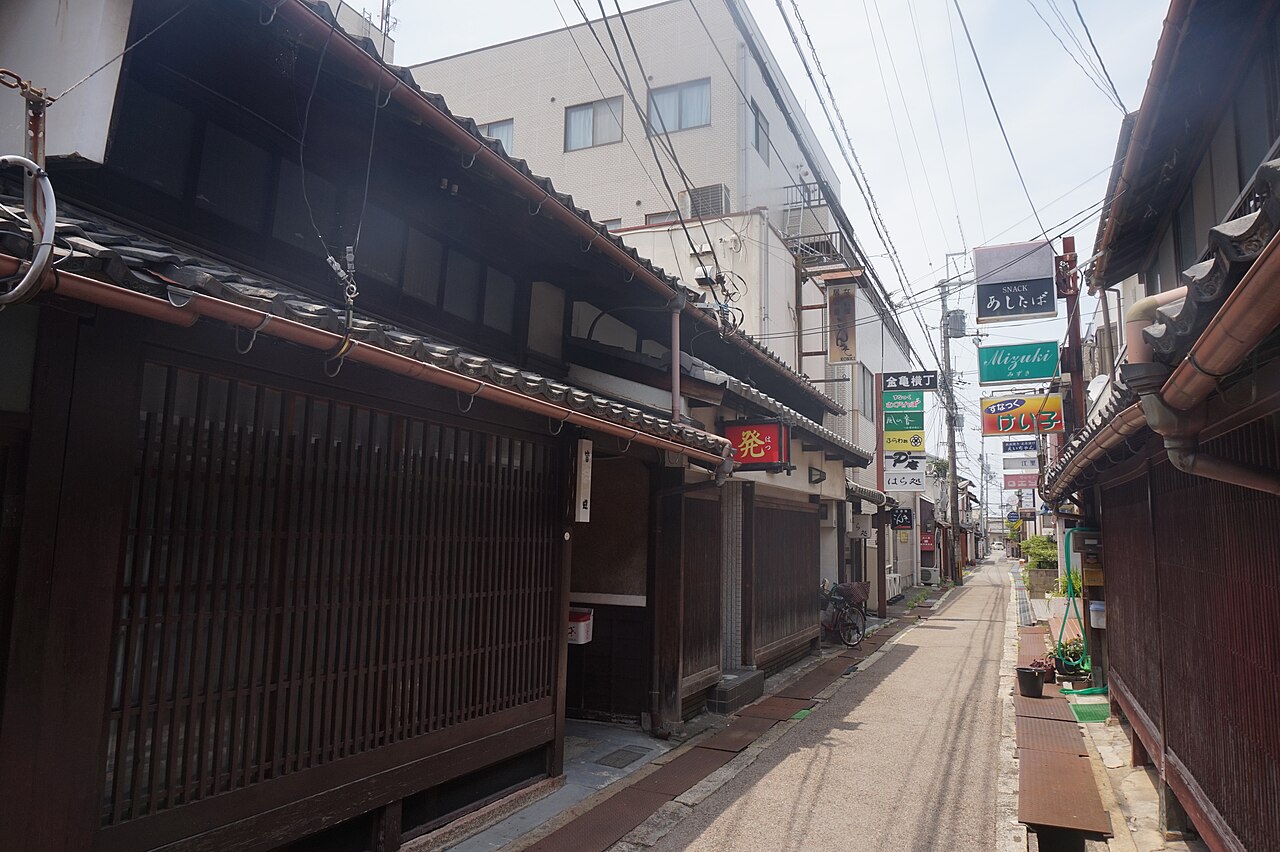 Kyoww / CC BY-SA 4.0
Local life · Shiga★
Kawaramachi-Serimachi
5.3 km · straight line
 User: (WT-shared) Shirakawa-yobune at wts wikivoyage / CC BY-SA 1.0
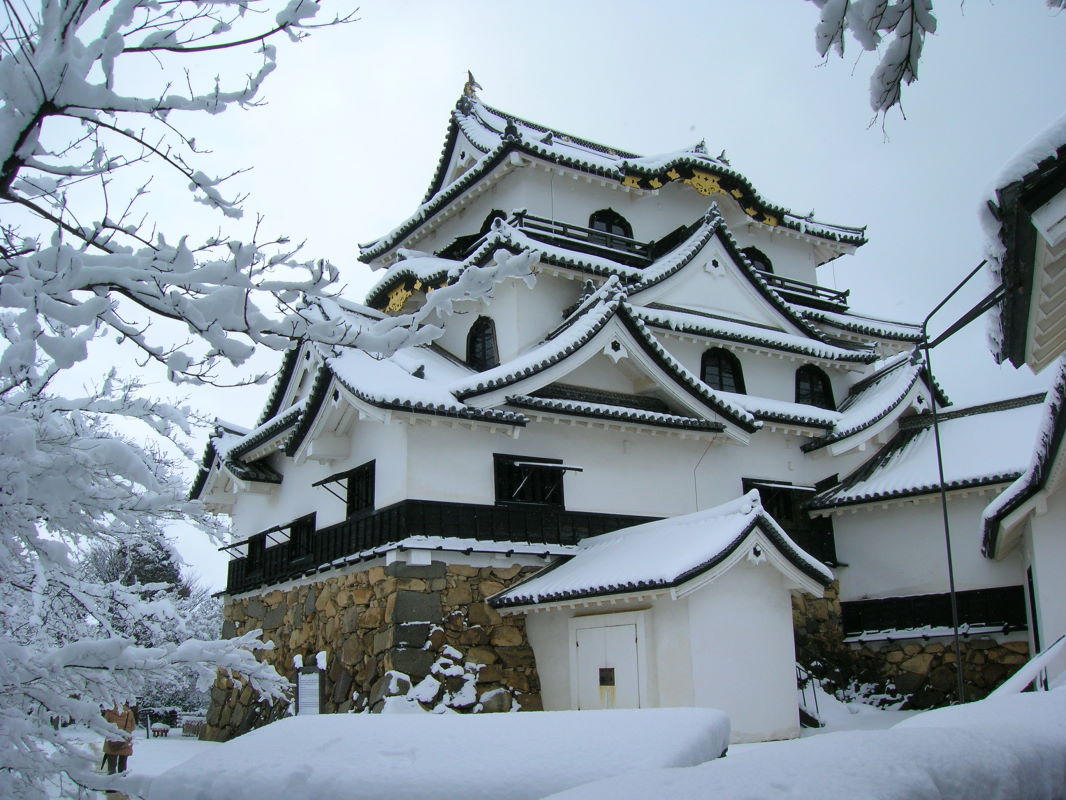
History · Shiga★★★
Hikone Castle
6.5 km · straight line
 Kyoww / CC0
History · Shiga★
Gokasho Kondo
12.5 km · straight line
 Asturio Cantabrio / CC BY-SA 4.0
Local life · Shiga★
Yu-ichiban-gai
17.5 km · straight line
Distances are straight lines on the map, not travel times.