Nara east · TsukigaseNo.056★Open in map →
Tsukigase Plum Grove
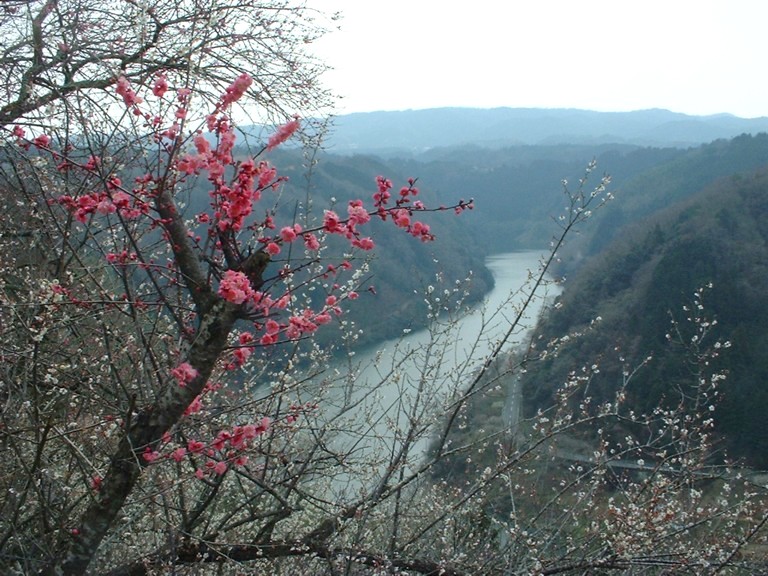
About 10,000 red and white plum trees follow the Satsuki River through the hills of eastern Nara City — an old dye-crop grove designated a national Place of Scenic Beauty in 1922.
- FromNara Stn
- ~80 minbus (infrequent)
- Get off atOyama bus stop
- On foot
- Tsukigase Plum Grove
The sweet spot
There is almost no English information about the grove, and it sits well off the main Nara tourist route: the direct bus from Nara takes about 80 minutes and mostly runs only during the few weeks of the plum festival, so most visitors never make the trip.
Where it is
32 more notes in Nara · open the map →What to look for — in walking order
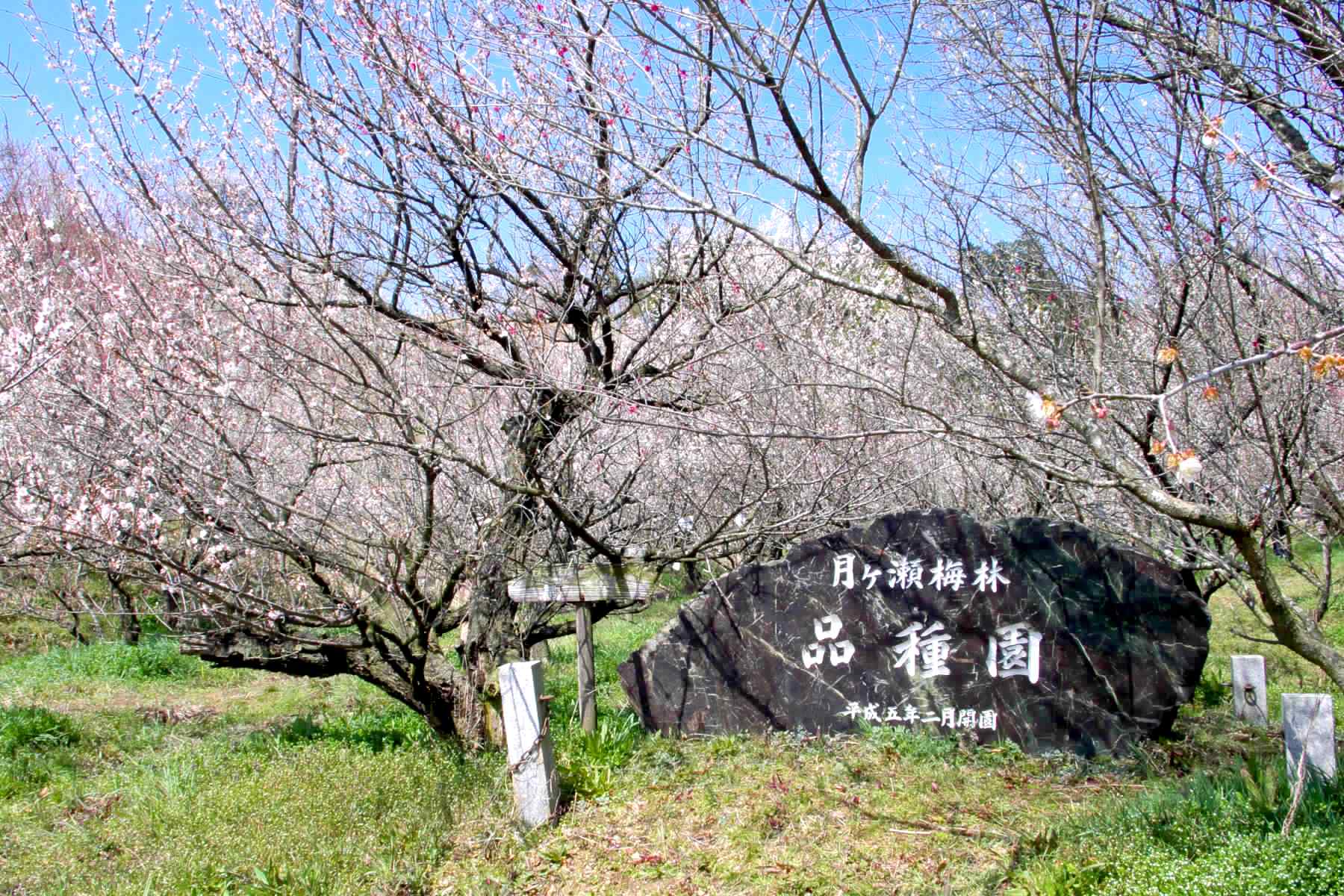
- Riverside plum pathsgorge-side lanes along the Satsuki River where the main concentration of trees grows
- ~10,000 plum treesred and white blossoms lining both banks of the valley, mid-February to late March
- Ubai dye heritagesmoke-cured plums once used to fix safflower red dye; one local maker still produces them
- Plum Festivalannual Ume Matsuri in February–March, with teahouses and local plum foods
How to actually get there
- JR Nara Station or Kintetsu Nara Station → Oyama stop (Nara Kotsu bus bound for Oyama, ~80 min).
- Off-season alternative: Nara → Kamo Station (JR Kansai Main Line, ~30 min).
- Kamo Station → Tsukigaseguchi Station (JR Kansai Main Line, ~10 min), then Mie Kotsu bus (~20 min).
- From Oyama stop → the riverside plum paths (walk down toward the river, ~10 min).
- Nara Kotsu bus (direct)
- JR Nara Station or Kintetsu Nara Station →(Nara Kotsu bus bound for Oyama or Ume-no-Sato Tsukigase Onsen, ~80 min)→ Oyama stop. This direct bus mostly runs only during the plum-festival weeks in March, and only a few times a day — check the day's timetable before you leave. Off-season, take a train instead (see the return note).
- Return the same way
- Take the Nara Kotsu bus back toward Nara Station from the Oyama stop. Buses here are infrequent and finish by late afternoon, so check the return times posted at the stop as soon as you arrive.
About the place
The rows of trees in Tsukigase Baikei trace the river bends and working slopes rather than any planned garden layout — because these plums were grown as a crop, not for ornament. From around the 15th century the fruit was smoke-cured to make ubai, an essential fixative for dyeing cloth with safflower. Demand peaked through the Edo period, then collapsed when chemical dyes arrived after the Meiji era. Only a single producer in Tsukigase still makes ubai today. Blossom season runs from about mid-February to the end of March, with some 3,000 cherry trees extending the flowering season into early April.
How to enjoy it
Walk the gorge-side plum paths along the Satsuki River during the blossom season — mid-February to late March is the main window, with cherries carrying the colour into early April. The direct festival bus from Nara Station runs mostly during the peak weeks in March; check the day's timetable before you go. Roughly 3 km of riverside lanes connect the main viewing areas, with teahouses open during the festival period.
Background & history
The valley was designated a national Place of Scenic Beauty in 1922, among the earliest such designations in Japan. A stone monument carries a plum verse attributed to the poet Bashō, though no firm evidence places him here. The grove's scale came from the ubai trade, which drove planting along every usable slope and riverbank through the Edo period (1603–1868).
Before you go
- Cash
- Rural buses in this area are often cash-only, so carry small coins and notes just in case.
- Good to know
- The trees stand on working orchard land, so keep to the marked riverside paths.
- Another way
- Outside the festival weeks, go by train: JR Kansai Main Line from Nara, change at Kamo Station for Tsukigaseguchi Station (~40 min), then a Mie Kotsu bus (~20 min). A taxi from Tsukigaseguchi Station is the reliable fallback when buses are sparse.
- After you get off
- From the Oyama stop it is a short walk down toward the river and onto the gorge-side plum paths — about 10 minutes on paved lanes.
Nearby notes
 Wikiwikiyarou / CC BY-SA 3.0
History · Kyoto★
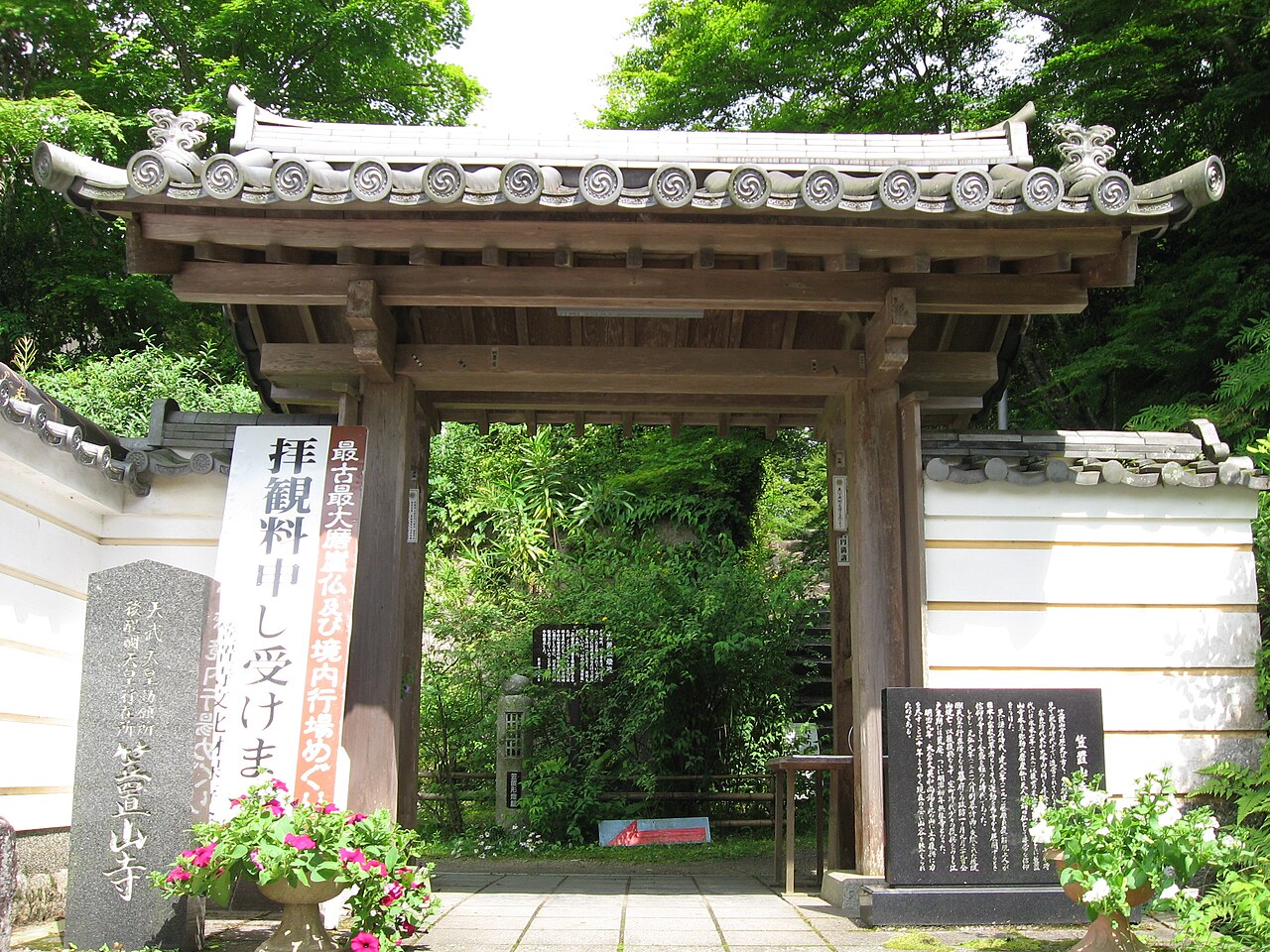
Mount Kasagi & Kasagi-dera
10.3 km · straight line
 Asturio Cantabrio / CC BY-SA 4.0
History · Mie★★
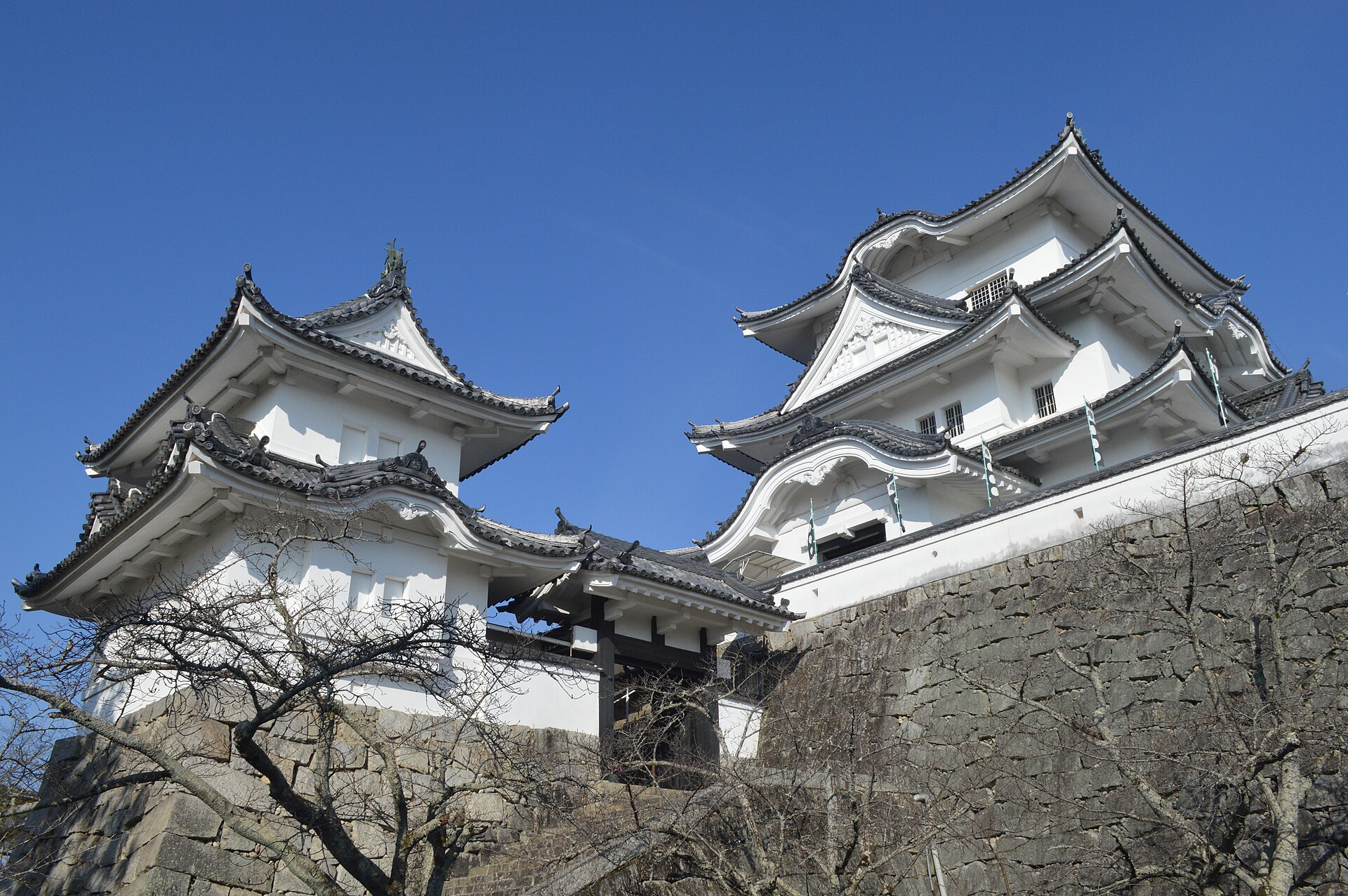
Iga Ueno Castle and the Ninja Museum
10.6 km · straight line
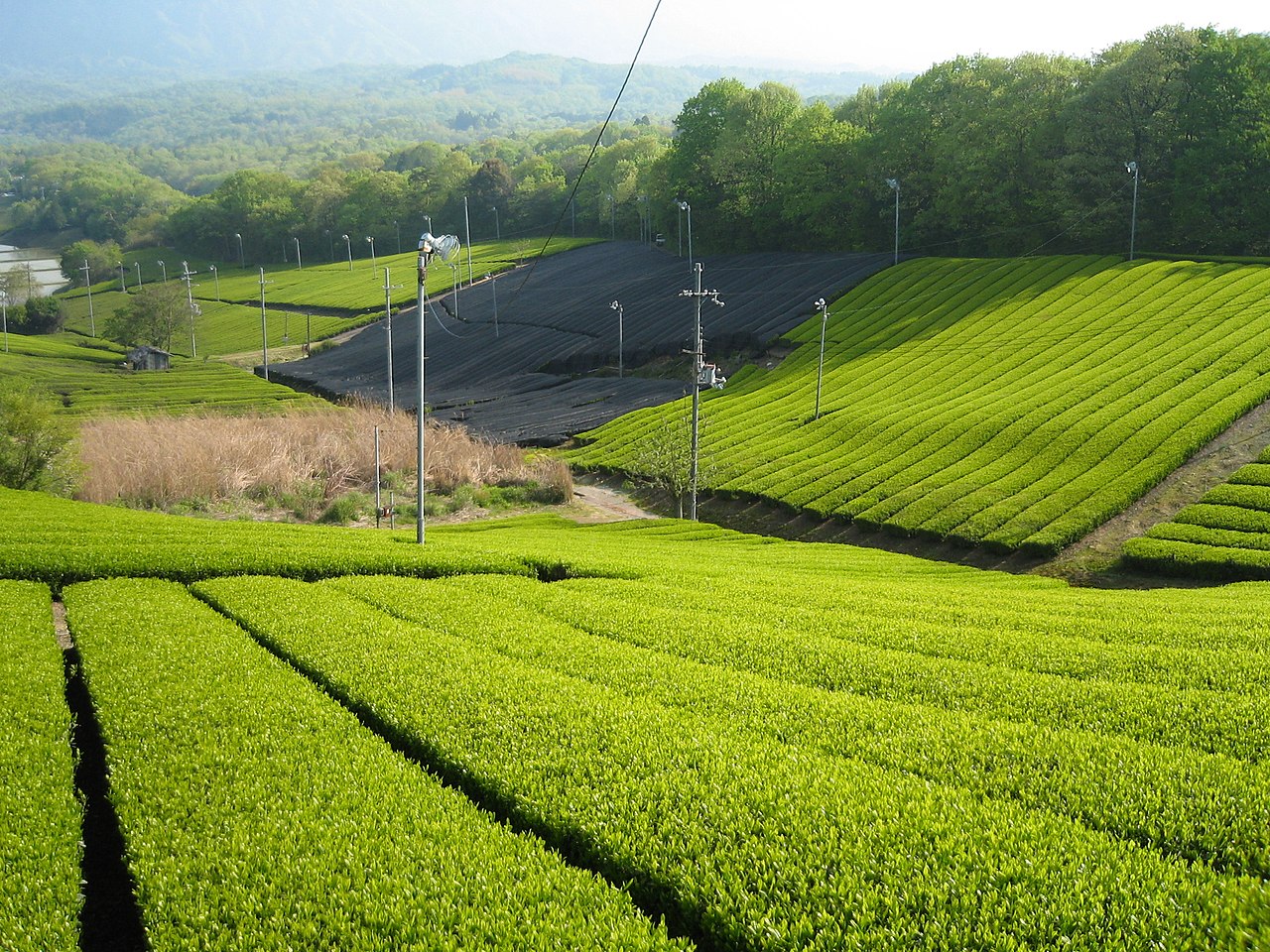 vera46 / CC BY 2.0
Nature · Kyoto★
Dosenbo
12.1 km · straight line
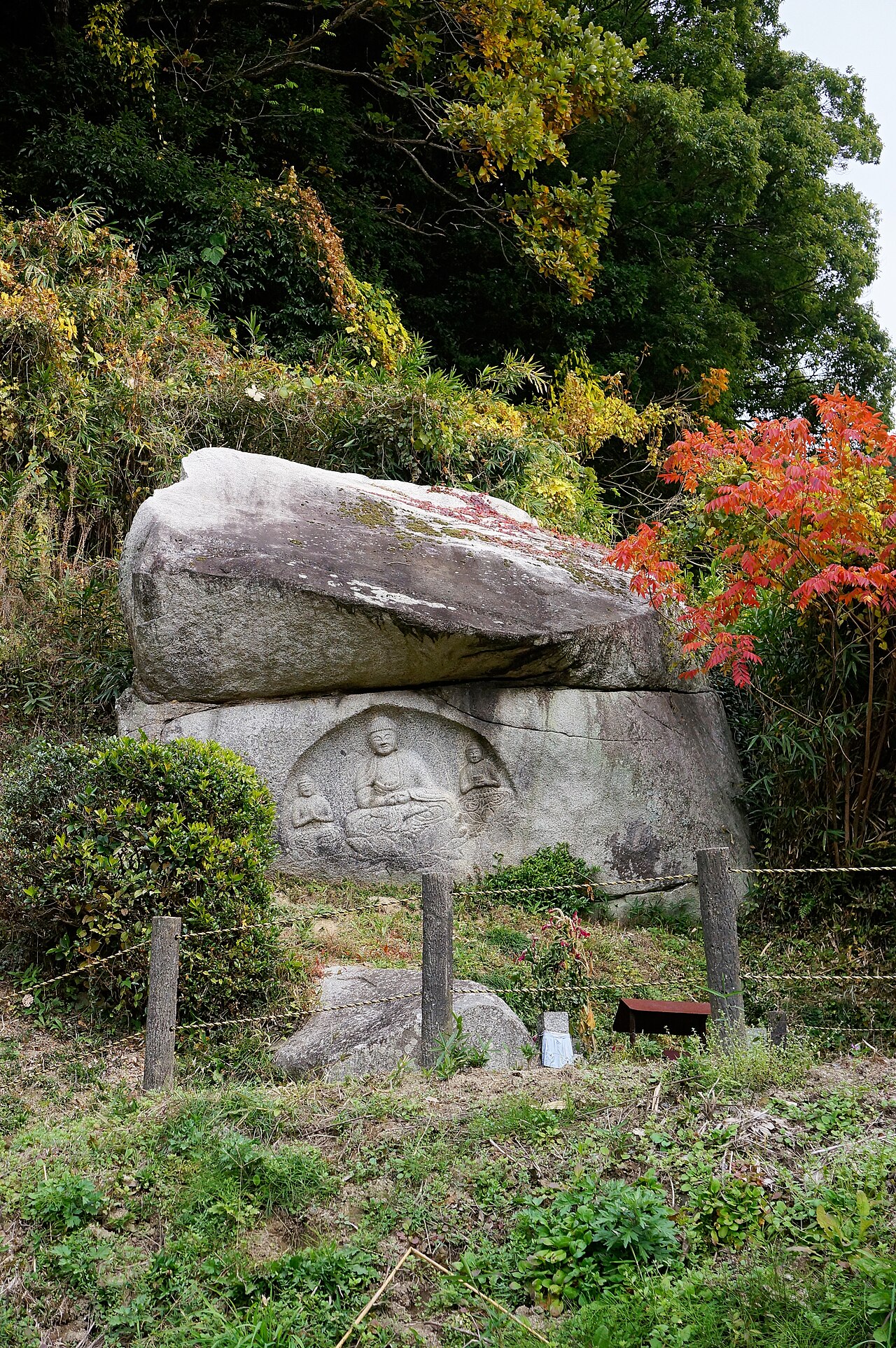 663highland / CC BY 2.5
History · Kyoto★
Tono Stone Buddha Walk
14.3 km · straight line
Distances are straight lines on the map, not travel times.