Mie · Shima · Ago BayNo.347★★Open in map →
Yokoyama Observatory
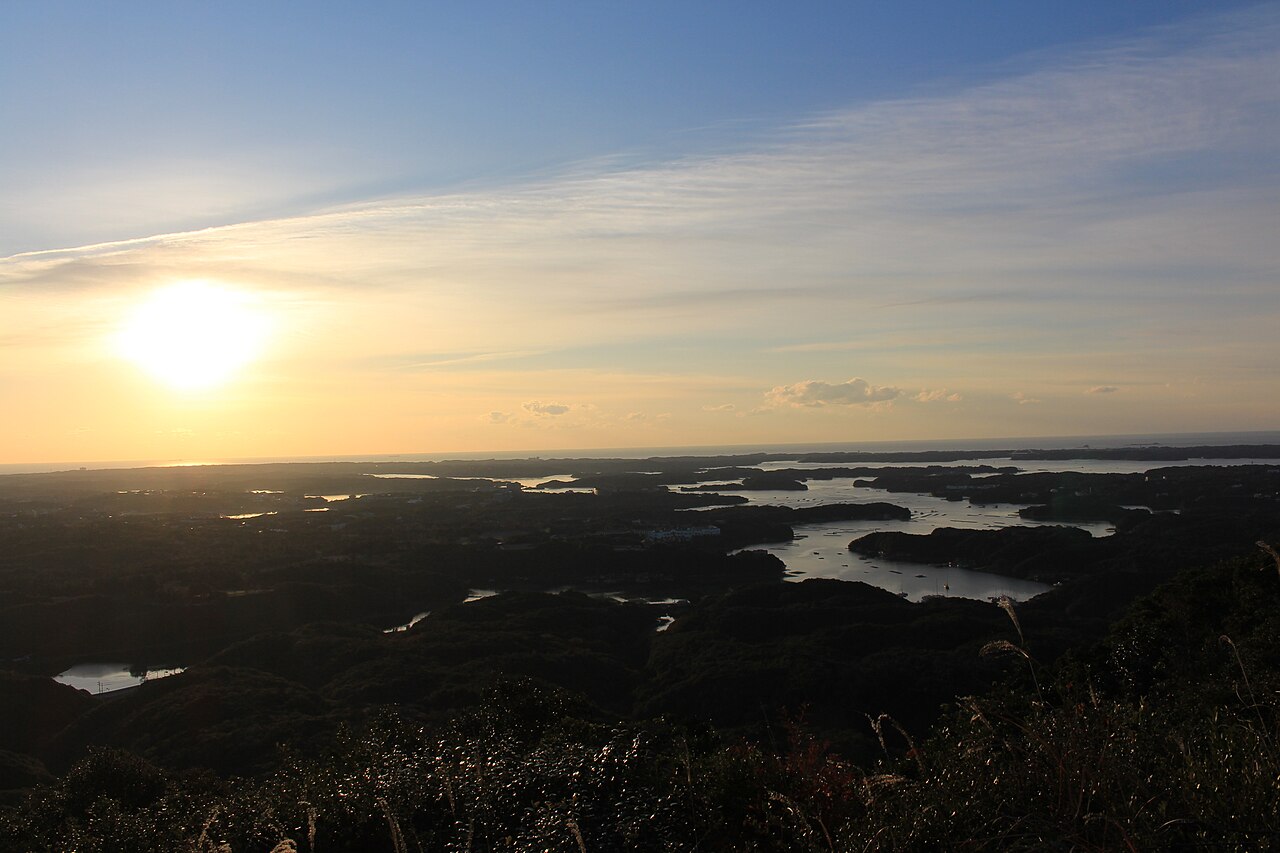
A set of viewing decks about 140 metres above sea level on Mt. Yokoyama in Shima, Mie, looking down over the ria coastline and scattered islands of Ago Bay within Ise-Shima National Park.
- FromNagoya Stn
- ~10 minexpress + 10 min taxi
- Get off atUgata Stn (Kintetsu Shima Line)
- From there
- Yokoyama Observatory
The sweet spot
Ise-Shima gets a steady flow of domestic visitors but the foreign share drops sharply once you pass Ise Jingu, and Yokoyama is a further step out from the main hotel cluster at Kashikojima. The view is the single image that defines the national park, and on a weekday you may have a deck to yourself.
Where it is
17 more notes in Mie · open the map →What to look for — in walking order
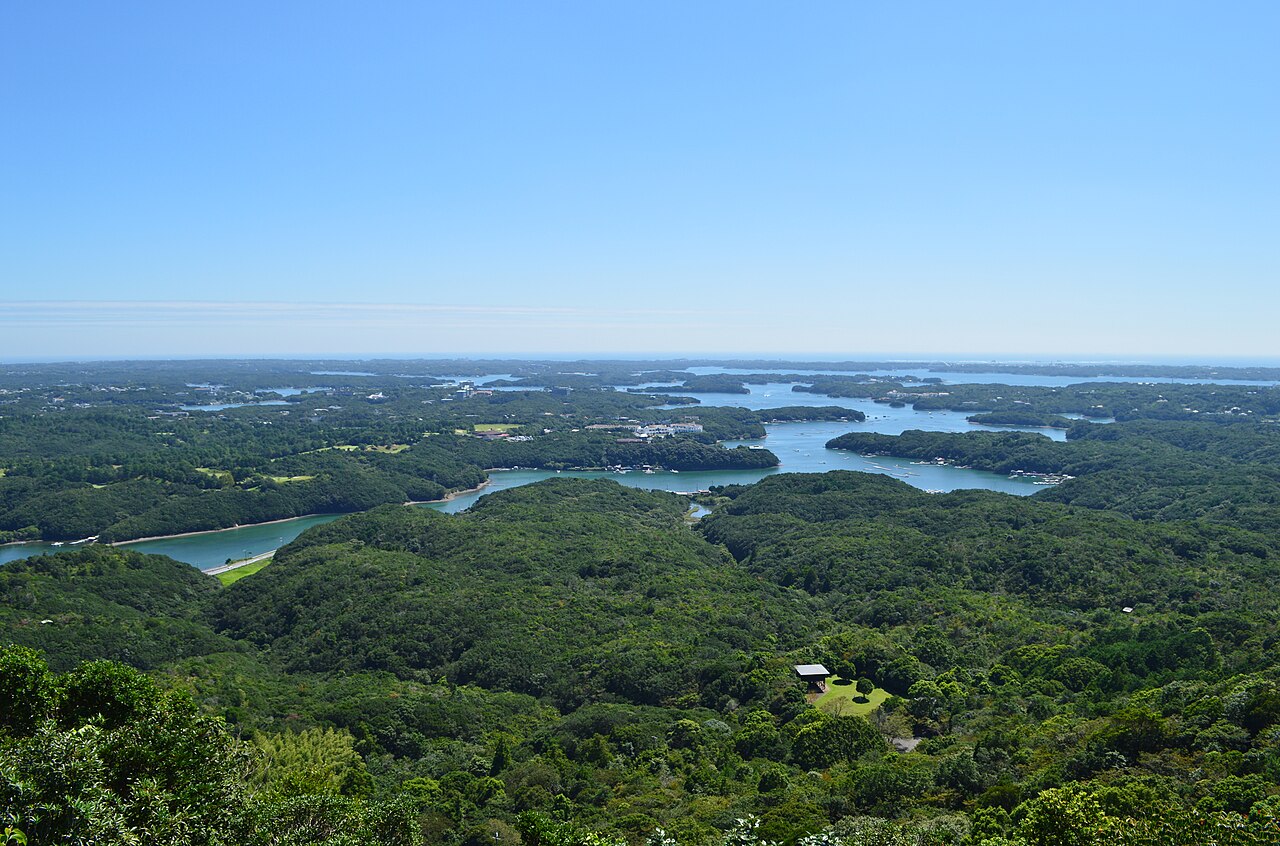
- The Ago Bay Terracethe main deck, with the widest sweep of the bay's inlets and islands laid out below
- The pearl raftsthe rectangular grids on the sheltered water — the working pearl farms the bay is known for
- Yokoyama Tenku Cafe Terracethe cafe deck with seating turned to face the view, set into the ridge below the main platform
- Yokoyama Visitor Centerthe Ministry of the Environment centre at the foot of the hill, free, with exhibits on the national park and the trailheads
How to actually get there
- Kintetsu Nagoya Stn → Ugata Stn (Kintetsu Limited Express toward Kashikojima, ~2 hr; reserved seat ticket required).
- Ugata Stn → Yokoyama Visitor Center (taxi, ~10 min).
- Visitor center → observatory decks on foot up the signed path.
- Nagoya Stn → Ugata Stn, then taxi (Kintetsu Limited Express)
- From Kintetsu Nagoya Station take a Limited Express toward Kashikojima and ride to Ugata Station, the main station for Shima City — about 2 hours. A reserved seat ticket is required in addition to the fare. From Ugata Station a taxi reaches the Yokoyama Visitor Center at the foot of the hill in about 10 minutes; from the center, follow the signed path up to the decks.
- Taxi back to Ugata Stn, then the Limited Express
- Walk back down to the visitor center and take a taxi to Ugata Station, then the Kintetsu Limited Express toward Nagoya or Osaka. Taxis do not wait at the visitor center, so ask your driver to return at a set time or arrange a pickup before you walk up — mobile signal on the ridge is usable but do not rely on it. If you stay for sunset, plan the return before you go up.
About the place
Ago Bay is a ria coast — a river valley system drowned by rising sea, which is why the water reaches so far inland in so many fingers and why dozens of small wooded islands stand in it. From sea level you cannot read the shape at all. From the decks on Mt. Yokoyama, about 140 metres up, the whole system resolves at once: inlets, islands, the narrow channels between them, and the rectangular grids of pearl rafts still working the sheltered water. The observatory was rebuilt and extended in 2018 into a set of linked decks — the Ago Bay Terrace, a panorama deck, and the Yokoyama Tenku Cafe Terrace with seating that faces the view. At the foot of the hill, the Yokoyama Visitor Center, run by the Ministry of the Environment, explains the national park and marks the start of the walking trails. Everything except the cafe is free.
How to enjoy it
Allow two hours from Ugata Station including the climb and time on the decks. Arrive about an hour before sunset: the low light picks out the channels between the islands, and the bay turns copper as the sun drops behind the headlands. Walk between the linked decks rather than stopping at the first one — the angles differ enough to be worth the extra ten minutes. Clear winter mornings sometimes bring a sea of cloud over the inlets. Kashikojima, one stop further down the line, has the bay cruises and most of the area's hotels, which makes an overnight here easy to arrange.
Background & history
Ago Bay's landscape is the product of drowned river valleys, and the sheltered water it created made the bay the birthplace of Japan's cultured pearl industry — the rafts visible from the decks are the working remains of that trade. The area lies within Ise-Shima National Park, designated in 1946. Yokoyama's decks were rebuilt and extended in 2018, adding the cafe terrace and a series of linked viewpoints along the ridge. The region's international profile rose sharply when the 2016 G7 summit was held on Kashikojima, the island at the mouth of the bay.
Before you go
- Cash
- The observatory and the visitor center are free; only the cafe terrace charges. Taxis take cash and usually cards, but confirm when you board. The Kintetsu Limited Express requires a separate reserved seat ticket, bought at the station.
- Good to know
- The decks are outdoors and exposed, with no shelter from wind or rain on the ridge. The cafe keeps set hours and closes well before dark, so bring water if you are staying for sunset. The walking path up from the visitor center is paved but continuously uphill.
- Another way
- By local train, Shima-Yokoyama Station is one stop from Ugata and puts you at the foot of the climb; from there it is roughly 40 minutes on foot uphill to the decks. Limited Express trains do not stop at Shima-Yokoyama, so this route needs a local service. Kashikojima, the bay's hotel and ferry hub, is one stop beyond Ugata.
- After you get off
- From Ugata Station, take a taxi to the Yokoyama Visitor Center (about 10 minutes); the signed path to the observatory decks starts beside the center building.
Nearby notes
 Oilstreet / CC BY 2.5
History · Mie★★★
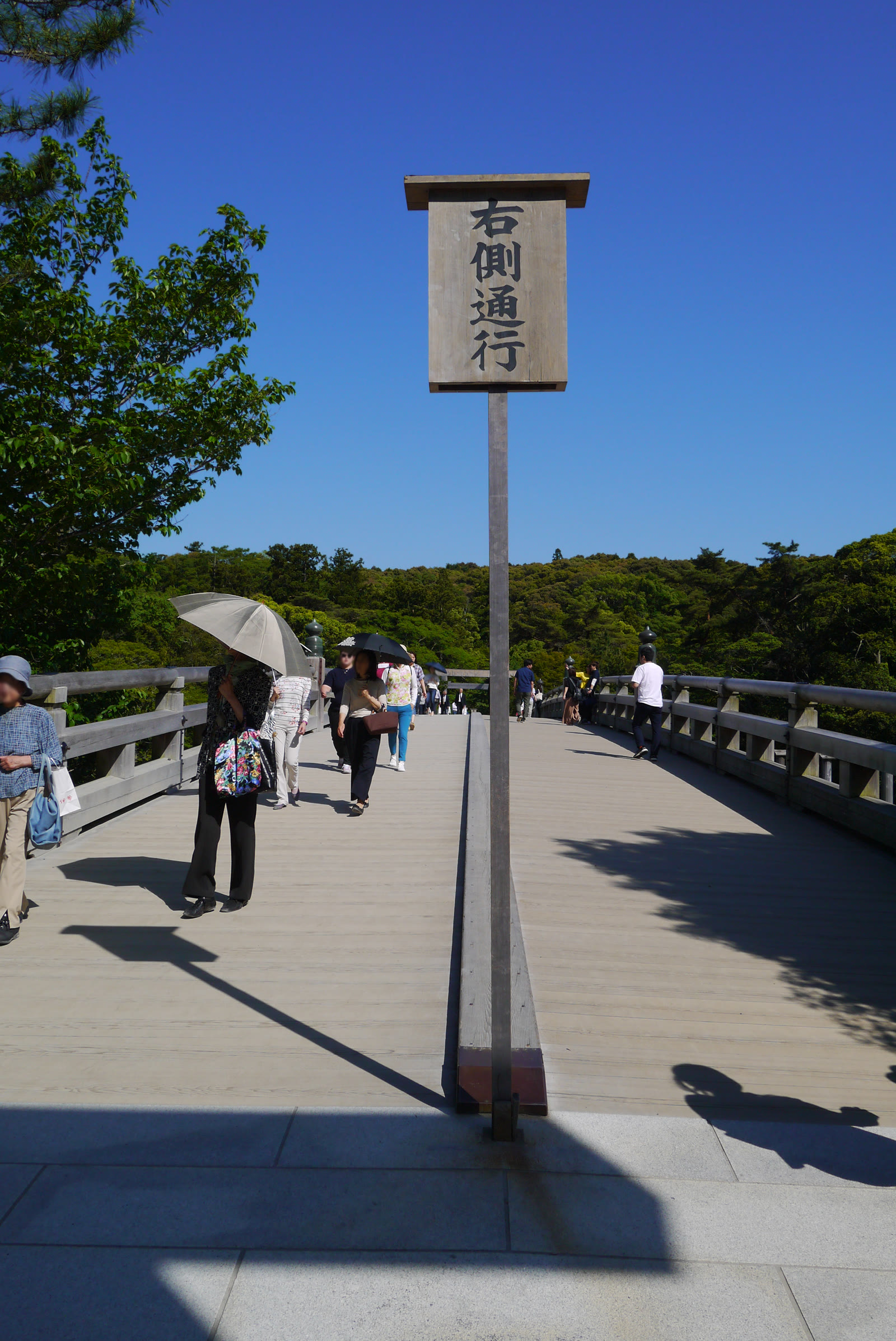
Ise Jingu Naiku & Oharai-machi
15.3 km · straight line
 imgdive / CC BY 2.0
Food · Mie★★
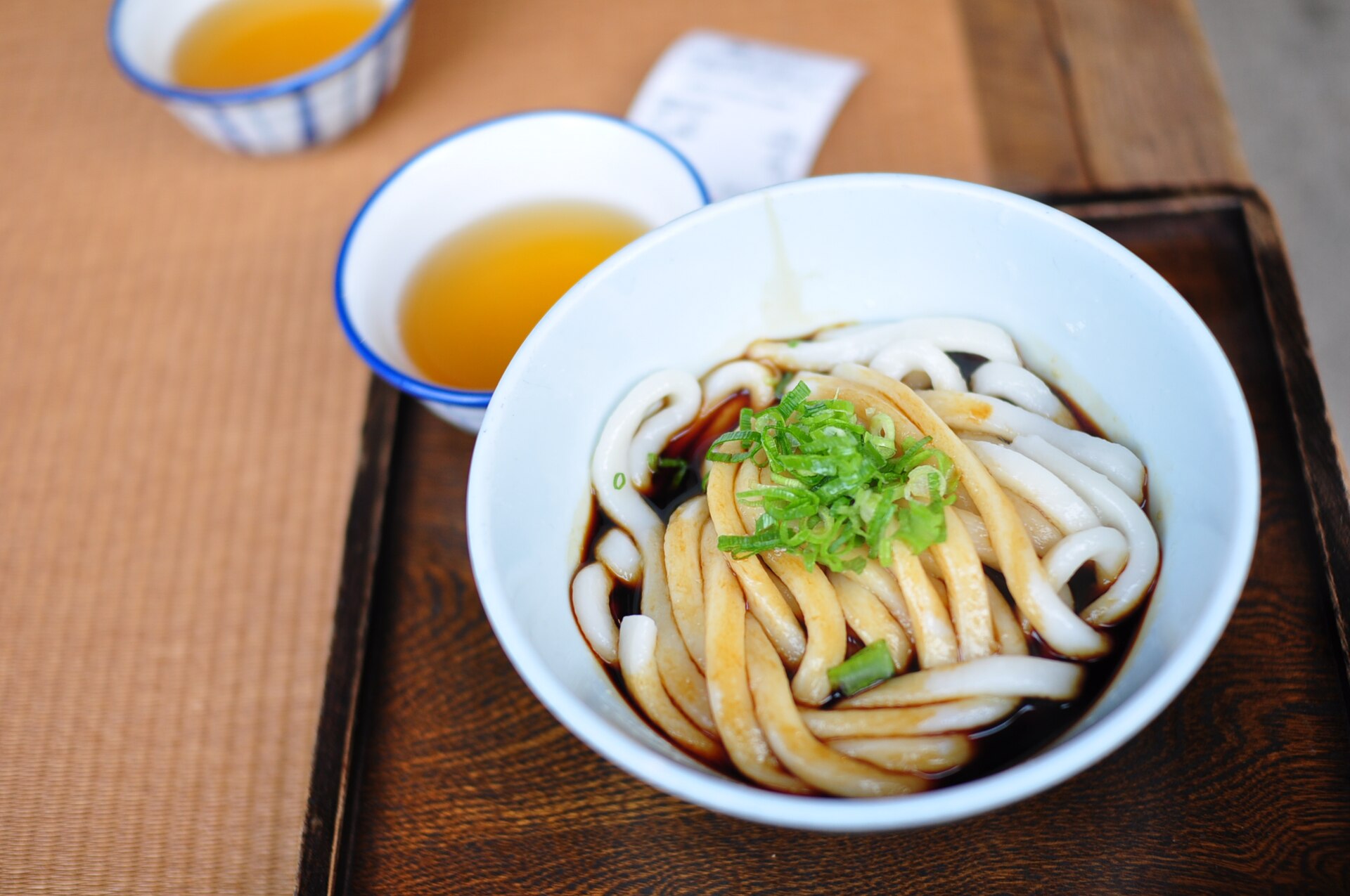
Ise Udon
16.1 km · straight line
 Miyuki Meinaka / CC BY-SA 3.0
Nature · Mie★★
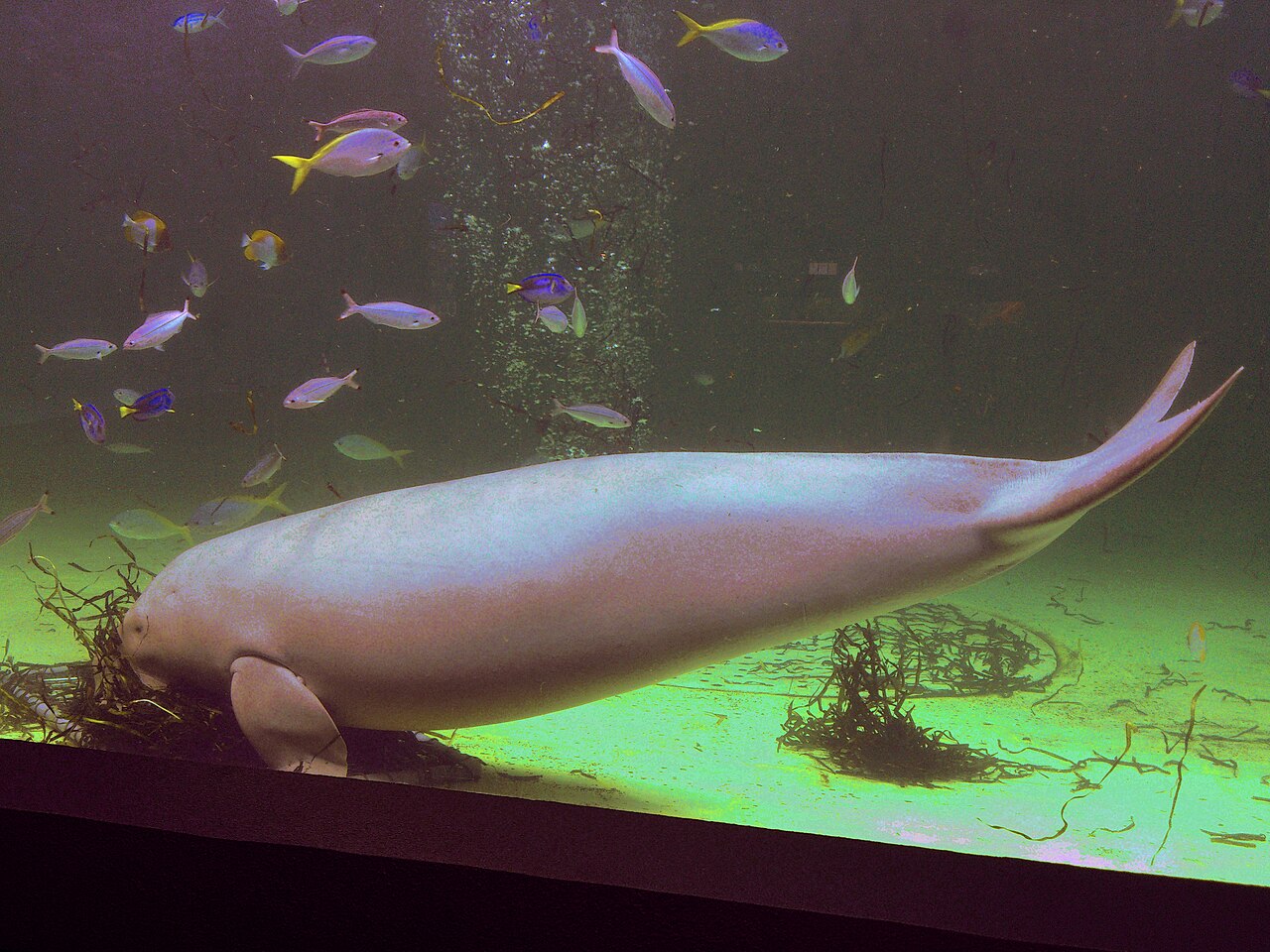
Toba Aquarium
17.2 km · straight line
 Ganokure / CC BY-SA 4.0
Craft · Mie★★★
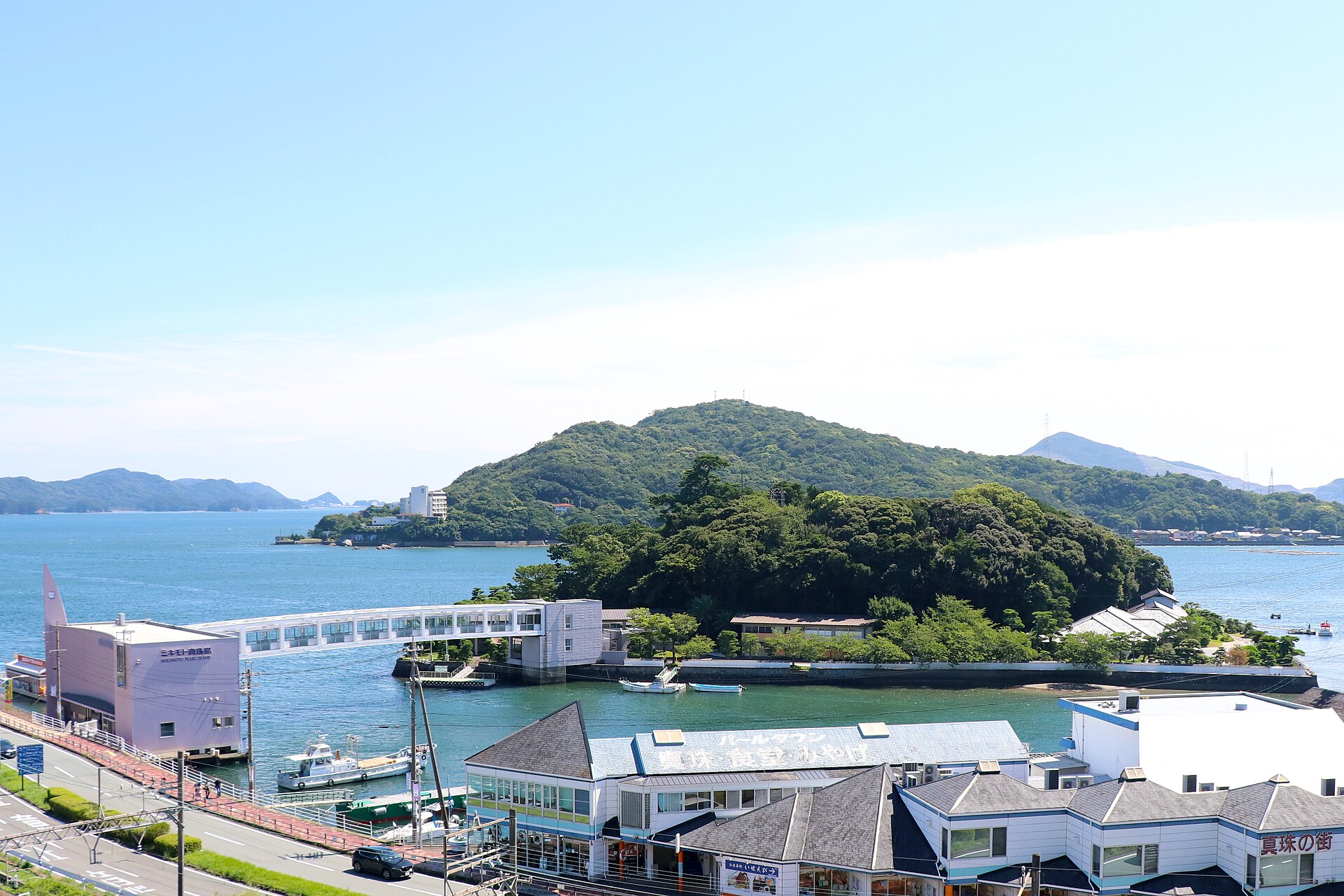
Akoya Pearls
17.4 km · straight line
Distances are straight lines on the map, not travel times.