North Kyoto · MurasakinoNo.219★★★Open in map →
Daitoku-ji Temple
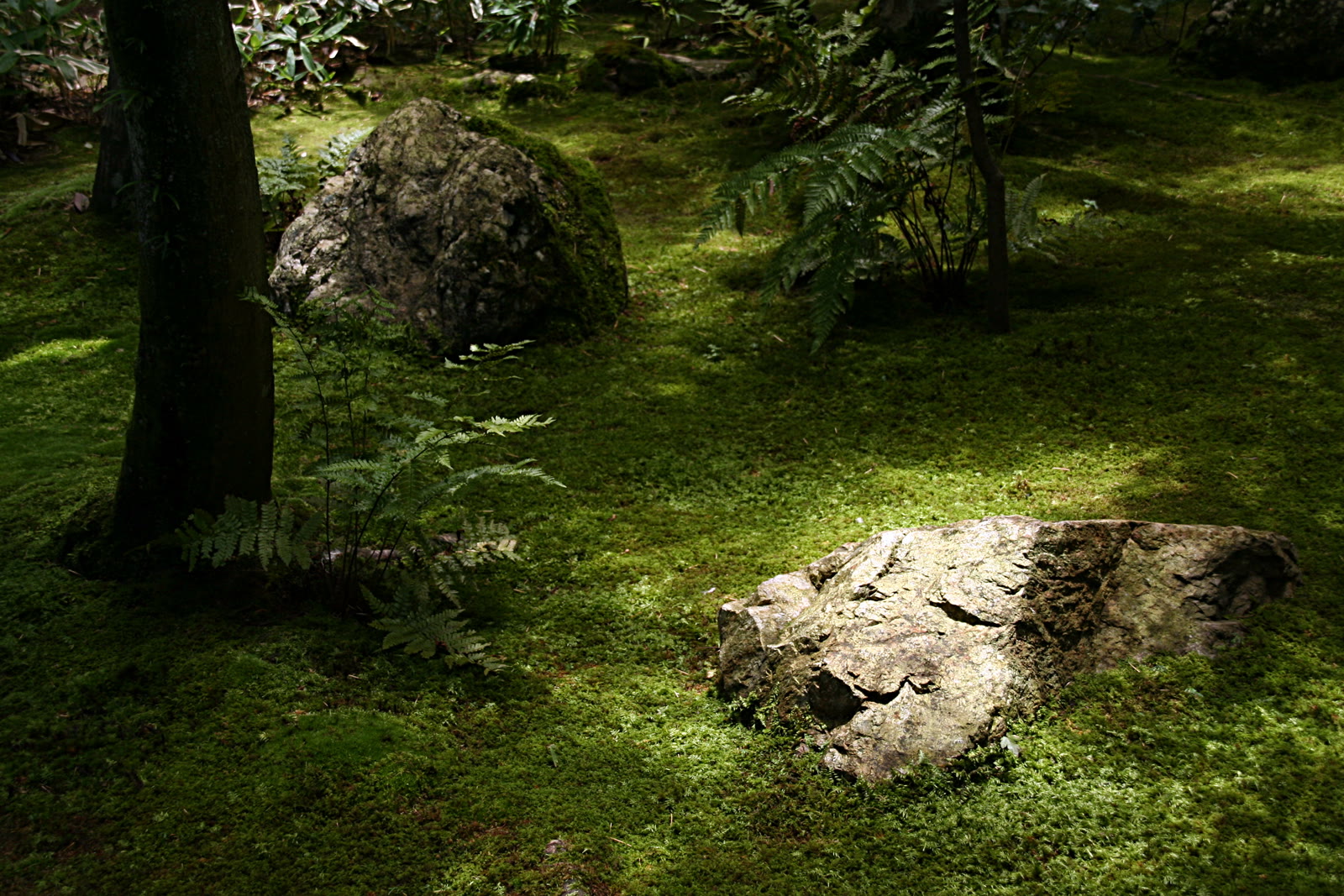
A walled complex of 22 sub-temples in northwest Kyoto, each with its own dry-landscape (karesansui) garden. Daitoku-ji is the site where Oda Nobunaga's funeral was held, where Sen no Rikyu created the tea ceremony as it is known today, and where some of the best Zen gardens in Japan are quietly maintained.
- FromKyoto Stn
- ~30 minbus ~30 min
- Get off atDaitokuji-mae bus stop (City Bus 205 or 206)
- On foot
- Daitoku-ji Temple
Where it is
90 more notes in Kyoto · open the map →What to look for — in walking order
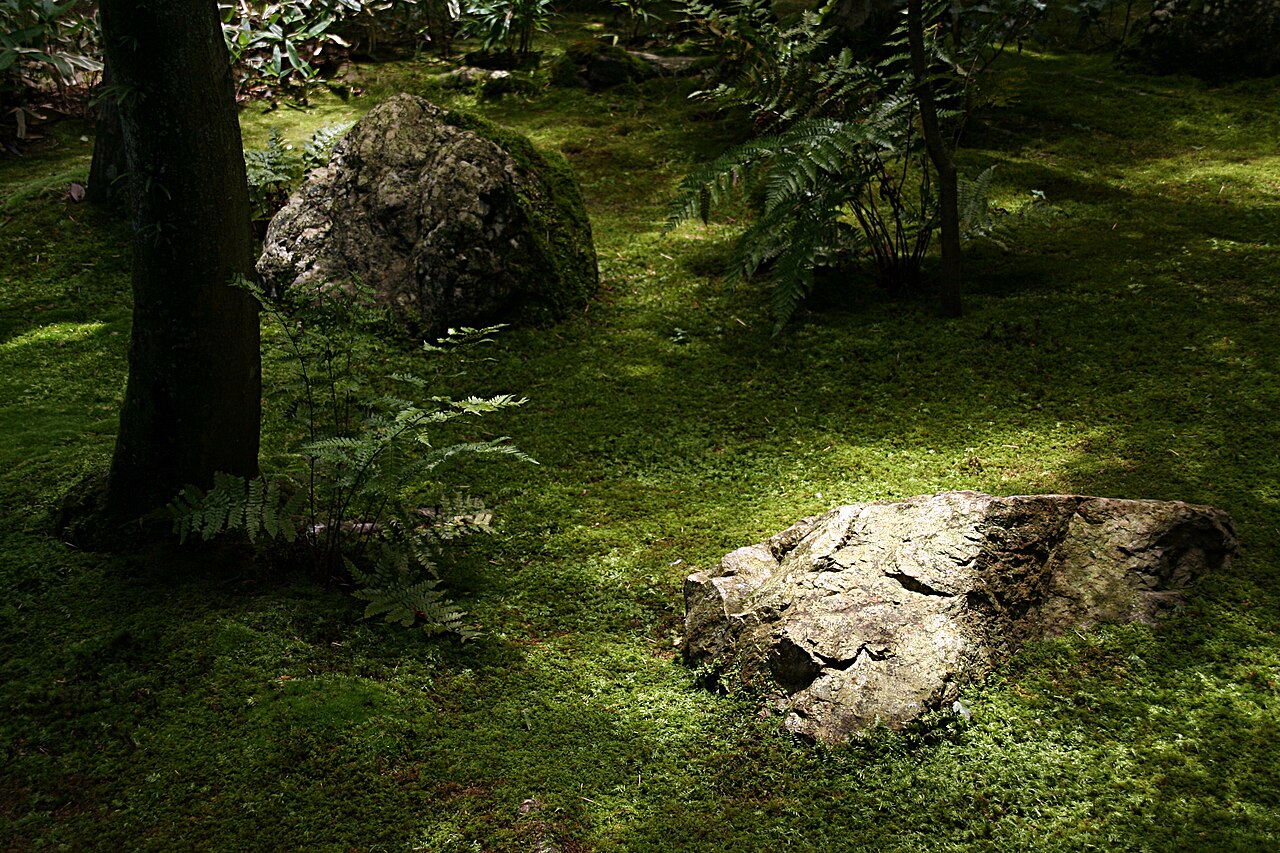
- Koto-in sub-templea 1601 sub-temple by Hosokawa Tadaoki; celebrated for its maple-lined approach and a minimalist stone-lantern garden
- Daisen-in sub-templea 1509 sub-temple with one of Kyoto's finest Muromachi-period karesansui gardens — mountain, river, and sea rendered in stones and sand
- Ryogen-in sub-templeholds five different dry gardens including Totekiko, the smallest Zen rock garden in Japan; founded 1502
- Zuiho-in sub-templefounded by a Christian daimyo; one garden has a rock arrangement in the shape of a cross, partly concealed
How to actually get there
- Kyoto Station → City Bus 205 or 206 → Daitokuji-mae bus stop (~30–40 min).
- Walk north ~3 min → main outer gate → internal lanes of the complex.
- Visit 2–3 sub-temples of choice (Koto-in / Daisen-in / Ryogen-in / Zuiho-in); each has separate entry.
- City Bus 205 or 206 to Daitokuji-mae
- Kyoto Station → (City Bus 205 or 206, ~30–40 min) → Daitokuji-mae bus stop → walk north about 3 minutes to the main entrance. Bus 205 departs from Kyoto Station Bus Terminal (stop D2) and passes through central Kyoto. Alternatively, take the Subway Karasuma Line to Kitaoji Station and walk west about 12 minutes, or transfer to Bus 206 at Kitaoji Bus Terminal for 2 stops.
- Bus 205/206 back to Kyoto Station, or subway from Kitaoji
- Take City Bus 205 or 206 from Daitokuji-mae back to Kyoto Station, or walk east to Kitaoji Station (Subway Karasuma Line) for a faster ride south (~13 min to Kyoto Station).
About the place
The walled lanes of Daitoku-ji stretch over several blocks of northwest Kyoto, with sub-temple gates opening off the main paths at intervals. Walking in from the bus stop, the first impression is of scale: the complex is much larger than a single temple visit, and the hush inside the walls is different from the street outside. The dry gardens at Daisen-in pack a symbolic landscape — mountain, valley, river, sea — into a space the size of a room, the raked sand and chosen stones expressing the Zen idea of the universe in miniature. Koto-in's garden has almost nothing in it: a stone lantern, moss, a rectangle of raked gravel, and the maple leaves in November. Sen no Rikyu's connection to this place runs through every corner — the tea house principles of simplicity and restraint took form here.
How to enjoy it
The four year-round sub-temples each charge separate admission: Ryogen-in (350 yen), Zuiho-in (400 yen), Daisen-in (500 yen), Koto-in (600 yen). The main temple grounds and internal lanes between sub-temples are free to walk. Plan 1.5–2 hours to visit two or three sub-temples without rushing. Koto-in's maple-lined approach is particularly celebrated in autumn. Some additional sub-temples open during spring and autumn special openings — check schedules in advance. Photography rules vary by sub-temple; gardens are generally photographable from the veranda.
Background & history
Daitoku-ji was founded as a Rinzai Zen monastery in 1315 by the monk Daito Kokushi. It rose to prominence during the Muromachi period (14th–16th century) under the patronage of emperors and shoguns. Sen no Rikyu, the central figure in the development of the Japanese tea ceremony, had deep ties to Daitoku-ji — he paid for the Sanmon (main gate) to be rebuilt in the 1580s, adding a statue of himself on the second floor, which was interpreted as an insult by Toyotomi Hideyoshi and contributed to his forced suicide in 1591. Oda Nobunaga's funeral was held at the Soken-in sub-temple within the complex in 1582. The complex holds 22 sub-temples in total, of which eight open to the public seasonally; four are open year-round: Ryogen-in, Zuiho-in, Daisen-in, and Koto-in.
Before you go
- Cash
- The outer grounds and lanes are free. Sub-temple admissions: Ryogen-in 350 yen / Zuiho-in 400 yen / Daisen-in 500 yen / Koto-in 600 yen. All cash at the gate. City Bus accepts IC cards (ICOCA, Suica) and cash.
- Good to know
- The four year-round sub-temples are generally open 9:00–17:00 (Koto-in until 16:30); individual hours vary and may change seasonally. Several additional sub-temples open only for spring and autumn special public visits — check discoverkyoto.com for current dates.
- Another way
- From Osaka (Umeda), take the Hankyu Kyoto Line to Omiya Station, transfer to Kyoto City Bus 205 northbound to Daitokuji-mae — total about 75 minutes.
- After you get off
- Daitokuji-mae bus stop is on Kitaoji-dori. Walk north about 3 minutes along the approach road to the main outer gate.
Nearby notes
 Lundariokn45 / CC BY-SA 4.0
Craft · Kyoto★★★
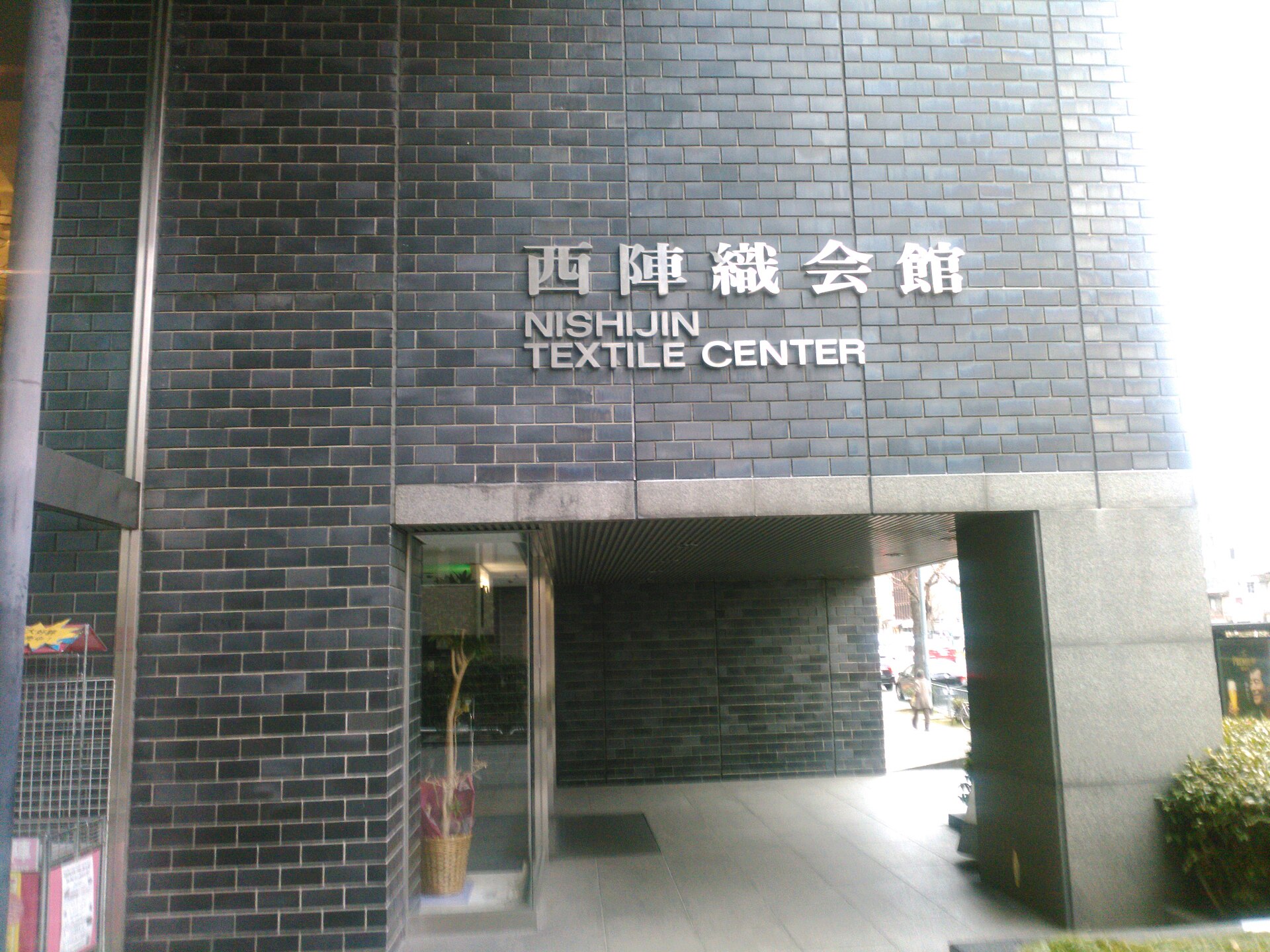
Nishijin-ori
1.6 km · straight line
 Basile Morin / CC BY-SA 4.0
History · Kyoto★★★
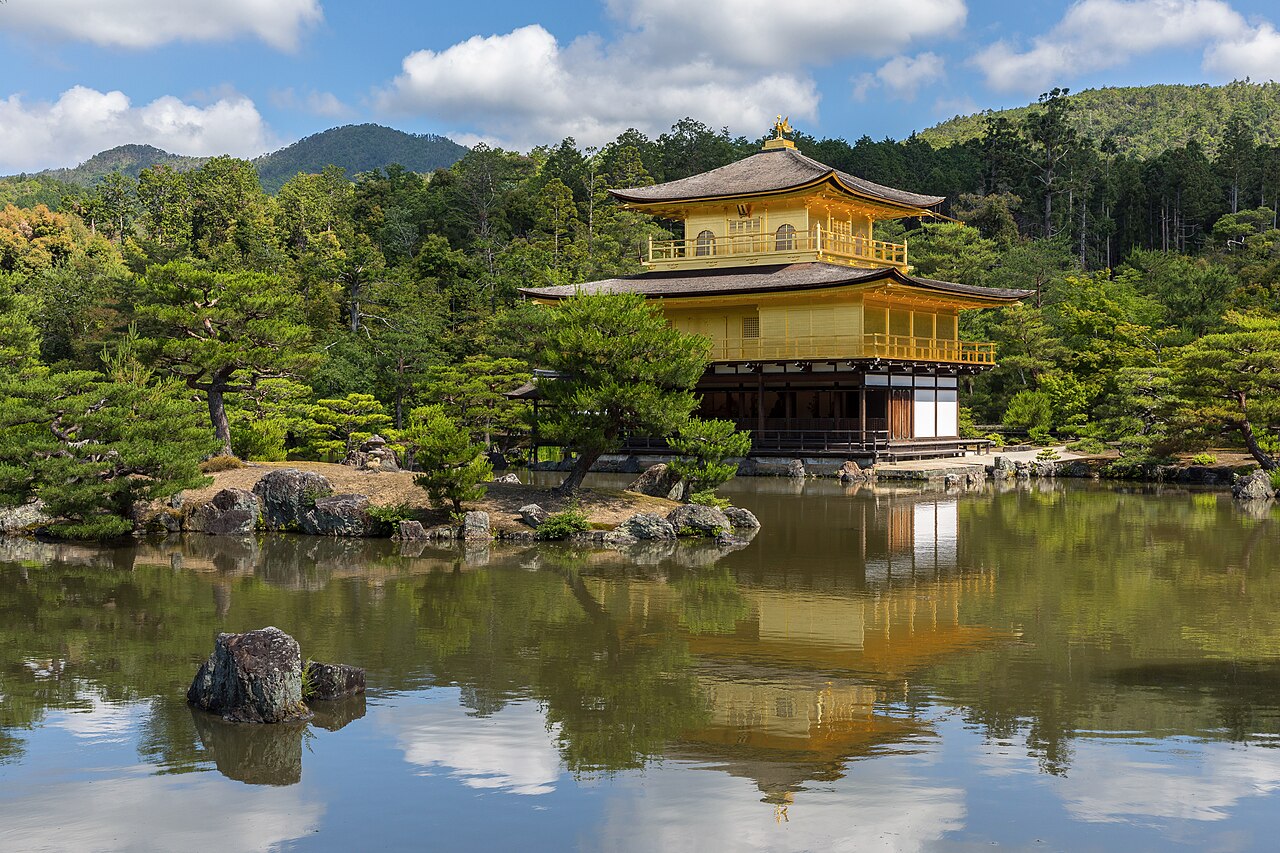
Kinkaku-ji
1.6 km · straight line
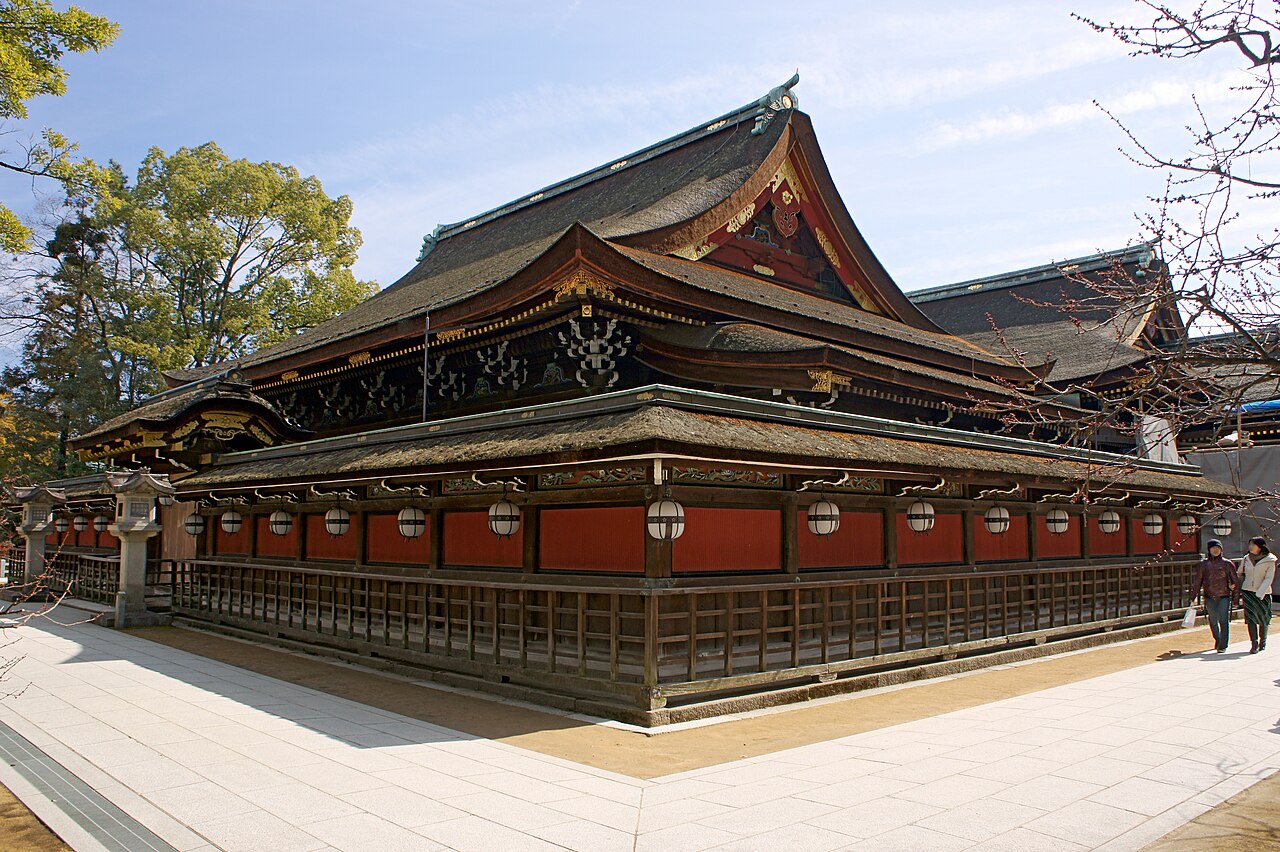 663highland / CC BY 2.5
History · Kyoto★
Kitano Tenmangu
1.6 km · straight line
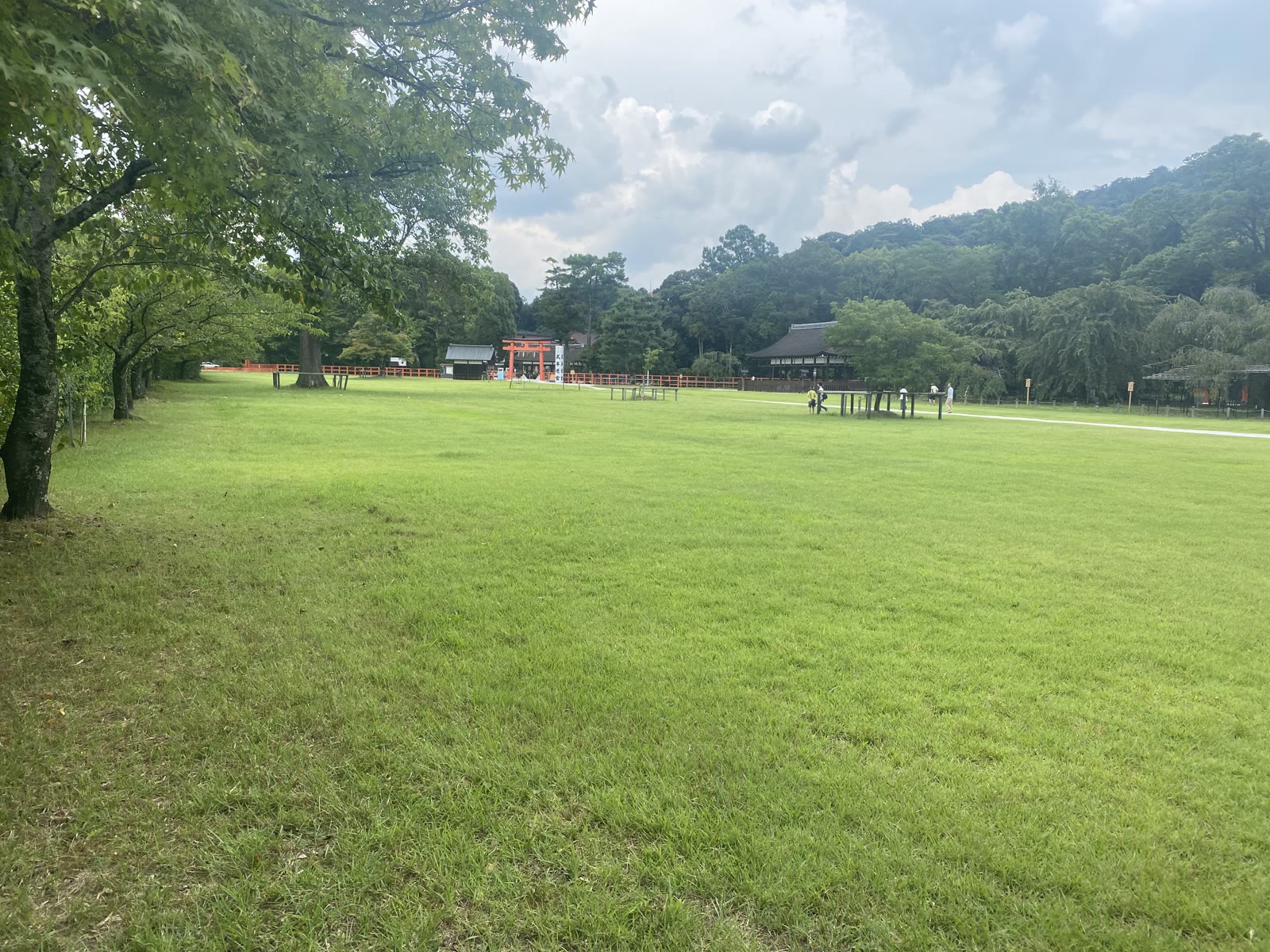 Immanuelle / CC BY 4.0
History · Kyoto★★★
Kamigamo Shrine
1.9 km · straight line
Distances are straight lines on the map, not travel times.