Kyoto northwest · KamigyoNo.294★Open in map →
Kitano Tenmangu
— the shrine of Japan's god of learning
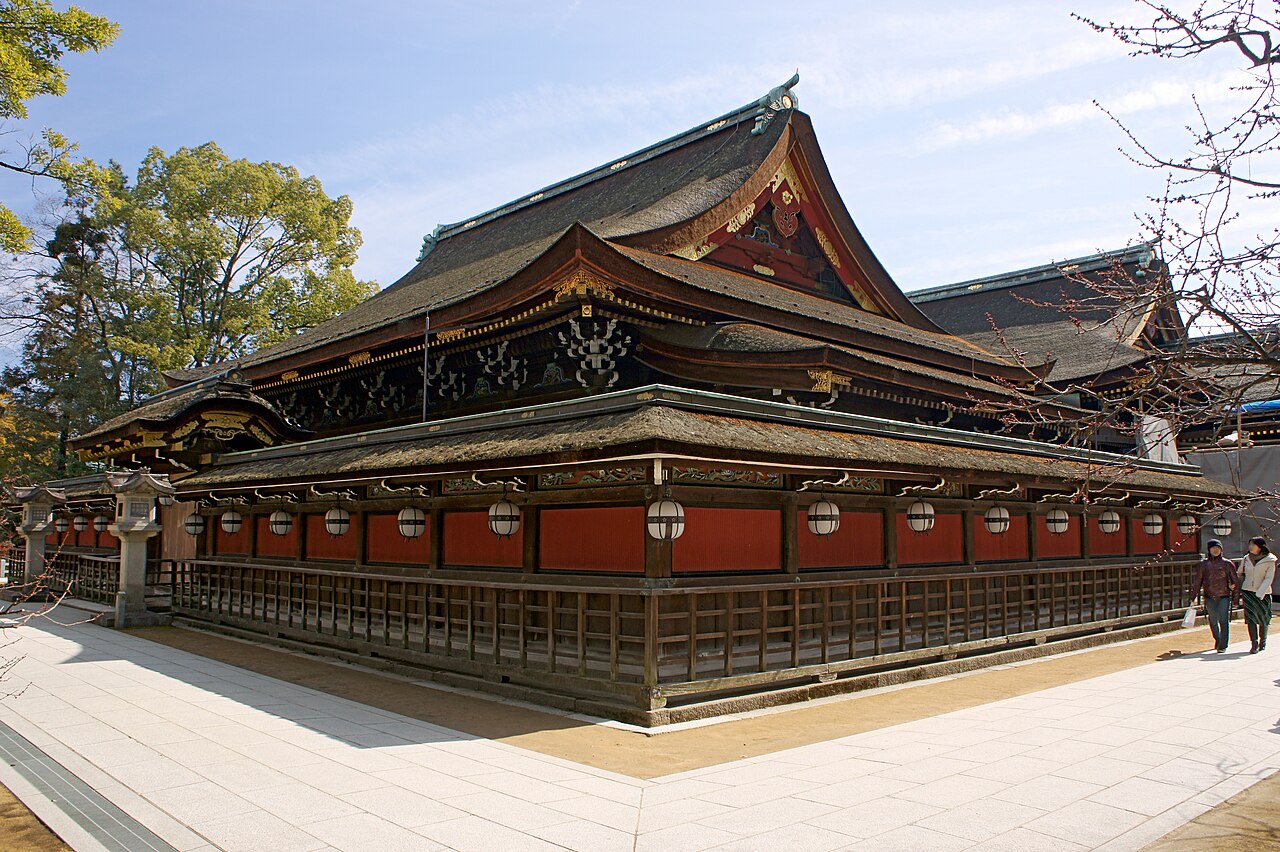
Head shrine of Japan's roughly 12,000 Tenjin shrines, founded in 947 for the exiled scholar Sugawara no Michizane. A National Treasure hall of 1607, about 1,500 plum trees, and a market fair on the 25th of every month.
- FromKyoto Stn
- ~30 mincity bus (frequent)
- Get off atKitano-Tenmangu-mae bus stop
- On foot
- Kitano Tenmangu
The sweet spot
Kitano is one of Kyoto's busiest shrines on the 25th of each month and comparatively quiet the rest of the time. It also sits northwest of the centre, off the Kiyomizu-Gion-Fushimi axis that most short visits follow, so it stays a neighbourhood shrine even in high season.
Where it is
90 more notes in Kyoto · open the map →What to look for
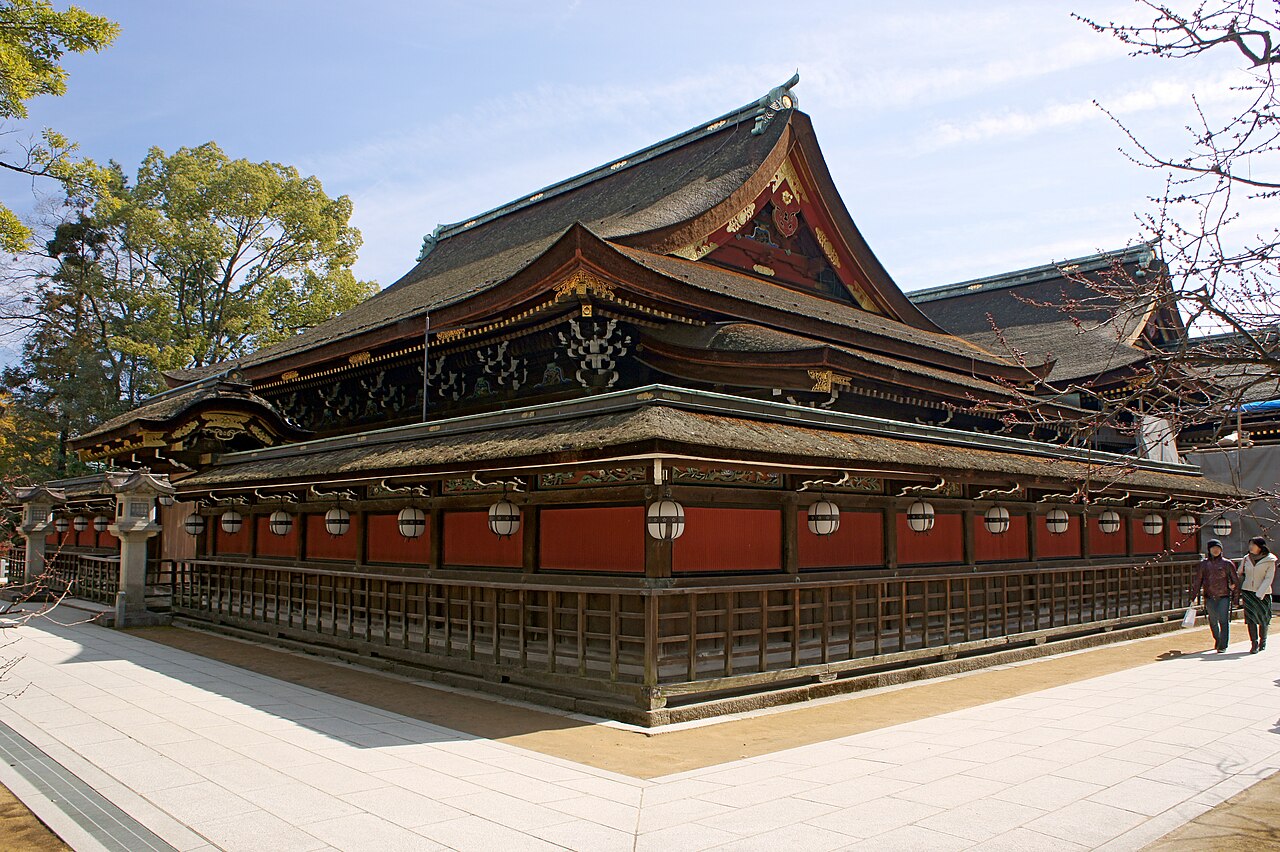
- The main hall (National Treasure)Built in 1607 by Toyotomi Hideyori in the eight-roofed yatsumune style that became the model for gongen-zukuri.
- Sankomon gateThe middle gate, carrying a 'Tenmangu' plaque in the hand of Emperor Gosai.
- The plum garden, Hana no NiwaAbout 1,500 plum trees in some 50 varieties, opened to visitors in late winter.
- The Odoi maple gardenAbout 350 maples on a surviving section of Hideyoshi's earthwork rampart, opened in autumn.
- The stone oxenReclining oxen set throughout the grounds, associated with Michizane and worn smooth by visitors' hands.
How to actually get there
- Kyoto Stn → Kitano-Tenmangu-mae (City Bus route 50, ~30 min)
- Bus stop → torii → Sankomon gate → main hall (walk, ~5 min)
- City bus from Kyoto Station
- Kyoto Stn →(City Bus route 50, bound for Kitano-Tenmangu / Ritsumeikan Univ., ~30 min)→ Kitano-Tenmangu-mae →(walk, ~1 min)→ the great torii. Buses run frequently through the day. Ordinary opening is 7:00 to 17:00; on the 25th of each month the shrine opens 6:30 to 21:00.
- Same stop, opposite side
- The stop across the road returns to Kyoto Station, running frequently until evening. Alternatively walk about 5 minutes west to Kitano-Hakubaicho and take the Randen tram, which runs out toward Arashiyama.
About the place
Sugawara no Michizane was a scholar-official who rose to the highest ranks of the Heian court, then in 901 was demoted to a nominal post at Dazaifu in Kyushu, where he died in exile two years later. The disasters that struck the capital afterwards were read as his anger, and in 947 a shrine was raised for him at Kitano — the northwest corner of Heian-kyo, the direction called the heaven gate — following a divine oracle. Placation slowly turned into patronage. Michizane the wronged spirit became Tenjin, the deity of scholarship, and roughly 12,000 Tenmangu and Tenjin shrines across Japan now look to Kitano as their head shrine. The main hall standing today was built in 1607 by Toyotomi Hideyori in a form called yatsumune-zukuri, an eight-roofed composition that became the prototype of the gongen style; it is a National Treasure and one of the defining works of Momoyama architecture. Michizane loved plum trees, and the grounds hold about 1,500 of them in some 50 varieties.
How to enjoy it
Go on the 25th if you want the fair: the shrine opens at 6:30 and hundreds of antique, craft and food stalls fill the approach until 21:00 — the single busiest and best day here. On any other morning, arrive at the 7:00 opening and you will have the National Treasure hall almost to yourself. Late February combines the plum garden with the Baikasai rite on the 25th; late November opens the maple garden on the Odoi. The Kamishichiken geisha district is a two-minute walk from the east gate.
Background & history
Michizane came from a family of scholars and reached the office of Minister of the Right under Emperor Uda, an unusually high post for a man without Fujiwara backing. He was sent to Dazaifu in 901 and died there in 903, on the 25th day of the second month — the date that still fixes the shrine's calendar. The founding of 947 was one response to the calamities that followed his death; over the centuries the vengeful spirit was reinterpreted as the patron of letters, and students still come here to buy examination charms. The main hall of 1607 was Toyotomi Hideyori's project, built while the Toyotomi still held Osaka. Along the west side of the grounds runs a surviving stretch of the Odoi, the earthen rampart Toyotomi Hideyoshi threw around the whole of Kyoto in the Momoyama period as a boundary and flood defence; about 350 maples now grow on and around it.
Before you go
- Cash
- The grounds are free to enter. The treasure hall is ¥1,000 for adults, and a plum-season ticket is ¥1,200. The antique and food stalls that fill the approach on the 25th are cash only.
- Good to know
- On fair days the approach is genuinely crowded and the stalls start packing up before 21:00, so do not leave the far end of the market until last.
- Another way
- The Randen (Keifuku) tram to Kitano-Hakubaicho, then about a 5-minute walk east to the torii — useful if you are coming from the Arashiyama side rather than from Kyoto Station.
- After you get off
- The Kitano-Tenmangu-mae stop is directly in front of the great torii. The approach runs straight from there past the stone oxen to the Sankomon gate and the main hall.
Nearby notes
 Basile Morin / CC BY-SA 4.0
History · Kyoto★★★
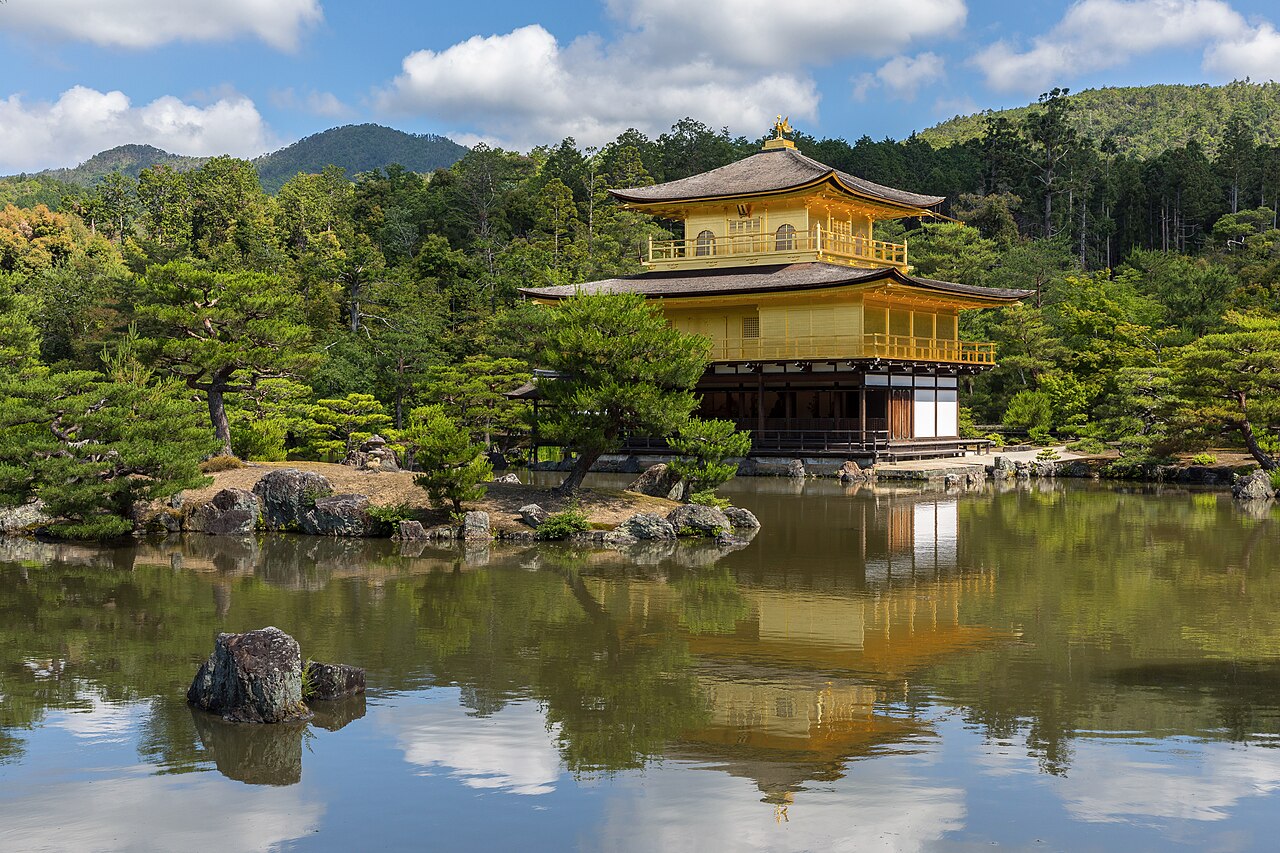
Kinkaku-ji
1.1 km · straight line
 Lundariokn45 / CC BY-SA 4.0
Craft · Kyoto★★★
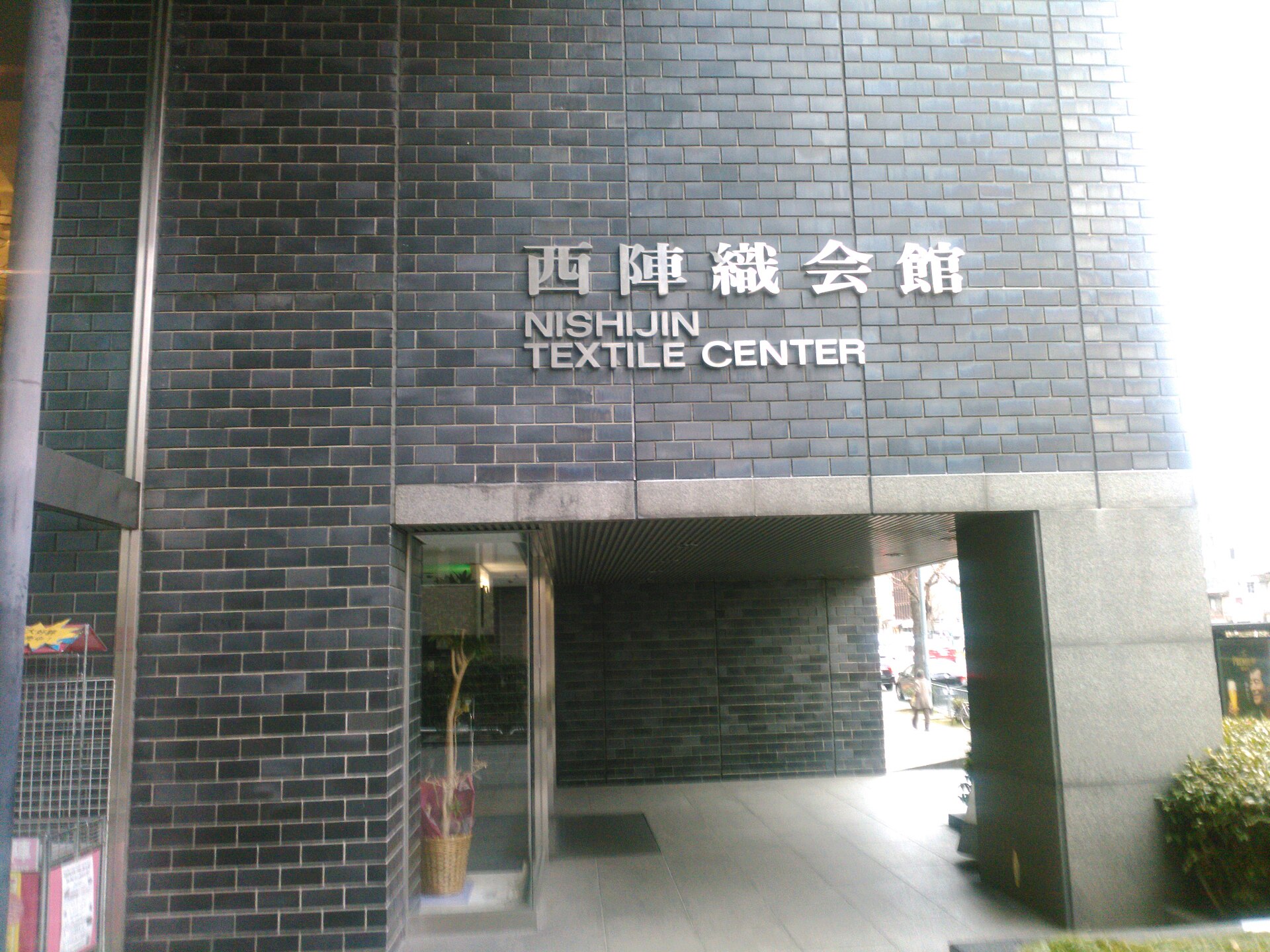
Nishijin-ori
1.5 km · straight line
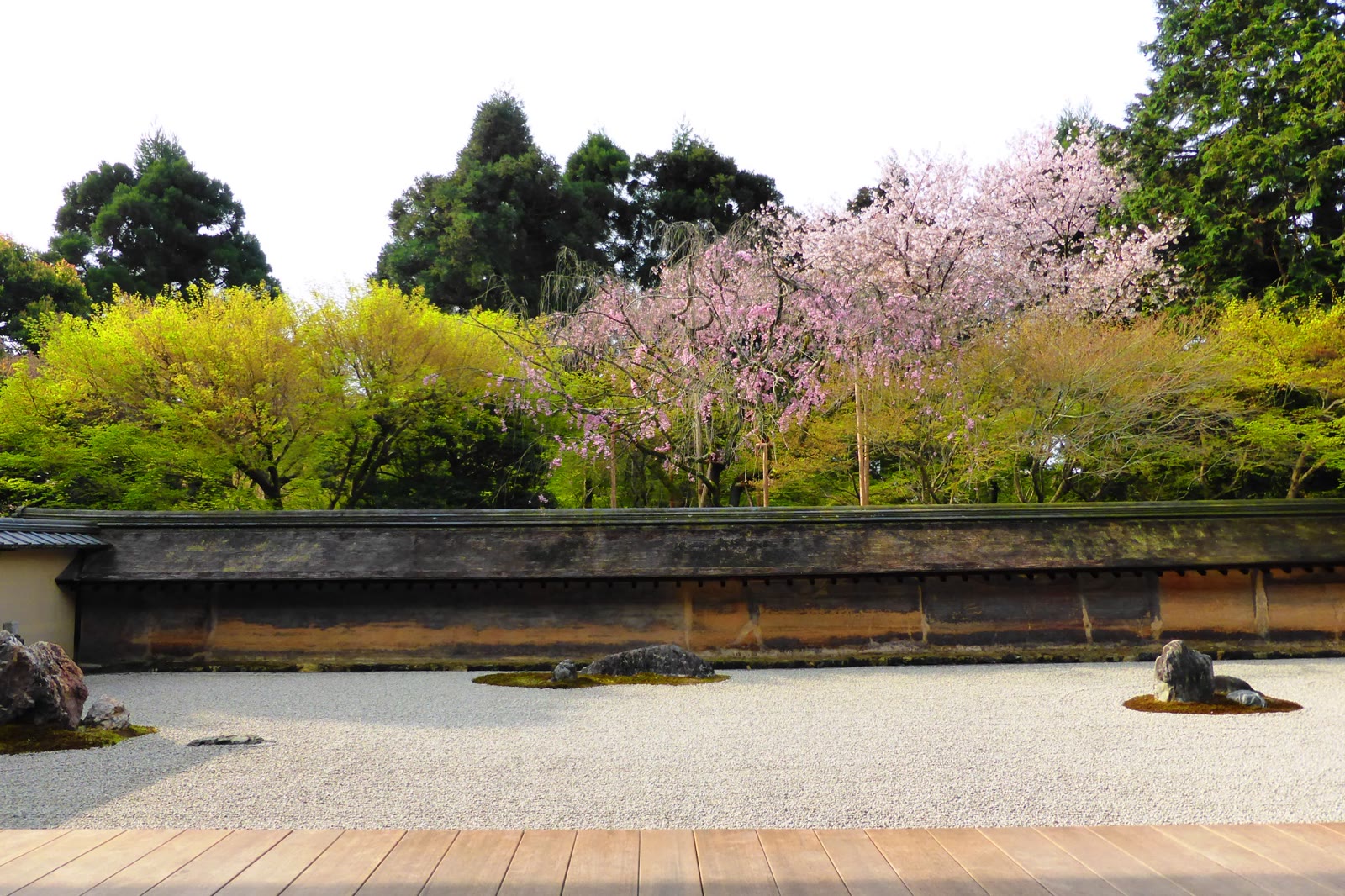 ttshr1970 / CC BY 3.0
History · Kyoto★★★
Ryoan-ji
1.6 km · straight line
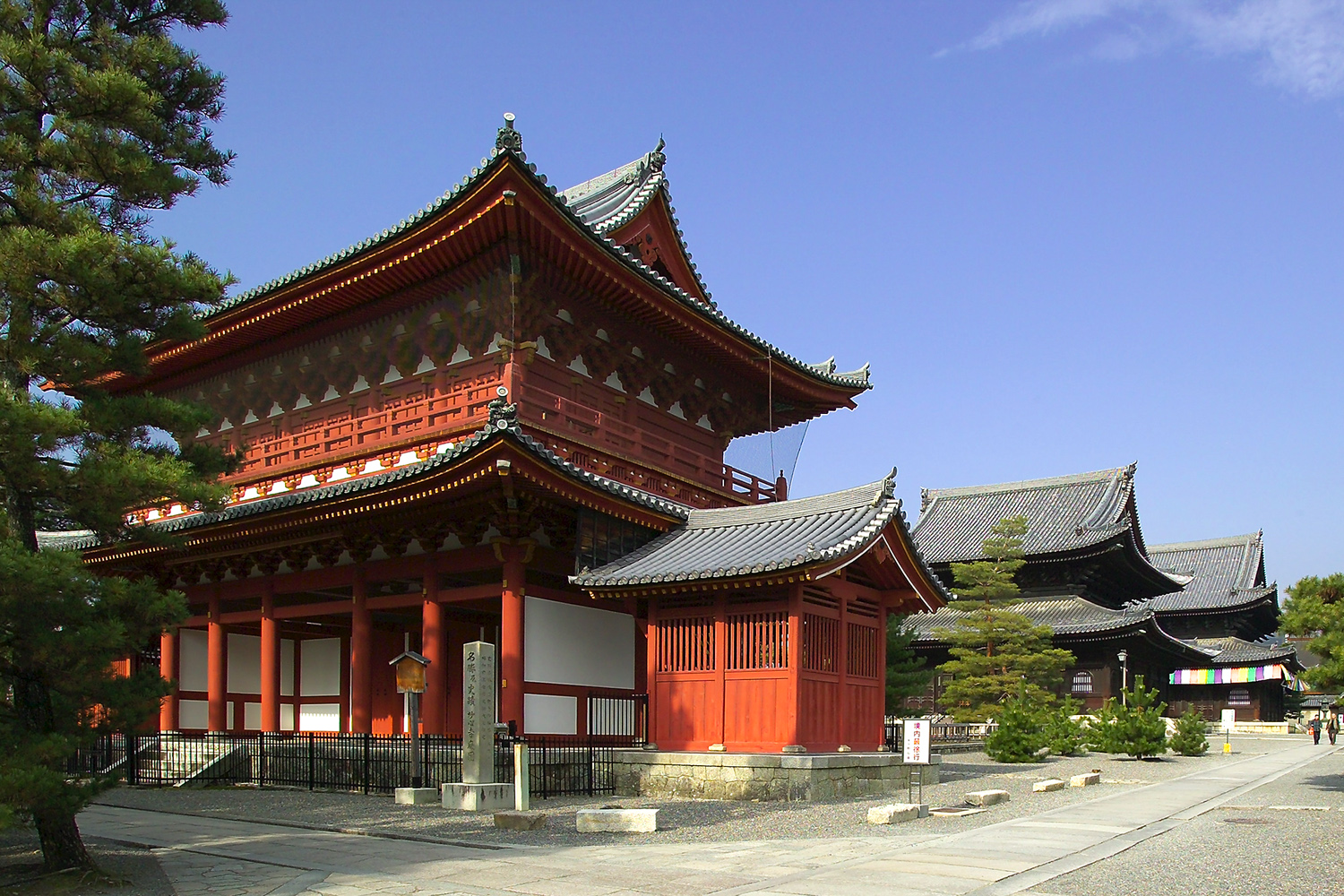 Fg2 / Public domain
History · Kyoto★★
Myoshin-ji
1.6 km · straight line
Distances are straight lines on the map, not travel times.