Northwest Kyoto · Ukyo-kuNo.202★★★Open in map →
Ryoan-ji
— Kyoto's Zen rock garden
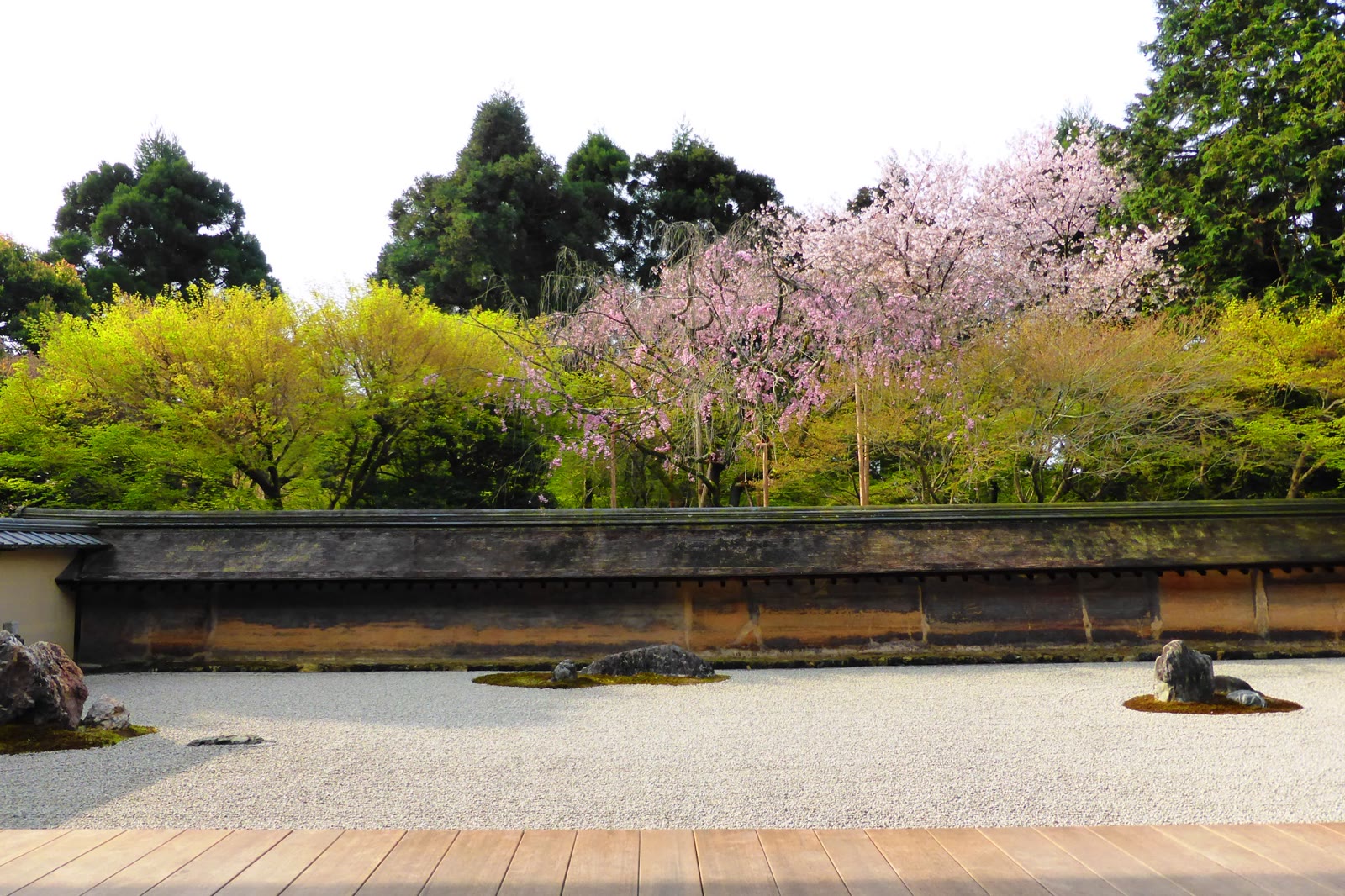
A Rinzai Zen temple in northwest Kyoto, established in the 15th century and listed as a UNESCO World Heritage Site. Its dry-landscape rock garden — fifteen stones set in raked white gravel — is among the most studied compositions in Japanese art.
- FromKyoto Stn
- ~40 minJR West Bus from Kyoto Stn
- Get off atRyoanji-mae Bus Stop (JR West Bus from Kyoto Station)
- From there
- Ryoan-ji
Where it is
90 more notes in Kyoto · open the map →What to look for — in walking order
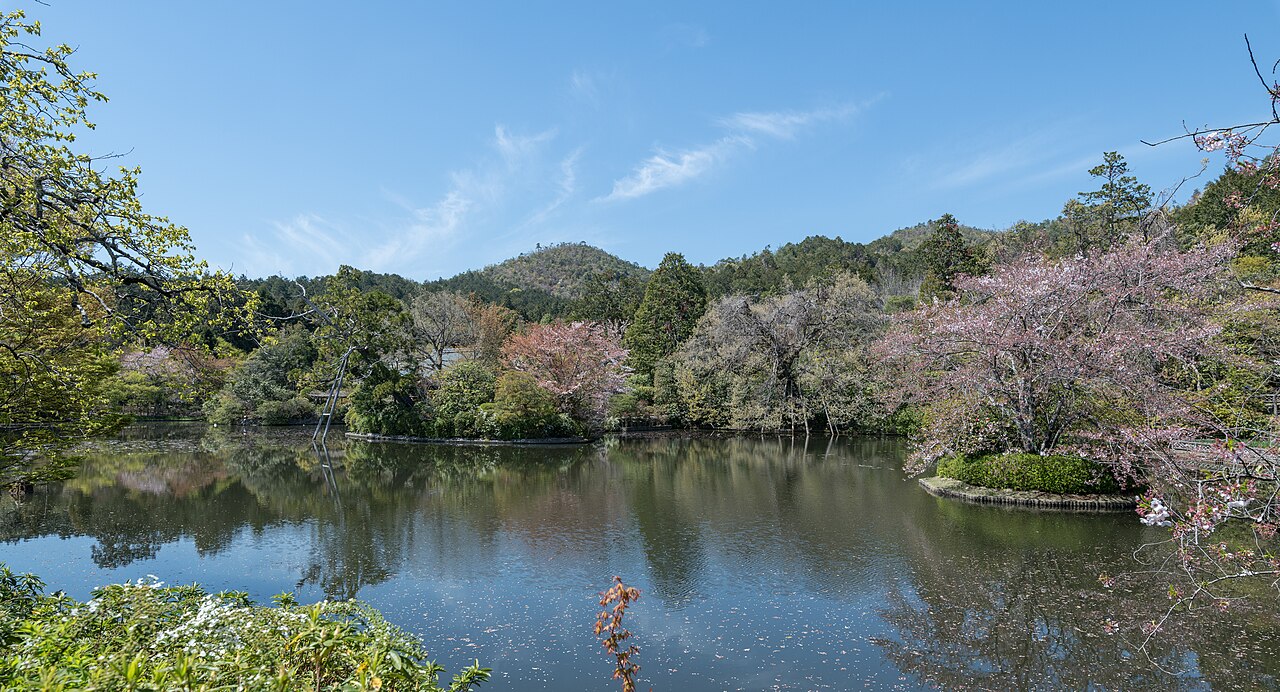
- Mirror pond (Kyoyochi)a large Heian-period pond at the temple entrance; walk the path around it before entering the main precincts
- Rock garden viewing platformthe wooden veranda south of the hojo (abbot's quarters) where visitors sit and face the garden
- Fifteen stonesfive groups of stones set in raked white gravel; the layout changes as you move along the platform
- Tsukubai stone basina small carved water basin inscribed with a phrase meaning 'I learn only to be contented'
How to actually get there
- Kyoto Station (JR3 bus platform) → Ryoanji-mae bus stop (JR West Bus, ~30 min); or City Bus No. 50 to Ritsumeikan Daigaku-mae + 7-min walk.
- Walk ~2 min to the temple gate and circle Kyoyochi pond on the way to the main precincts.
- Sit on the hojo veranda facing the rock garden; then visit the tsukubai basin nearby.
- Kyoto Stn → Ryoanji-mae bus stop (JR West Bus)
- From Kyoto Station, the simplest route is the JR West Bus (JR3 platform, Kyoto Station bus terminal) bound for Ryoanji/Kinkakuji — get off at Ryoanji-mae bus stop (~30 min), about a 2-minute walk to the temple gate. Alternatively, City Bus No. 50 from Kyoto Station goes to Ritsumeikan Daigaku-mae stop (~30 min), from which the temple is about a 7-minute walk north. City Bus No. 59 serves Ryoanji-mae directly but departs from Keihan Sanjo Station, not Kyoto Station.
- Return bus from Ryoanji-mae to Kyoto Station
- Take the JR West Bus from Ryoanji-mae bus stop back toward Kyoto Station, or walk about 7 minutes south to Ritsumeikan Daigaku-mae for City Bus No. 50. Buses run regularly and no booking is needed. From Ryoanji you can also continue east to Kinkaku-ji (Golden Pavilion) on foot in about 20 minutes, or take the bus one stop.
About the place
The rock garden sits just south of the temple's main hall: a rectangle of raked white gravel, about 25 by 10 metres, in which fifteen stones of different sizes are arranged in five groups. From any point along the viewing platform, exactly one stone is always hidden behind another. No historical document records who designed the garden or precisely when, though it is generally placed in the late Muromachi period, around 1500. The temple also holds a large mirror pond, Kyoyochi, dating from the Heian period — quieter and less visited than the rock garden, it is worth walking around before entering the main precincts.
How to enjoy it
Arrive when the gates open (8:00 from March to November; 8:30 December to February) to see the garden before the first tour groups arrive. Sit on the viewing platform and take time to look — the garden rewards patience and a slow shift of gaze along its length. After the garden, circle the Kyoyochi pond on your way out; its surface reflects the trees overhead and offers a very different mood from the gravel inside.
Background & history
The site originally belonged to the Fujiwara clan during the Heian period. In 1450, the influential shogunal deputy Hosokawa Katsumoto acquired the land and invited the Zen monk Giten Genso to found a temple here. The temple burned during the Onin War and was rebuilt; the current garden is thought to date from around 1500. In 1994, Ryoan-ji was inscribed as part of the UNESCO World Heritage Site 'Historic Monuments of Ancient Kyoto.'
Before you go
- Cash
- Admission is 600 yen for adults, 500 yen for high school students, 300 yen for children (cash or IC cards accepted at the gate). Bus fare from Kyoto Station is 230 yen; an IC card is the easiest way to pay.
- Good to know
- The temple is open year-round but can be very crowded from late March to early May (cherry blossom season) and October to November (autumn foliage). Weekday mornings in summer are among the quietest times.
- Another way
- If coming from Kinkaku-ji (Golden Pavilion), Ryoan-ji is about a 20-minute walk west — a natural combination visit on the northwest Kyoto temple circuit.
- After you get off
- Ryoanji-mae bus stop (JR West Bus or City Bus 59) is about a 2-minute walk from the temple's main gate. The temple entrance is signed from the stop.
Nearby notes
 663highland / CC BY 2.5
History · Kyoto★★★
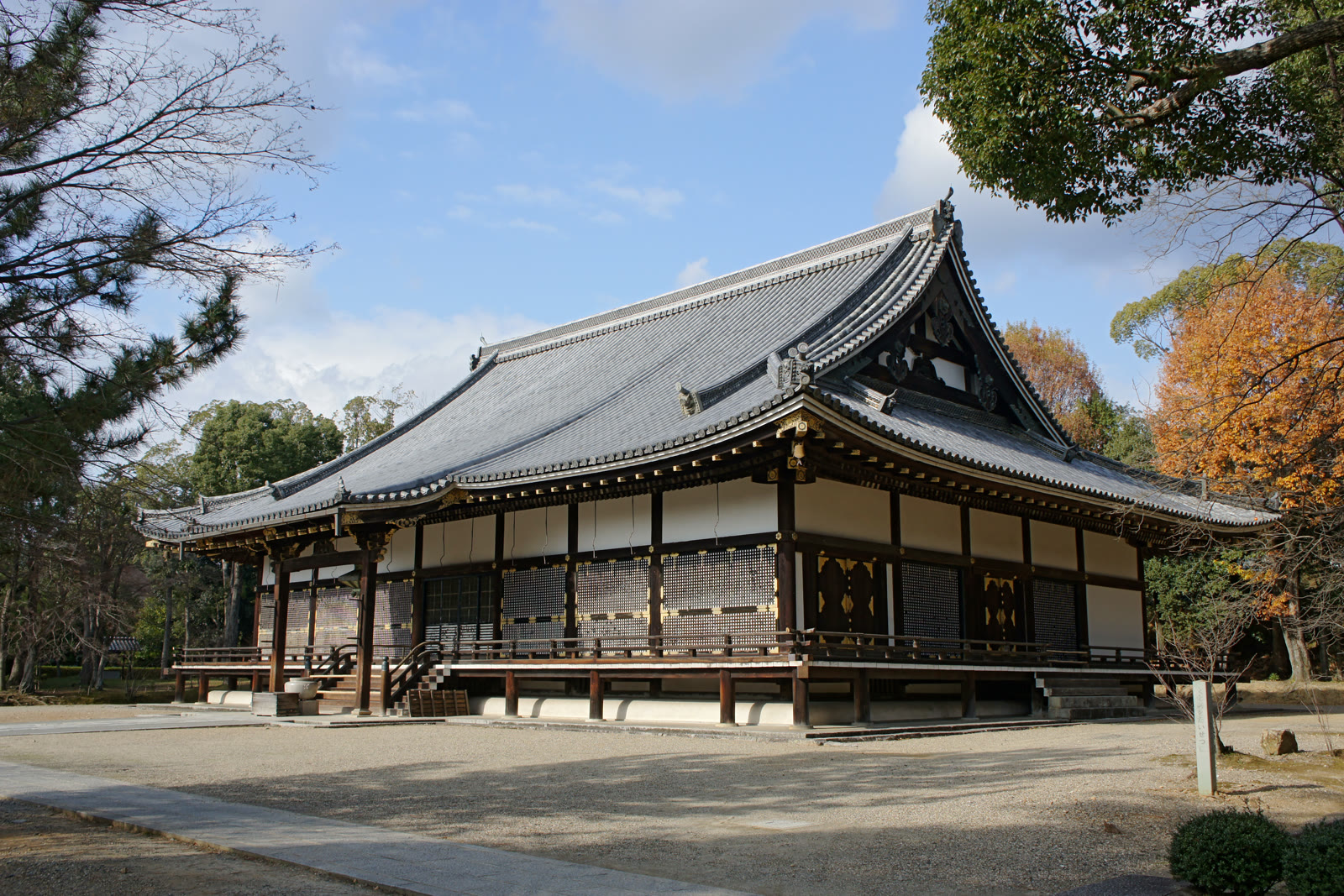
Ninna-ji Temple
0.5 km · straight line
 Basile Morin / CC BY-SA 4.0
History · Kyoto★★★
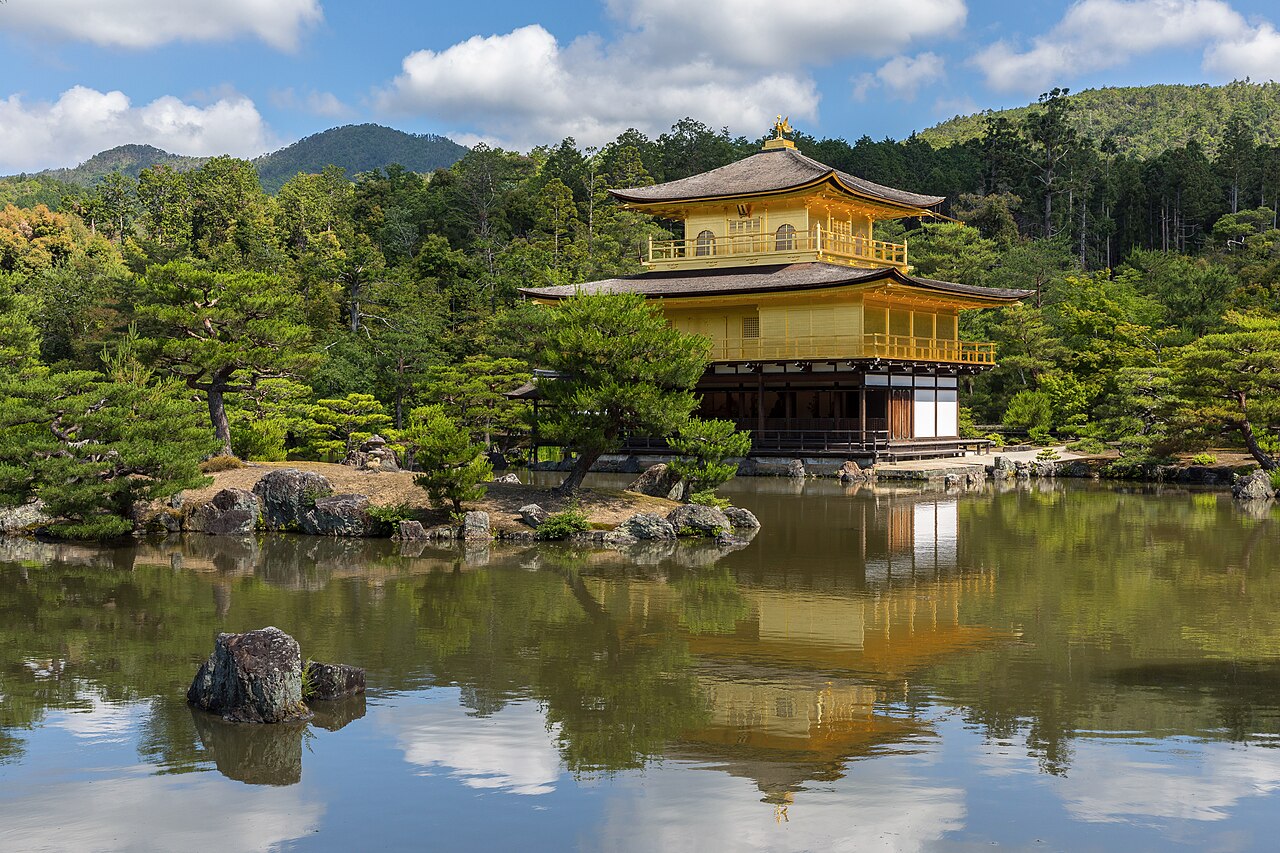
Kinkaku-ji
1.2 km · straight line
 Fg2 / Public domain
History · Kyoto★★
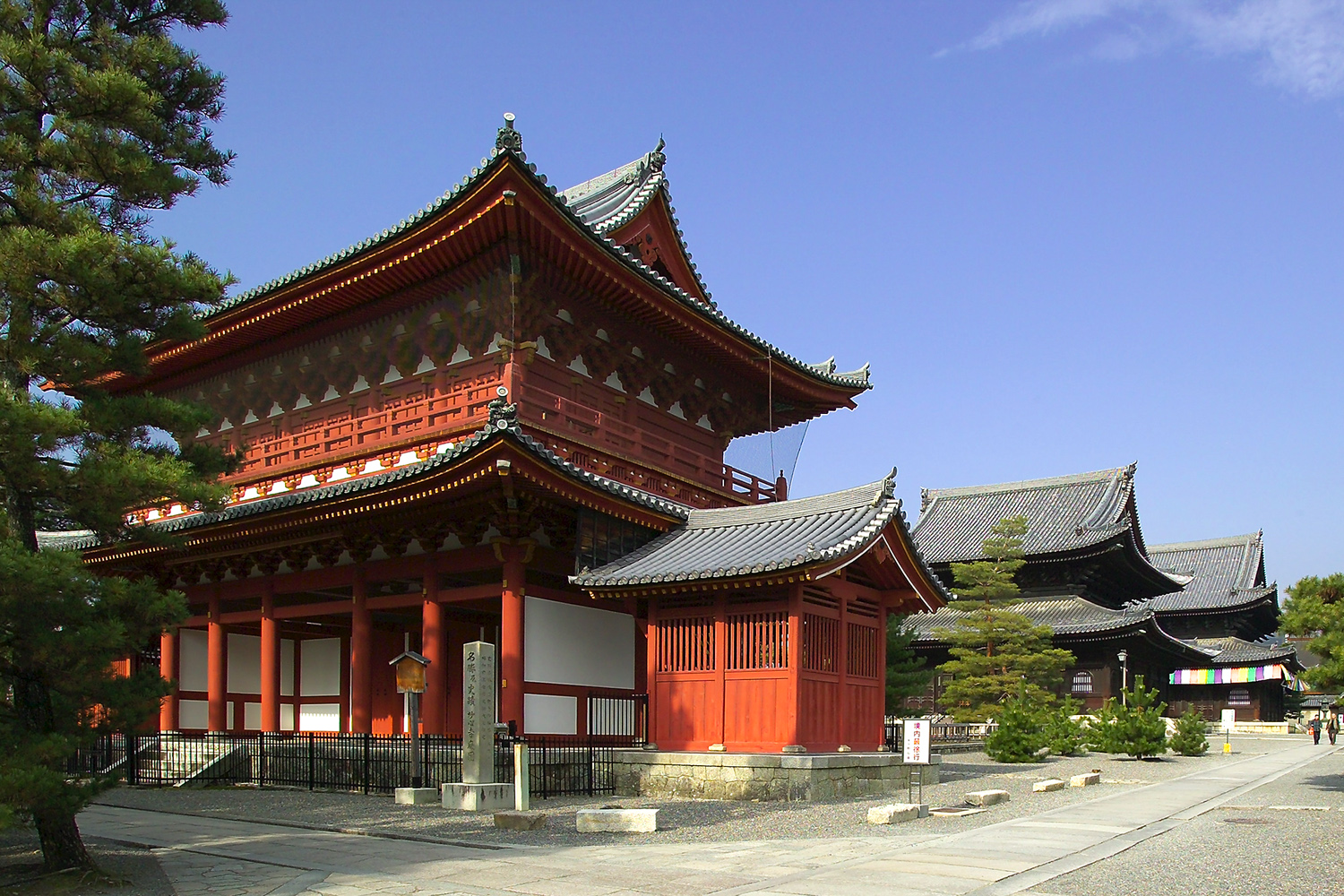
Myoshin-ji
1.2 km · straight line
 663highland / CC BY 2.5
History · Kyoto★
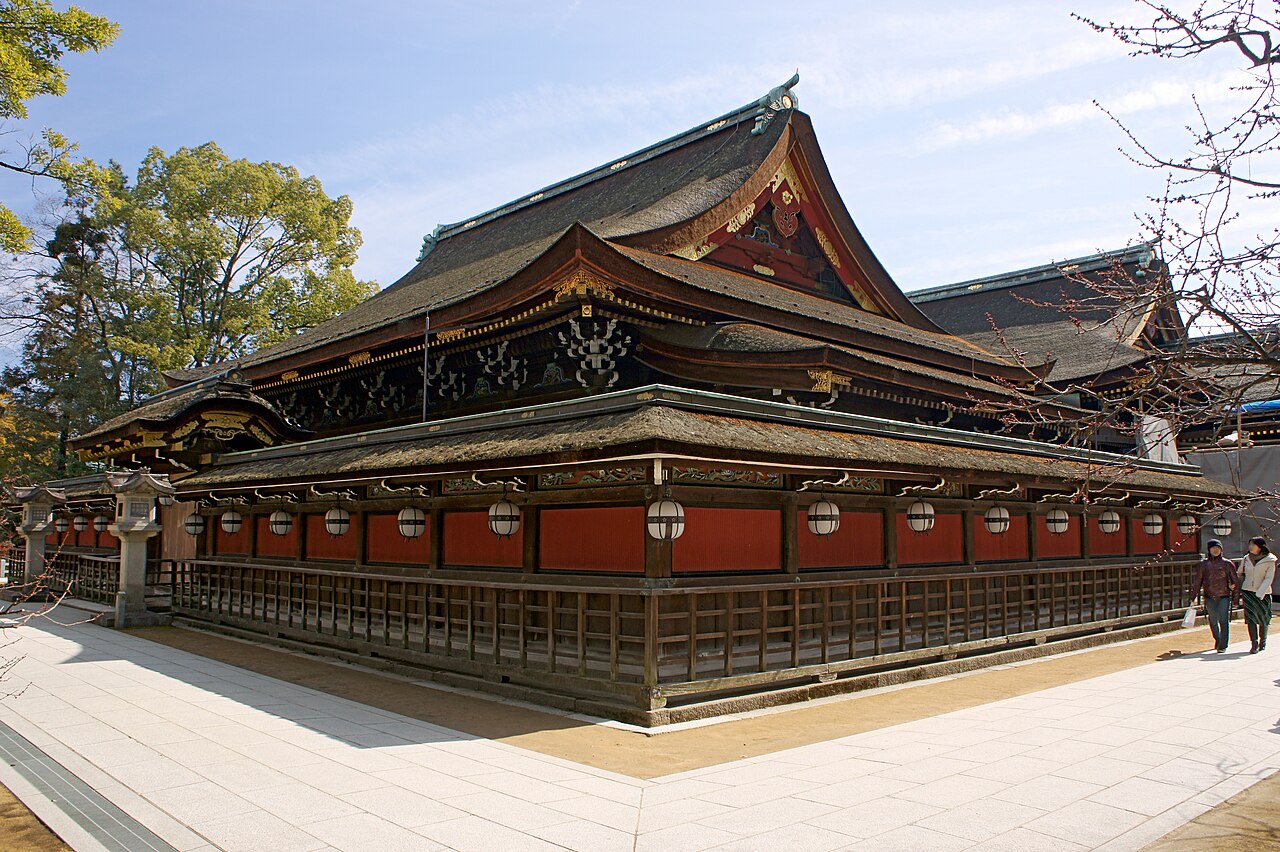
Kitano Tenmangu
1.6 km · straight line
Distances are straight lines on the map, not travel times.