Northwest Kyoto · OmuroNo.243★★★Open in map →
Ninna-ji Temple
A UNESCO World Heritage temple founded in 888 as an imperial residence, with a five-storey pagoda and a grove of Omuro cherry trees that bloom about two weeks after the rest of Kyoto's sakura season, at low enough height to frame the blossoms against the sky at eye level.
- FromKyoto Stn
- ~40 minbus ~40 min
- Get off atOmuro-Ninnaji (City Bus 26, or Keifuku Kitano Line)
- On foot
- Ninna-ji Temple
Where it is
90 more notes in Kyoto · open the map →What to look for — in walking order
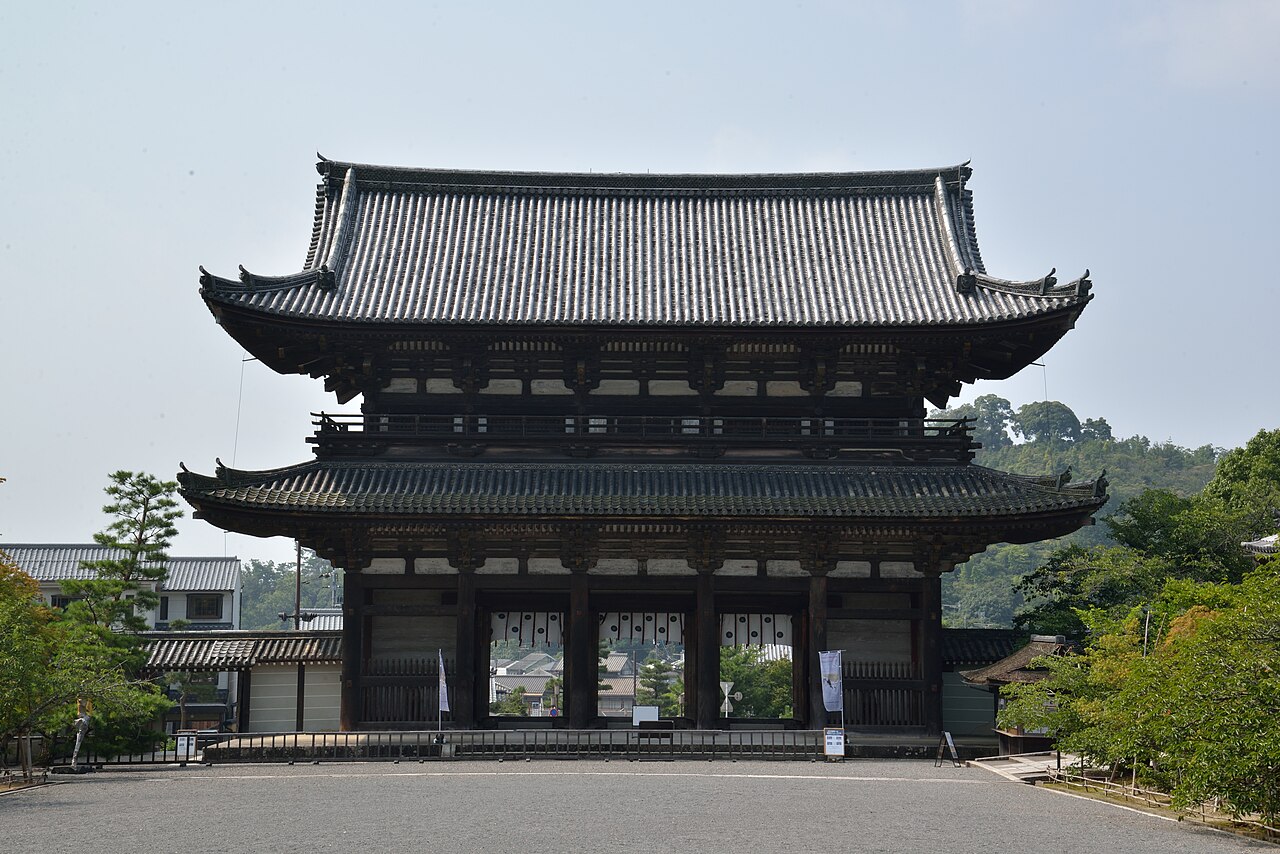
- Niomon Gatethe grand two-storey gate at the temple entrance
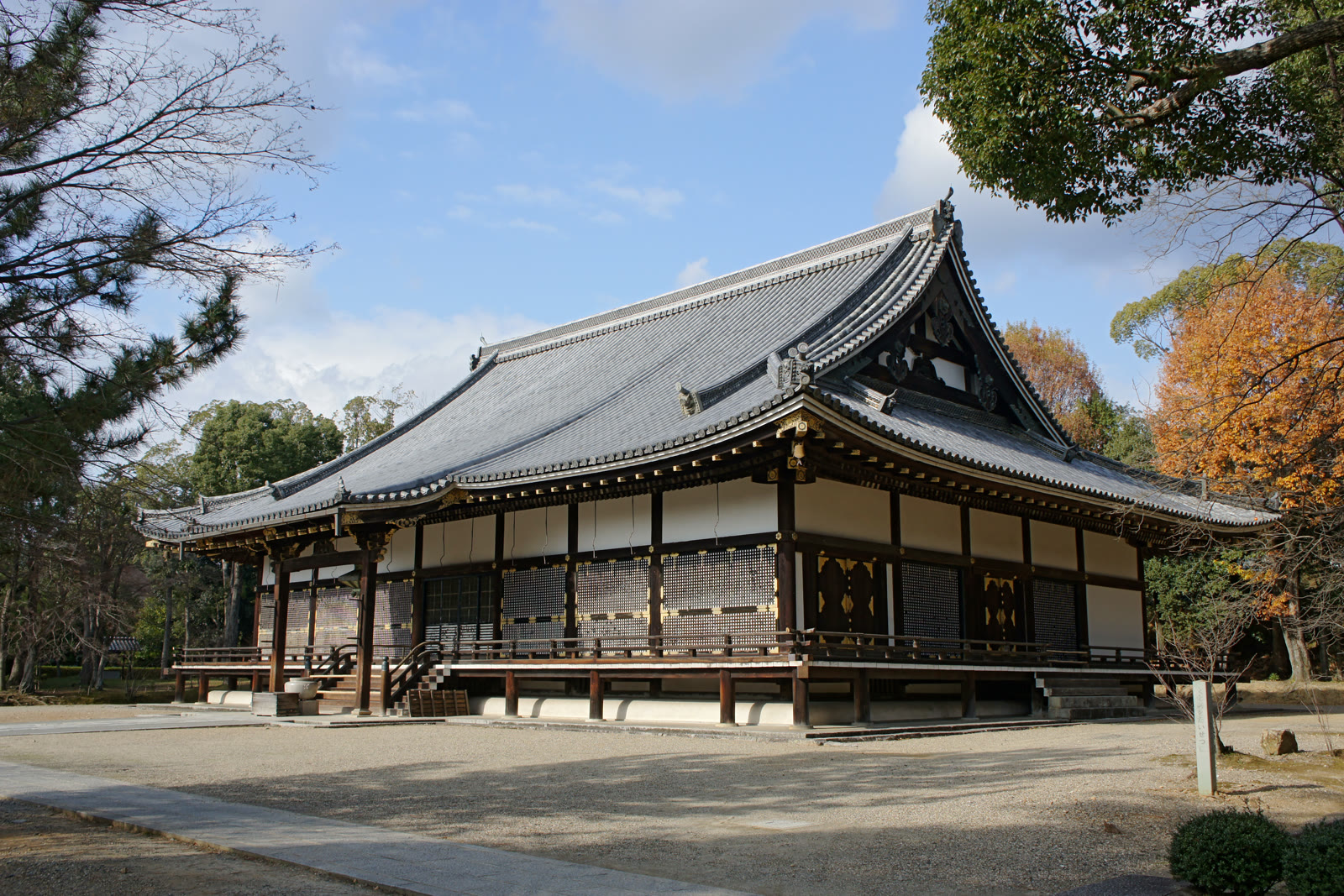
- Kondo (Main Hall)a National Treasure relocated from the Kyoto Imperial Palace in 1613
- Five-storey Pagodaan Important Cultural Property completed in 1644, visible above the cherry grove in spring
- Omuro cherry groveabout 200 late-blooming dwarf cherry trees, designated a National Scenic Beauty; peak typically mid-April
How to actually get there
- Kyoto Station → City Bus 26 westbound → Omuro-Ninnaji stop (~40 min).
- Walk from bus stop to Niomon Gate (a few minutes).
- Through the gate → Kondo → inner grove (Omuro cherries with pagoda backdrop, seasonal admission).
- City Bus 26 or Keifuku Kitano Line
- Kyoto Station Bus Terminal → City Bus 26 (or 59 in some timetables) → Omuro-Ninnaji stop → the temple gate is a short walk from the bus stop. About 40 minutes by bus. Alternatively: JR to Hanazono Station (Sanin Line) and walk about 15 minutes west.
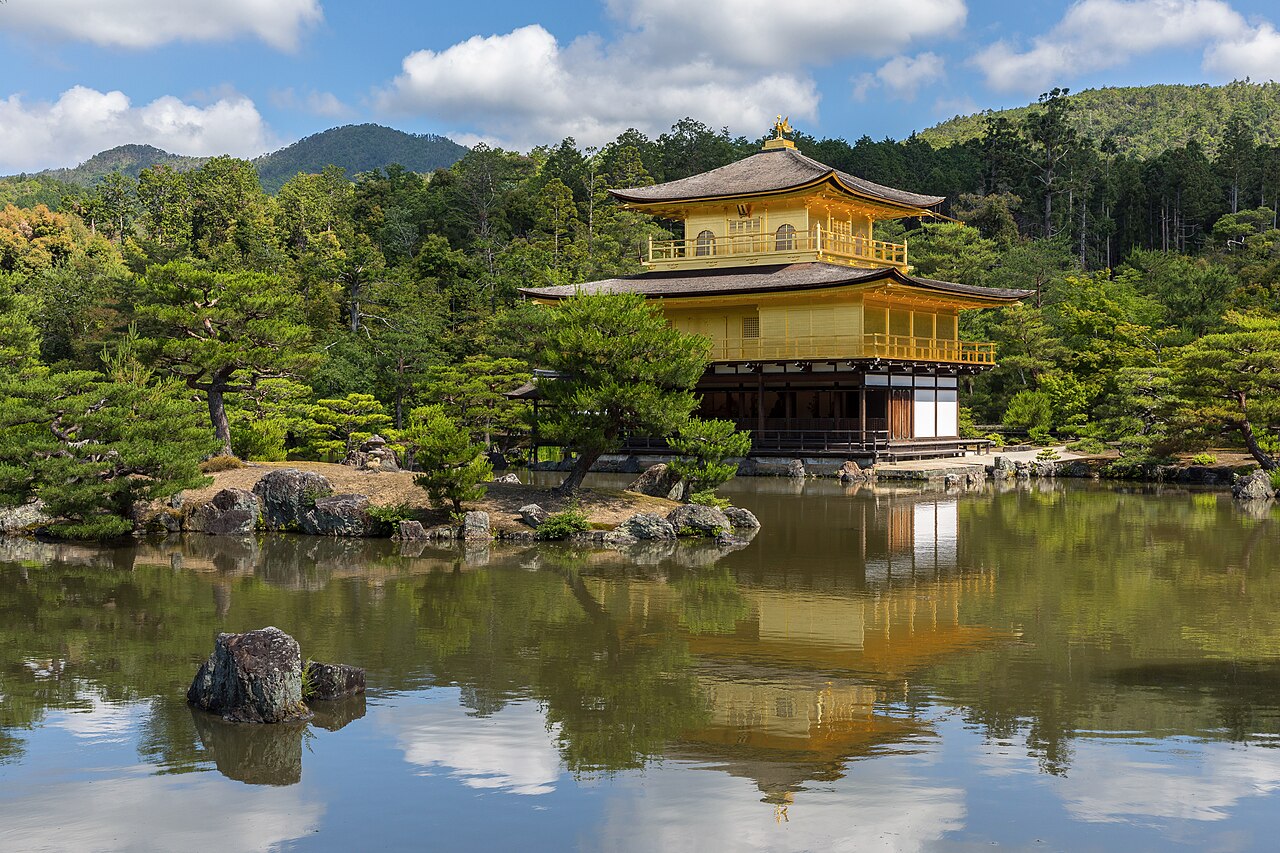
- Bus back to Kyoto Station or onward to Kinkaku-ji
- City Bus from Omuro-Ninnaji back to Kyoto Station, about 40 minutes. The bus also runs to Kinkaku-ji (Golden Pavilion) and Ryoan-ji, which are along the same route, so this area lends itself to combining several stops.
About the place
Ninna-ji occupies a large, quiet compound in north-western Kyoto, founded by an emperor who chose to retire here and become a monk. The compound holds a palace precinct, several major halls, and in spring, the Omuro cherry grove — about 200 trees of a cultivar that grows exceptionally low to the ground, their trunks wide and gnarled. They bloom roughly two weeks after most of Kyoto's famous cherries, making Ninna-ji the place for a final encounter with spring in the city. In the background the five-storey pagoda rises above the trees, close enough to set the scene.
How to enjoy it
The main precinct (outer grounds including the Niomon gate approach) is free to enter year-round. The inner palace gardens (Goten) and cherry grove require a separate paid admission during the cherry blossom season (the Omuro Hanamatsuri period, roughly mid-April; check ninnaji.jp for current dates and fees as they vary by year). Outside blossom season the inner area also has limited special openings. The Reihokan treasure museum opens in spring and autumn.
Background & history
Ninna-ji was founded in 888 by Emperor Uda, who retired here and took Buddhist vows, beginning a tradition of imperial abbots that lasted until the Meiji era. The temple is the head of the Omuro branch of Shingon Buddhism. The current buildings on site date largely from the Edo period: the five-storey pagoda (1644) and the Niomon Gate are both Important Cultural Properties, while the Kondo (Main Hall), moved here in 1613 from the Kyoto Imperial Palace, is a National Treasure. The Omuro cherry trees — a late-blooming cultivar with naturally short, wide-spreading trunks — have been tended on the grounds since the Edo period and are designated a National Scenic Beauty.
Before you go
- Cash
- City Bus fare is flat-rate; IC cards (ICOCA, Suica) accepted. Outer precinct is free. Cherry blossom season admission to the inner grove and Goten is charged separately (check ninnaji.jp for current season dates and fees).
- Good to know
- Cherry blossom timing varies by year (typically second to third week of April for Omuro cherries); check ninnaji.jp for the current year's forecast. The inner grove area is only open during the Hanamatsuri period.
- Another way
- Ryoan-ji (famous dry rock garden, also UNESCO) and Kinkaku-ji (Golden Pavilion) are both within 15-20 minutes by bus or foot, so the area makes a logical half-day.
- After you get off
- The Omuro-Ninnaji bus stop is a short walk from the main Niomon gate. Keifuku Kitano Line Omuro-Ninnaji Station is adjacent to the gate.
Nearby notes
 ttshr1970 / CC BY 3.0
History · Kyoto★★★
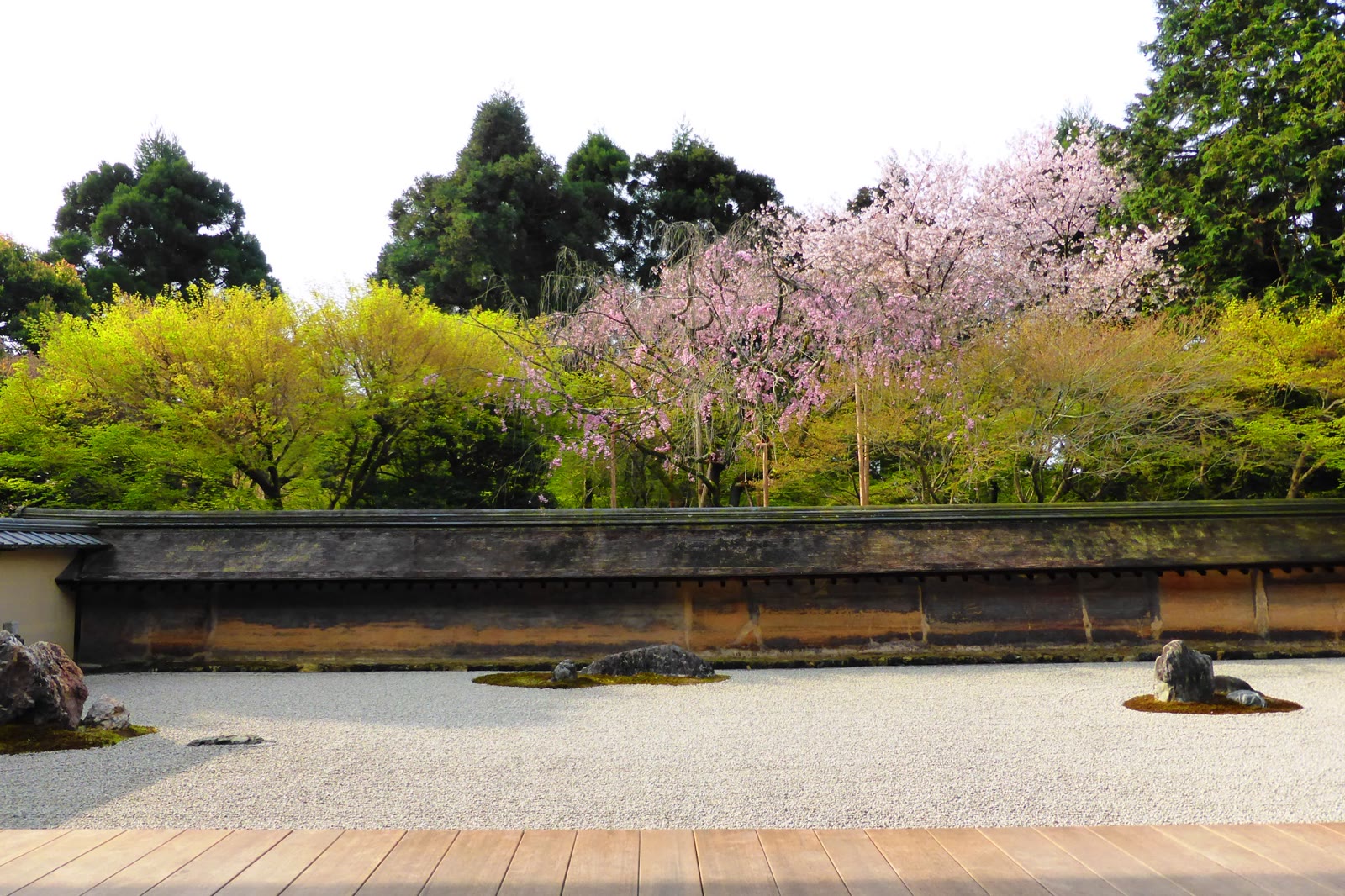
Ryoan-ji
0.5 km · straight line
 Fg2 / Public domain
History · Kyoto★★
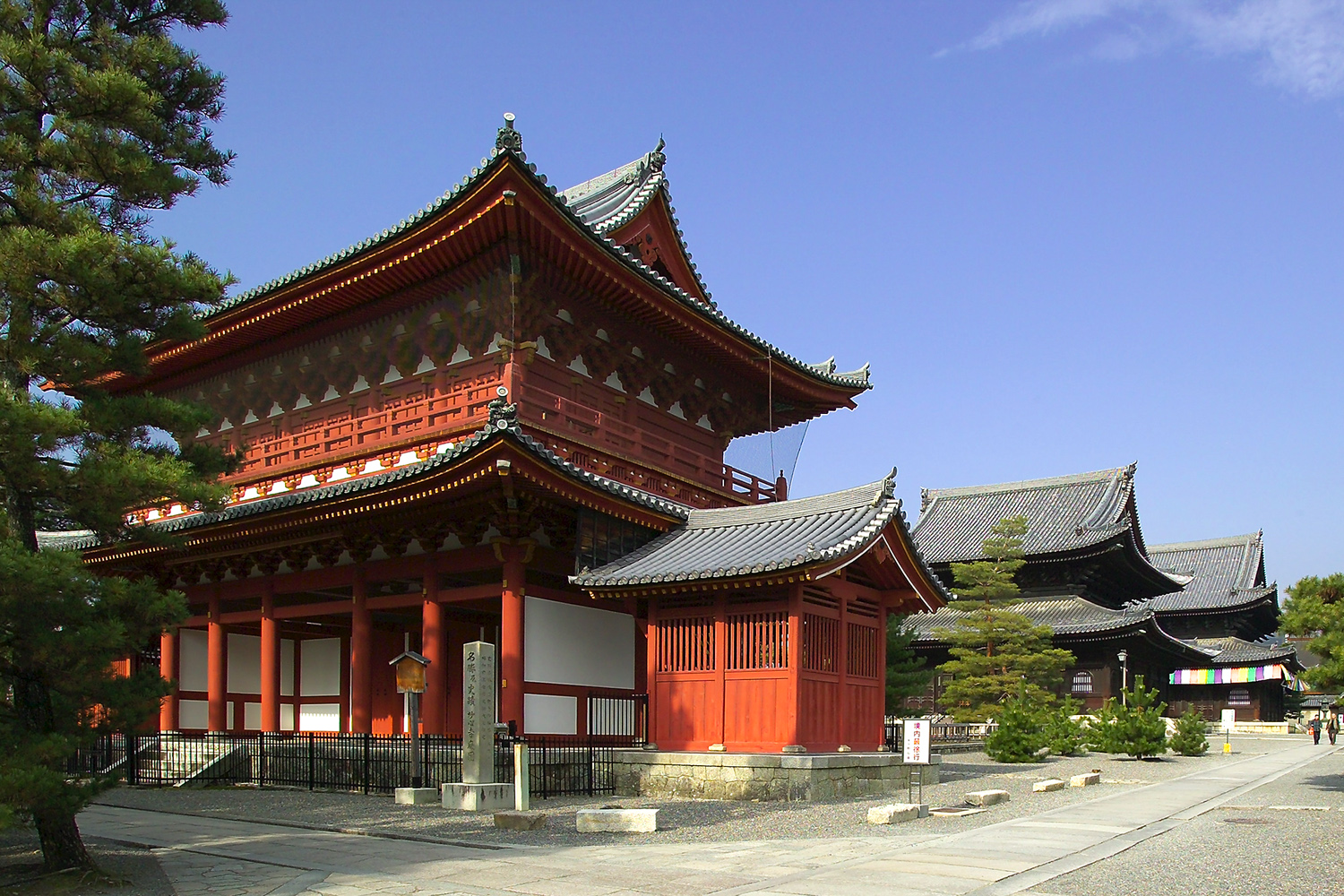
Myoshin-ji
1.0 km · straight line
 Basile Morin / CC BY-SA 4.0
History · Kyoto★★★
Kinkaku-ji
1.7 km · straight line
 663highland / CC BY-SA 4.0
Entertainment · Kyoto★
Uzumasa Kyoto Village
1.7 km · straight line
Distances are straight lines on the map, not travel times.