Kyoto northwest · UzumasaNo.300★Open in map →
Uzumasa Kyoto Village
— where samurai films are made
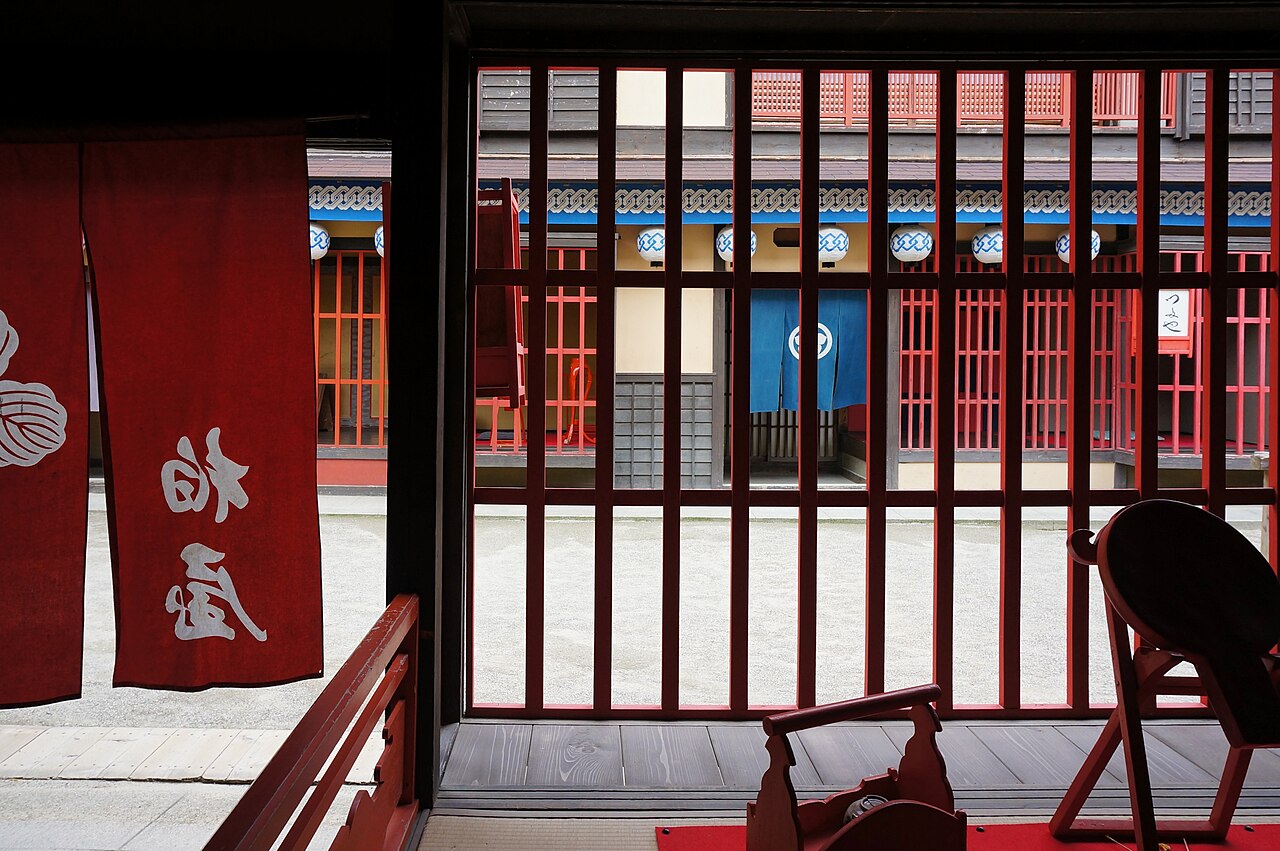
The Toei backlot in west Kyoto where period dramas are still shot, reopened in March 2026 as an immersive Edo-street park.
- FromKyoto Stn
- ~20 mintrain + short walk
- Get off atSatsueijo-mae Station (Randen Kitano Line)
- From there
- Uzumasa Kyoto Village
The sweet spot
Most visitors meet the Edo period in Kyoto through preserved temples and merchant houses. This is the inverse: a street raised by set carpenters for the camera, which since the March 2026 renewal has been designed to be entered and acted in rather than photographed from the outside.
Where it is
90 more notes in Kyoto · open the map →What to look for
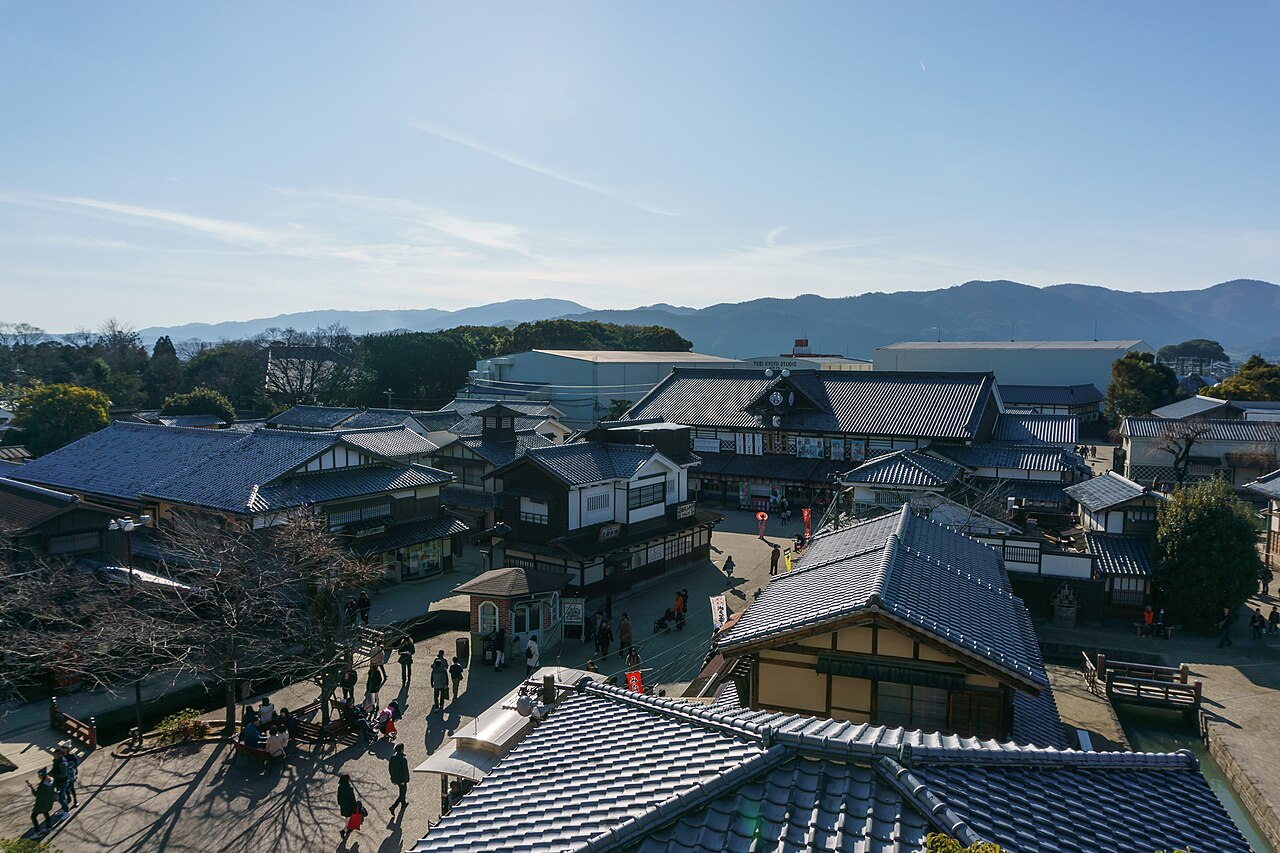
- The Edo open setsfull-scale streets, a canal and bridge, and a magistrate's office — built for the camera, and still used by it
- Immersive live showthe centrepiece of the 2026 renewal: staged drama the audience stands inside rather than watches from seats
- Ninja attractionswalk-through and interactive attractions built around the ninja of period fiction
- Tea ceremony and Nohcultural experience programmes held inside the park, added with the renewal
- Street food along the setseating while walking the Edo street is written into the new concept rather than tacked on
How to actually get there
- Kyoto Station → Uzumasa Station (JR Sagano Line, ~12 min)
- Uzumasa Station → park gate (walk, ~5 min)
- Edo open sets → immersive live show → street food along the set street
- JR Sagano Line to Uzumasa Stn, or the Randen tram
- Kyoto Stn →(JR Sagano / San'in Line, ~12 min)→ Uzumasa Stn → walk ~5 min. Total about 20 min. Alternatively take the Randen tram: from Shijo-Omiya, Satsueijo-mae Station is a 2-minute walk from the gate and Uzumasa-Koryuji Station about 5 minutes.
- Back by JR from Uzumasa Stn, or by Randen tram to Shijo-Omiya
- Walk back to Uzumasa Station for the JR Sagano Line to Kyoto Station, or take the Randen tram east to Shijo-Omiya, which puts you on the Hankyu line and in central Kyoto. Both run frequently into the evening; if you use the night opening, check the last departure posted at the station when you arrive.
About the place
Uzumasa, in the northwest of Kyoto, has been the centre of Japanese period-drama filmmaking for a century, and is sometimes called Japan's Hollywood. Toei's Kyoto studio still shoots here, and beside the working stages lies the open-air backlot: full-scale Edo streets of merchant houses, a canal with a wooden bridge, a magistrate's office and a pleasure-quarter gate, all built as sets rather than as museum reconstructions. That backlot has been open to visitors since 1975 as Toei Kyoto Studio Park. On 28 March 2026 it reopened after the first phase of a full renewal, under the shortened name Uzumasa Kyoto Village. The new concept — wandering into the Kyoto of the Edo period — moves the park away from family rides and toward immersive live shows, ninja attractions, tea ceremony and Noh experiences, and food eaten as you walk the set street. Two further phases are planned, for spring 2027 and spring 2028.
How to enjoy it
Half a day is the natural length. Because the park has been reopening in phases since March 2026, the attraction line-up, the hours and the pricing are all still moving — check the official site the week you travel rather than trusting an older guide. Night opening was introduced with the renewal, and the set street under lanterns is the reason to consider an evening slot. Koryu-ji, one of Kyoto's oldest temples, is a few minutes' walk away and pairs well with a morning here.
Background & history
Film studios came to Uzumasa in the 1920s, moving out from Tokyo and finding in Kyoto both the craftsmen and the surviving temple landscapes that period films needed. Toei consolidated its Kyoto operation here after the war, and by the 1960s the studio was turning out jidaigeki first for cinema and then, as audiences moved, for television. The outdoor sets were opened to the public in 1975, partly as a way to keep the backlot earning while production volumes fell. The renewal that began in March 2026 is the first full rebuild in that half-century of public opening, and it also changed the name: the Toei prefix was dropped and the English form UZUMASA KYOTO VILLAGE adopted.
Before you go
- Cash
- Before the renewal, admission was 2,800 yen for adults, 1,800 yen for junior and senior high school students and 1,600 yen for children aged 3 and over. Pricing has been revised with the 2026 reopening — check the official site (eigamura.com) for the current rate and whether timed entry tickets are required.
- Good to know
- Opening hours and closed days changed with the phased renewal, and night opening has been added. Confirm the day's schedule on the official site before you travel.
- Another way
- The Kyoto City Subway Tozai Line to Uzumasa-Tenjingawa Station leaves about a 14-minute walk to the park — useful if you are coming from the Kyoto Gosho or Sanjo side of the city.
- After you get off
- From Satsueijo-mae Station on the Randen tram it is a signposted 2-minute walk to the gate; from JR Uzumasa Station it is about 5 minutes.
Nearby notes
 Fg2 / Public domain
History · Kyoto★★
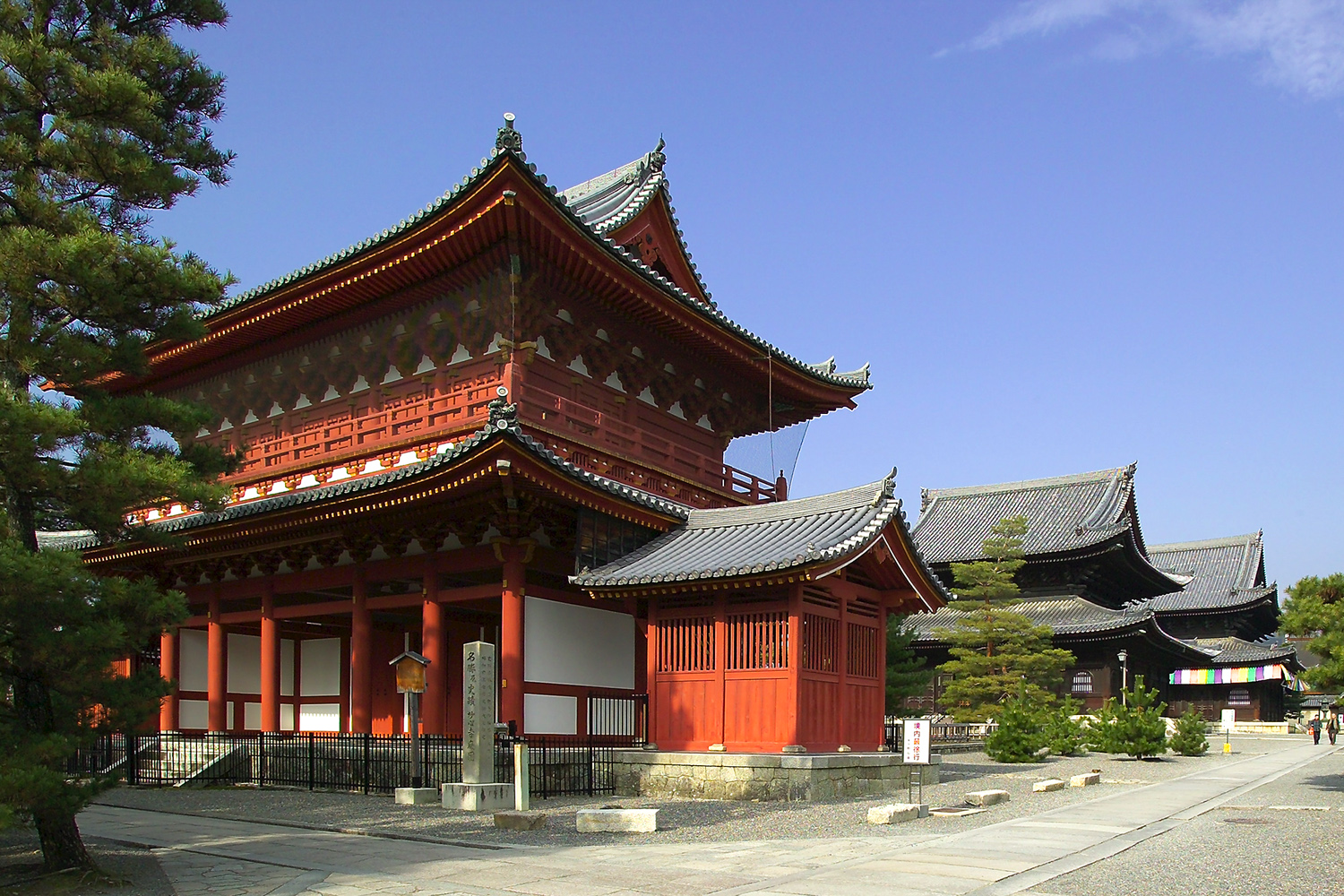
Myoshin-ji
1.4 km · straight line
 663highland / CC BY 2.5
History · Kyoto★★★
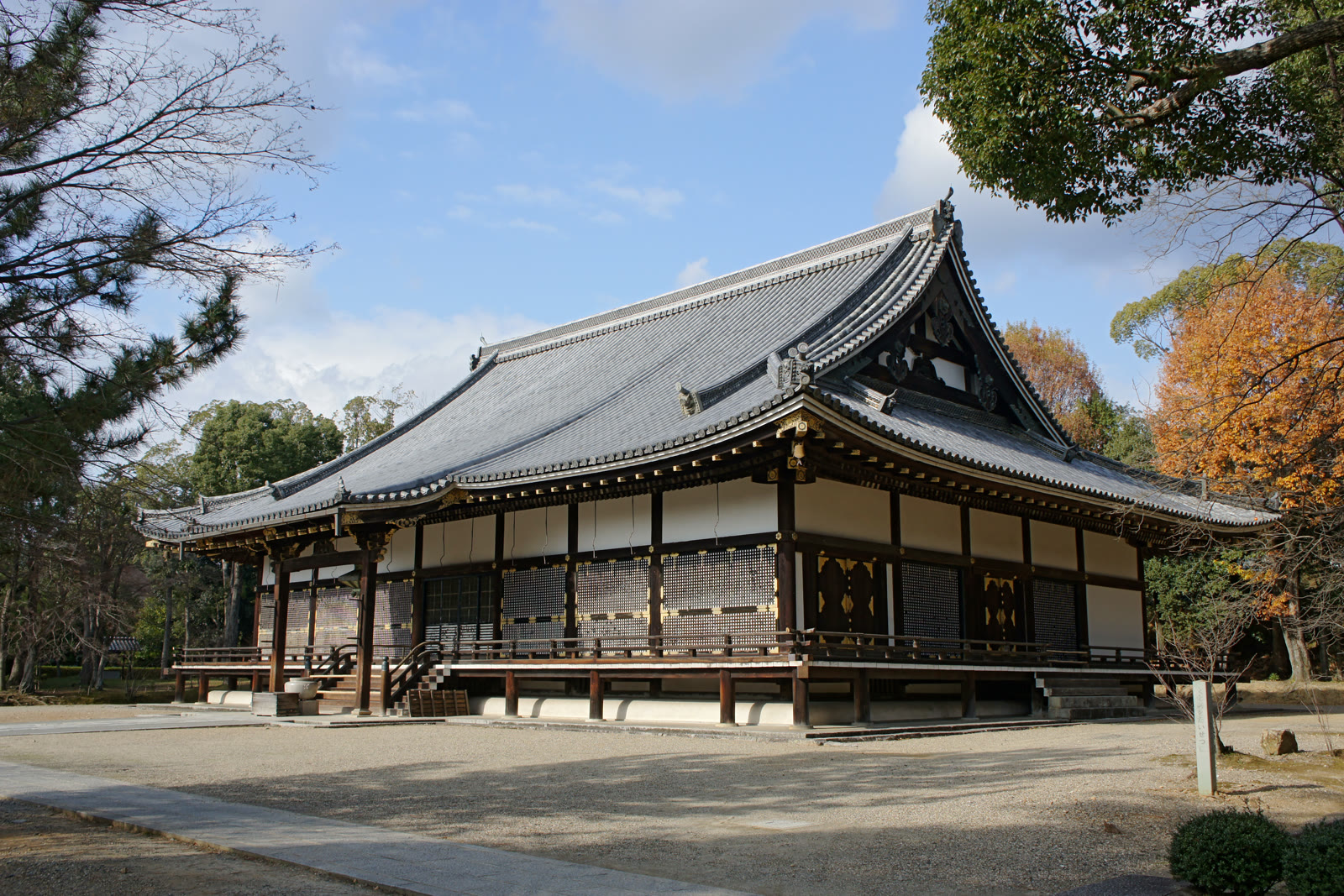
Ninna-ji Temple
1.7 km · straight line
 ttshr1970 / CC BY 3.0
History · Kyoto★★★
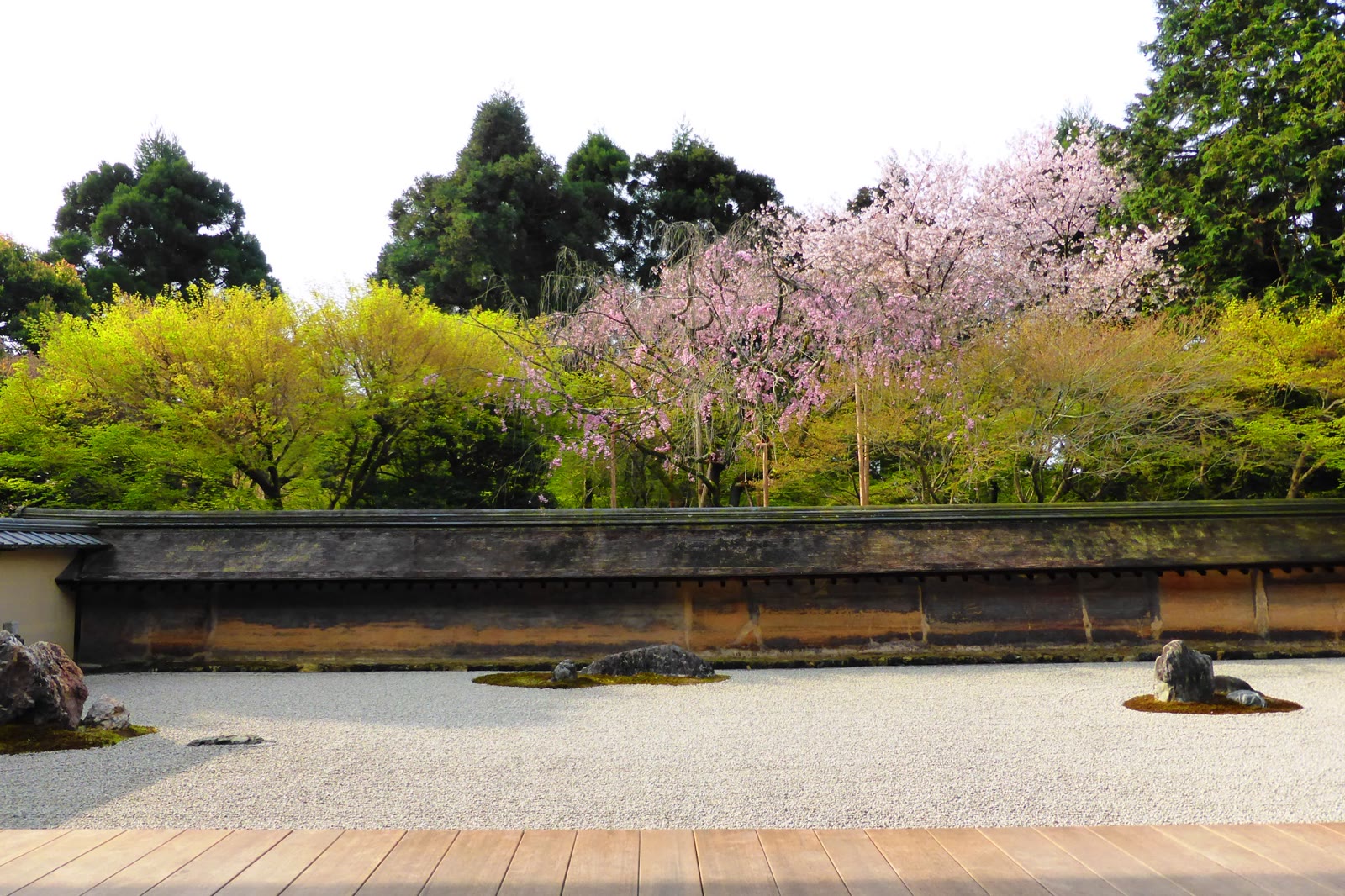
Ryoan-ji
2.2 km · straight line
 Streetdeck / CC BY-SA 4.0
Nature · Kyoto★
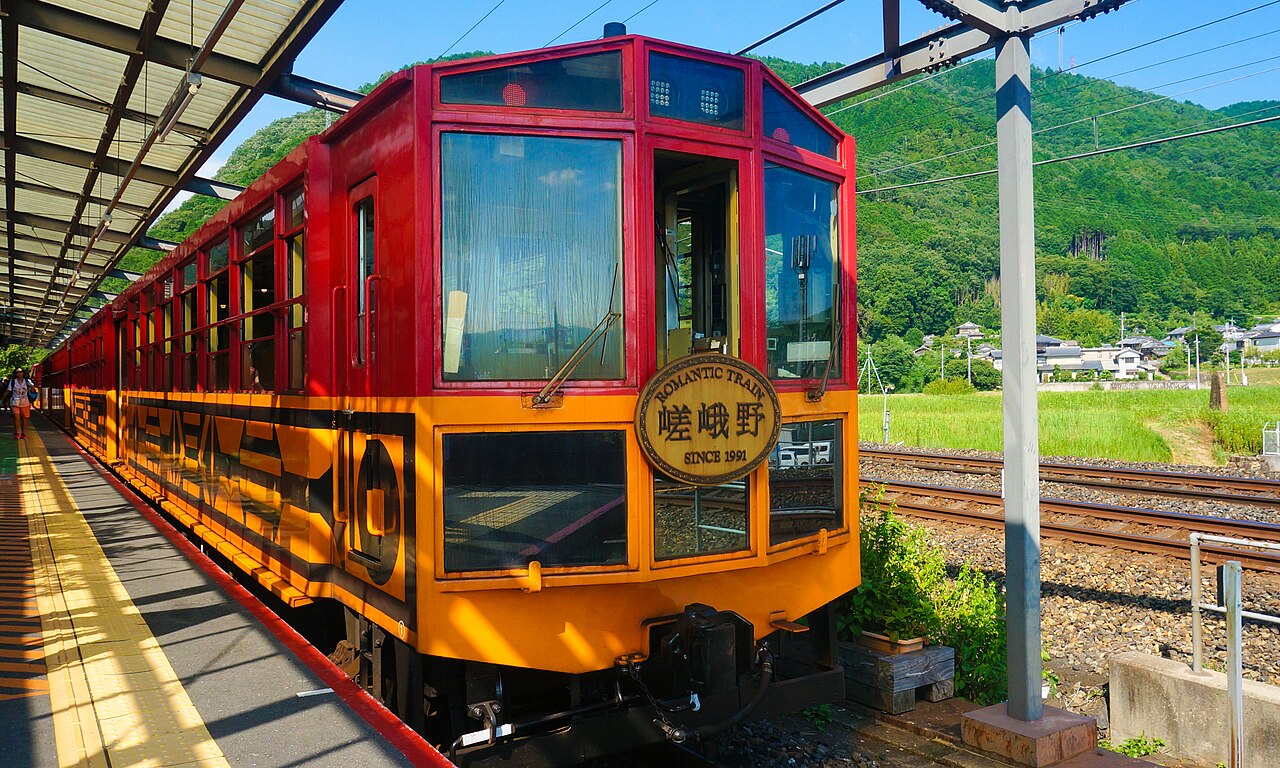
Sagano Romantic Train
2.5 km · straight line
Distances are straight lines on the map, not travel times.