South Nara · TenkawaNo.328★★Open in map →
Dorogawa Onsen
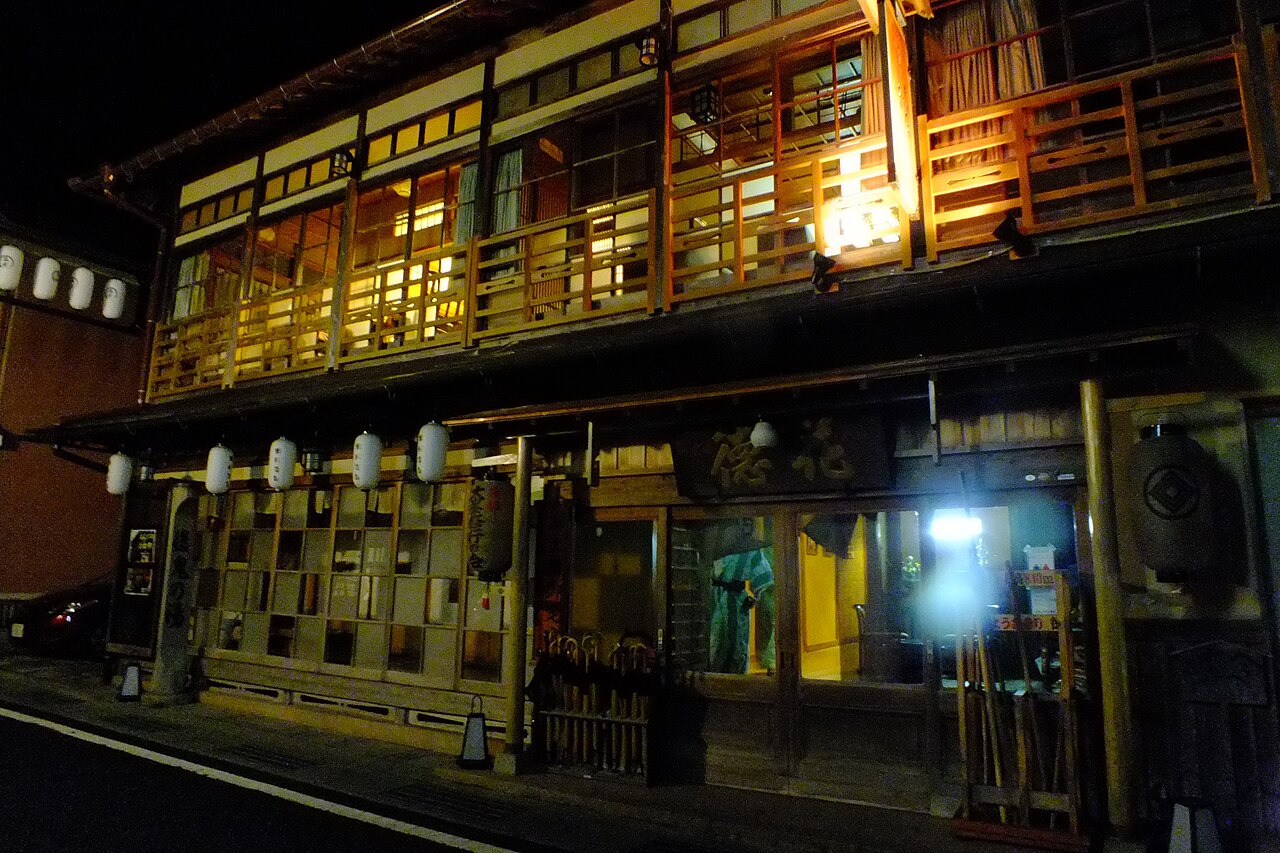
A wooden onsen street in a Nara mountain valley, built to house pilgrims climbing Mt. Omine. Lanterns light the eaves at dusk; the village is also known for its cold spring water and its herbal medicine.
- FromOsaka-Abenobashi Stn
- ~2 hr 20 mintrain + bus (few runs)
- Get off atDorogawa Onsen bus stop
- From there
- Dorogawa Onsen
The sweet spot
It is a genuinely famous onsen inside Japan, but it sits at the end of a bus line that runs only a few times a day, in a village of a few hundred people. Almost no foreign visitors make the trip, and there is very little English information about it.
Where it is
32 more notes in Nara · open the map →What to look for — in walking order
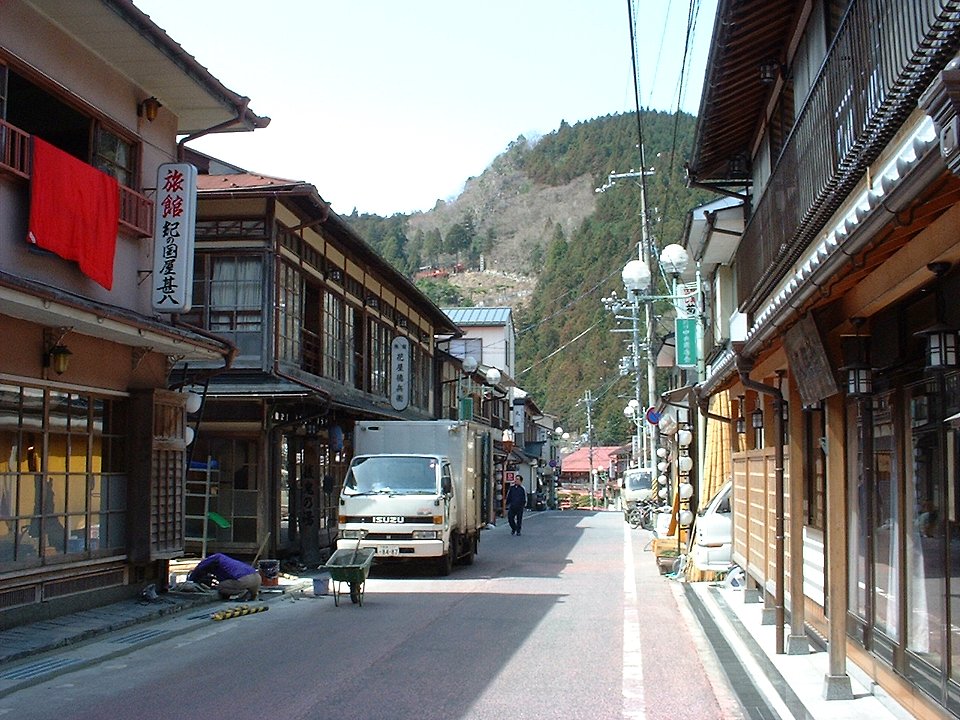
- The lantern street at duskwooden inns with deep verandas, lit by paper lanterns along the eaves
- Ryusenji Templethe village temple where Mt. Omine pilgrims perform water purification before the climb
- Menfudo Limestone Cavea small cave above the village, reached by a short monorail-style cable car
- Gorogoro Watera noted cold spring on the edge of the village; people arrive with bottles to fill
How to actually get there
- Osaka-Abenobashi Stn → Shimoichiguchi Stn (Kintetsu Yoshino Line limited express, ~65-70 min).
- Shimoichiguchi Stn → Dorogawa Onsen (Nara Kotsu bus, ~60-70 min, last stop).
- From the bus stop, walk the single onsen street — bathhouse, Ryusenji temple and the cave entrance are all off it.
- Kintetsu + Nara Kotsu bus
- Osaka-Abenobashi Stn →(Kintetsu Minami-Osaka / Yoshino Line, limited express, ~65-70 min)→ Shimoichiguchi Stn →(Nara Kotsu bus bound for Dorogawa Onsen, ~60-70 min)→ Dorogawa Onsen, the last stop. Total about 2 hours 20 minutes. The bus runs only a few times a day, so check the day's timetable before you leave and pick a train that meets one at Shimoichiguchi.
- The same route in reverse
- Buses back to Shimoichiguchi Station are equally few and the last one leaves in the afternoon. Check the posted return times at the Dorogawa Onsen stop as soon as you arrive. If you miss the last bus there is no train and no second option — the only way out is an expensive taxi over the pass.
About the place
Dorogawa sits in a narrow valley in Tenkawa, deep in southern Nara, and it exists because of the mountain above it. Mt. Omine has been the training ground of Shugendo — Japan's mountain-ascetic tradition — for more than a thousand years, and this village was where pilgrims slept, bathed and bought medicine before the climb. That function shaped the architecture: two-storey wooden inns with deep verandas facing the street, built so that guests could sit out and watch the road. Many are still run by the same families. The spring water is soft and lightly alkaline, and the village is also known for its cold water — springs here are listed among Japan's noted waters. It is the lanterns, though, that people come back for. When the street lamps and the inns' paper lanterns come on together, the whole road turns the colour of the paper.
How to enjoy it
Stay the night if you can — the street is at its best after dark, and the last bus out leaves in the afternoon anyway. Inns lend yukata and wooden geta, and walking the road in them is the local evening. Pair the onsen with Mitarai Gorge in daylight and the lanterns after.
Background & history
The village grew as the lodging base for Shugendo pilgrims heading up Mt. Omine, a practice traditionally traced to En no Gyoja, the semi-legendary 7th-century founder of the tradition. Ryusenji, the temple at the edge of the village, has served as the water-purification site where climbers wash before ascending. Dorogawa is also the home of darani-suke, a bitter herbal stomach medicine that pilgrims carried down from the mountain and that village shops still compound and sell today.
Before you go
- Cash
- The Nara Kotsu bus accepts IC cards such as ICOCA and Suica; the fare from Shimoichiguchi is roughly ¥1,480. The village has essentially no ATMs that accept foreign cards, so bring enough cash for baths, meals and shops.
- Good to know
- This is a working pilgrimage base rather than a resort. The summit trail up Sanjogatake, the Shugendo training peak above the village, is still closed to women under a religious rule kept for centuries; the onsen street, the caves and the gorge below are open to everyone.
- Another way
- Mitarai Gorge — a chain of green pools, waterfalls and suspension bridges — is a short bus ride or a walk down-valley, and is the standard pairing with a night at the onsen.
- After you get off
- The bus terminates on the onsen street itself. The public bathhouse, the visitor centre and most inns are within a few minutes' walk of the stop.
Nearby notes
 Tawashi2006 / CC BY 2.1 jp
Nature · Nara★★★
Yoshino Mountain
11.3 km · straight line
 8-hachiro / CC BY-SA 4.0
Nature · Nara★
Miyataki
12.1 km · straight line
 Kyu3a / CC BY-SA 4.0
Food · Nara★★★
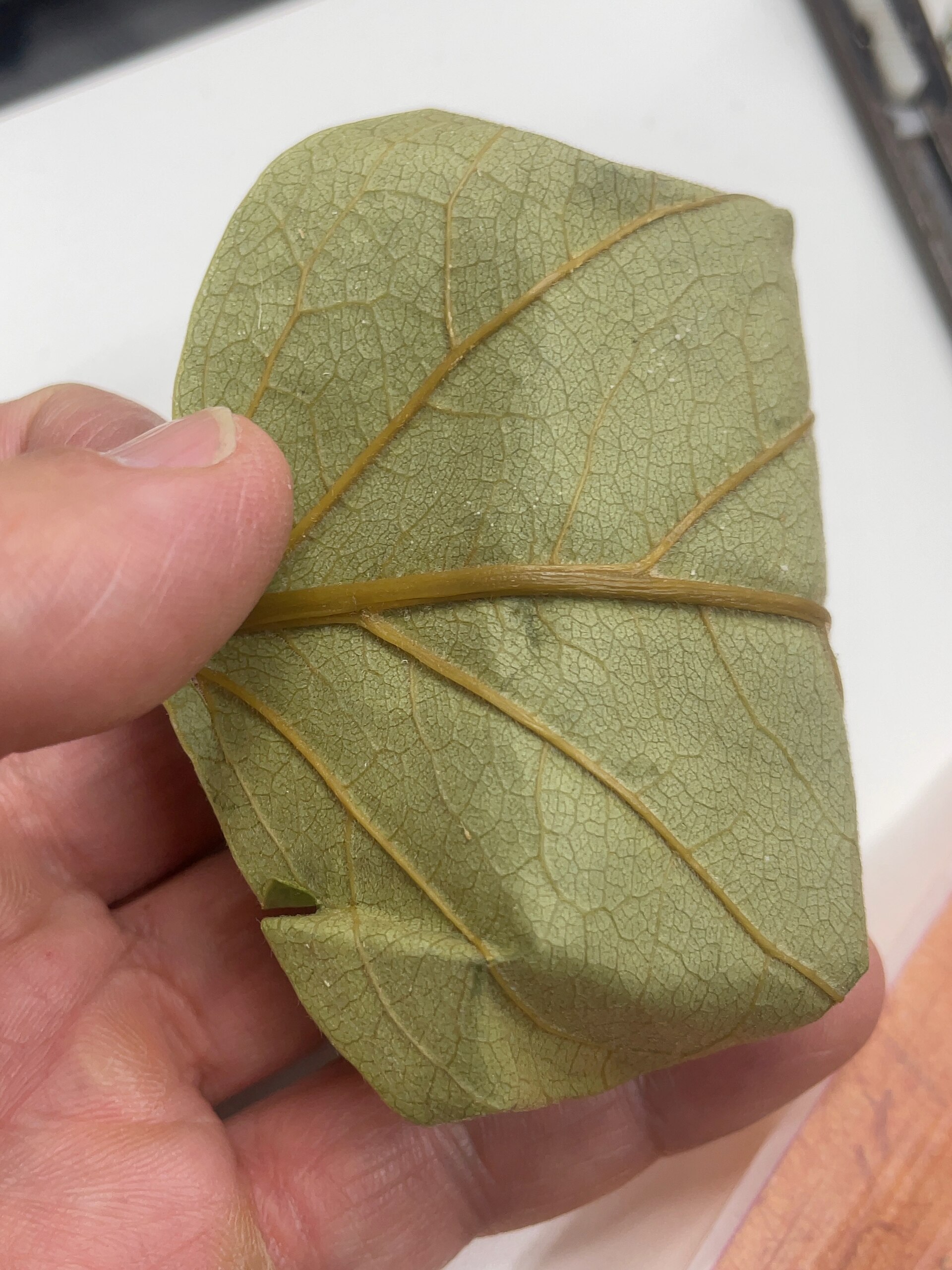
Kakinoha-zushi
19.4 km · straight line
 Raita Futo / CC BY 2.0
Local life · Nara★★
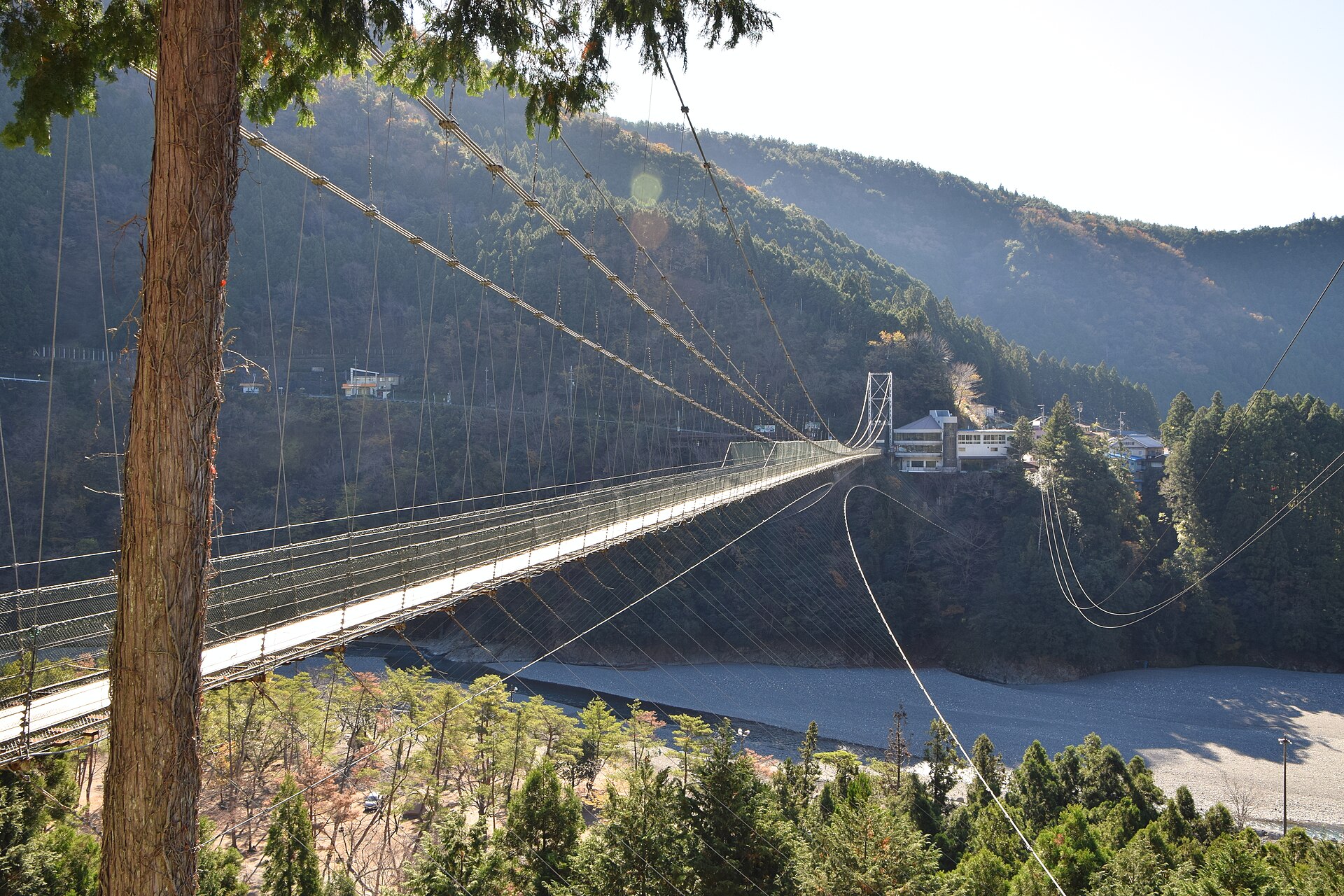
Tanize Suspension Bridge
21.5 km · straight line
Distances are straight lines on the map, not travel times.