Nara · YoshinoNo.186★★★Open in map →
Yoshino Mountain
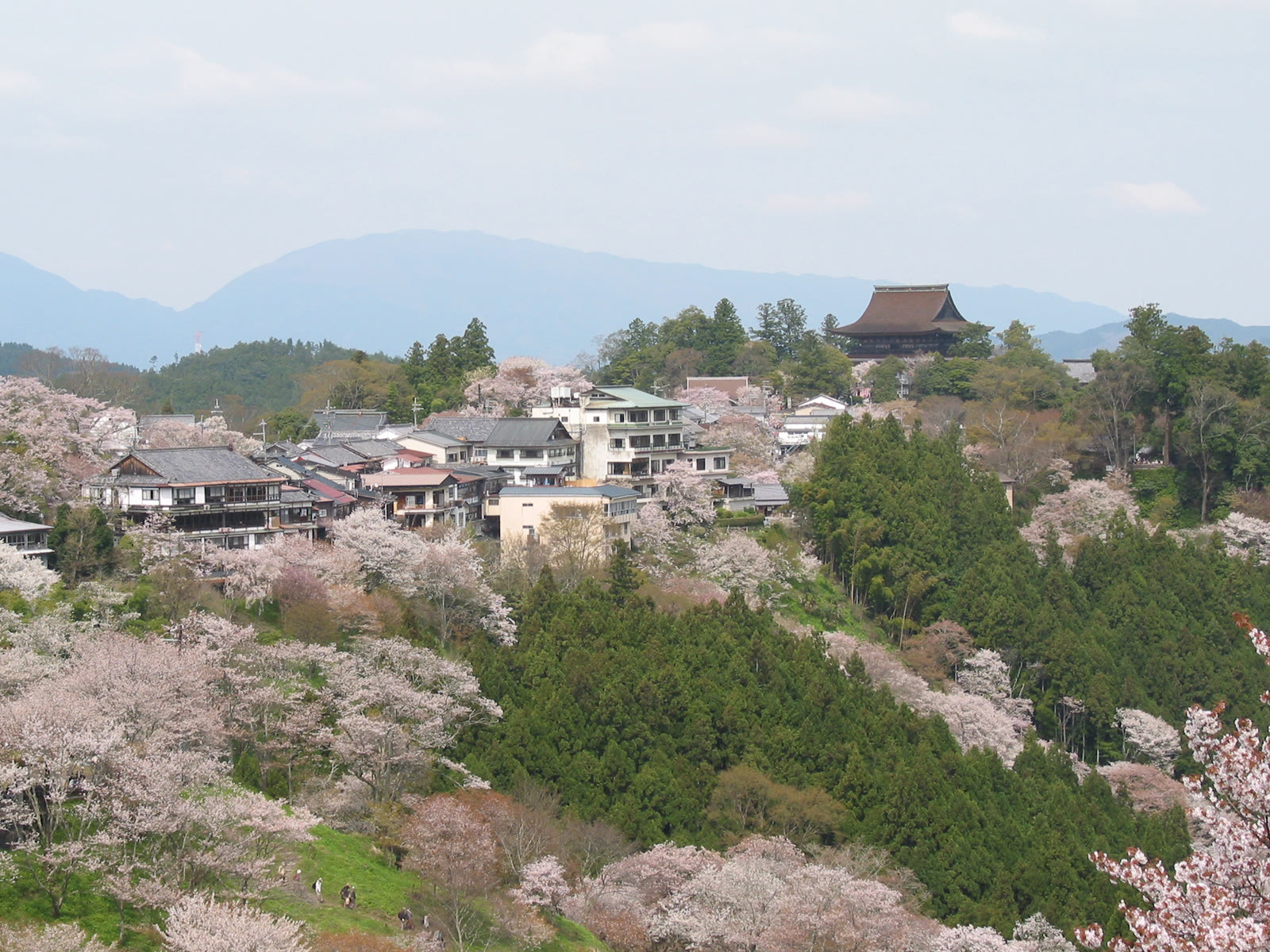
A UNESCO World Heritage mountain ridge in Yoshino, Nara, covered by around 30,000 cherry trees. Blossoms open in tiers from the lower slopes upward through late March and April, and ancient pilgrimage temples and shrines line the ridge.
- FromOsaka-Abenobashi Stn
- ~75 minKintetsu (direct from Osaka)
- Get off atYoshino Station (Kintetsu Minami-Osaka Line / Kintetsu Yoshino Line)
- From there
- Yoshino Mountain
Where it is
32 more notes in Nara · open the map →What to look for — in walking order
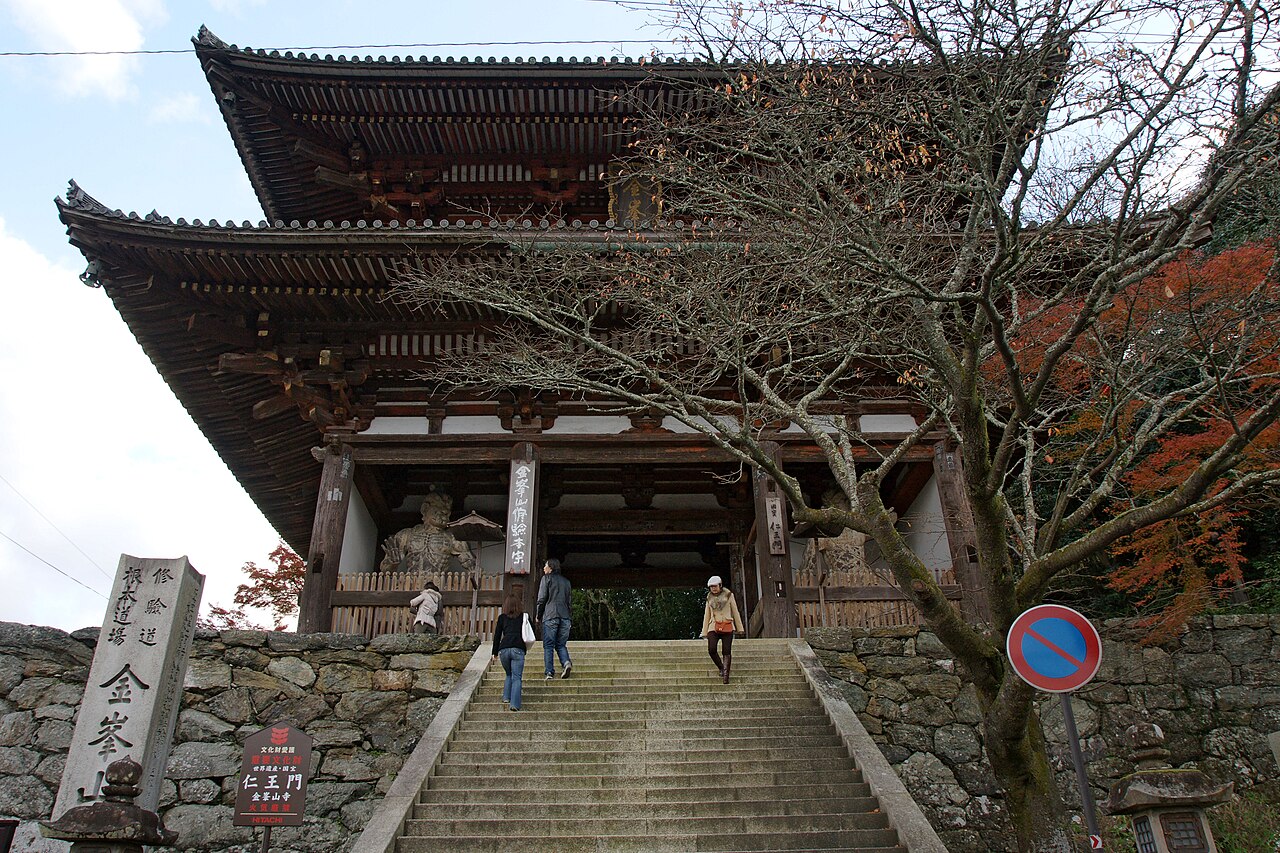
- Niomon Gatethe mountain entrance gate below Shimo-Senbon, marking the start of the pilgrim approach from Yoshino Station
- Kinpusenji Zao-dothe 34-metre main hall of Kinpusenji Temple, Japan's second-largest wooden building, housing three 7-metre Zao Gongen statues
- Naka-Senbon zonethe densest stretch of cherry trees, along the ridge between Kinpusenji and the upper Yoshimizu Shrine
- Oku-Senbon zonethe highest and latest-blooming tier, reached on foot about 2 km beyond Kinpusenji, quieter and forested
How to actually get there
- Osaka-Abenobashi Station → Yoshino Station (Kintetsu Minami-Osaka Line limited express, ~75 min, direct through trains). Check timetable in advance; some trains require change at Yoshino-guchi.
- Yoshino Station → Niomon gate: walk uphill ~20 min, or take the Yoshino Ropeway (short cable car) to the upper station.
- Niomon gate → Kinpusenji Zao-do → Naka-Senbon zone → Oku-Senbon zone (walking along the ridge, allow 2–3 hrs total).
- Kintetsu Minami-Osaka Line direct from Osaka-Abenobashi
- Osaka-Abenobashi Station (connected to Tennoji Station on the JR Osaka Loop Line) →(Kintetsu Minami-Osaka Line limited express, ~75 min, direct through trains)→ Yoshino Station. Total about 75 min. Direct through trains run between Osaka-Abenobashi and Yoshino without transfer; check the Kintetsu timetable (kintetsu.co.jp) as some trains require a change at Yoshino-guchi. From Yoshino Station, walk up to Niomon gate (about 20 min) or take the Yoshino Ropeway.
- Return from Yoshino Station to Osaka-Abenobashi
- Take the Kintetsu limited express from Yoshino Station back to Osaka-Abenobashi (~75 min). At peak blossom season, trains fill quickly — check return times when you arrive and leave before late afternoon if possible. Seats on the limited express can be reserved in advance at Kintetsu stations.
About the place
Yoshino is a mountain ridge stretching southward from Yoshino Town in central Nara, held sacred for more than a thousand years as a centre of Shugendo — a Japanese mountain asceticism that blends Buddhist and Shinto practice. It is also Japan's most celebrated cherry blossom site: roughly 30,000 trees of many varieties, concentrated across four tiered zones called Shimo-Senbon (lower), Naka-Senbon (middle), Kami-Senbon (upper), and Oku-Senbon (deep), open in successive waves from late March to mid-April, the lower zones earliest. The effect is of cherry blossoms sweeping progressively up the mountain as spring climbs the ridge. Kinpusenji, the leading temple of Shugendo with its 34-metre Zao-do hall — Japan's second-largest wooden building — stands near the top of the Naka-Senbon zone. The mountain is registered as part of the UNESCO World Heritage Site 'Sacred Sites and Pilgrimage Routes in the Kii Mountain Range.'
How to enjoy it
The four blossom zones open in sequence, lower to upper, across about three weeks. Check the current-year forecast on Yoshino Kanko's official website before travelling — peak lower-zone bloom and peak upper-zone bloom can be two weeks apart. From Yoshino Station, walk up through the Niomon gate (about 20 minutes on foot) or take the Yoshino Ropeway, Japan's oldest surviving aerial ropeway (opened 1929). The ridge road through Naka-Senbon, lined with temple guesthouses, is the main viewing stretch. Allow two to three hours at a comfortable pace to reach the Oku-Senbon zone and return.
Background & history
Yoshino's sacred history dates to the 7th century, when En no Gyoja, the legendary founder of Shugendo, is said to have carved the principal statues enshrined at Kinpusenji from a single sacred cherry tree. The practice of planting cherry trees as religious offerings, to honour the Shugendo deities, built up the remarkable concentration of trees across the mountain over more than thirteen centuries. Yoshino also figures prominently in Japanese classical literature — it appears repeatedly in the Manyoshu poetry anthology and later in medieval war chronicles as a place of exile and refuge for emperors. In 2004, the mountain and its associated pilgrimage routes were designated a UNESCO World Heritage Site.
Before you go
- Cash
- Kinpusenji Zao-do charges a separate admission (confirm current fee at kinpusenji.or.jp). The Yoshino Ropeway charges a fare. Kintetsu limited express requires a reserved-seat supplement in addition to the base fare. Bring cash for temple admissions and food stalls; card acceptance at smaller shops on the ridge is limited.
- Good to know
- Cherry blossom peak varies by year — typically late March for Shimo-Senbon, mid-April for Oku-Senbon. Outside blossom season the mountain is quiet but the temples and ridge remain worth visiting in autumn foliage (November). On peak spring weekends the ridge road is extremely crowded; arrive early (by 9:00) and expect the approach road to be closed to private vehicles.
- Another way
- From Kyoto, take the Kintetsu Kyoto Line to Yamato-Yagi Station, change to the Kintetsu Yoshino Line to Yoshino Station (~90 min). This avoids going back through Osaka.
- After you get off
- Yoshino Station (Kintetsu Yoshino Line): from the station exit, either walk uphill about 20 minutes along the main approach to the Niomon gate, or take the Yoshino Ropeway (short cable car ride) to the upper station near the gate.
Nearby notes
 8-hachiro / CC BY-SA 4.0
Nature · Nara★
Miyataki
3.3 km · straight line
 8-hachiro / CC BY-SA 4.0
Local life · Nara★
Inabuchi Rice Terraces & Scarecrow Road
10.4 km · straight line
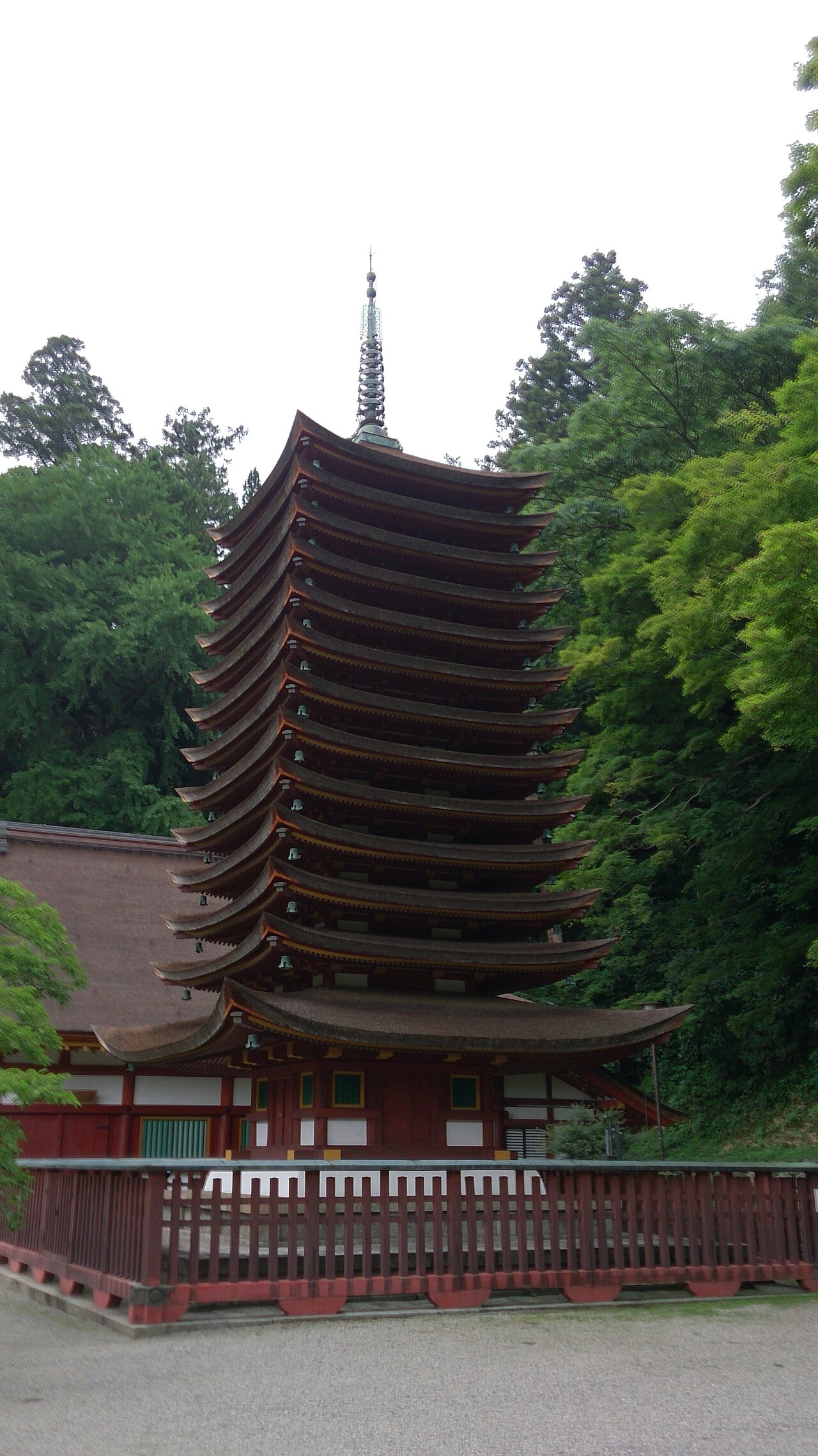 Maechan0360 / CC BY-SA 3.0
History · Nara★★
Tanzan Shrine
10.6 km · straight line
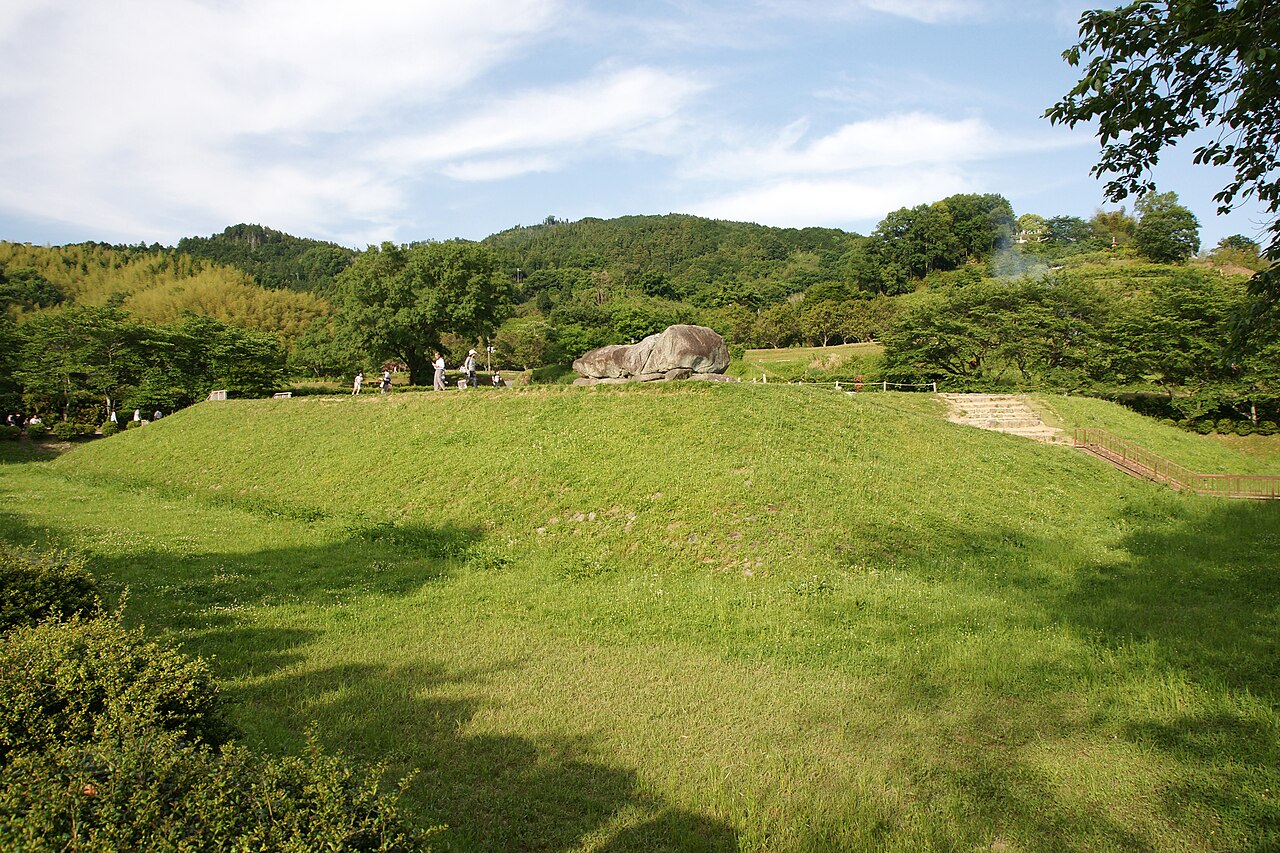 663highland / CC BY 2.5
History · Nara★★
Ishibutai Kofun
11.3 km · straight line
Distances are straight lines on the map, not travel times.