Nara · Asuka VillageNo.315★★Open in map →
Ishibutai Kofun
— a megalithic tomb you can step inside
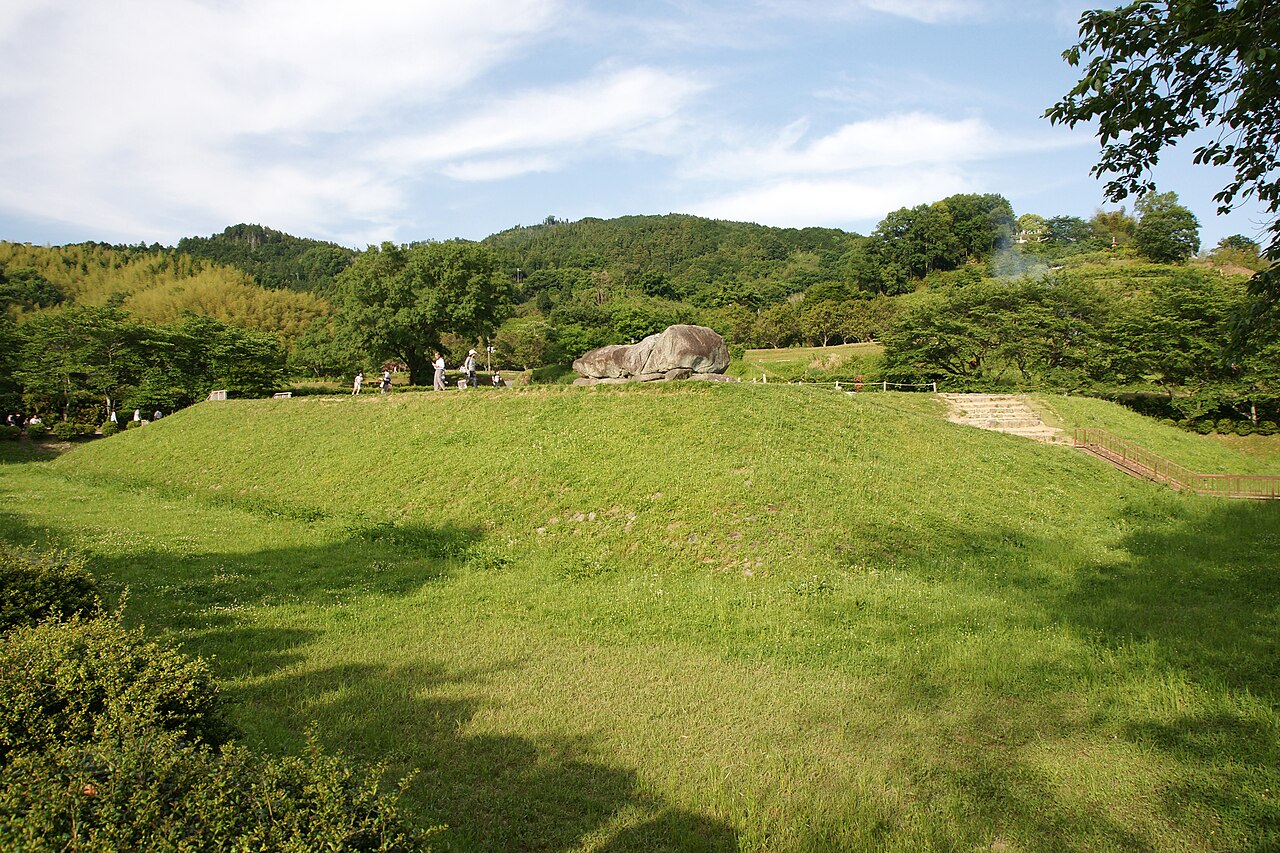
Ishibutai Kofun in Asuka Village, Nara, is a National Special Historic Site: an early 7th-century horizontal stone burial chamber built from roughly 2,300 tons of granite, now stripped of its earth mound and open to walk inside.
- FromKyoto Stn
- ~2 hrsTrain + loop bus (~1/hr)
- Get off atIshibutai bus stop
- On foot
- Ishibutai Kofun
The sweet spot
Asuka is a working farming village with rice fields between its monuments, and the loop bus runs only about once an hour. That thins the crowd naturally: the site never fills the way Nara city does, and if you arrive between buses you may have the chamber almost to yourself for a few minutes.
Where it is
32 more notes in Nara · open the map →What to look for — in walking order
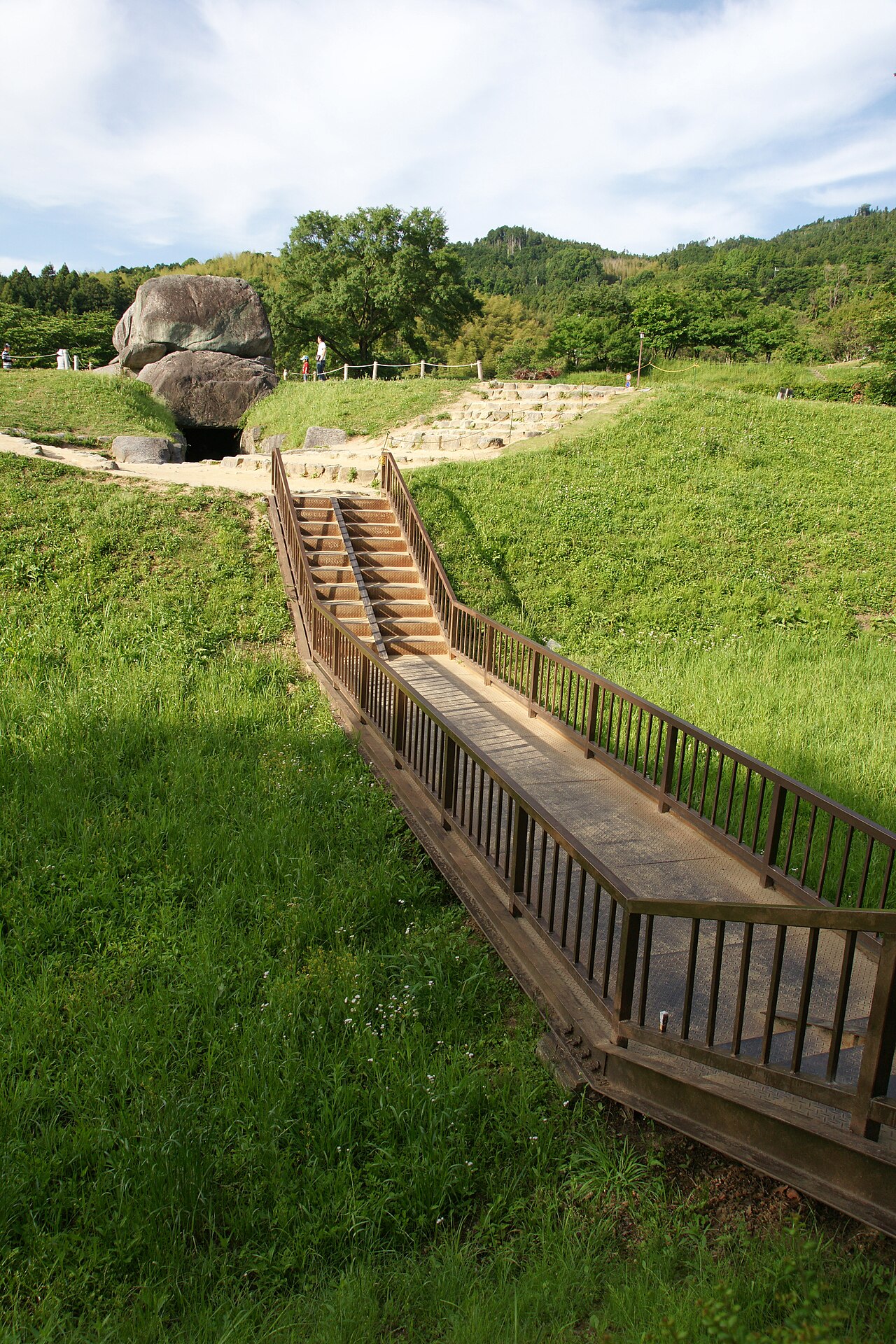
- The two roof stonesthe largest blocks in the structure, and the reason the tomb reads as engineering rather than ruin
- Inside the chambera horizontal stone room you enter through a low passage; the walls are dressed granite laid without mortar
- The surrounding lawn and moat tracethe outline of the original square mound is marked on the ground around the stones
- Asuka's farmland settingrice fields and low hills on every side — the same landscape the tomb was built into
How to actually get there
- Kyoto Stn → Kashiharajingu-mae Stn (Kintetsu Kyoto Line express, ~50 min).
- Kashiharajingu-mae Stn → Asuka Stn (Kintetsu Yoshino Line, ~4 min).
- Asuka Stn → Ishibutai bus stop (Kame red-turtle loop bus, ~15 min).
- Walk two minutes to the ticket gate, then down the stone passage into the chamber.
- Train to Asuka Stn, then the Kame loop bus
- Kyoto Stn →(Kintetsu Kyoto Line express, ~50 min)→ Kashiharajingu-mae Stn →(transfer to the Kintetsu Yoshino Line, ~4 min)→ Asuka Stn →(Kame 'red-turtle' loop bus toward Ishibutai, ~15 min)→ Ishibutai stop. Total about 2 hours. The loop bus runs roughly once an hour and thins out midday and off-season — check the day's timetable before you leave.
- Loop bus back to Asuka Stn
- Take the Kame loop bus from Ishibutai back to Asuka Station, then the Yoshino Line to Kashiharajingu-mae and on to Kyoto or Osaka. Buses stop running by early evening, so check the return times posted at the stop when you arrive.
About the place
Most Japanese tumuli are green mounds you look at from outside. Ishibutai is the opposite: at some point in its long history the covering earth was stripped away, leaving the skeleton of the tomb standing in a field like a piece of engineering left half-finished. The chamber was built in the early 7th century from granite blocks weighing some 2,300 tons in total, the two roof stones alone accounting for a large share of that. A short passage leads you down and in. Inside, the scale is silent and physical in a way photographs do not carry — you are standing under rock that was raised without a single machine.
How to enjoy it
Give the chamber more than the two minutes most groups spend in it: stand still inside until your eyes adjust and the joints between the blocks come out of the dark. Spring cherry blossom and autumn spider lilies both frame the stones well. Because the loop bus is hourly, plan the visit around the timetable — or rent a bicycle at Asuka Station and string Ishibutai together with the village's other ancient sites at your own pace.
Background & history
The tomb was built in the early 7th century, at the end of Japan's Kofun period and the beginning of the Asuka period — the era when the court, Buddhism and the first centralised state were taking shape on this plain. The covering mound was lost long ago, leaving the megalithic chamber exposed, which is how the site got its name: ishi-butai, 'stone stage'. It is designated a National Special Historic Site and sits within the Asuka Historical National Government Park.
Before you go
- Cash
- There is a small admission charge at the gate — bring cash, as the ticket window may not take cards. A rest house with toilets, drinks and light food sits beside the entrance.
- Good to know
- The site closes in the late afternoon and the last bus is earlier than you expect. The passage into the chamber is low and the floor can be damp after rain — watch your head and your footing.
- Another way
- Rent a bicycle at Asuka Station and ride to Ishibutai in about 20 minutes. Asuka's monuments are spread across flat farmland, so a bicycle removes the bus timetable from the day entirely.
- After you get off
- The Ishibutai bus stop is beside the park entrance; the tomb is a two-minute walk across the lawn and is visible from the road.
Nearby notes
 8-hachiro / CC BY-SA 4.0
Local life · Nara★
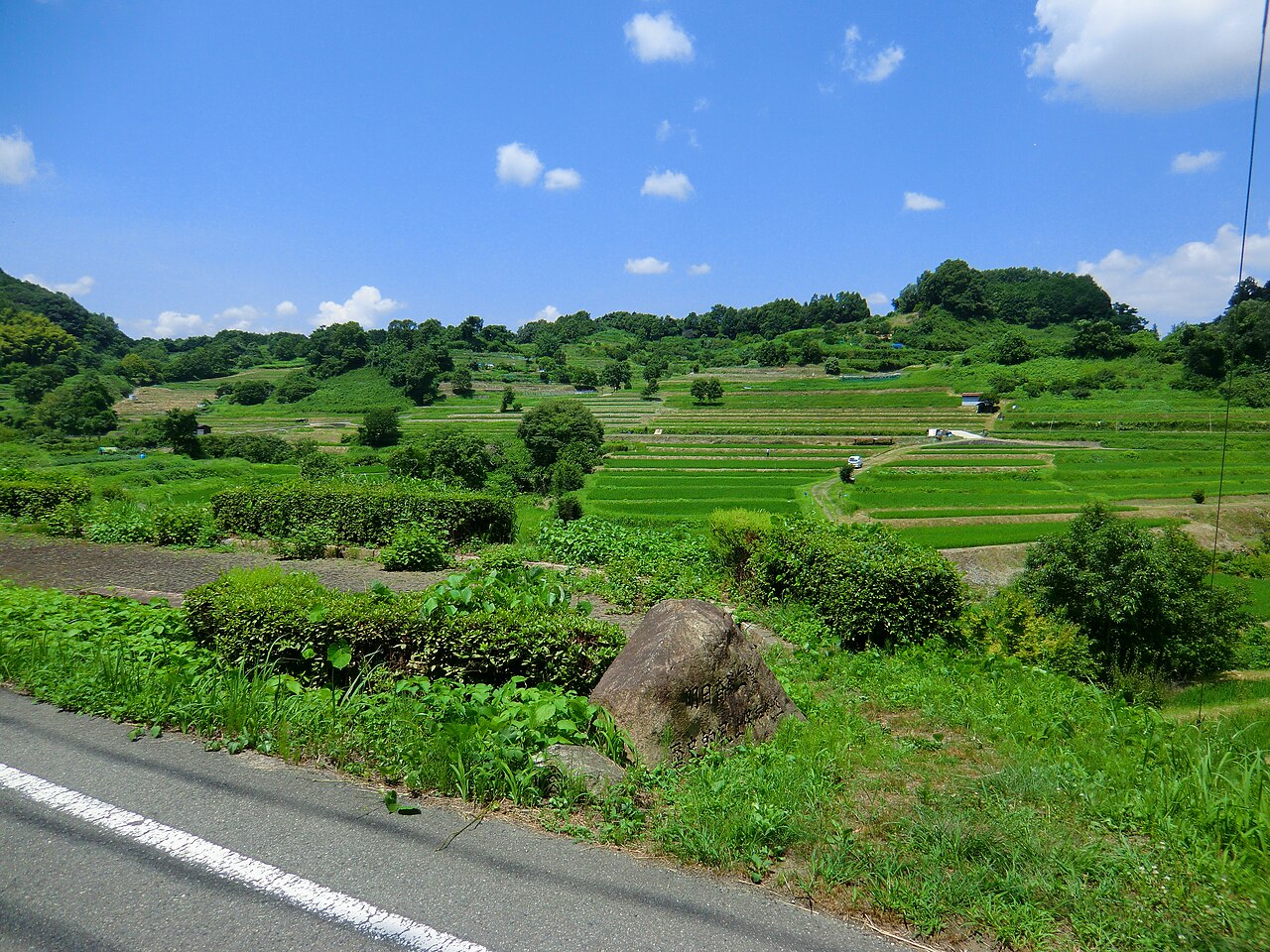
Inabuchi Rice Terraces & Scarecrow Road
1.2 km · straight line
 Saigen Jiro / CC0
History · Nara★★
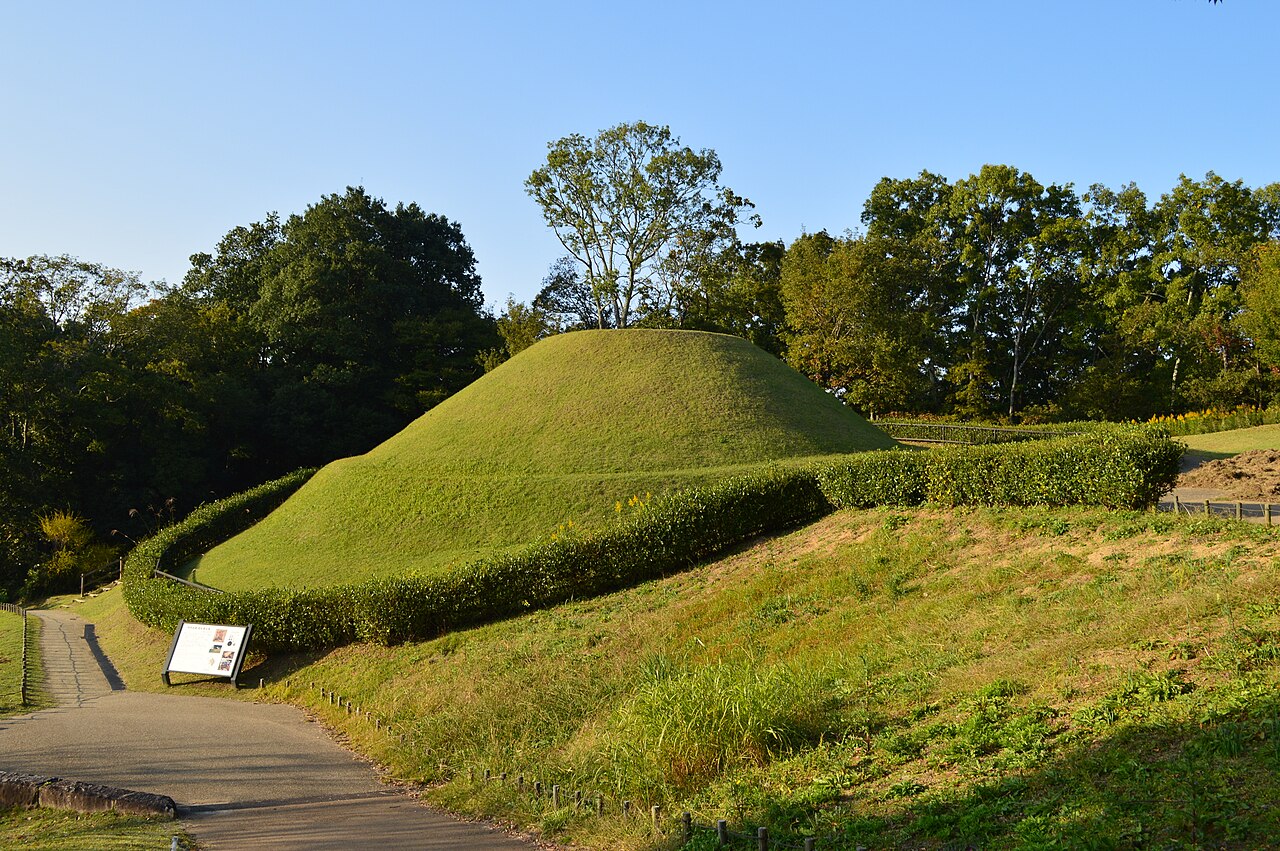
Takamatsuzuka Tomb
1.9 km · straight line
 Maechan0360 / CC BY-SA 3.0
History · Nara★★
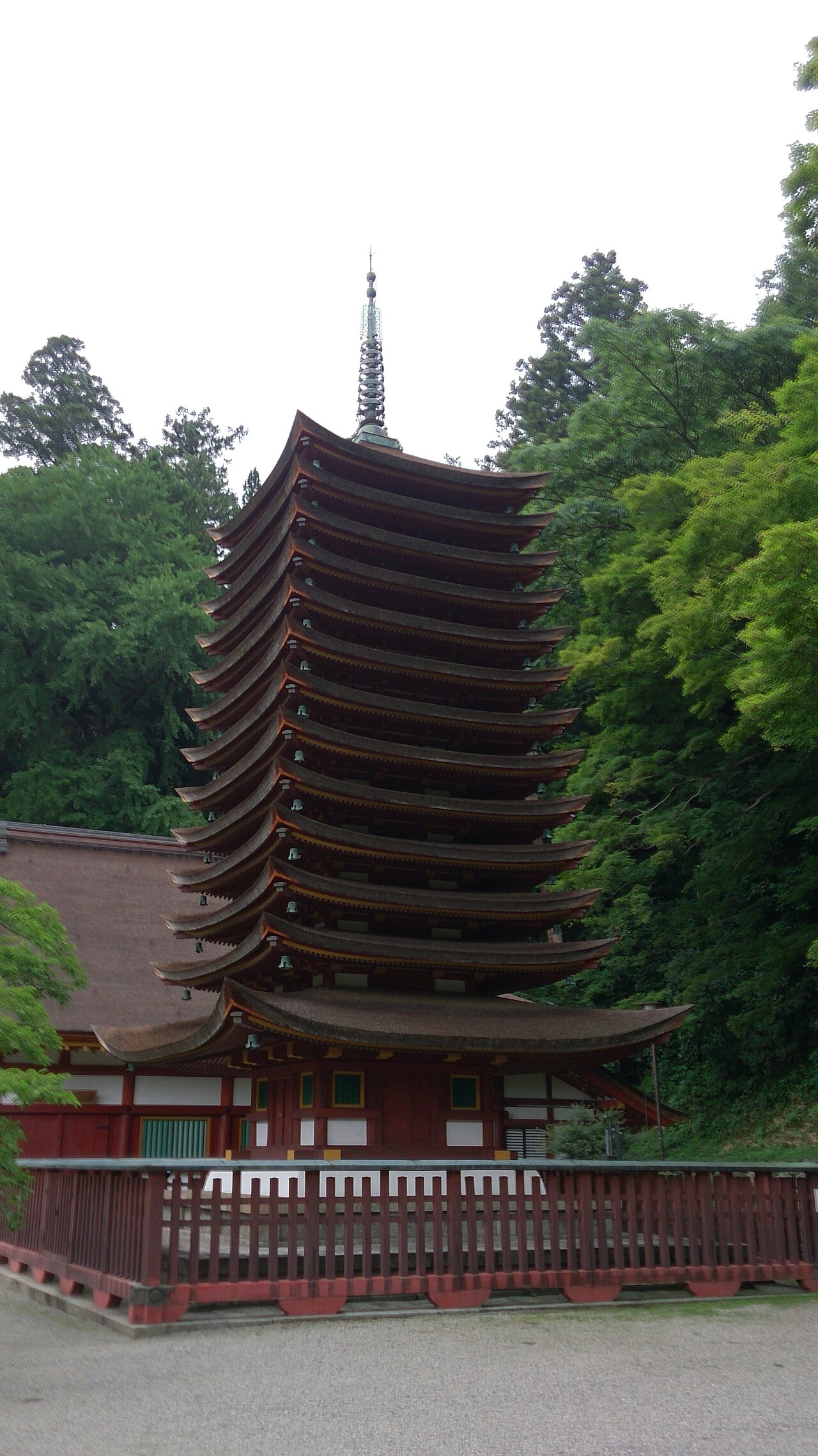
Tanzan Shrine
3.4 km · straight line
 Yoshio Kohara / CC BY 3.0
History · Nara★★
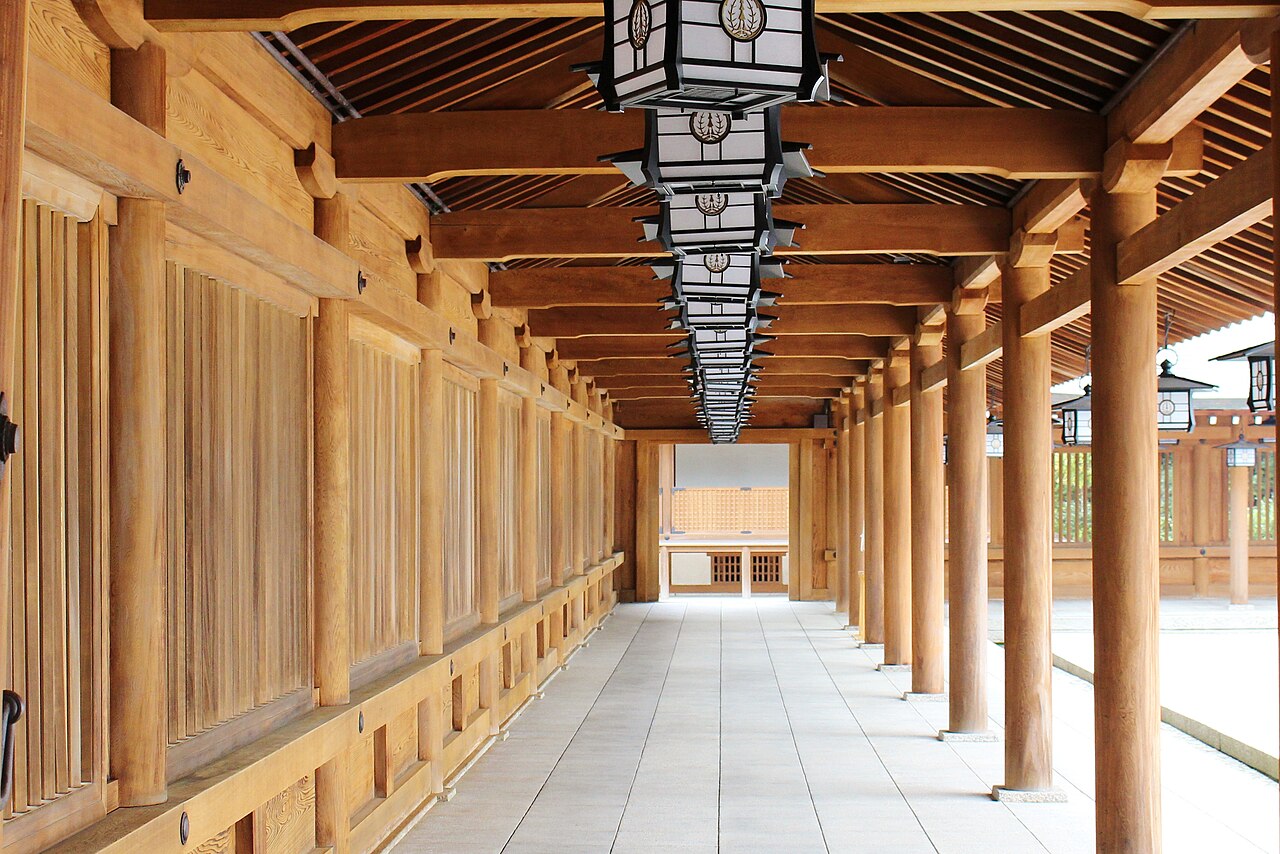
Kashihara Jingu
4.3 km · straight line
On a curated routeBefore Nara, Before Kyoto →
Distances are straight lines on the map, not travel times.