Nara · Asuka VillageNo.378★★Open in map →
Takamatsuzuka Tomb
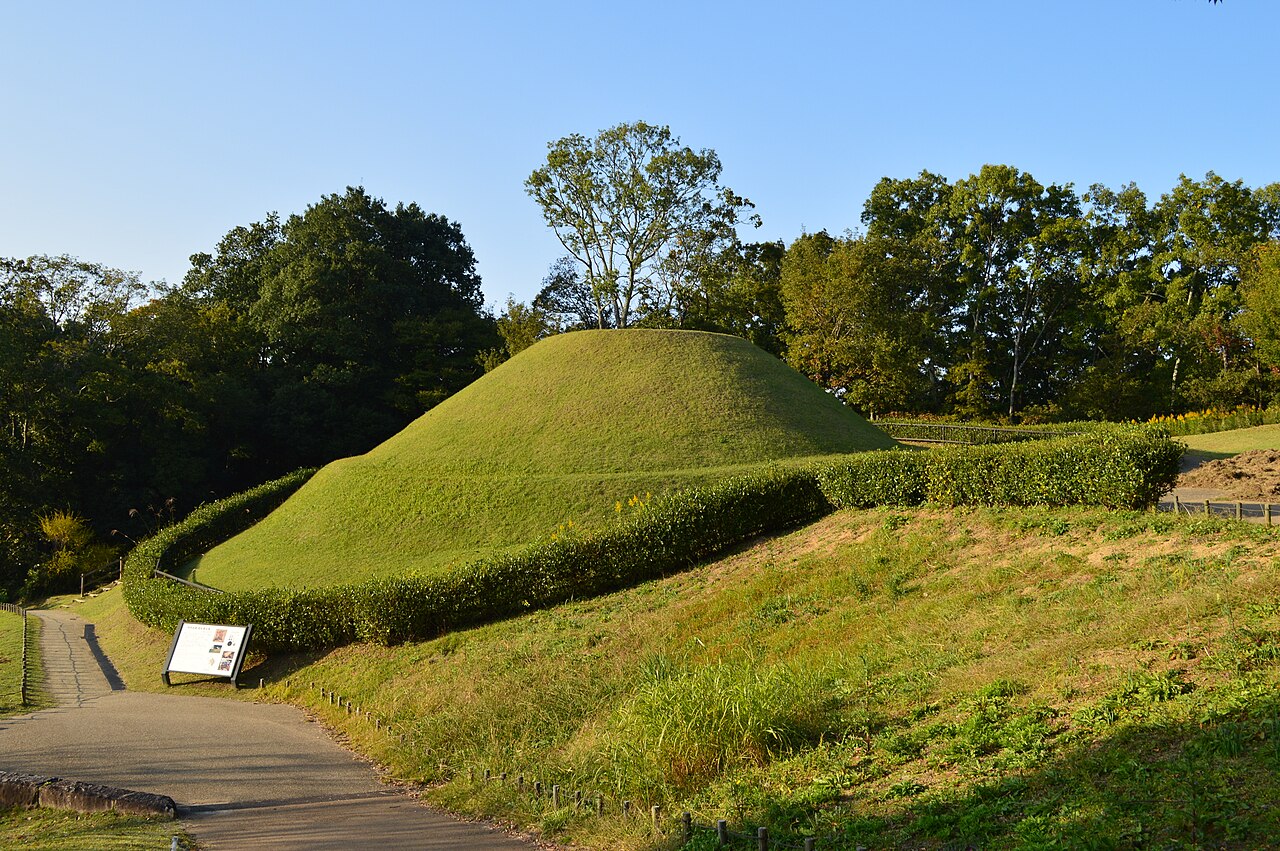
A small round tomb of the late 7th to early 8th century in Asuka, whose vividly coloured chamber murals — a National Treasure — were removed for conservation. The mound stands restored on parkland; the paintings are shown as reproductions next door.
- FromKyoto Stn
- ~2 hrKintetsu + ~15-min walk (or rental bike)
- Get off atAsuka Stn (Kintetsu Yoshino Line, then ~15-min walk)
- On foot
- Takamatsuzuka Tomb
The sweet spot
Takamatsuzuka is in every Japanese textbook, and visitors arrive expecting to look into a painted chamber. The murals left the mound in 2007 and are now shown only by ballot. Knowing that before you go changes the visit from a disappointment into the point: this is a site about what it takes to keep a 1,300-year-old painting alive.
Where it is
32 more notes in Nara · open the map →What to look for — in walking order
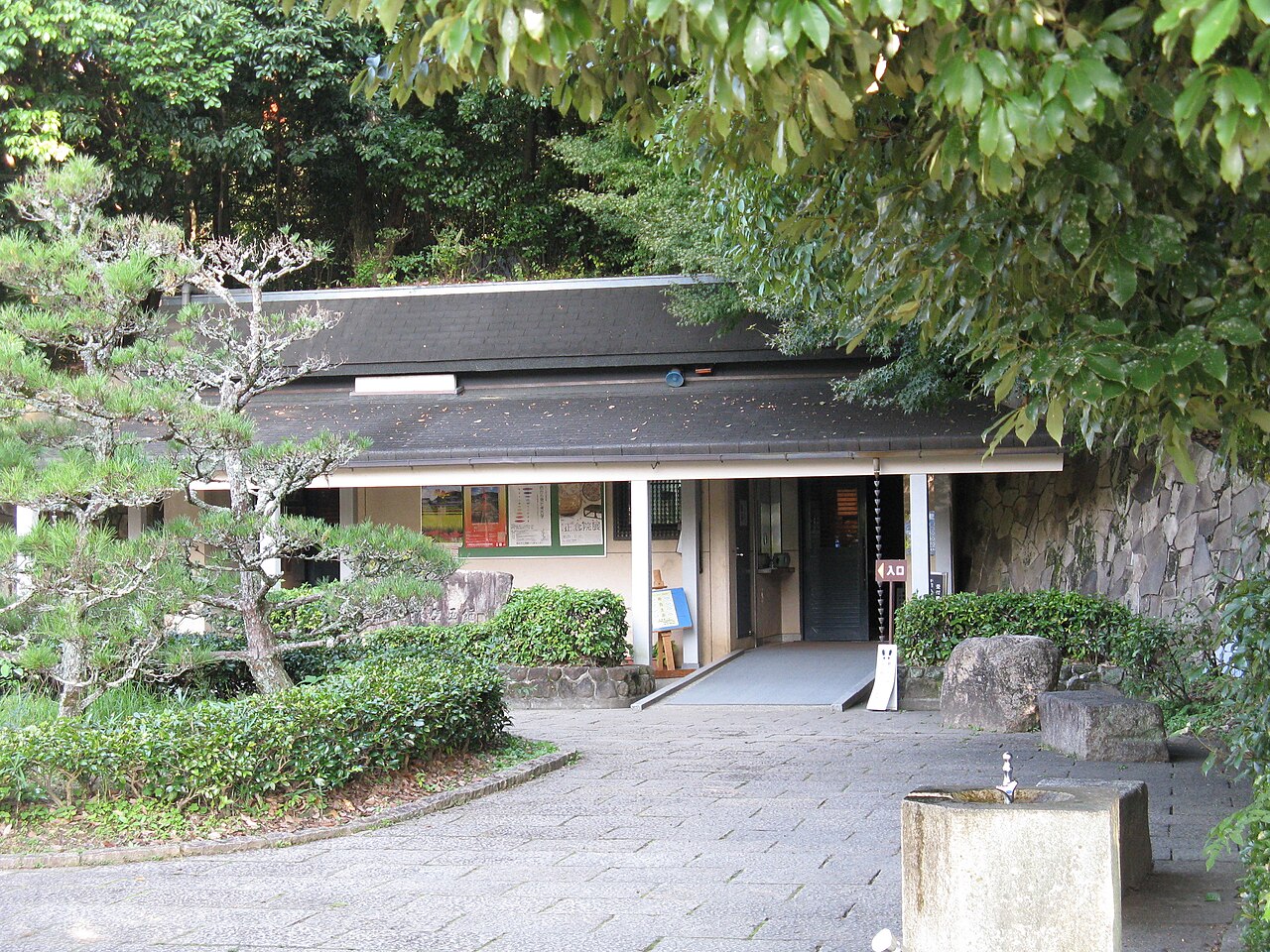
- Takamatsuzuka Mural Hallthe museum beside the mound, with precise reproductions of all four walls and a full-scale model of the stone chamber
- The restored moundthe tomb itself, re-turfed and reshaped, standing empty on the parkland — free to walk up to at any hour
- Asuka Historical National Government Parkthe open lawns and paths around the tomb, part of the national park covering Japan's earliest imperial capital district
- The conservation workroom viewingsthe Agency for Cultural Affairs opens the mural restoration room a few times a year, by advance application only — the only way to see the originals
How to actually get there
- Kyoto Station → Kashiharajingu-mae (Kintetsu Kyoto Line express, ~50 min).
- Kashiharajingu-mae → Asuka Station (Kintetsu Yoshino Line, ~4 min); rent a bicycle here if you want the rest of Asuka.
- Walk or ride ~15 min to the Takamatsuzuka park district: the mound first, then the Mural Hall below it.
- Kyoto → Asuka via Kashiharajingu-mae
- Kyoto Station → (Kintetsu Kyoto Line express, ~50 min) → Kashiharajingu-mae Station → (transfer to the Kintetsu Yoshino Line, ~4 min) → Asuka Station. From the station, walk east and slightly uphill for about 15 minutes to the Takamatsuzuka area of the historical park. Total about 2 hours from Kyoto. Trains run regularly through the day.
- Back from Asuka Station
- Return on foot or by bicycle to Asuka Station and take the Yoshino Line to Kashiharajingu-mae, then the Kyoto Line back to Kyoto — or the Osaka Line via Yamato-Yagi toward Osaka. Services thin out in the evening, so check the last convenient connection before you set out.
About the place
In March 1972 archaeologists opened a small mound in Asuka and found the walls painted: a blue dragon and a sun disc on the east wall, a white tiger and a moon on the west, a black tortoise-serpent to the north, and processions of court figures in coloured robes. The group of women on the west wall became instantly famous in Japan as the Asuka Beauties, and the find reset what people thought the seventh century looked like. Then the paintings began to fail. Air and human traffic had let mould into a sealed chamber, and after years of increasingly desperate treatment the decision was made to dismantle the stone chamber entirely and move it, block by block, to a conservation facility where the murals could be worked on under control. So the tomb you visit today is a strange and honest object: a restored grass mound on a quiet stretch of national park, with nothing inside it. The paintings are half a story away — reproductions and a full-scale model of the chamber in the museum a minute's walk downhill, and the actual painted stones visible only a few times a year through glass at the conservation workroom, by advance ballot. It is one of the clearest places in Japan to see what heritage conservation actually costs.
How to enjoy it
The Mural Hall opens 9:00–17:00 with last entry at 16:30; admission is 300 yen for adults, 130 for students and 70 for children. The mound and surrounding parkland are open and free. Asuka is flat and made for cycling — rental bicycles at Asuka Station turn a bus-dependent day into a free-roaming one, and Takamatsuzuka pairs naturally with the Kitora tomb, the Ishibutai stone tomb and the Inabuchi rice terraces within a few kilometres. Check the Agency for Cultural Affairs site well before your trip if you want to apply for a workroom viewing; the ballot dates are announced in advance and fill quickly.
Background & history
The tomb was built between the late 7th and early 8th centuries — a round mound recorded by the Nara prefectural tourism authority as about 18 m across and 5 m high — and its occupant is thought to have been a prince or high noble of that period. The murals found in March 1972 were designated a National Treasure. Conservation failed to halt mould damage in situ, and in 2007 the stone chamber was dismantled and transferred to a temporary conservation facility, where restoration work continues. The Agency for Cultural Affairs periodically opens the workroom to the public by advance application. 2022 marked fifty years since the discovery, and Asuka Village ran commemorative programmes through the year.
Before you go
- Cash
- Mural Hall admission is 300 yen for adults, 130 yen for students, 70 yen for children (group rates lower), paid in cash. The mound and park are free. Bicycle rental at Asuka Station is charged separately by the hour or day. IC cards work on Kintetsu trains.
- Good to know
- The Mural Hall's last entry is 16:30. Viewings of the actual murals at the conservation workroom are not walk-in — they run a few times a year by advance application through the Agency for Cultural Affairs, so plan months ahead if you want them.
- Another way
- Rent a bicycle at Asuka Station — Asuka's sites are spread over several kilometres of flat farmland, and cycling frees you from the infrequent Kame loop bus. The same loop bus also serves the area if you prefer not to ride.
- After you get off
- From Asuka Station, head east and follow signs for the Asuka Historical National Government Park, Takamatsuzuka district. It is about 15 minutes on foot; the Mural Hall is downhill from the mound itself.
Nearby notes
 8-hachiro / CC BY-SA 4.0
Local life · Nara★
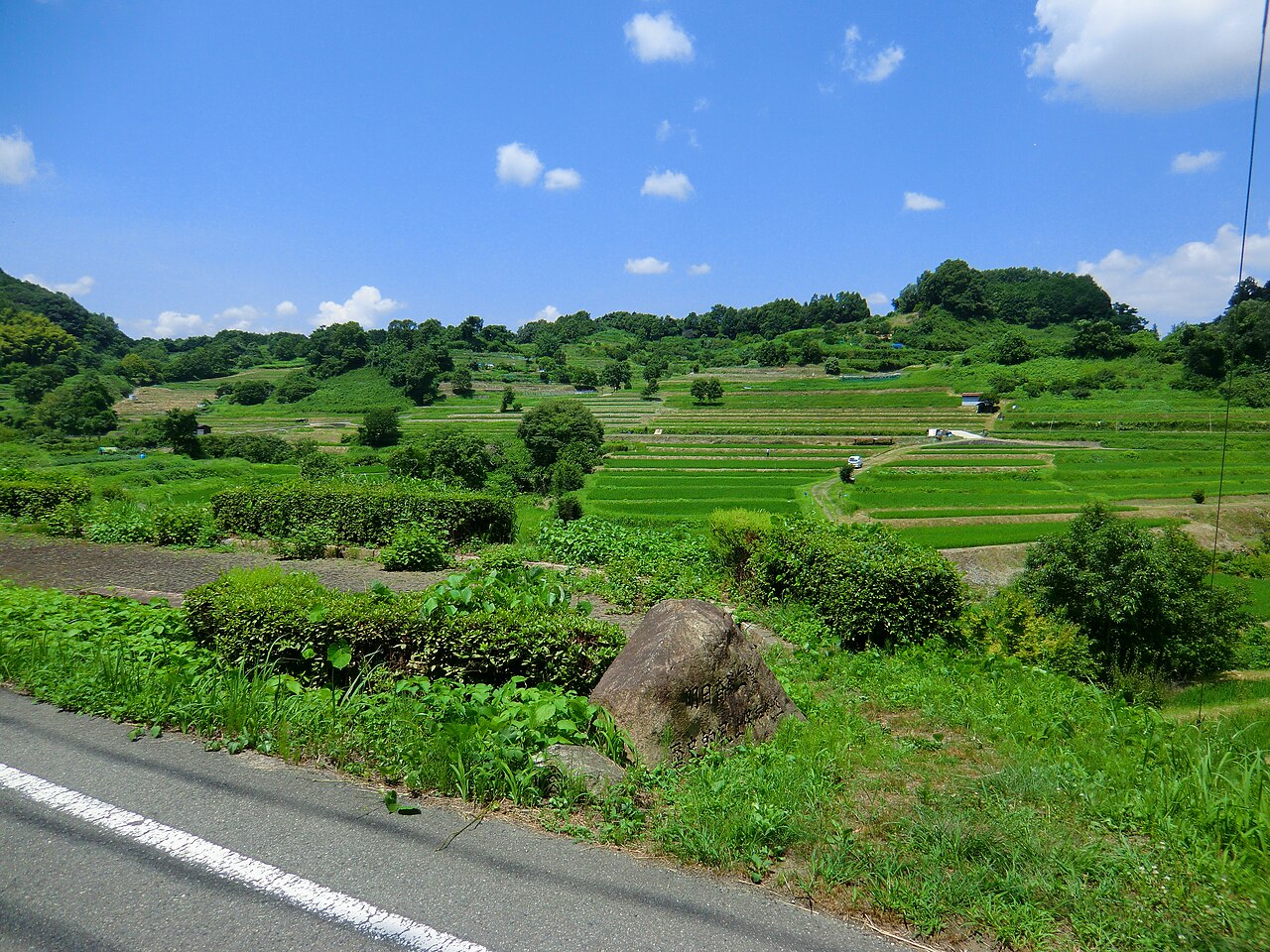
Inabuchi Rice Terraces & Scarecrow Road
1.4 km · straight line
 663highland / CC BY 2.5
History · Nara★★
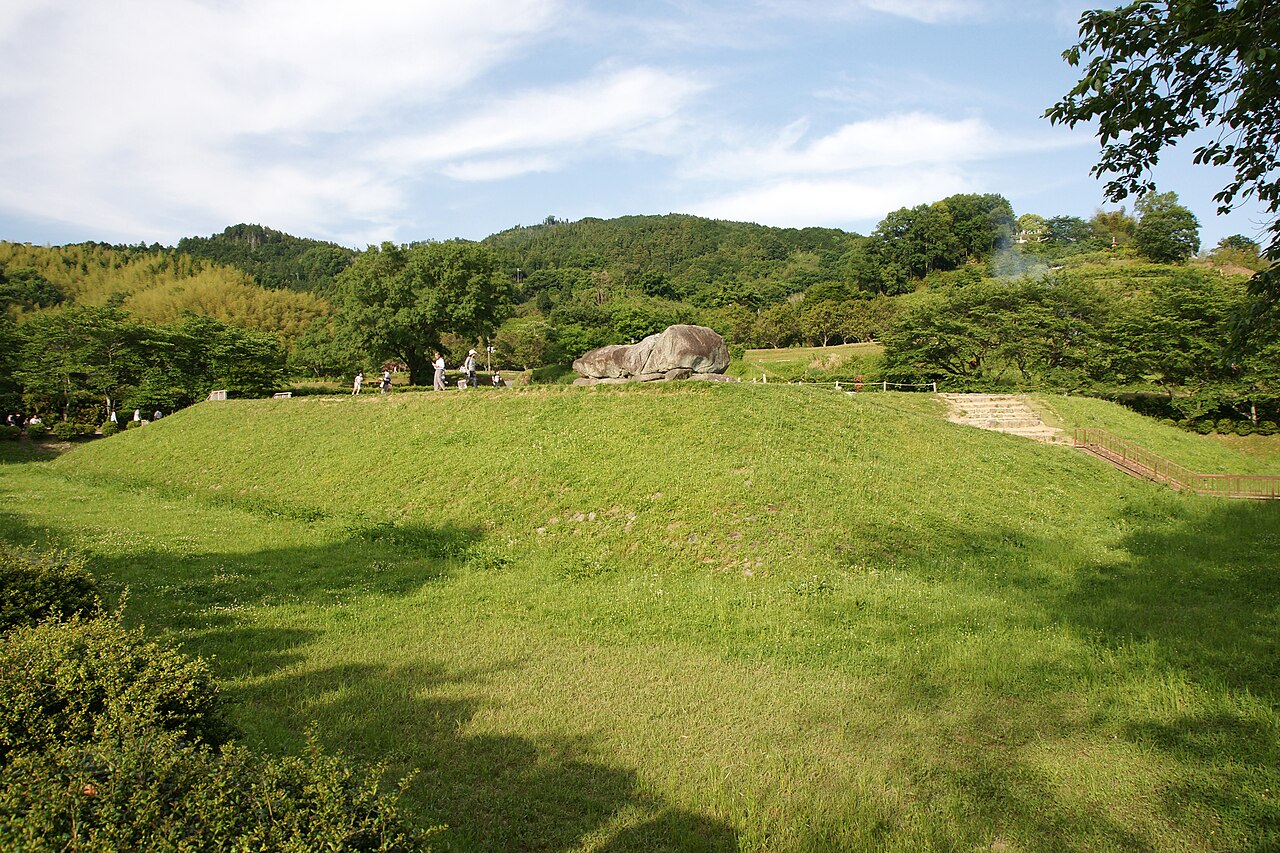
Ishibutai Kofun
1.9 km · straight line
 Yoshio Kohara / CC BY 3.0
History · Nara★★
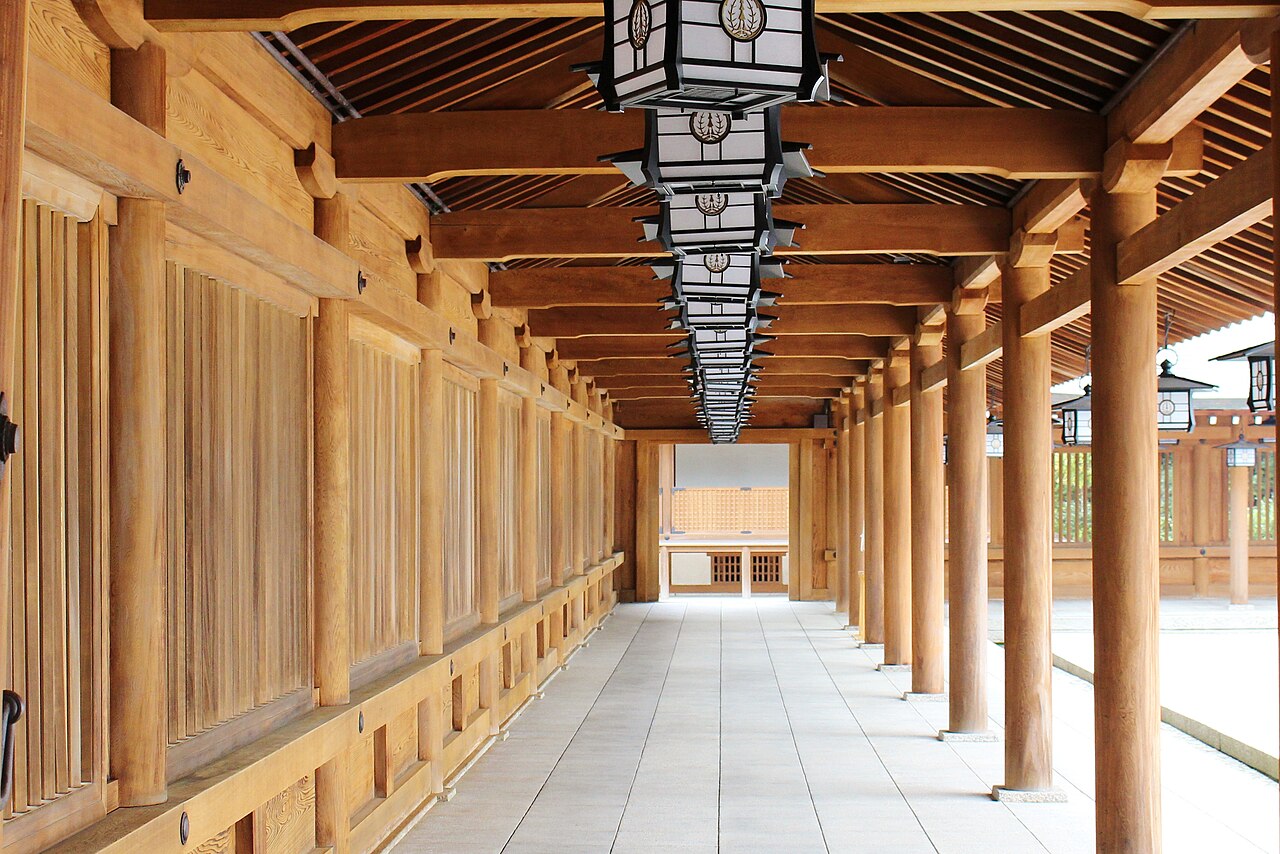
Kashihara Jingu
3.4 km · straight line
 Maechan0360 / CC BY-SA 3.0
History · Nara★★
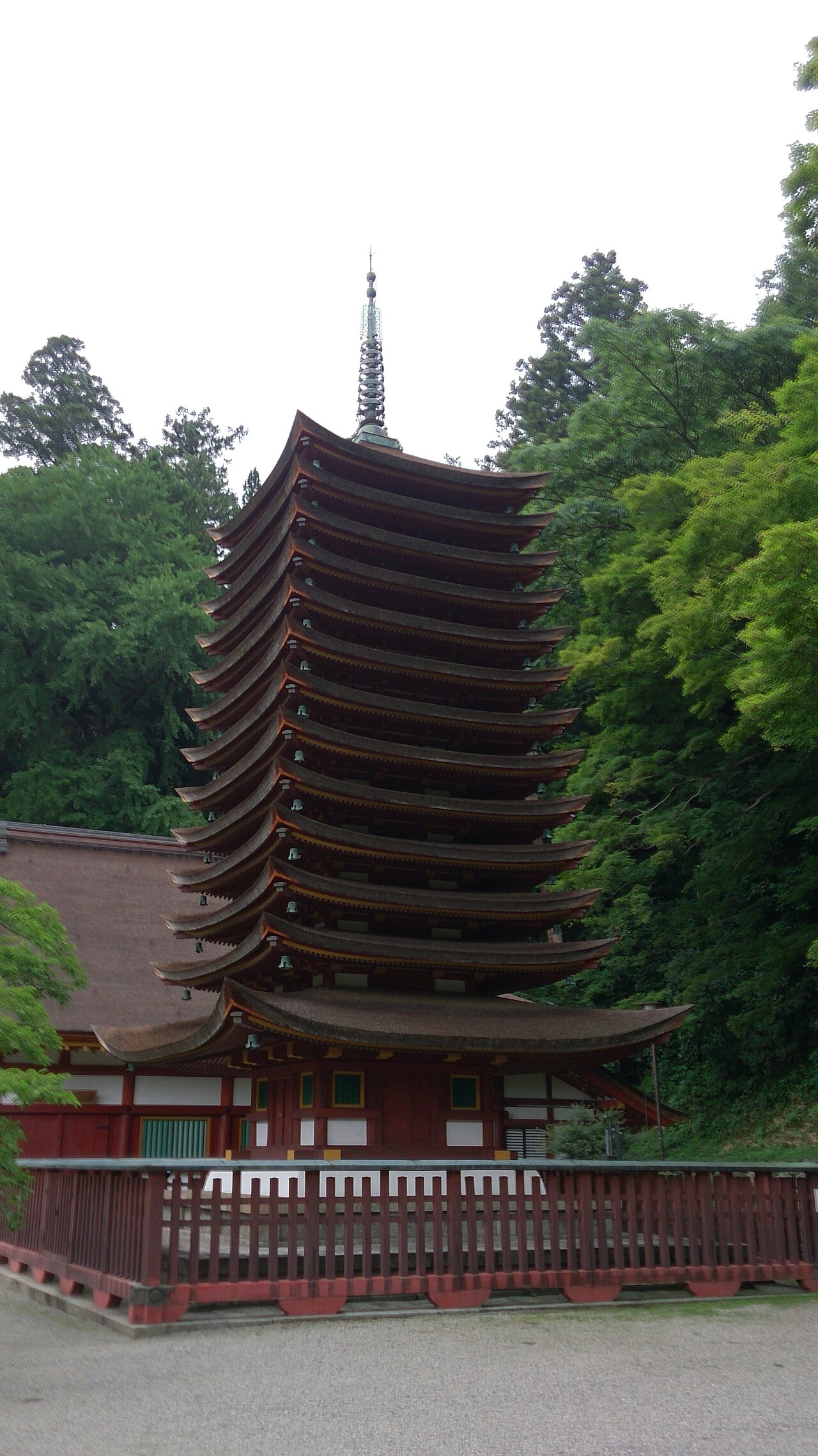
Tanzan Shrine
5.2 km · straight line
On a curated routeBefore Nara, Before Kyoto →
Distances are straight lines on the map, not travel times.