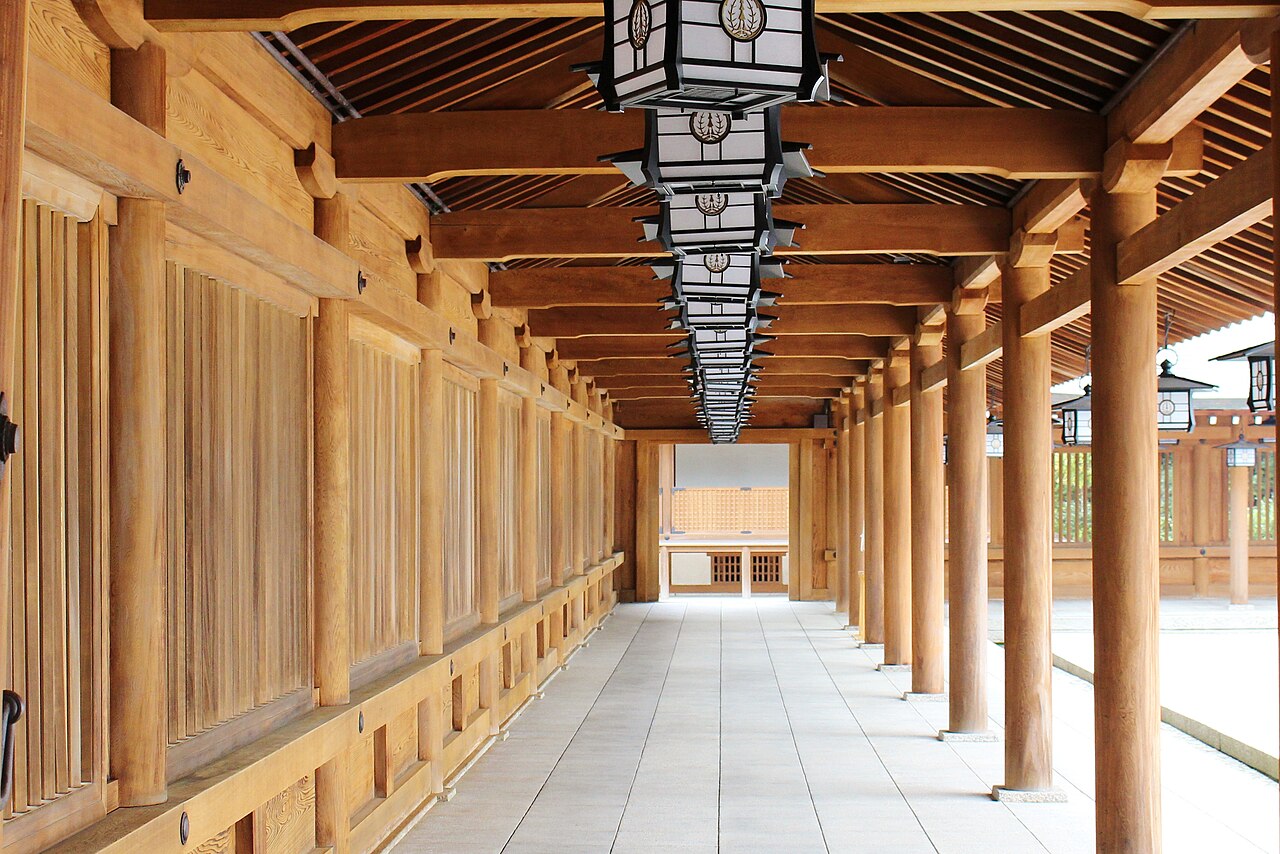
Nara · Kashihara / Mt. UnebiNo.314★★Open in map →
Kashihara Jingu
— the shrine to Japan's first emperor
Kashihara Jingu stands at the southeast foot of Mt. Unebi in Nara Prefecture, founded in 1890 to enshrine Emperor Jimmu. Its main sanctuary and Bunkaden hall are Important Cultural Properties, set in a precinct of roughly 530,000 square metres.
- FromKyoto Stn
- ~65 minKintetsu (a few per hour)
- Get off atKashiharajingu-mae Station (Kintetsu)
- On foot
- Kashihara Jingu
The sweet spot
Almost every visitor to Nara heads for the deer park and the great temples of Nara city, an hour to the north. Kashihara sits in the opposite direction, on a local branch line, and its scale means crowds disperse the moment they pass the first torii — so the outer precinct is usually quiet even in high season.
Where it is
32 more notes in Nara · open the map →What to look for — in walking order
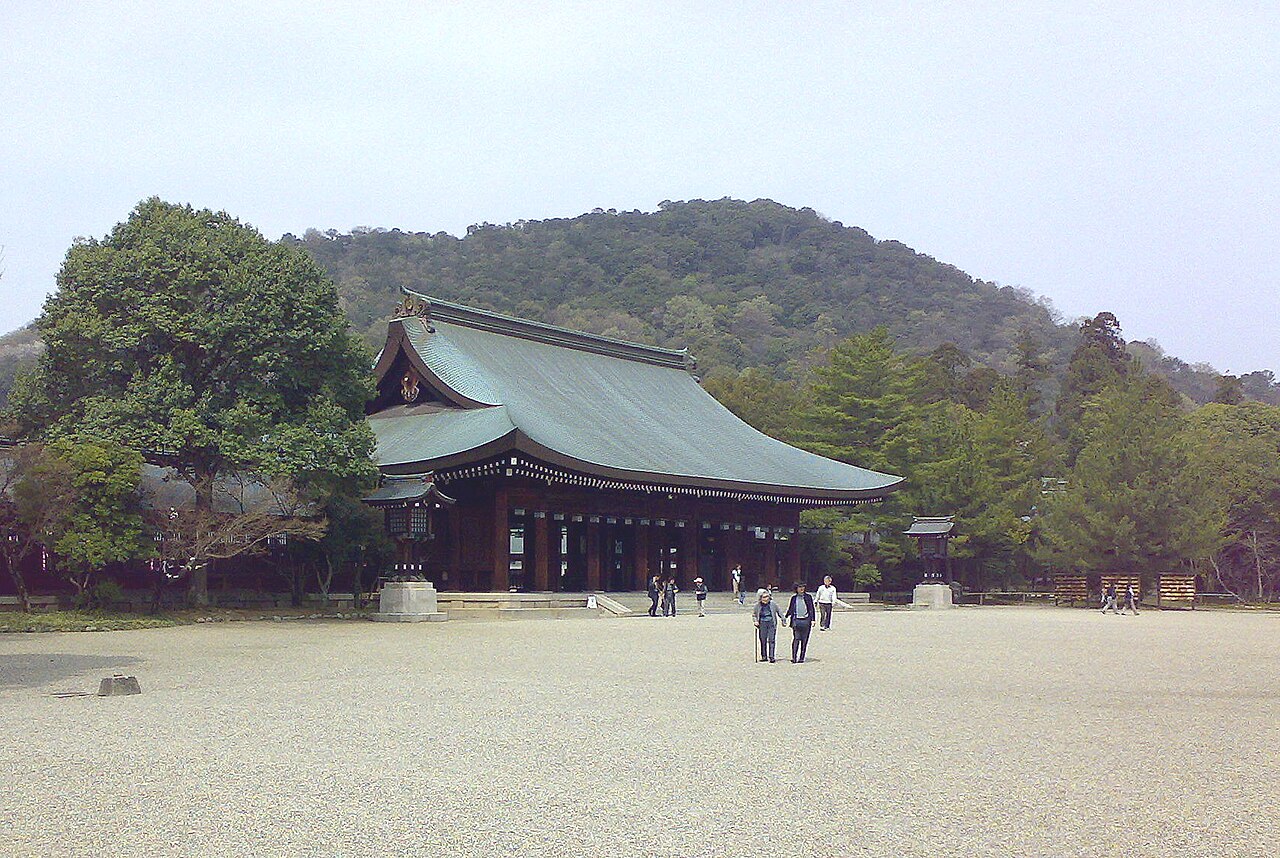
- The outer worship hall (Gaihaiden)a broad open hall facing a gravel court, with Mt. Unebi rising directly behind the inner precinct
- The main sanctuaryan Important Cultural Property, moved to this site from the Kyoto Imperial Palace
- Fukada Pond and the outer precincta quiet pond and wooded walking loop on the east side, usually almost empty
- Mt. Unebi behind the hallsthe low forested cone that gives the shrine its backdrop; a trail to the summit starts near the precinct
How to actually get there
- Kyoto Stn → Kashiharajingu-mae Stn (Kintetsu Kyoto Line express, ~50 min).
- Leave by the central exit and walk west on the approach road (~10 min) to the first torii.
- Follow the gravel path through the outer precinct to the Gaihaiden worship hall facing Mt. Unebi.
- Kintetsu Kyoto Line express, then walk
- Kyoto Stn →(Kintetsu Kyoto Line express toward Kashiharajingu-mae, ~50 min; some services need one change at Yamato-Saidaiji)→ Kashiharajingu-mae Stn. Leave by the central exit and walk west about 10 minutes on the straight approach road to the first torii. Total about 65 minutes. Expresses run a few times an hour.
- Same line back, or continue south to Asuka
- Return from Kashiharajingu-mae on the Kintetsu Kyoto Line for Kyoto, or the Osaka Line via Yamato-Yagi for Osaka. Trains run until late evening. The Kintetsu Yoshino Line from the same station reaches Asuka in about 4 minutes if you want to add the ancient sites.
About the place
Japan's oldest chronicles place the enthronement of Emperor Jimmu, the first emperor, at a palace on this plain below Mt. Unebi. In 1890 a shrine was founded on the spot to enshrine him together with his consort, Empress Himetatara Isuzu-hime. The main sanctuary is not a new building — it was moved here from the Kyoto Imperial Palace and is designated an Important Cultural Property, as is the Bunkaden hall. What surrounds them is the real surprise: roughly 530,000 square metres of pine, cedar and open gravel, with the low green cone of Mt. Unebi closing the view behind the halls.
How to enjoy it
Come early. The precinct opens around sunrise, and the first hour gives you low light across the gravel court with Mt. Unebi still catching mist. Allow an hour to walk the outer grounds and the pond loop rather than turning back at the worship hall — that is where the scale actually registers. Pair it with Asuka Village, four minutes further down the Yoshino Line, for a full day of Japan's oldest landscape.
Background & history
The Nara plain around Mt. Unebi is where Japan's earliest chronicles locate the founding of the imperial line. The shrine itself is modern by Japanese standards — established in 1890, during the Meiji era, as part of a wider effort to mark the sites of the classical accounts. Its main sanctuary was relocated here from the Kyoto Imperial Palace rather than built new, which is why a Meiji-era shrine holds a far older building.
Before you go
- Cash
- Entry to the precinct is free. There are vending machines and a shrine office selling amulets near the main hall; the nearest shops and cafes are back around the station, so buy drinks before you walk in.
- Good to know
- The precinct opens around sunrise and closes around sunset, so the hours shift with the season — winter afternoons end early. Gravel underfoot the whole way: wear flat shoes.
- Another way
- From Osaka, take the Kintetsu Osaka Line from Osaka-Uehonmachi or Tsuruhashi to Yamato-Yagi and change for Kashiharajingu-mae — about 45 minutes.
- After you get off
- From Kashiharajingu-mae Station the approach road runs straight west to the shrine; the walk is flat and takes about 10 minutes, ending at a very large wooden torii.
Nearby notes
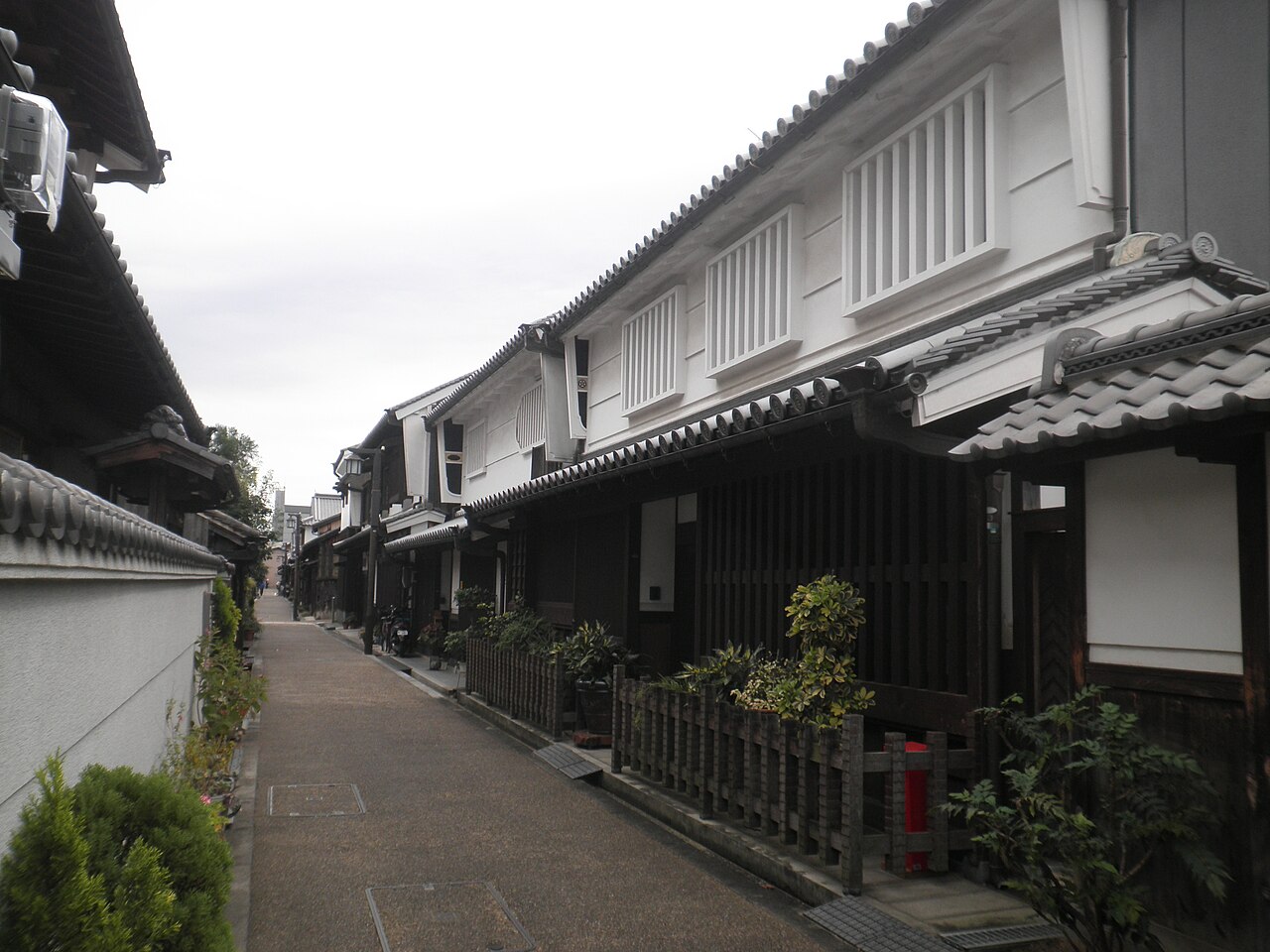 At by At / CC BY-SA 3.0
History · Nara★★
Imai-chō
2.1 km · straight line
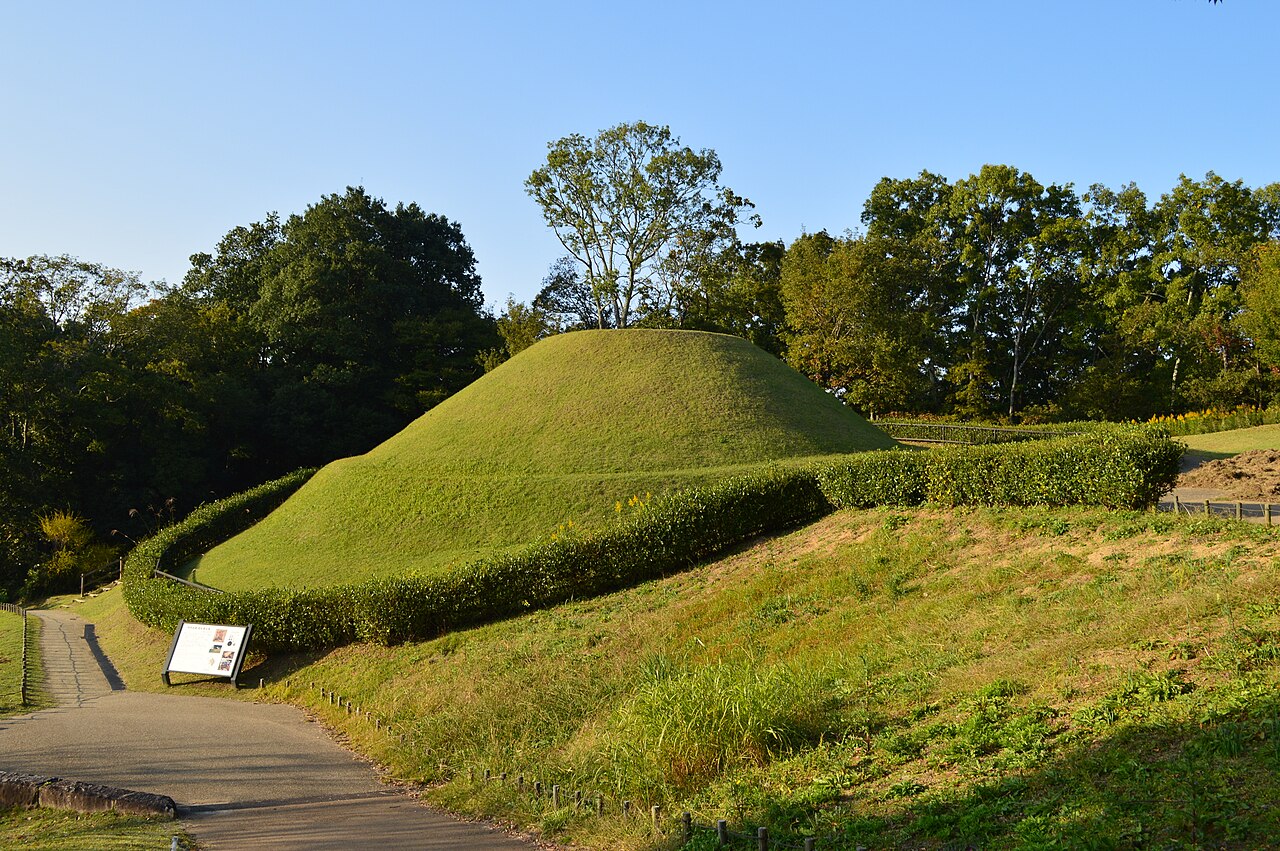 Saigen Jiro / CC0
History · Nara★★
Takamatsuzuka Tomb
3.4 km · straight line
 663highland / CC BY 2.5
History · Nara★★
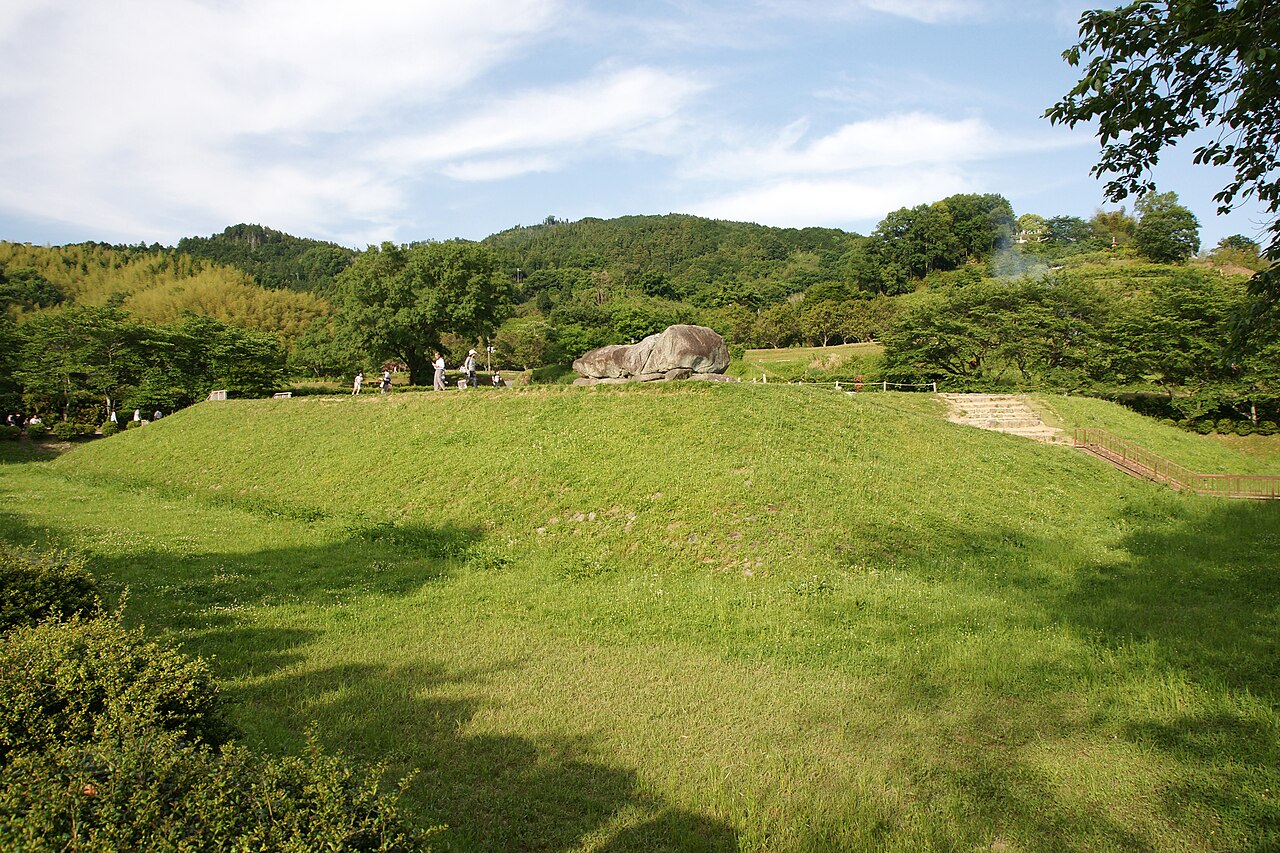
Ishibutai Kofun
4.3 km · straight line
 8-hachiro / CC BY-SA 4.0
Local life · Nara★
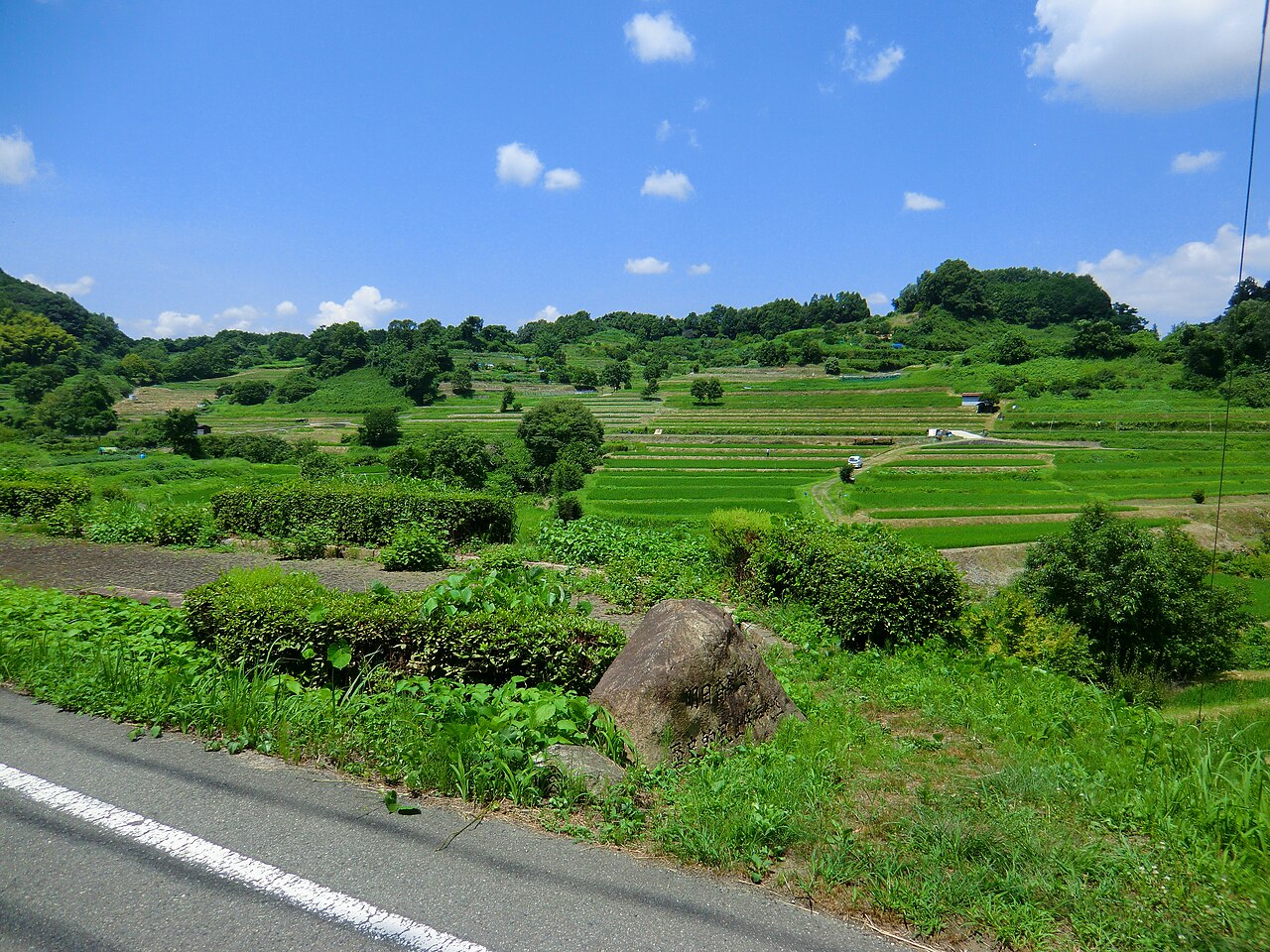
Inabuchi Rice Terraces & Scarecrow Road
4.6 km · straight line
On a curated routeBefore Nara, Before Kyoto →
Distances are straight lines on the map, not travel times.