Asuka · InabuchiNo.058★Open in map →
Inabuchi Rice Terraces & Scarecrow Road
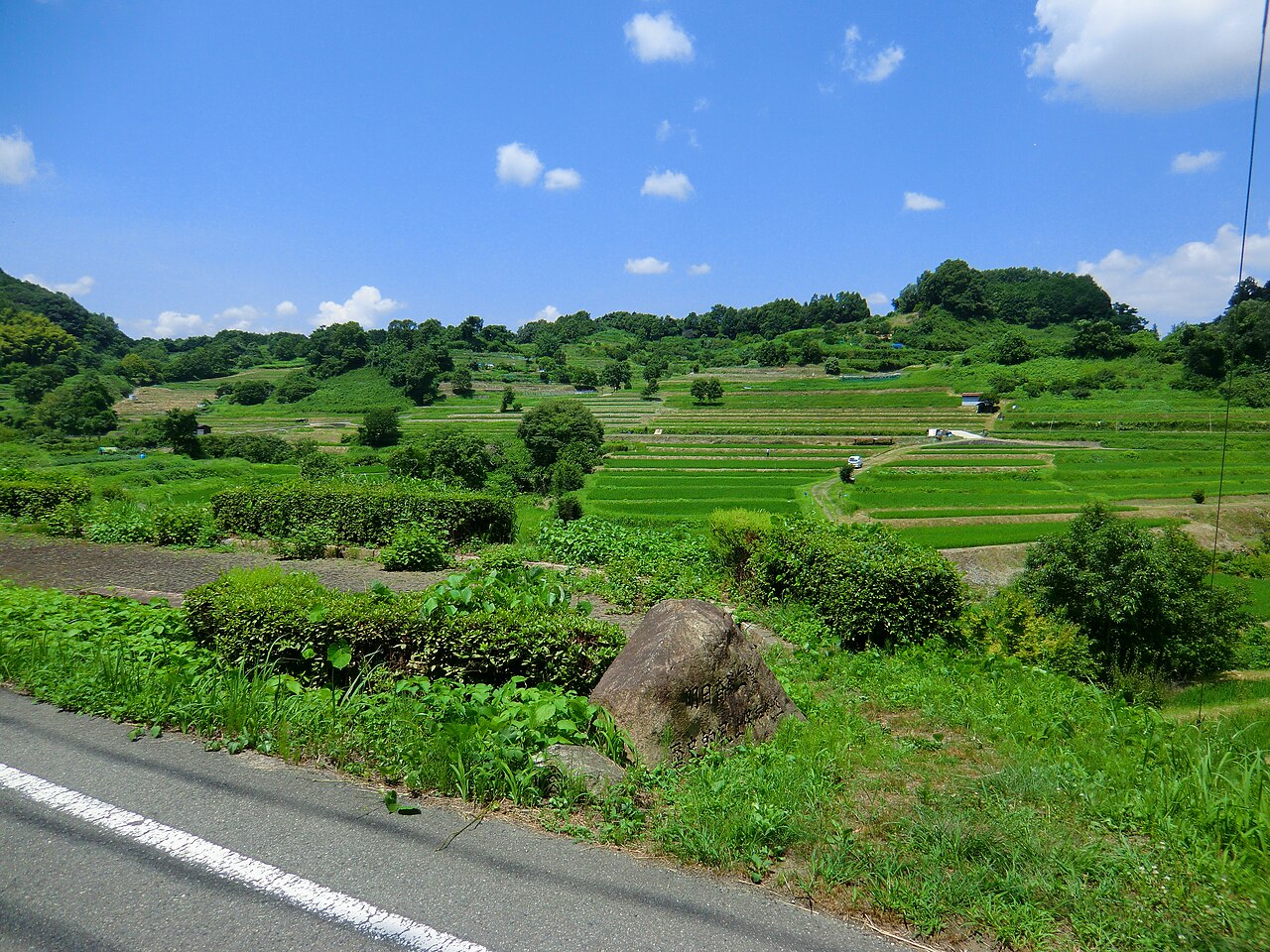
About 300 dry-stone rice terraces climb a quiet valley above Asuka Village — one of Japan's officially selected Top 100 Rice Terraces, with a handmade scarecrow lane through them each autumn.
- FromKyoto Stn
- ~2 hr from Kyotobus (infrequent)
- Get off atIshibutai bus stop
- From there
- Inabuchi Rice Terraces & Scarecrow Road
The sweet spot
The famous Ishibutai stone tomb draws almost every visitor, and the terraces are a 20-minute walk beyond it with little English signage — so the valley stays local even on busy days.
Where it is
32 more notes in Nara · open the map →What to look for — in walking order
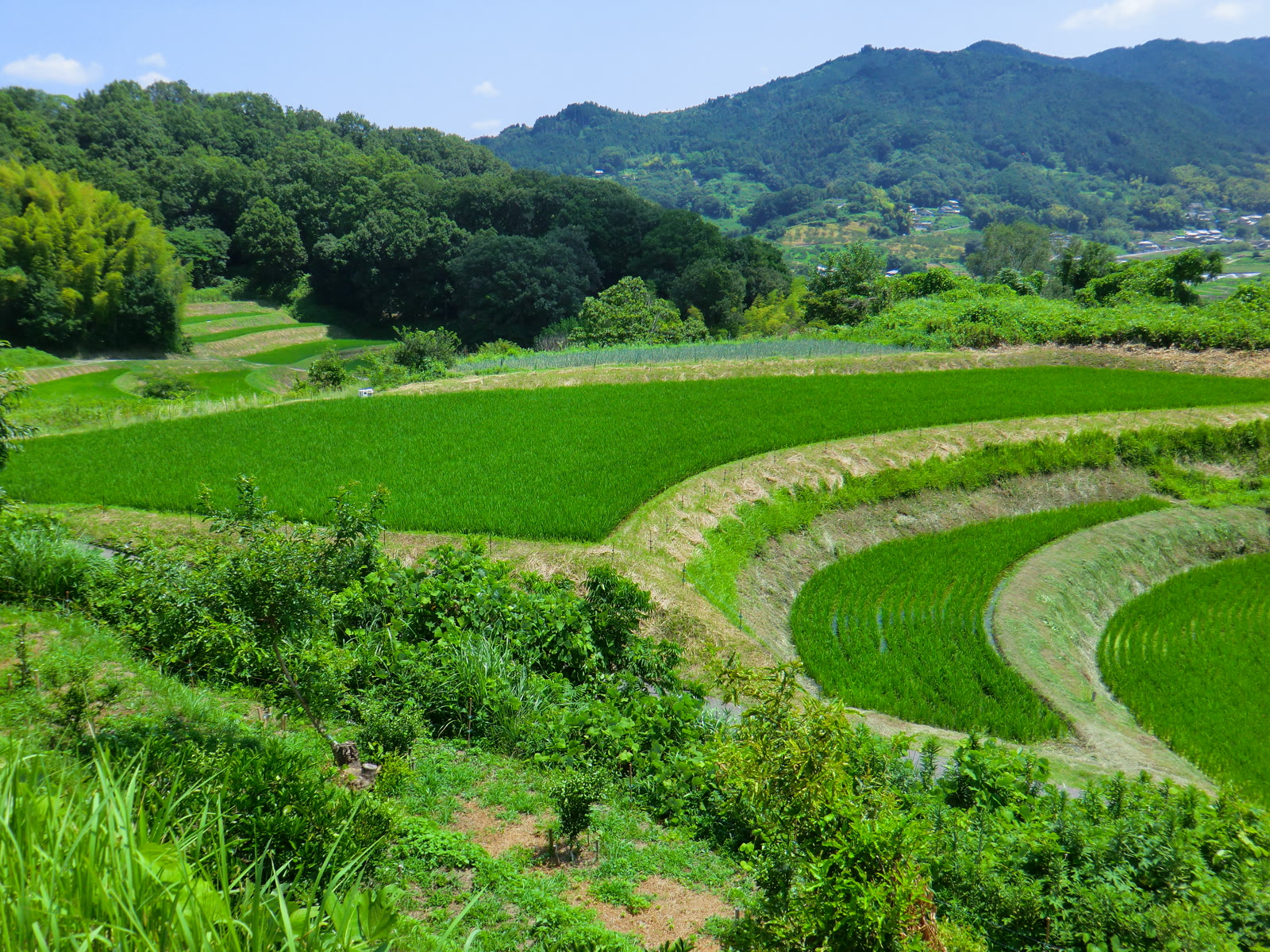
- The stone-walled terracesabout 300 dry-stone rice paddies stepping up the valley, a nationally designated Important Cultural Landscape
- Red spider lilieshiganbana coloring the terrace banks in late September
- Scarecrow Roadhandmade scarecrows lining the paddy paths, on display from September into early November
- Themed scarecrow contesta yearly festival with a new theme and one giant jumbo scarecrow
How to actually get there
- Kyoto Stn → Kashiharajingu-mae Stn (Kintetsu Kyoto Line express, ~50 min)
- Kashiharajingu-mae Stn → Asuka Stn (Kintetsu Yoshino Line, ~4 min)
- Asuka Stn → Ishibutai bus stop (Kame / red-turtle loop bus, ~15 min)
- Ishibutai bus stop → the terraces (walk uphill toward Inabuchi, ~20 min)
- Train to Asuka Stn, then the Kame loop bus
- Kyoto Stn →(Kintetsu Kyoto Line express, ~50 min)→ Kashiharajingu-mae Stn →(transfer to Kintetsu Yoshino Line, ~4 min)→ Asuka Stn →(Kame / "red-turtle" loop bus toward Ishibutai, ~15 min)→ Ishibutai stop. Total about 2 hours from Kyoto. The loop bus runs only about once an hour in the daytime and even less midday and off-season — check the day's timetable before you leave.
- Return the same way
- Take the Kame loop bus back from Ishibutai to Asuka Stn, then the train via Kashiharajingu-mae. Buses thin out and stop by early evening, so check the return times posted at the bus stop when you arrive.
About the place
The Inabuchi valley rises in steps of rice paddies held up by dry-stone walls, all of it working farmland that has kept its old rural character since the terraces were first cleared in the Middle Ages. In late September the paddy banks become one of Nara's best places for higanbana — bright-red spider lilies edging the terraces — and the local farming community lines the paths with handmade scarecrows for a themed annual contest they call Kakashi Road. A harvest festival follows. In 2011 the Inabuchi terraced fields were designated a national Important Cultural Landscape.
How to enjoy it
Late September is the prime window: the spider lilies colour the banks and the scarecrows are already up along Kakashi Road. The terraces pair naturally with Asuka's nearby ancient sites — the Ishibutai stone tomb is the most visited. From the Ishibutai bus stop, walk about 20 minutes uphill toward Inabuchi village to reach the terraces; renting a bicycle at Asuka Station is an easy alternative.
Background & history
The terraces were built up between the Heian and Muromachi periods — roughly the 900s to 1500s — and have kept their medieval layout into the present. The scarecrow contest is run mainly by people who grew up in Asuka Village or who care about its future, with each year's theme set as a way to pass the terrace scenery on to the next generation.
Before you go
- Cash
- The Kame loop bus is a rural service — carry coins or buy the ¥750 one-day pass; do not count on IC cards or card payment.
- Good to know
- These are working rice paddies used by local farmers, so stay on the lanes and go early for the best light.
- Another way
- You can also rent a bicycle at Asuka Stn and ride to the valley in about 25 minutes, which frees you from the bus timetable.
- After you get off
- From the Ishibutai bus stop, walk about 20 minutes uphill on a paved lane, heading toward Inabuchi village, to reach the terraces.
Nearby notes
 663highland / CC BY 2.5
History · Nara★★
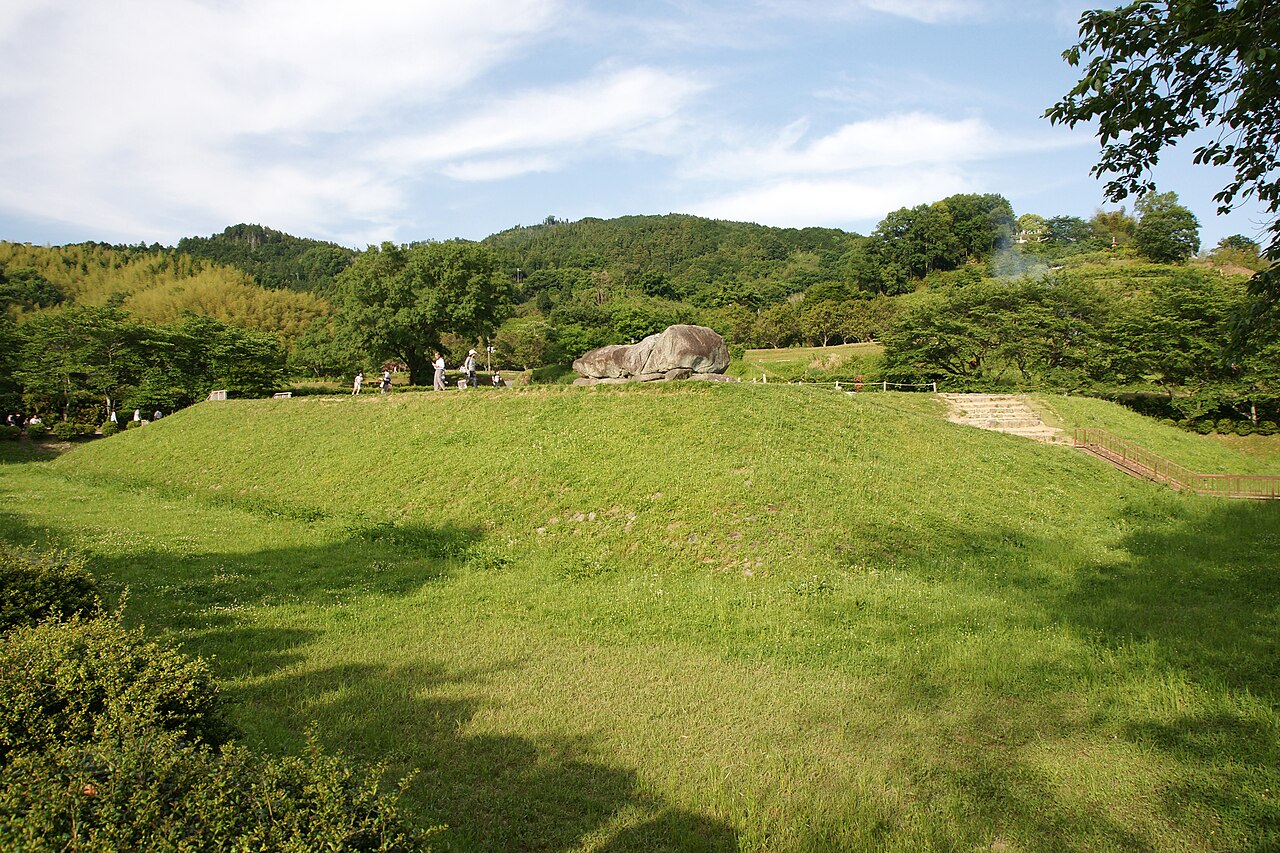
Ishibutai Kofun
1.2 km · straight line
 Saigen Jiro / CC0
History · Nara★★
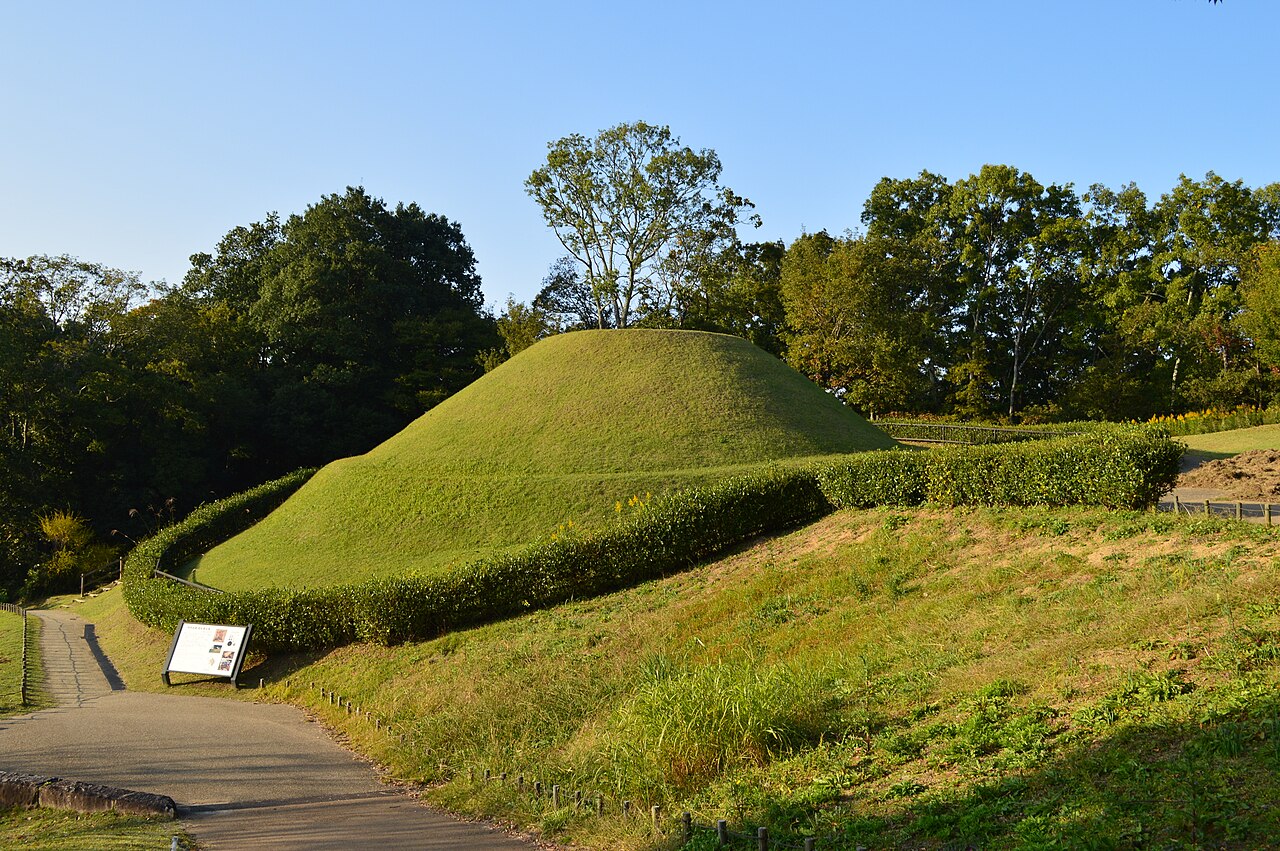
Takamatsuzuka Tomb
1.4 km · straight line
 Maechan0360 / CC BY-SA 3.0
History · Nara★★
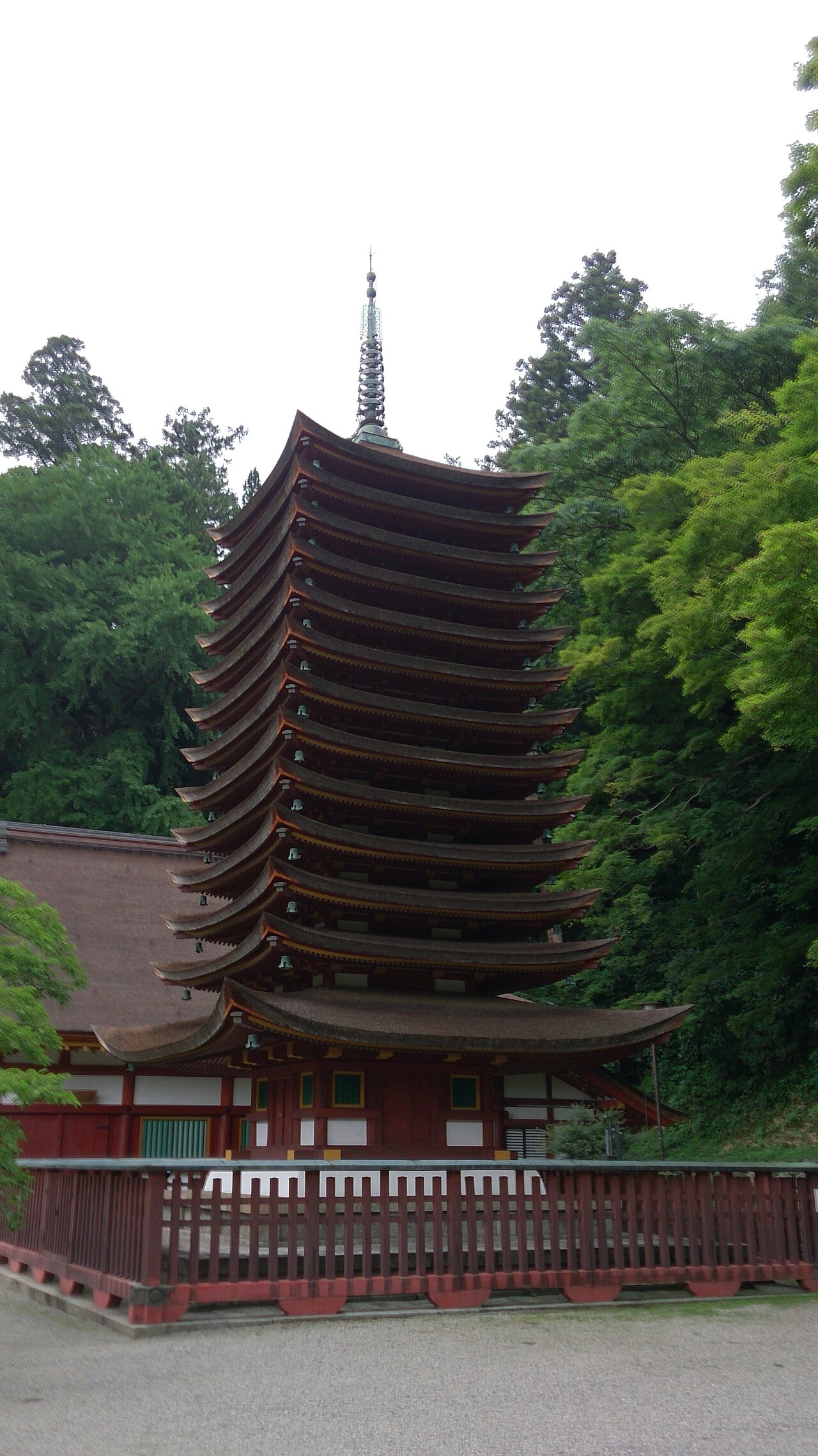
Tanzan Shrine
4.0 km · straight line
 Yoshio Kohara / CC BY 3.0
History · Nara★★
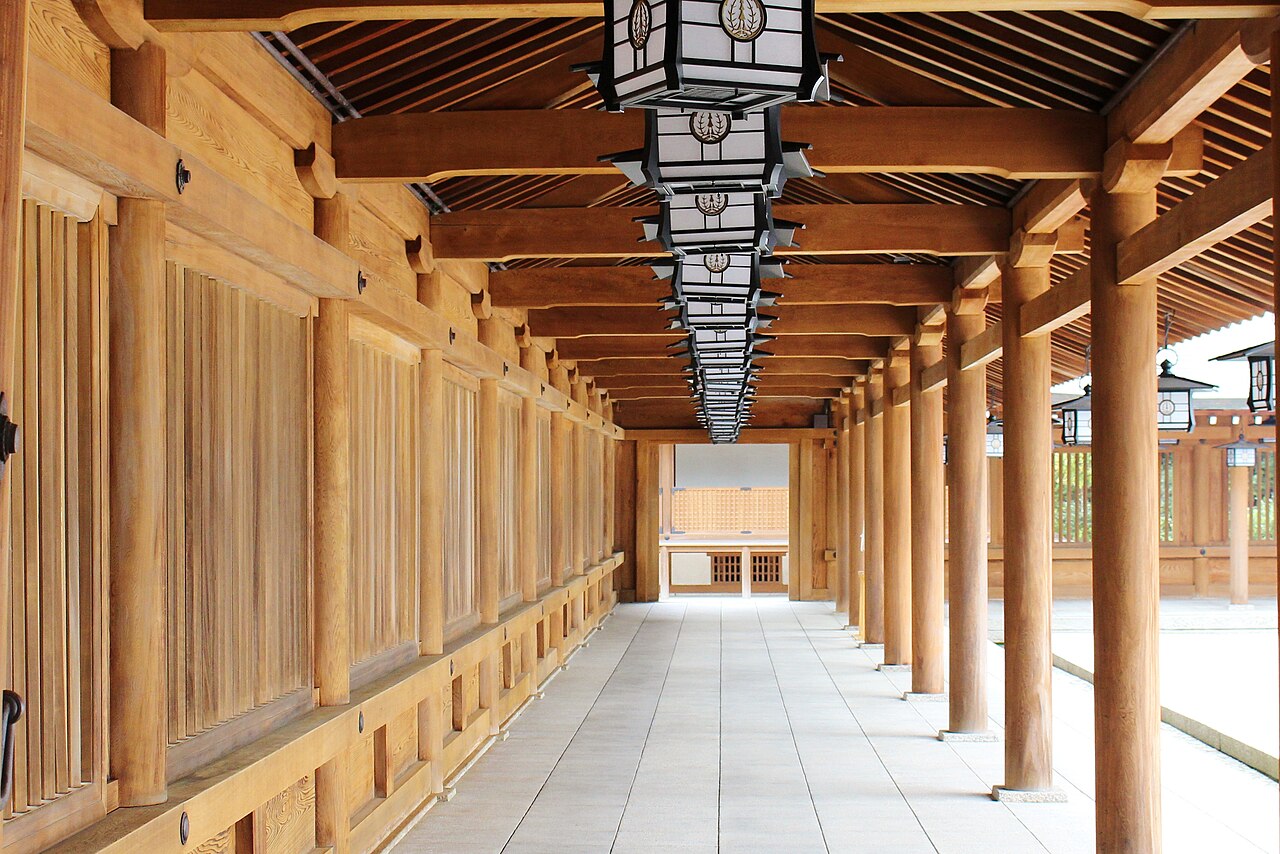
Kashihara Jingu
4.6 km · straight line
On a curated routeBefore Nara, Before Kyoto →
Distances are straight lines on the map, not travel times.