Yoshino north · MiyatakiNo.059★Open in map →
Miyataki
— the ancient emperors' Yoshino River gorge
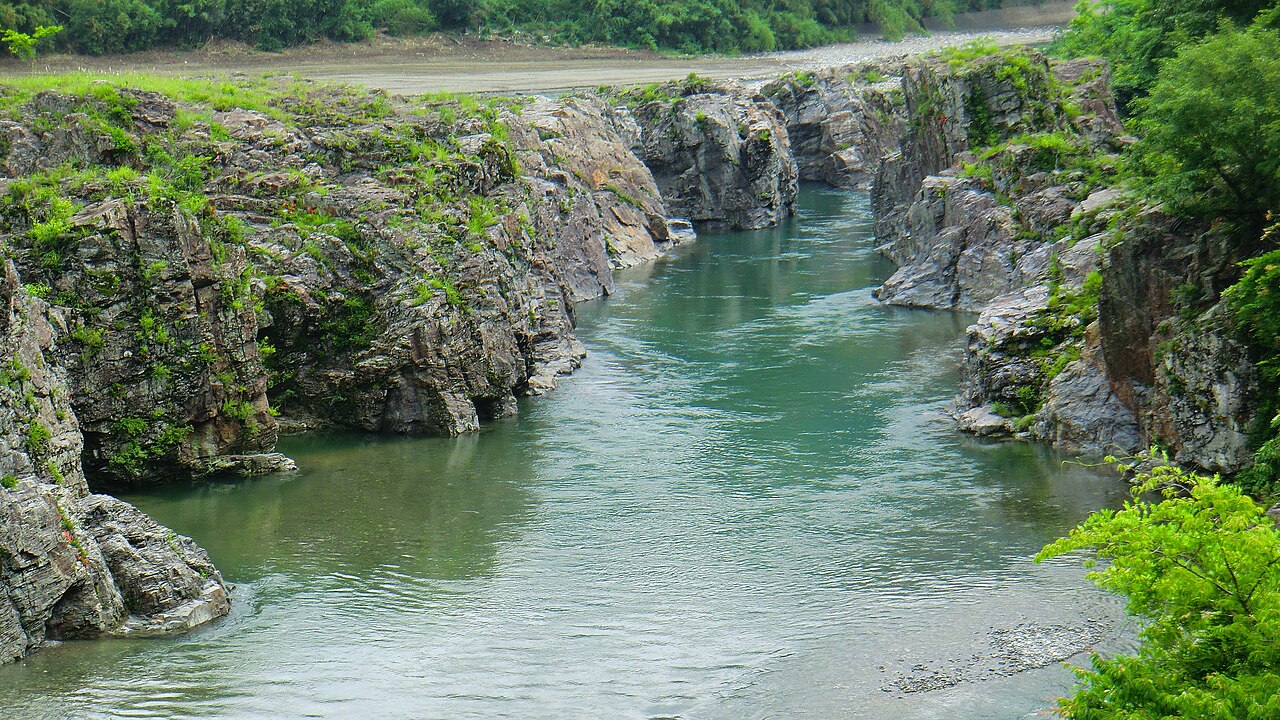
A scenic bend of the upper Yoshino River where giant boulders crowd both banks and rapids alternate with deep, still pools — also the presumed site of a 7th-century imperial detached palace, protected as a National Historic Site.
- FromOsaka-Abenobashi Stn
- ~90 minbus (infrequent)
- Get off atMiyataki bus stop
- From there
- Miyataki
The sweet spot
It is a bend in the river, not a marked attraction. It is reached by a small local bus that most cherry-season visitors never take, and its imperial-palace history is barely explained in English.
Where it is
32 more notes in Nara · open the map →What to look for — in walking order
- Boulder-lined gorgelarge rocks crowding both banks where rapids and deep pools alternate along the river bend
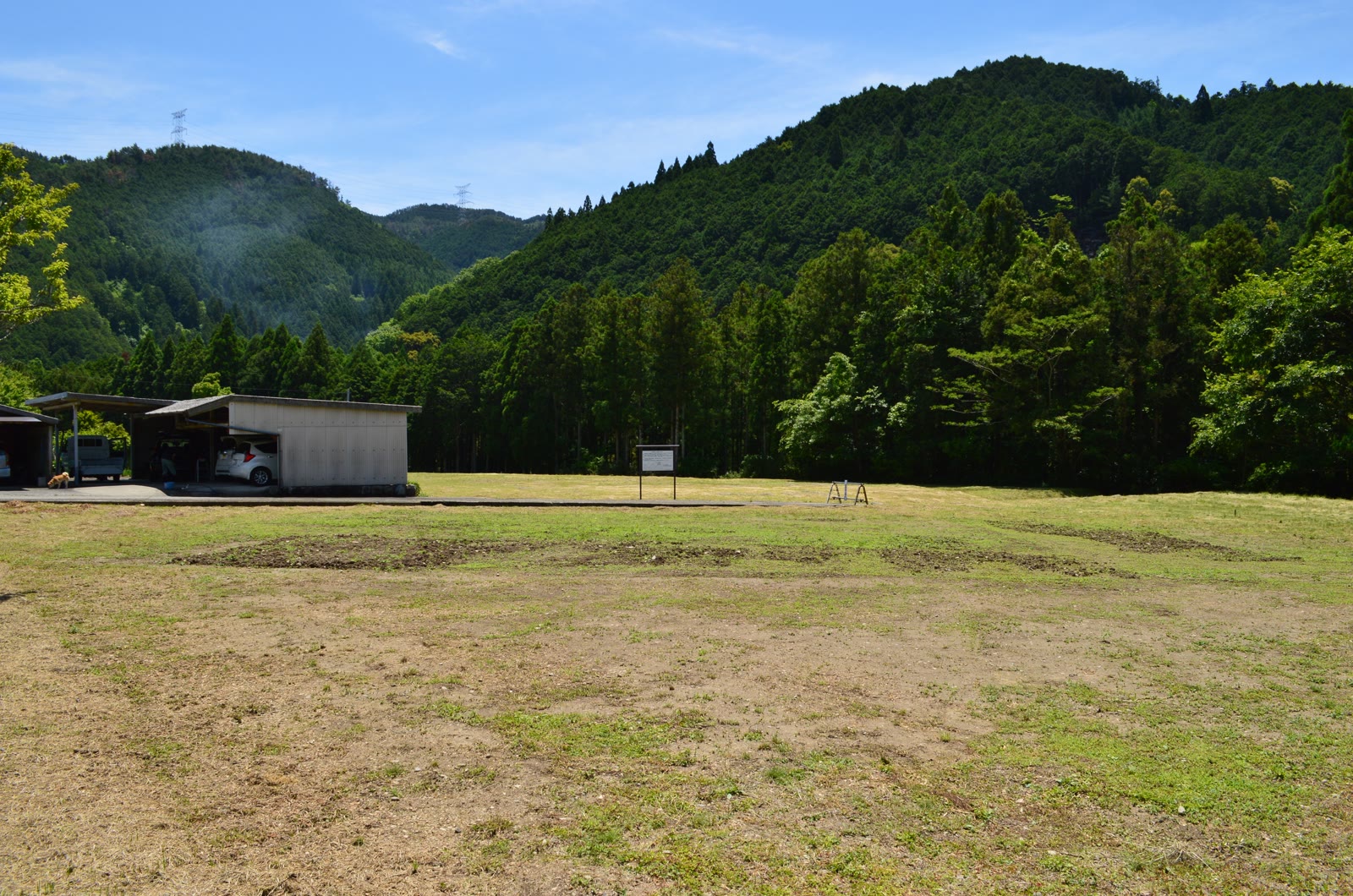
- Yoshino Detached Palace sitepresumed location of the 7th-century imperial country residence, visited by Emperors Tenmu and Jitō
- Man'yōshū countrythe Yoshino praised in Japan's oldest poetry anthology, including verses by the poet Hitomaro
- Deep-time layersexcavated remains spanning Jōmon through Nara periods (prehistory to the 8th century)
How to actually get there
- Osaka-Abenobashi Station → Yamato-Kamiichi Station (Kintetsu Yoshino Line express, ~70-75 min)
- Yamato-Kamiichi Station → Miyataki bus stop (Yoshino Town community bus, ~10-13 min)
- Miyataki bus stop → the river gorge (walk downhill, ~5 min)
- Kintetsu train + Yoshino town bus
- Osaka-Abenobashi Stn →(Kintetsu Yoshino Line express, ~70-75 min)→ Yamato-Kamiichi Stn →(Yoshino Town community bus toward the Sugi-no-yu hot-spring area, ~10-13 min)→ Miyataki stop →(walk down toward the river, ~5 min)→ the gorge. Total about 90 min from Osaka. From Kyoto, take the Kintetsu line and change trains at Kashiharajingu-mae for the Yoshino Line. The town bus runs only a few times a day — check the day's timetable before you leave.
- Return
- The Yoshino town bus runs only a few times a day and services end by early evening. When you arrive at the Miyataki stop, first check the return times posted there, then go down to the water.
About the place
At Miyataki the Yoshino River threads between large rounded boulders, so that fast shallows and still, deep pools follow one after another. This same stretch is widely identified as the location of the Yoshino Detached Palace — a country residence of the emperor — which Emperor Tenmu and Empress Jitō are recorded as visiting many times in the late 7th century. The Miyataki archaeological site sits beside the gorge and has yielded stone-paved structures, roof tiles, and pottery, with layers reaching back to the Jōmon period. Yoshino is also praised in the Man'yōshū, Japan's oldest poetry anthology, and the court poets who accompanied the imperial party here left verses that tied the river to Japan's literary beginnings.
How to enjoy it
Walk the river bend and read it as history: this quiet gorge in the Yoshino hills was a place emperors returned to and poets celebrated. Pairing a walk here with the town's archaeological displays makes the ancient palace connection easier to picture. The Yoshino town community bus runs only a few times a day — check return times at the stop when you arrive before heading down to the water.
Background & history
Systematic excavation began around 1930, and the central part of the Miyataki site was designated a National Historic Site on July 1, 1957. The site holds layers from the Jōmon, Yayoi, Kofun, Asuka and Nara periods — prehistory through the 8th century. Empress Jitō is recorded as making dozens of visits to Yoshino during her reign, and Kakinomoto no Hitomaro, one of Japan's most celebrated early poets, composed verses here in praise of the palace.
Before you go
- Cash
- The Yoshino town community bus is a small rural service and is often cash-only, so carry coins (the fare is about ¥200).
- Good to know
- The river current is real: the deep pools are for strong swimmers only, and not after rain when the water rises.
- Another way
- A taxi from Yamato-Kamiichi Station reaches the river bend in about 10 minutes, useful if the bus times do not fit your day.
- After you get off
- From the Miyataki bus stop it is a short walk down to the river rocks, about 5 minutes on foot.
Nearby notes
 Tawashi2006 / CC BY 2.1 jp
Nature · Nara★★★
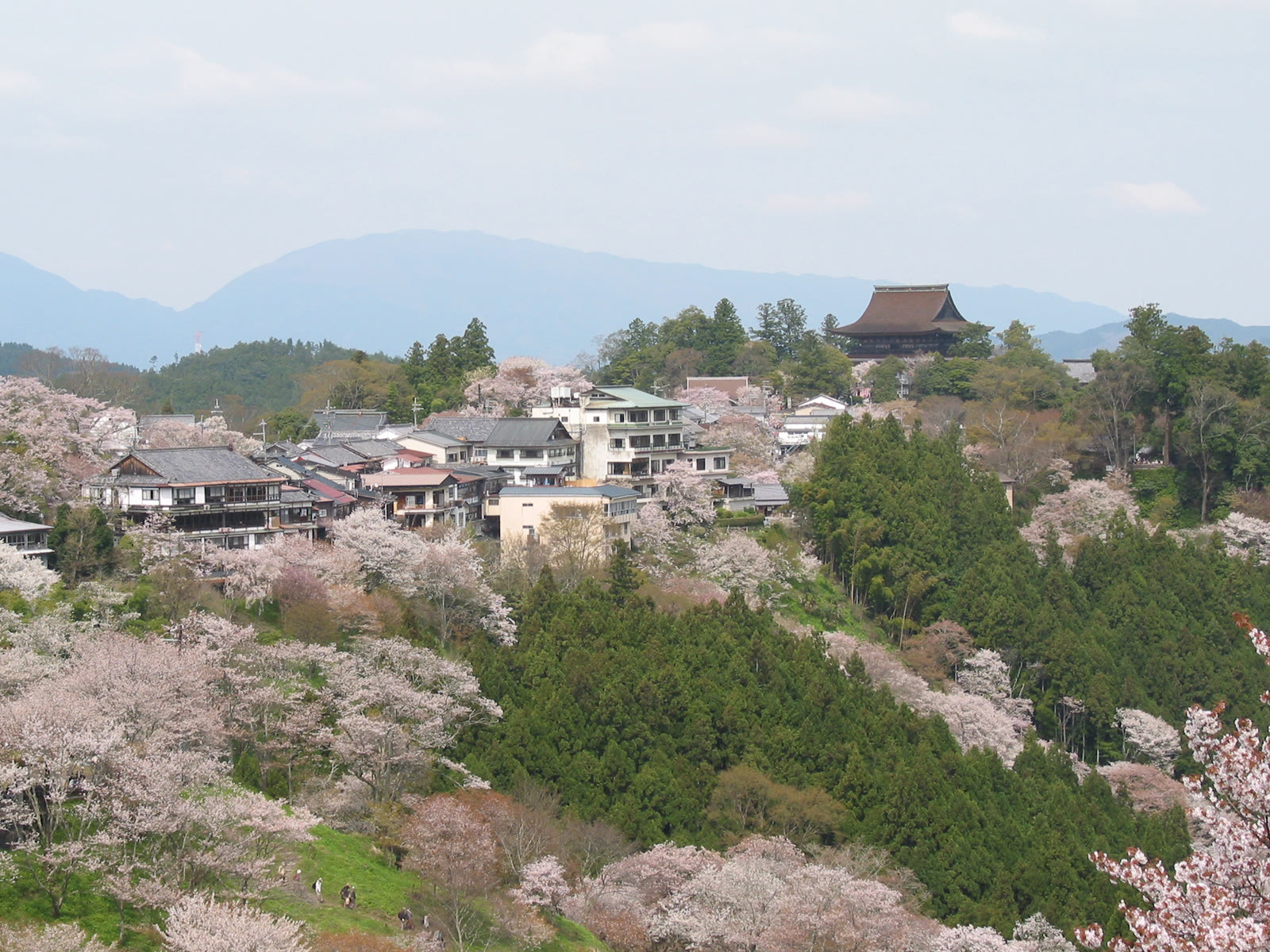
Yoshino Mountain
3.3 km · straight line
 Maechan0360 / CC BY-SA 3.0
History · Nara★★
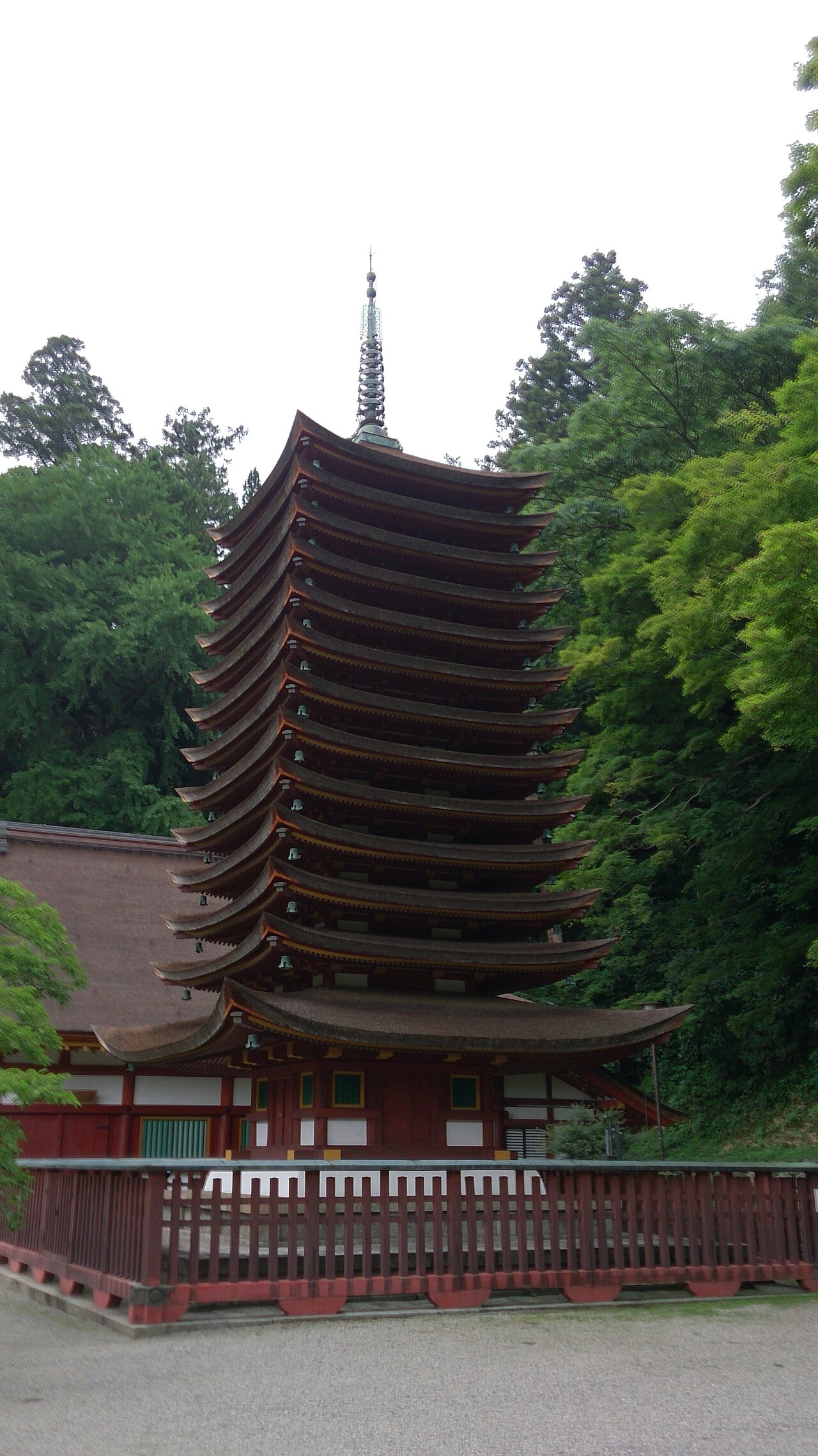
Tanzan Shrine
10.0 km · straight line
 coniferconifer / CC BY 2.0
Nature · Nara★
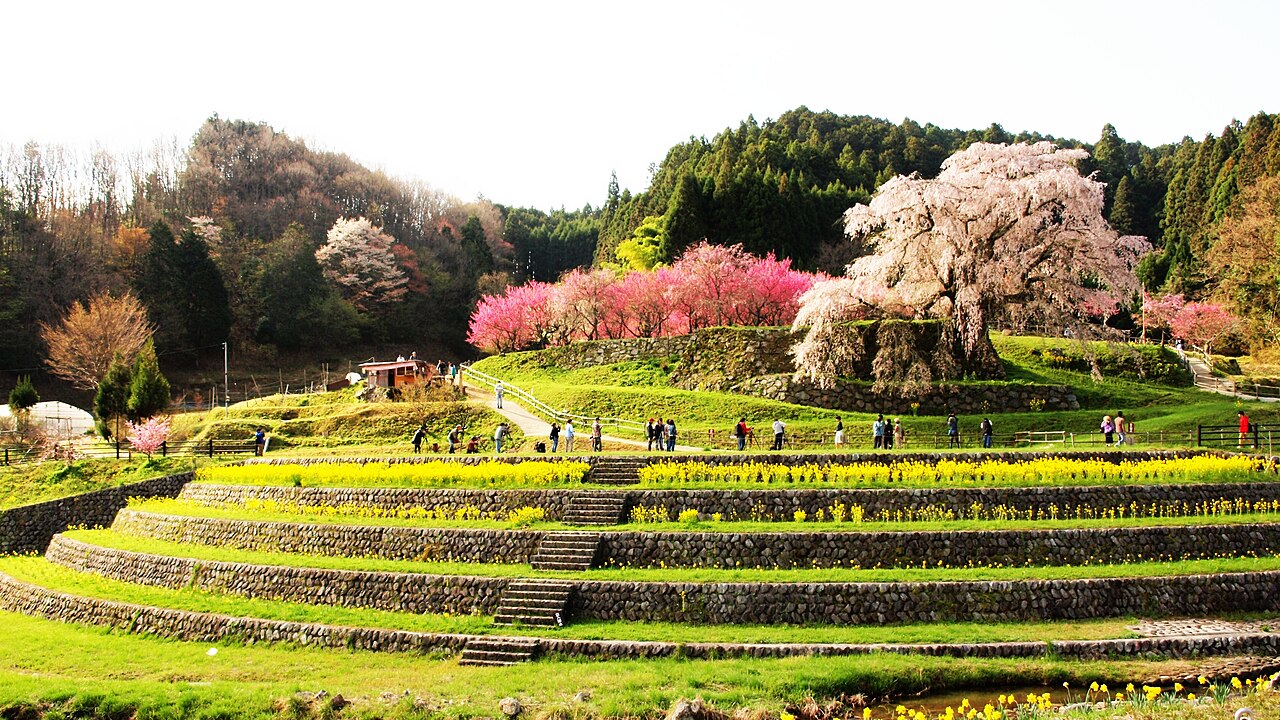
Matabei-zakura
11.0 km · straight line
 8-hachiro / CC BY-SA 4.0
Local life · Nara★
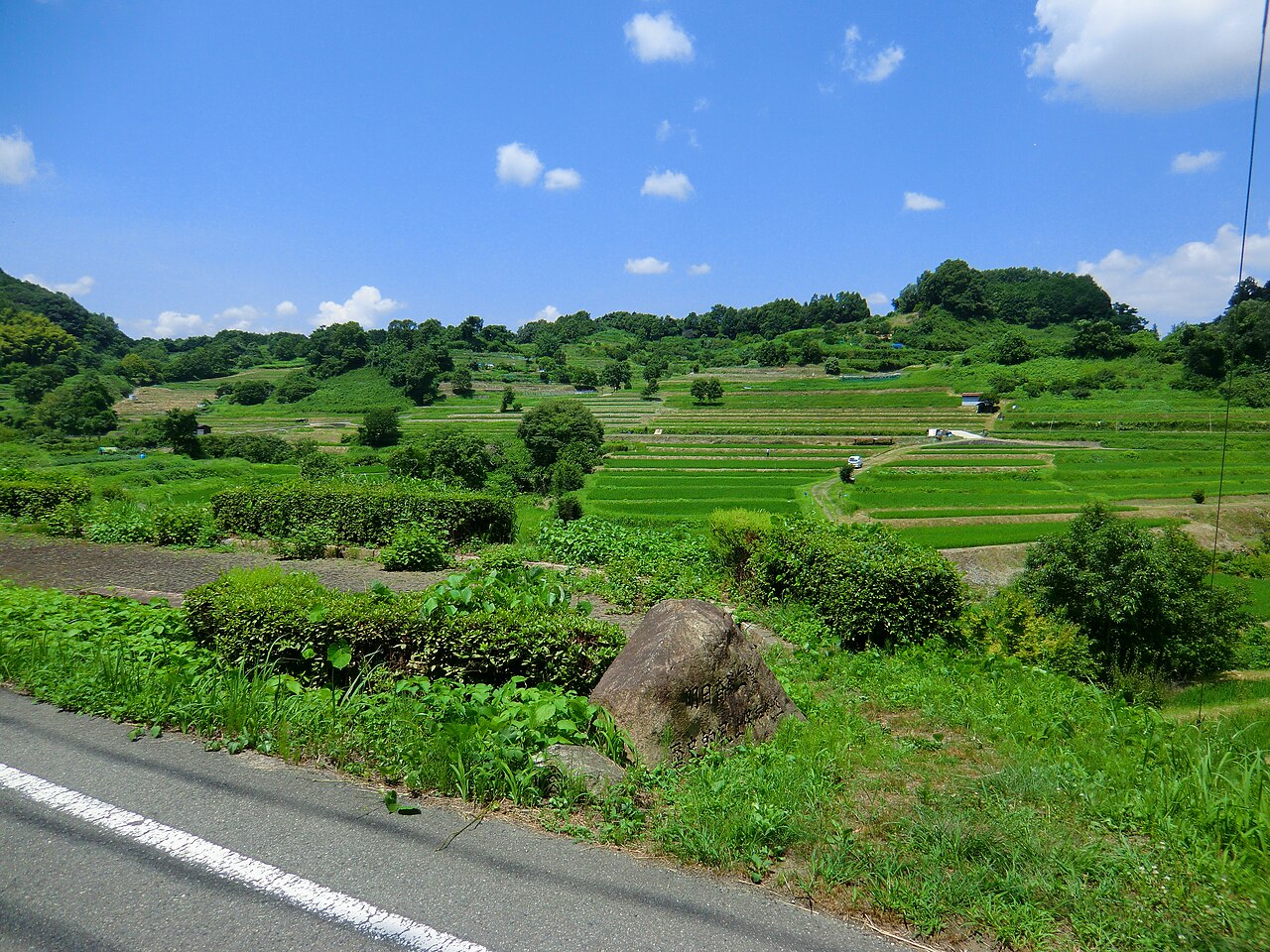
Inabuchi Rice Terraces & Scarecrow Road
11.1 km · straight line
Distances are straight lines on the map, not travel times.