South Nara · GojoNo.1042★★★Open in map →
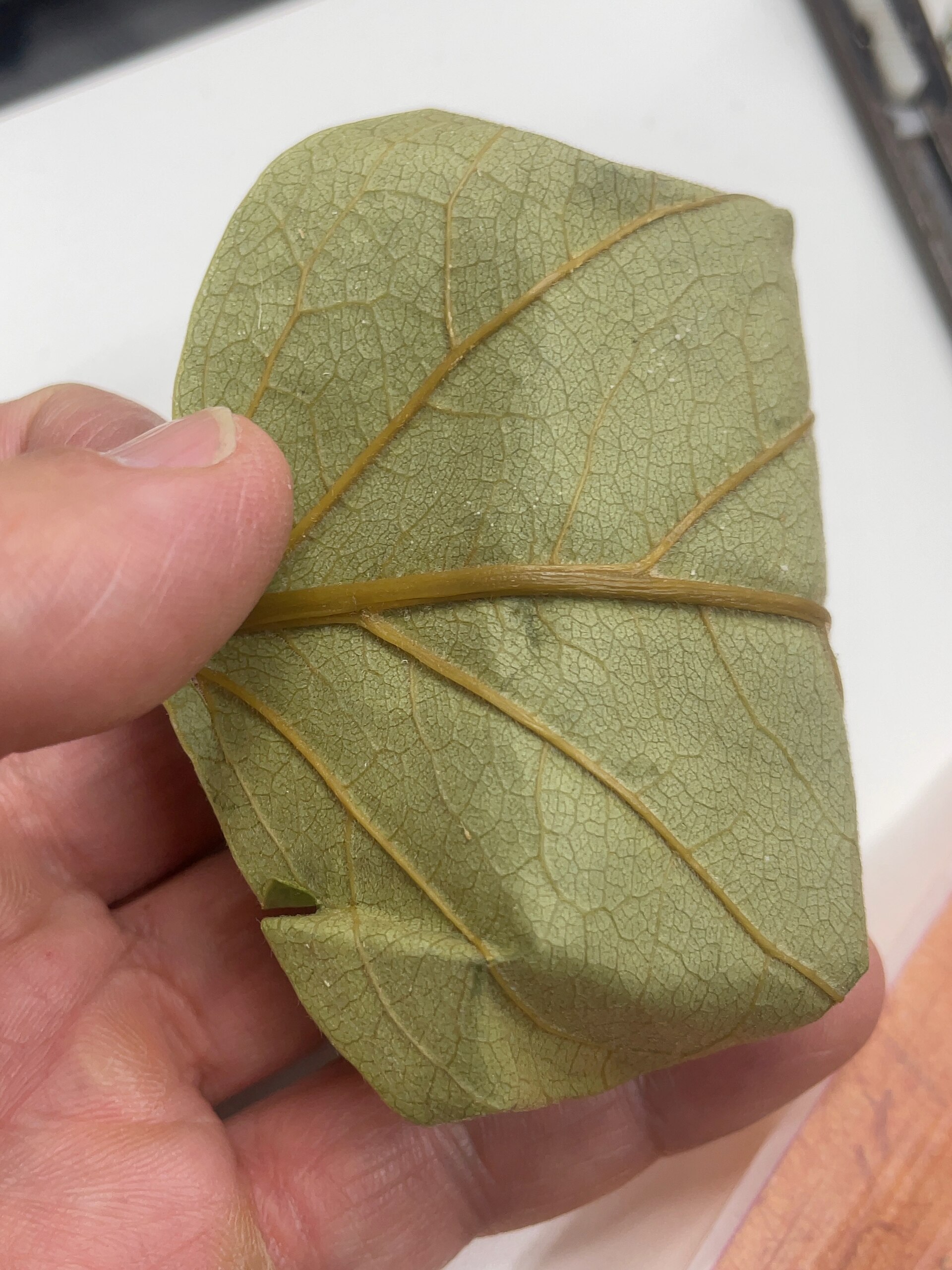
Kakinoha-zushi
— Nara's salted mackerel pressed inside a persimmon leaf
Salted mackerel on vinegared rice, folded into a persimmon leaf and pressed. Gojo, in southern Nara, is the river town where the salted fish came inland and the wrapping was worked out, and its old merchant street is a flat walk from the station.
- FromOsaka
- ~2 hrJR, one change at Oji
- Get off atGojo Station (JR Wakayama Line)
- On foot
- Kakinoha-zushi
Where it is
32 more notes in Nara · open the map →What to look for — in walking order
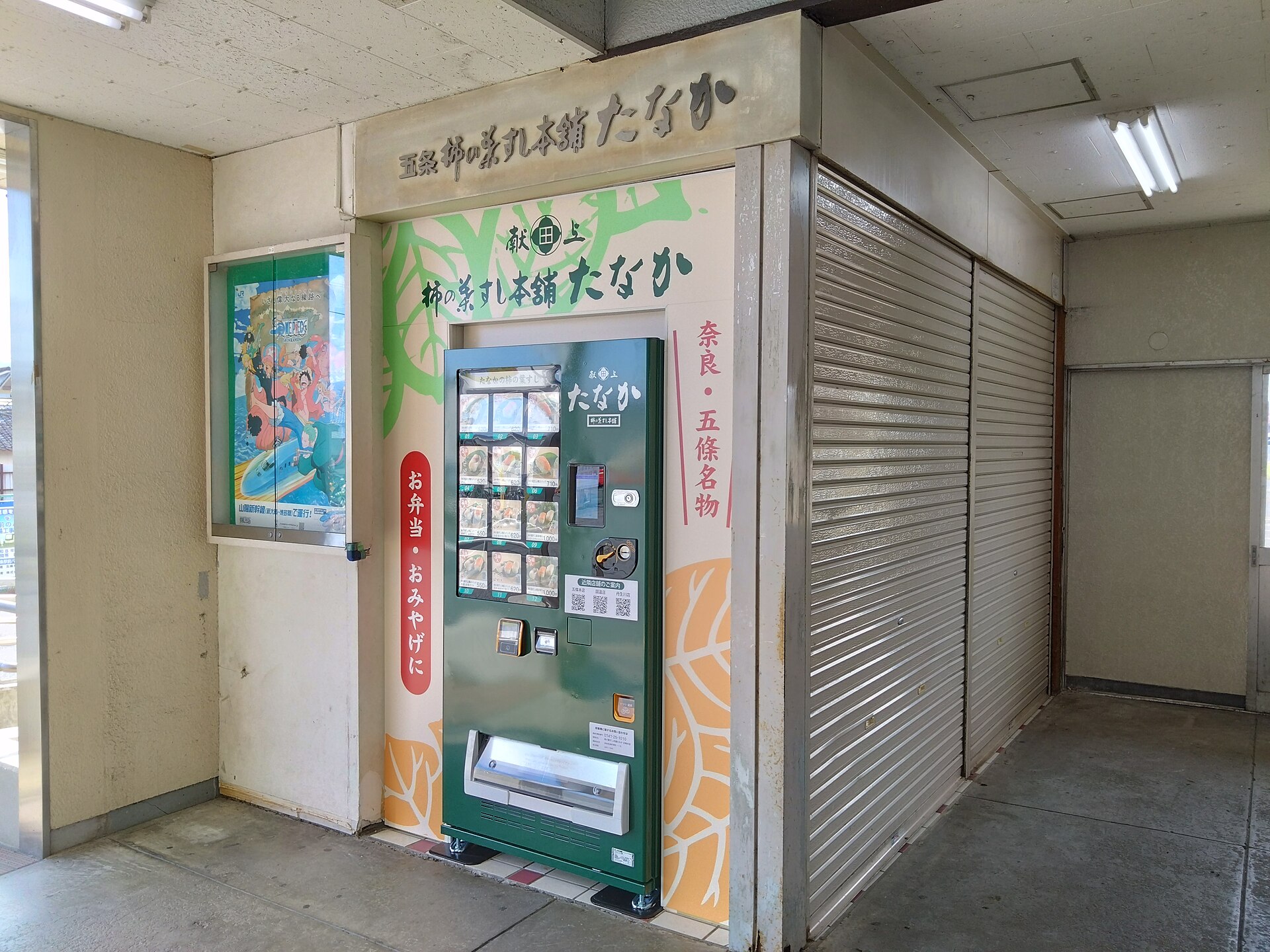
- Gojo Stationthe small Wakayama Line station that serves as the town's gateway
- The station forecourtthe open space where the walk toward the river quarter begins
- The road down to the Yoshino riverthe flat main road linking the station with the riverside quarter
- Gojo Shimmachi streeta merchant street of old timber houses, kept as a national preservation district
- The long-standing makersthe old kakinoha-zushi shops the city's tourism association lists, on and near the preserved street
How to actually get there
- Osaka → Oji (JR Kansai Main Line), then Oji → Gojo Station (JR Wakayama Line via Takada). Gojo City gives about 2 hr in total.
- Gojo Station → the road toward the Yoshino river (on foot, from the front exit).
- → Gojo Shimmachi, the preserved merchant street, and the long-standing kakinoha-zushi makers on and around it.
- Buy a box before the return train if you have not already.
- JR from Osaka, changing at Oji
- Osaka →(JR Kansai Main Line)→ Oji →(JR Wakayama Line, via Takada)→ Gojo Station. Gojo City puts the whole trip at about 2 hr. A second route of about the same length runs Osaka → Namba → Hashimoto on the Nankai Koya Line, then the Wakayama Line east to Gojo.
- Return from Gojo Station
- Take the Wakayama Line back toward Oji and change there for Osaka. Riding the other way, Gojo City gives about 1 hr 30 min through to Wakayama. Read the board for your return departure before you walk into town.
About the place
Kakinoha-zushi is a pressed sushi. A bite of vinegared rice takes a slice of salted mackerel or salmon on top, and the pair is folded into a persimmon leaf and weighted down. The leaf is not decoration: persimmon leaves are thick, smooth and rich in tannin, and Nara Prefecture credits them with holding the fish and lending the parcel its scent. Gojo stands where the Kino and Yoshino rivers run out of the mountains, and the prefecture's tourism federation places the dish in the households of Gojo and along the Yoshino river. You open the leaf at the table and set it aside.
How to enjoy it
Buy at the station if you are moving straight on, and walk down to Shimmachi if you have the afternoon. The leaf is meant to be peeled off and left behind; the rice underneath has taken its scent, which is the point of the wrapping. Read the return departures on the platform board before you start walking, so the way back is not rushed.
Background & history
The dish goes back to the Edo period. Nara Prefecture records that mackerel landed on the Kumano coast was salted by Kishu fishermen and carried inland, up the Kino and Yoshino rivers to Gojo and the Yoshino district. It reached the villages in the season of the summer festivals, and the wrapped sushi became the dish set out for them. The prefecture's tourism federation dates the household habit to at least the middle of the Edo period, when the same country was known for its persimmons.
Before you go
- Cash
- The walk and the preserved street cost nothing. Buying the sushi is the only certain expense, and small shops in a country town may not take cards, so carry cash.
- Good to know
- Shimmachi is a lived-in quarter, so stay on the street and do not step into the houses. Each maker sets its own days off, so check before you build the day around one counter.
- Another way
- From Kansai International Airport, take the JR line to Tennoji and change to the Wakayama Line for Gojo. Gojo City gives about 2 hr 30 min for that route.
- After you get off
- Leave Gojo Station by the front exit and cross the forecourt. Follow the main road south-west, toward the Yoshino river; the preserved street of Shimmachi runs along the town side of the water, and the walk is flat the whole way.
Nearby notes
 Morocco / CC BY-SA 4.0
History · Osaka★
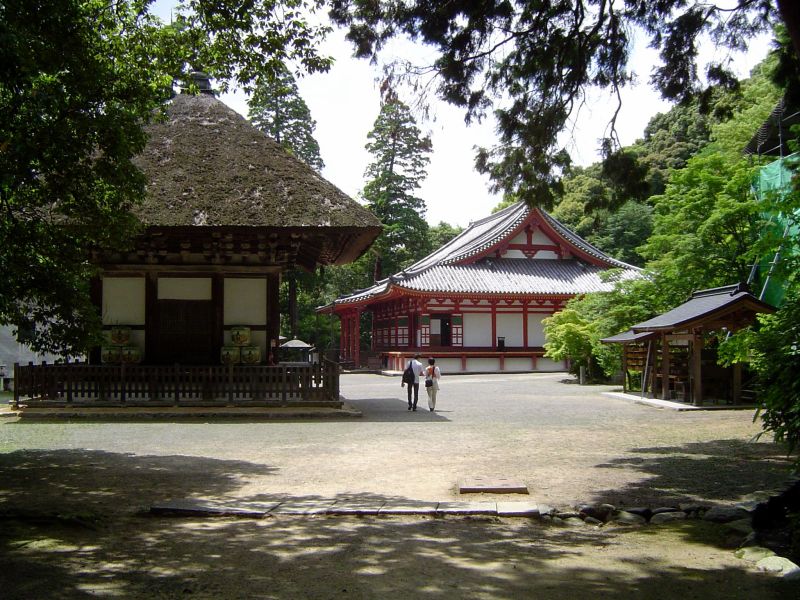
Kanshin-ji
13.1 km · straight line
 KENPEI / CC BY-SA 3.0
History · Wakayama★
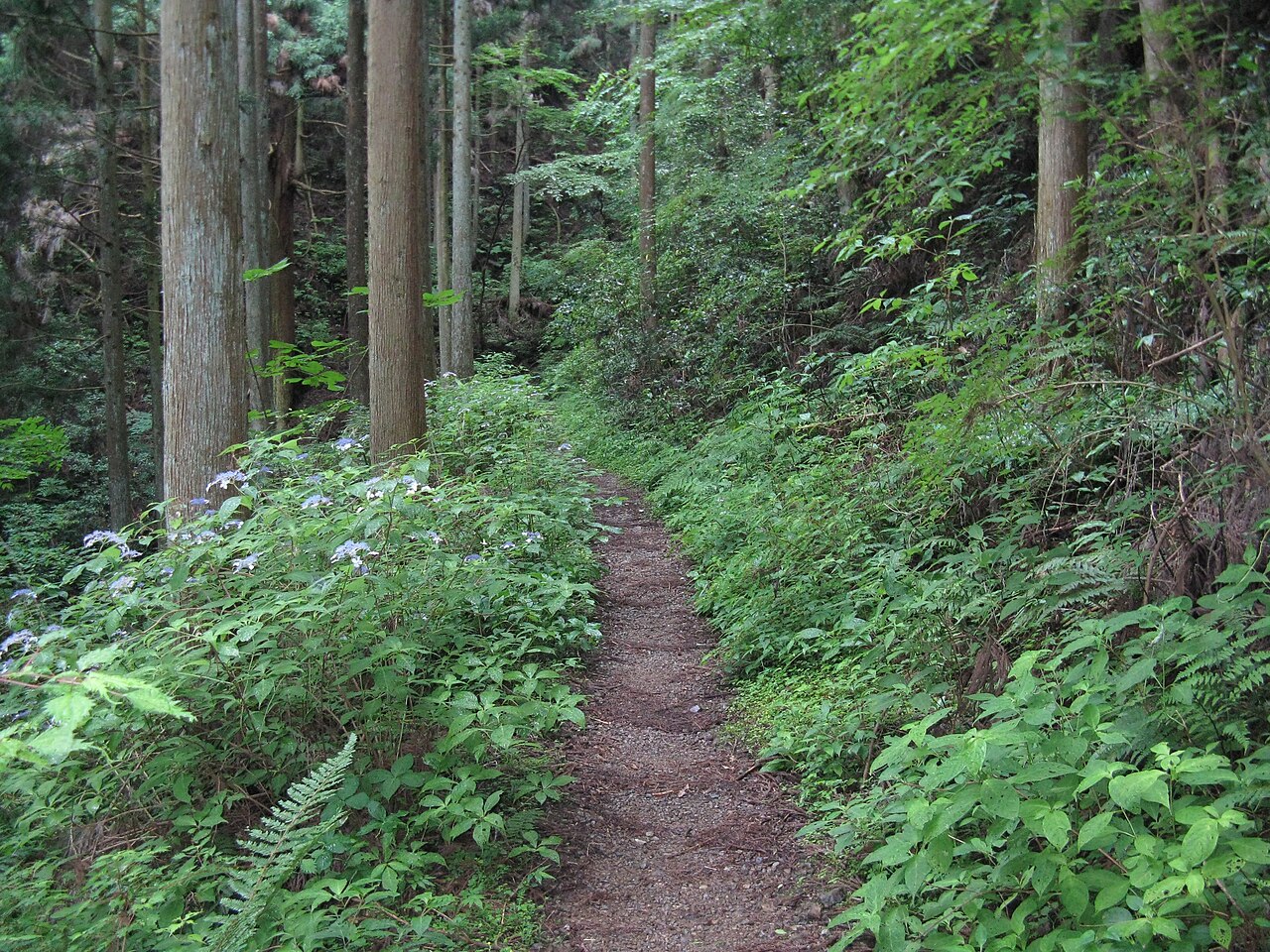
Choishi-michi
14.3 km · straight line
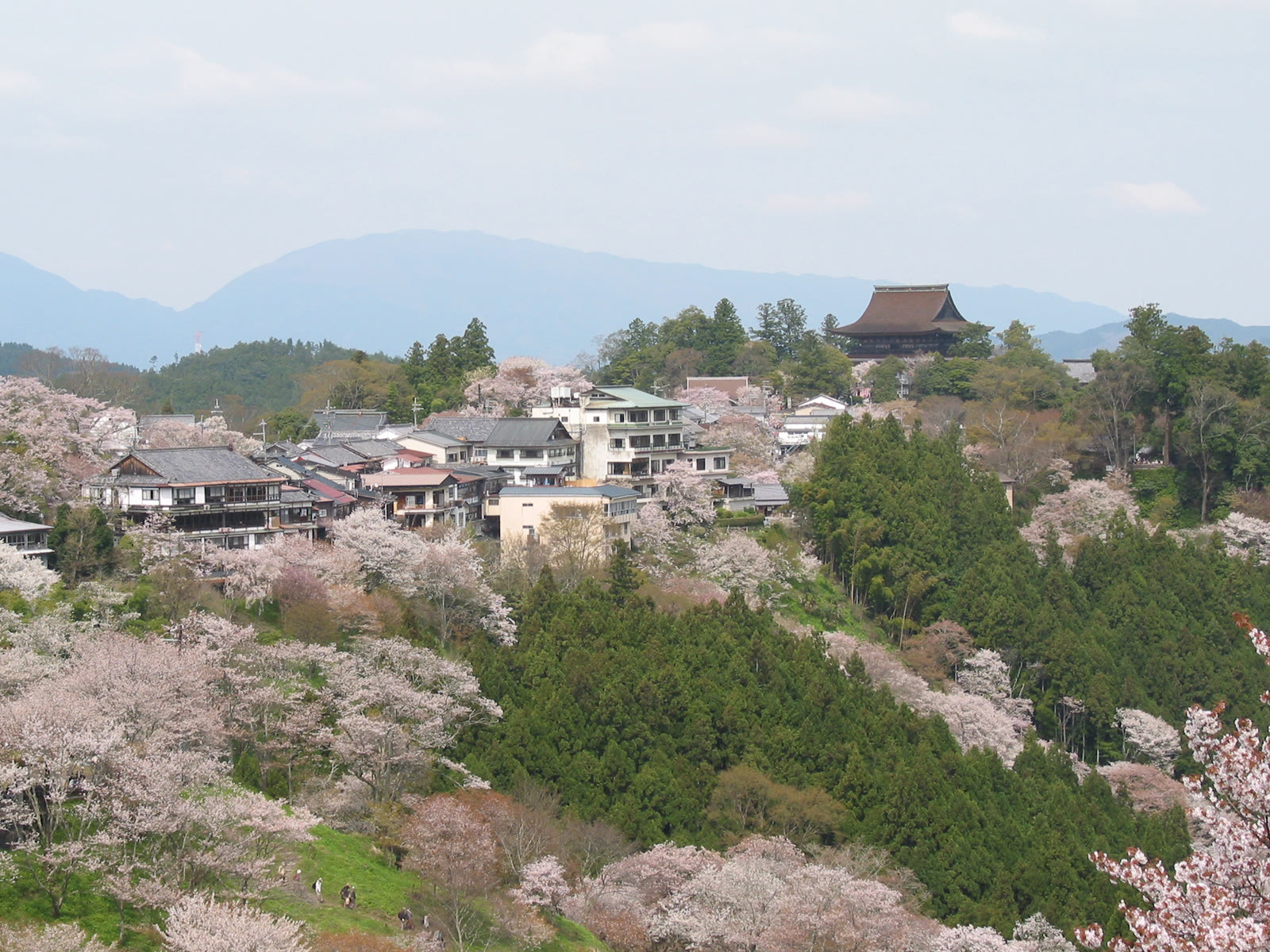 Tawashi2006 / CC BY 2.1 jp
Nature · Nara★★★
Yoshino Mountain
15.5 km · straight line
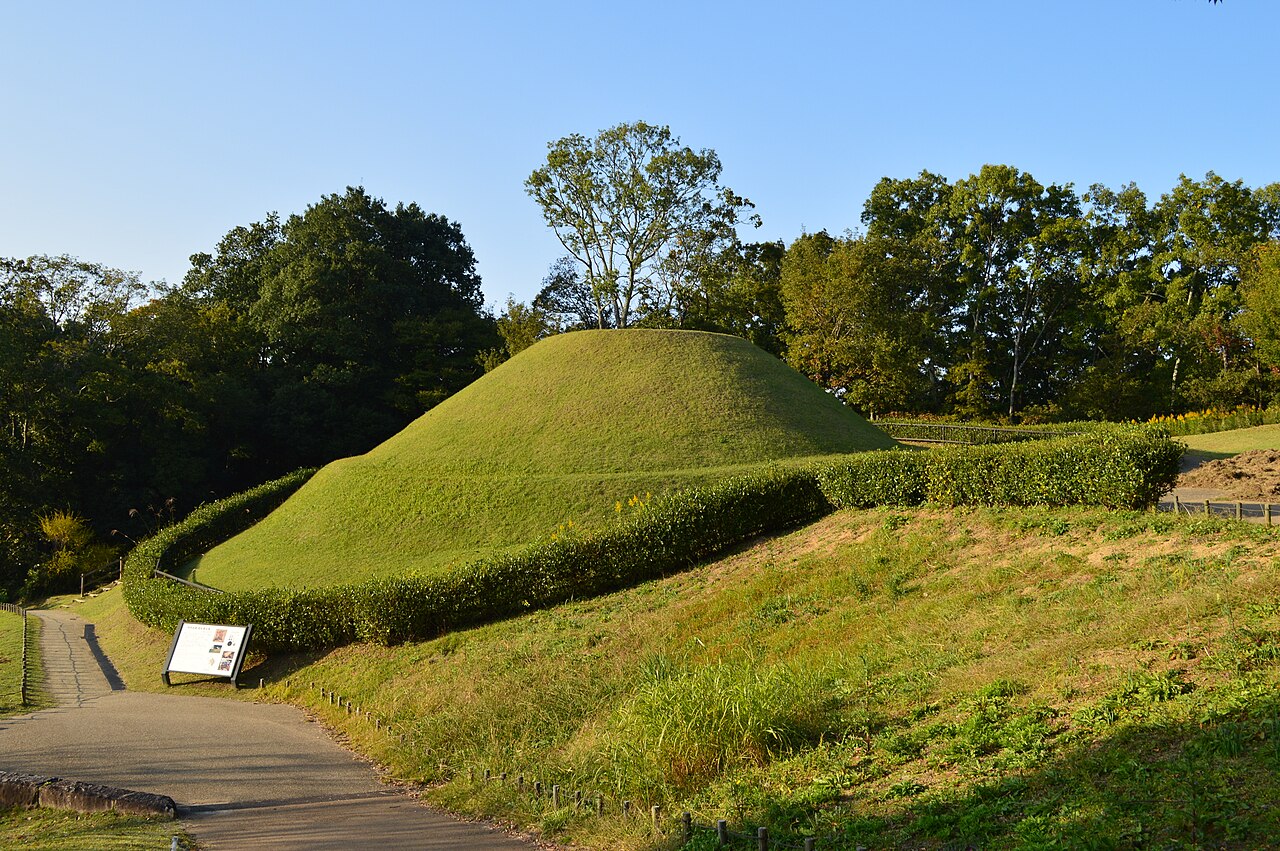 Saigen Jiro / CC0
History · Nara★★
Takamatsuzuka Tomb
16.4 km · straight line
Distances are straight lines on the map, not travel times.