Yamanashi east · DoshiNo.117★Open in map →
Roadside Station Doshi
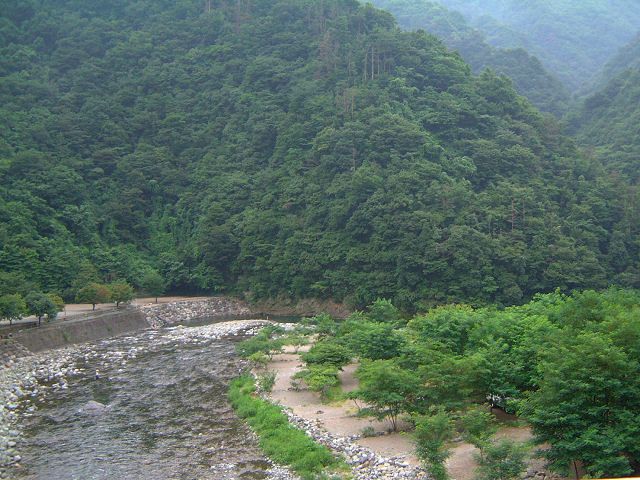
A roadside station along the Doshi River — the river Yokohama has drawn its tap water from since 1897 — where local farmers sell watercress fresh at the source and the clear river is steps away.
- FromTsuru IC (car) / Hashimoto Stn (bus)
- ~30 min by car (from Tsuru IC)car; bus (infrequent)
- Get off atMichi-no-Eki Doshi
- On foot
- Roadside Station Doshi
The sweet spot
There is no train line into the valley. It is reached by the winding Route 413 or by a bus service that runs only a few times a day with poor connections, so it stays a corridor for local residents and campers rather than a tour stop.
Where it is
18 more notes in Yamanashi · open the map →What to look for — in walking order
- Direct-sales counterjust-harvested local watercress with seasonal vegetables and foraged mountain plants
- Handmade Kitchen restaurantseasonal watercress dishes cooked by local residents
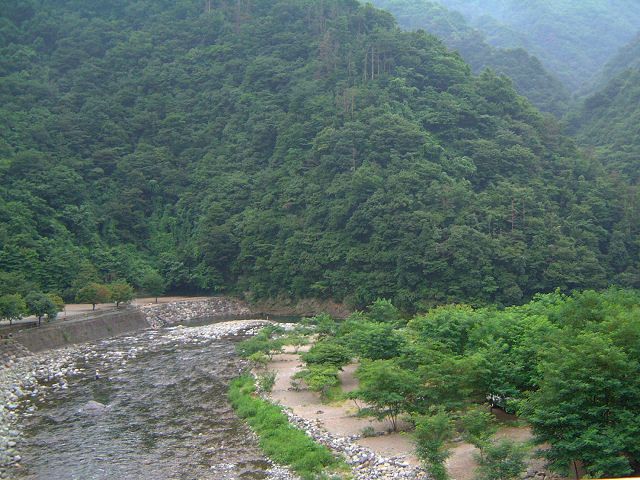
- The Doshi River bankthe clear river that supplies Yokohama's tap water, reachable on foot from the station grounds
- Valley information hubthe main rest stop and information point for the forested Doshi valley
How to actually get there
- Chuo Expressway to Tsuru IC (nearest interchange)
- Tsuru IC → Roadside Station Doshi (Route 413, about 30 min / 20 km)
- Or by bus: Hashimoto Stn → Sankiki → Tsukiyono → Doshi (about 1 hr, only a few buses a day)
- By car via Route 413 (bus impractical)
- Realistic way in is by car: from Tsuru IC on the Chuo Expressway, about 30 min (20 km) up Route 413 into the valley. By public transport the only route is JR Yokohama Line to Hashimoto Station, then a Kanachu bus to Sankiki (Sankigi) stop, then a Fuji Kyuko bus via Tsukiyono to Doshi — the operator lists it as about 1 hour, but the middle leg runs only a few times a day and the connection is poor. Check the day's bus timetable before you leave.
- Return in daylight
- Buses in and out of the valley end in the early evening, so if you rely on them, confirm the return times at the stop when you arrive. By car, note that Route 413 is narrow and unlit past the station — return before dark.
About the place
Roadside Station Doshi sits on Route 413 as it follows the Doshi River through the mountains of eastern Yamanashi. The village is more than 90 percent forest, and its clean mountain water has made it one of Japan's leading watercress-growing areas. The station's direct-sales counter is stocked with local watercress alongside seasonal vegetables, foraged mountain plants, pickles and woodcraft. An on-site restaurant, the "Handmade Kitchen" run by local residents, serves seasonal dishes built around that watercress and other village ingredients. The river itself is reached on foot from the station grounds.
How to enjoy it
Come by car along the Doshi-michi (Route 413) between Sagamihara and Lake Yamanaka, and time the visit for the watercress season to buy it fresh at the source. The direct-sales counter and restaurant open mid-morning, with longer hours in summer. The river is a live mountain stream — stay to the shallow gravel edges, especially after rain.
Background & history
The station opened in 1999 as a registered michi-no-eki (government-registered roadside rest stop) on Route 413. The same river also serves a much larger population: in 1897 the city of Yokohama began drawing its water supply from the Doshi River, and from 1916 Yokohama acquired and has managed a large water-source conservation forest here. That forest was named to Japan's "100 Selected Water Source Forests" in 1995.
Before you go
- Cash
- Rural direct-sales counters and small stalls are often cash-only, so carry some cash and coins.
- Good to know
- The Doshi River is a live mountain river — the current rises fast after rain, so keep to the shallow gravel edges.
- Another way
- The valley bus (Fuji Kyuko) runs only a few times a day and connections are unreliable, so a car or taxi is the practical way here.
- After you get off
- The river is reached on foot from the station grounds — walk down toward the water at the back of the site.
Nearby notes
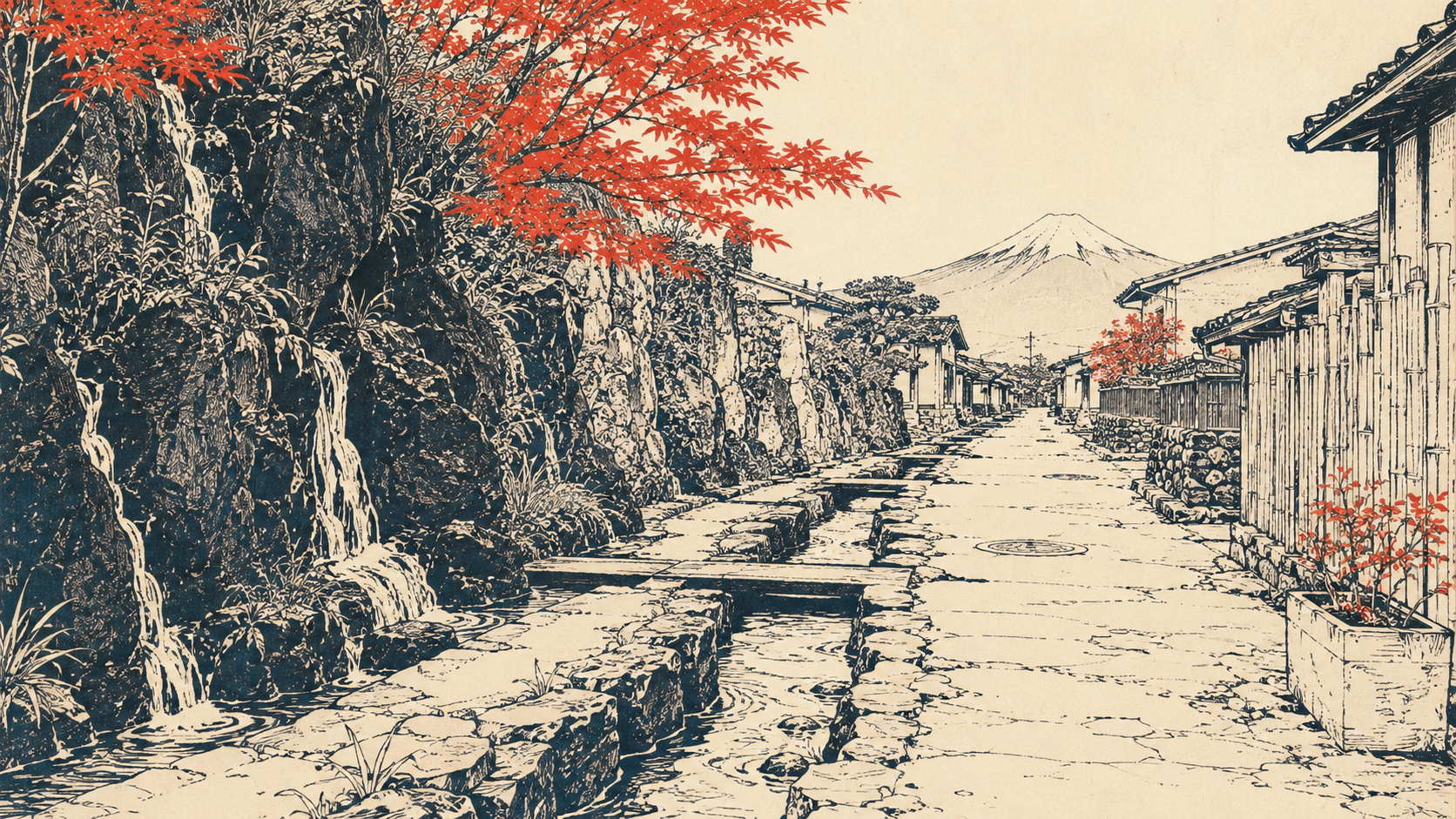 illustration (AI-illustrated)
Nature · Yamanashi★
Tokaichiba-Natsugari Springs & Taro-Jiro Falls
10.3 km · straight line
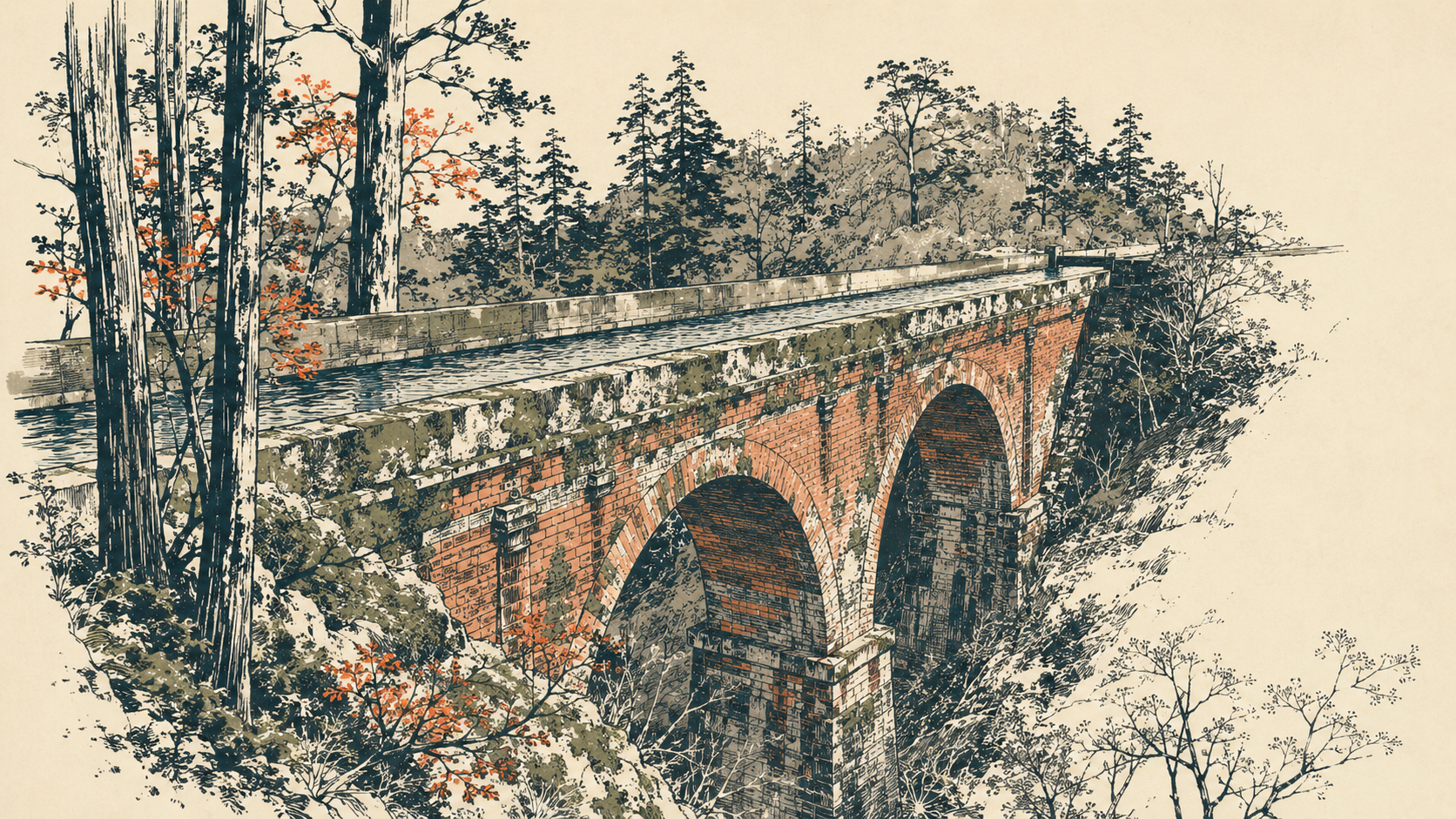 illustration (AI-illustrated)
Craft · Yamanashi★
Yatsuzawa Aqueduct
12.4 km · straight line
 Aimaimyi / CC BY-SA 3.0
History · Yamanashi★
Saruhashi Bridge
12.5 km · straight line
 Σ64 / CC BY 3.0
History · Yamanashi★
Mount Iwadono
13.5 km · straight line
Distances are straight lines on the map, not travel times.