Kyoto · Higashiyama / OkazakiNo.374★★Open in map →
Eikando Zenrin-ji
— the temple of the Amida who looks back
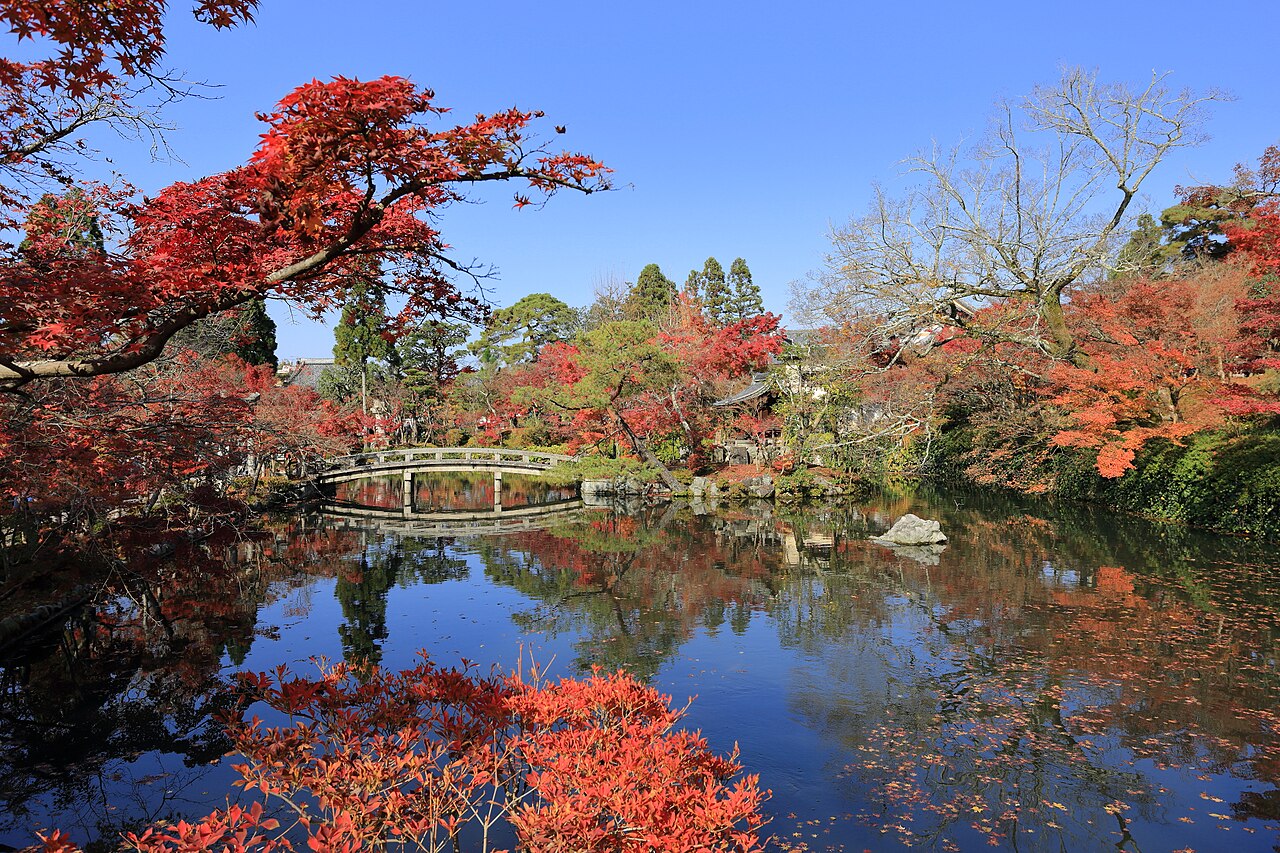
The head temple of the Seizan Zenrin-ji branch of Jodo Buddhism, at the foot of the Higashiyama hills. Its principal image is a standing Amida whose head is turned back over the left shoulder, and roughly 3,000 maples fill the grounds.
- FromKyoto Stn
- ~35 minCity Bus 5 (frequent)
- Get off atNanzenji-Eikandomichi bus stop (then ~3-min walk)
- On foot
- Eikando Zenrin-ji
The sweet spot
Eikando is famous as an autumn colour site, which means almost everyone comes in one three-week window and looks at the trees. The temple's real singularity is its main image: a Buddha sculpted mid-turn, looking back over its shoulder, in a tradition that almost never breaks frontality. Going for the statue rather than the leaves gives you a better temple and a far quieter one.
Where it is
90 more notes in Kyoto · open the map →What to look for — in walking order
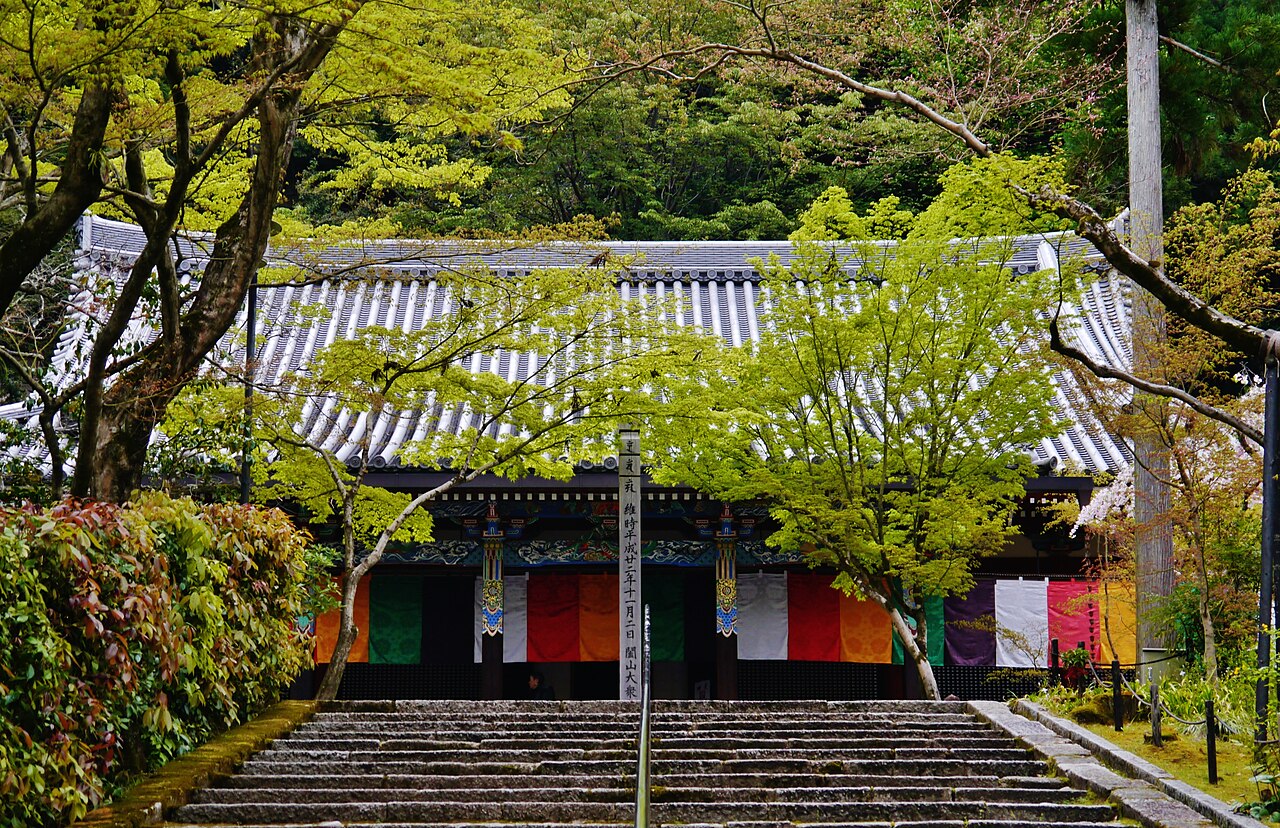
- Mikaeri Amidathe standing Amida in the upper hall, head turned back over the left shoulder — the reason the temple exists in most guidebooks
- Garyuro corridorthe 'sleeping dragon' covered stairway that climbs the slope in a long timber zigzag, linking the halls
- Tahoto pagodaa two-storey pagoda on the hillside above the halls; the terrace beside it looks out over the maples toward the city
- Hojo-ike pond and the maplesthe release pond at the foot of the grounds, ringed by the densest of the roughly 3,000 maples
How to actually get there
- Kyoto Station → Nanzenji-Eikandomichi stop (City Bus 5, ~30 min).
- Walk north ~3 min to the Eikando gate; buy the daytime ticket (desk closes 16:00).
- Walk the pond and maples first, then climb the Garyuro corridor to the Mikaeri Amida and continue to the pagoda terrace.
- Kyoto Stn → Nanzenji-Eikandomichi by City Bus 5
- From the Kyoto Station bus terminal, take City Bus 5 (toward Iwakura/Ginkakuji) and ride about 30 minutes to the Nanzenji-Eikandomichi stop. From there walk north about 3 minutes; the Eikando gate is on the right, just past the Nanzen-ji approach. Buses run every 10 minutes or so, but the route crosses central Kyoto and can run late in traffic — allow extra time on weekends.
- Same stop back, or walk to Keage Station
- Take City Bus 5 back toward Kyoto Station from the stop on the opposite side of the road. If the bus looks slow, walk about 15 minutes south to Keage Station on the Kyoto City Subway Tozai Line and ride to Sanjo or Karasuma Oike instead — the subway is unaffected by traffic and runs late.
About the place
Most people arrive at Eikando for the maples. The grounds hold about three thousand of them, banked around a pond and climbing a wooded slope, and in late November the temple is one of the most photographed places in Kyoto. What fewer visitors climb far enough to see is the statue the temple is actually named for. In the Amida hall at the top of the covered stairway stands a wooden Amida Buddha whose head is turned sharply back and to the left, looking over its own shoulder. Japanese Buddhist sculpture is overwhelmingly frontal and symmetrical; a main image caught mid-turn is close to unique. The temple's own account ties the pose to Yokan, the priest whose name the temple carries in daily use: walking in circles chanting the nembutsu, he found the Amida had stepped down and was walking ahead of him, and when he stopped in astonishment the figure looked back at him. Above the hall a two-storey pagoda sits on the hillside, and from its terrace the whole maple canopy and the city beyond open out at once.
How to enjoy it
Daytime hours are 9:00–17:00 with the ticket desk closing at 16:00. Admission changes with the season — the Kyoto Prefecture tourism federation lists 1,000 yen for adults and notes that it varies — and the November treasure exhibition and evening illumination are ticketed separately from the daytime visit. November is the peak and the queues are real; the same grounds in the green-maple months of June and July are almost empty and the statue is unchanged. Eikando shares a wall with Nanzen-ji, and the Philosopher's Path begins a few minutes north, so the three combine into an easy half-day on foot.
Background & history
The temple was founded in 853 under the formal name Zenrin-ji. It came to be known instead by the name of Yokan (1033–1111), its seventh head priest, who ran a charitable dispensary from the temple and made it a centre of nembutsu practice — the looking-back Amida is attached to his story. Today Eikando is the head temple of the Seizan Zenrin-ji branch of the Jodo (Pure Land) school. Among its holdings is a National Treasure painting, the Yamagoshi Amida — Amida appearing over the mountains — which is shown only on limited occasions.
Before you go
- Cash
- Admission varies by season; the prefectural tourism board lists 1,000 yen for adults, and the November treasure exhibition and evening viewing carry their own separate tickets. Bring cash for the ticket desk. IC cards (ICOCA, Suica and other national cards) work on city buses and the subway.
- Good to know
- Daytime reception closes at 16:00, an hour before the gates — arriving at 16:15 means no entry. In November the grounds are crowded from mid-morning, and the evening illumination requires re-entry on a separate ticket after the daytime visit ends.
- Another way
- By subway: Karasuma Line from Kyoto Station to Karasuma Oike, transfer to the Tozai Line and ride to Keage (about 20 minutes in total), then walk about 15 minutes. This avoids bus traffic entirely.
- After you get off
- From the Nanzenji-Eikandomichi stop, walk north along the main road for about 3 minutes. Eikando's gate is set back on the east side, a little beyond the turning for Nanzen-ji.
Nearby notes
 Naokijp / CC BY-SA 4.0
History · Kyoto★★★
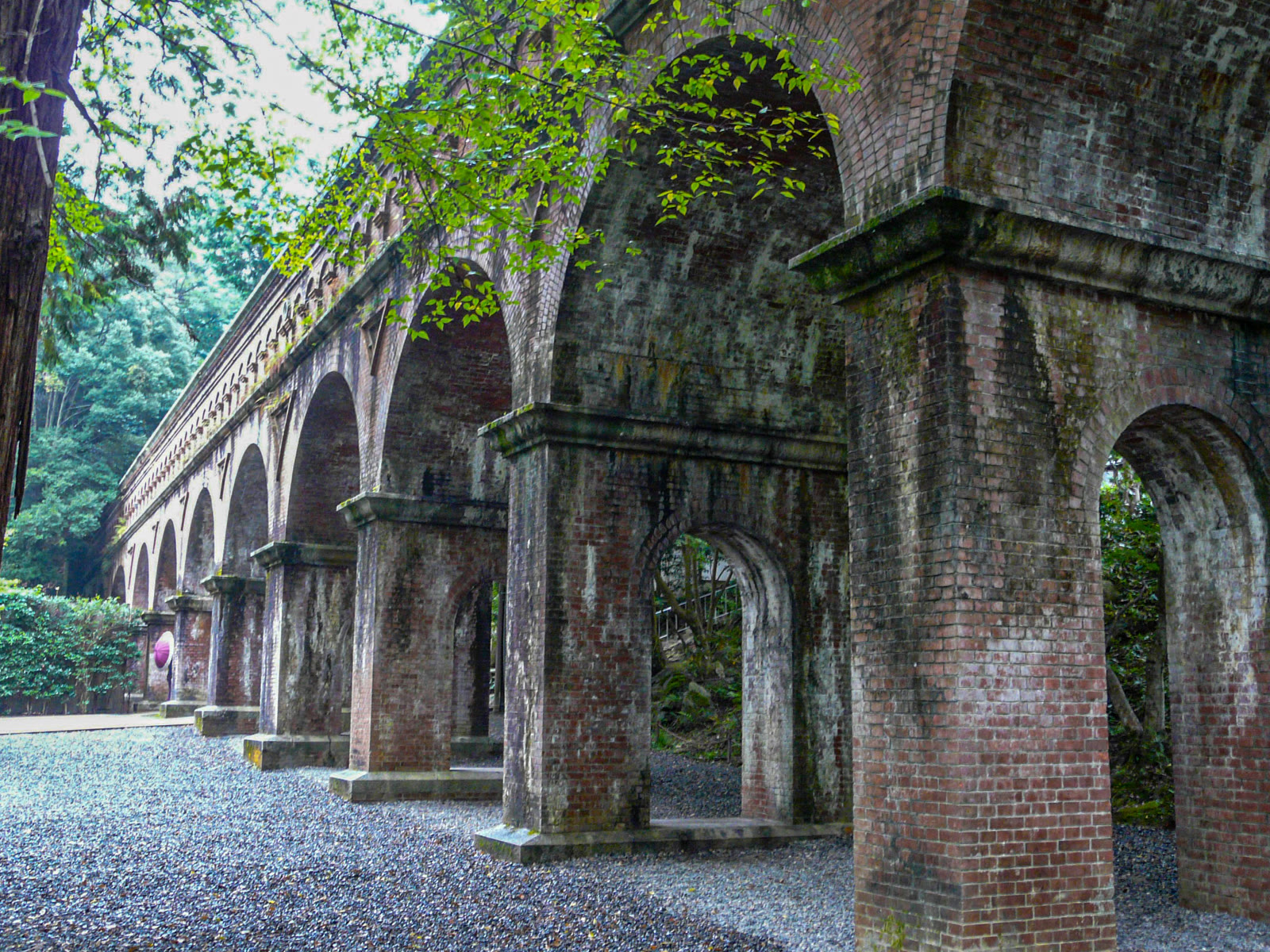
Nanzen-ji
0.3 km · straight line
 Kirin7739 / CC BY 4.0
History · Kyoto★★
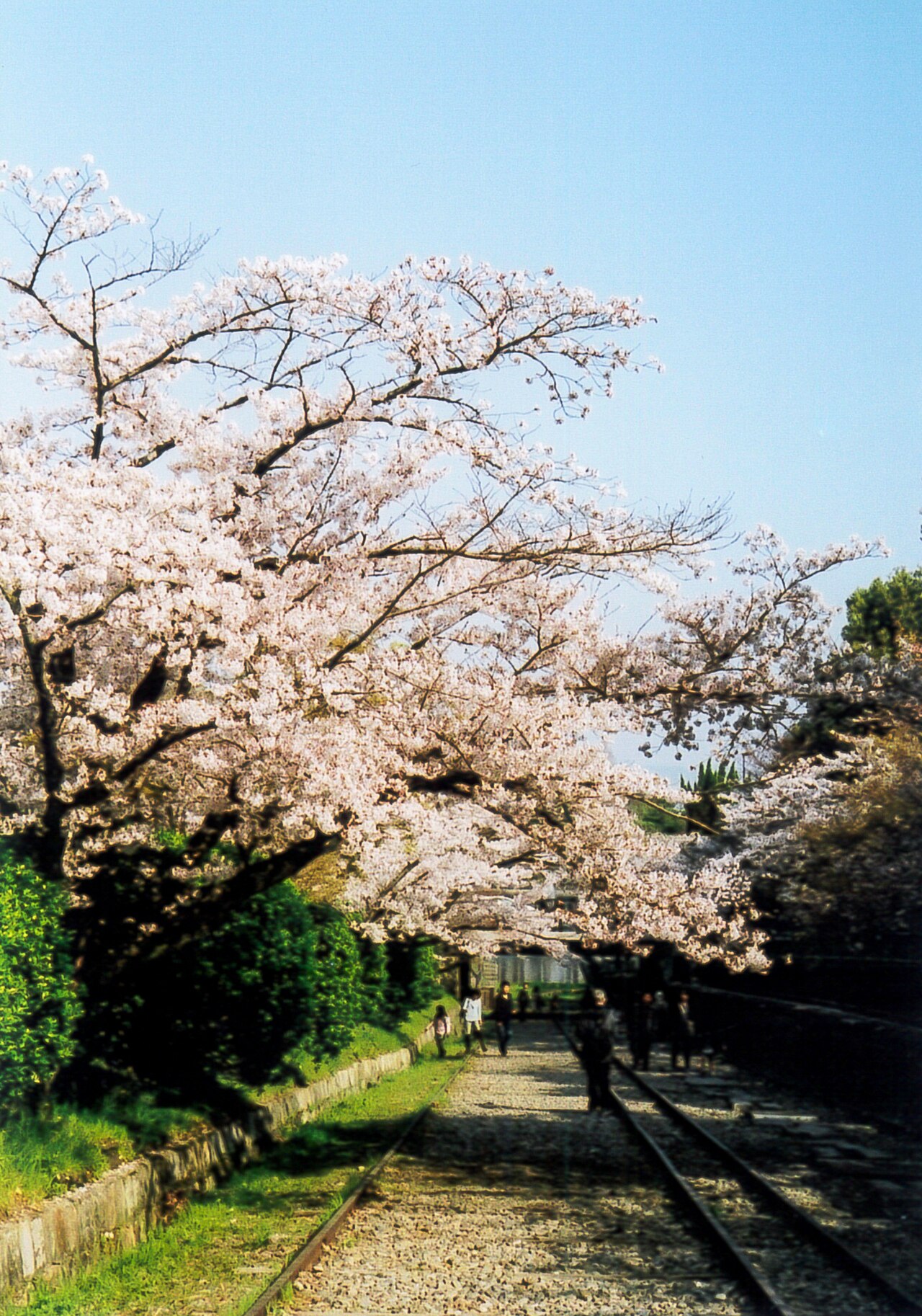
Keage Incline
0.7 km · straight line
 John Hill / CC BY-SA 4.0
History · Kyoto★★★
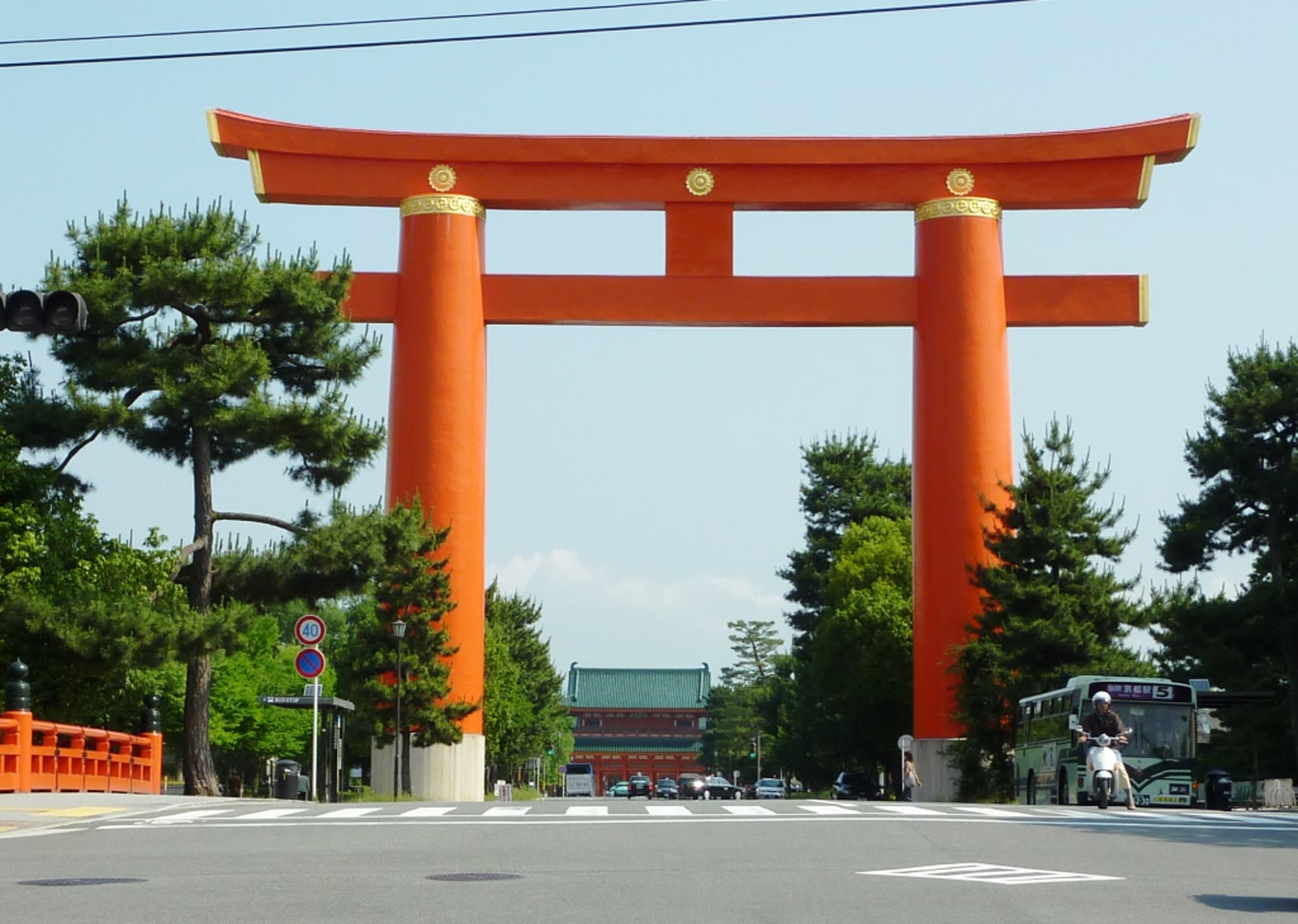
Heian-jingu Shrine
1.1 km · straight line
 Bruno Cordioli / CC BY 2.0
Craft · Kyoto★★★
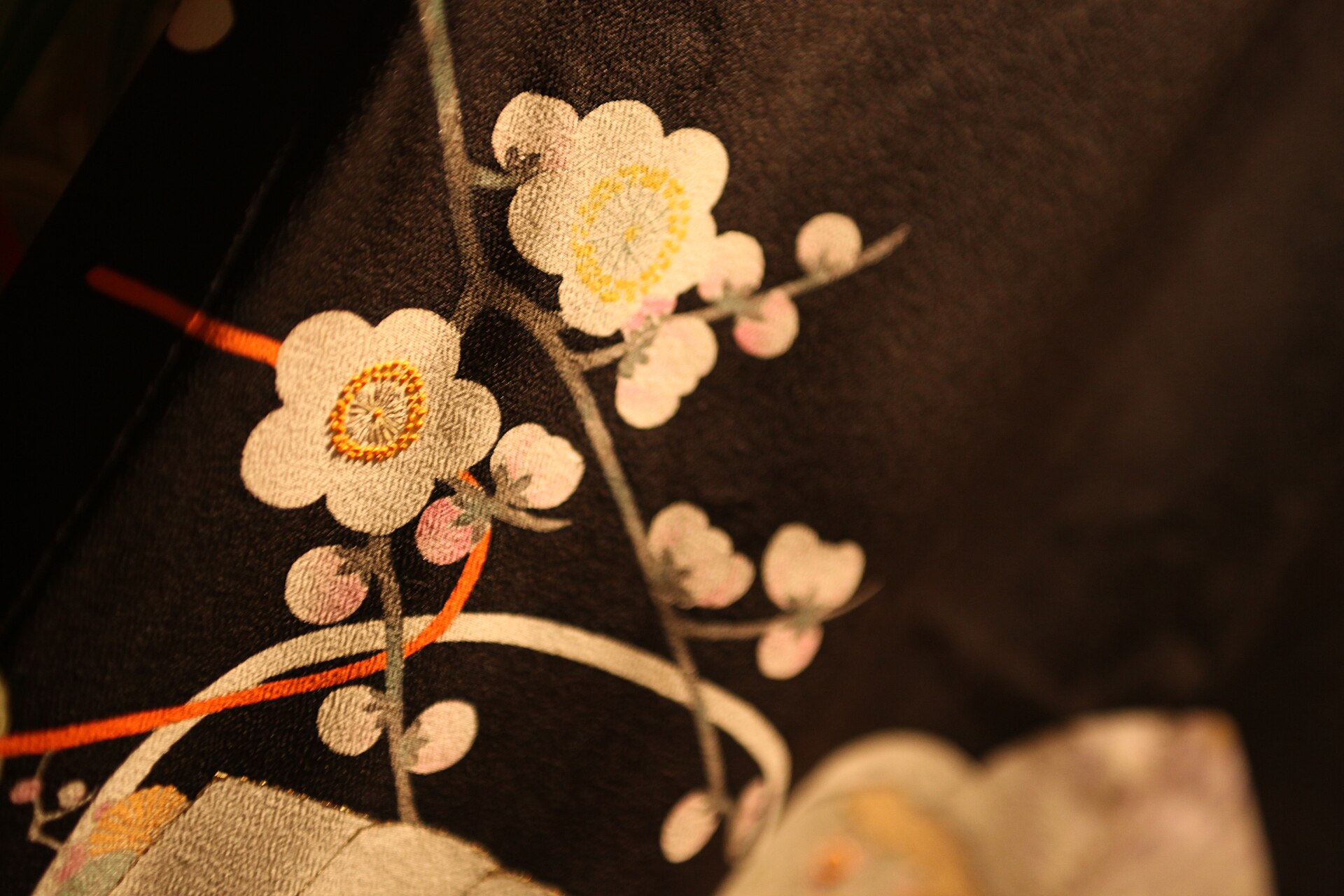
Kyo-Yuzen
1.3 km · straight line
Distances are straight lines on the map, not travel times.