Kyoto · Okazaki / HigashiyamaNo.179★★★Open in map →
Nanzen-ji
— a Zen temple with a brick aqueduct
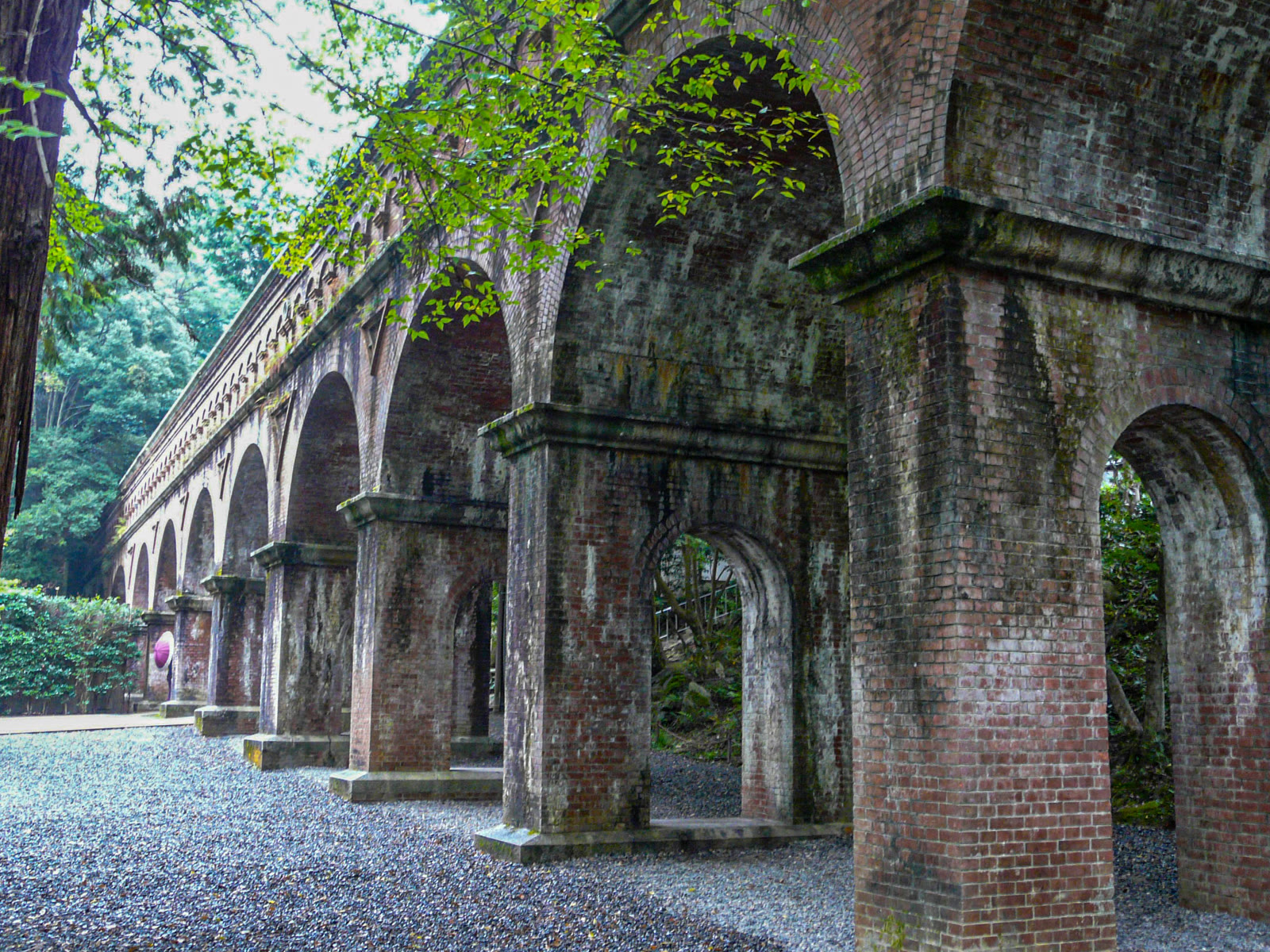
The head temple of the Nanzen-ji branch of Rinzai Zen, ranked above all five of Kyoto's great Rinzai temples. The grounds are free to enter, and a Victorian-era brick aqueduct from 1890 runs through the middle of them.
- FromSanjo Keihan Stn
- ~10 minMetro (frequent)
- Get off atKeage Station (Kyoto City Subway Tozai Line, T09)
- On foot
- Nanzen-ji
Where it is
90 more notes in Kyoto · open the map →What to look for — in walking order
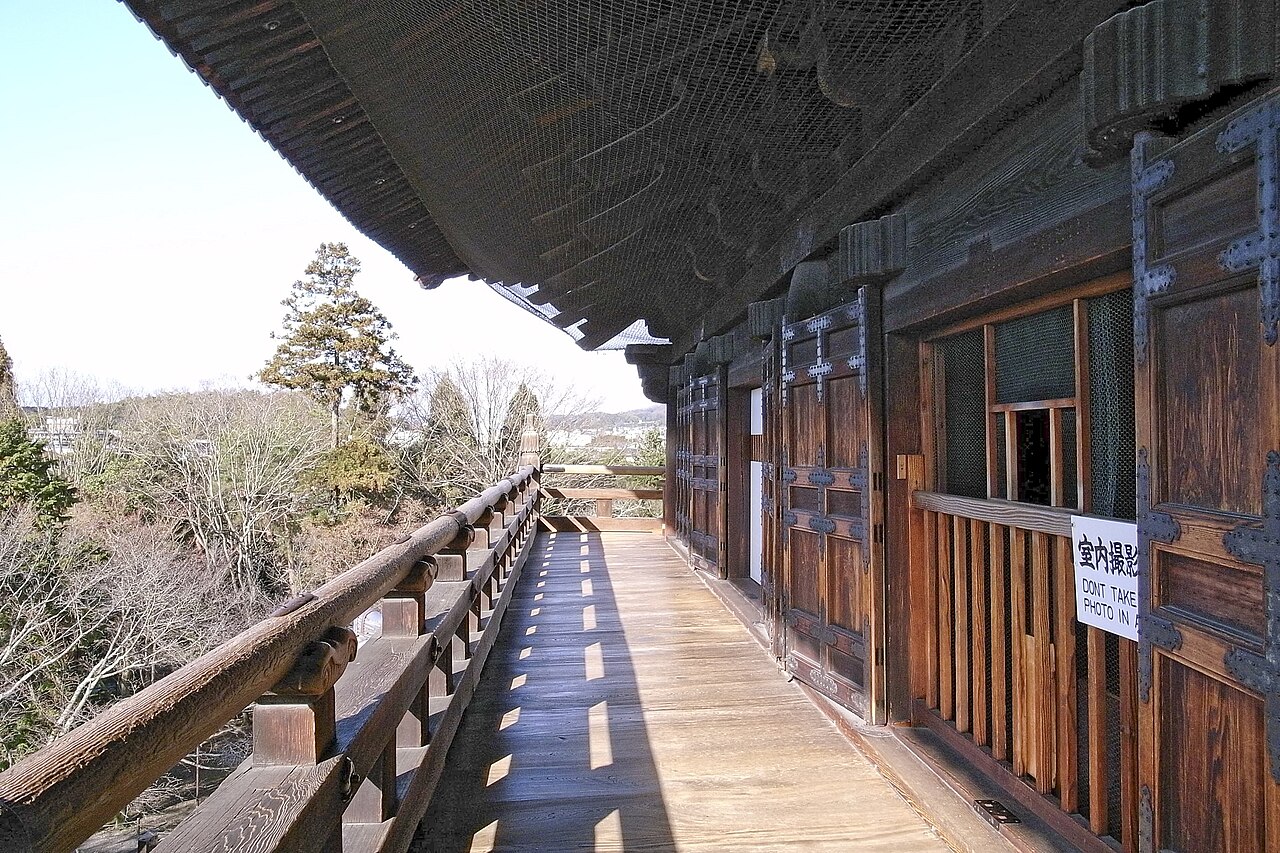
- Sanmon gatethe monumental three-bay gate of 1628; a second-floor loft open in spring and autumn provides views across the temple roofline toward Kyoto
- Suirokaku aqueductthe 93-metre red-brick arch from 1890, carrying Lake Biwa Canal water through the temple grounds — still in active use today
- Hojo rock gardenthe karesansui garden of the National Treasure abbot's quarters, attributed to Kobori Enshu's school; designated a Place of Scenic Beauty
- Sub-temple gardensseveral sub-temples (tatchū) within the precincts — including Nanzen-in and Konchi-in — open their gardens separately and are quieter than the main grounds
How to actually get there
- Sanjo Keihan Station → Keage Station (Kyoto Subway Tozai Line, ~4 min, 2 stops from Sanjo).
- From exit, walk through the Nejirimampo brick tunnel (~1 min) and continue north-east to the Sanmon gate (about 10 min from the station).
- Enter the free precincts: walk to the Suirokaku aqueduct at the rear, then the Hojo garden and Sanmon loft (separate tickets).
- Sanjo Keihan → Keage Station (Kyoto Subway Tozai Line)
- From Sanjo Keihan Station, walk underground to Sanjo Station on the Kyoto City Subway Tozai Line (about 3 minutes). Take the Tozai Line east 2 stops (about 4 minutes) to Keage Station (T09). From the exit, look for the 'Nejirimampo' pedestrian tunnel in the station plaza — walk through it and continue north-east to Nanzen-ji's Sanmon gate, about 10 minutes on foot from the station. Trains run every 7–10 minutes.
- Return from Keage Station any time
- Retrace to Keage Station and take the Tozai Line back to Sanjo or continue west to central Kyoto stations (Karasuma Oike, Kyoto Shiyakusho-mae). Last trains run past midnight.
About the place
Nanzen-ji sits at the foot of the Higashiyama mountains in eastern Kyoto, its precincts backed by forested slopes and fronted by the monumental Sanmon gate. The gate was reconstructed in 1628 and its upper loft, reached by internal stairs, opens out over the temple roof line toward the city. Winding through the rear of the precincts, the Suirokaku aqueduct carries Lake Biwa Canal water on a 93-metre brick-and-granite arch built in 1890 — a deliberate contrast of Meiji-era engineering inside a medieval Zen compound. The grounds are entered freely, making Nanzen-ji one of the rare major Kyoto temples where wandering the paths, gardens, and sub-temples costs nothing. The Hojo abbot's quarters, attributed to the school of Kobori Enshu and designated a National Treasure, contain the famous 'tiger cubs crossing the water' screen paintings and a karesansui rock garden designated a Place of Scenic Beauty.
How to enjoy it
The outer grounds, including the Suirokaku aqueduct and the approach to the Sanmon, are free to enter and accessible from early morning. The Hojo rock garden (600 yen) and Sanmon loft (600 yen) require separate tickets. Temple opening is 8:40, closing at 17:00 (16:30 December–February). From Keage Station, use the 'Nejirimampo' — a brick pedestrian tunnel that is itself part of the 1890 canal works — to reach the precincts; the short tunnel with its twisted brickwork is a small engineering gem in its own right. The Okazaki museum and canal corridor north of the temple makes for a half-day extension.
Background & history
Nanzen-ji was established in 1291 by Emperor Kameyama on the site of his own detached palace, making it one of the few temples founded by an abdicated emperor rather than a private patron. Within decades it rose to the top of the Gozan (Five Mountains) ranking system — a position formalised as 'above the Five Mountains' (五山之上), the highest rank in the hierarchy. The main buildings were destroyed by fire multiple times during the Onin War and later conflicts; the current Sanmon gate dates from 1628. The Suirokaku was built in 1890 as part of the Lake Biwa Canal (Biwako Sosui) project, designed by civil engineer Tanabe Sakuro to bring water from Lake Biwa into Kyoto — water still flows through the aqueduct today.
Before you go
- Cash
- Grounds (including Suirokaku) are free to enter at any time. Hojo rock garden: 600 yen. Sanmon loft: 600 yen (open in spring and autumn). Sub-temples (Nanzen-in, Konchi-in) charge their own admission, usually 400–500 yen each. IC cards (PiTaPa, ICOCA, Suica) work on the Tozai Line.
- Good to know
- The Sanmon loft is not open year-round — check the temple's official site for current dates. During cherry blossom and autumn foliage seasons, the grounds are crowded at midday but much calmer in the early morning.
- Another way
- From Kyoto Station, take bus 5 or 100 to Nanzenji-Eikando-michi stop (about 30 minutes), or take the Tozai Line from Kyoto Station via Karasuma Oike to Keage (about 20 minutes total with transfer).
- After you get off
- From Keage Station exit, enter the Nejirimampo brick tunnel in the station plaza, walk through and head north-east; Nanzen-ji's large Sanmon gate is about 10 minutes on foot from the station.
Nearby notes
 Martin Falbisoner / CC BY-SA 4.0
History · Kyoto★★
Eikando Zenrin-ji
0.3 km · straight line
 Kirin7739 / CC BY 4.0
History · Kyoto★★
Keage Incline
0.5 km · straight line
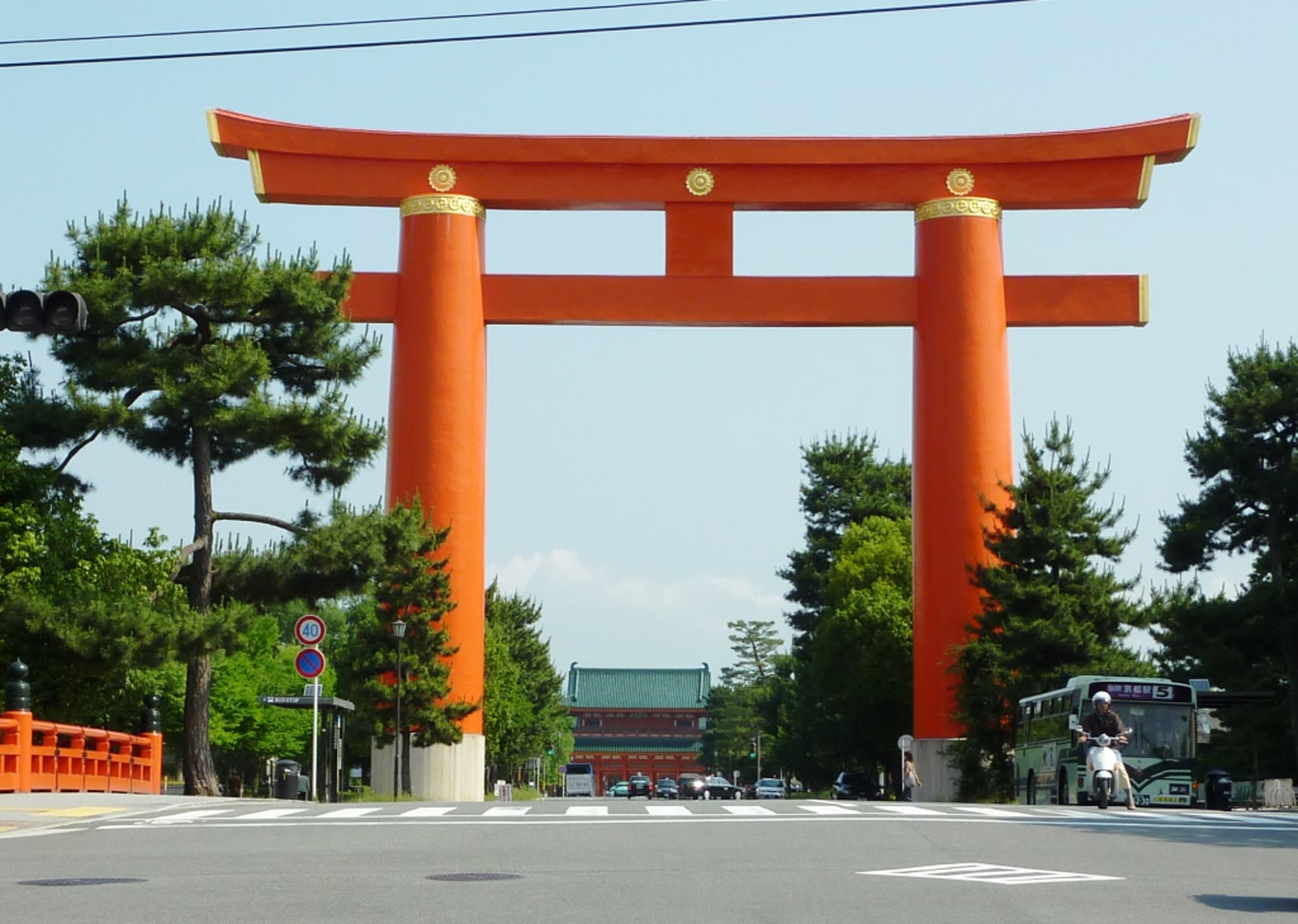 John Hill / CC BY-SA 4.0
History · Kyoto★★★
Heian-jingu Shrine
1.2 km · straight line
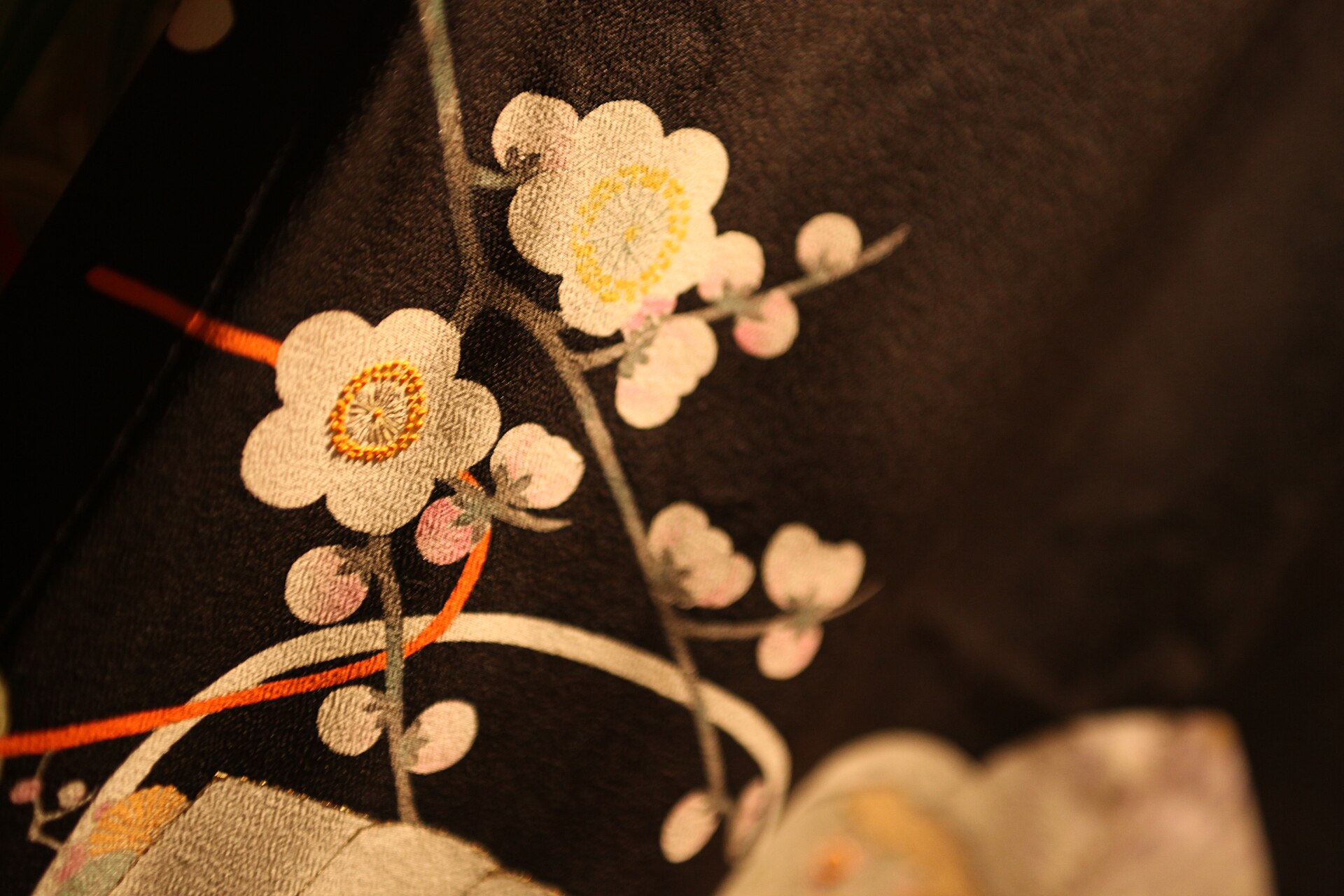 Bruno Cordioli / CC BY 2.0
Craft · Kyoto★★★
Kyo-Yuzen
1.2 km · straight line
Distances are straight lines on the map, not travel times.