Kanagawa · FujisawaNo.354★★Open in map →
Enoshima Aquarium
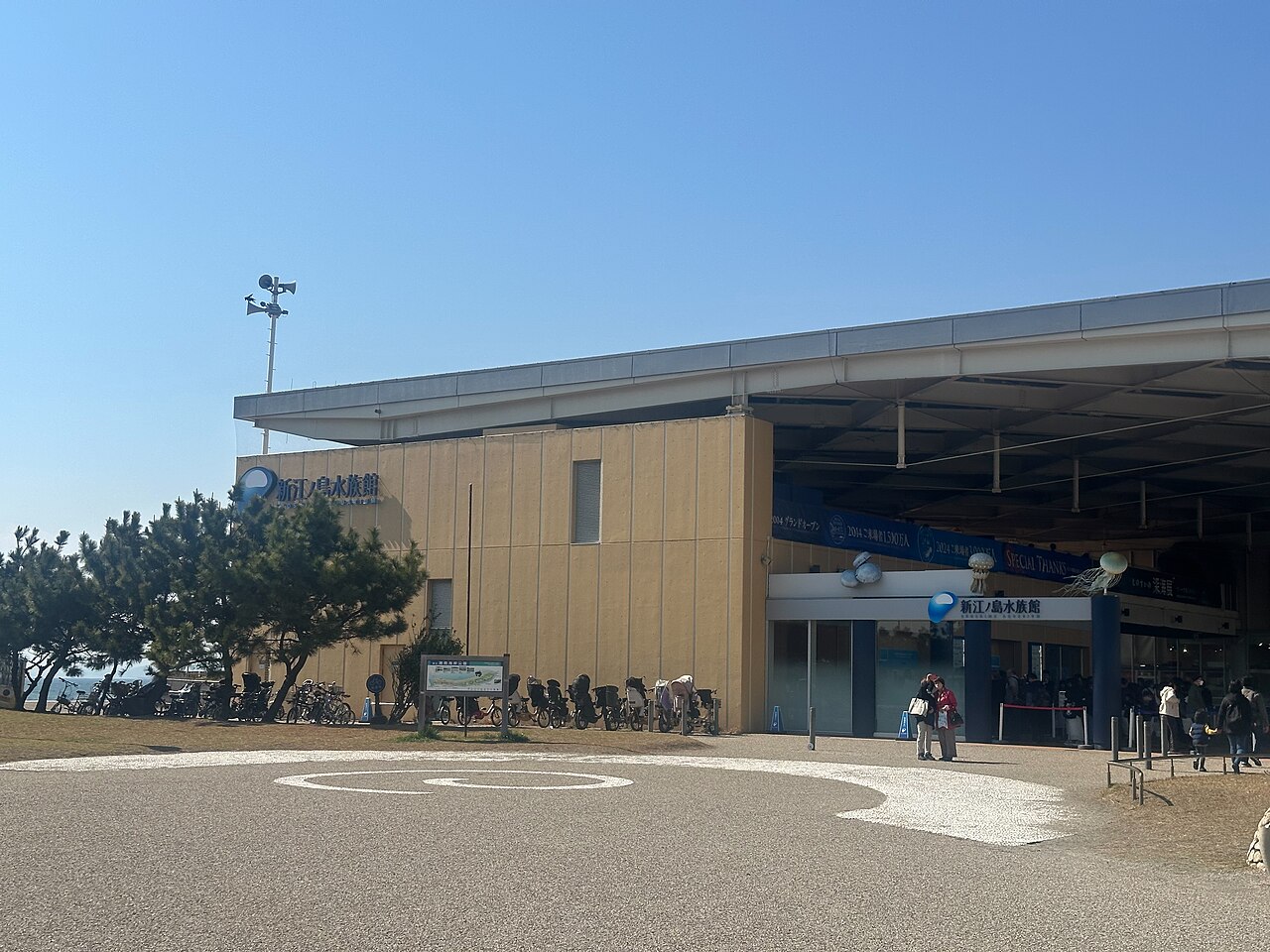
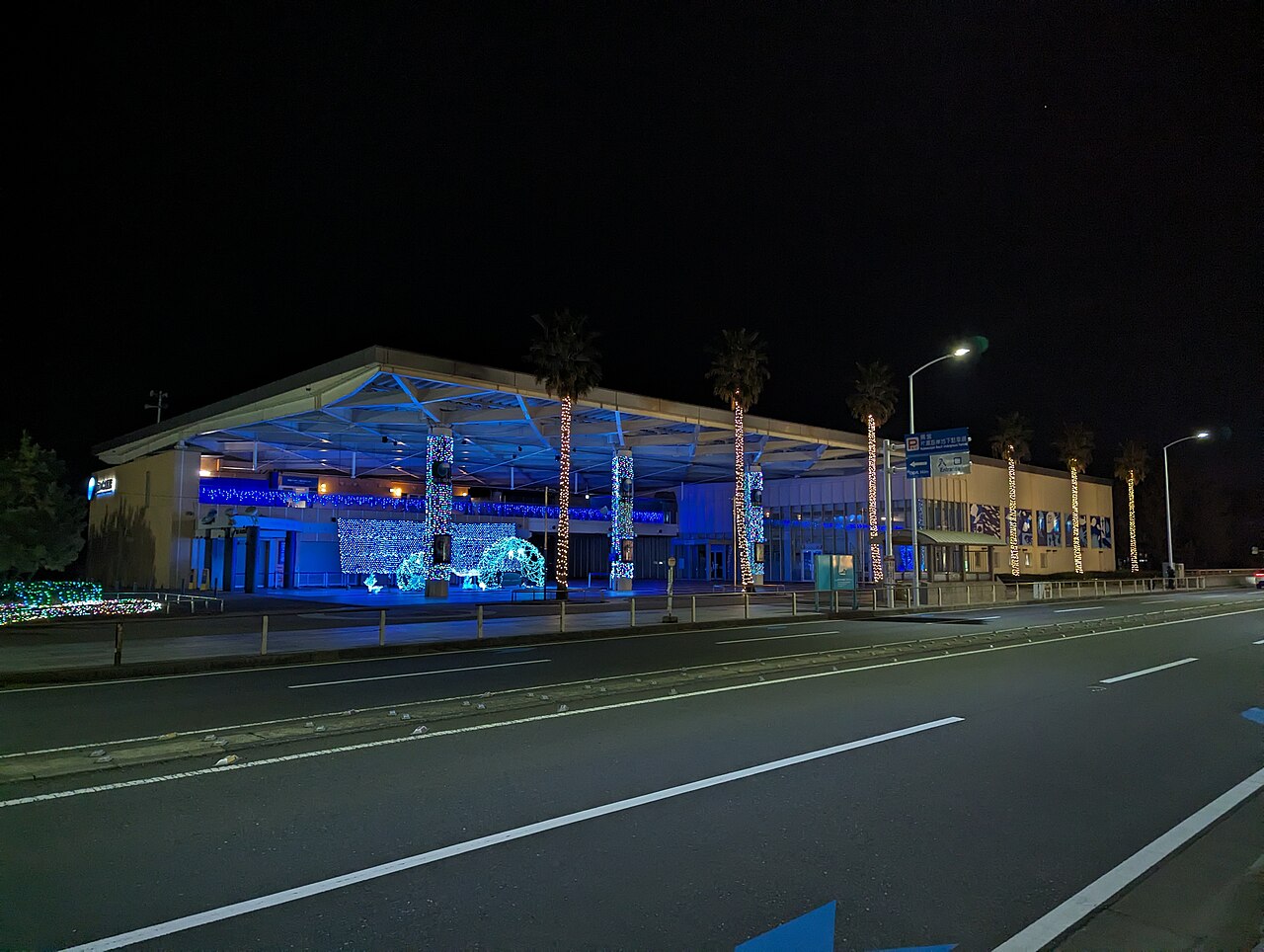
A beachfront aquarium at Katase in Fujisawa, Kanagawa, facing Sagami Bay. Its collection centres on the bay's own species, with a large sardine shoal tank, a deep-sea section, a domed jellyfish hall, and dolphin shows staged with the open sea and Enoshima behind the pool.
- FromShinjuku Stn
- ~70 mintrain (frequent)
- Get off atKatase-Enoshima Station (Odakyu Enoshima Line)
- On foot
- Enoshima Aquarium
The sweet spot
Most aquariums are about elsewhere — the tropics, the polar seas, somewhere you are not. This one is about the water you can see from its own front steps. Sagami Bay's depth makes it unusually rich, and the aquarium's founding collections are tied to the marine biology research done on this coast. The result is that the exhibits and the view out of the window are the same subject, which is rarer than it sounds.
Where it is
43 more notes in Kanagawa · open the map →What to look for — in walking order
- The Sagami Bay tankA tall tank holding thousands of sardines that move as a single mass, with lighting that shifts through the day to mimic conditions in the bay outside. Stand still for a few minutes rather than walking the perimeter — the shoal's turns are the exhibit, and they come on their own schedule.
- The jellyfish hallA darkened domed room with cylindrical tanks lit from within and projections across the ceiling. It is designed to be sat in, not walked through; there is seating, and most visitors who stay longer than five minutes stay much longer.
- The deep-sea sectionSpecies from the depths of Sagami Bay shown alongside material from Japan's crewed deep-submergence programme. The pairing of live specimens with the engineering used to reach them is the part that distinguishes this section from a generic deep-sea display.
- The dolphin stadium, open to the seaThe performance pool faces the bay, so the backdrop is the real Sagami Bay with Enoshima behind it, and on clear days Mount Fuji to the northwest. Sit on the upper rows on the right side for the view; the front rows get the water but lose the horizon.
How to actually get there
- Shinjuku Station → Katase-Enoshima Station (Odakyu Enoshima Line, ~65 min, direct limited express or one change at Fujisawa).
- Katase-Enoshima Station → beachfront road (walk, ~2 min across the bridge).
- Beachfront road → aquarium entrance (walk, ~1 min, flat).
- Odakyu Enoshima Line to Katase-Enoshima
- Shinjuku Station →(Odakyu Enoshima Line, Enoshima limited express or via a change at Fujisawa, ~65 min)→ Katase-Enoshima Station → walk ~3 min along the beachfront road to the aquarium. Total ~70 min. Trains are frequent; the direct limited express requires a reserved seat surcharge, the standard route with one change does not.
- Return from Katase-Enoshima Station
- Take the Odakyu line back toward Fujisawa and Shinjuku. Trains run frequently into the late evening. If you have stayed for a sunset dolphin session, check the last direct limited express time when you arrive — later services require a change at Fujisawa.
About the place
Sagami Bay drops away steeply just offshore of the Shonan coast, and that shape is why it is one of the most biologically varied stretches of water in Japan: shallow-water and deep-sea habitats sit within a few kilometres of each other. Enoshima Aquarium was rebuilt in its present form in 2004 on the beachfront at Katase, facing that bay directly, and it is organised around it. The central Sagami Bay tank holds a shoal of thousands of sardines that turns in unison under changing light. A separate deep-sea section shows species pulled from the bay's depths alongside material from Japan's deep-submergence research programme, which used this bay as a proving ground. The jellyfish hall is the other reason people come — a darkened, domed room where cylindrical tanks of jellyfish are lit from within and projections play across the ceiling. Outdoors, the dolphin stadium is open on the sea side, so performances happen with the real Sagami Bay, and the silhouette of Enoshima, directly behind the pool.
How to enjoy it
Time the visit around the posted show schedule — dolphin sessions and keeper talks run several times daily and the gap between hitting them and missing them is large. Late afternoon is the best light for the outdoor stadium, with the sun going down behind Enoshima; clear winter days also give the best chance of Mount Fuji on the horizon. The beach is directly across the road, so the aquarium combines naturally with a walk on Katase beach and the crossing to Enoshima island, though doing all three properly is a full day rather than an afternoon. Weekends and school holidays are busy; a weekday visit is a different experience.
Background & history
An aquarium has stood on this stretch of the Shonan coast since the 1950s; the present building opened in 2004. Its subject matter is not arbitrary — Sagami Bay has a long history in Japanese marine biology, including research conducted by Emperor Showa, whose specimen collections from these waters are part of the region's scientific record. The bay also served as a working site for Japan's crewed deep-submergence research, reflected in the aquarium's deep-sea displays.
Before you go
- Cash
- There is an admission charge with an annual pass option that pays for itself in two visits. Cards and IC payment are accepted. Beachfront shops and food stalls outside are often cash only.
- Good to know
- Open year-round with seasonal hours — longer in summer, shorter in winter — and occasional maintenance closures. Show times for dolphins and keeper talks are set daily and posted at the entrance and on enosui.com.
- Another way
- Enoshima Station on the Enoden line is about a 10-minute walk. Shonan-Enoshima Station on the Shonan Monorail from Ofuna is also about 10 minutes on foot — a useful route if you are combining the day with Kamakura.
- After you get off
- From Katase-Enoshima Station, cross the Katase river bridge and turn right along the beach road; the aquarium is on the inland side of that road, about 3 minutes, entirely flat.
Nearby notes
 CCRBlack / CC BY-SA 4.0
History · Kanagawa★★★
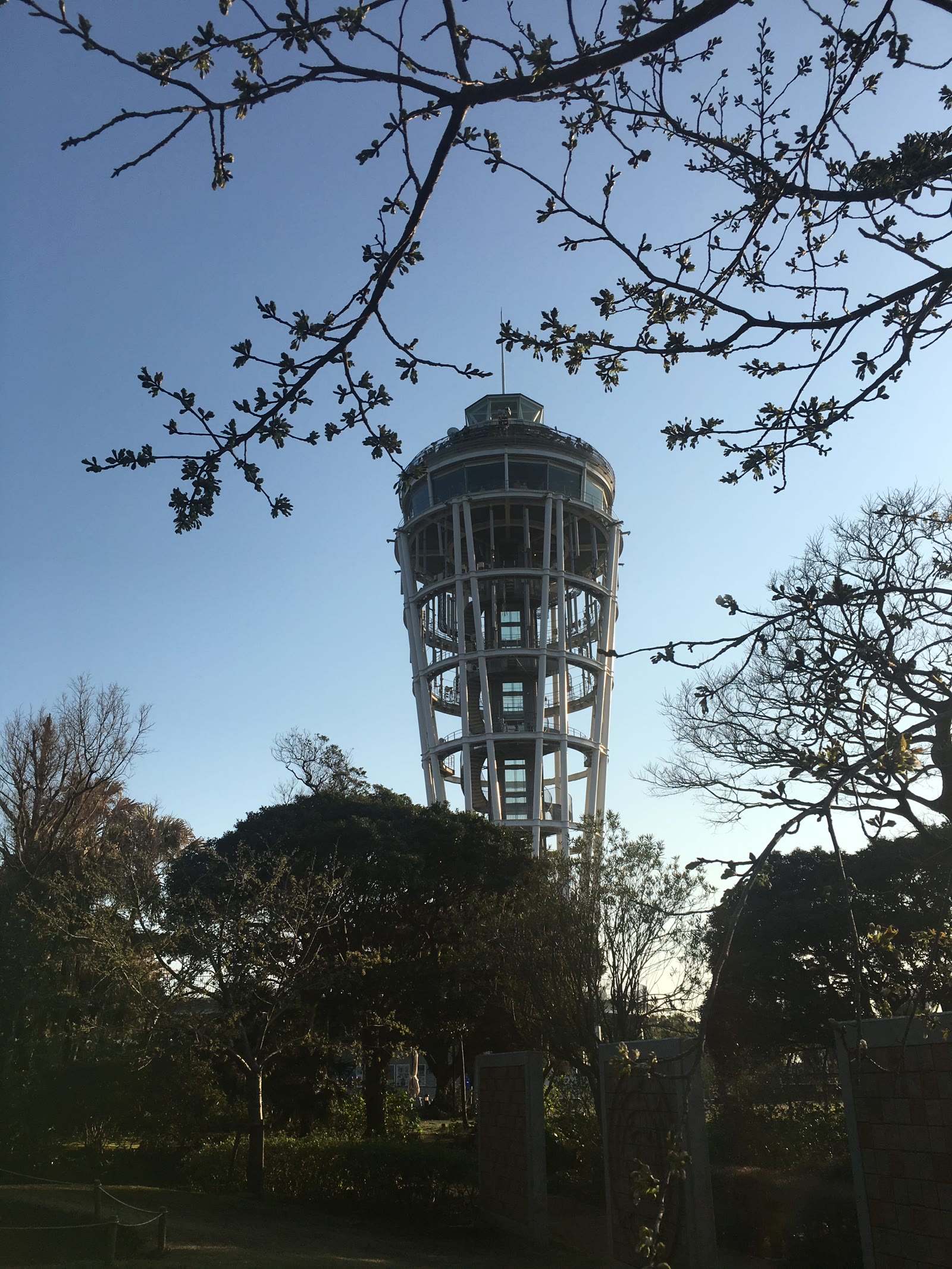
Enoshima Island
1.1 km · straight line
 MiNe / CC BY 2.0
Local life · Kanagawa★★
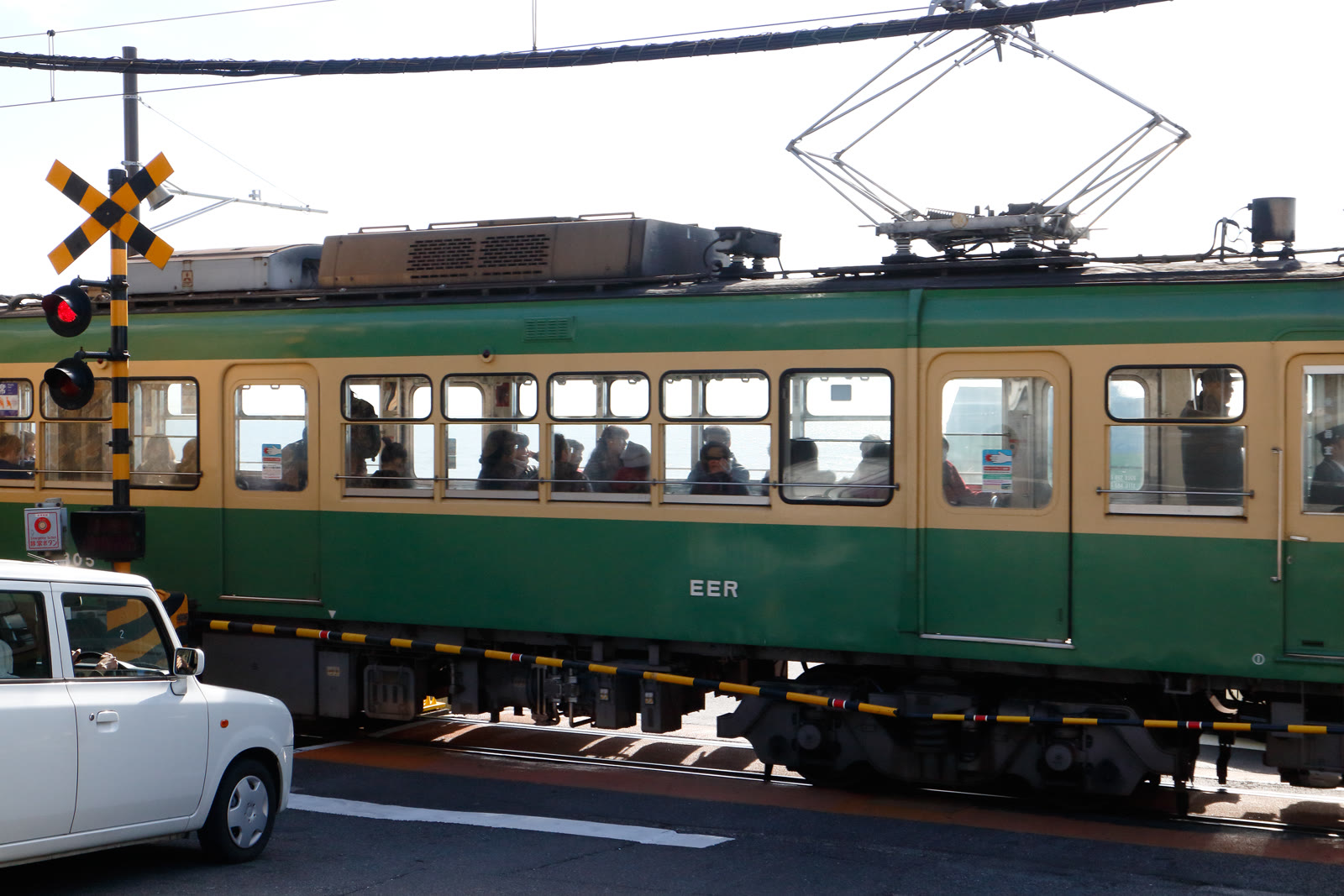
Kamakurakokomae Railway Crossing
2.1 km · straight line
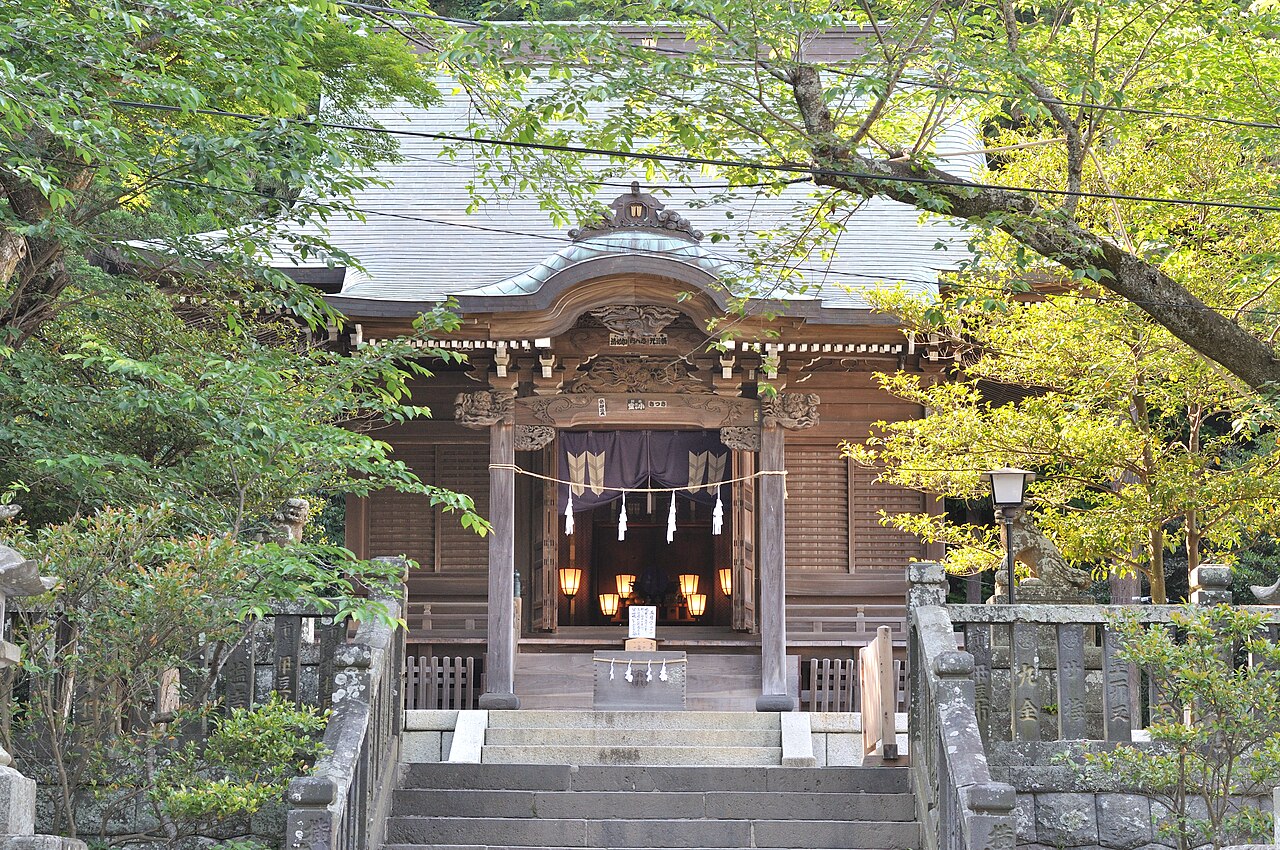 Ocdp / CC0
History · Kanagawa★
Goryo Shrine
4.9 km · straight line
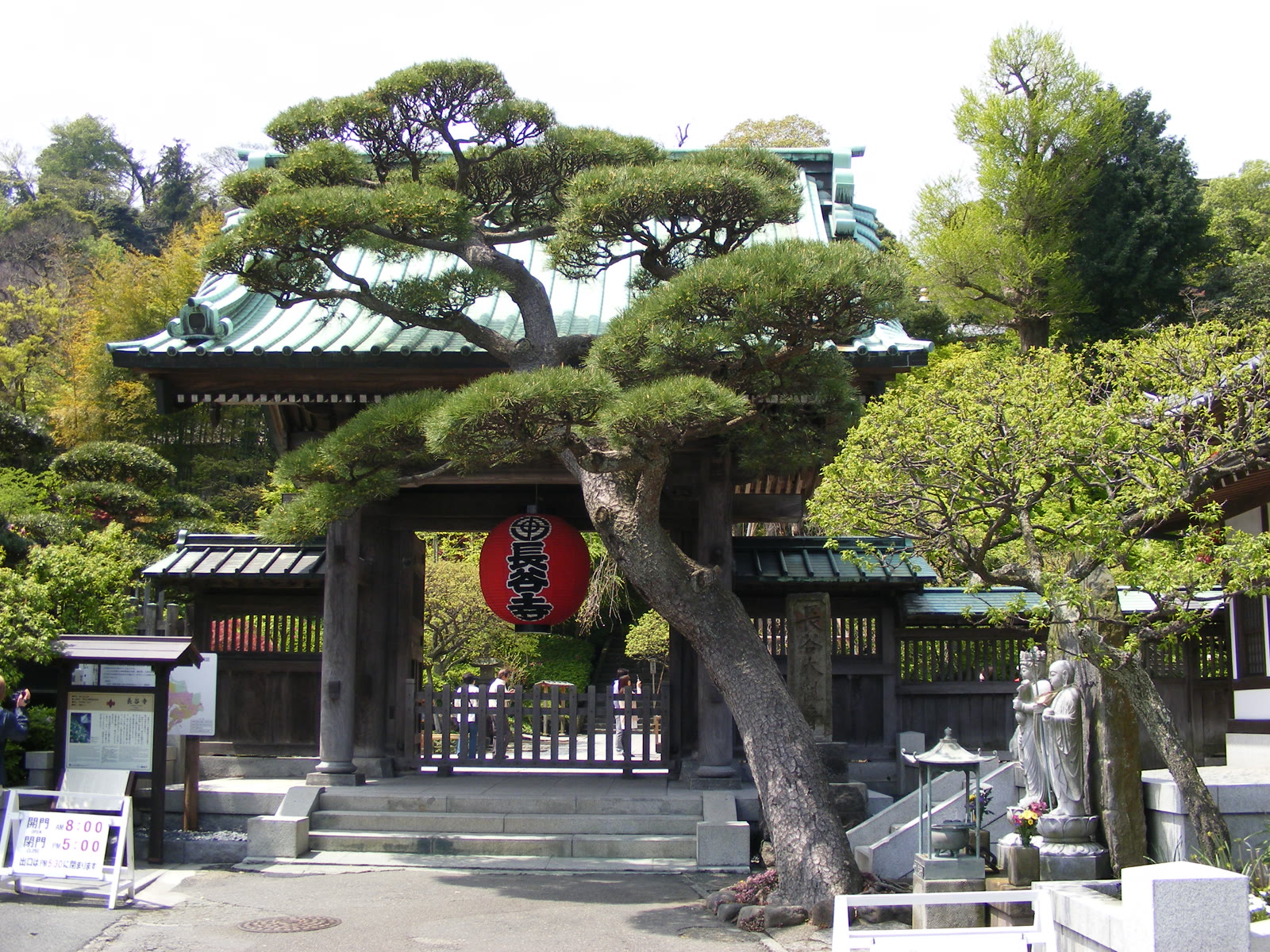 Țetcu Mircea Rareș at Romanian Wikipedia / CC BY 2.5
History · Kanagawa★★★
Hasedera
4.9 km · straight line
Distances are straight lines on the map, not travel times.