Kanagawa · KamakuraNo.402★★★Open in map →
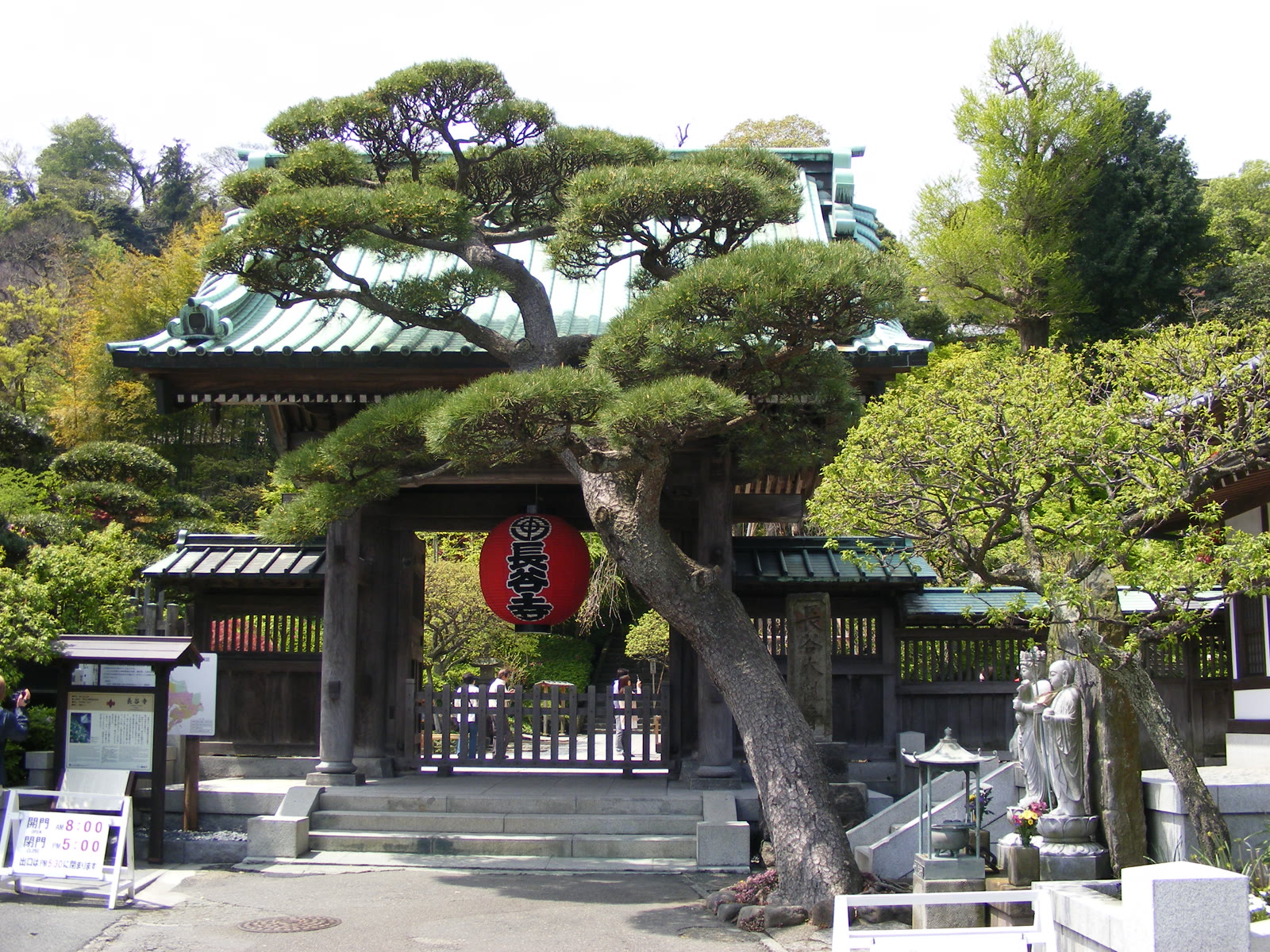
Hasedera
— a temple of a nine-metre Kannon
A hillside temple holding a wooden eleven-headed Kannon 9.18 metres tall, among the largest wooden Buddhist images in Japan. It sits five minutes from the Kamakura Great Buddha and adds a sea view, a hydrangea path and a cave the temple ascribes to Kobo Daishi.
- FromTokyo Stn
- ~70 minEnoden, then a 5-min walk
- Get off atHase Station (Enoshima Electric Railway)
- On foot
- Hasedera
Where it is
43 more notes in Kanagawa · open the map →What to look for — in walking order
- The eleven-headed Kannon9.18 metres of carved camphor wood in the main hall, among the largest wooden Buddhist images in Japan; photography is not permitted
- The hydrangea patha looping slope above the main hall, planted in mixed white, blue and pink, with Kamakura's roofs and Sagami Bay below
- Benten-kutsu cavea low cave the temple ascribes to Kobo Daishi's retreat, walls carved with Benzaiten and sixteen attendants, lit only enough to move through
- The viewing terracethe open platform partway up, where the whole Hase district and the coastline toward Zushi lay out below
How to actually get there
- Tokyo Stn → Kamakura Stn (JR Yokosuka Line, ~55 min).
- Kamakura Stn → Hase Stn (Enoden, ~5 min).
- Station → temple gate (walk uphill, ~5 min) → main hall Kannon → hydrangea path and terrace → Benten-kutsu cave.
- Continue 5 min along the same road to the Great Buddha.
- Tokyo Stn → Kamakura → Hase Stn (Enoden), then walk
- From Tokyo Station take the JR Yokosuka Line to Kamakura, about 55 minutes. Change to the Enoshima Electric Railway (Enoden) and ride three stops to Hase, about 5 minutes. The temple is about 5 minutes on foot from the station, uphill and signposted; the Great Buddha is a further 5 minutes along the same road.
- Hase Stn → Kamakura Stn → Tokyo Stn
- The Enoden runs back to Kamakura every 12 minutes or so, and the JR Yokosuka Line returns to Tokyo. Alternatively ride the Enoden the other way toward Enoshima and Fujisawa, which connects to the Odakyu line for Shinjuku.
About the place
Hasedera stands on the hillside between Hase Station and the Great Buddha, which means most visitors walk straight past its gate. Inside is a standing eleven-headed Kannon carved from camphor wood, 9.18 metres tall — one of the largest wooden Buddhist images in the country, and impossible to photograph, so it does not travel through social media the way the bronze Daibutsu does. The temple is built up a slope, so the visit works as a climb: pond garden at the bottom, the main hall with the Kannon at the middle level, and above that the hydrangea path, which loops across the hillside and opens onto the roofs of Kamakura and the water of Sagami Bay. The hydrangeas here are mixed white, blue and pink rather than the single-colour massing at Meigetsuin across town, which makes them read as a garden rather than a monoculture. Below the main level is Benten-kutsu, a cave the temple associates with Kobo Daishi's retreat, its walls carved with Benzaiten and sixteen attendant figures and lit low enough that you feel your way along.
How to enjoy it
Do it before the Great Buddha rather than after — Hasedera opens early, the Daibutsu is a five-minute walk further up the same road, and doing them in that order means you climb the hillside before the day warms up. In the June hydrangea season the path operates on numbered timed entry and the queue can run over an hour; if that is your reason for coming, be at the gate at opening. Outside that season the slope is quiet and the sea view is the same. From the Daibutsu you can continue on foot over the Daibutsu Hiking Course to Kita-Kamakura, or take the Enoden two stops on to Kamakurakokomae for the level crossing.
Background & history
Temple tradition places the founding in 736, when Fujiwara no Fusasaki is said to have invited the monk Tokudo to open the temple around the Kannon image. The image itself is now thought by art historians to date from the Muromachi period rather than the eighth century, which is a common pattern for temples of this age — the institution is older than the object at its centre. Hasedera's position on the hillside above the Hase district put it on the pilgrim route long before the Kamakura shogunate made the town a capital, and it remained a working temple through the periods when much of Kamakura's religious infrastructure was destroyed and rebuilt.
Before you go
- Cash
- Admission is charged at the gate. Carry cash — the Enoden and the temple window are simplest with coins and notes, though IC cards work on the trains. The Great Buddha charges separately.
- Good to know
- Photography of the Kannon inside the main hall is not permitted. In the June hydrangea season the upper path uses numbered timed entry and closes when capacity is reached, so it can be shut even though the temple is open. The slope involves steps throughout and the cave has a low ceiling.
- Another way
- From Shinjuku, the Odakyu line to Fujisawa and the Enoden from the other end takes about the same time and is covered by the Enoshima-Kamakura Free Pass. Buses run from Kamakura Station to the Hase Kannon stop, three minutes' walk from the gate.
- After you get off
- From Hase Station turn right out of the exit and walk about 5 minutes uphill; the temple gate is on the left before the road continues to the Great Buddha.
Nearby notes
 Ocdp / CC0
History · Kanagawa★
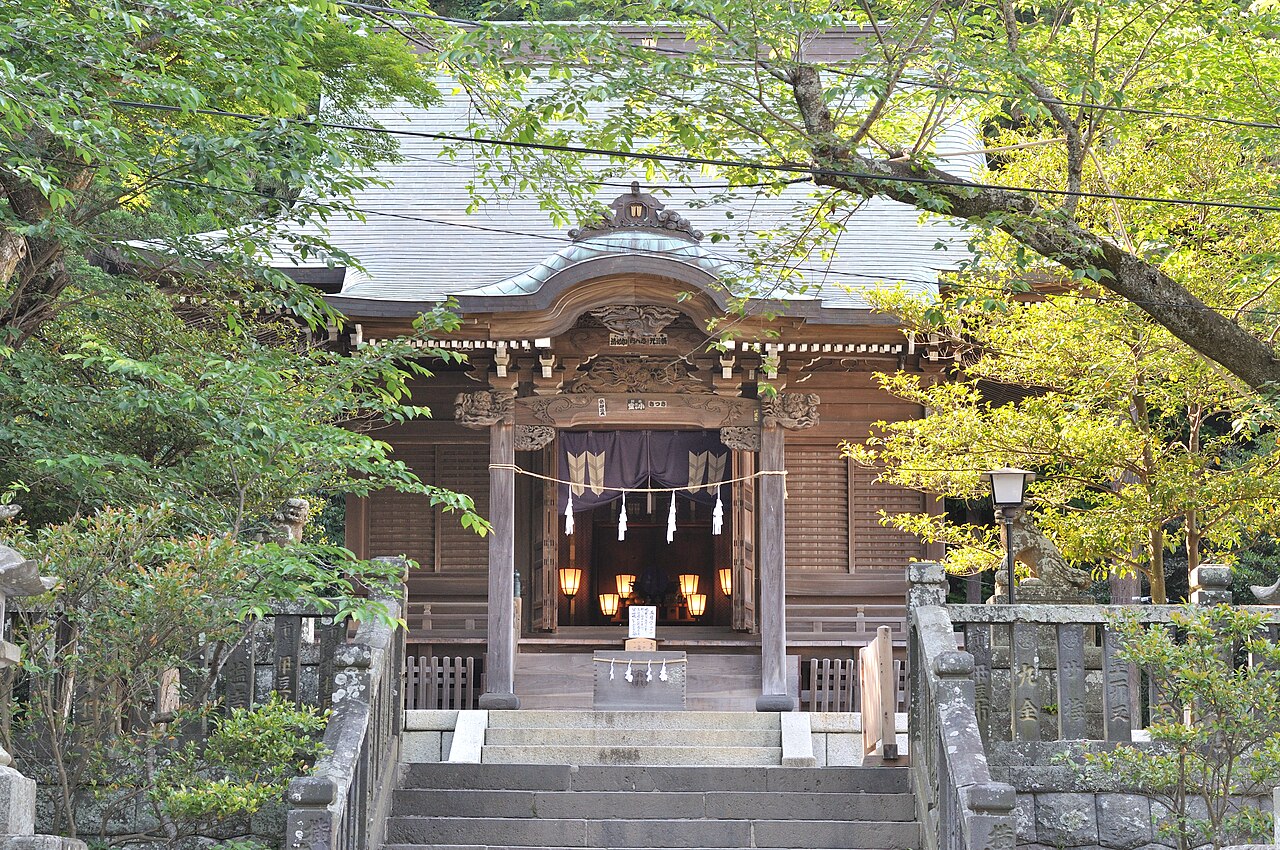
Goryo Shrine
0.2 km · straight line
 Alexandar Vujadinovic / CC BY-SA 4.0
History · Kanagawa★★★
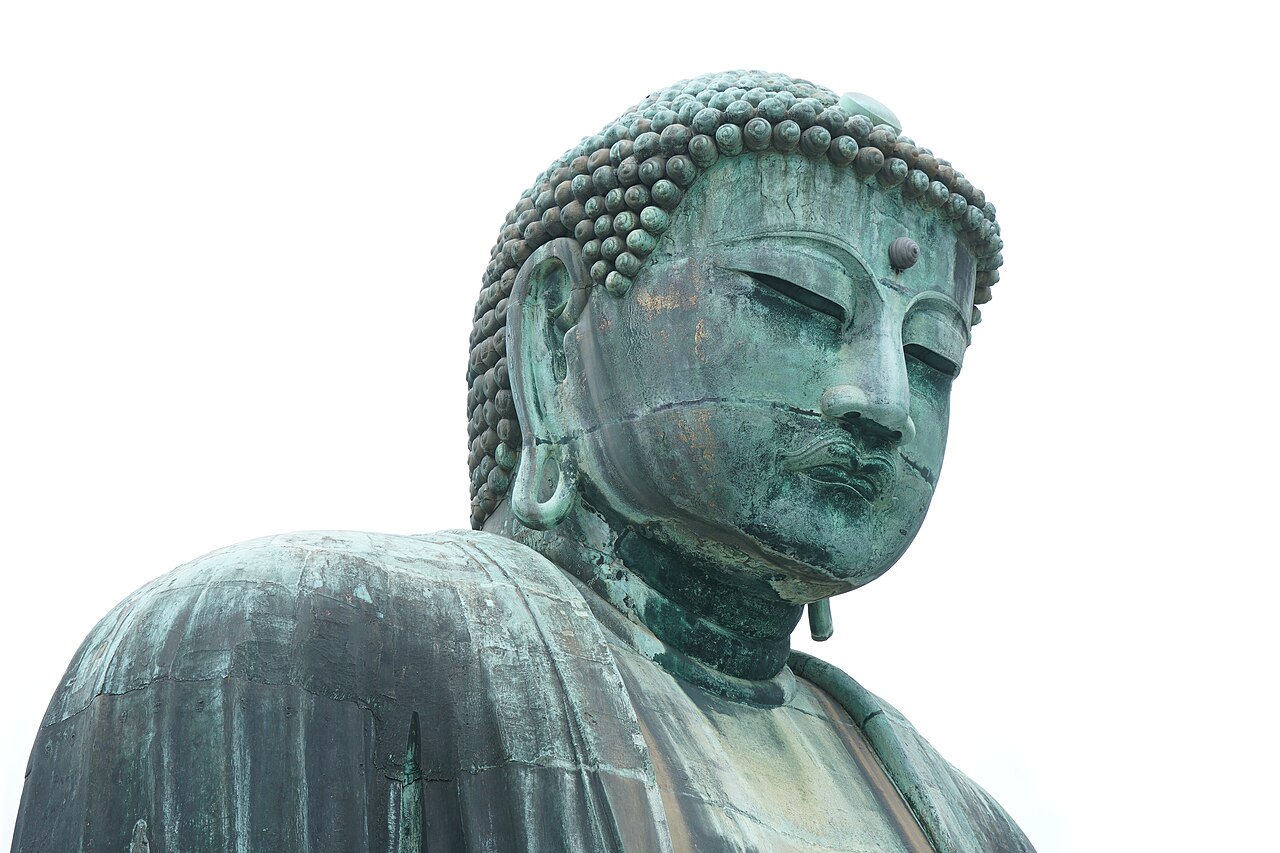
The Great Buddha of Kamakura
0.5 km · straight line
 Ocdp / CC0
History · Kanagawa★
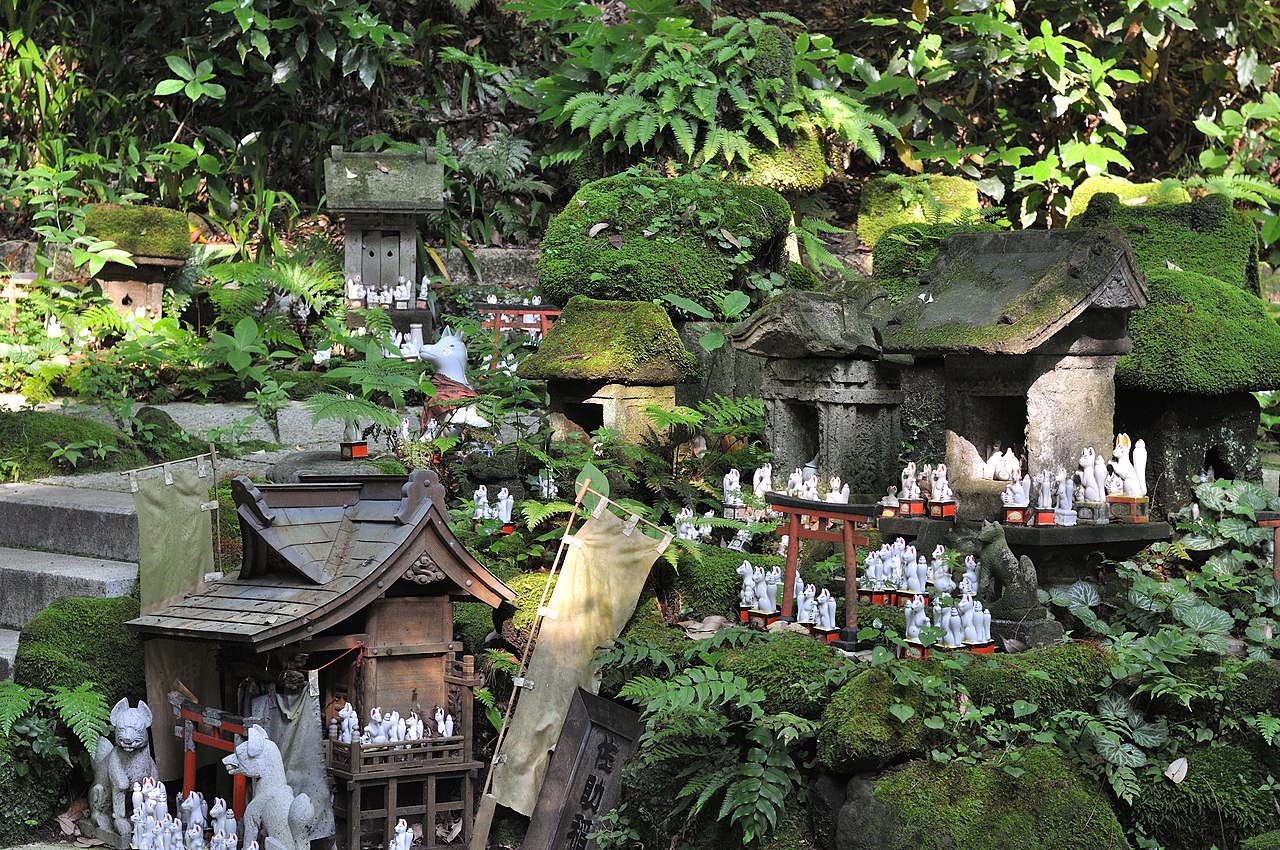
Sasuke Inari Shrine
1.4 km · straight line
 Davide Mauro / CC BY-SA 4.0
History · Kanagawa★
Zeniarai Benzaiten
1.6 km · straight line
On a curated routeKamakura on Foot →
Distances are straight lines on the map, not travel times.