Kamakura west · GokurakujiNo.095★Open in map →
Goryo Shrine
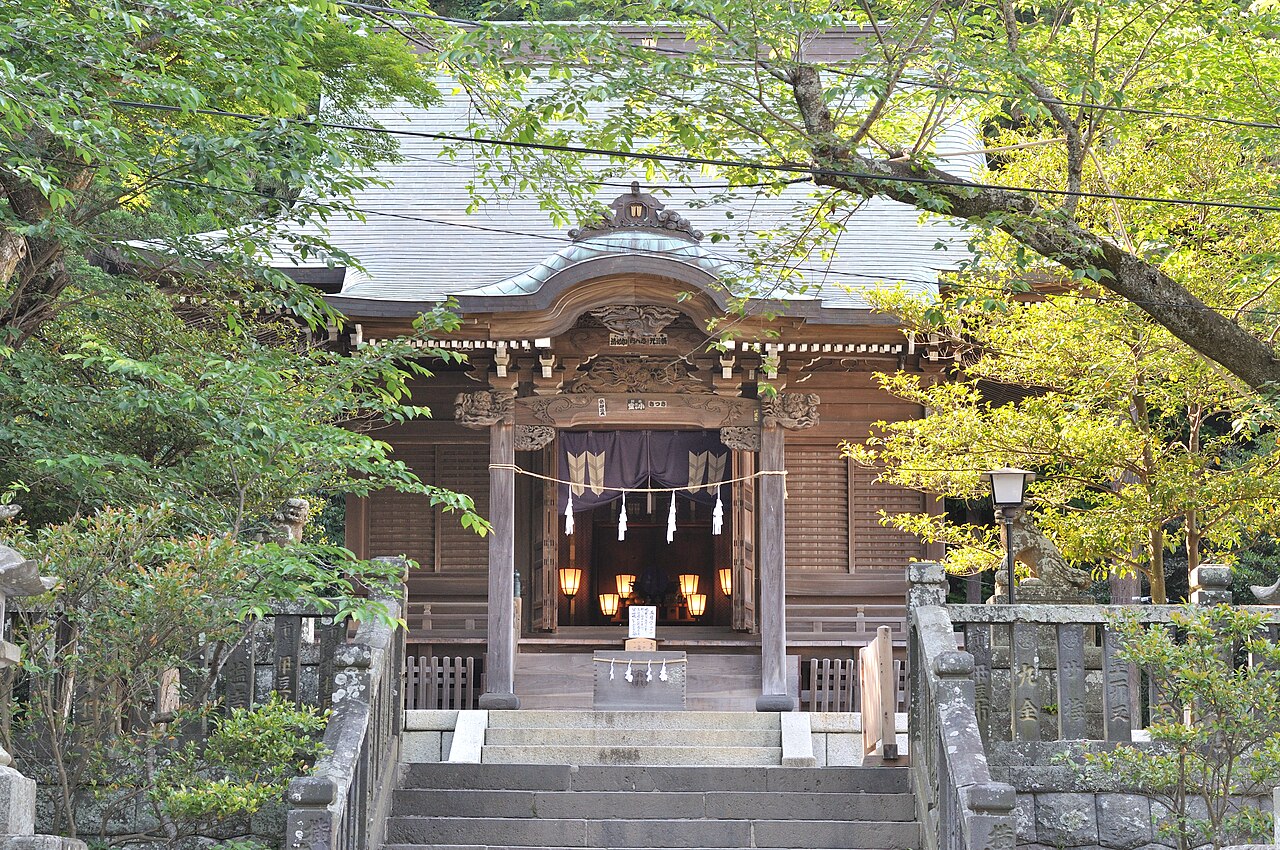
A small hillside shrine in western Kamakura whose torii gate stands right beside the single-track Enoden line, so the little train appears to pass just in front of it.
- FromShinagawa Stn
- ~65 mintrain (every ~15 min)
- Get off atGokurakuji Stn (Enoden)
- On foot
- Goryo Shrine
The sweet spot
Most riders stay on the train to Hase station for the Great Buddha and Hase-dera temple, so these lanes are left to residents. Little is written about the area in English, and nothing here is ticketed, which keeps it quiet.
Where it is
43 more notes in Kanagawa · open the map →What to look for — in walking order
- Torii by the tracksthe shrine's entrance gate stands right at the Enoden crossing, where the train passes close by
- Chikaramochiya (founded 1690)a 300-year-old sweets shop beside the shrine path, selling Gongoro chikaramochi rice cakes
- Goryo Shrine precinctsa small shrine dedicated to the Heian warrior Gongoro Kagemasa, one of Kamakura's Seven Lucky Gods
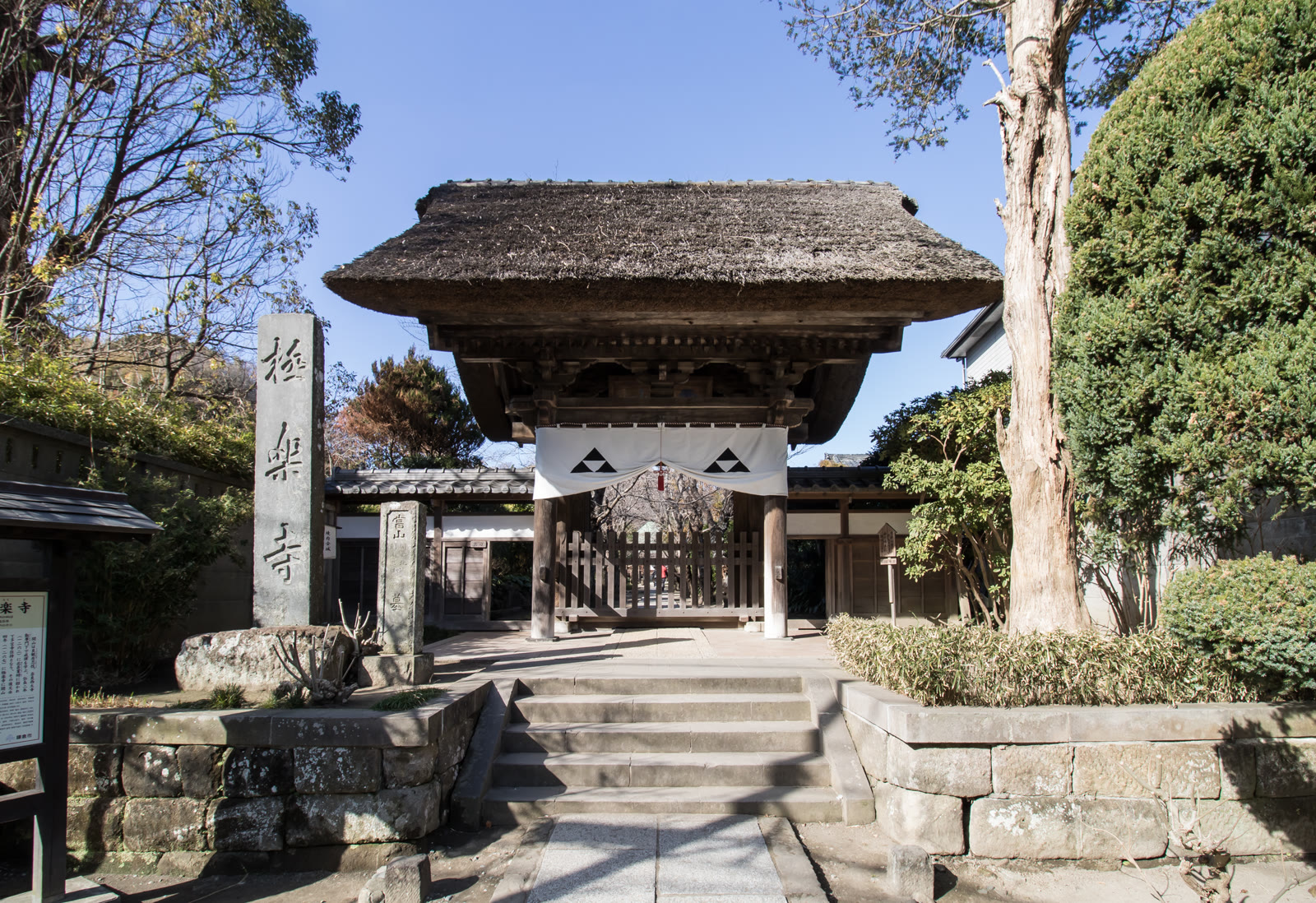
- Gokuraku-ji templeKamakura's only Shingon Ritsu Buddhist temple, founded 1259, a few minutes along the track
How to actually get there
- Shinagawa Stn → Kamakura Stn (JR Yokosuka Line, ~48 min).
- Kamakura Stn → Gokurakuji Stn (Enoden line toward Fujisawa, 4 stops, ~7 min).
- Gokurakuji Stn → Gokuraku-ji temple (just north of the station, ~1 min) → back past the station and down the slope toward Hase to the shrine (~8 min).
- JR to Kamakura, then the Enoden train
- Shinagawa Stn →(JR Yokosuka Line, ~48 min)→ Kamakura Stn →(change to the Enoden line toward Fujisawa, 4 stops, ~7 min)→ Gokurakuji Stn. Total ~60-65 min including the transfer. The Enoden runs about 4 times an hour.
- Enoden then JR back
- Ride the Enoden back to Kamakura Stn, then take the JR Yokosuka Line toward Tokyo. From Kamakura the last Enoden of the day leaves around 22:10, but check the return times at the station when you arrive.
About the place
In the Sakanoshita-Gokurakuji corner of western Kamakura, Goryo Shrine (also called Gongoro Shrine) sits on quiet streets of low houses. Its torii gate — the entrance archway of a Shinto shrine — stands directly next to an Enoshima Electric Railway (Enoden) level crossing, so the classic single-carriage train seems to glide right past the gate. It is a much-photographed sight, though photography is restricted inside the shrine grounds. At the path leading up to the shrine stands Chikaramochiya, a Japanese-sweets shop operating since 1690, whose signature Gongoro chikaramochi — a soft rice cake — is named after the shrine's deity. A few minutes further along the track is Gokuraku-ji, the only Shingon Ritsu Buddhist temple in Kamakura: three well-documented landmarks within an easy walk.
How to enjoy it
Come early in the day, when the streets are still quiet, and watch the Enoden train slip past the torii gate from a safe spot beside the crossing — not from the tracks. Pair the shrine with a fresh chikaramochi at Chikaramochiya and a short walk up to Gokuraku-ji. The hydrangeas around the shrine are a draw in the June rainy season.
Background & history
Goryo Shrine is dedicated to Kamakura Gongoro Kagemasa, a Heian-period (794–1185) warrior remembered as a model of the Kamakura samurai, and is counted among Kamakura's Seven Lucky Gods. Each September the shrine holds its annual festival featuring the Menkake Gyoretsu — a procession of participants wearing old masks — together with Kamakura Kagura sacred music and dance. Nearby Gokuraku-ji temple was founded in 1259 by Hojo Shigetoki, with the monk Ninsho as first head priest, and became known for early welfare work: hospitals and relief for the poor and sick. Chikaramochiya has run for over 300 years across nine generations, still using its founding-era method with no additives.
Before you go
- Cash
- IC cards (rechargeable transit cards like Suica) work on both trains. Carry some small cash for the old rice-cake shop and small cafes.
- Good to know
- These are residents' streets and working shrines and temples, so keep quiet. Do not photograph the train from on the tracks.
- Another way
- Hase Station is only about 5 minutes on foot from the shrine, so you can walk on and ride back from there — or arrive at Hase and walk the route in reverse.
- After you get off
- Gokuraku-ji temple is just north of Gokurakuji station, a minute away — see it first. Goryo Shrine lies the other way: walk down the paved slope east toward Hase to the rice-cake shop and the shrine crossing, about 8 minutes.
Nearby notes
 Țetcu Mircea Rareș at Romanian Wikipedia / CC BY 2.5
History · Kanagawa★★★
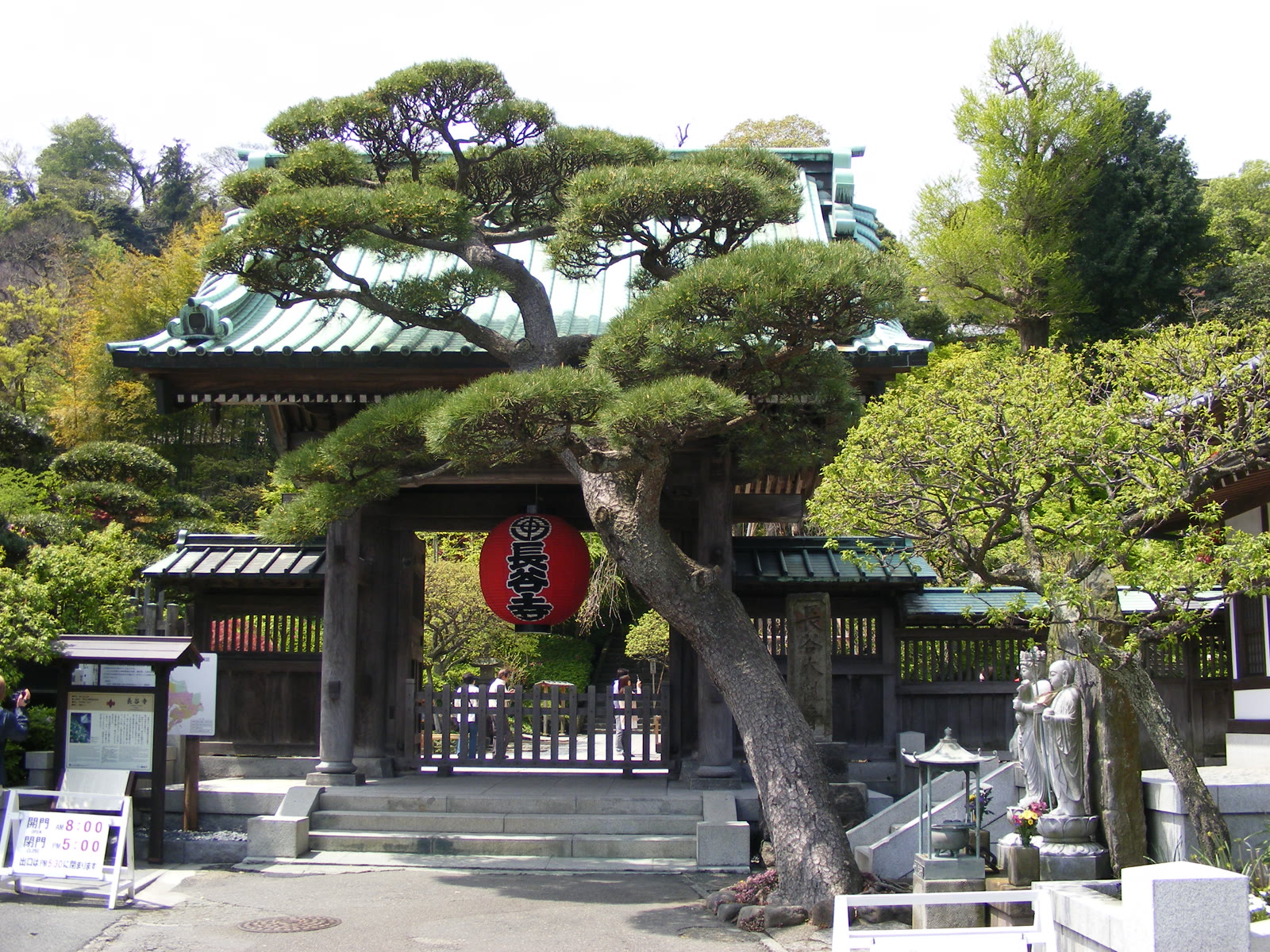
Hasedera
0.2 km · straight line
 Alexandar Vujadinovic / CC BY-SA 4.0
History · Kanagawa★★★
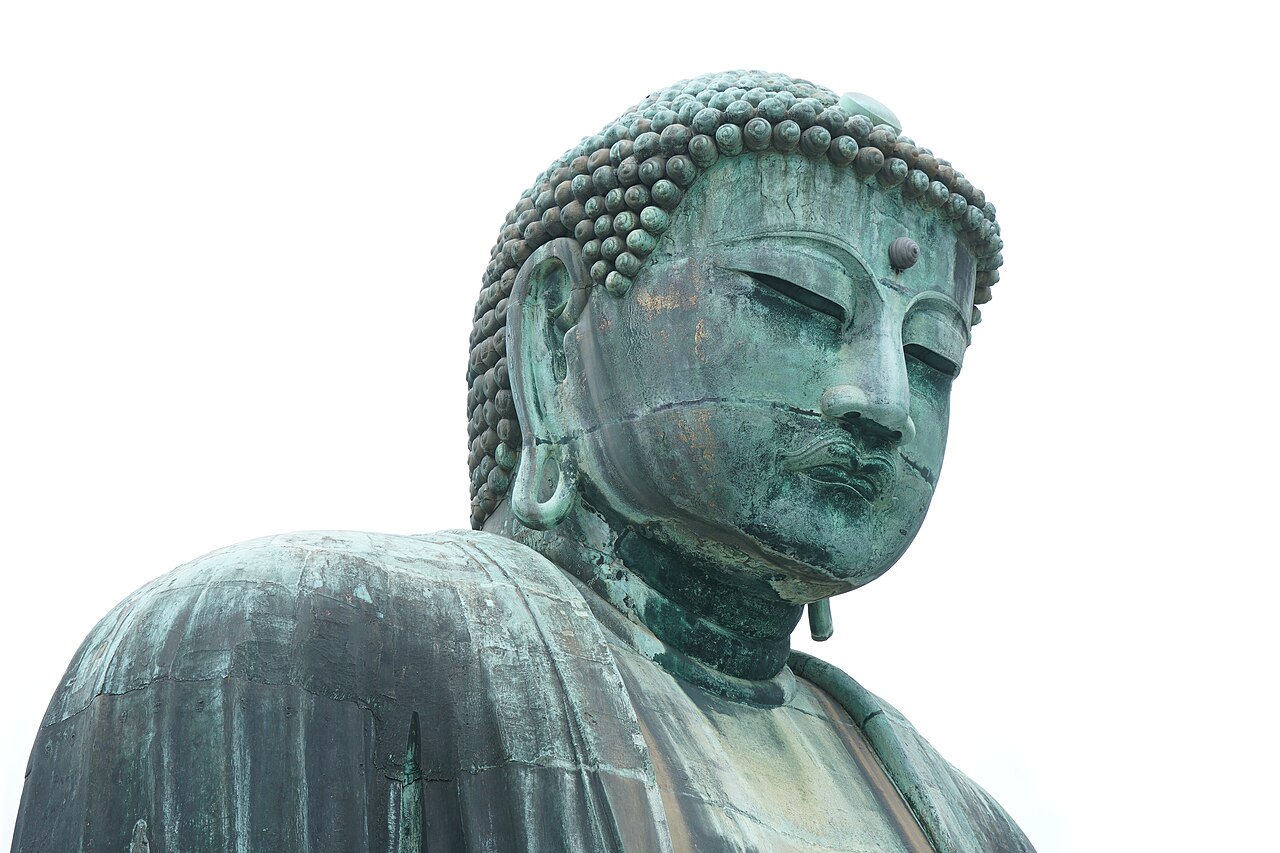
The Great Buddha of Kamakura
0.7 km · straight line
 Ocdp / CC0
History · Kanagawa★
Sasuke Inari Shrine
1.6 km · straight line
 Davide Mauro / CC BY-SA 4.0
History · Kanagawa★
Zeniarai Benzaiten
1.7 km · straight line
On a curated routeKamakura on Foot →
Distances are straight lines on the map, not travel times.