Kanagawa · Kamakura / HaseNo.143★★★Open in map →
The Great Buddha of Kamakura
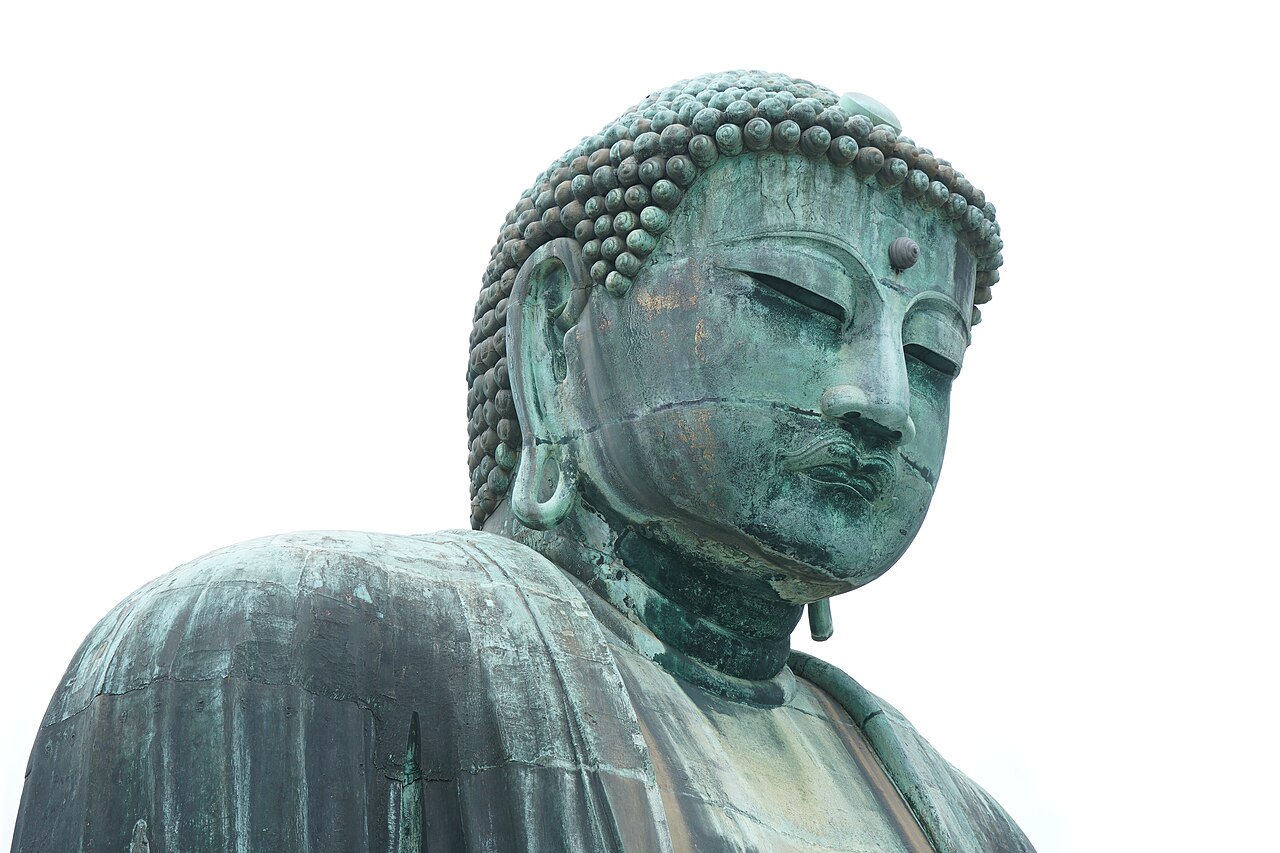
A 13th-century bronze statue of Amida Buddha at Kotoku-in, a Buddhist temple in Kamakura. It is one of Japan's most recognisable Buddhist images, and it sits in the open air rather than inside a hall.
- FromTokyo Stn
- ~75 mintrain + Enoden
- Get off atHase Station (Enoden)
- On foot
- The Great Buddha of Kamakura
Where it is
43 more notes in Kanagawa · open the map →What to look for — in walking order
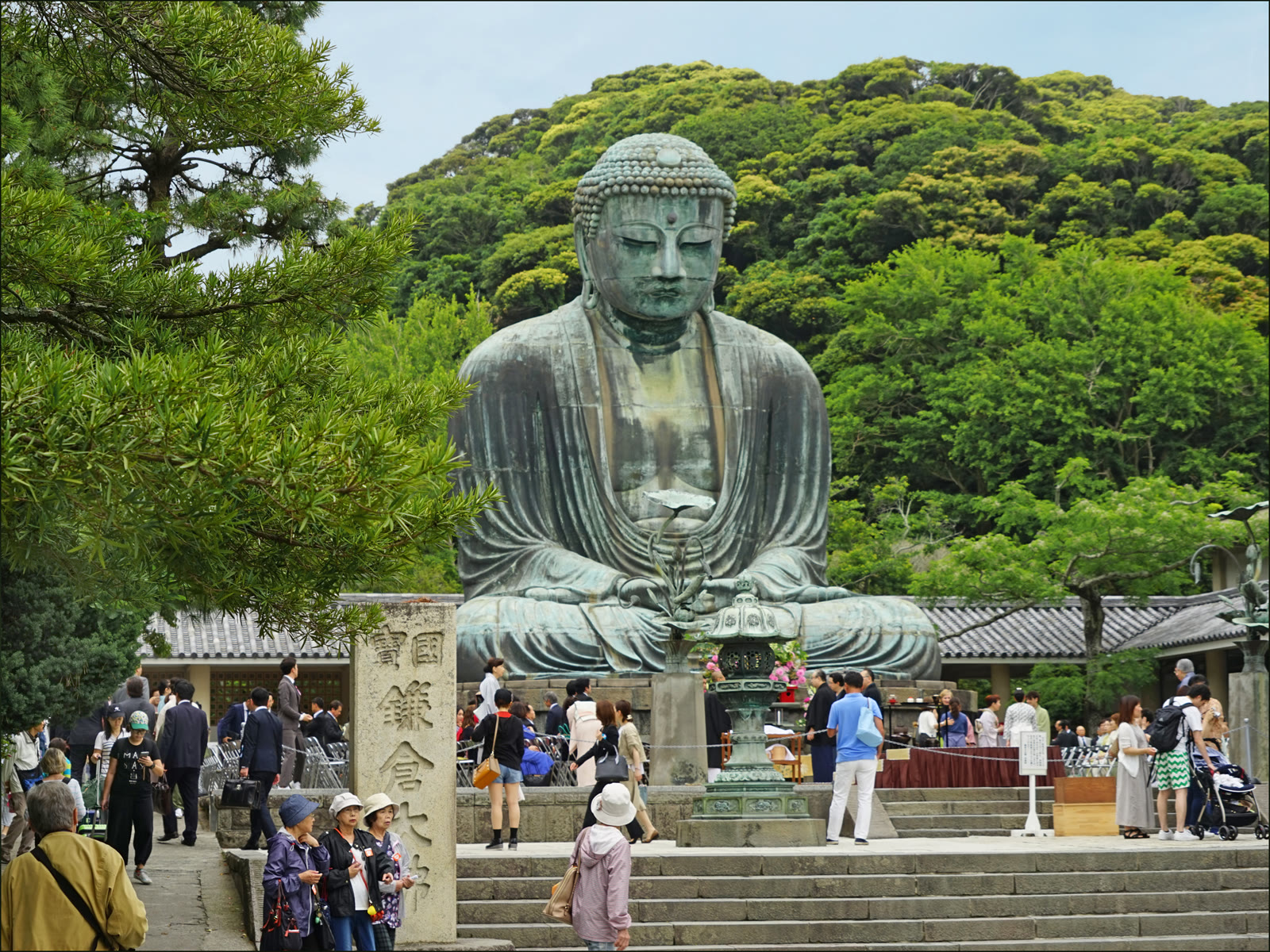
- Temple gate approachthe paved lane from Hase Station to the Kotoku-in gate, about 7 minutes on foot
- The open-air Amidaan 11.3-metre seated bronze Buddha sitting under the open sky — unusual among Japan's large statues
- The hollow interiorfor a small extra fee you can step inside the statue and see the bronze casting seams from its 1252 construction
- National Treasure designationthe only Buddhist statue in Kamakura designated a National Treasure of Japan
How to actually get there
- Tokyo Station → Kamakura Station (JR Yokosuka Line, ~57 min).
- Kamakura Station → Hase Station (Enoden, bound for Fujisawa, 3rd stop, ~7 min).
- Hase Station → Kōtoku-in (walk, ~7 min).
- JR Yokosuka Line + Enoden
- Tokyo Station →(JR Yokosuka Line, ~57 min)→ Kamakura Station →(Enoden, bound for Fujisawa, 3rd stop, ~7 min)→ Hase Station →(walk, ~7 min)→ Kōtoku-in. Total ~75 min. Trains are frequent (Enoden runs about every 12–14 min).
- Return the way you came
- From Hase Station take the Enoden back to Kamakura Station, then the JR Yokosuka Line to Tokyo. Both lines run frequently through the evening; check the last connection at the station if you leave late.
About the place
The Great Buddha of Kamakura is a seated bronze statue of Amida Buddha cast around 1252 during the Kamakura period. It stands about 11.3 metres tall — roughly 13.35 metres including its stone base — and weighs around 121 tonnes. What sets it apart from Japan's other giant Buddha statues is that it sits entirely outdoors: the wooden hall that once covered it was swept away in the late 15th century and never rebuilt. It remains the main object of worship at Kotoku-in temple and one of the lasting symbols of Kamakura.
How to enjoy it
Arrive close to the 8:00 opening time to see the Buddha before the day's crowds build. Pay the small extra fee to step inside the hollow statue — the interior closes at 16:30 all year. The temple grounds close at 17:30 from April to September and at 17:00 from October to March. Temple admission is 300 yen; entering the statue's interior costs an additional 50 yen.
Background & history
The statue was cast in bronze in 1252. Among Japan's large bronze Buddha statues it is second in height only to the Great Buddha of Todai-ji in Nara. The hall that housed it was damaged again and again by storms and earthquakes, and it was finally washed away by the tsunami of the Nankai earthquake on 20 September 1498. The hall was never rebuilt, so the statue has stood in the open air ever since. It is designated a National Treasure of Japan — the only Buddhist statue in Kamakura to hold that rank.
Before you go
- Cash
- IC cards (Suica / PASMO) are accepted on both the JR line and the Enoden. Temple admission is ¥300 for the grounds; entering the hollow statue is an extra ¥50.
- Good to know
- Grounds close at 17:30 (April–September) or 17:00 (October–March). The statue's interior closes at 16:30 all year. Last entry is 15 minutes before closing. Golden Week (early May) and mid-August are the most crowded.
- Another way
- If the JR Yokosuka Line is disrupted, an alternative is the Keikyu Line to Kanazawa-Hakkei, then a bus to the Daibutsu-mae stop.
- After you get off
- From Hase Station, walk northwest for about 7 minutes on a paved lane to reach the temple gate.
Nearby notes
 Țetcu Mircea Rareș at Romanian Wikipedia / CC BY 2.5
History · Kanagawa★★★
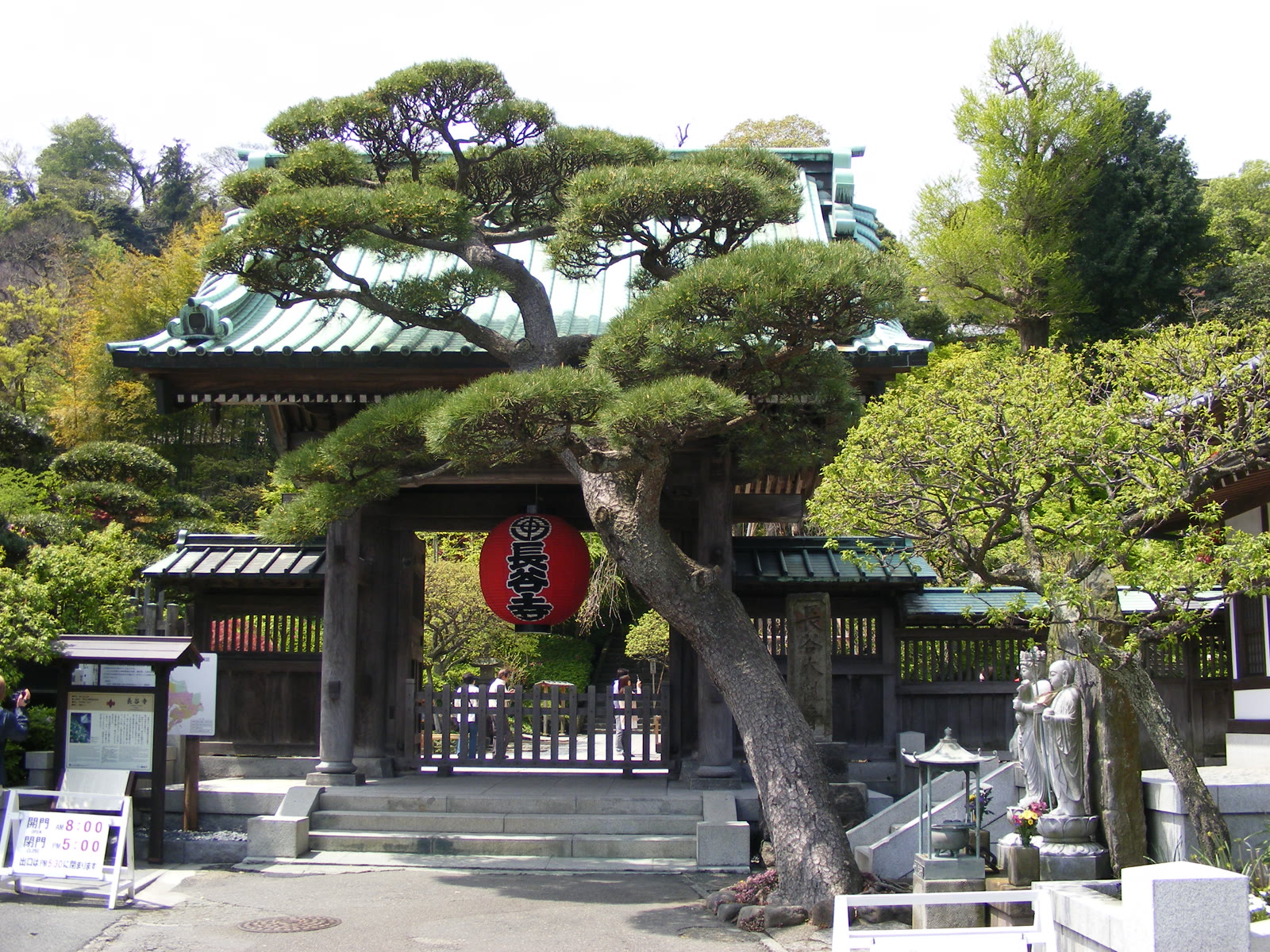
Hasedera
0.5 km · straight line
 Ocdp / CC0
History · Kanagawa★
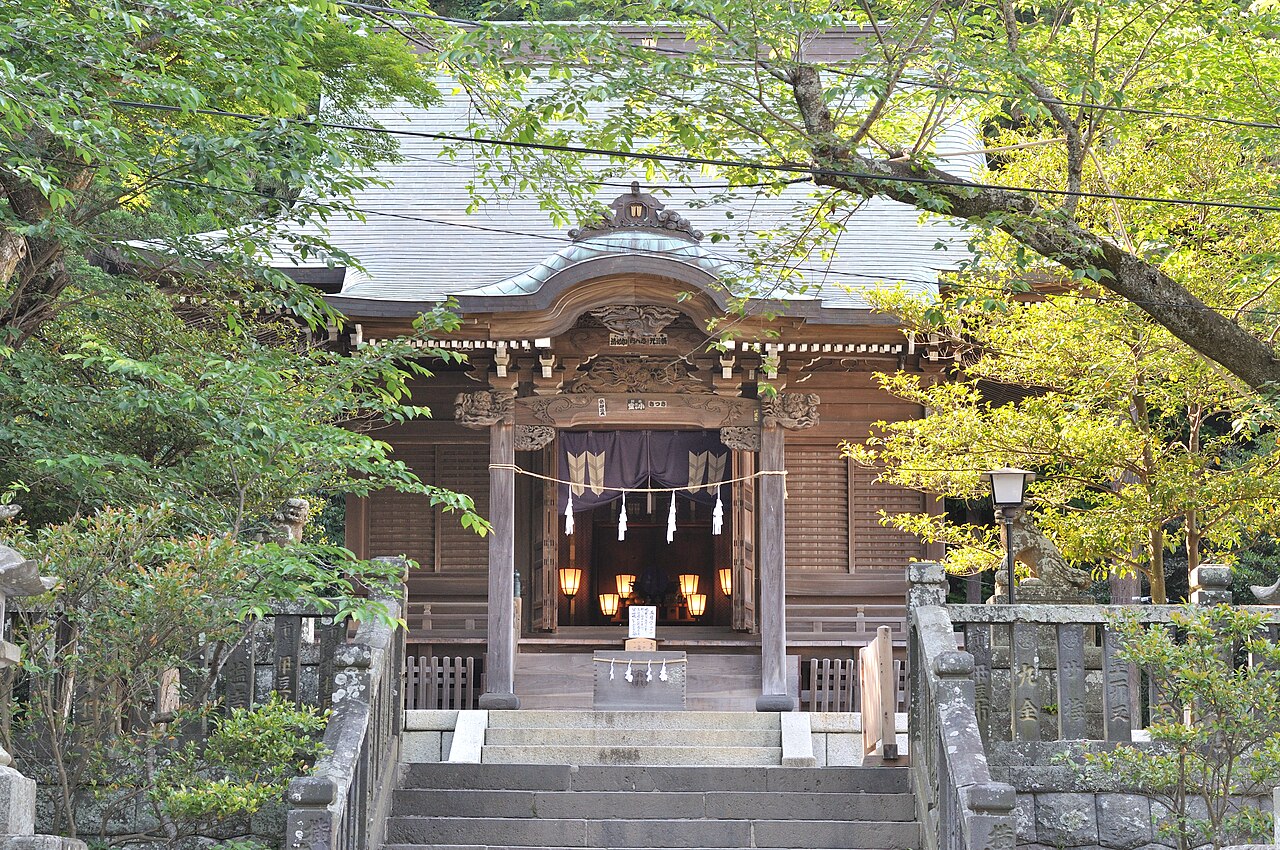
Goryo Shrine
0.7 km · straight line
 Ocdp / CC0
History · Kanagawa★
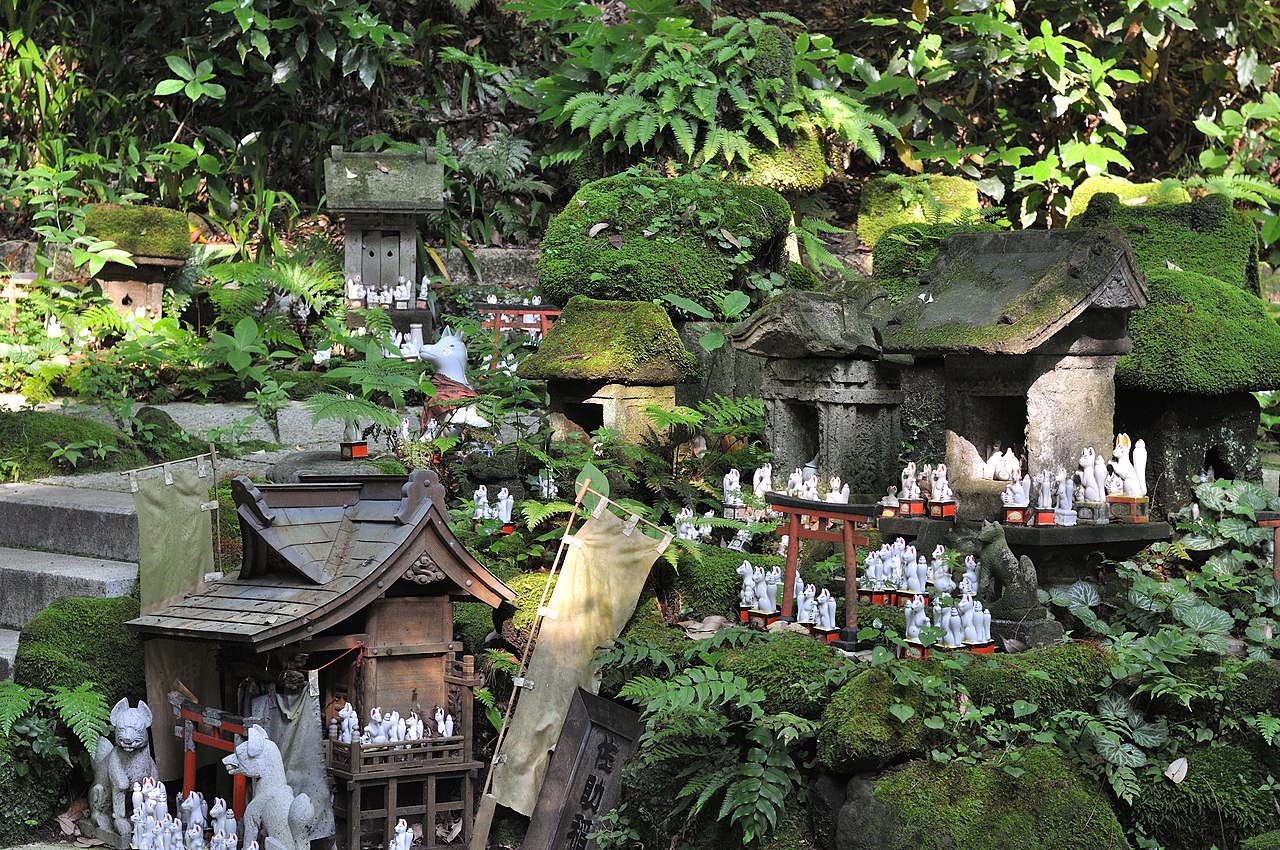
Sasuke Inari Shrine
0.9 km · straight line
 Davide Mauro / CC BY-SA 4.0
History · Kanagawa★
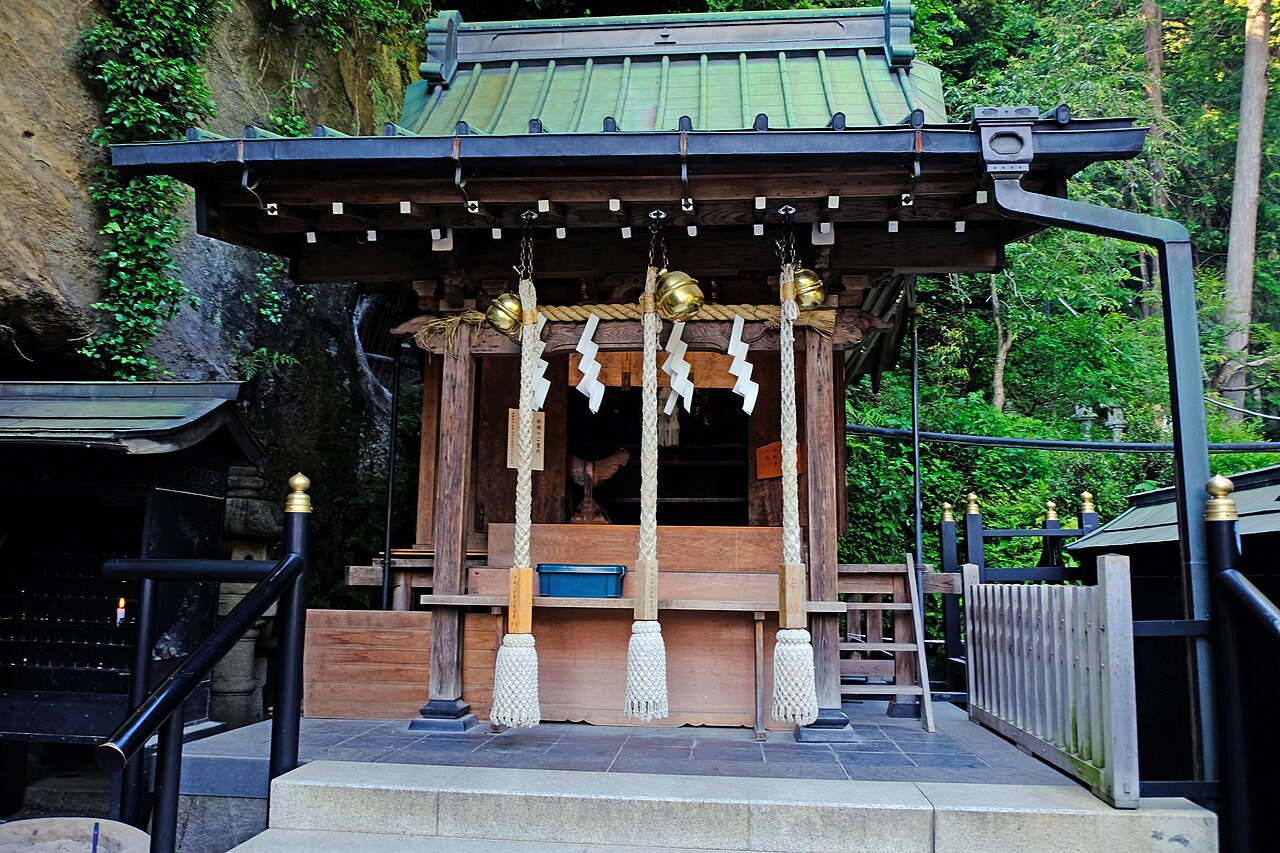
Zeniarai Benzaiten
1.1 km · straight line
Distances are straight lines on the map, not travel times.