Kamakura west · Sasuke valleyNo.097★Open in map →
Sasuke Inari Shrine
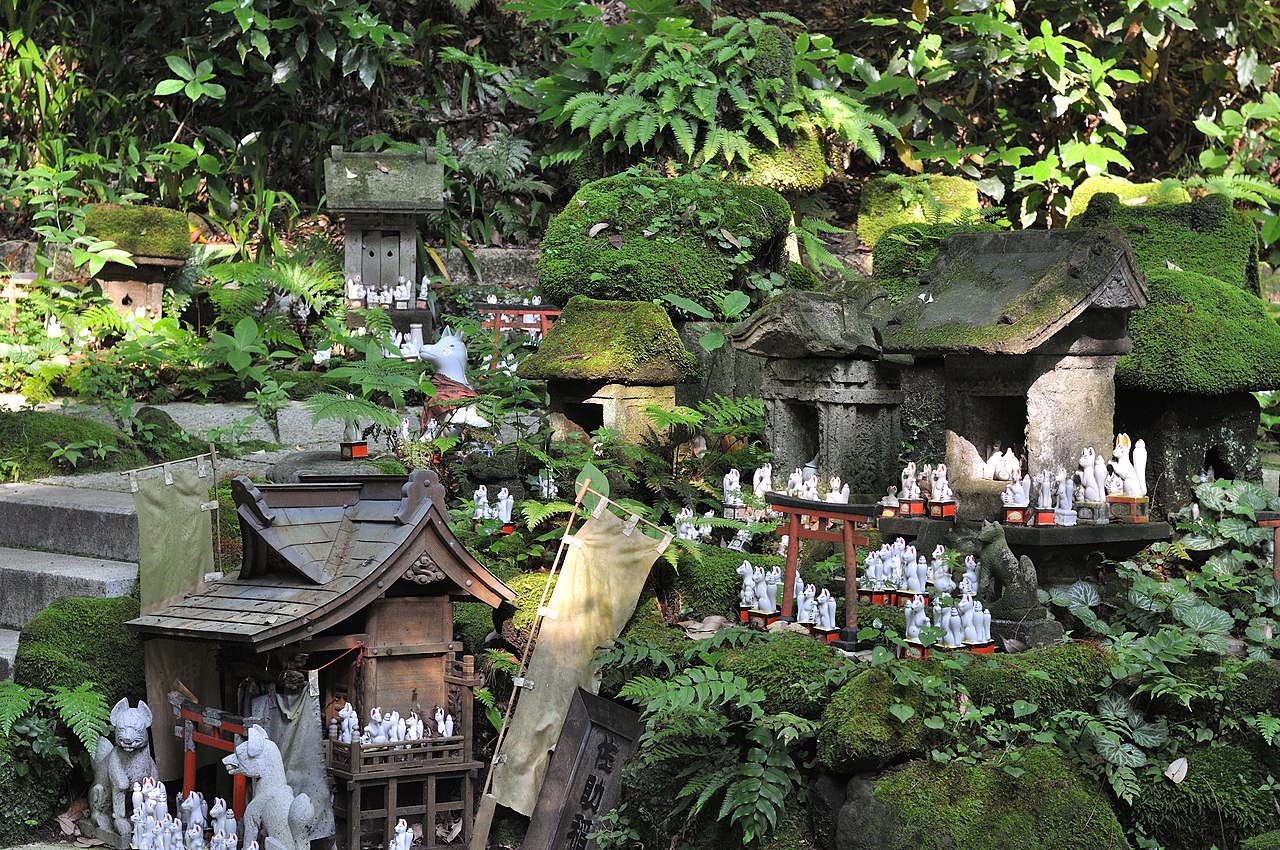
A tunnel of vermilion torii gates climbs a mossy side-valley in Kamakura to a shrine covered in white fox votives — a short walk from the famous money-washing shrine next door.
- FromTokyo Stn
- ~80 mintrain + 25 min walk
- Get off atKamakura Stn (west exit)
- On foot
- Sasuke Inari Shrine
The sweet spot
Most visitors turn off one street earlier for Zeniarai Benten, the money-washing shrine, and do not climb this side-lane. There is little English guidance pointing to it, and reaching it means an uphill walk off the main sightseeing route, so it stays quiet.
Where it is
43 more notes in Kanagawa · open the map →What to look for — in walking order
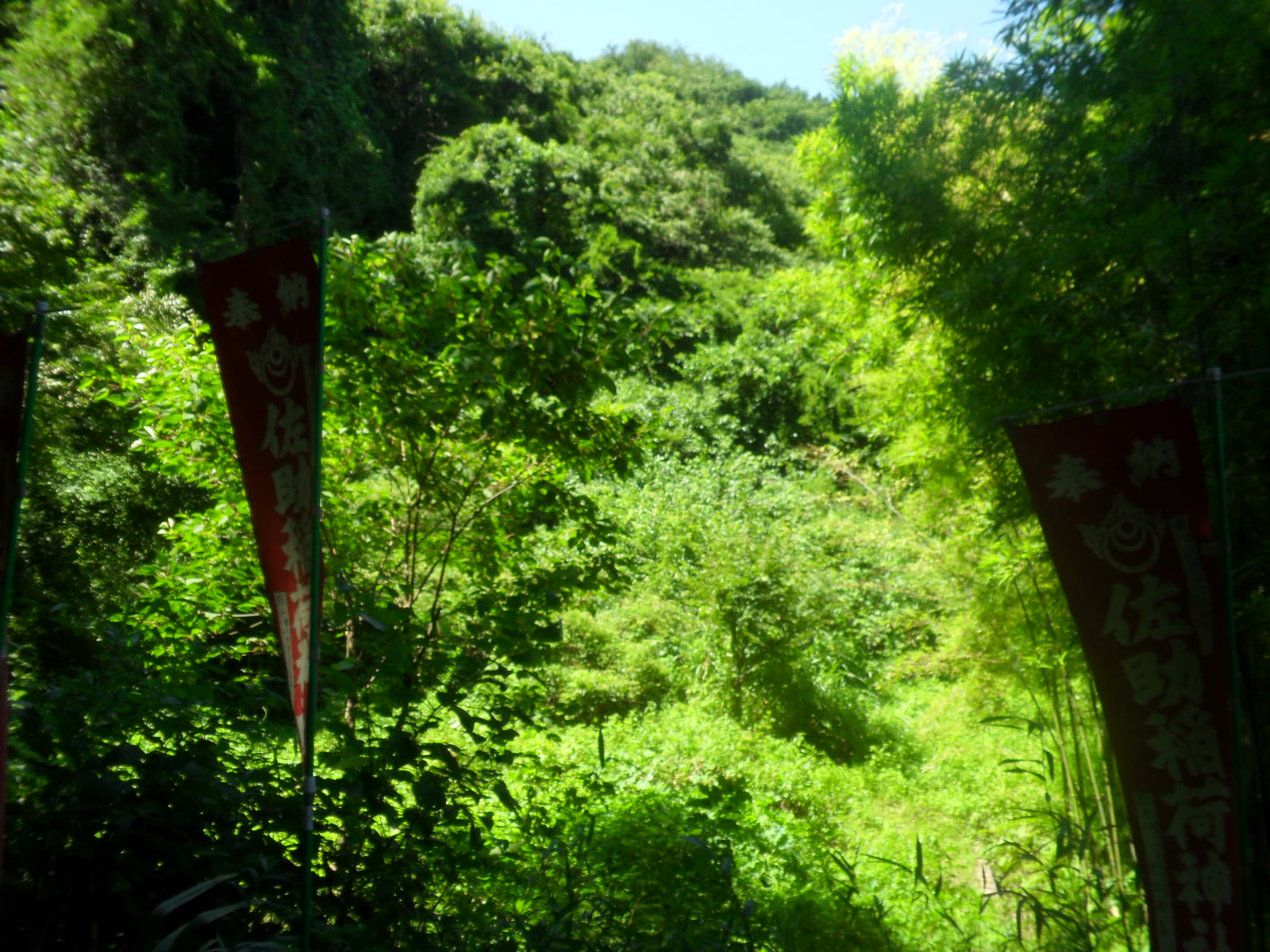
- Vermilion torii tunnelthe approach lane, where red-orange torii gates climb the hillside in a close-set line
- Mossy stone stepsdamp, wooded stairway threading the green valley cleft
- White fox votivessmall white fox figures left by worshippers — many holding scrolls, keys, or jewels
- Pet-owner amuletsthe shrine is noted for good-luck charms for pet owners
How to actually get there
- Tokyo Stn → Kamakura Stn (JR Yokosuka Line, direct, ~57 min).
- Kamakura Stn west exit → walk west through the residential valley toward Zeniarai Benten (~15 min).
- Bear up the red-torii lane on the right → Sasuke Inari Shrine (~5-10 min uphill).
- JR Yokosuka Line, then a walk
- Tokyo Stn →(JR Yokosuka Line, direct, ~57 min)→ Kamakura Stn → from the west exit, walk ~20-25 min west and uphill through a residential valley toward Zeniarai Benten, then bear up the red-torii lane to the shrine. Total ~80-85 min. Trains run about every 10-15 min.
- Return
- JR trains from Kamakura back toward Tokyo run frequently all day, so there is no last-connection worry. The shrine is within walking distance of the station, so no bus is needed either way.
About the place
Sasuke Inari Shrine sits in a narrow, wooded valley in the western hills of Kamakura, under ten minutes from Zeniarai Benten. A line of vermilion torii — the bright red-orange gateways of Shinto — climbs the slope to form a tunnel-like approach, with moss lining the stone steps on either side. Across the grounds, worshippers have placed countless small white foxes as votive offerings. In Shinto belief, foxes are the messengers of Inari, the deity of harvest and prosperity, which is why they appear here in such numbers.
How to enjoy it
Pair it with Zeniarai Benten, a short walk downhill. Both shrines sit about twenty minutes on foot from Kamakura Station west exit. Come in the morning, when low light filters through the trees along the torii approach.
Background & history
Shrine tradition ties this site to Minamoto no Yoritomo, the warrior who founded the Kamakura shogunate in 1185. While in exile, Yoritomo dreamed of an Inari deity calling himself the god of the 'hidden village,' who urged him to rise against the rival Taira clan. After his victory, Yoritomo had his retainer Hatakeyama Shigetada rebuild the shrine. The name Sasuke is traced to a title Yoritomo held in his youth. A separate legend, about a monk who saved a fox and received seeds that halted a plague, is given as the reason white foxes are offered here.
Before you go
- Cash
- The shrine grounds are free to enter. Bring a few coins if you want a small charm or votive fox.
- Good to know
- The shrine office is open about 9:00-16:00; the grounds themselves are open all day and admission is free. Wet stone steps — keep your footing after rain and keep voices low, as this is an active place of worship.
- Another way
- Walk about 8 min downhill to Zeniarai Benten, or continue up onto the Daibutsu hiking ridge trail toward the Great Buddha.
- After you get off
- From the Kamakura Station west exit, follow signs toward Zeniarai Benten, then bear up the red-torii lane on your right — about a 20-25 min walk, gentle at first and uphill near the end.
Nearby notes
 Davide Mauro / CC BY-SA 4.0
History · Kanagawa★
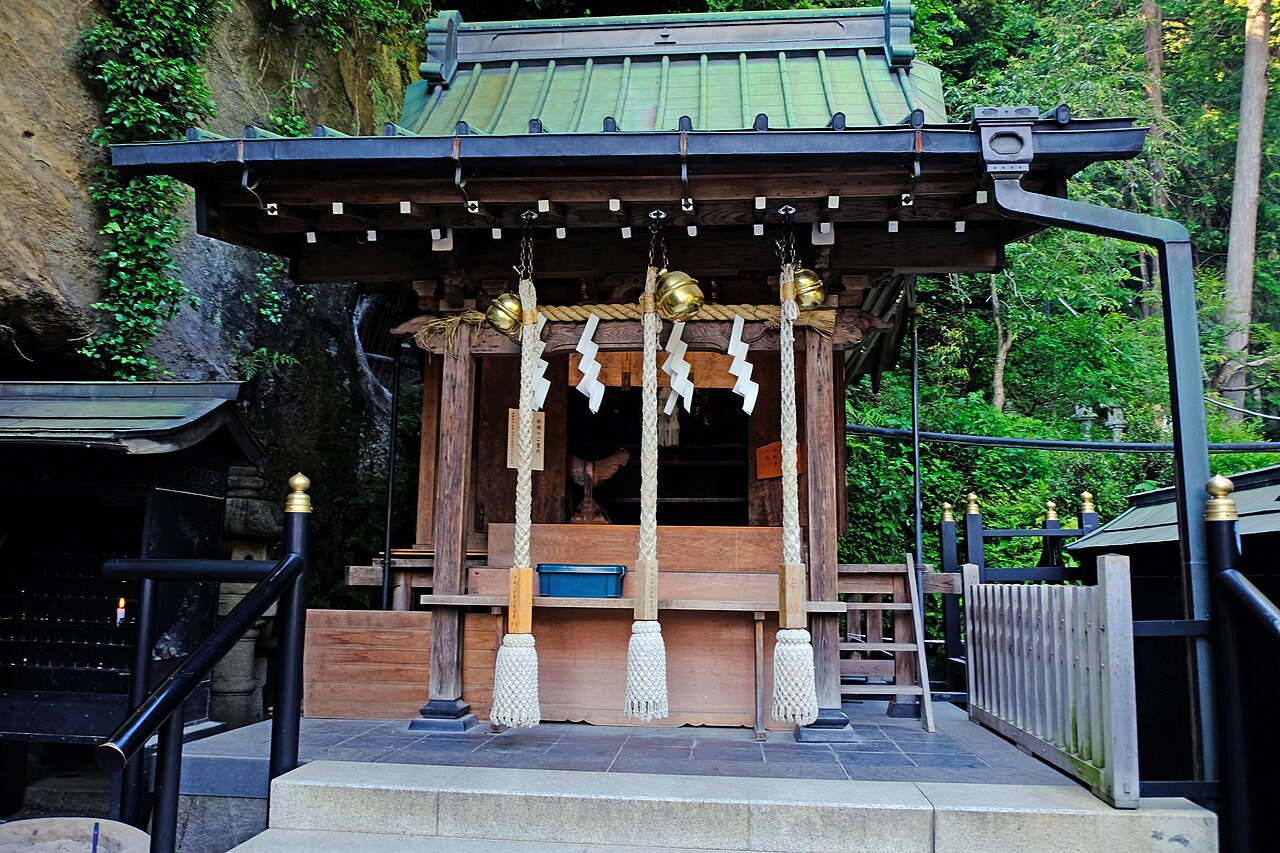
Zeniarai Benzaiten
0.3 km · straight line
 Alexandar Vujadinovic / CC BY-SA 4.0
History · Kanagawa★★★
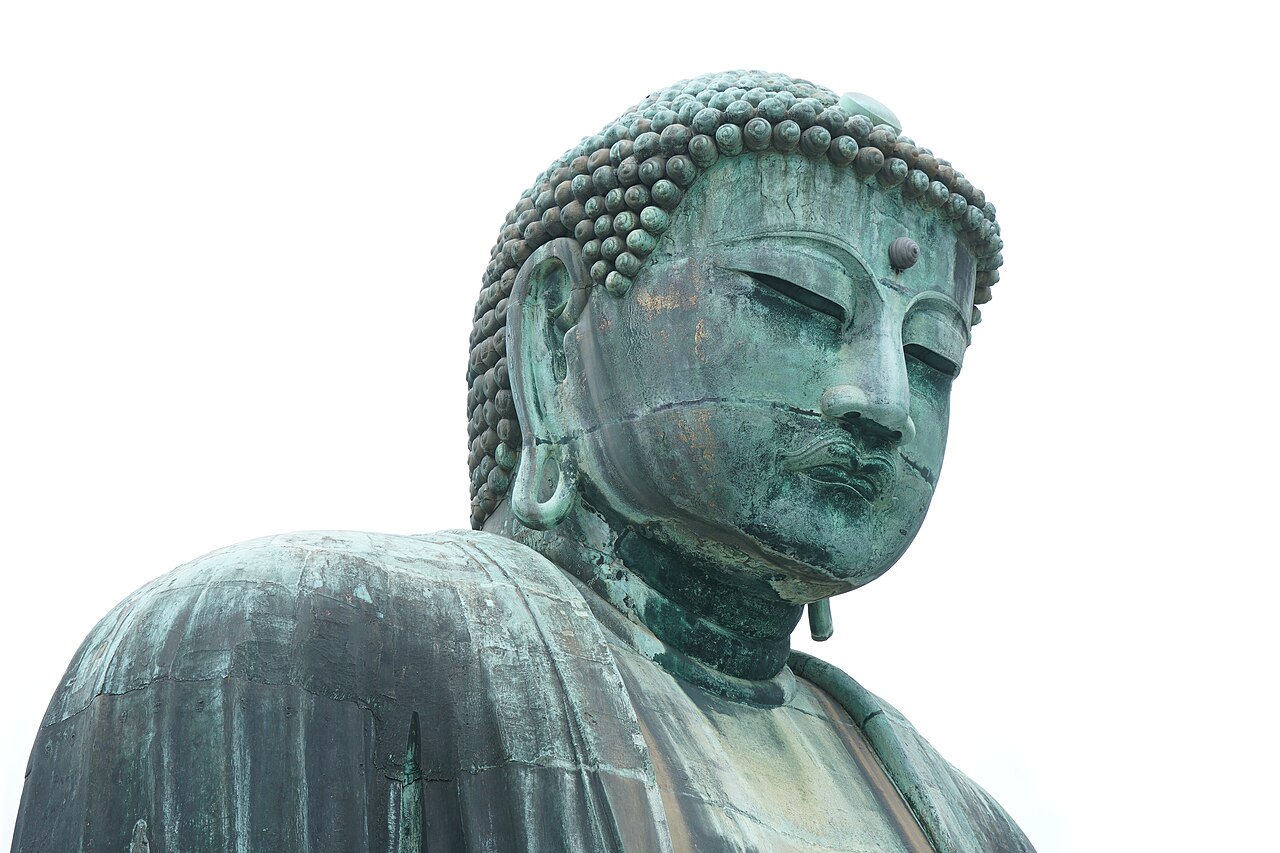
The Great Buddha of Kamakura
0.9 km · straight line
 Urashimataro / Public domain
Local life · Kanagawa★★
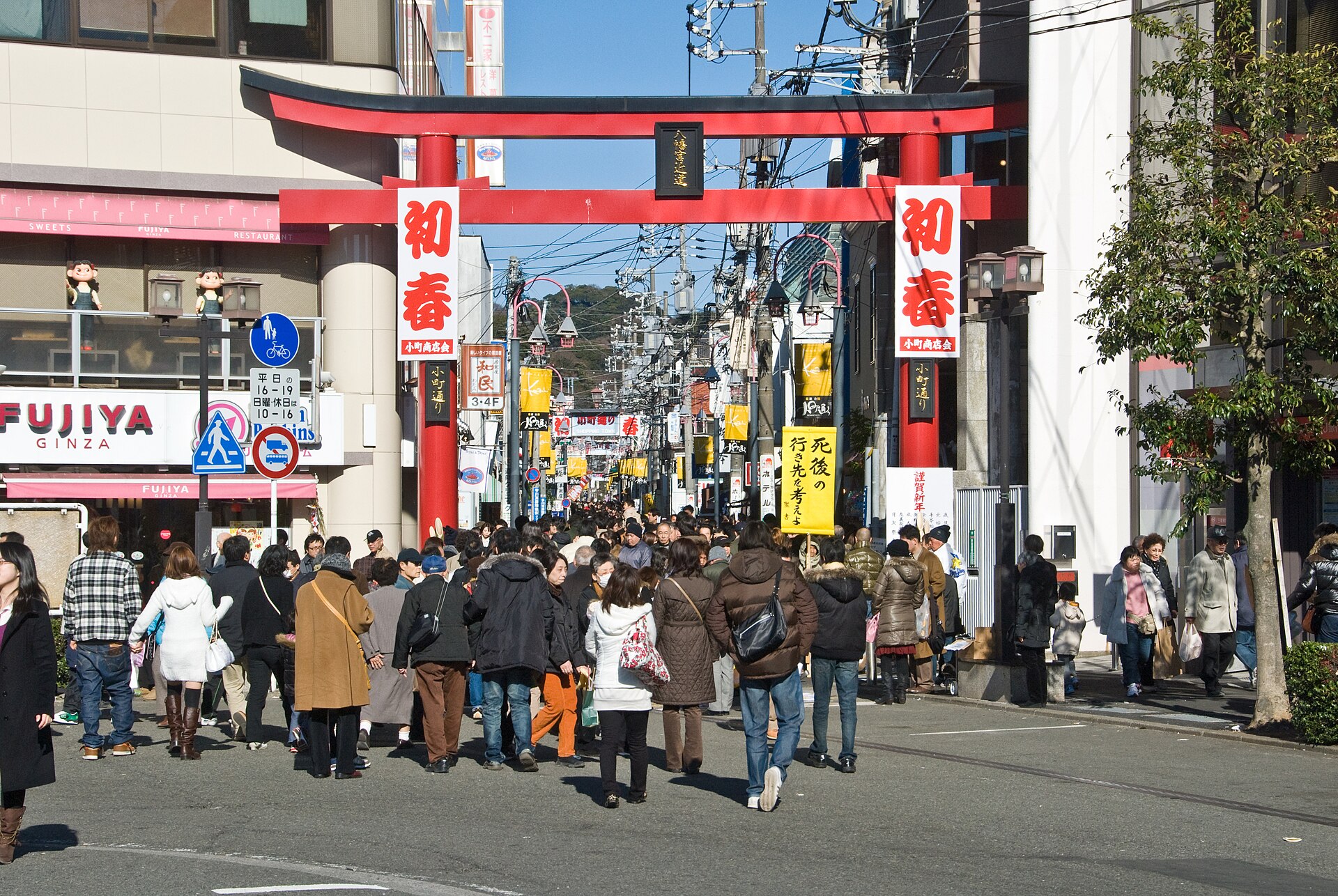
Komachi-dori
1.2 km · straight line
 Țetcu Mircea Rareș at Romanian Wikipedia / CC BY 2.5
History · Kanagawa★★★
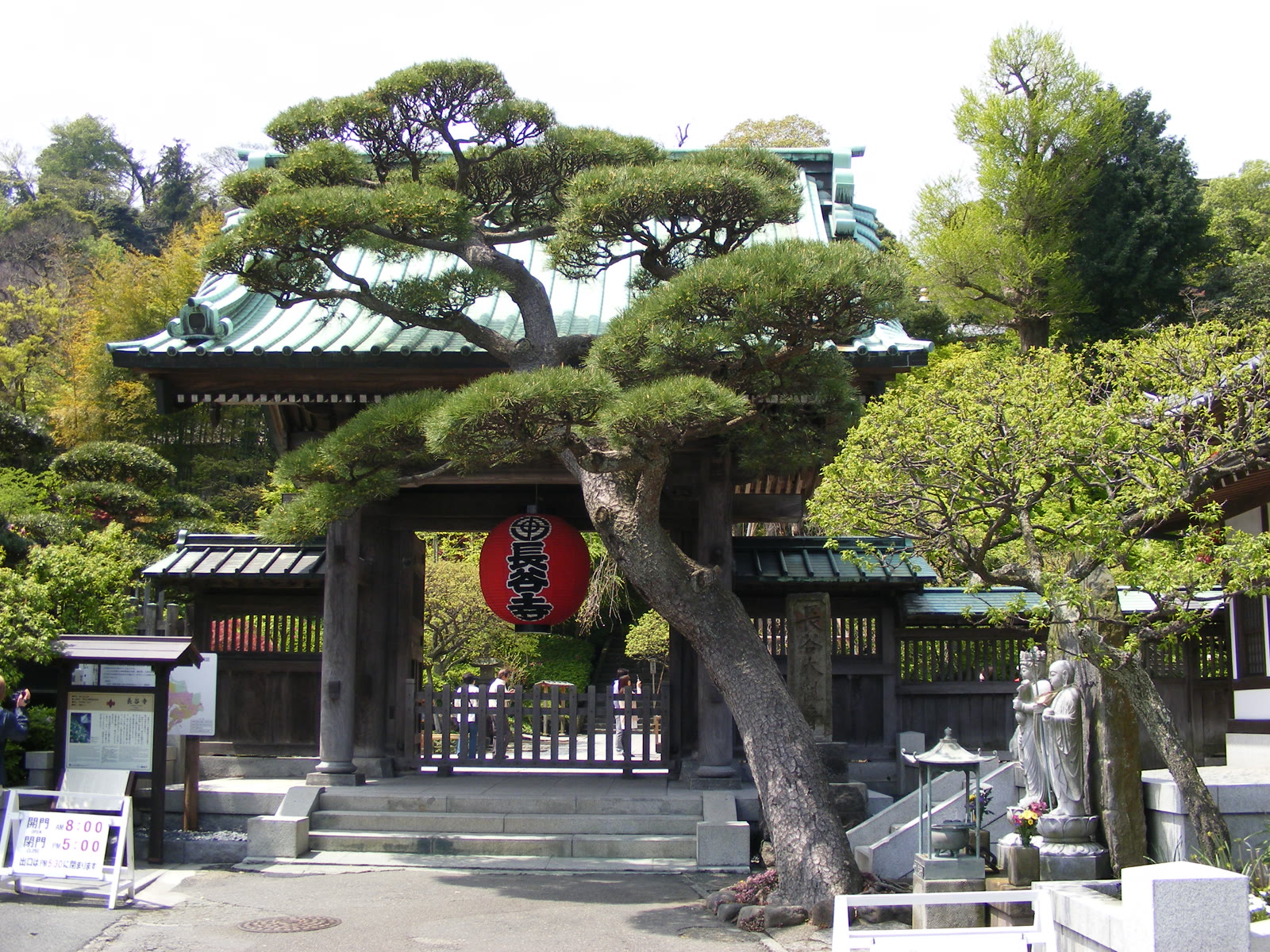
Hasedera
1.4 km · straight line
Distances are straight lines on the map, not travel times.