Kanagawa · Enoshima, FujisawaNo.170★★★Open in map →
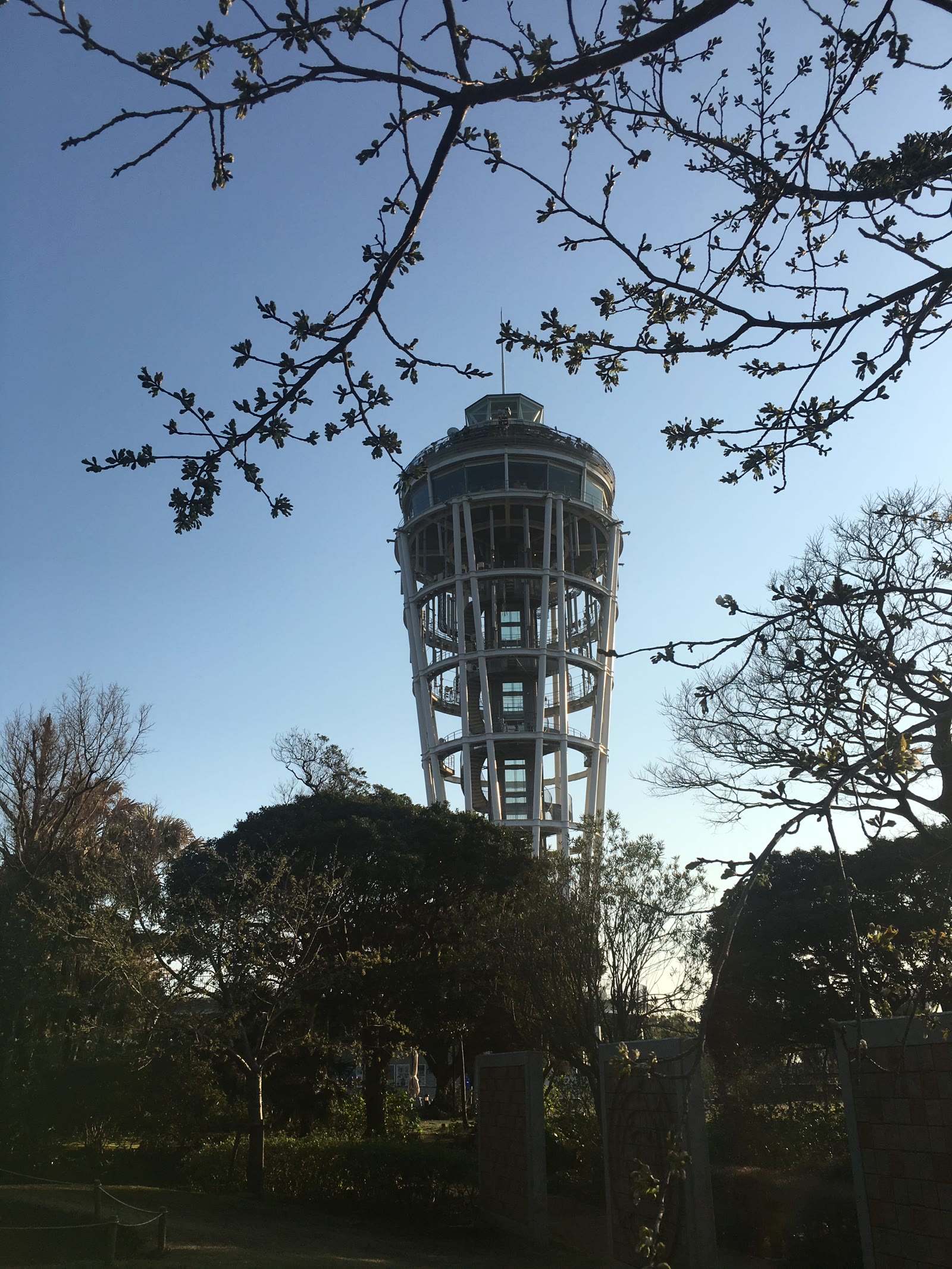
Enoshima Island
A small tidal island in Fujisawa, Kanagawa, connected to the mainland by a pedestrian bridge. Its main features are Enoshima Shrine — one of Japan's three great Benzaiten shrines — and the Sea Candle observation lighthouse, with views to Mount Fuji on clear days.
- FromShinjuku Stn
- ~60-70 mintrain (frequent)
- Get off atKatase-Enoshima Station (Odakyu Enoshima Line)
- On foot
- Enoshima Island
Where it is
43 more notes in Kanagawa · open the map →What to look for — in walking order
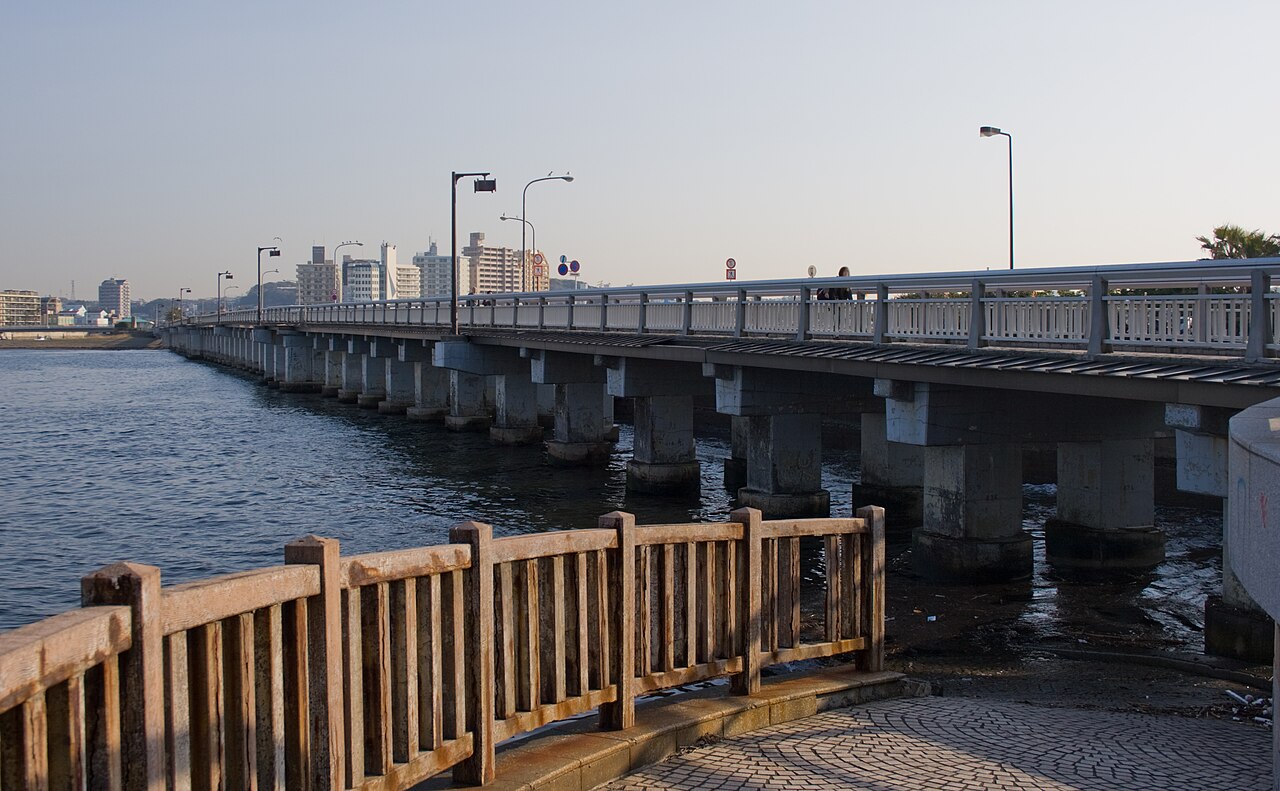
- Benten Bridge (causeway)the 389-metre pedestrian causeway from the mainland to the island; the view from here takes in the full profile of the island
- Enoshima Shrine — Hetsunomiya (lower precinct)the first and most prominent of the three shrine precincts, at the foot of the island's main slope
- Sea Candle (Shonan Observatory Lighthouse)a 59.8-metre lighthouse observation tower; indoor and outdoor decks; views to Mount Fuji on clear winter mornings
- Iwaya sea cavesa 152-metre sea cave on the island's southern tip, eroded by wave action over thousands of years
How to actually get there
- Shinjuku Station → Katase-Enoshima Station (Odakyu Enoshima Line, ~70 min).
- Katase-Enoshima Station → Benten Bridge (a short walk south).
- Benten Bridge → Hetsunomiya shrine → Samuel Cocking Garden / Sea Candle (walk uphill along the main lane, ~20 min).
- Odakyu Enoshima Line from Shinjuku
- Shinjuku Station →(Odakyu Enoshima Line, ~70 min by direct Enoshima Express, or change at Fujisawa for an Odakyu local, total ~70 min)→ Katase-Enoshima Station. From Katase-Enoshima Station it is a short walk south, a few hundred metres, to Benten Bridge at the start of the island causeway. Trains run frequently.
- Return from Katase-Enoshima to Shinjuku
- Retrace the walk to Katase-Enoshima Station and take the Odakyu Enoshima Line back to Shinjuku. Trains run frequently through the evening. Alternatively, walk to Enoshima Station (Enoden) or Shonan-Enoshima Station (Odakyu) nearby.
About the place
Enoshima is an island roughly 4 km in circumference, jutting into Sagami Bay in the Shonan coast south of Tokyo. A causeway links it to the mainland, and the island's single main lane climbs from the bridge past shrine precincts to a hilltop garden containing the Sea Candle lighthouse. The lane is narrow, and on busy weekends it fills with visitors, but the island's geography means the route is essentially a single thread from the bridge to the hilltop and back. Enoshima Shrine enshrines Benzaiten, the goddess associated with the sea, music, and good fortune. The shrine complex is composed of three separate precincts — Hetsunomiya, Nakatsunomiya, and Okutsunomiya — placed at intervals along the main lane, with the first being the most photogenic. On the southern end of the island, the Iwaya sea caves, eroded over millennia by wave action, extend about 152 metres into the rock. The Sea Candle lighthouse observation tower, rebuilt and reopened in 2003, stands 59.8 metres tall and rises to 119.6 metres above sea level, giving a view across the Shonan coast and, on clear days, to Mount Fuji to the northwest.
How to enjoy it
Walk over Benten Bridge to the island and follow the single main lane uphill: Hetsunomiya shrine precinct is at the foot, then the climb past the Nakanosama shrine continues to the Samuel Cocking Garden at the top, where the Sea Candle tower stands. For views of Mount Fuji, come on a clear morning in autumn or winter (typically October to February). The Iwaya sea caves are at the far southern end of the island, adding about 30–40 minutes to the visit. The island is busiest on weekends and in summer — early weekday mornings are the calmest.
Background & history
By shrine tradition, Enoshima Shrine was founded in the 6th century during the reign of Emperor Kinmei, when a palace was said to have been built in the island's caves. The worship of Benzaiten on the island is documented in written records from the Kamakura period (1185–1333), when the shogunate's chronicles note that Minamoto no Yoritomo enshrined Benzaiten in the island's caves in 1182. The shrine grew as a pilgrimage site for people travelling from Edo, and it was eventually listed among Japan's three great Benzaiten temples alongside Chikubushima in Shiga and Miyajima in Hiroshima. Today it is a Shinto shrine (having separated from its Buddhist elements in the Meiji era) dedicated to the three sea goddess sisters, Munakata Sanjojin.
Before you go
- Cash
- IC cards (Suica / PASMO) are accepted on the Odakyu Line. Entry to Enoshima Shrine grounds is free. The Samuel Cocking Garden and Sea Candle observation tower charge a combined admission (around ¥500 for adults). The Iwaya caves charge a separate entry fee.
- Good to know
- The Samuel Cocking Garden and Sea Candle are open daily (hours vary by season; check the official website). The Iwaya caves close in the early evening. The island is most crowded on summer weekends and during the New Year period.
- Another way
- From Kamakura, take the Enoden (Enoshima Electric Railway) to Enoshima Station — a 25-minute ride — then walk about 10 minutes to the bridge. This route is convenient if combining Enoshima with a Kamakura visit.
- After you get off
- From Katase-Enoshima Station, walk a few hundred metres south to reach the start of Benten Bridge, which leads directly onto the island.
Nearby notes
 Nesnad / CC BY 4.0
Nature · Kanagawa★★
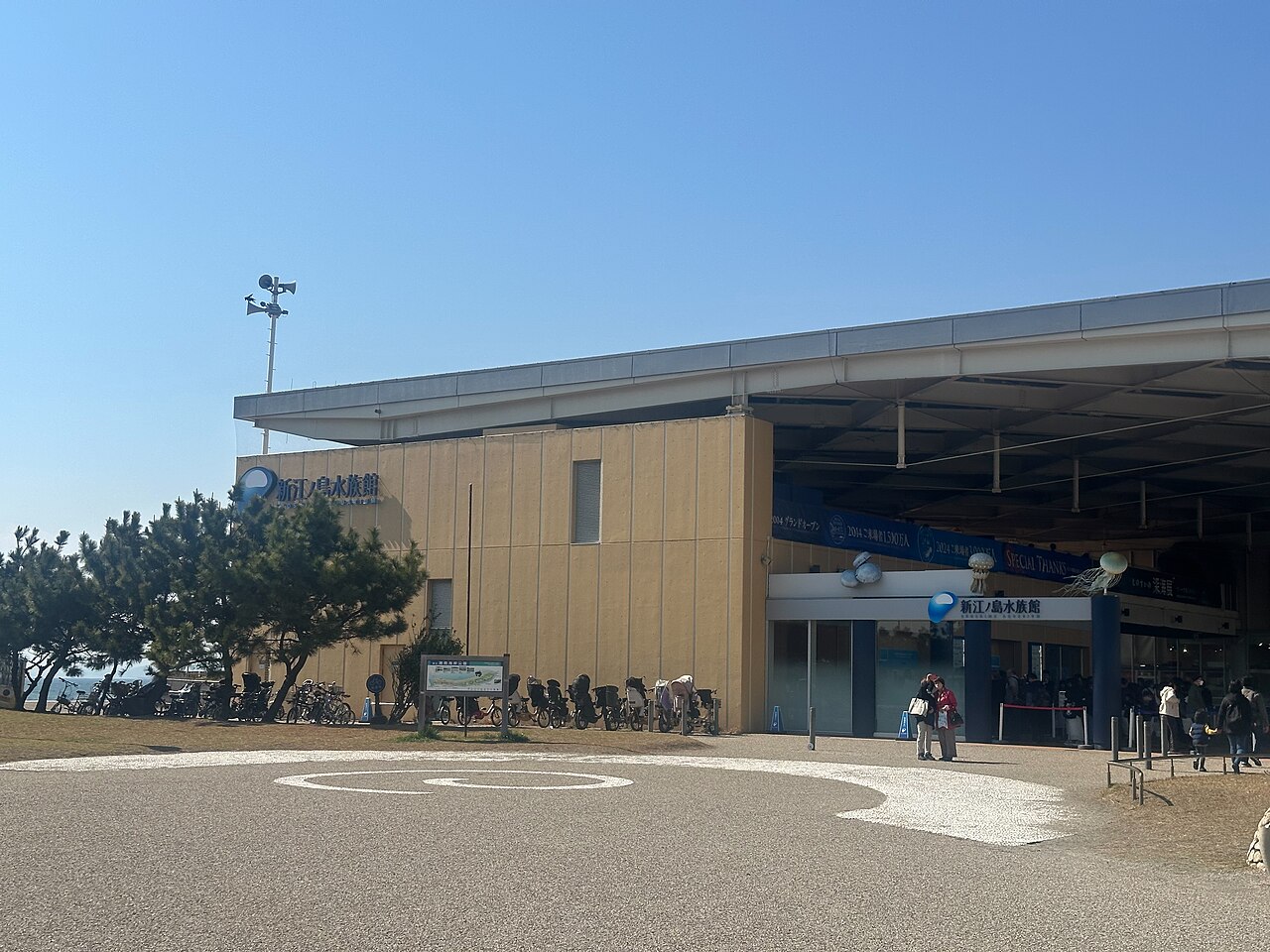
Enoshima Aquarium
1.1 km · straight line
 MiNe / CC BY 2.0
Local life · Kanagawa★★
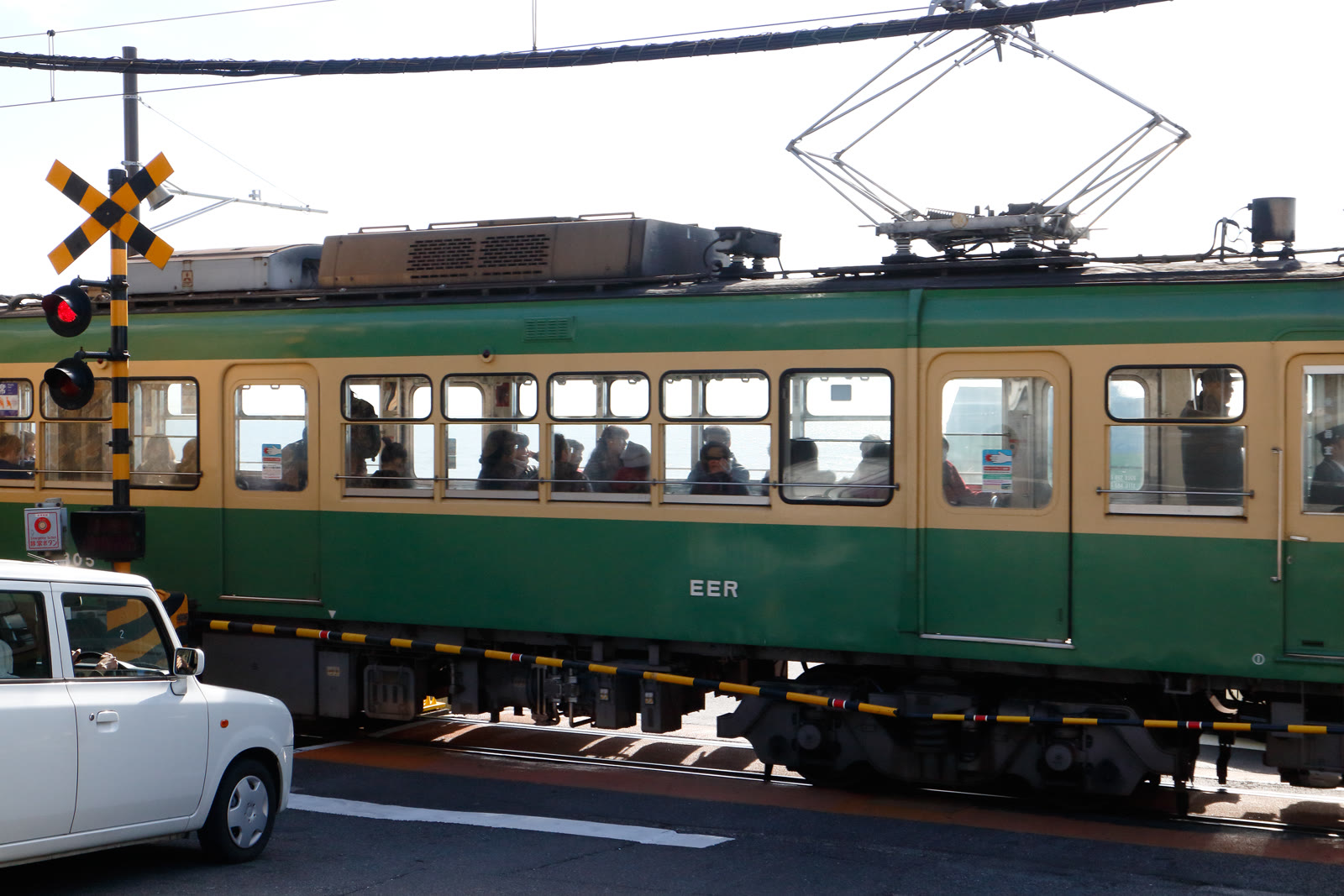
Kamakurakokomae Railway Crossing
2.2 km · straight line
 Ocdp / CC0
History · Kanagawa★
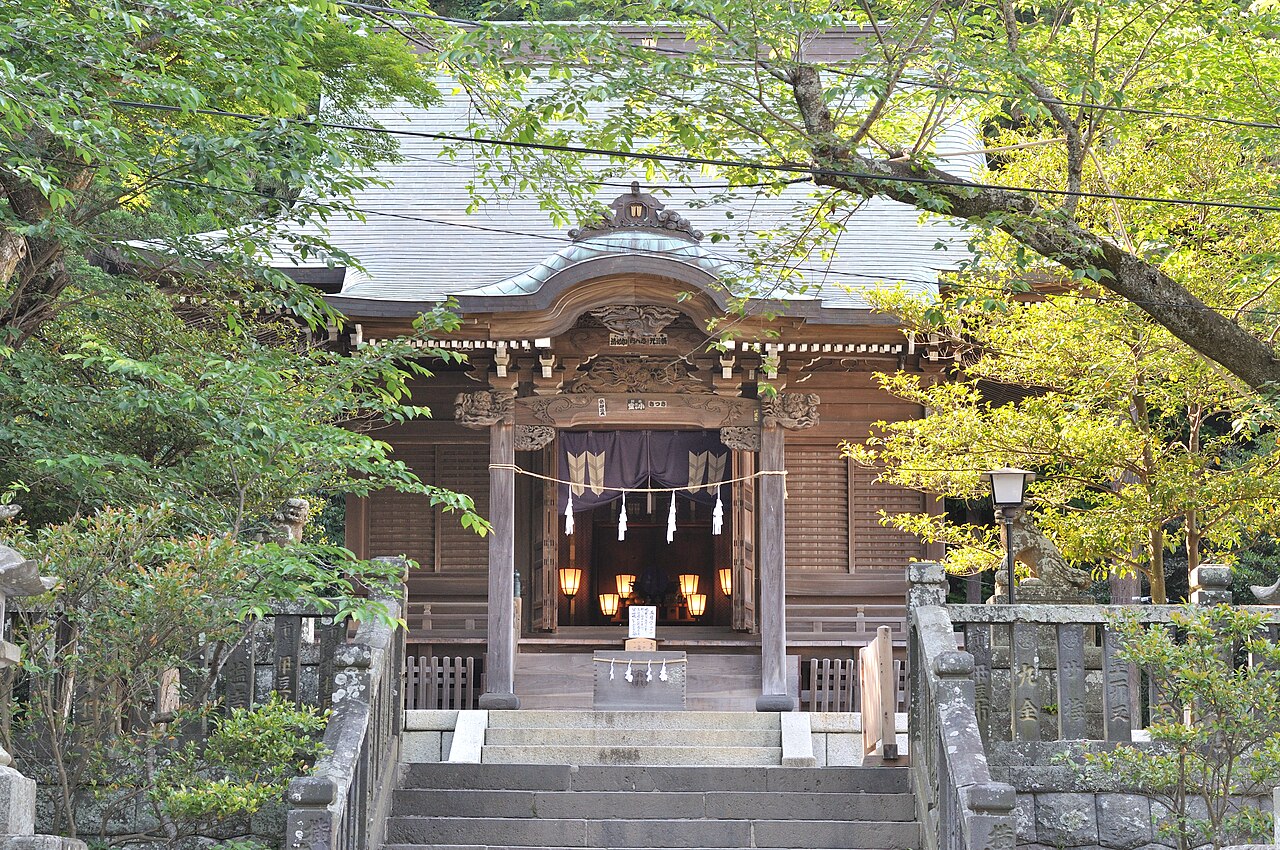
Goryo Shrine
5.0 km · straight line
 Țetcu Mircea Rareș at Romanian Wikipedia / CC BY 2.5
History · Kanagawa★★★
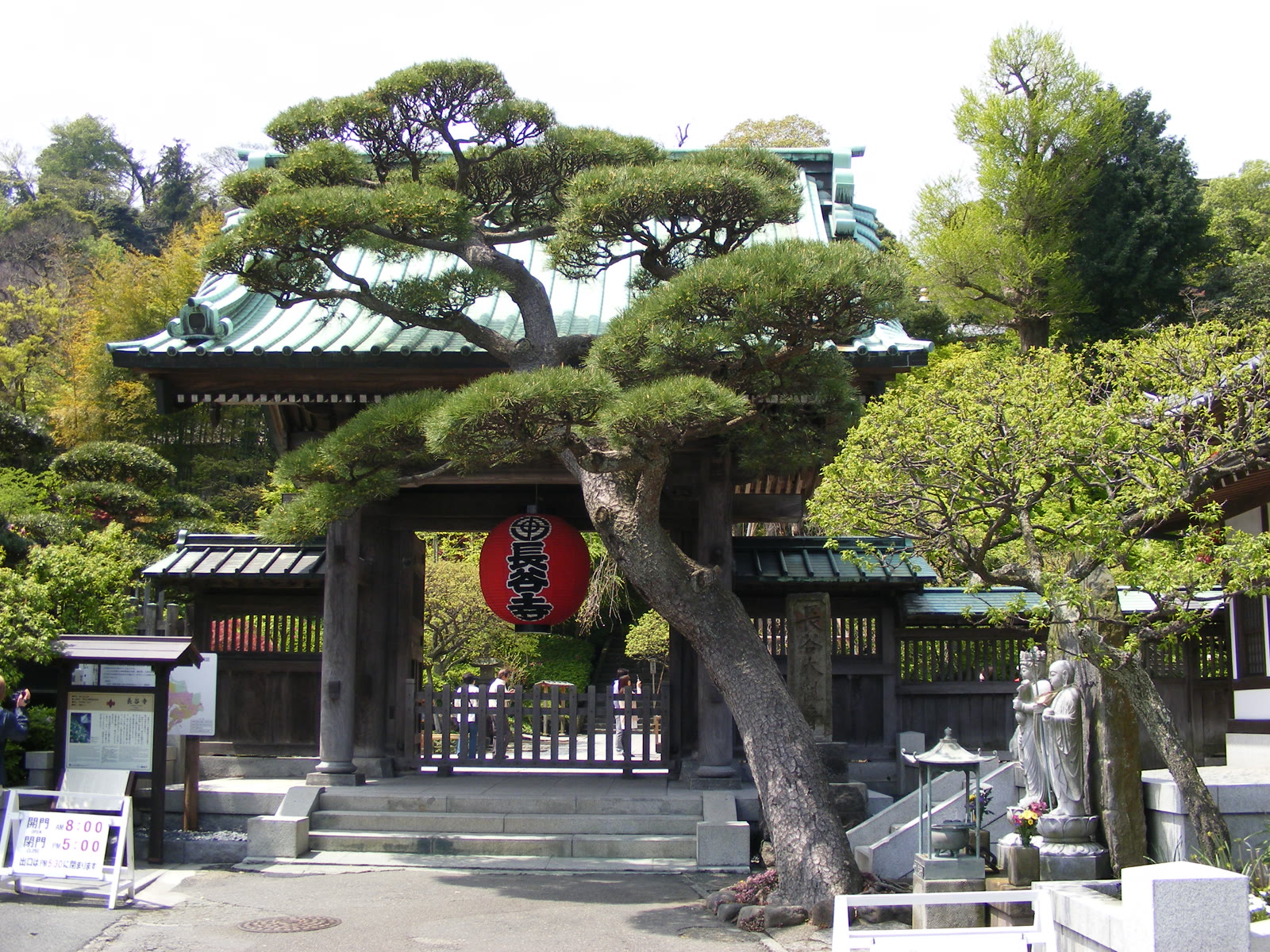
Hasedera
5.1 km · straight line
Distances are straight lines on the map, not travel times.