East Tokyo · FukagawaNo.079★Open in map →
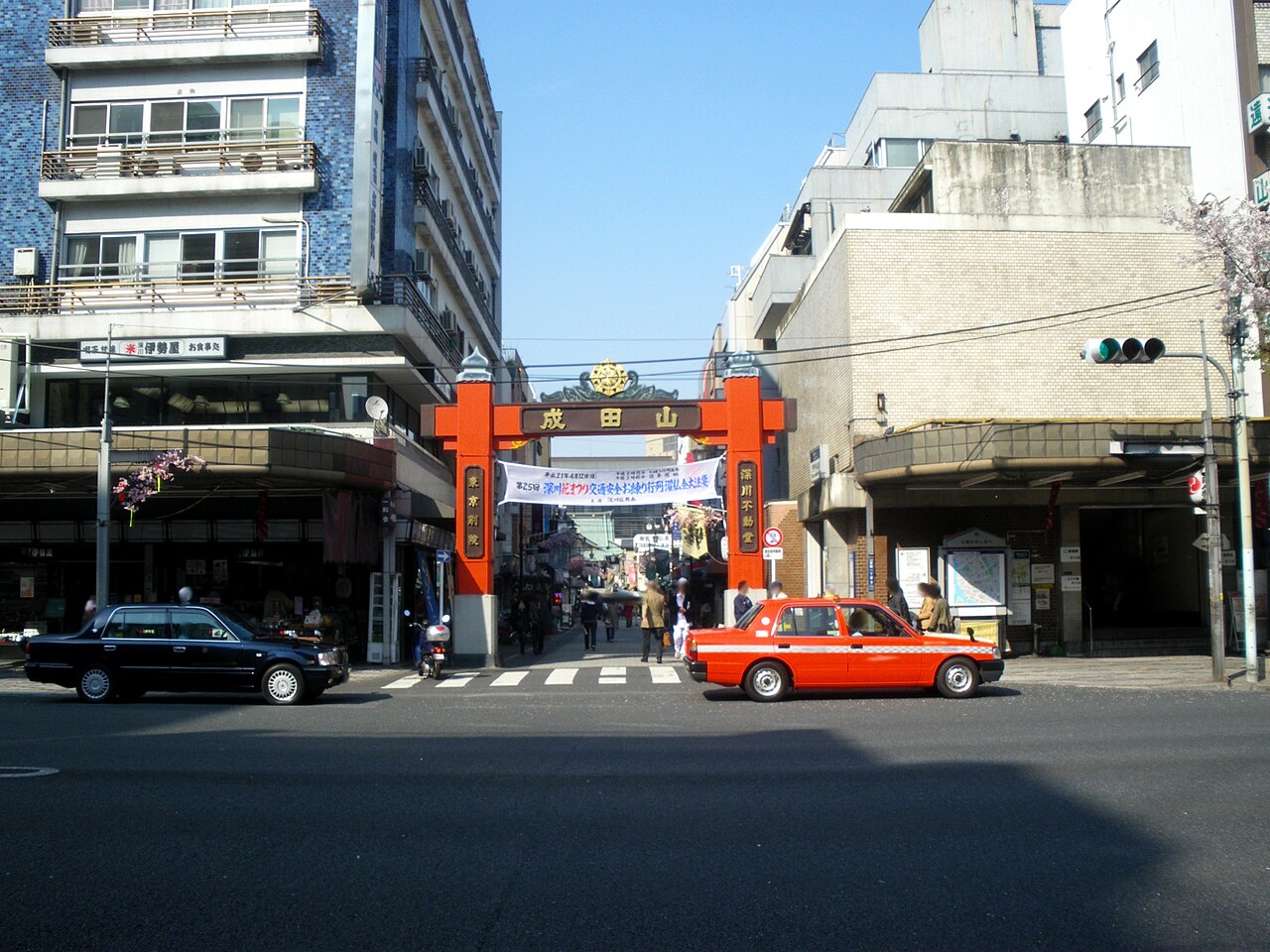
Fukagawa Fudo-do
— where a fire rite is held daily
A temple in the old Fukagawa district where a drum-and-flame goma fire ritual runs five times a day inside a striking modern hall clad in Sanskrit characters — a short walk from the coffee-roaster warehouses of Kiyosumi-Shirakawa.
- FromTokyo Stn
- ~25 minmetro + short walk
- Get off atMonzen-nakacho Stn
- On foot
- Fukagawa Fudo-do
The sweet spot
Visitors after the same old-Tokyo feeling mostly head to Asakusa, so Fukagawa stays calm. The fire rite has little English signage, so most foreign travellers pass it by; you simply check the day's times posted at the hall and step in.
Where it is
77 more notes in Tokyo · open the map →What to look for — in walking order
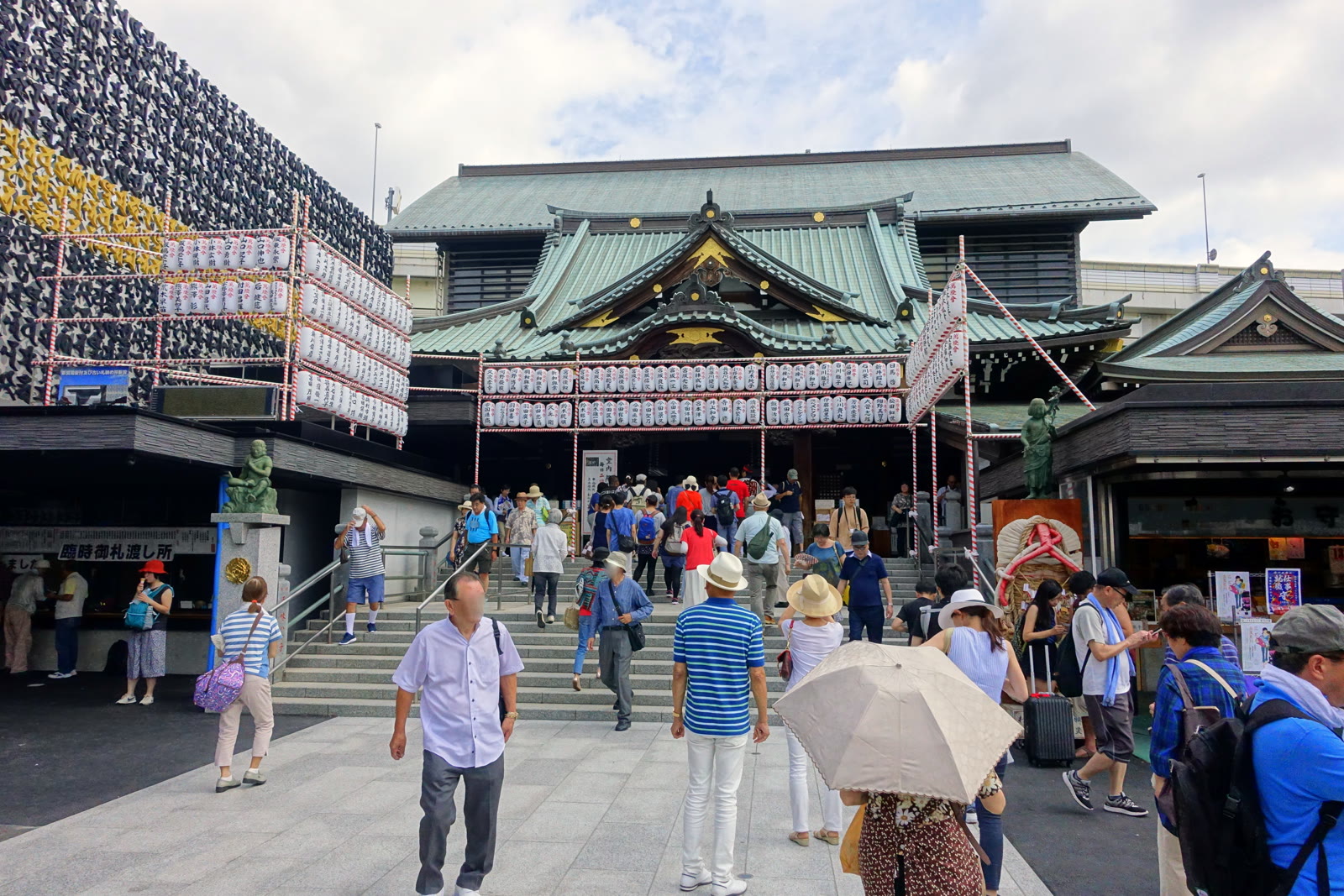
- Sanskrit-clad main halla 2011 cubic hall whose outer walls are covered in black-and-gold Bonji (Sanskrit script) characters
- Daily goma fire ritea fire ritual held five times a day (9:00, 11:00, 13:00, 15:00, 17:00) with drums, chanting and real flames
- Naritasan lineagethe Tokyo branch of Naritasan Shinshoji, first established here in 1703
- Canal lanes and Kiyosumi-Shirakawathe old shitamachi canal district, with specialty-coffee roasters in converted warehouses a short walk away
How to actually get there
- Tokyo Station: walk underground to Otemachi Station (~4 min).
- Otemachi → Monzen-nakacho on the Tokyo Metro Tozai Line (2 stops, ~4 min).
- Monzen-nakacho Exit 1 → Fukagawa Fudo-do on foot (~3 min); check the day's goma times at the hall.
- Tokyo Stn → Otemachi → Monzen-nakacho (Metro)
- Tokyo Station: walk underground to Otemachi Station (~4 min), then take the Tokyo Metro Tozai Line to Monzen-nakacho (2 stops, ~4 min). From Monzen-nakacho, the temple is a ~3 min walk. Total about 25 min. Trains run every few minutes all day, so no need to plan around a timetable.
- Return by Metro
- Go back the same way: Tokyo Metro Tozai Line from Monzen-nakacho toward Otemachi, then change for your line home. This is a central Tokyo subway that runs until around midnight, so there is no early last-train worry during a normal day trip.
About the place
Fukagawa Fudo-do (formally the Naritasan Tokyo Betsuin) sits in the Monzen-Nakacho neighbourhood of Koto ward, on the flat canal-laced land east of the Sumida River. Its most recognisable feature is the current main hall, completed in 2011, a cubic building whose walls are covered almost entirely in black-and-gold Bonji (the Sanskrit script used in Japanese Buddhism). Inside, the temple holds its goma fire ritual on a fixed daily schedule: monks beat taiko drums, chant, and light a real fire as an offering to Fudo Myoo, a fierce guardian deity. Any visitor is welcome to attend — simply check the day's times posted at the hall and step in. The temple stands close to Kiyosumi-Shirakawa, a canal-side district known for specialty-coffee roasters in converted warehouses.
How to enjoy it
Time your visit to one of the five daily goma rituals (9:00, 11:00, 13:00, 15:00 or 17:00) to see the full fire rite, then walk to the coffee-roaster warehouses of Kiyosumi-Shirakawa nearby. On the 1st, 15th and 28th of each month, an extra evening rite is held at 19:00. Entry to the temple grounds is free.
Background & history
The temple traces its origin to 1703 (the 16th year of the Genroku era), when the parent temple Naritasan Shinshoji brought its statue of Fudo Myoo to Fukagawa for a special public showing linked to the popularity of the kabuki actor Ichikawa Danjuro, who was famous for playing Fudo roles on stage. The temple belongs to the Chisan branch of Shingon esoteric Buddhism, the school the monk Kukai established in Japan in the 9th century. The Sanskrit-clad main hall was built as a commemorative project ahead of the temple's 310th anniversary.
Before you go
- Cash
- Entry to the temple grounds is free. Goma amulets and nearby cafes take cash; some also take cards. Carry a little cash to be safe.
- Good to know
- This is a working temple. During the fire rite, sit quietly and do not photograph the flames.
- Another way
- Tomioka Hachiman shrine, a five-minute walk away, especially on its market days (the 1st, 15th and 28th of the month).
- After you get off
- From Monzen-nakacho Station, use Tozai Line Exit 1 and walk east about 3 minutes to the temple gate; the fire-rite hall is on the grounds.
Nearby notes
 User:Kentin / CC BY-SA 3.0
Food · Tokyo★★
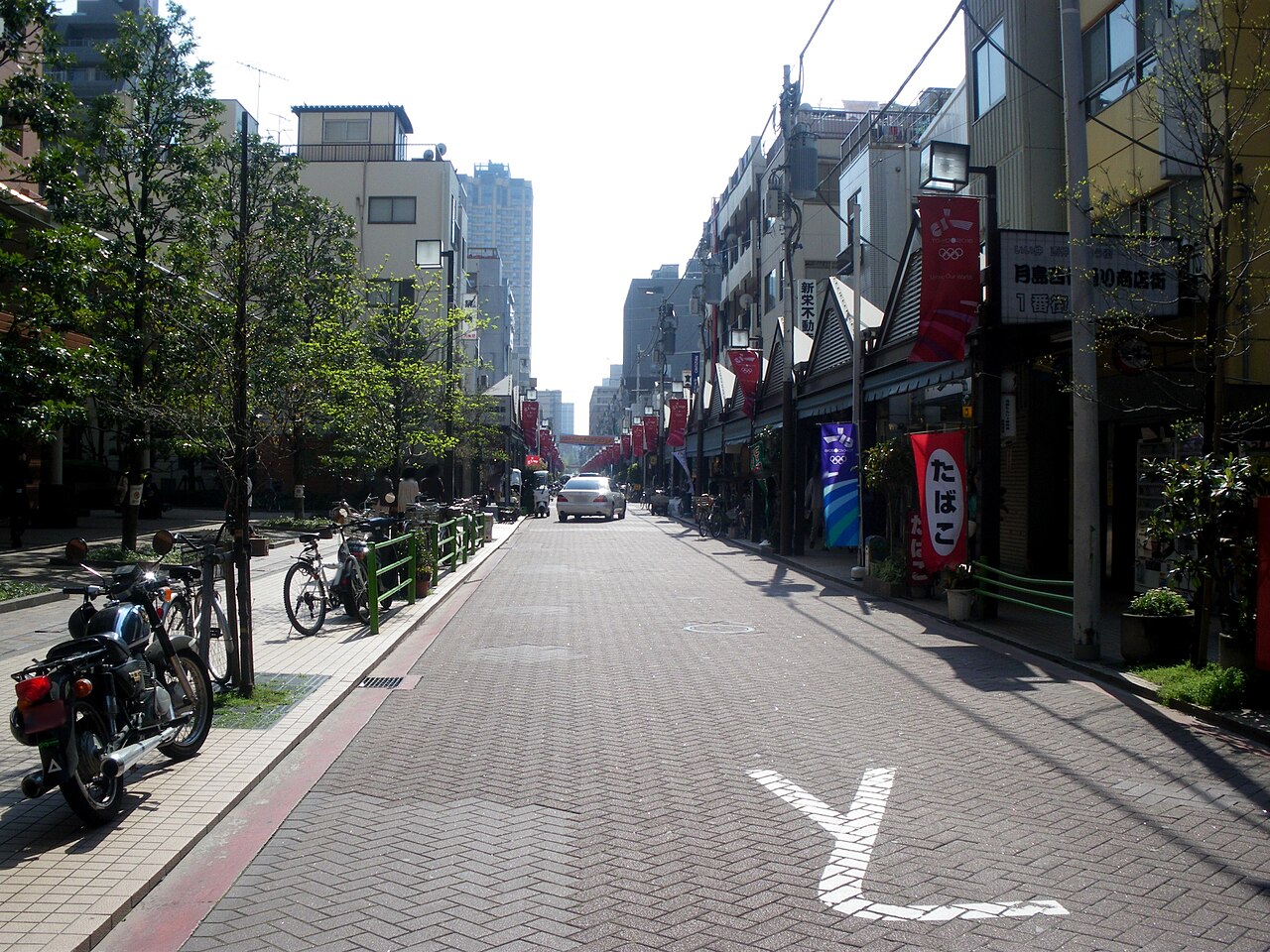
Tsukishima Monja Street
1.9 km · straight line
 Aimaimyi / CC BY-SA 3.0
History · Tokyo★★
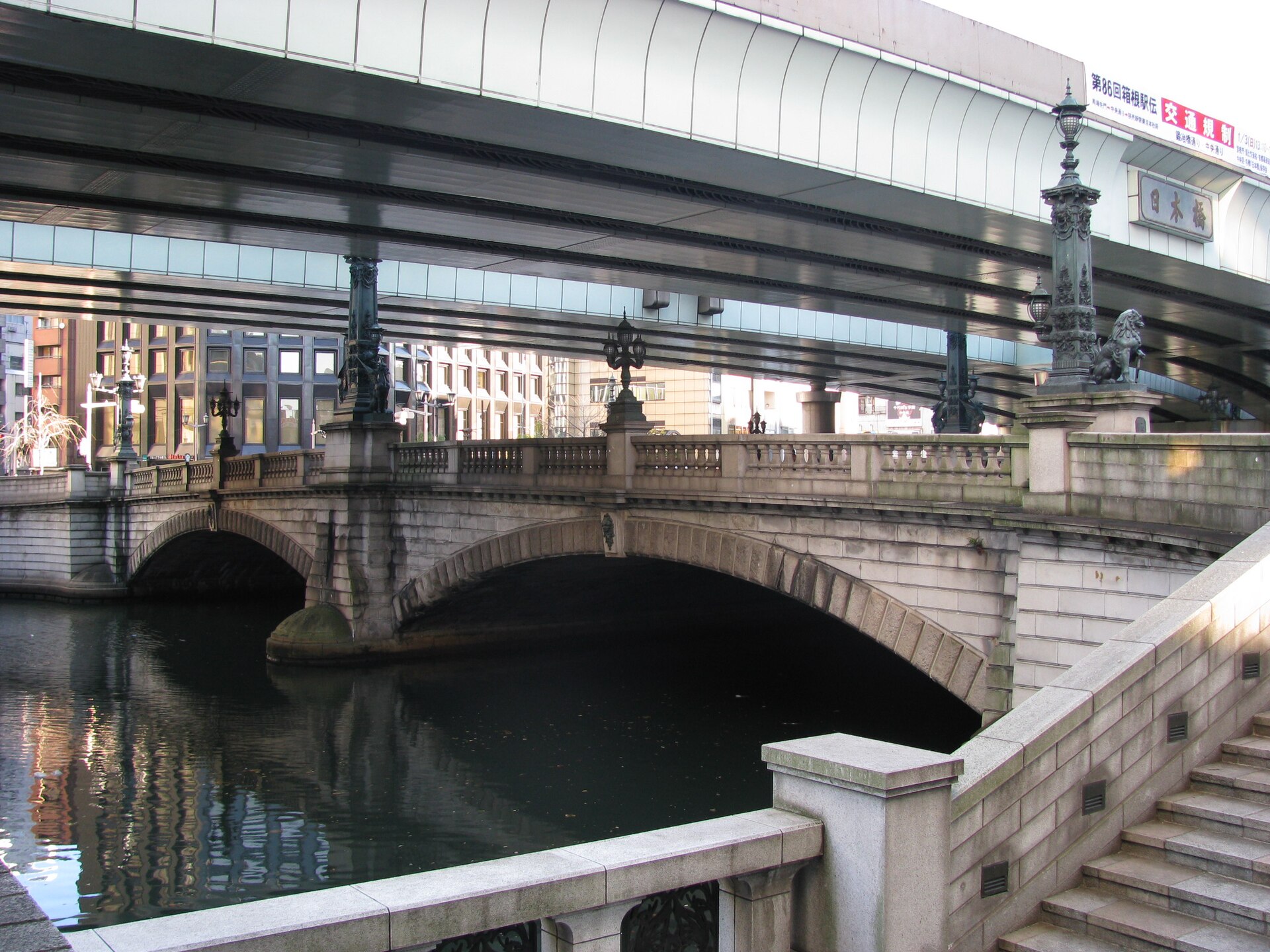
Nihonbashi Bridge
2.5 km · straight line
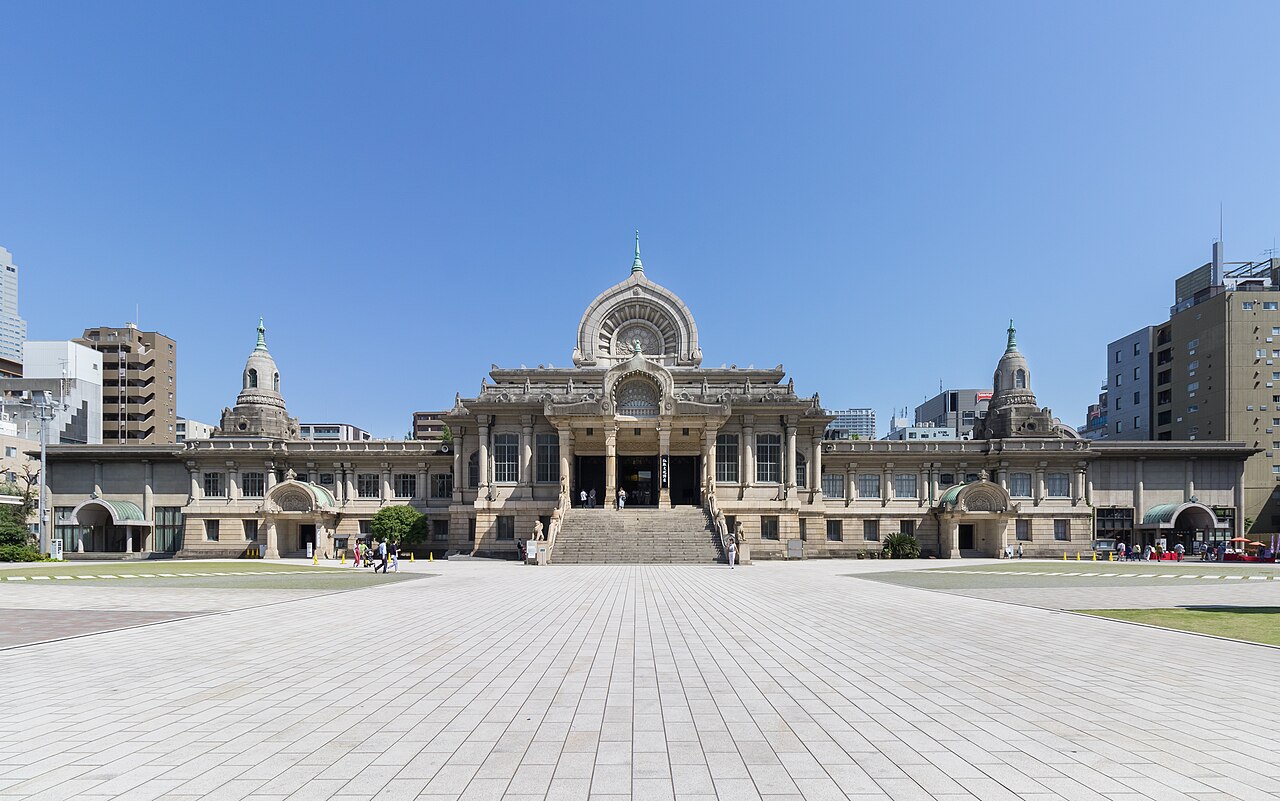 Kakidai / CC BY-SA 4.0
History · Tokyo★★
Tsukiji Hongwanji
2.6 km · straight line
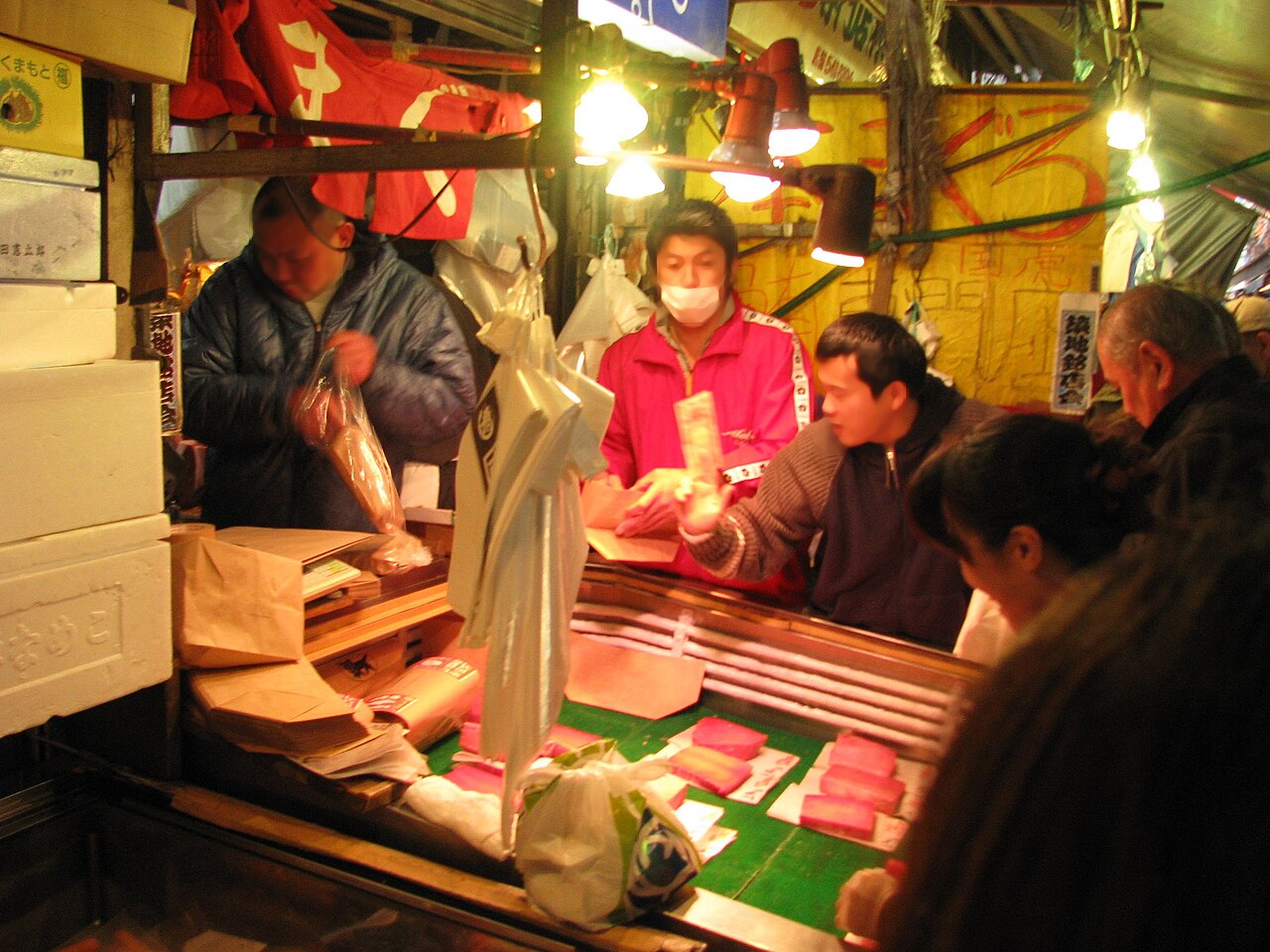 Aimaimyi / CC BY-SA 3.0
Food · Tokyo★★★
Tsukiji Outer Market
2.7 km · straight line
Distances are straight lines on the map, not travel times.