Osaka · Tempozan Bay AreaNo.176★★★Open in map →
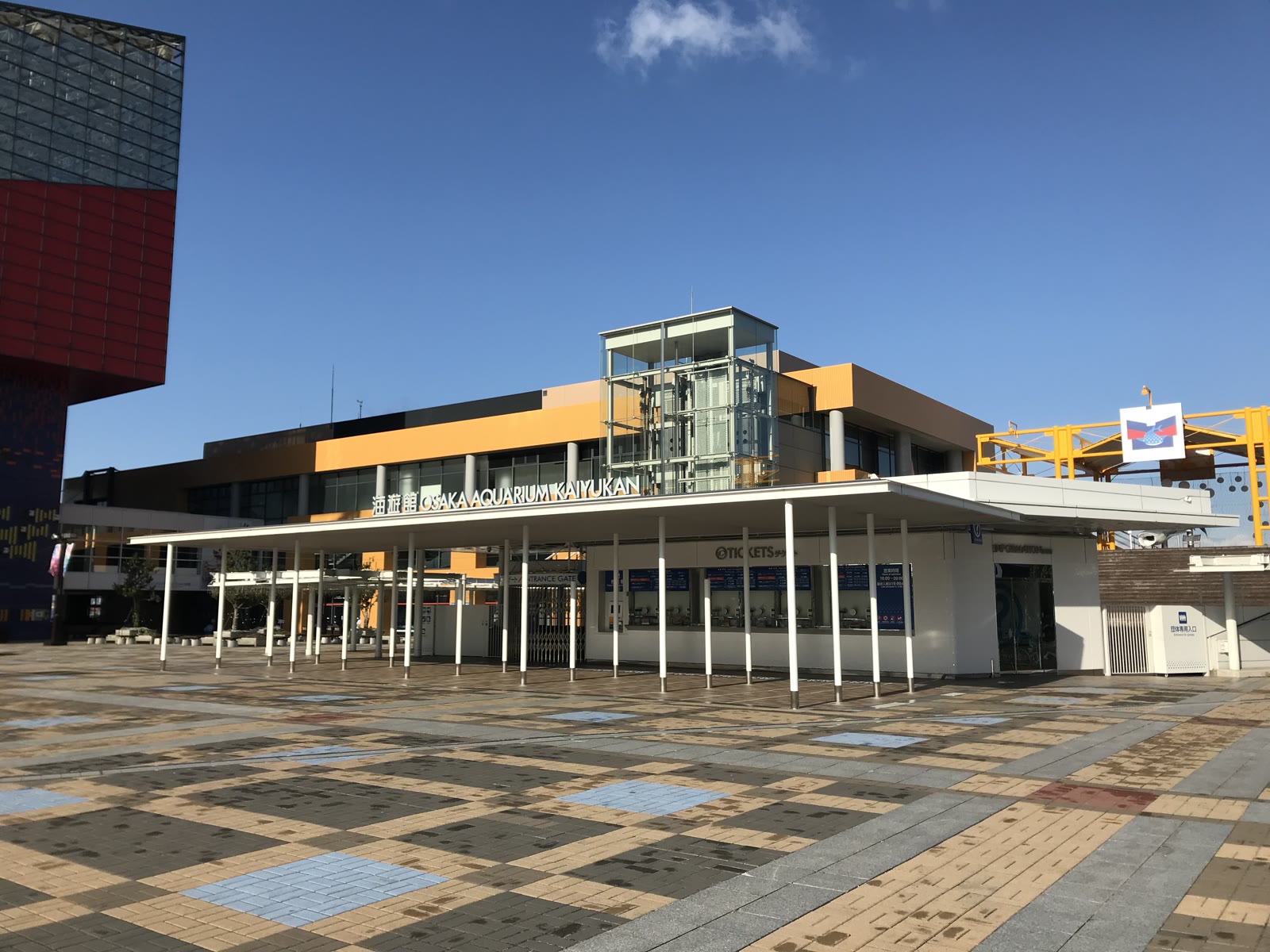
Osaka Aquarium Kaiyukan
One of the world's largest aquariums, on Osaka's bay waterfront. The centrepiece is a 9-metre-deep Pacific Ocean tank where whale sharks circle alongside rays and schools of fish.
- FromOsaka Namba
- ~5 minMetro (frequent)
- Get off atOsakako Station (Osaka Metro Chuo Line, C11)
- On foot
- Osaka Aquarium Kaiyukan
Where it is
40 more notes in Osaka · open the map →What to look for — in walking order
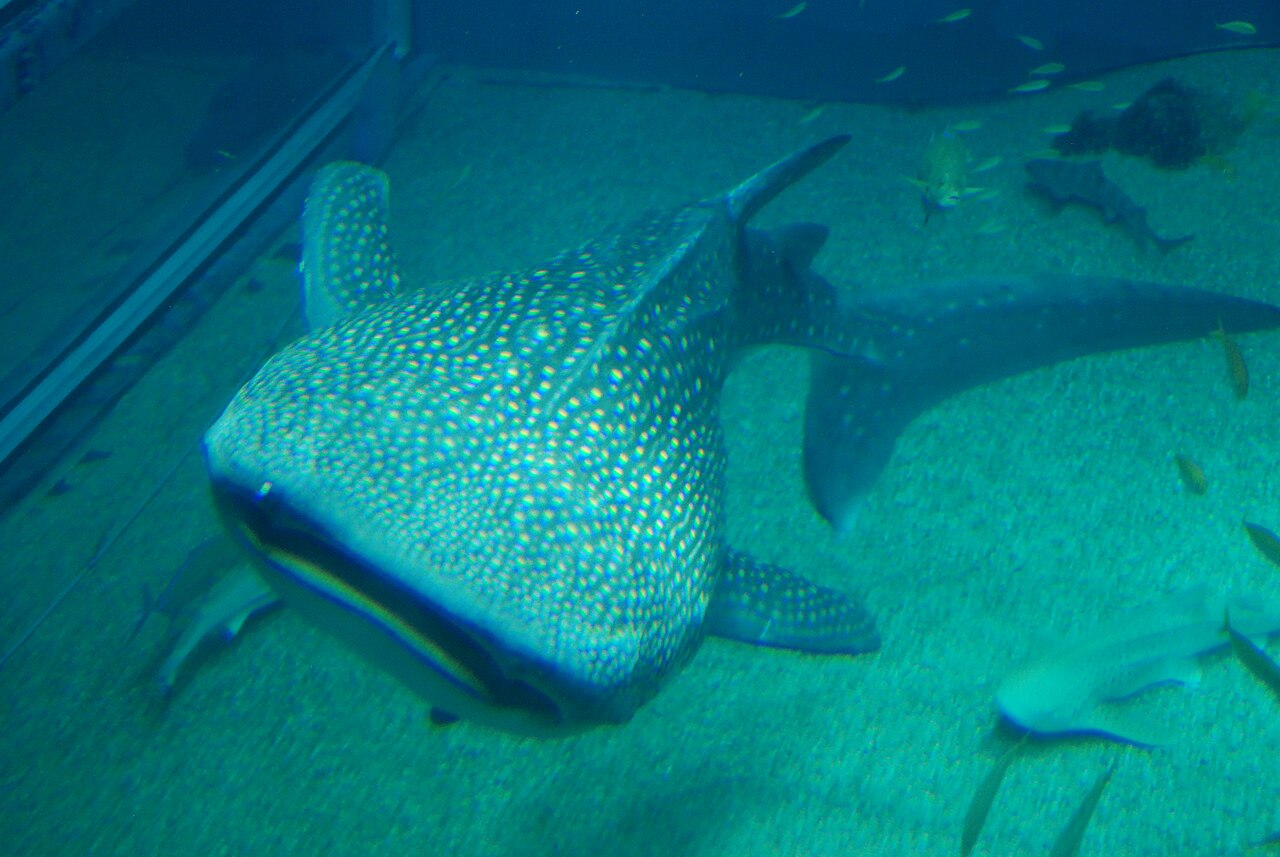
- Pacific Ocean tank entrancethe first view of the central tank from the upper floors, where whale sharks and manta rays glide past at eye level
- Whale sharksthe building's centrepiece: two whale sharks circling the 9-metre-deep, 5,400-cubic-metre Pacific Ocean tank
- Antarctic Ocean sectionthe lowest habitat zone, with gentoo penguins and a cold-water tank recreating sub-polar seas
- Tempozan waterfrontthe area outside the aquarium, with views of Osaka Bay and the Tempozan Ferris Wheel alongside
How to actually get there
- Osaka Namba Station → Osakako Station (Osaka Metro Chuo Line, ~13 min, 4 stops).
- Exit 1 → walk straight toward the bay waterfront (~5 min); Kaiyukan's building is ahead.
- Enter at ground level; follow the spiral ramp upward, then descend through each habitat zone down to the Antarctic level.
- Osaka Namba → Osakako Station (Osaka Metro Chuo Line)
- From Osaka Namba (Osaka-Namba Station), take the Osaka Metro Chuo Line (green) toward Cosmosquare. Ride 4 stops (about 13 minutes) to Osakako Station (C11). Use Exit 1 and walk straight toward the bay — the aquarium's large building is visible ahead, about a 5-minute walk. Trains run every 8–10 minutes.
- Return from Osakako Station any time
- Retrace to Osakako Station and take the Chuo Line back toward Namba or transfer at Honmachi for the Midosuji Line. Last trains run past midnight.
About the place
Kaiyukan opened in 1990 on the Tempozan waterfront and was the world's largest aquarium by tank volume at the time. The building is designed as a spiral descent: visitors enter at the top and walk downward through a series of habitats representing the Pacific Rim — from the Japanese forest and Aleutian Islands at the top, through the open Pacific, and down to the Antarctic Ocean. The central Pacific Ocean tank, 34 metres long and 9 metres deep, contains 5,400 cubic metres of water. Whale sharks, the world's largest fish, are among the most popular residents, along with giant devil rays. In 2022 Kaiyukan became the first aquarium in the world to successfully breed giant devil rays in captivity.
How to enjoy it
Allow two to three hours for the full spiral walk. Admission uses dynamic pricing: around 2,400 yen for adults on quiet weekdays, rising to 2,700 yen on weekends and peak holiday periods. Children's prices vary similarly. The aquarium opens at 10:00 (closing time varies seasonally, often 20:00, last entry 19:00). Weekday mornings from opening are the quietest. After the aquarium, the Tempozan Marketplace complex and the bay waterfront are worth a walk.
Background & history
The aquarium was designed as an anchor attraction for the 1990 Osaka International Garden and Greenery Exposition (Flower Expo) and opened in May of that year. At launch it claimed the world's largest aquarium title by total water volume. It has now welcomed well over 85 million cumulative visitors. Japan was the second country in the world — after Okinawa — to keep whale sharks in captivity, and Kaiyukan was at the centre of that research from the start.
Before you go
- Cash
- Admission uses dynamic pricing: adults approximately 2,400 yen on weekdays up to 2,700 yen on peak days; confirm the exact price for your date on the official site or at the ticket window. IC cards (ICOCA, Suica, PASMO) are accepted on the metro.
- Good to know
- The aquarium can be very busy at weekends and on public holidays, especially during school holiday periods. Strollers are permitted throughout. Photography of the animals is allowed without flash.
- Another way
- From Osaka Station or Umeda, take the JR Osaka Loop Line one stop to Bentencho, then transfer to the Chuo Line to Osakako (3 stops). Total about 20 minutes.
- After you get off
- From Osakako Station Exit 1, walk straight along the seaside promenade (about 5 minutes); the aquarium's large cylindrical building is directly ahead.
Nearby notes
 Jun Maegawa / CC BY-SA 3.0
Entertainment · Osaka★★★
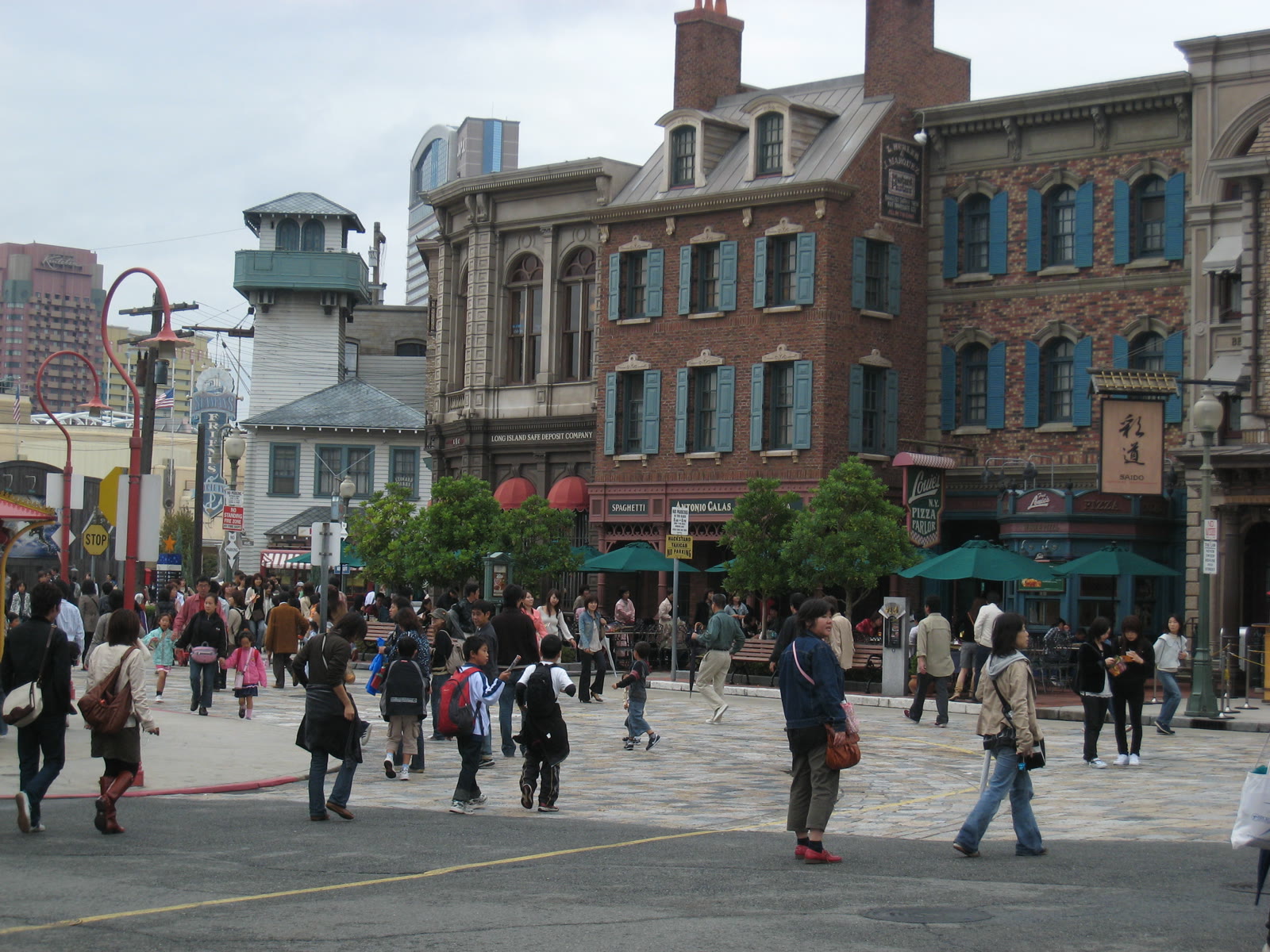
Universal Studios Japan
1.3 km · straight line
 BradBeattie at English Wikipedia / CC BY-SA 3.0
Local life · Osaka★★
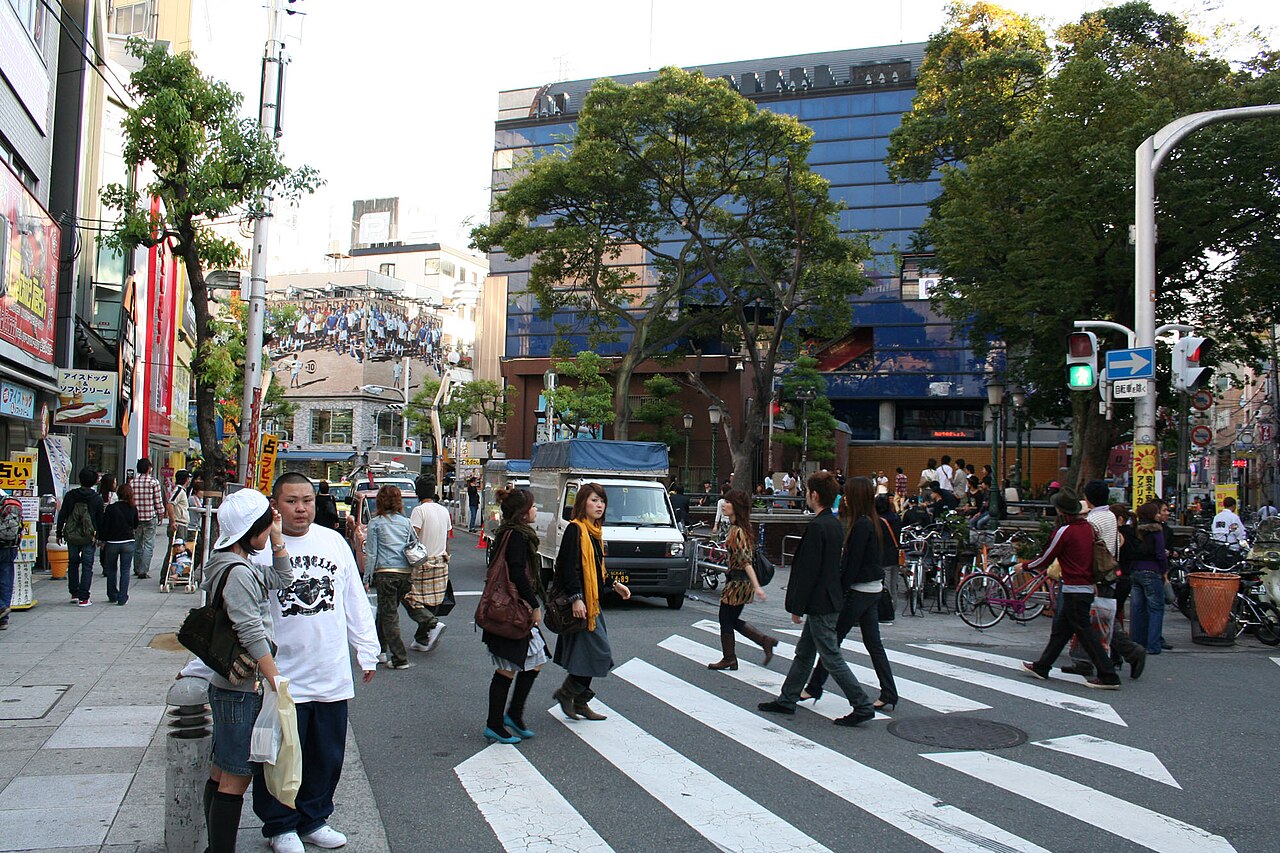
Amerikamura and Triangle Park
6.6 km · straight line
 Sakaori (talk) / CC BY-SA 3.0
Food · Osaka★★★
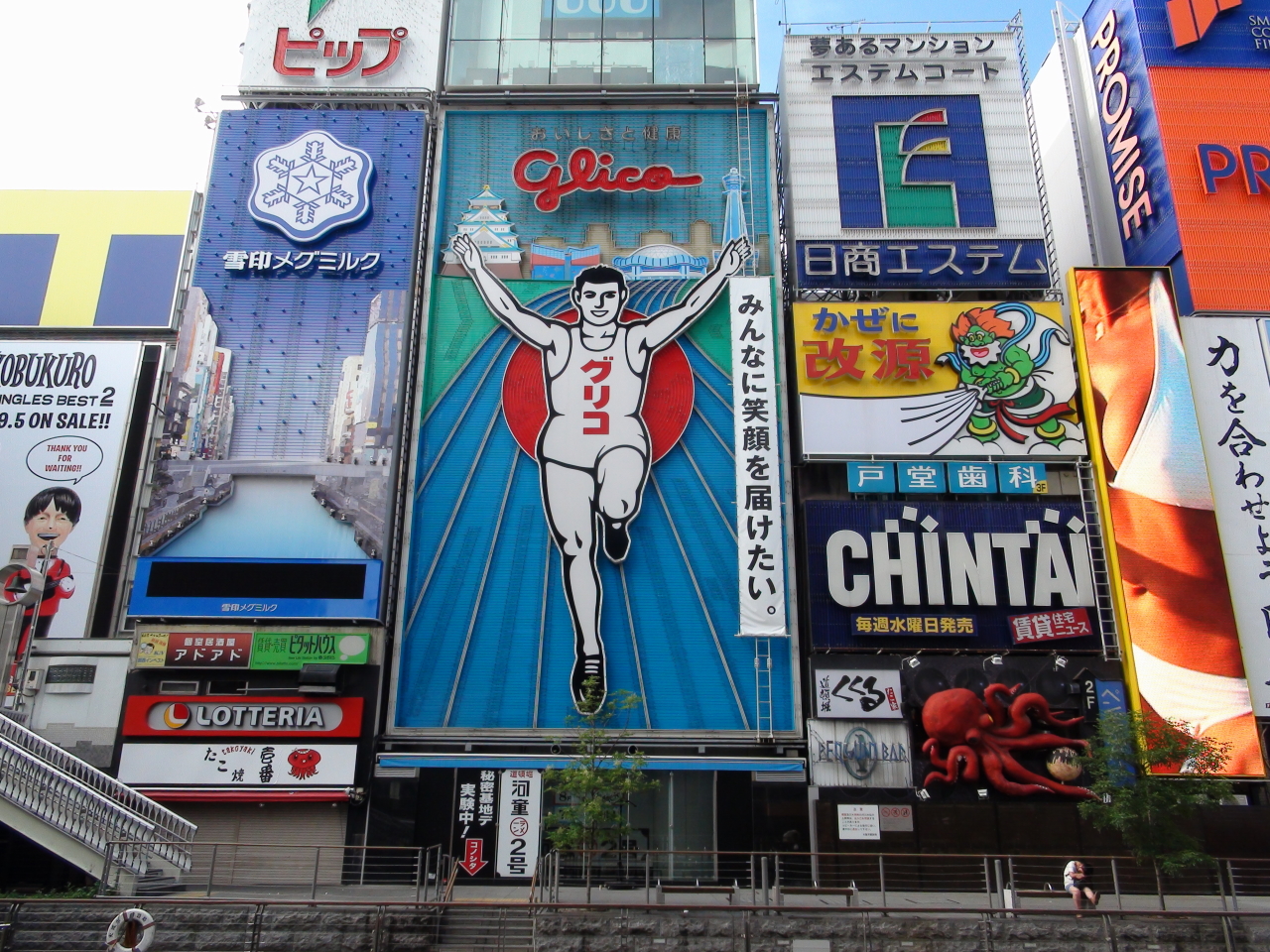
The Glico Sign at Dotonbori
6.8 km · straight line
 lumoplank / CC0
Local life · Osaka★★★
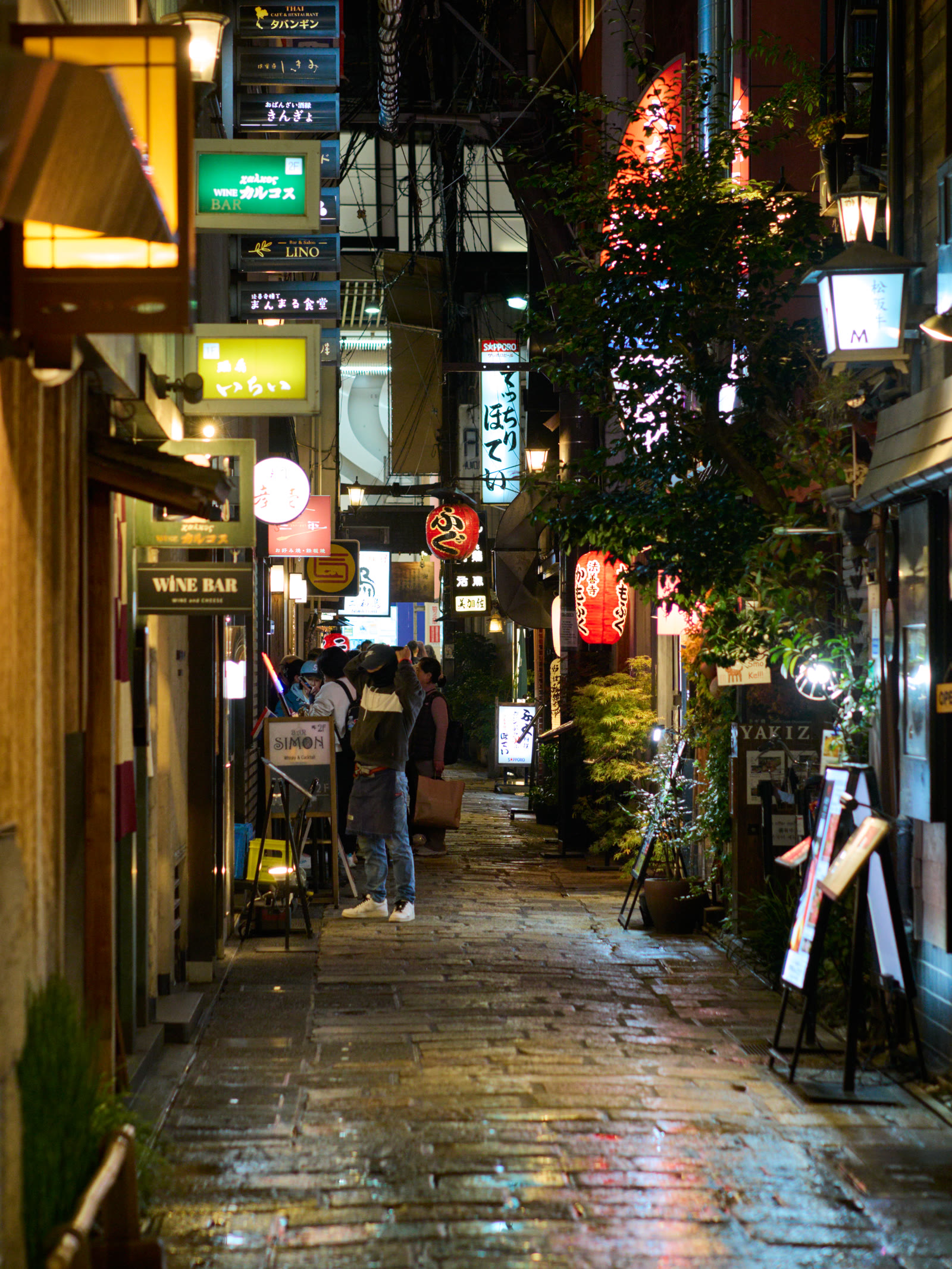
Hozenji Yokocho
6.9 km · straight line
Distances are straight lines on the map, not travel times.