Nara · Sakurai / MiwaNo.147★Open in map →
Miwa
— the Omiwa Shrine gate and somen's birthplace
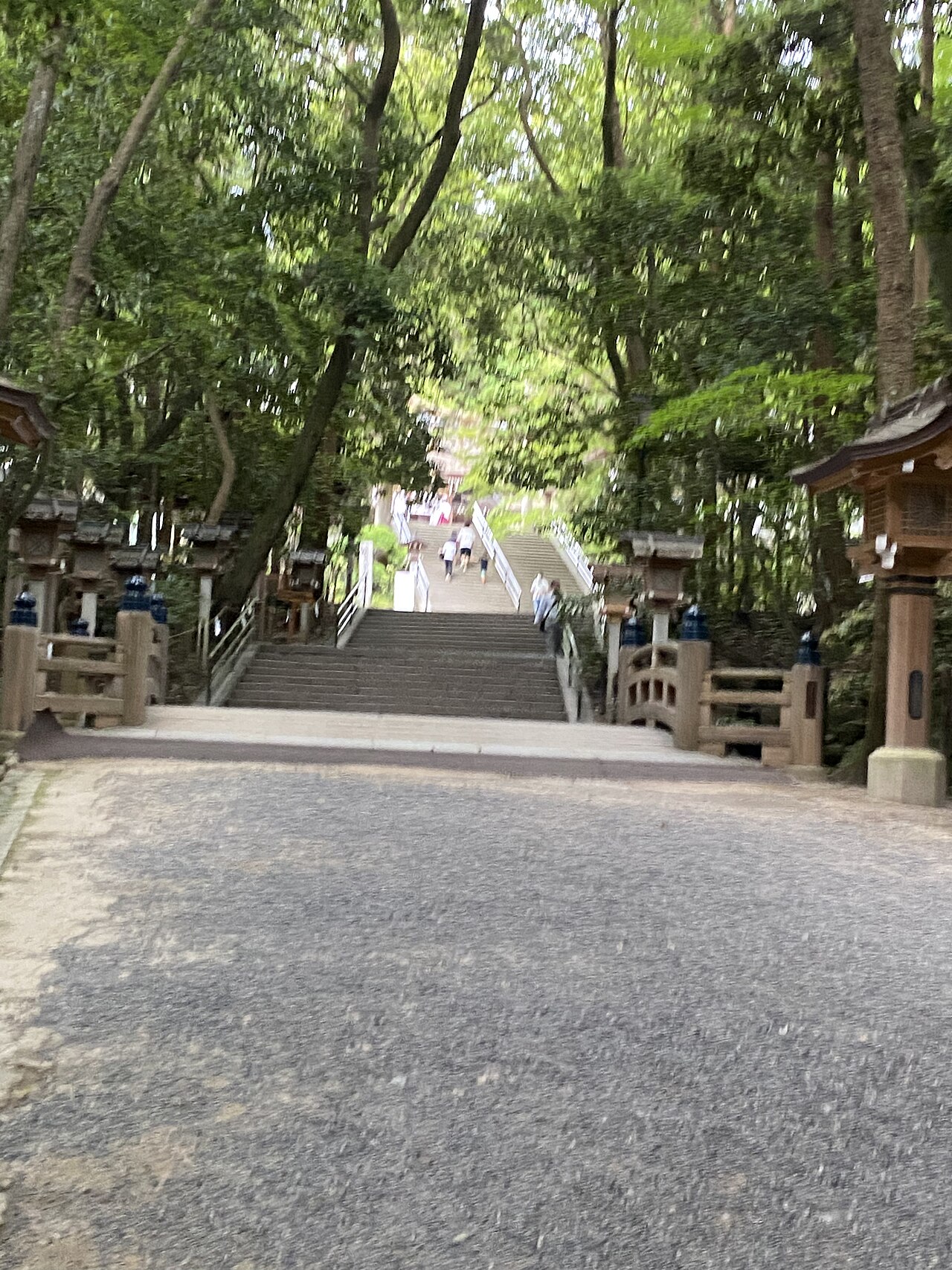
At the foot of Mt. Miwa in Sakurai, Nara, the lane in front of Omiwa Shrine — one of Japan's oldest — has produced hand-stretched somen noodles for some 1,300 years.
- FromNara Stn
- ~25 mintrain ~2/hour
- Get off atMiwa Station (JR)
- On foot
- Miwa
The sweet spot
Miwa sits about 25 minutes from Nara on a local train line that few visitors from outside Japan know. There is little travel information in English, and it is off the main Kyoto–Nara tourist route, so the short lane in front of the shrine stays unhurried; part of it is still occupied by families who make somen behind their old wooden shopfronts.
Where it is
32 more notes in Nara · open the map →What to look for — in walking order
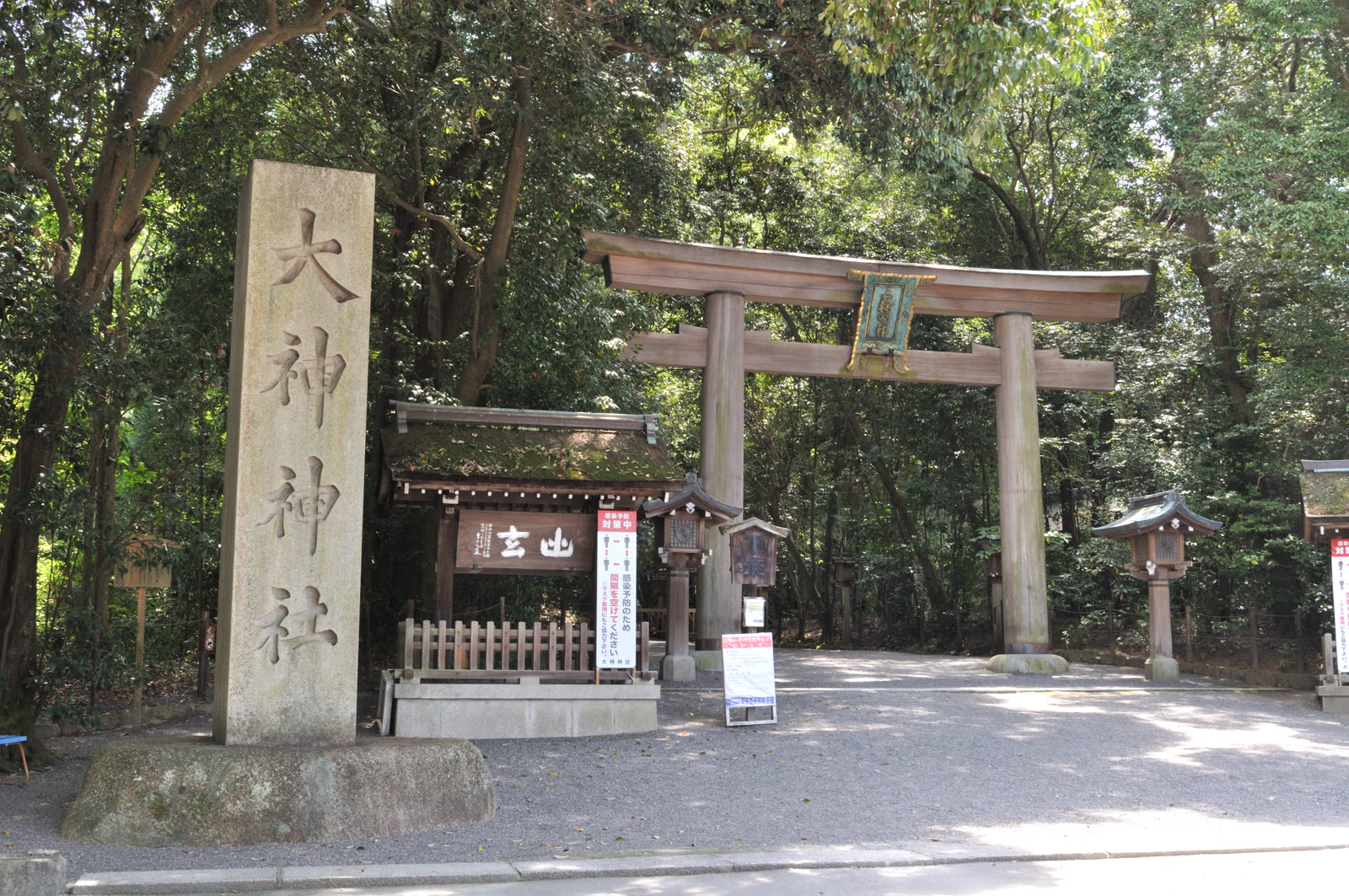
- Miwa Station approach lanethe paved lane leading from the station straight to the shrine gate, lined with monzen shops
- Omiwa Shrine toriithe gateway to one of Japan's oldest shrines, whose sacred body is Mt. Miwa itself
- GI-registered Miwa Somenhand-stretched noodles protected under Japan's Geographical Indication system since 2016
- Nyumen in winterthe same thin noodles served warm in a hot dashi broth — the seasonal way to eat them
How to actually get there
- Nara Station → Miwa Station (JR Manyo Mahoroba / Sakurai Line, direct, ~25 min).
- Miwa Station → Omiwa Shrine torii gate (walk along the approach lane, ~5 min).
- Walk the shrine-front lane and look for shops serving nyumen or selling bundled somen; winter is the cold-drying season.
- Coming from Kyoto: Kyoto Station → Nara Station first (JR Nara Line, ~45–50 min), then transfer.
- JR Manyo Mahoroba Line from Nara (direct)
- Nara Station →(JR Manyo Mahoroba Line, also called the Sakurai Line, direct with no transfer, ~25 min, 330 yen)→ Miwa Station. From Miwa Station it is about a 5-minute walk to Omiwa Shrine. Trains run roughly twice an hour in the daytime. Coming from Kyoto, first take the JR Nara Line to Nara Station (~45–50 min), then change to the Manyo Mahoroba Line.
- return to Nara on the same line
- Return trains from Miwa Station to Nara run on the same line, roughly twice an hour, until the evening. There are no invented last-train times here — check the return times posted at Miwa Station when you arrive, especially if you plan to continue on to Osaka or Kyoto.
About the place
Miwa is a small district in Sakurai City, Nara, spread below Mt. Miwa — the sacred mountain worshipped as the body of the deity at Omiwa Shrine. Official Japanese sources record this area as the birthplace of somen, a thin wheat noodle stretched by hand into fine threads, with production said to have begun here roughly 1,300 years ago. The noodles made here are protected as 'Miwa Somen' under Japan's Geographical Indication system, registered in 2016. Makers still use the traditional method of stretching oiled dough into fine threads, and the cold, dry winters of the valley are considered ideal for drying them. In summer the noodles are eaten cold; in winter they are served warm in a hot broth and called nyumen.
How to enjoy it
Visit in winter, when the cold-drying season is at its peak and warm nyumen is on the menus of the shops in front of the gate. Combine a walk up to Omiwa Shrine with a bowl of local somen, and look for bundles labelled with the cold-drying season.
Background & history
Omiwa Shrine is regarded as one of the oldest Shinto shrines in Japan; it has no main hall — Mt. Miwa itself is the object of worship. A legend recorded in official histories credits a member of the shrine's priestly family with creating somen to help people in famine and disease: he sowed wheat in Miwa's soil and stretched the flour into threads. References to early noodle-making appear in documents from around the 8th century, and by the Edo period (1603–1868) Miwa somen was praised in print as among the finest in Japan. Each year on February 5, the shrine holds a ritual said to forecast that year's somen prices.
Before you go
- Cash
- Small shops in front of the shrine gate are often cash only, which is common in rural Japan — carry some cash and coins.
- Good to know
- The lane is quiet on weekdays. The shrine grounds are a place of worship, so keep your voice low on the approach path.
- Another way
- From Sakurai Station, one stop south, you can walk the old Yamanobe-no-Michi pilgrimage path north to Miwa in about 30 minutes.
- After you get off
- From Miwa Station, cross the road and follow the approach lane straight toward the torii (the shrine gateway) — about a 5-minute walk on a paved lane.
Nearby notes
 Tawashi2006 / CC BY-SA 3.0
History · Nara★★★
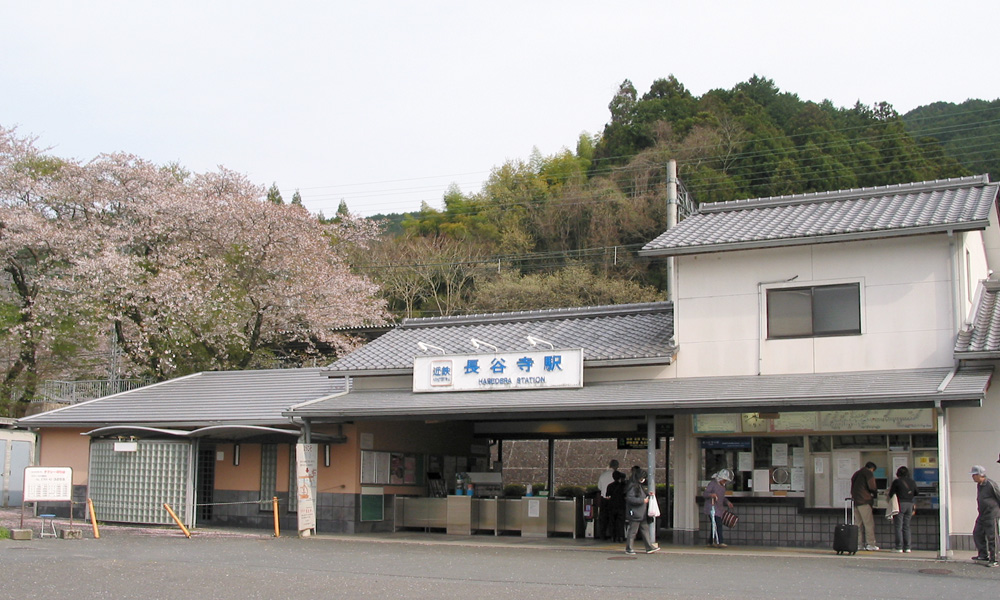
Hasedera Temple
5.3 km · straight line
 At by At / CC BY-SA 3.0
History · Nara★★
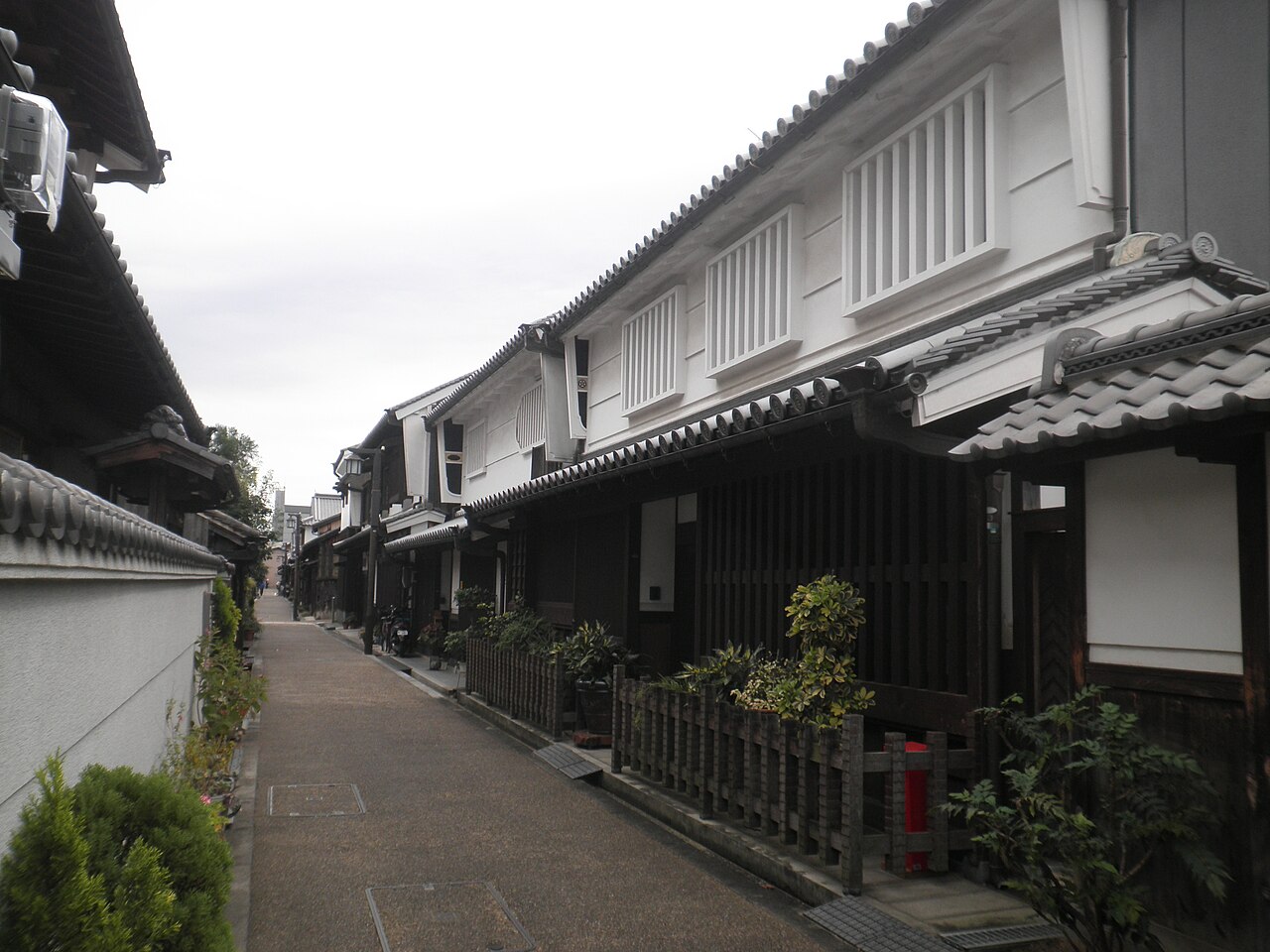
Imai-chō
6.3 km · straight line
 663highland / CC BY 2.5
History · Nara★★
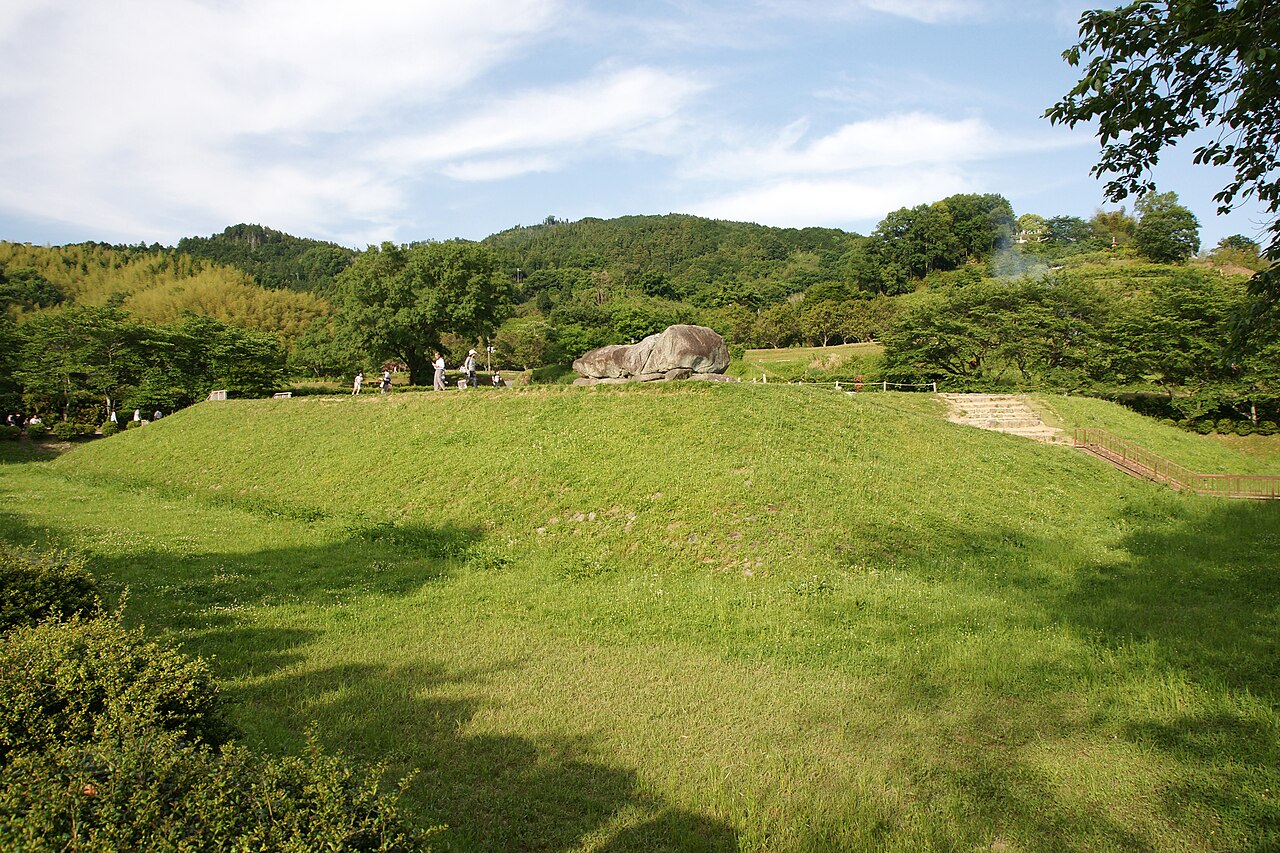
Ishibutai Kofun
7.2 km · straight line
 Maechan0360 / CC BY-SA 3.0
History · Nara★★
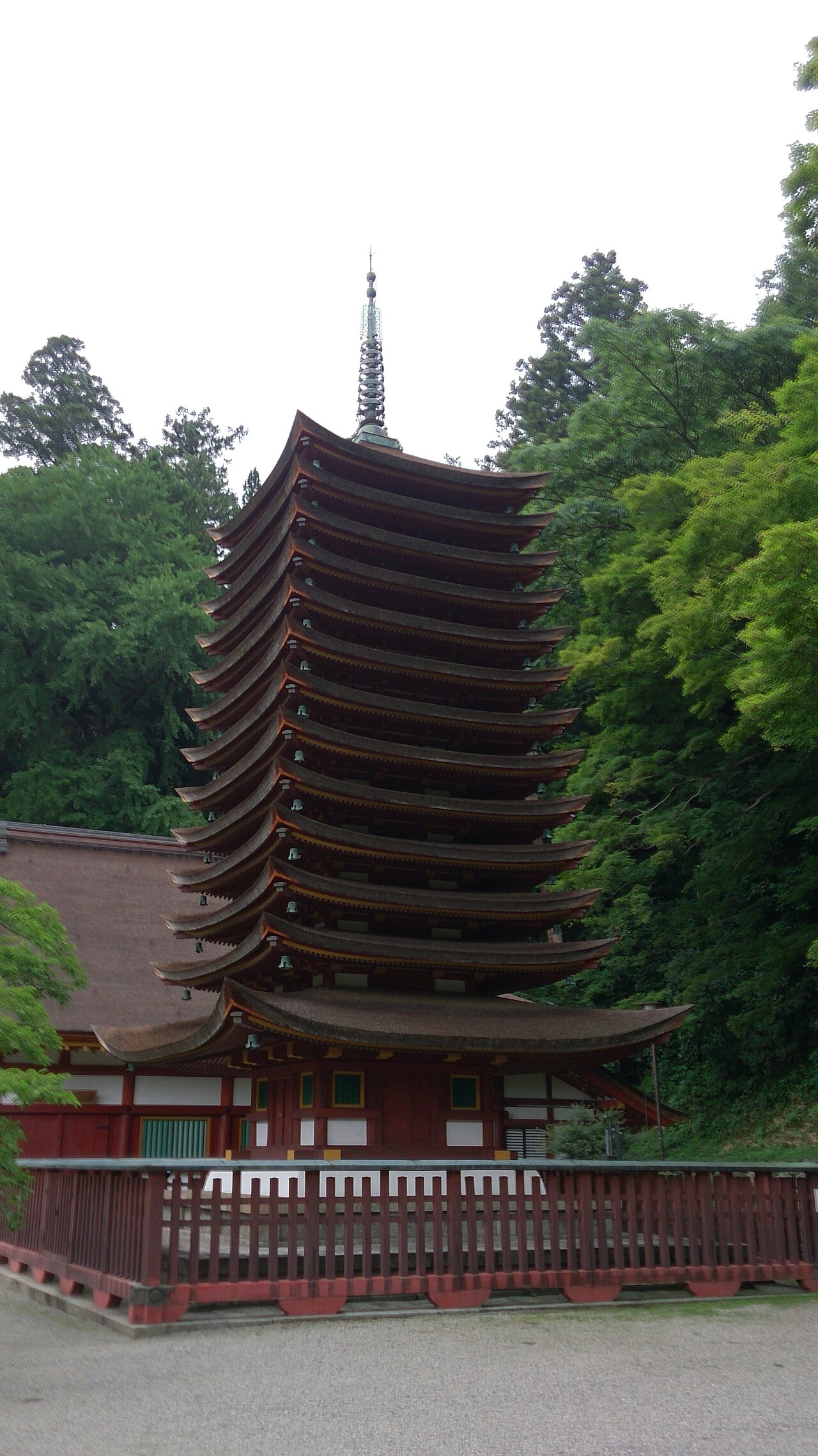
Tanzan Shrine
7.3 km · straight line
Distances are straight lines on the map, not travel times.