Tokyo · Roppongi / NogizakaNo.326★★★Open in map →
The National Art Center
A national museum in Roppongi that holds no permanent collection and exists purely to host temporary exhibitions, with roughly 14,000 square metres of gallery space — the largest in Japan — behind an undulating glass facade designed by Kurokawa Kishō.
- FromTokyo Stn
- ~20 minmetro (direct exit)
- Get off atNogizaka Station (Tokyo Metro Chiyoda Line, C-05), Exit 6
- On foot
- The National Art Center
Where it is
77 more notes in Tokyo · open the map →What to look for — in walking order
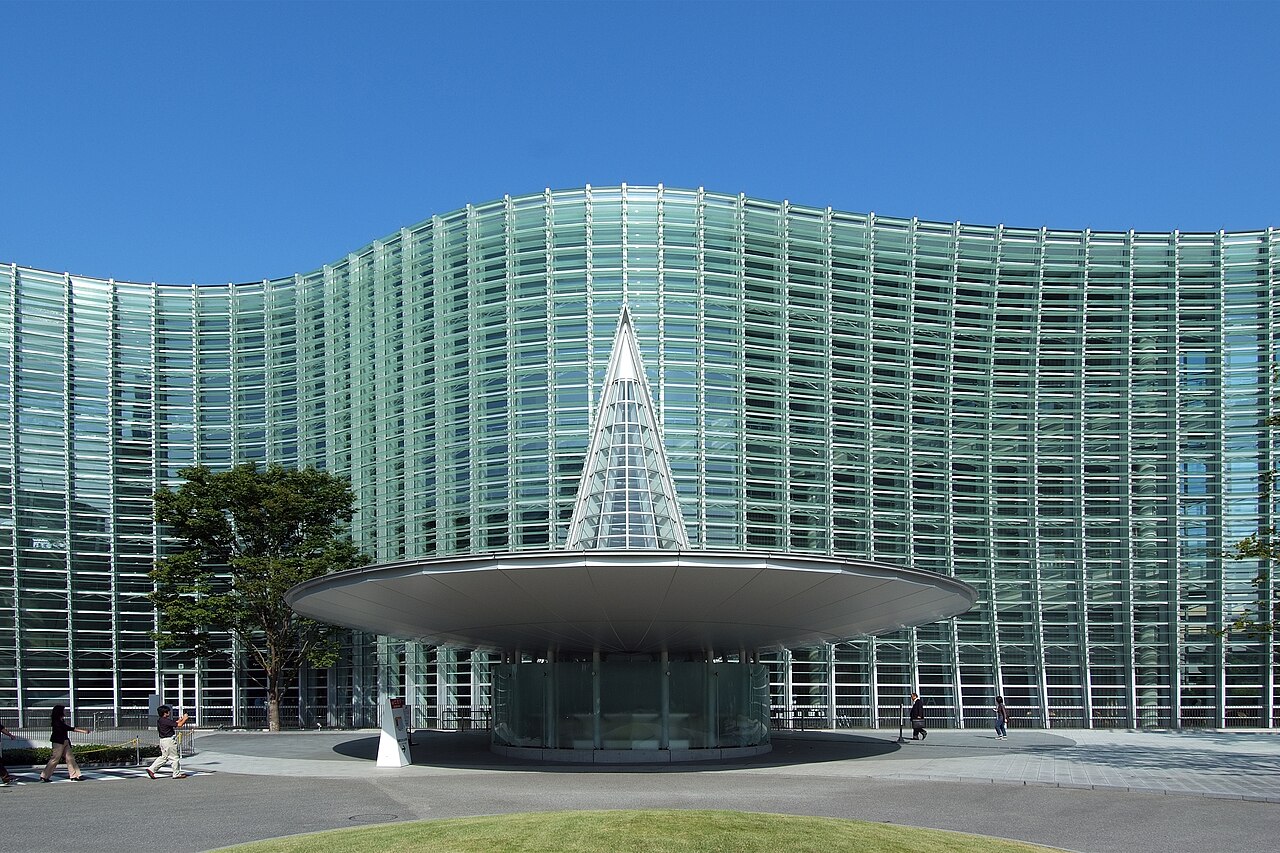
- The undulating glass curtain wallthe three-storey east front, curving in and out along its full length so the reflected sky distorts as you walk the pavement outside
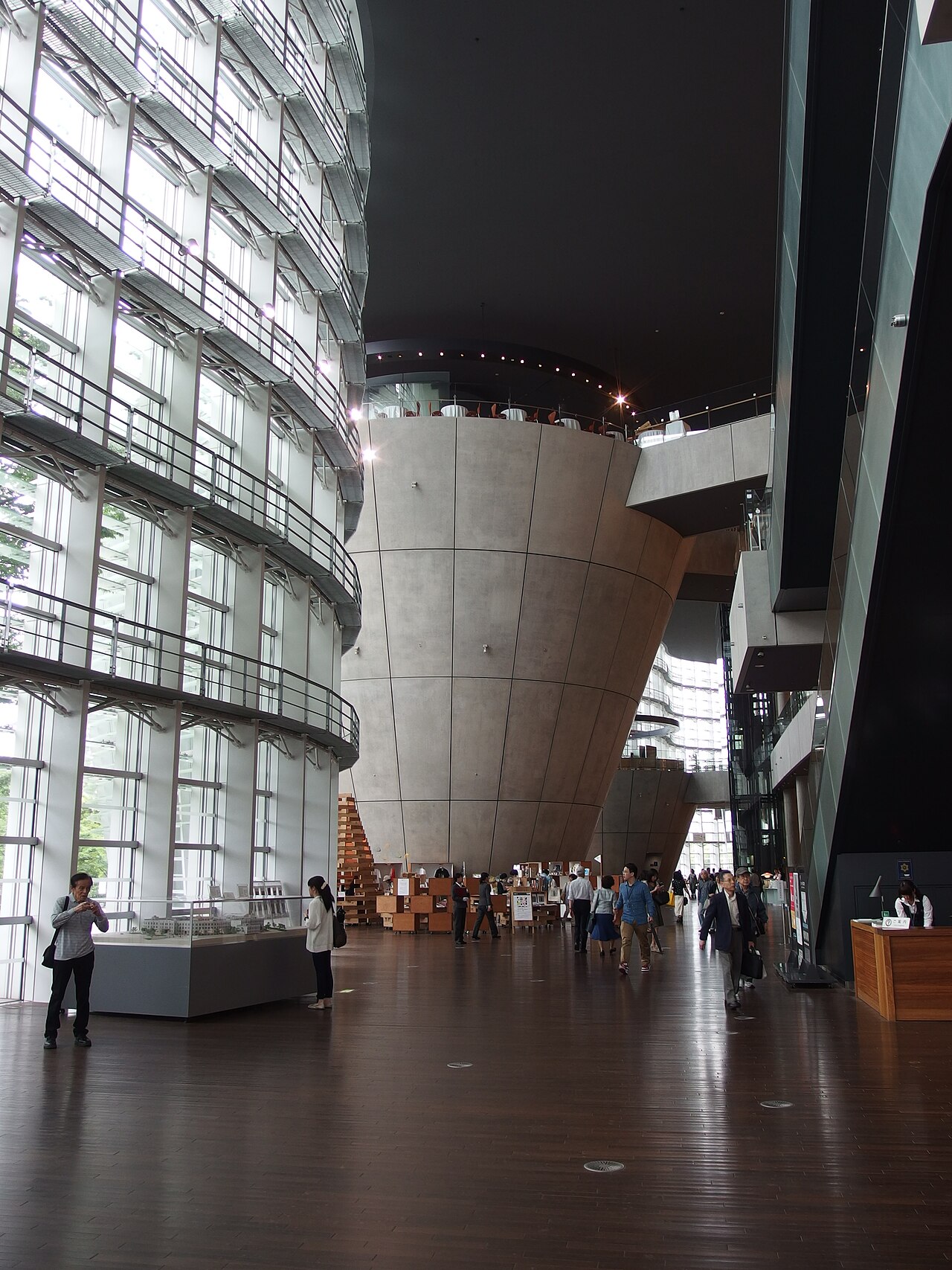
- The atrium and the two inverted conesbare concrete cones widening as they rise through the full-height hall, each topped by a café or restaurant reached by lift and bridge
- Whichever exhibitions are runningalways temporary and always several at once — major international shows alongside the annual open exhibitions of Japan's artist associations
- Souvenir from Tokyo and the Art Librarythe basement museum shop and the reference library, both free to enter without an exhibition ticket
How to actually get there
- Tokyo Station → Kokkai-gijidomae Station (Tokyo Metro Marunouchi Line, ~5 min).
- Kokkai-gijidomae Station → Nogizaka Station (transfer to the Chiyoda Line, 2 stops, ~4 min).
- Nogizaka Exit 6 → directly into the building; atrium and cones → whichever exhibition is running → Souvenir from Tokyo shop and the Art Library (both free).
- Tokyo Stn →(Marunouchi Line)→ Kokkai-gijidomae →(Chiyoda Line)→ Nogizaka Stn, Exit 6
- Tokyo Station →(Tokyo Metro Marunouchi Line toward Ogikubo, ~5 min)→ Kokkai-gijidomae Station →(transfer to the Chiyoda Line toward Yoyogi-uehara, 2 stops, ~4 min)→ Nogizaka Station. Exit 6 connects directly into the museum building, so you never go outside. Total about 20 minutes; both lines run every few minutes.
- Return from Nogizaka or Roppongi Station
- Nogizaka is on the Chiyoda Line for Omotesando and central Tokyo. Roppongi Station, about 5 minutes on foot, is on the Hibiya Line (H-04) and the Toei Oedo Line (E-23), which reach Ginza, Ueno and Shinjuku directly. Trains run frequently until past midnight.
About the place
The east front is a three-storey wall of glass that curves in and out along its whole length, so the reflection of the sky bends as you walk past it. Behind that wall is a full-height atrium, and standing in it are two enormous inverted cones of bare concrete, widening as they rise, each carrying a café or a restaurant on its flat top — you take a lift or a bridge up into them. This is the last major work of Kurokawa Kishō, who died in the year it opened. The idea behind it is stranger than the architecture: the National Art Center has no permanent collection at all. Nothing here belongs to the building. It has roughly 14,000 square metres of exhibition space, the largest of any museum in Japan, and it fills that space entirely with temporary shows — major international exhibitions on one side, and on the other the annual open exhibitions of Japan's artist associations, which is how thousands of working artists get wall space in central Tokyo every year. The practical consequence for a visitor is that what is on changes completely every few weeks, and that the building itself is the only constant. Which is why the atrium, the shop and the library are free: you are allowed to come for the architecture and never buy a ticket.
How to enjoy it
Check the exhibition calendar before you come — the programme turns over completely every few weeks, and there are dead periods between changeovers when little is open. If nothing on the schedule appeals, come anyway and pay nothing: the atrium, the shop and the library are open to anyone. Friday and Saturday evenings are the quietest good time to see a major show, since the hours run late during most exhibitions. Combining it with the Mori Art Museum and the Suntory Museum of Art makes a full day within one district, all three within a short walk of Roppongi Station.
Background & history
The museum opened in 2007 as the fifth national art museum in Japan and the first built without a collection of its own — a deliberate break from the standard museum model, conceived as a venue rather than a holder of works. The building was designed by Kurokawa Kishō, a founding figure of the Metabolist movement in post-war Japanese architecture, and was among the last major projects completed before his death later that same year. Its undulating glass curtain wall and the two inverted concrete cones in the atrium have made it one of the most recognisable pieces of twenty-first-century architecture in Tokyo.
Before you go
- Cash
- Entry to the building, the atrium, the museum shop and the Art Library is free — you pay only for the exhibitions, and each exhibition is ticketed separately. Cards and IC payment are accepted at the ticket counters, shop and restaurants.
- Good to know
- Open 10:00–18:00, with last entry 30 minutes before closing. Closed on Tuesdays; when a Tuesday falls on a public holiday the museum opens and closes the following weekday instead. During most exhibition runs the opening hours are extended on Friday and Saturday evenings — check the official site for the current show. There are also longer closures between exhibition changeovers, so confirm before making a special trip.
- Another way
- Roppongi Station (Hibiya Line H-04 / Toei Oedo Line E-23) is about 5 minutes on foot and is the better choice if you are also visiting the Mori Art Museum or the Suntory Museum of Art, which with this building form the Roppongi Art Triangle.
- After you get off
- From Nogizaka Station, take Exit 6 — it opens straight into the museum, with no street walking involved.
Nearby notes
 Kakidai / CC BY-SA 4.0
Culture · Tokyo★★★
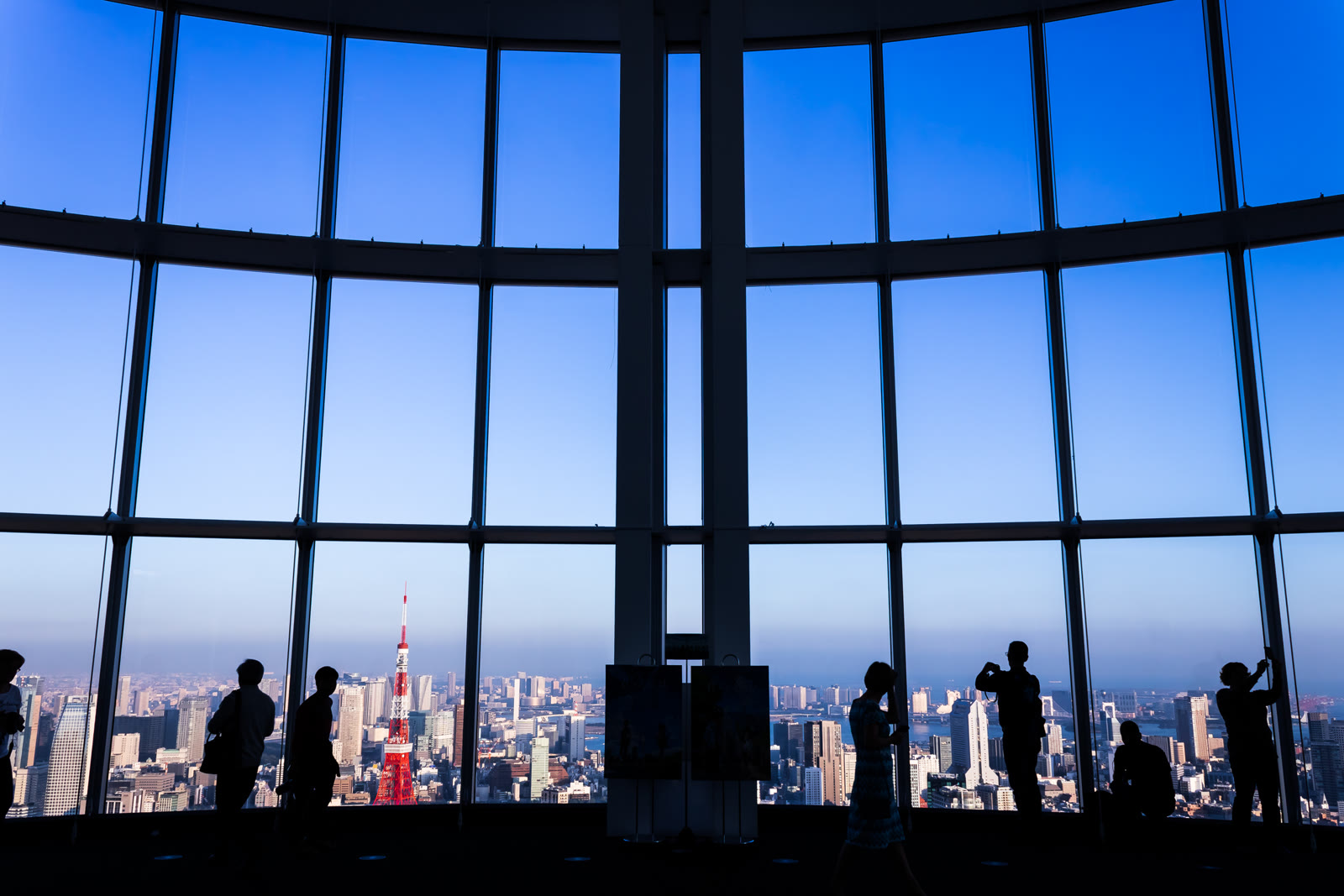
Mori Art Museum & Tokyo City View
0.6 km · straight line
 Dick Thomas Johnson from Tokyo, Japan / CC BY 2.0
Nature · Tokyo★★★
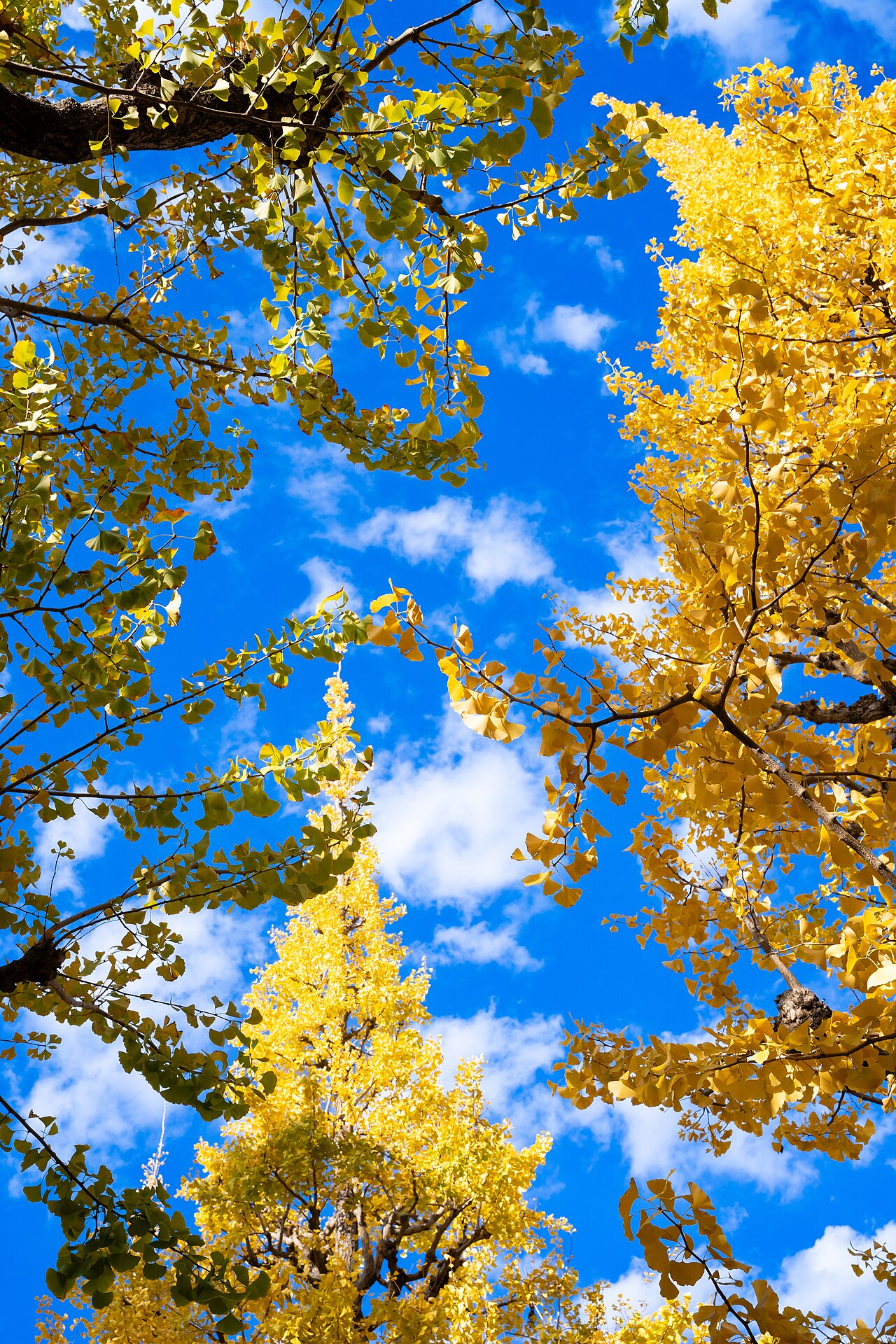
Jingu Gaien Ginkgo Avenue
1.2 km · straight line
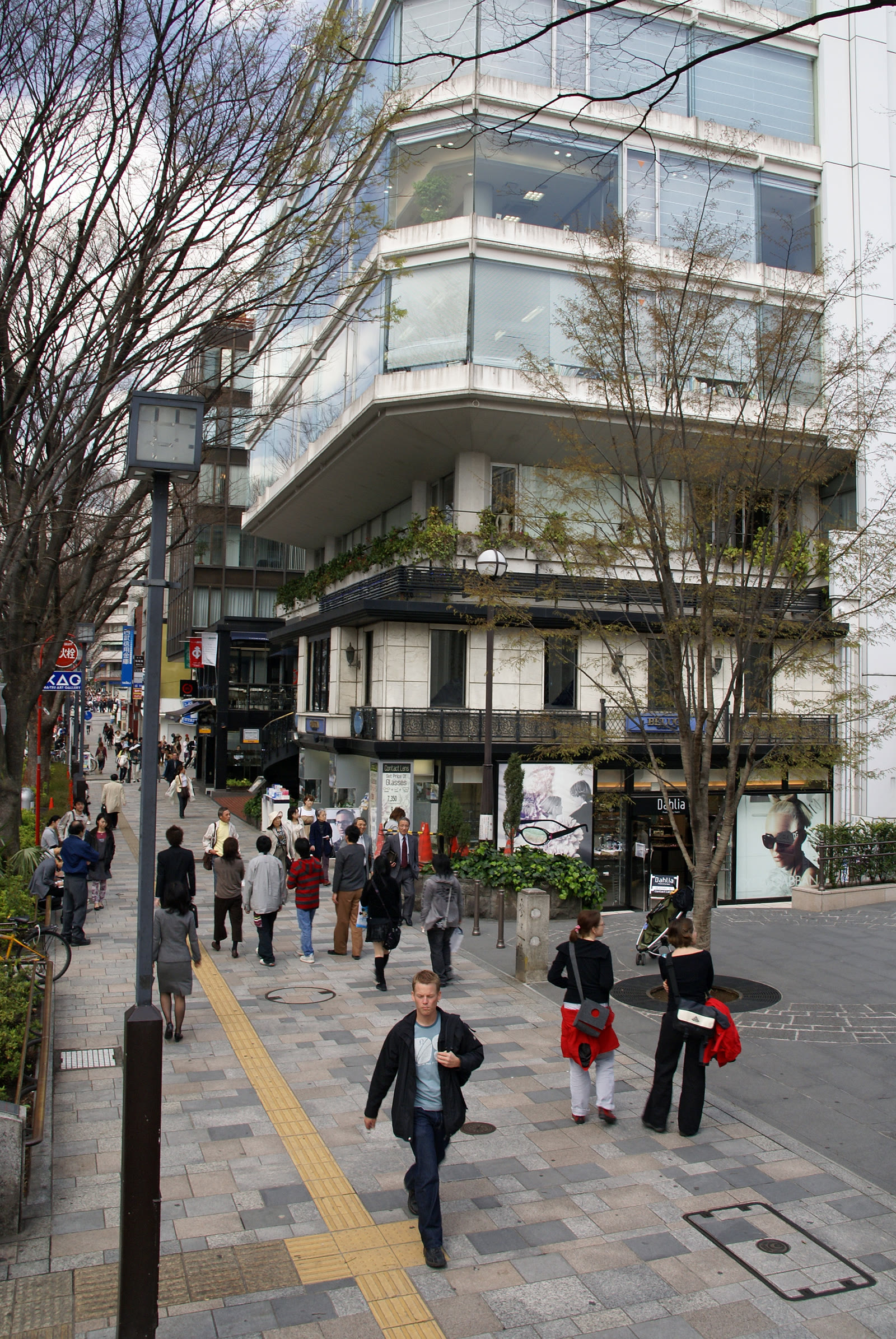 663highland / CC BY 2.5
Local life · Tokyo★★★
Omotesando
1.6 km · straight line
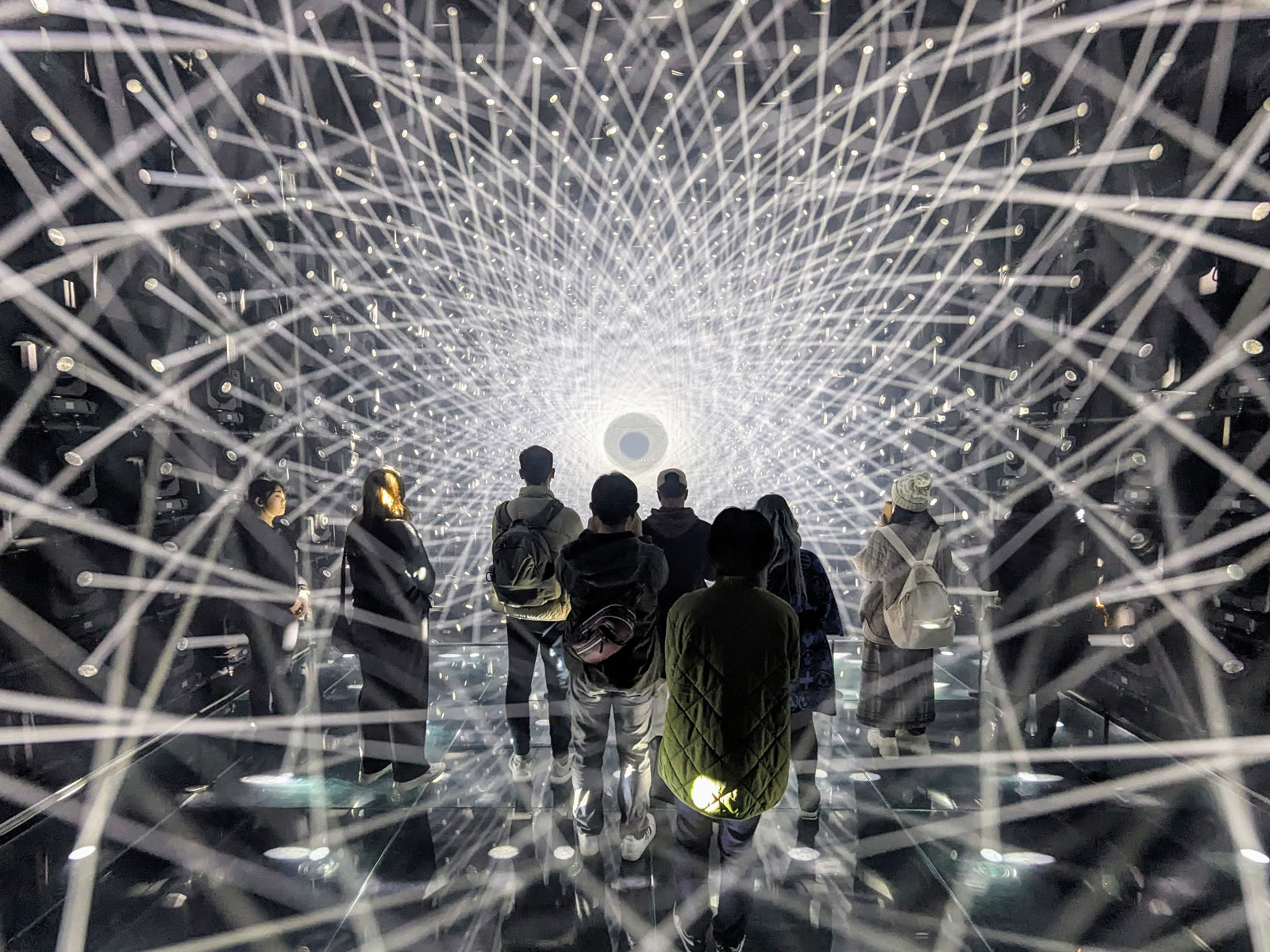 DannyWithLove / CC BY-SA 4.0
Entertainment · Tokyo★★
teamLab Borderless
1.6 km · straight line
Distances are straight lines on the map, not travel times.