Saitama west · OgawaNo.086★Open in map →
Ogawa Washi Learning Center
— where you make UNESCO-listed paper
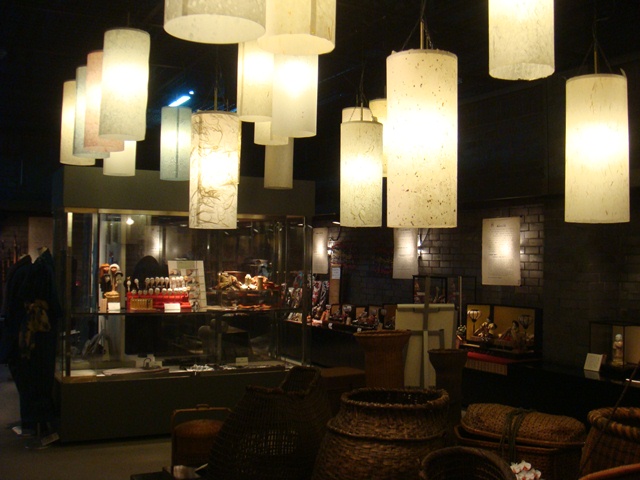
A hands-on hand-papermaking center in Ogawa Town, Saitama, run by the town. Visitors dip their own sheets of kozo washi inside a former prefectural paper research building.
- FromIkebukuro Stn
- ~60–75 mintrain + 10-min walk
- Get off atOgawamachi Stn
- On foot
- Ogawa Washi Learning Center
The sweet spot
Most travellers know washi only as a museum word, and there is little English information about visiting the town that still makes it. Reaching it takes a full train ride out of Tokyo plus a transfer on the quiet northern end of the line, so the working papermaking town stays off the main tourist flow.
Where it is
19 more notes in Saitama · open the map →What to look for — in walking order
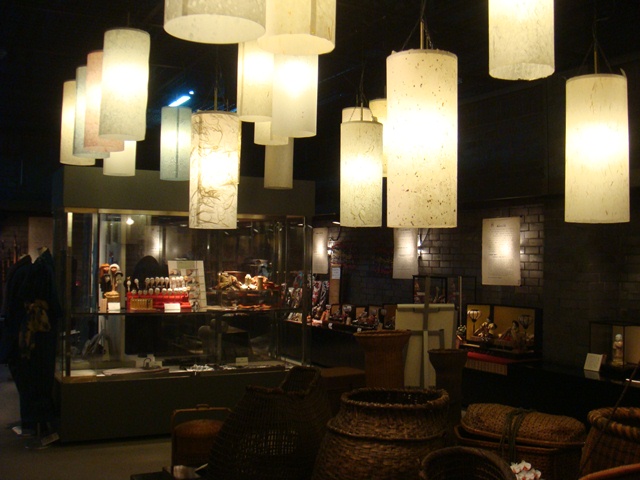
- 1936 research buildinga former Saitama prefectural paper testing facility, reopened as a learning center in 1999
- Tsuki River settingthe clean water of the town's own river, credited with nurturing its papermaking tradition
- Dip your own sheetguided courses let you prepare kozo pulp and hand-dip a sheet of washi to take home
- Hosokawa paperthe local UNESCO-listed handmade washi that the center is dedicated to teaching
How to actually get there
- Ikebukuro Stn → Ogawamachi Stn (Tobu Tojo line, Rapid Express, ~60 min).
- If your train stops at Shinrin-koen Stn: change there to the local train to Ogawamachi (~15 min).
- Ogawamachi Stn → the center (about 10 min on foot).
- Tobu Tojo line (train only)
- Ikebukuro Stn in Tokyo →(Tobu Tojo line, Rapid Express, ~60 min)→ Ogawamachi Stn. Total about 60–75 min. In the daytime, many trains only run as far as Shinrin-koen Stn — if so, get off there and change to the local train for the last few stops to Ogawamachi. Trains on that final stretch run only about twice an hour, so check the next departure before you leave.
- return by train
- The center closes at 16:00, so finish your papermaking before then. Take the Tobu Tojo line back from Ogawamachi Stn toward Ikebukuro. Daytime trains on this northern stretch are infrequent (about twice an hour) — check the return departure times posted at the station when you arrive.
About the place
Ogawa Town sits in the low hills of central Saitama, about 70 minutes by train northwest of central Tokyo. The clean water of the Tsuki River long supported local papermaking. The Ogawa Washi Experience Learning Center opened in 1999 inside a 1936 building that once served as a Saitama prefectural paper research and testing facility. Its courses use locally grown kozo — paper mulberry, the plant whose bark fiber becomes washi — as the sole raw material, and participants hand-dip their own sheets on a bamboo screen. The center is the gateway to Hosokawa paper, the local handmade washi that UNESCO added to its Intangible Cultural Heritage list in 2014.
How to enjoy it
Book the hand-papermaking course by phone about a week ahead, as sessions run on set hours. The center dries finished sheets and gives them to you the same day. Pair it with a walk through Ogawa's old streetscape to see the papermaking town it grew from.
Background & history
Papermaking has been recorded in the Ogawa area for centuries, with a tradition said to span roughly 1,300 years. An 8th-century record in the Shosoin imperial repository in Nara, dated 774 CE, notes paper supplied from Musashi Province — the earliest surviving reference tied to the area. Hosokawa paper, a strong lustrous kozo paper once prized by Edo-period merchants for account books, was designated a National Important Intangible Cultural Property in 1978. In 2014, UNESCO registered it together with Sekishu-banshi of Shimane and Hon-minoshi of Gifu under a single listing for traditional Japanese handmade paper.
Before you go
- Cash
- The full-day course fee is 5,000 yen and reservations are required — carry cash, as small local craft places may not take cards.
- Good to know
- Open 9:00–16:00; closed Tuesdays (or the next day if Tuesday is a national holiday) and over the New Year period. Confirm before a special trip.
- Another way
- Roadside Station Ogawamachi, a separate roadside rest stop in the same town, has its own papermaking corner if the center is closed or full.
- After you get off
- From Ogawamachi Stn it is about a 10-minute walk to the center on paved town streets.
Nearby notes
 Taketarou / CC BY-SA 3.0
History · Saitama★
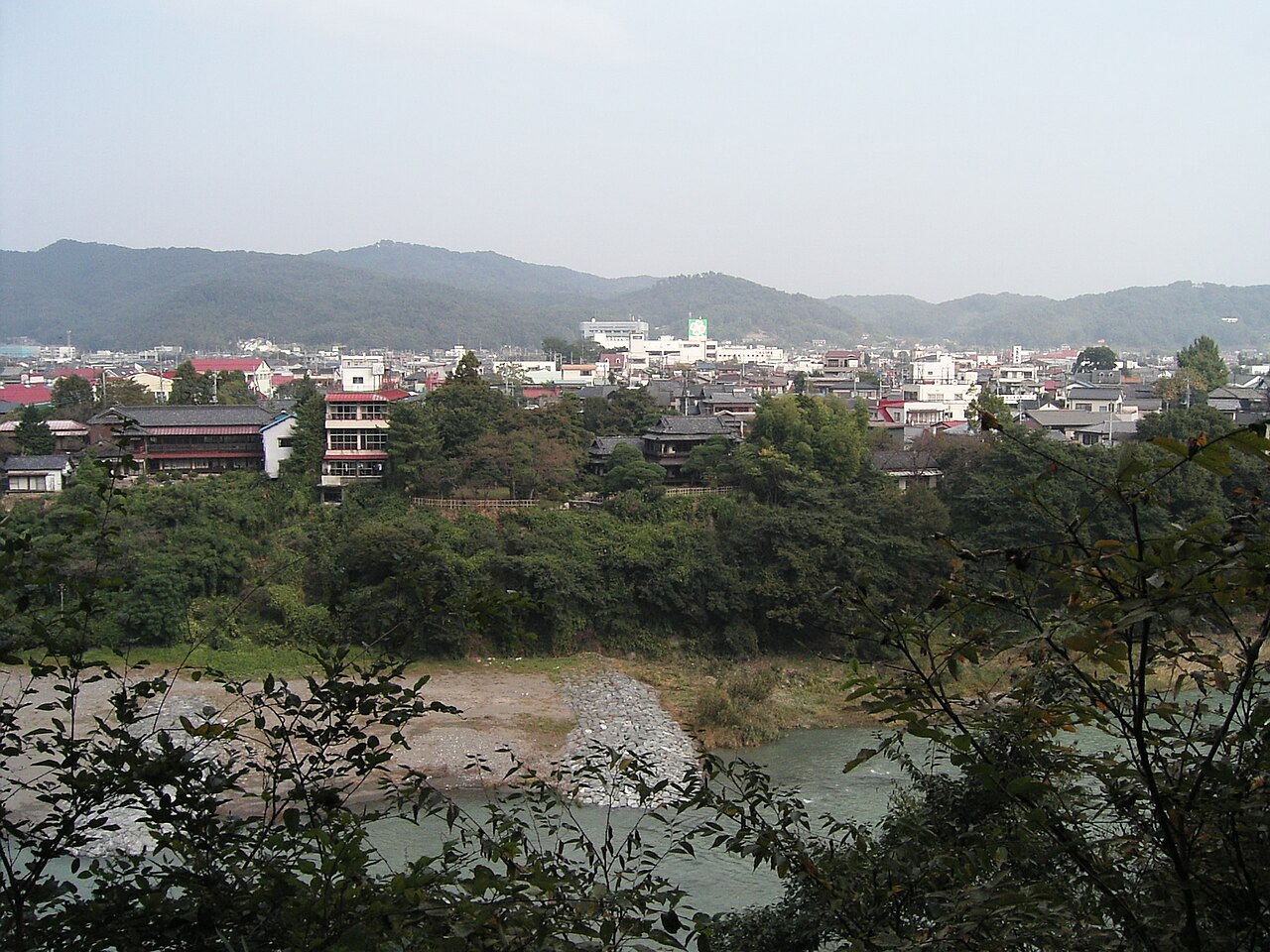
Hachigata Castle Ruins
8.7 km · straight line
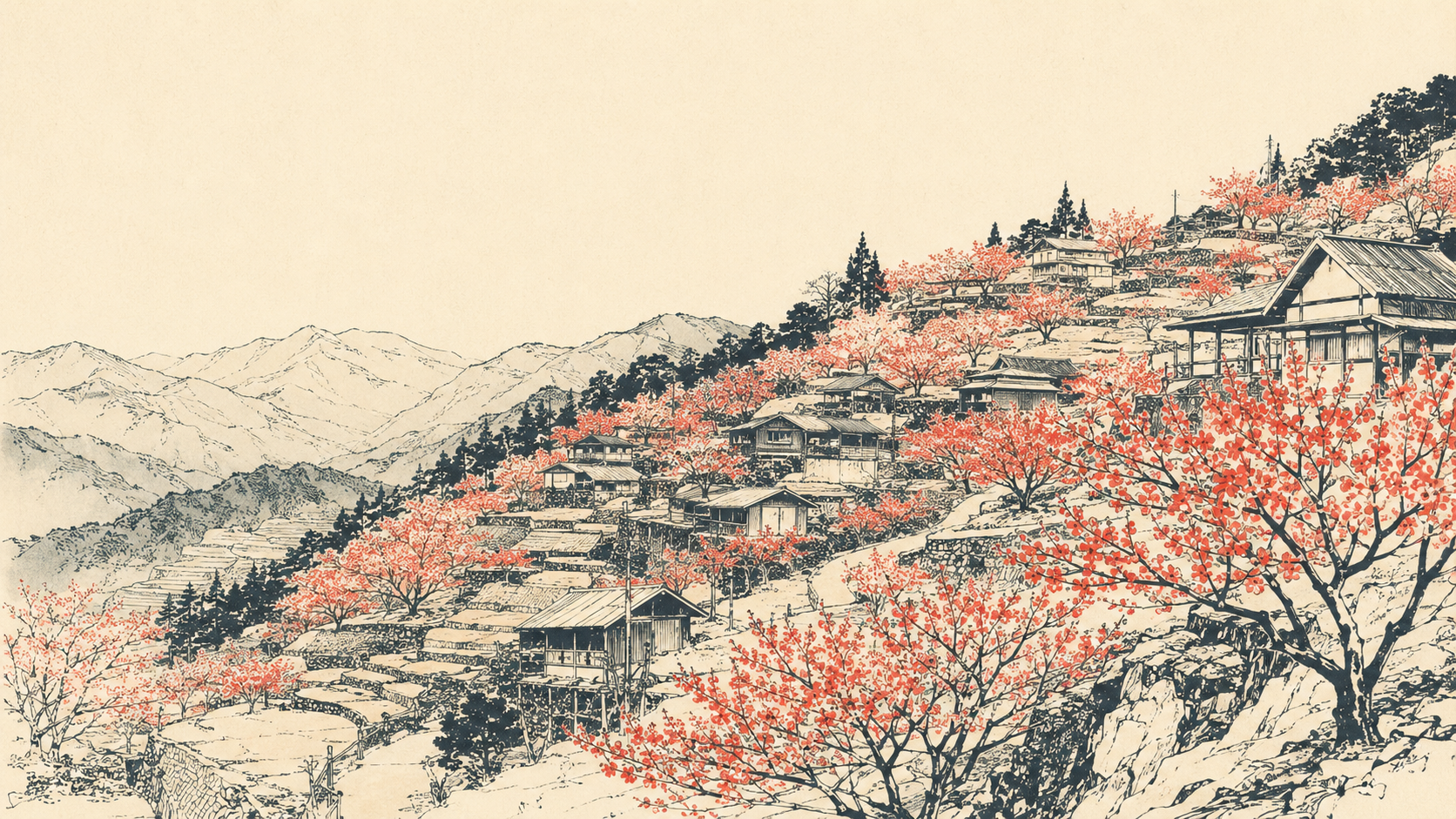 illustration (AI-illustrated)
Nature · Saitama★
Ouchizawa Hanamomo no Sato
9.1 km · straight line
 toriichi3 / CC BY 3.0
Nature · Saitama★
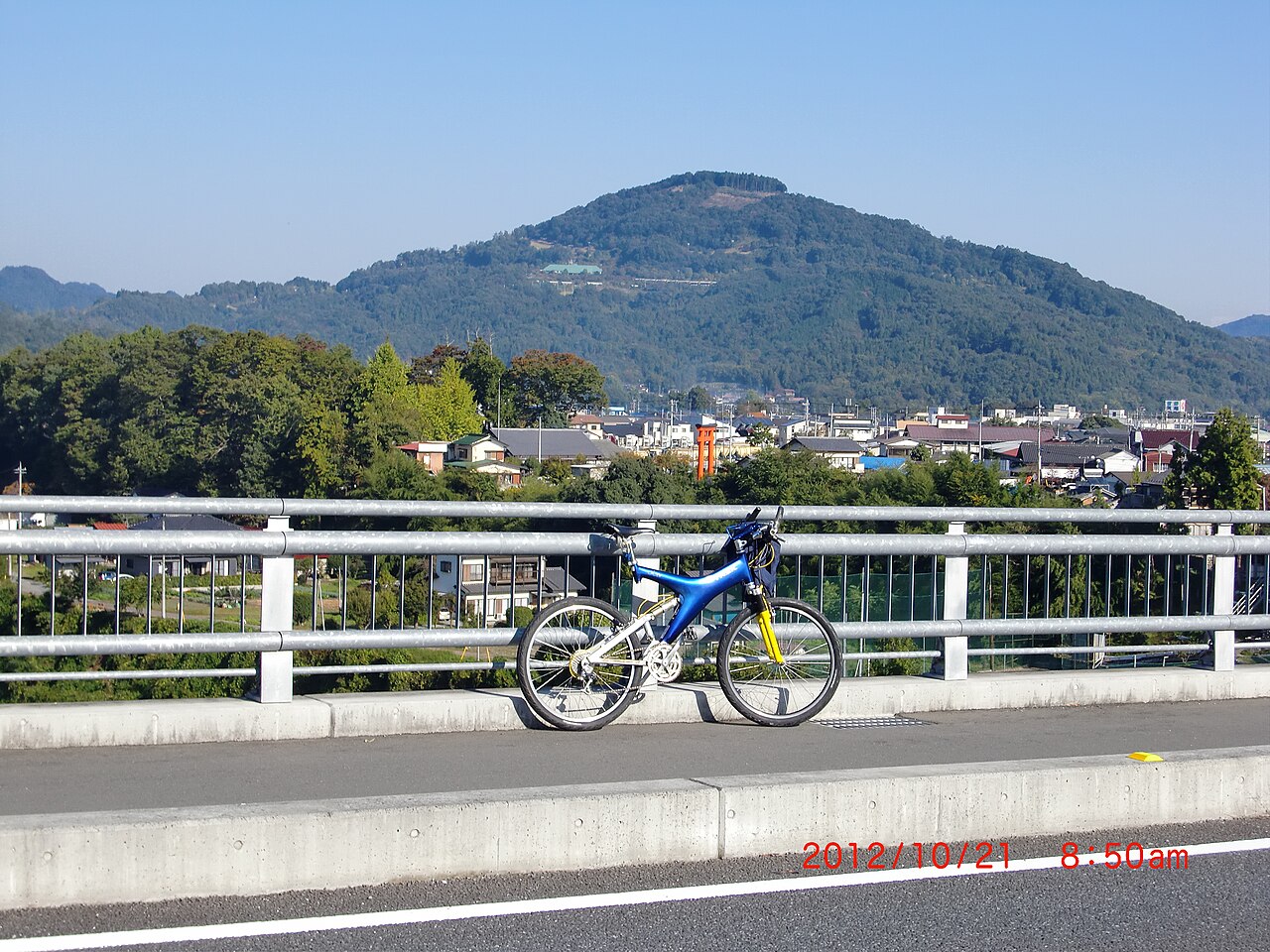
Mt. Minoyama
13.5 km · straight line
 Guilhem Vellut from Annecy, France / CC BY 2.0
Nature · Saitama★★★
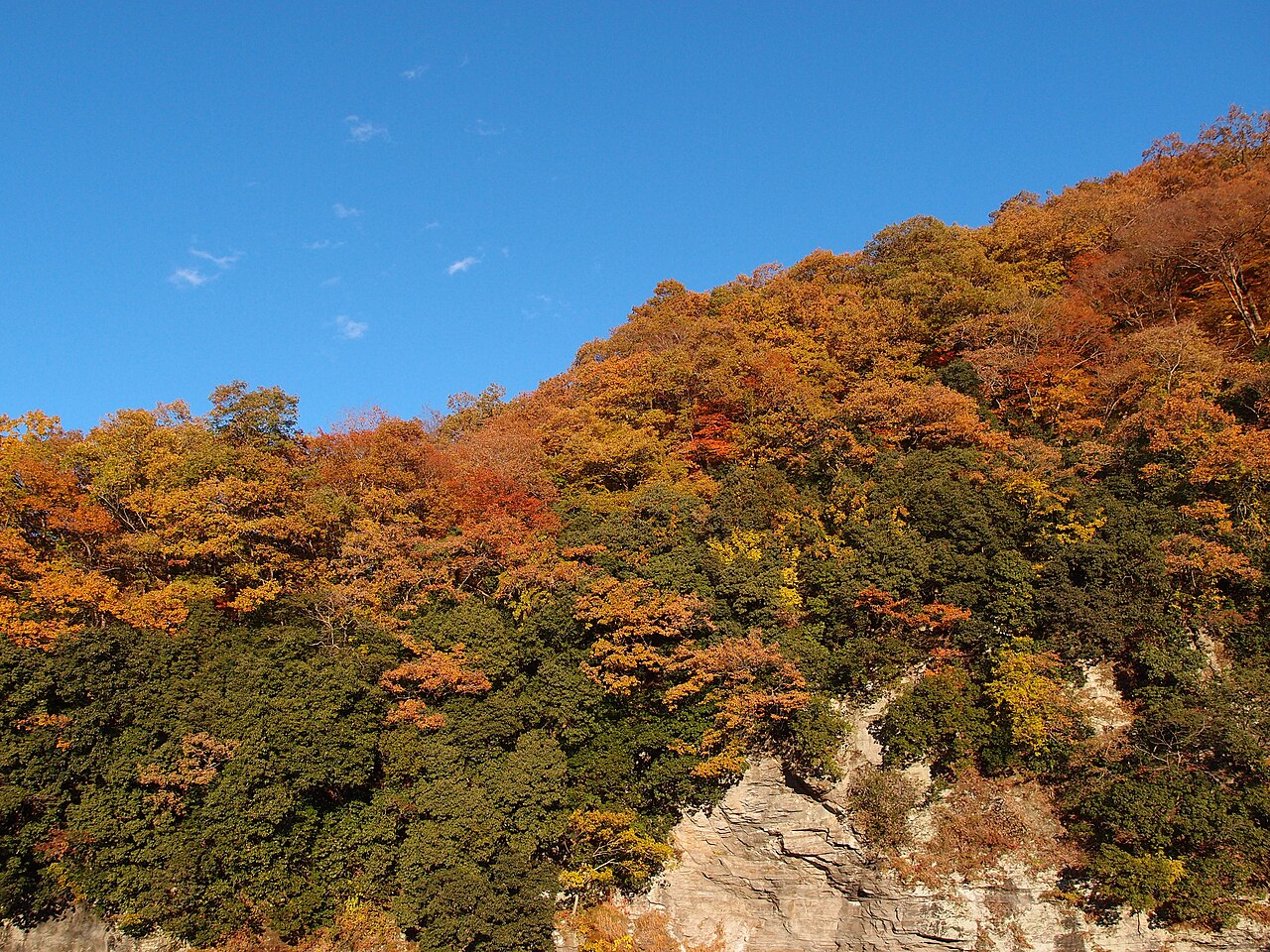
Nagatoro
14.0 km · straight line
Distances are straight lines on the map, not travel times.