Central Kyoto · ShimogamoNo.253★★★Open in map →
Shimogamo Shrine
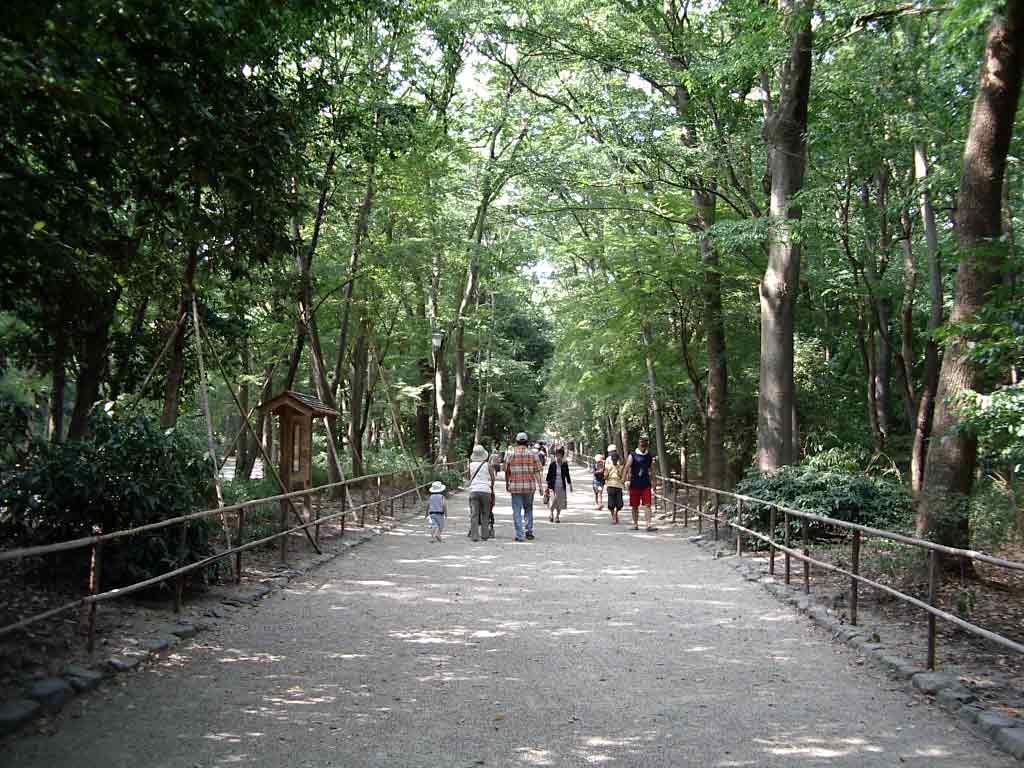
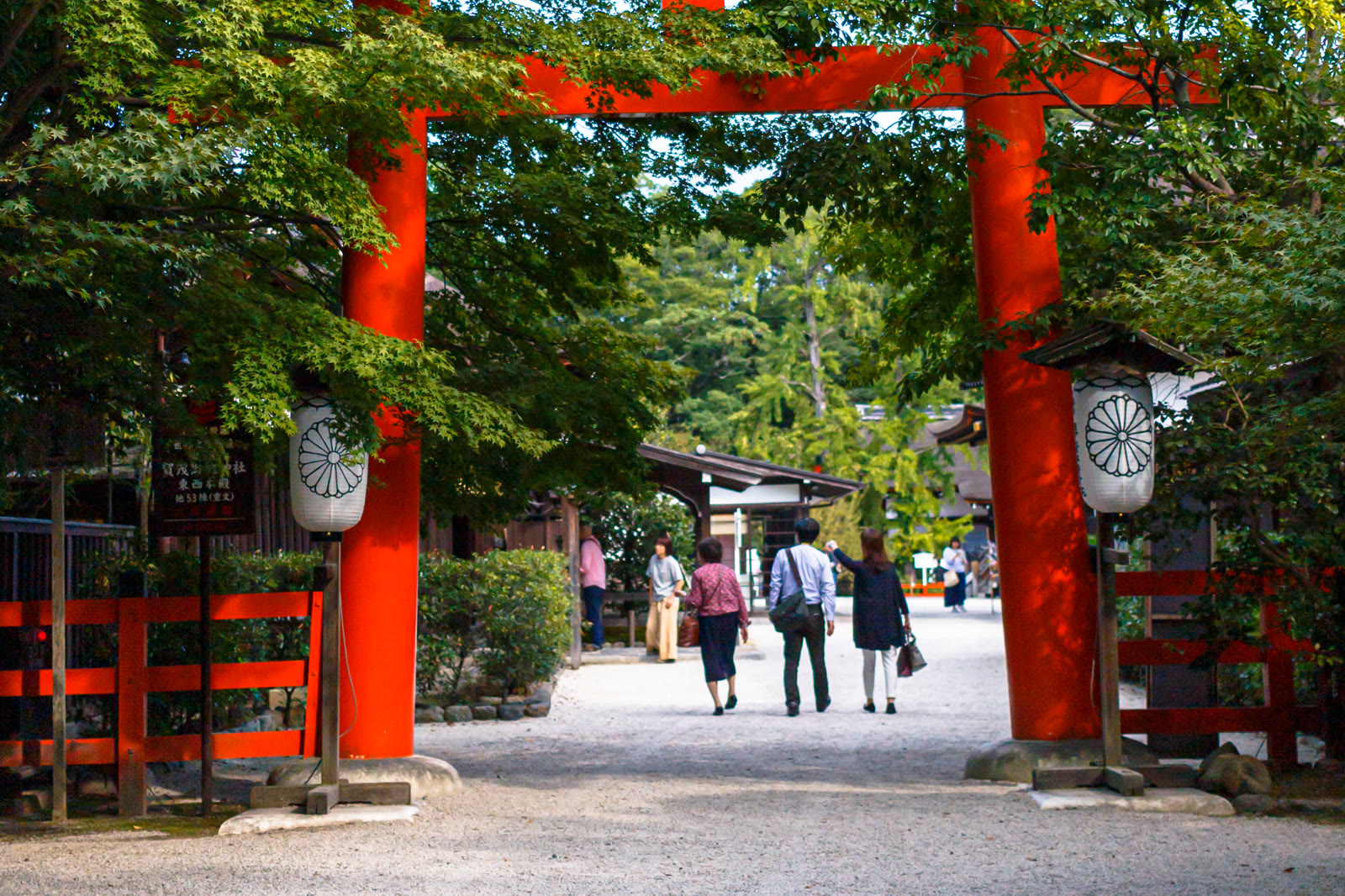
The formal name is Kamo-mioya Jinja. Walk 700 metres through the Tadasu no Mori — a primeval forest of oaks and zelkovas surviving inside the city — before reaching the vermilion Romon gate. A UNESCO World Heritage site since 1994.
- FromKyoto Stn
- ~35 minKeihan to Demachiyanagi
- Get off atDemachiyanagi Station (Keihan Oto Line), then 12 min walk
- On foot
- Shimogamo Shrine
Where it is
90 more notes in Kyoto · open the map →What to look for — in walking order
- Kamo River delta (Kamo-gawa Delta)the Y-junction where the Kamo and Takano rivers meet; the forest path begins here
- Tadasu no Mori forest patha 700-metre approach through a primeval grove of oaks, zelkovas, and zelkova-leaf maples
- Romon gatethe two-storey vermilion gate leading into the inner precinct; rebuilt in 1629, an Important Cultural Property
- Honden (main hall)the innermost shrine structures — three inner sanctuaries covered under a single roof; National Treasure
How to actually get there
- Kyoto Station → Tofukuji Station (JR Nara Line, ~6 min) → Keihan Main Line northbound → Demachiyanagi Station (~15 min).
- Walk north ~12 min from Demachiyanagi to the Kamo River delta → enter the Tadasu no Mori forest path.
- Walk 700 m through the forest → Romon gate → shrine precincts.
- Keihan Oto Line to Demachiyanagi Station
- Kyoto Station → (JR Nara Line or Kintetsu, ~6 min) → Tofukuji Station → (Keihan Main Line northbound, ~15 min) → Demachiyanagi Station (terminal). Walk north from the station about 12 minutes to the Kamo River delta and the forest entrance. Total about 35 minutes. Alternatively, take City Bus 205 from Kyoto Station to Shimogamo Jinja-mae stop (~35 min, 230 yen) for a direct bus route.
- Keihan from Demachiyanagi or bus 205
- Walk back south to Demachiyanagi Station and take the Keihan Line south to Tofukuji, then JR or Kintetsu to Kyoto Station. Or catch City Bus 205 from Shimogamo Jinja-mae bus stop back to Kyoto Station.
About the place
To reach Shimogamo Shrine you first have to walk through a forest. The Tadasu no Mori begins at the point where the Kamo and Takano rivers fork — a patch of primeval woodland inside Kyoto's urban grid. The trees close in around the gravel path: zelkova, oak, mountain cherry, their canopy dense enough to hold the sound of the city at bay. Then the vermilion Romon gate appears ahead. Inside, the Honden sits in a compound of gravel and cypress-bark roofs. The shrine has been here longer than Kyoto has been a capital. The paired Kamo shrines — Shimogamo and Kamigamo to the north — have guarded this site since before the court arrived in 794.
How to enjoy it
Enter from the Kamo River delta and walk the forest path to the shrine — the trees change the light and the temperature as the city falls away. The outer forest and approach are free and open year-round from 6:30 to 17:00. The Mitarashi Festival, held each year in late July near the end of the traditional calendar's Doyo period, involves wading in the Mitarashi Pond with paper lanterns and is one of Kyoto's most distinctive summer rituals. Omikuji (fortune slips) and amulets are sold near the main hall. The inner sanctum is restricted; respectful photography of the approach and Romon gate is generally fine.
Background & history
Kamo-mioya Jinja — commonly Shimogamo Shrine — is one of the oldest shrines in Japan, with records of the Kamo Festival extending back to at least the sixth century, well before the capital moved to Kyoto in 794. Together with Kamigamo Shrine to the north, it was inscribed as a UNESCO World Heritage Site in 1994. The site holds 53 Important Cultural Properties and 2 National Treasures, including the Honden (main hall). The Tadasu no Mori forest surrounding the approach is estimated to have covered the area for over 2,000 years; the surviving trees include some over 600 years old.
Before you go
- Cash
- The outer forest and shrine approach are free. Keihan Line is IC card–compatible (ICOCA, Suica). Some inner precincts and special events may have separate fees; omikuji and amulets require cash.
- Good to know
- Open 6:30–17:00. The inner Honden area is restricted to worshippers. The Mitarashi Festival runs in late July; the Aoi Festival procession departs from here in mid-May.
- Another way
- From Osaka (Yodoyabashi or Kyobashi), take the Keihan Main Line directly north to Demachiyanagi Station without transferring — about 60–70 minutes.
- After you get off
- Demachiyanagi Station is the northern terminus of the Keihan Oto Line. Exit north and walk about 12 minutes along the river path to the Kamo River delta, then enter the Tadasu no Mori forest track.
Nearby notes
 moja / CC BY-SA 3.0
History · Kyoto★★★
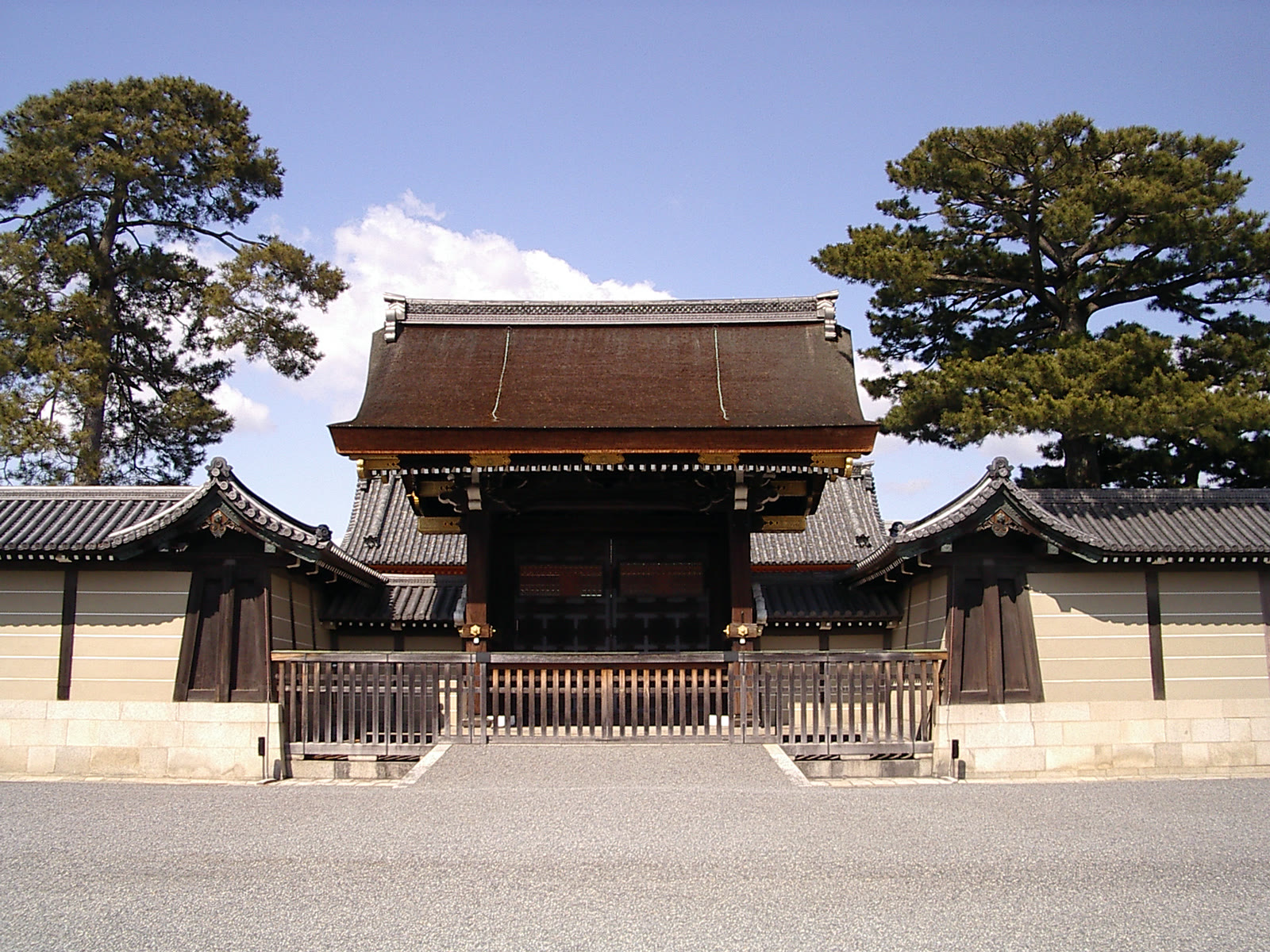
Kyoto Imperial Palace & Gyoen
1.9 km · straight line
 Bigjap / CC BY-SA 4.0
History · Kyoto★★
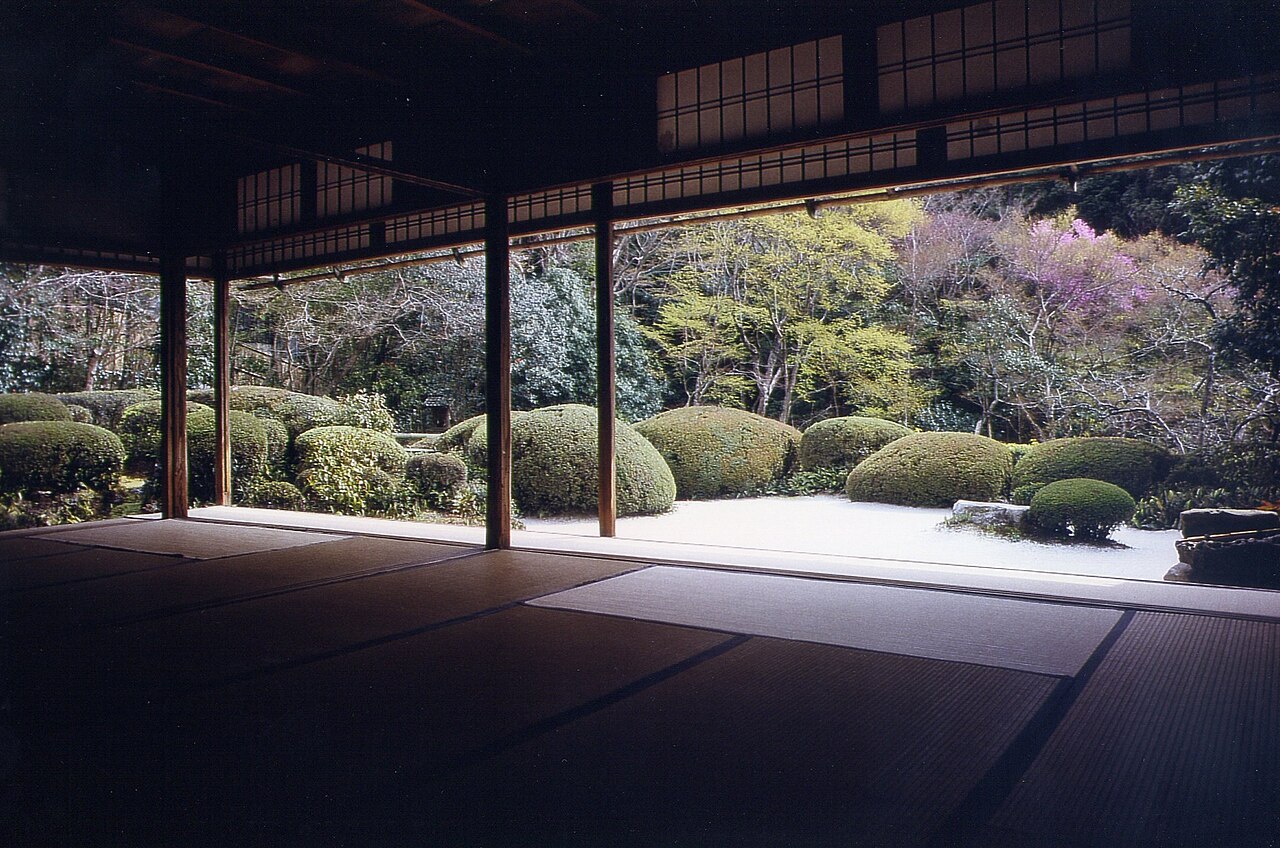
Shisendo
2.1 km · straight line
 Lundariokn45 / CC BY-SA 4.0
Craft · Kyoto★★★
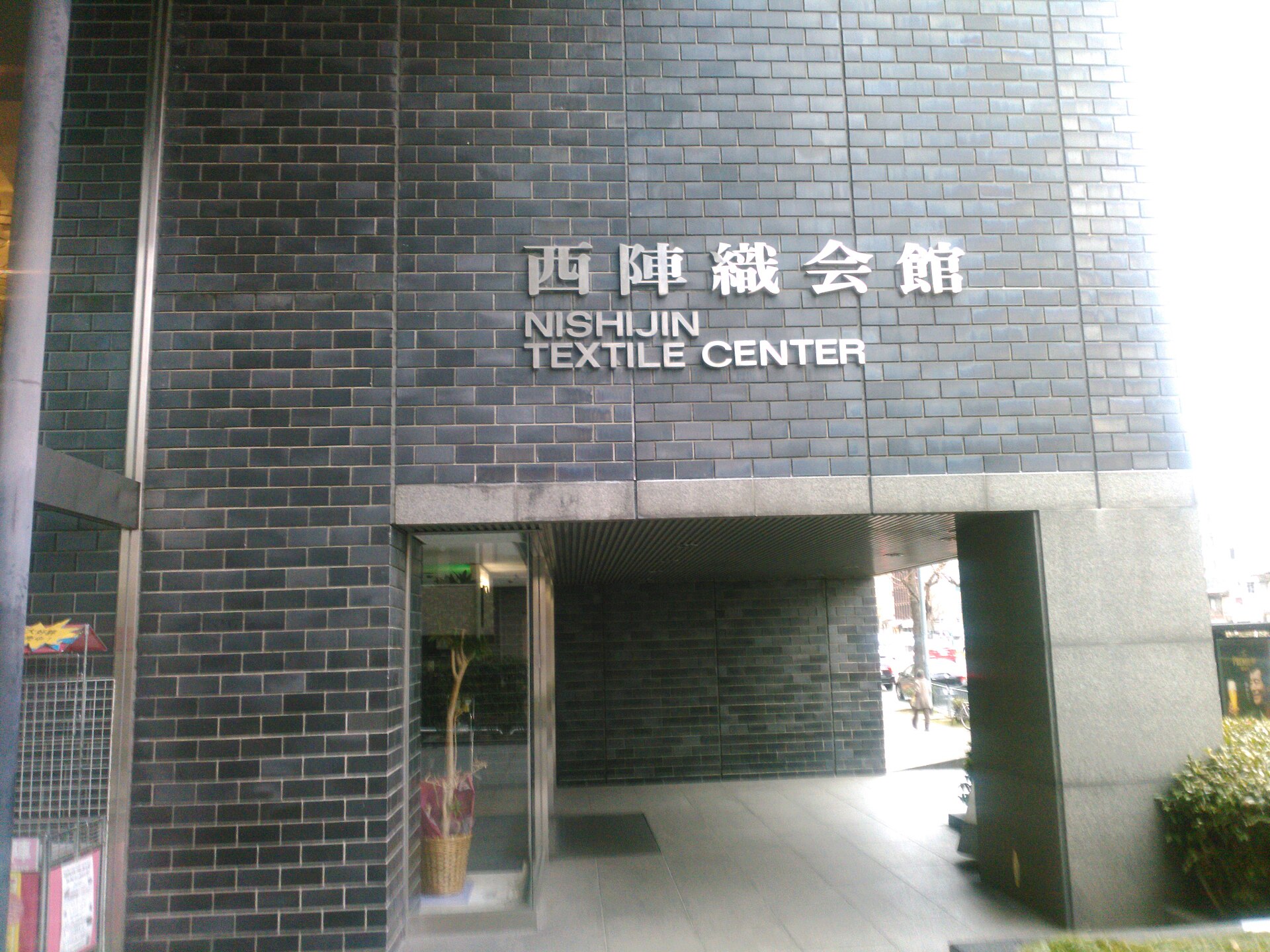
Nishijin-ori
2.4 km · straight line
 Markus Leupold-Löwenthal / CC BY-SA 2.0
History · Kyoto★★★
Daitoku-ji Temple
2.5 km · straight line
Distances are straight lines on the map, not travel times.