Tokyo · TachikawaNo.361★★Open in map →
Showa Kinen Park
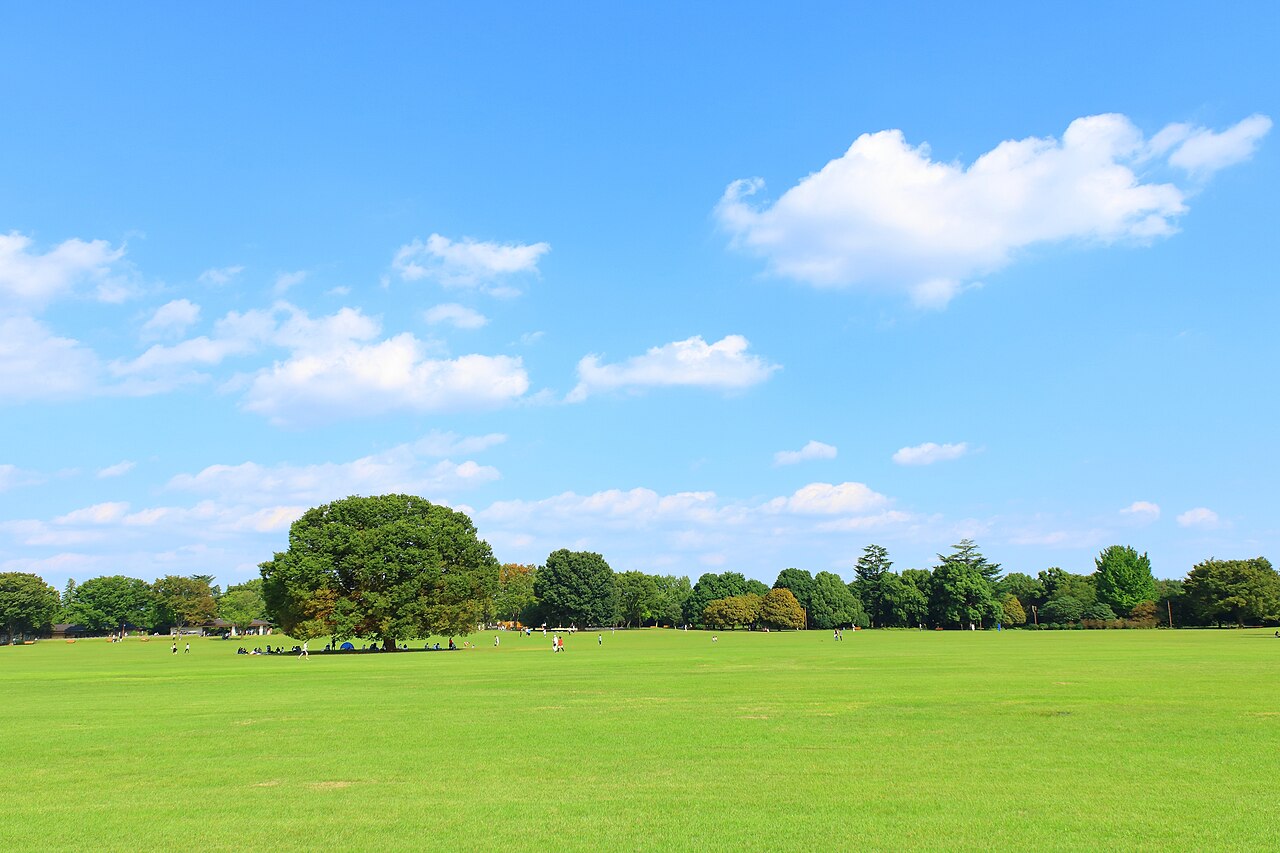
A national government park of over 160 hectares in Tachikawa, western Tokyo, opened in 1983 on the site of a former military airfield that became a US air base. It holds a Japanese garden, a bonsai museum, cycling routes and flower fields that change through the year.
- FromShinjuku Stn
- ~45 mintrain only (frequent)
- Get off atNishi-Tachikawa Station (JR Ome Line)
- On foot
- Showa Kinen Park
The sweet spot
Tokyo has plenty of gardens. It has almost nothing at this scale, and nowhere else where the scale itself is a historical fact — you are cycling on ground that was cleared and levelled for a runway, and the size of the park is the size of the base. Go for the space rather than for any single sight: it is the one place in Tokyo where you can be genuinely far from a building.
Where it is
77 more notes in Tokyo · open the map →What to look for — in walking order
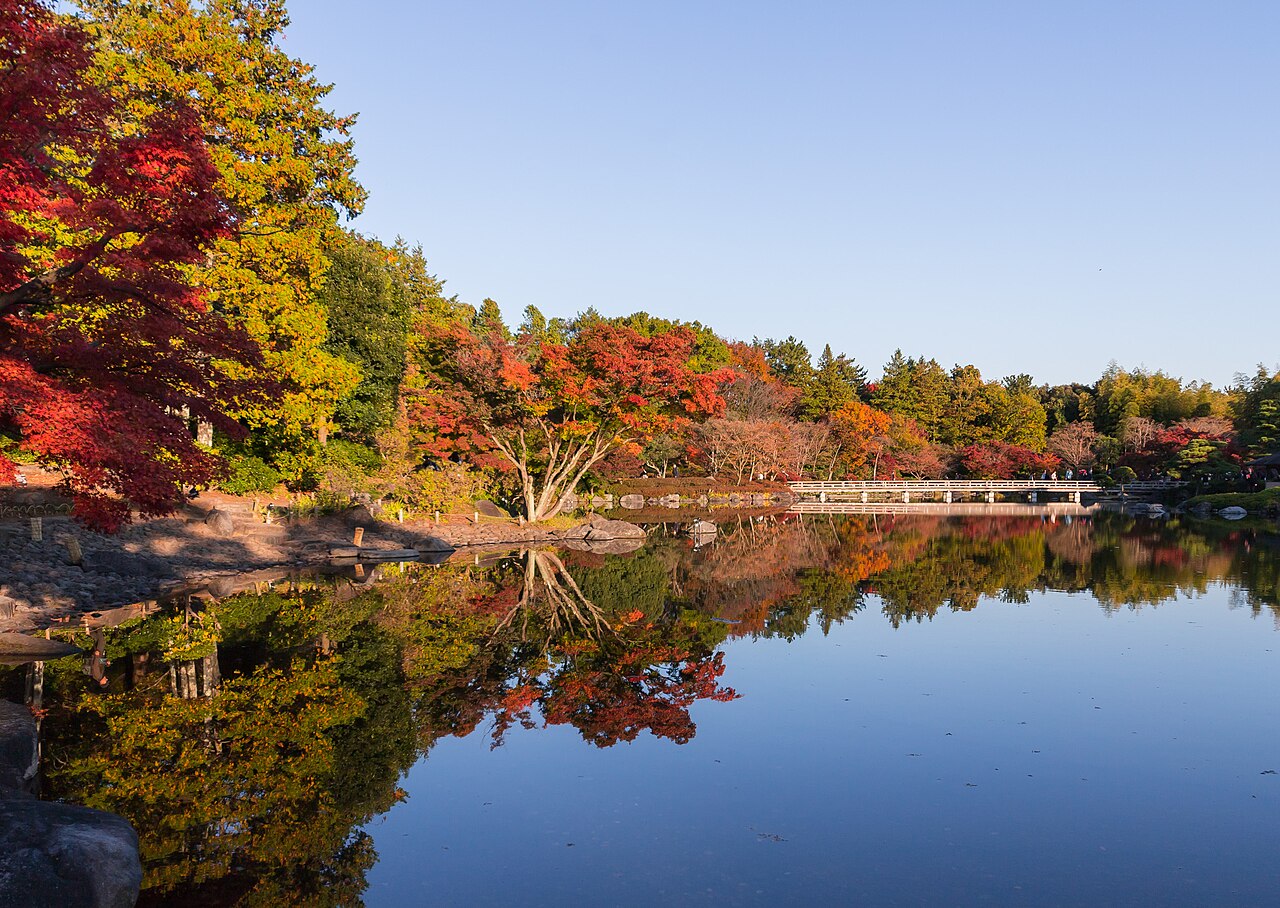
- The Japanese gardena formally composed garden with a sukiya-style teahouse where you can sit for matcha — the quietest corner of a very large park
- The bonsai museuma dedicated collection displayed outdoors and rotated with the seasons, next to the Japanese garden
- The cycling coursea dedicated circuit separated from the walking paths, with rental bikes at the cycle centre; the intended way to cover the park
- The flower fieldschanged hard through the year — tulips and poppies in spring, sunflowers in summer, cosmos and the ginkgo avenue in autumn
How to actually get there
- Shinjuku Station → Tachikawa Station (JR Chuo Line rapid, ~35 min).
- Tachikawa Station → Nishi-Tachikawa Station (JR Ome Line, 1 stop, ~3 min).
- Nishi-Tachikawa Station → Nishi-Tachikawa Gate (walk ~2 min).
- Rent a bicycle at the cycle centre inside the gate — at over 160 hectares, this is the difference between seeing the park and seeing one corner of it.
- JR Chuo Line + Ome Line
- Shinjuku Station →(JR Chuo Line rapid, ~35 min)→ Tachikawa Station →(JR Ome Line, 1 stop, ~3 min)→ Nishi-Tachikawa Station → the Nishi-Tachikawa Gate is a 2-minute walk. Total about 45 minutes. Trains are frequent all day; no bus and no timetable anxiety, which makes this an easy park to decide on the same morning.
- The same route in reverse
- Leave from whichever gate is nearest when you finish — Nishi-Tachikawa Gate for the Ome Line, or the Tachikawa Gate for Tachikawa Station on the Chuo Line, about a 10-minute walk. Both put you back in Shinjuku in well under an hour. The park closes in the late afternoon or early evening depending on season, so check the day's closing time posted at the gate.
About the place
The reason this park is so implausibly flat and so implausibly large for Tokyo is that it was built to land aircraft on. Tachikawa Airfield was a Japanese military field, then after 1945 it became a United States air base, and when the land was returned it went to the national government rather than to developers. The park opened in 1983, created as a national project marking the fiftieth year of Emperor Showa's reign — hence the name — and it now covers more than 160 hectares, a scale that means people bring a packed lunch and rent a bicycle rather than trying to walk it. Inside, the character shifts completely from zone to zone: a formally composed Japanese garden with a sukiya-style teahouse serving matcha, a bonsai museum, wide lawns and woods, boating water, and flower fields that are rotated hard through the calendar — poppies and tulips in spring, sunflowers in summer, cosmos and a ginkgo avenue in autumn, illuminations in winter. The summer fireworks festival pulls crowds in the hundreds of thousands.
How to enjoy it
Rent a bicycle at the gate. At this size, walking means seeing one zone and running out of afternoon, while a bike turns the whole park into one loop. Bring food — the picnic lawns are the point and the kiosks are spread thin. Come in the week if you can: weekends in flower season and the summer fireworks night are genuinely crowded, and this is a park you visit for space. Check the seasonal closing time at the gate before you cycle to the far end.
Background & history
The site was Tachikawa Airfield, a Japanese military aviation field, and after 1945 it became a United States air base. When the land was returned to Japan it was designated for a national government park rather than redevelopment, and the park opened in 1983 as a national project commemorating the fiftieth year of Emperor Showa's reign. That origin explains both the name and the shape of the place: the flatness, the long straight axes and the sheer area are inherited from an airfield, which is why a park of over 160 hectares exists inside Tokyo at all.
Before you go
- Cash
- General admission is 450 yen; check the official site for the current child, student and senior rates and for free-admission days. Bicycle rental is extra and is charged at the cycle centre inside the park — adult and child bikes, tandems and cross bikes are available. Cards are accepted at the main facilities, but carry some cash for the smaller kiosks.
- Good to know
- Opening hours change with the season, generally opening at 9:30 with closing in the late afternoon, and later on summer weekends. The park closes over the New Year period and for a maintenance closure in January. Because the park is so large, note that some zones — the Japanese garden, the bonsai museum, the boating pond — keep shorter hours than the grounds as a whole.
- Another way
- There are several gates: Nishi-Tachikawa Gate (2 min from Nishi-Tachikawa Station), Tachikawa Gate (about 18 min from the north exit of Tachikawa Station on the Chuo and Nanbu lines, or about 16 min from Tachikawa-Kita Station on the Tama Monorail), and Sunagawa Gate on the north side, which is the practical one if you arrive by car. All three have car parks, and the official site shows live parking availability.
- After you get off
- Nishi-Tachikawa Station is a small station with the park entrance almost directly opposite — under 2 minutes on level ground, with no road to cross of any consequence.
Nearby notes
 Kakidai / CC BY-SA 4.0
Entertainment · Tokyo★
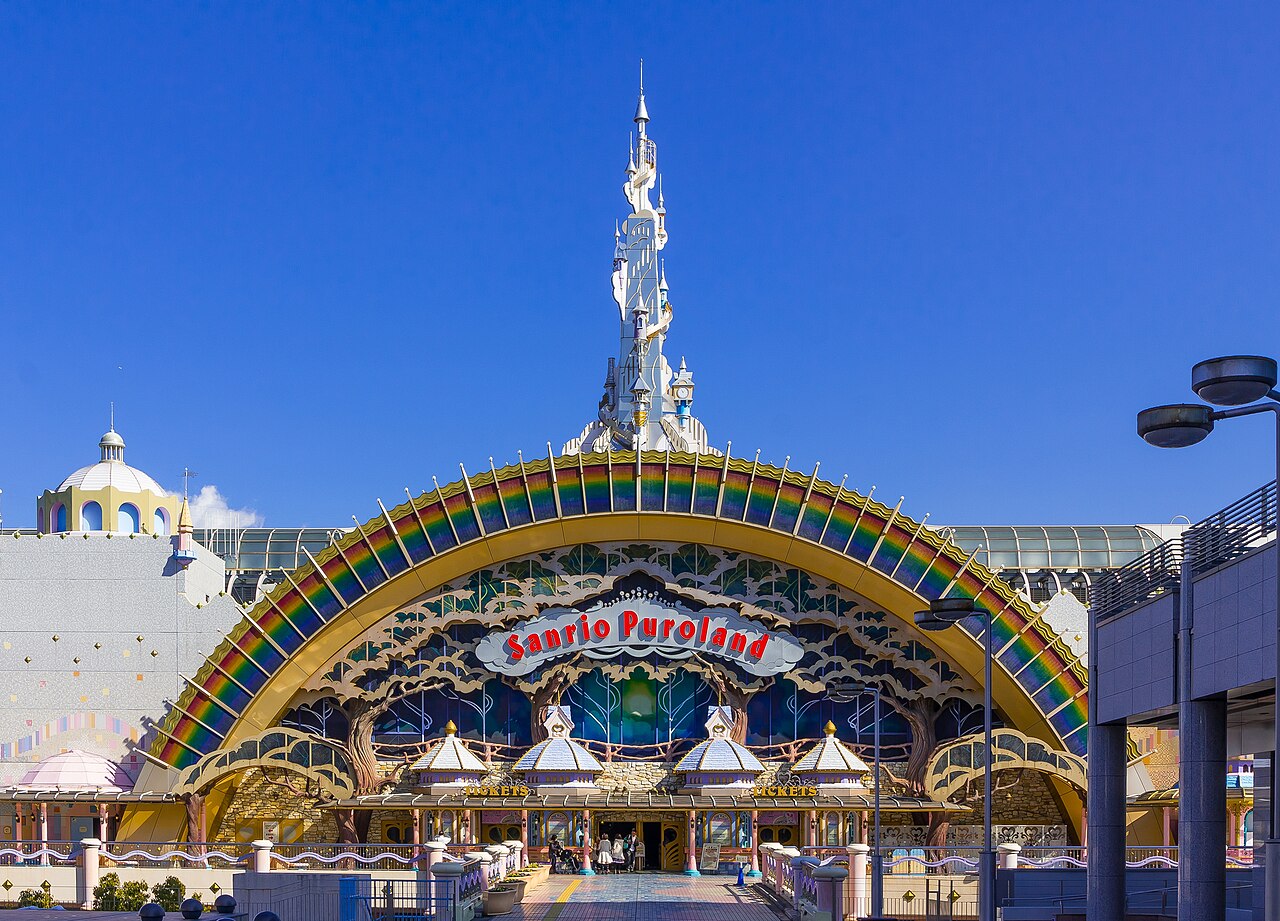
Sanrio Puroland
9.7 km · straight line
 ja:利用者:Dddeco / CC BY-SA 3.0
Culture · Tokyo★★
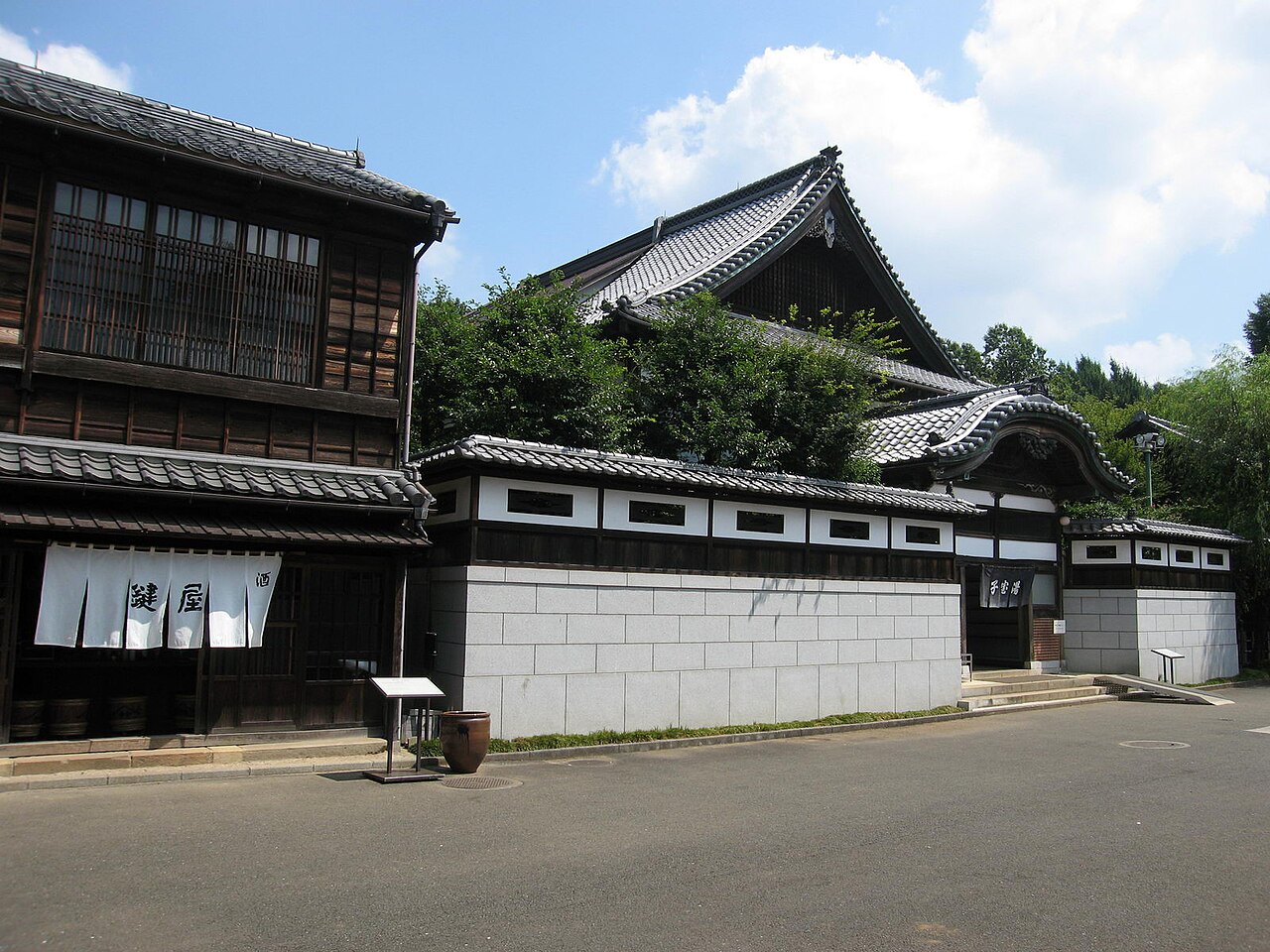
Edo-Tokyo Open Air Architectural Museum
10.8 km · straight line
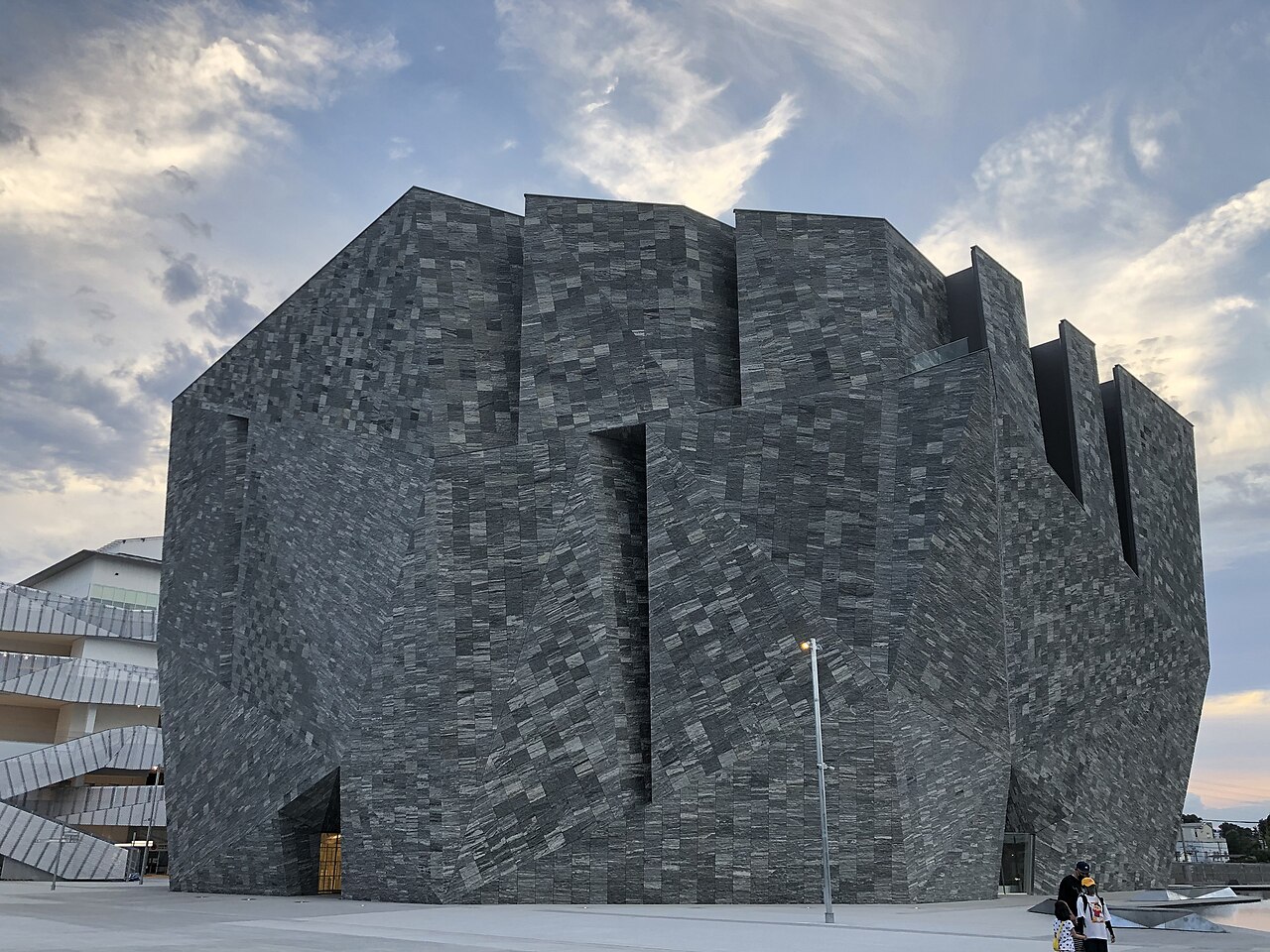 Kaijooo / CC BY-SA 4.0
Culture · Saitama★★
Kadokawa Musashino Museum
14.3 km · straight line
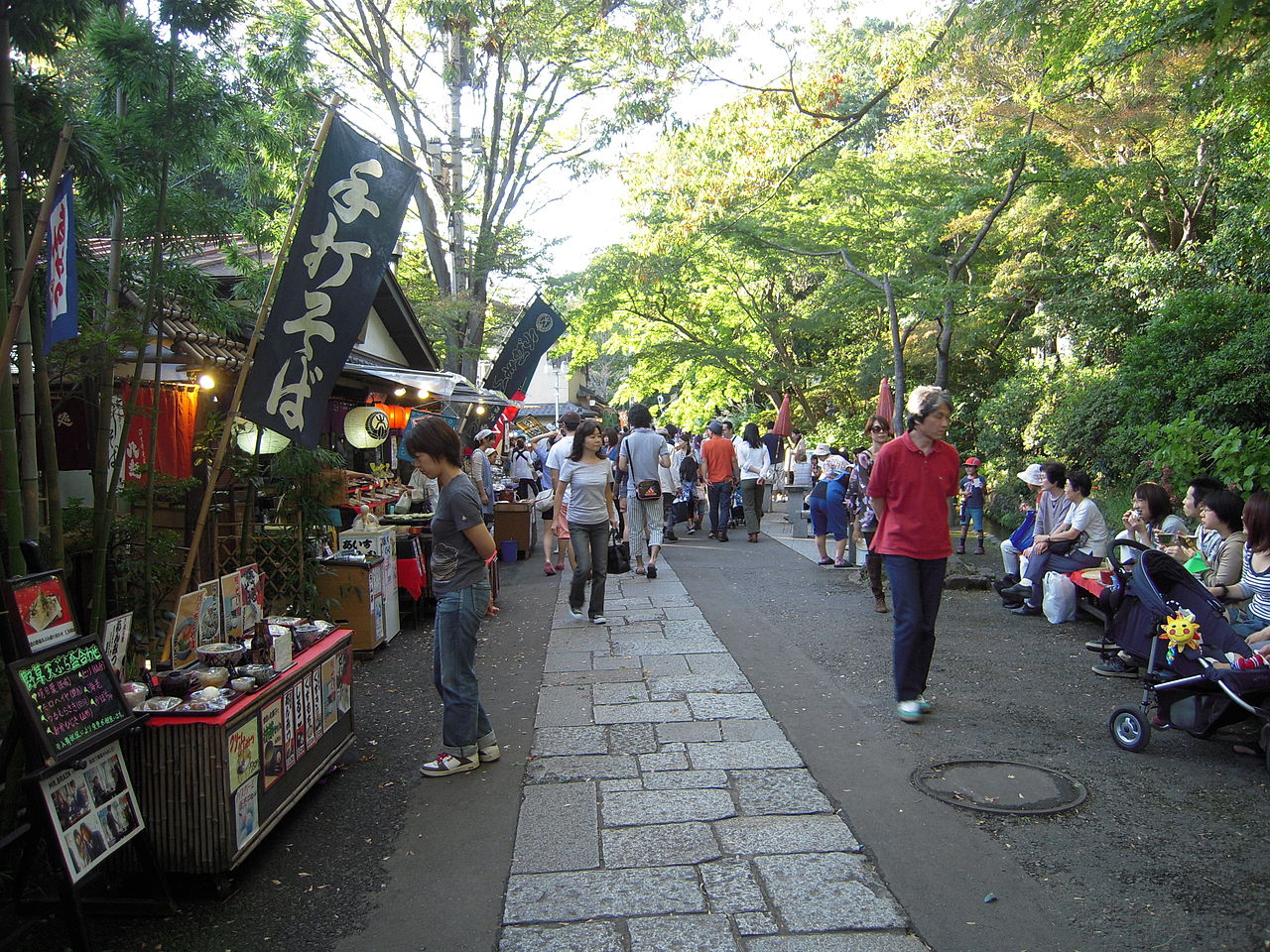 User: (WT-shared) Chatnoir at wts wikivo / CC BY-SA 3.0
Food · Tokyo★
Jindaiji Soba
14.8 km · straight line
Distances are straight lines on the map, not travel times.