Izumi range · KishiwadaNo.036★Open in map →
Ushitaki Gorge & Daiitoku-ji
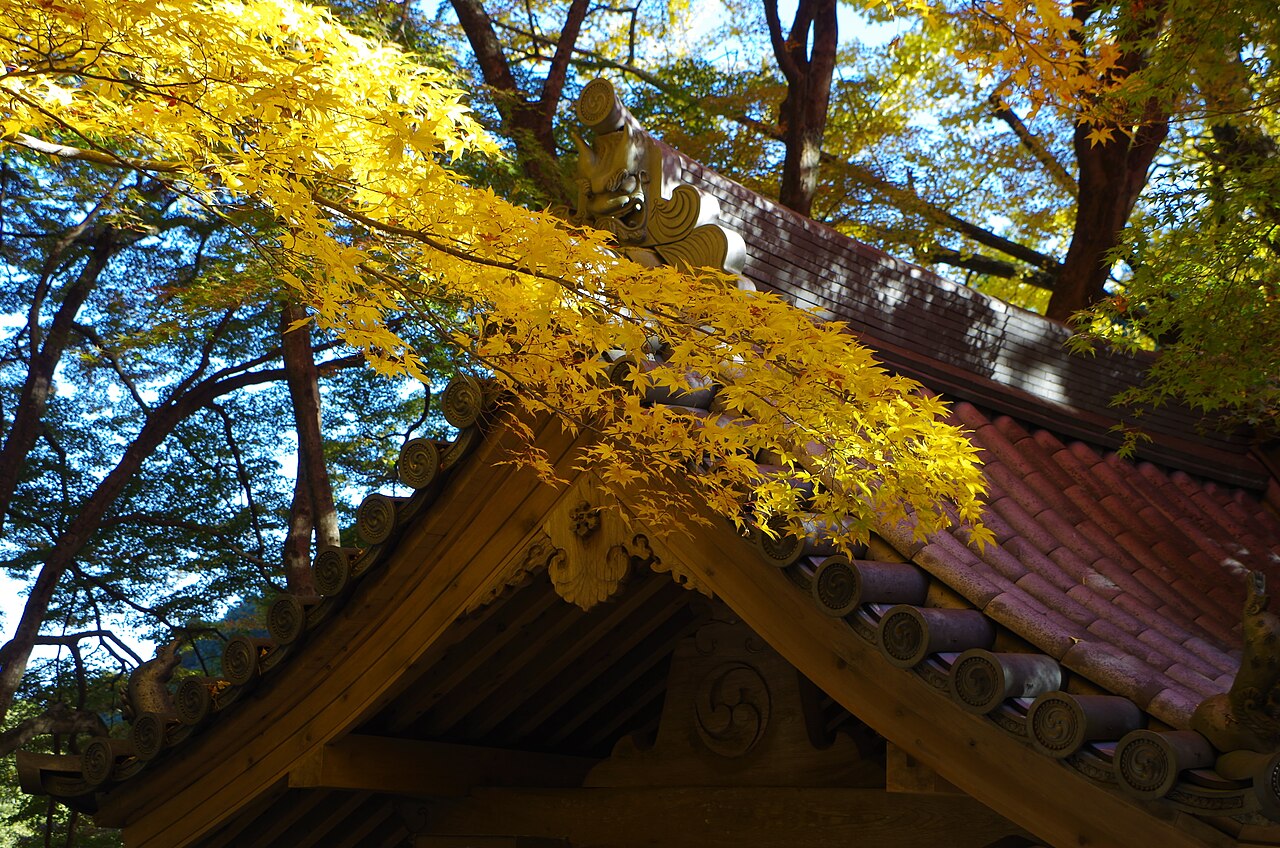
A wooded ravine above Kishiwada where the mountain temple of Daiitoku-ji stands beside a stream of named waterfalls, watched over by a vermilion pagoda built in 1515.
- FromNamba (Osaka)
- ~75-80 minbus ×6/day (weekday)
- Get off atUshitakiyama bus stop
- On foot
- Ushitaki Gorge & Daiitoku-ji
The sweet spot
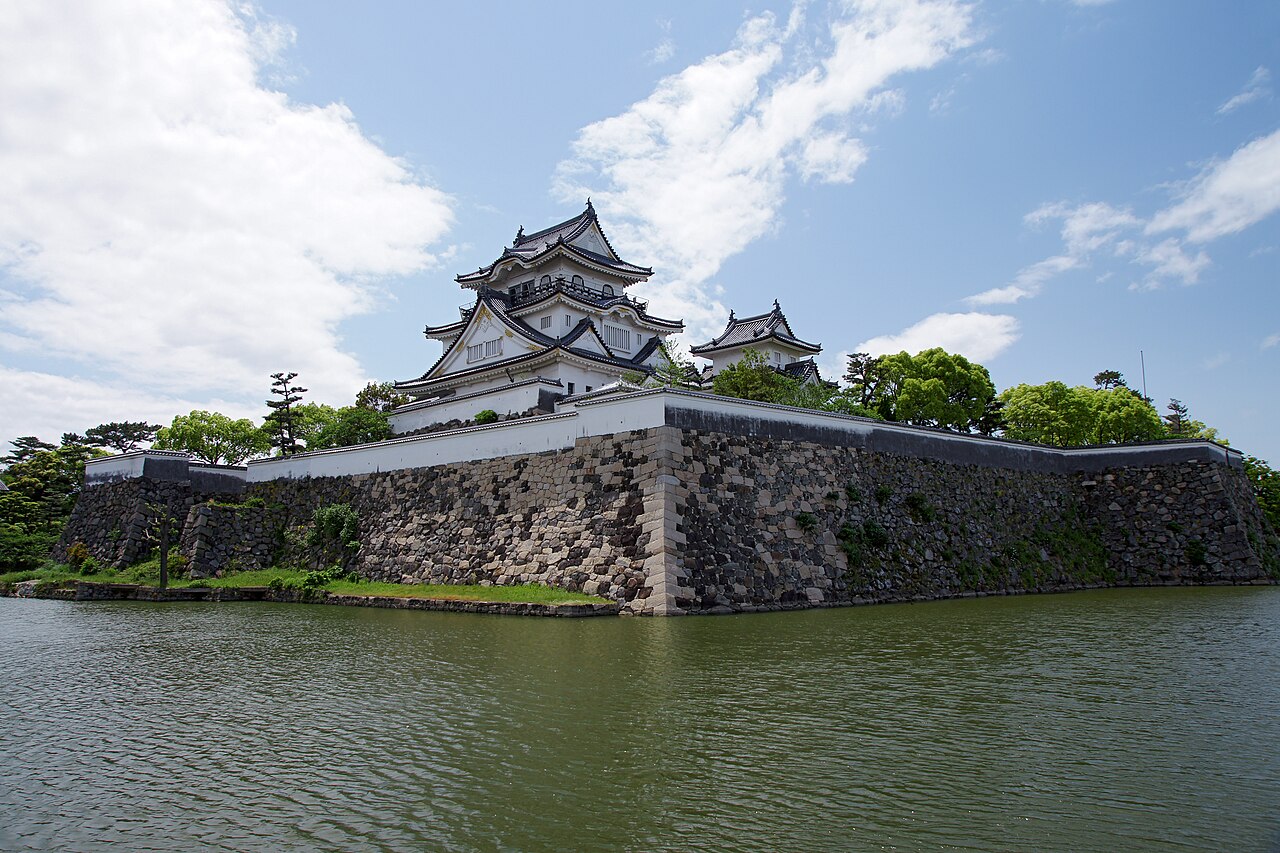
Kishiwada is known mainly for its castle and its danjiri cart festival, not for this gorge behind the mountain. There is little English information about it, and the bus up the mountain runs only a few times a day, so it stays off the usual visitor routes.
Where it is
40 more notes in Osaka · open the map →What to look for — in walking order
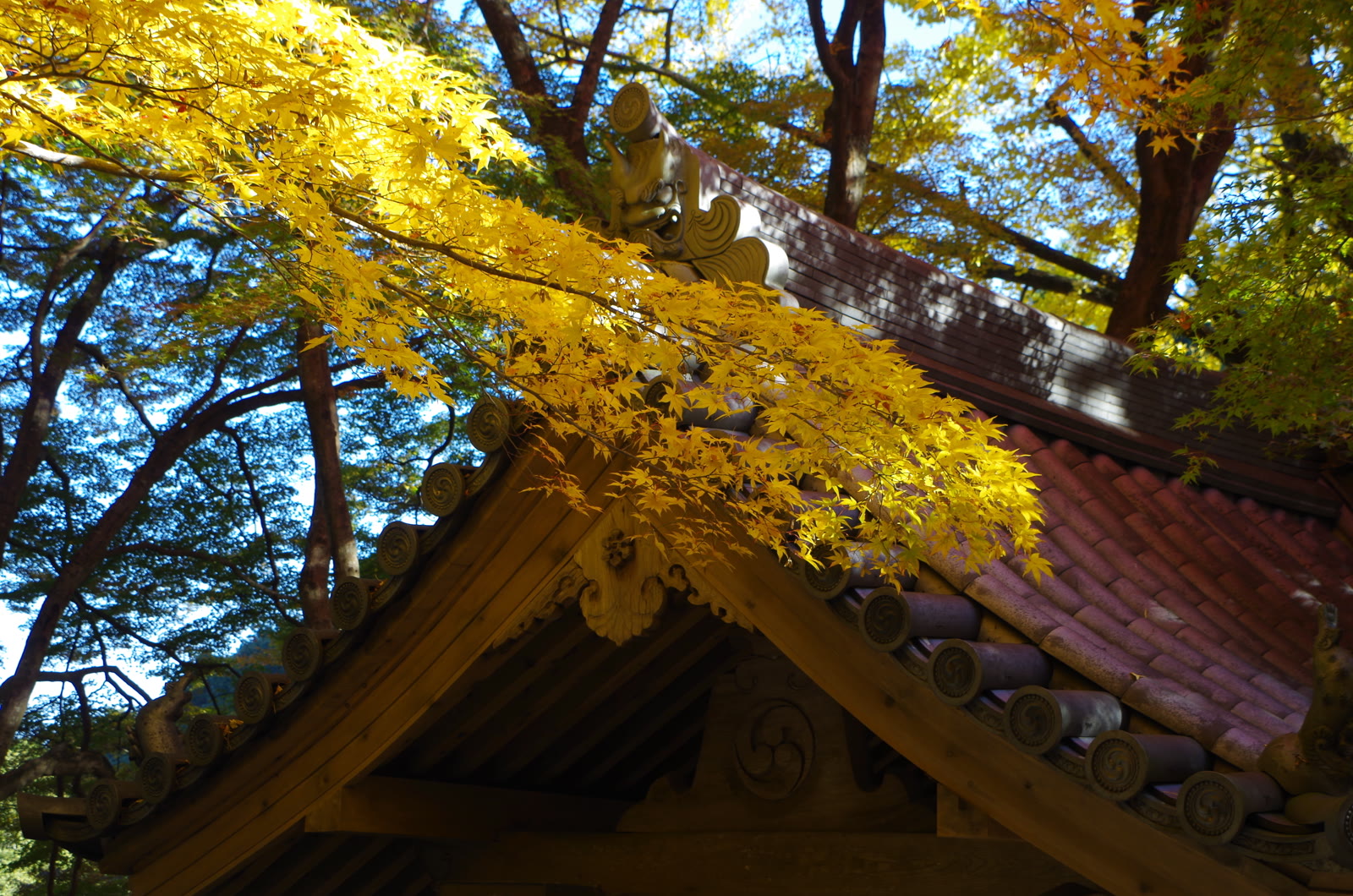
- Daiitoku-ji temple gatethe entrance to the mountain temple compound, a short walk from the bus stop
- Tahoto pagoda (1515)a vermilion two-storey Buddhist tower, a National Important Cultural Property from the Muromachi period
- Waterfall traila streamside path passing four named falls — from Ichi-no-taki (First Fall) to Kinryu-no-taki (Golden Dragon Fall)
- Suspension-bridge loopa hiking course of about one hour that crosses the ravine on a suspension bridge behind the temple
How to actually get there
- Namba → Kishiwada Stn (Nankai Main Line, ~25 min)
- Kishiwada Stn → Ushitakiyama stop (Nankai Wing Bus #611, ~50 min)
- Ushitakiyama stop → Daiitoku-ji temple (walk, ~3 min)
- Temple → up the streamside waterfall trail (walk, ~1 hr round trip)
- Nankai Main Line to Kishiwada, then the mountain bus
- Namba (central Osaka) →(Nankai Main Line, ~25 min)→ Kishiwada Stn →(Nankai Wing Bus #611, the Ushitaki line, toward Ushitakiyama, ~50 min)→ Ushitakiyama stop. Total is about 75-80 min. The mountain bus runs only about six times a day on weekdays — check the day's timetable before you leave, and note that weekend and holiday service can differ.
- same mountain bus back down
- Return on the same #611 bus down to Kishiwada Station, then the Nankai Main Line back to Namba. Because the mountain bus runs only a few times a day and service ends in the evening, check the return departure times posted at the Ushitakiyama stop as soon as you arrive, so you do not miss the last bus down.
About the place
Above the city of Kishiwada, a mountain bus climbs into the Izumi hills to Mt. Ushitaki, where the small temple of Daiitoku-ji stands in a forest clearing. Beside the grounds, a footpath follows the Ushitaki stream past a row of named waterfalls; in late autumn the entire ravine turns to red maple. At the heart of the site stands a two-storey pagoda, painted vermilion, that has stood here since the Muromachi period. The site pairs a nationally protected historic building with a short waterfall gorge in a single compact visit.
How to enjoy it
From Kishiwada Station, the Nankai Wing Bus #611 (Ushitaki line) takes about 50 minutes to the Ushitakiyama stop. The temple grounds are free to enter, and the round trip along the waterfall trail takes about an hour. Come in mid to late November for autumn colour, or in early summer when the falls run at full volume and the maples are green.
Background & history
The temple traces its origins to En no Gyoja, the legendary founder of Shugendo, the Japanese mountain-ascetic tradition that blends Buddhism and mountain worship; the name comes from the fierce guardian deity Daiitoku Myo-o. Today it is a Tendai Buddhist temple, and Mt. Ushitaki is one of the sacred training grounds of Katsuragi Shugendo along the mountain ridge. The pagoda carries an ink inscription dated 1515 and is a National Important Cultural Property; it survived the civil conflicts of the Sengoku era.
Before you go
- Cash
- IC cards (ICOCA / Suica) work on the Nankai train and its buses. The temple grounds are free to enter, but bring some cash and coins anyway, as small mountain facilities may not take cards.
- Good to know
- The temple grounds are open daily, roughly 8:00 to 16:00, and free. The waterfall path can be slippery, so walk it in daylight and watch your footing after rain.
- Another way
- By car, you can park at the hot-spring bath 'Iyoyaka-no-Sato', just below the temple, and walk up from there.
- After you get off
- From the Ushitakiyama bus stop it is about a 3-minute walk to the temple gate, and the waterfall trail begins just beyond the grounds.
Nearby notes
 KENPEI / CC BY-SA 3.0
Nature · Osaka★
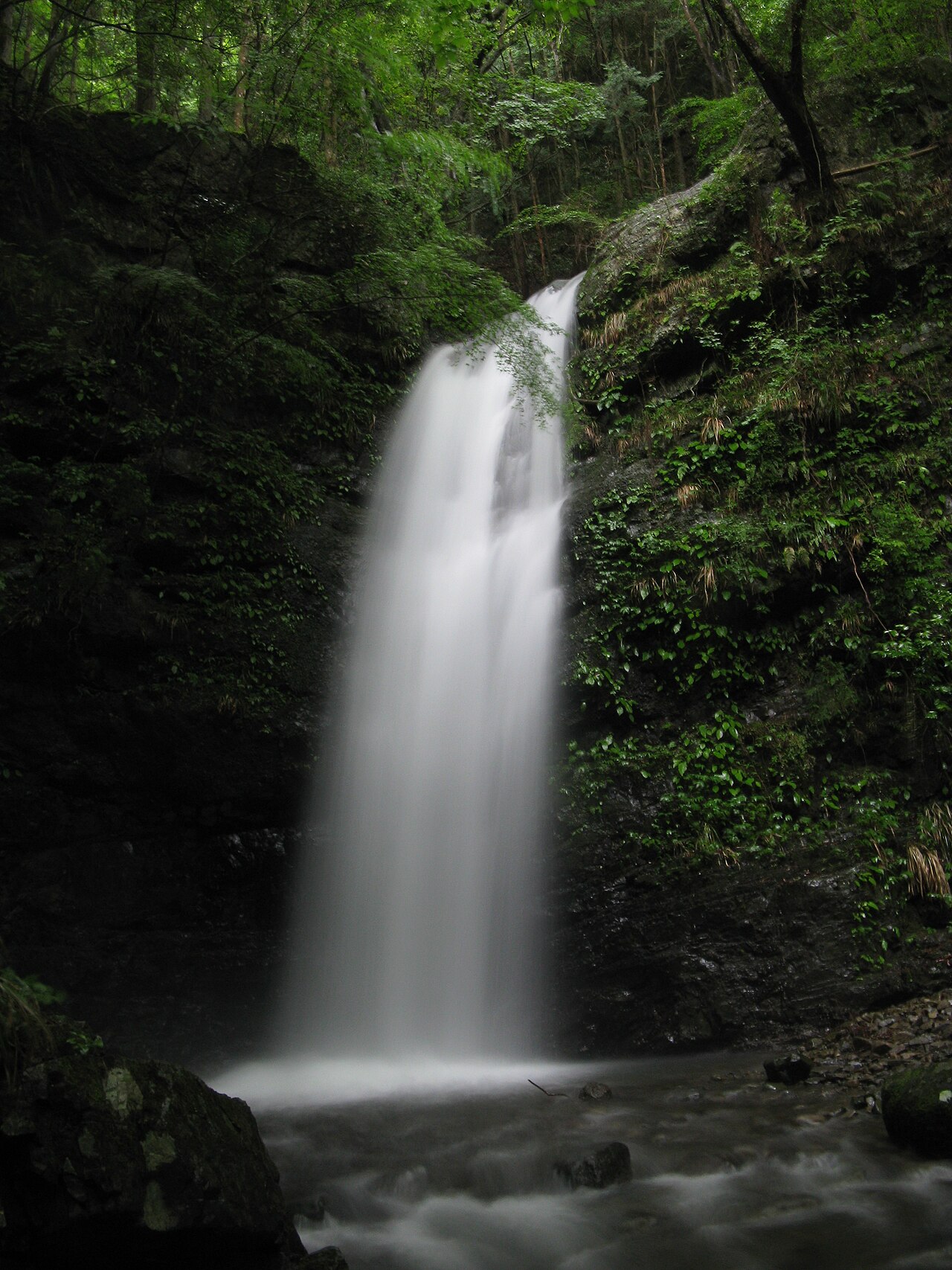
Takihata 48 Waterfalls
6.1 km · straight line
 KENPEI / CC BY-SA 3.0
Onsen · Osaka★
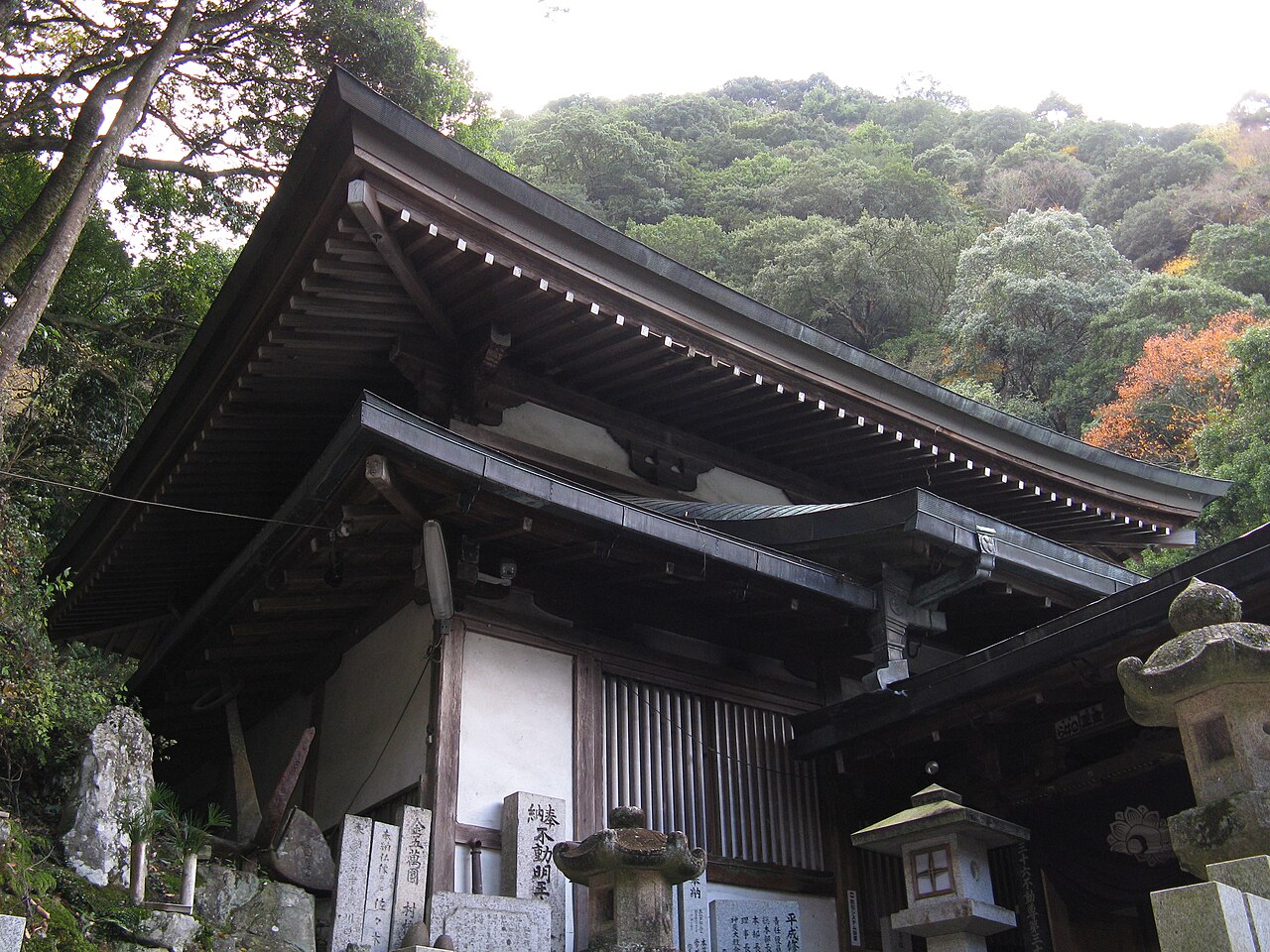
Inunakiyama Onsen
7.4 km · straight line
 663highland / CC BY 2.5
Local life · Osaka★★
Kishiwada Castle & the Danjiri Hall
12.3 km · straight line
 KENPEI / CC BY-SA 3.0
History · Wakayama★
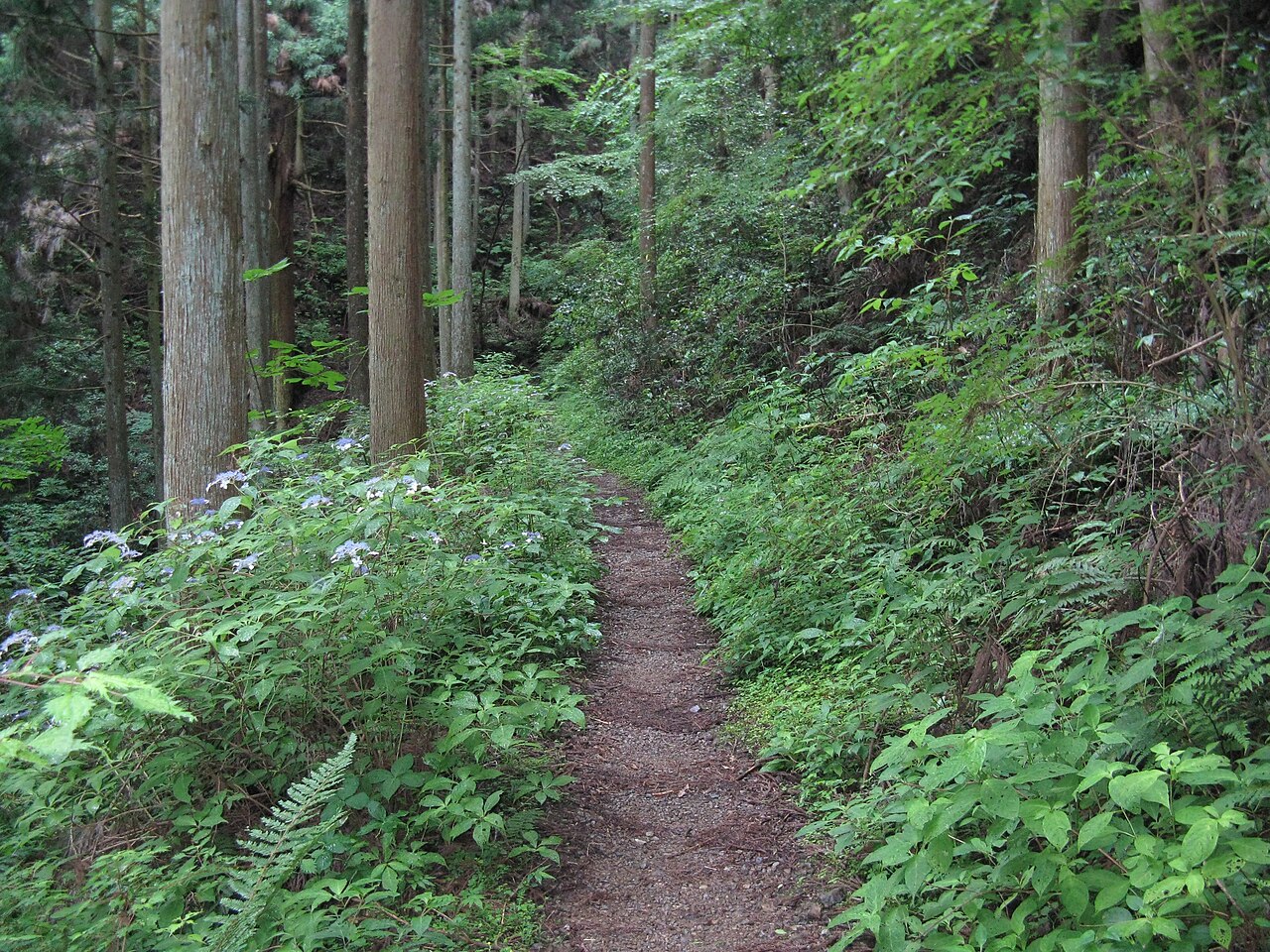
Choishi-michi
12.6 km · straight line
Distances are straight lines on the map, not travel times.